12 U.S. Cities With the Most Aggressive Towing Laws for Tourists

Travelers exploring major U.S. destinations often discover that parking rules shift dramatically from city to city, turning simple mistakes into expensive lessons. Many urban areas maintain strict towing enforcement to manage congestion, protect residential access, and support public transit in environments where road space is limited and traffic volumes remain high. For visitors unfamiliar with rapidly changing signs, neighborhood-specific rules, or time-restricted zones, these systems can feel overwhelming. Tow trucks operate with notable efficiency in several cities, and vehicles are often removed within minutes of a violation. Understanding how much each city typically charges for towing, storage, and related fines helps travelers prepare for the financial risks that accompany urban parking. The following cities stand out for their strict policies, fast enforcement, and higher-than-average towing expenses.
New York City

New York City enforces some of the strictest towing regulations in the United States because millions of commuters depend on consistent traffic flow each day. Tow trucks patrol bus lanes, bike lanes, and no-standing zones constantly, and vehicles blocking these areas are often removed within minutes. Signage changes frequently by block, which adds difficulty for visitors navigating unfamiliar neighborhoods. These rules work because they prevent bottlenecks in a city already crowded with delivery trucks, taxis, and pedestrians. The financial consequences, however, can be significant. A typical tow costs $185–$200, daily storage adds about $20, and the accompanying parking violation often exceeds $115. Most tourists pay more than $300 to retrieve a car, making New York one of the most expensive towing environments in the country.
San Francisco
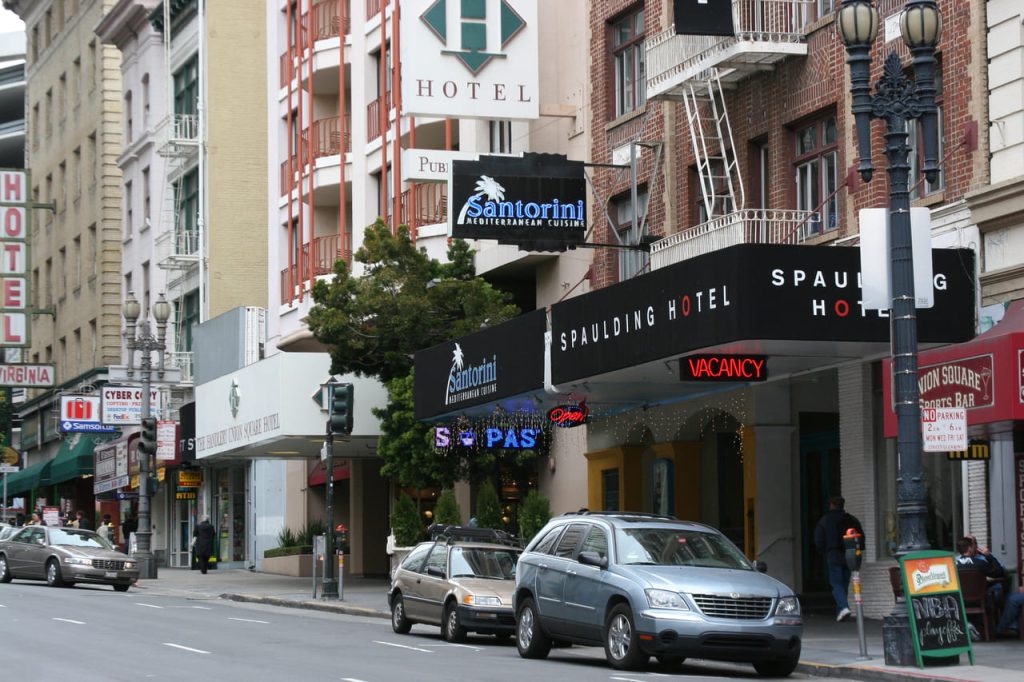
San Francisco’s towing laws reflect the city’s steep hills, dense districts, and heavy commuter traffic. Cars parked too close to driveways, curb cuts, or hill crests are removed quickly because these violations interfere with visibility and safe navigation on narrow streets. Strict street-cleaning schedules lead to thousands of tows each year, and enforcement is especially aggressive in older neighborhoods with limited parking. These policies work because they help maintain safety and ensure reliable movement across compact, high-traffic areas. The financial impact on visitors can be substantial. Standard towing fees typically start around $200, daily storage costs add $60–$70, and administrative fees often push total expenses into the $250–$300 range. Tourists unfamiliar with the city’s layered parking rules frequently face costly retrieval processes.
Chicago

Chicago enforces towing regulations year-round, but winter makes the system particularly strict. Overnight parking bans allow plows to clear major routes, and vehicles left in these zones are often removed before sunrise. Loading zones, expired meters, and restricted rush-hour lanes receive consistent monitoring during warmer months, especially near major tourist areas. These policies work because they help maintain emergency and commuter access in one of the country’s busiest transportation networks. Towing costs in Chicago typically begin around $150, while daily storage fees range from $25–$35. Additional parking citations can add another $50–$100, bringing the total well above $200. Visitors often underestimate these charges, especially during popular events or sports weekends when enforcement is intensified.
Boston

Boston’s strict towing laws stem from its historic layout, where narrow roads and limited curbside parking make blockages particularly disruptive. Many neighborhoods rely on resident-only parking, and vehicles without proper permits are removed almost immediately. Snow emergencies add another layer of regulation, requiring cars to clear designated routes for plows to maintain safe winter conditions. These practices work because they prevent gridlock in a city not originally designed for modern traffic volumes. The financial consequences for visitors can be steep. Standard towing fees typically range from $120–$150, daily storage often costs $35–$50, and parking fines add to the total, resulting in charges of $180–$250 or more. Navigating Boston’s block-by-block restrictions remains a challenge for many travelers.
Washington, D.C.

Washington, D.C. enforces towing laws that reflect its role as a federal hub with constant security needs and high visitor traffic. Vehicles parked in restricted zones near government buildings, embassies, or transit corridors face swift removal. Neighborhoods frequently use permit systems that leave little room for nonresidents, and special events create sudden changes in available parking. These policies work because they maintain order in a city that hosts diplomats, commuters, and tourists daily. Tow fees usually start around $150–$200, with storage adding $20–$25 per day, bringing the total to $200–$250. Visitors unfamiliar with event restrictions or rotating neighborhood rules often encounter unexpected towing expenses.
Los Angeles
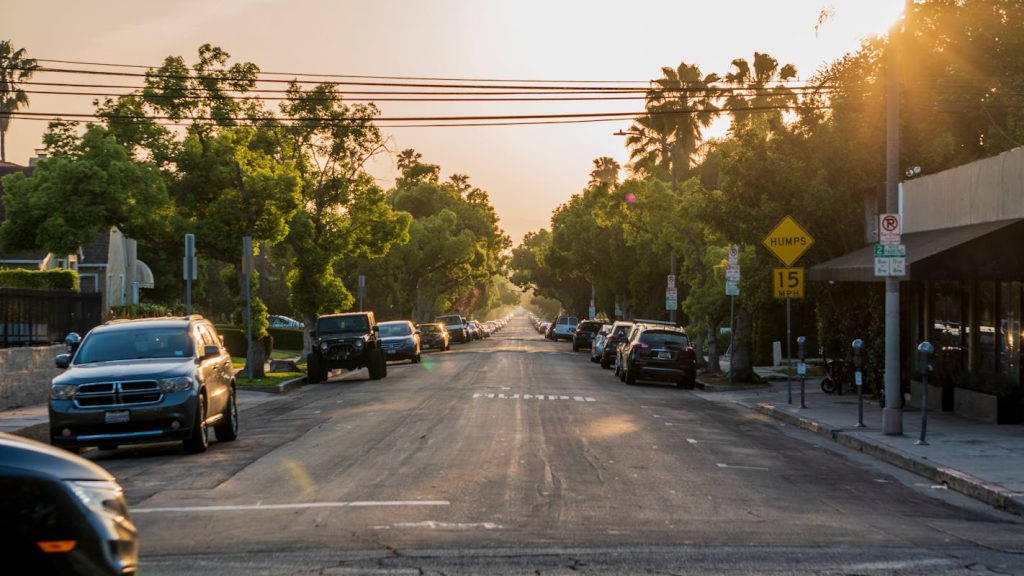
Los Angeles depends heavily on towing enforcement to manage congestion across its sprawling metropolitan area. Cars parked at red curbs, blocking driveways, or exceeding posted limits near beaches or entertainment zones face rapid removal. Street sweeping occurs frequently and across a wide range of neighborhoods, and missing a posted window often results in a tow. These rules work because Los Angeles relies on clear transit routes in a region where most residents depend on cars. A standard tow generally costs about $150–$175, with storage fees of $30–$40 per day, creating totals of $200–$250. Visitors exploring areas like Hollywood, Venice, or downtown often encounter strict enforcement that leaves little margin for error.
Miami
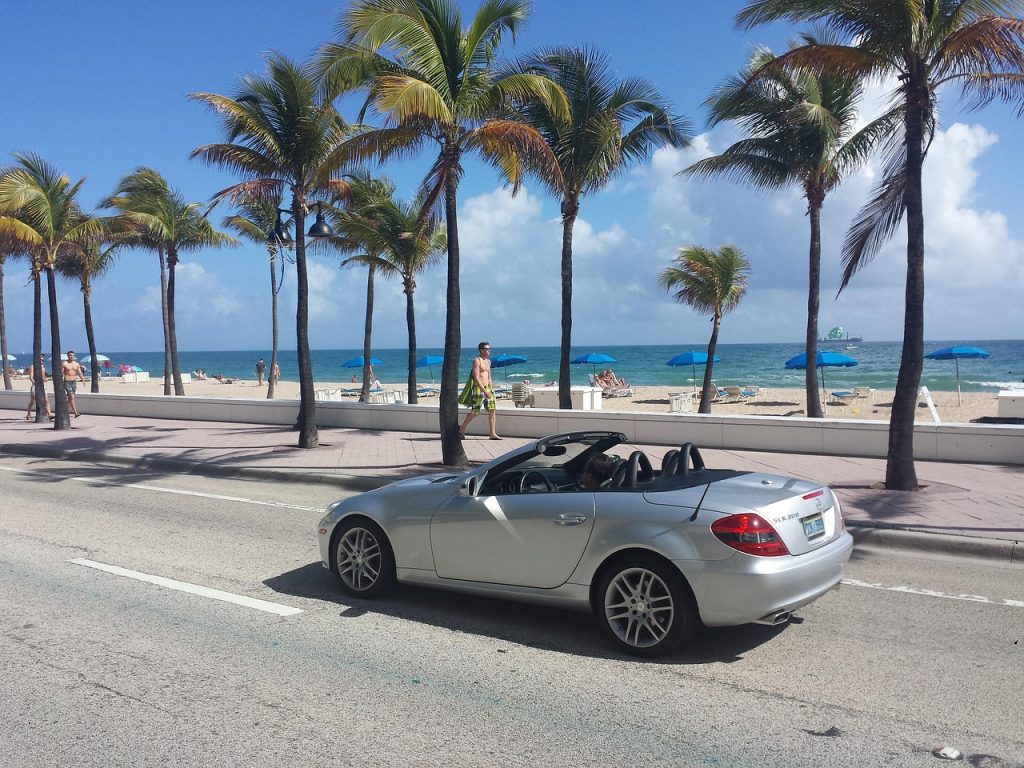
Miami enforces towing rules that reflect its coastal layout, limited parking supply, and bustling nightlife. Cars parked without residential permits or beyond posted limits near beaches or entertainment districts are often removed quickly. Seasonal festivals and high-traffic weekends increase enforcement, especially in areas where pedestrian activity remains heavy late into the night. These policies work because they preserve access for residents and maintain safety along crowded waterfronts. Towing fees in Miami generally start at $145–$165, with storage charges of $35–$45 per day, resulting in totals of $200–$240. Many travelers underestimate how quickly a vehicle can be towed in busy beach neighborhoods.
Seattle

Seattle’s towing rules aim to maintain movement across a city defined by steep hills, construction zones, and busy transit corridors. Vehicles blocking bike lanes, freight paths, or bus routes are removed promptly to ensure safe travel for cyclists and public transportation users. Paid parking zones shift throughout the day, and visitors often miss time-based restrictions that change by neighborhood. Although snow events are infrequent, they trigger emergency towing to protect roadway access. These policies work because they keep vital routes clear in a rapidly growing city. Towing costs in Seattle typically range from $200–$250, with daily storage fees of $25–$40, pushing total expenses toward $260–$300.
Philadelphia
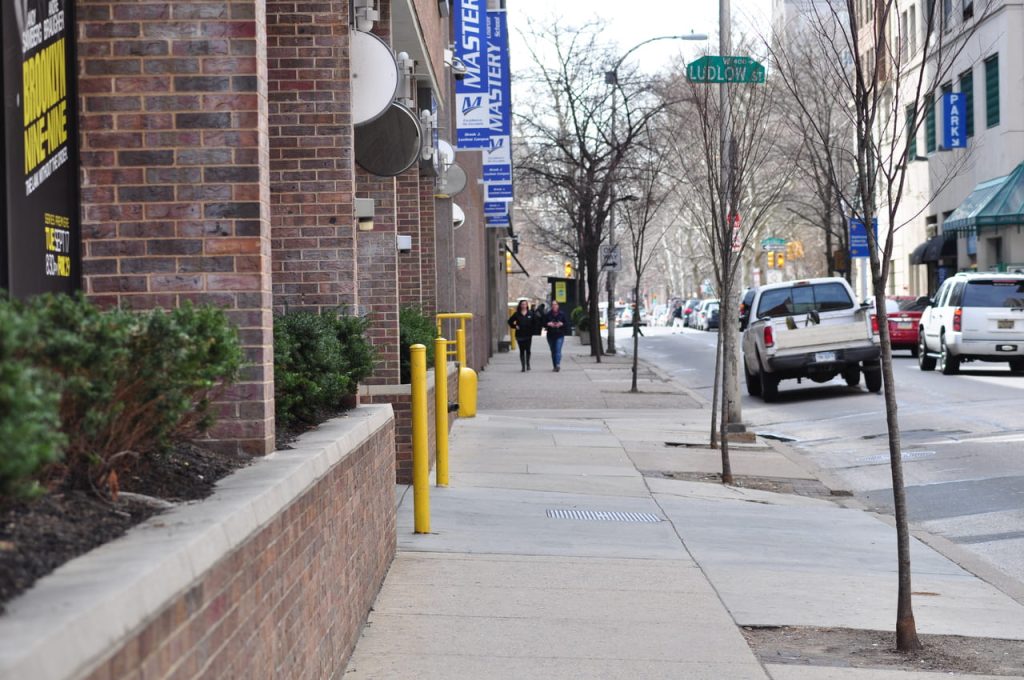
Philadelphia enforces towing regulations that support its compact street grid and heavy commuter population. Cars blocking no-stopping zones, fire hydrants, or street-cleaning routes are removed quickly, often with little warning. Historic neighborhoods complicate parking further, as narrow streets and limited curb space require constant oversight. Temporary restrictions appear during festivals, parades, or construction, making it difficult for visitors to track changing rules. These policies work because they maintain access for emergency services and pedestrians in dense districts. Standard towing fees often begin around $175, with storage adding $25–$35 per day, resulting in totals of $220–$250. Travelers unfamiliar with Philadelphia’s older street patterns frequently face unexpected costs.
Atlanta
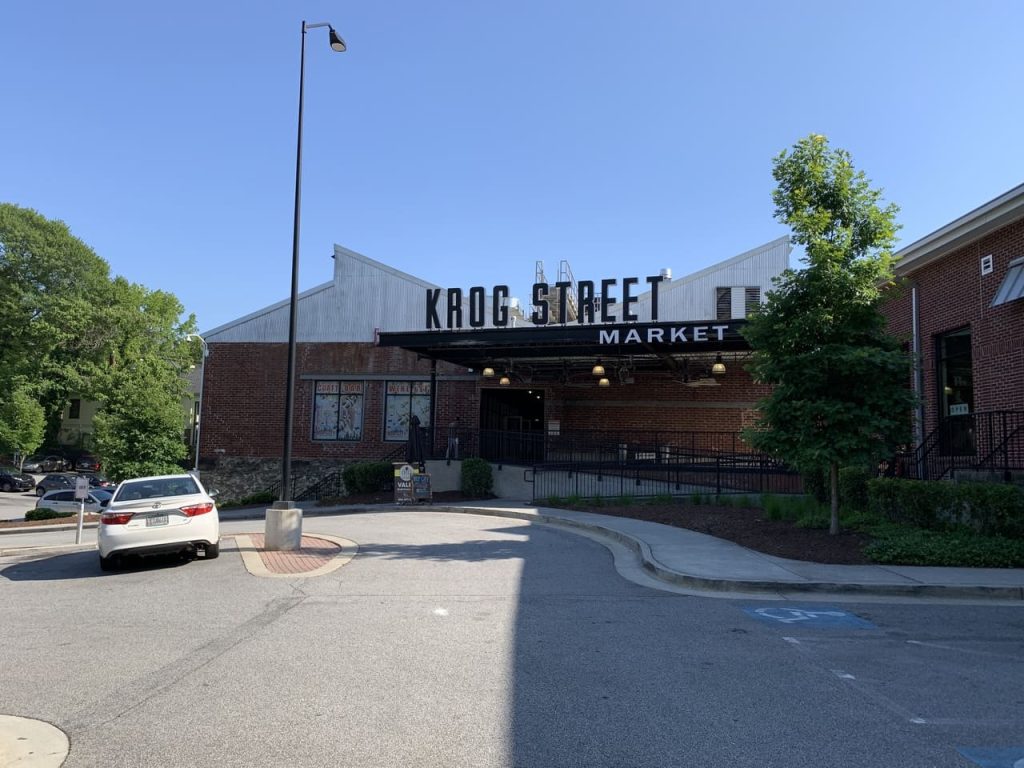
Atlanta applies strict towing regulations around major venues, entertainment districts, and business hubs where events attract large crowds. Vehicles parked in restricted zones near stadiums or convention centers face near-immediate removal to maintain emergency routes and traffic control. Construction and temporary closures add additional challenges for visitors. These policies work because they help ease congestion in a city already known for heavy traffic. A typical tow in Atlanta costs about $125–$150, with daily storage fees of $20–$25, resulting in totals around $170–$200. Tourists visiting for concerts, sports events, or festivals often encounter enforcement that operates quickly and with little leniency.
Denver

Denver enforces towing rules shaped by winter weather, a growing population, and busy event venues that draw visitors throughout the year. Cars parked along snow routes during storms are removed quickly so plows can operate efficiently and prevent dangerous icy buildup on major roads. Downtown parking regulations remain strict, with loading zones, metered spaces, and commercial areas monitored closely to support constant traffic movement. Event-related restrictions near arenas and stadiums add another challenge, as temporary no-parking signs appear frequently and can be easy for visitors to overlook. These rules work because they preserve roadway safety and mobility in a city balancing mountain tourism with rapid urban expansion. Towing fees in Denver typically start at $150, with storage costs of $30–$40 per day, resulting in totals between $200–$230 for most violations.
Honolulu
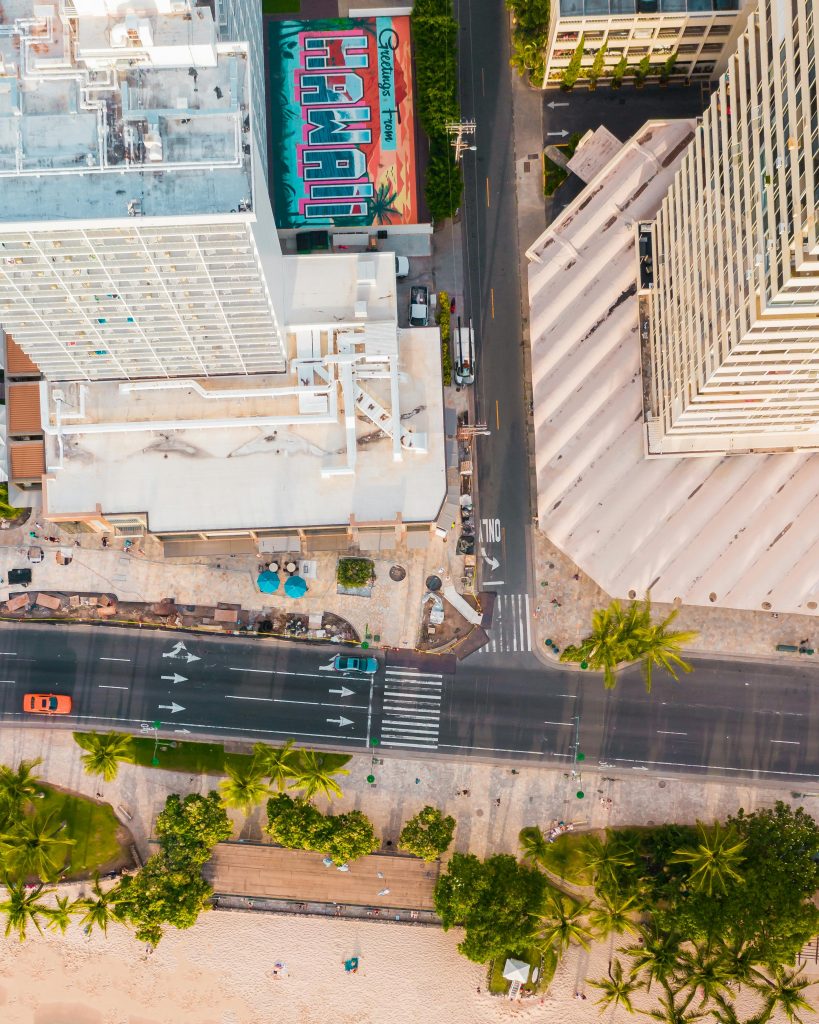
Honolulu enforces strict towing rules due to limited coastal parking, high tourism, and narrow shoreline roads that cannot accommodate congestion. Vehicles parked illegally near beaches, resorts, or residential permit zones are often removed quickly to protect public access and maintain safe traffic patterns. Enforcement is particularly strong in scenic areas where parking demand routinely exceeds supply. These policies work because they help manage a city where tourism and local needs intersect daily. Typical towing fees range from $160–$200, with storage adding $35–$45 per day, resulting in total charges of $220–$260. Visitors unaccustomed to Honolulu’s varied parking rules often face rapid towing and expensive retrieval fees.