12 U.S. Markets Women Get Lost In and Leave With Full Bags

Retail psychologists and urban sociologists observe that the traditional shopping mall has largely lost its status as a primary social destination, replaced by historic public markets that offer sensory-rich, tactile environments. These markets function as “third places” where the architecture and the human scale of the stalls encourage a slower pace and deeper exploration. Experts in consumer behavior note that women increasingly prioritize these marketplaces for their combination of artisanal transparency and community connection, often spending hours navigating the winding aisles to find items that standard retail cannot provide.
Urban planners and community development officials emphasize that the most successful U.S. markets share a commitment to local entrepreneurship and historical preservation. These spaces are not merely places to buy goods but are vibrant hubs where the origin of every product—from a hand-poured candle to a bunch of heirloom carrots—is often represented by the maker standing behind the counter. According to hospitality consultants, the atmosphere of these markets triggers a “treasure hunt” mindset that leads to the discovery of unique gifts, high-quality pantry staples, and artisanal skincare products that justify a return visit and a heavy bag on the way out.
Pike Place Market Seattle
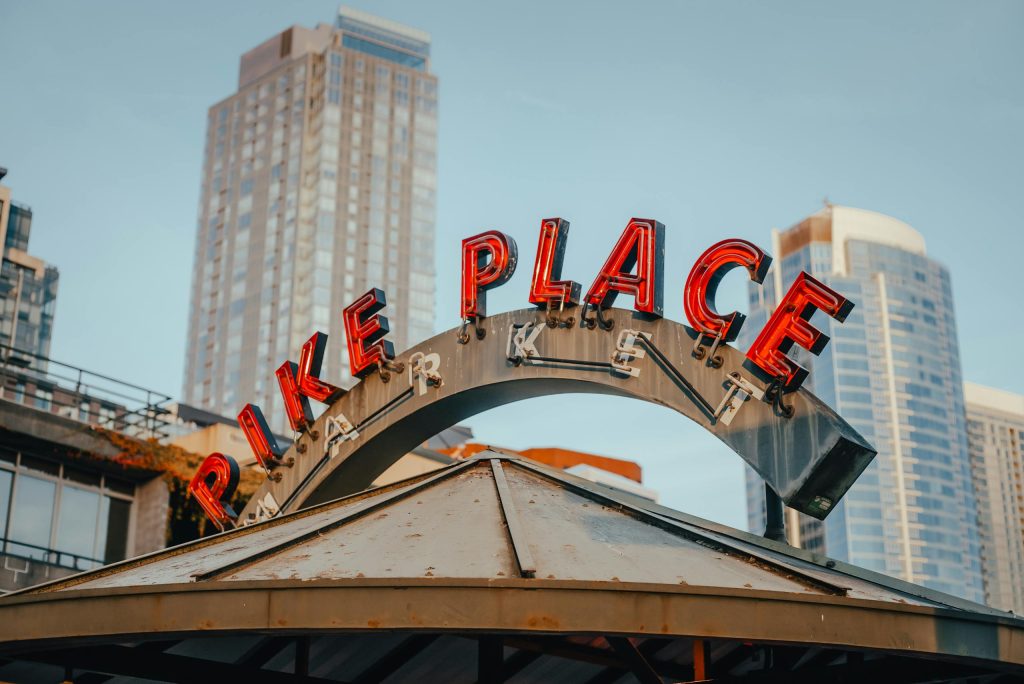
Historical curators and urban planners frequently cite Pike Place Market as the gold standard for American public markets because of its seamless integration of permanent stalls and rotating craft tables. The market has served as a community anchor since 1907, and it currently serves as a vital incubator for female entrepreneurs. Retail analysts highlight the Western Avenue corridor as a specific area of interest where a high concentration of women-owned businesses offers everything from hand-made apparel to sustainable beauty products.
The sheer scale of the multi-level maze leads many to spend a full day exploring the lower levels and hidden corners. Beyond the famous fish-throwing demonstrations, the market provides a massive array of fresh bouquets that have become a signature purchase for locals and visitors alike. Small-batch spice blends and locally sourced honey often fill the bags of those who navigate the bustling crowds. The expert consensus suggests that the best way to experience the market is to ignore the map and follow the scent of fresh pastries and salt air into the depths of the historic structure.
Reading Terminal Market Philadelphia
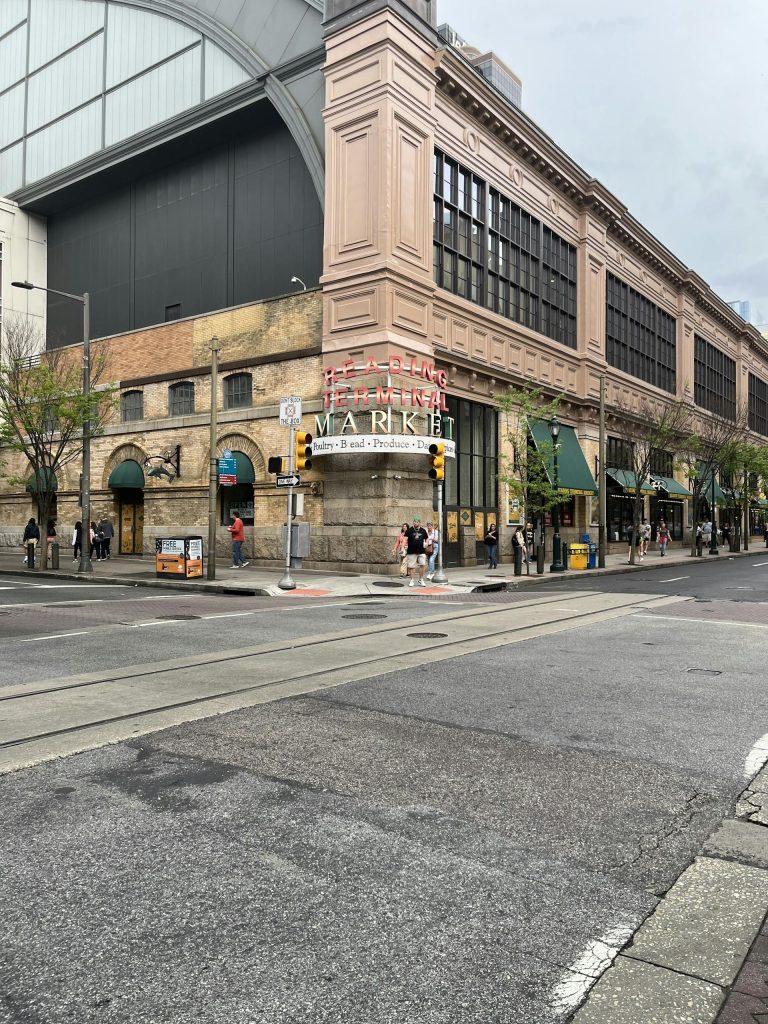
Culinary historians and heritage specialists celebrate Reading Terminal Market for its preservation of 19th-century food traditions within a modern urban context. Located beneath a former railroad terminal, the market maintains a unique connection to the nearby Pennsylvania Dutch communities. Experts note that the presence of Amish and Mennonite families bringing fresh farm products directly to the city center creates a level of authenticity that remains rare in major metropolises.
Travelers often find themselves carrying heavy bags filled with apple dumplings, hand-rolled soft pretzels, and rich jars of local preserves. The market also houses some of the oldest artisanal shops in the country, including specialized retailers of high-butterfat ice cream and gourmet chocolates. Interior designers frequently recommend the market for its selection of handmade kitchenware and unique home accents. The combination of historical atmosphere and the incredible diversity of family-owned vendors ensures that a quick trip for lunch almost always turns into an afternoon-long shopping expedition.
Ferry Building Marketplace San Francisco
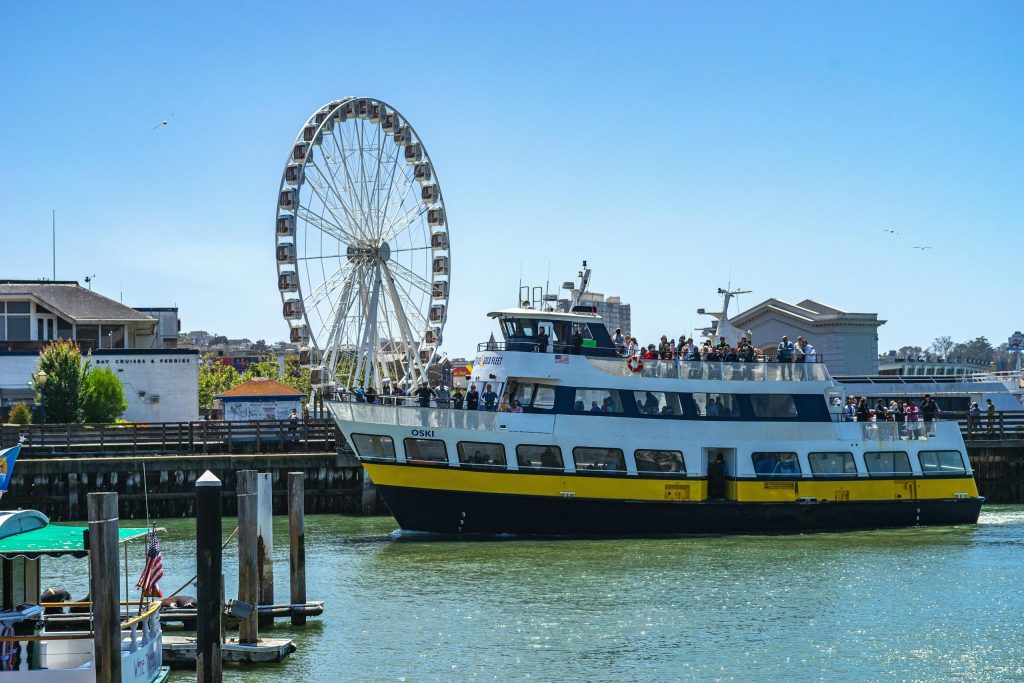
Urban development experts and sustainable agriculture advocates point to the Ferry Building as a premier destination for high-end pantry staples and regional artisanal products. The Beaux-Arts terminal has been transformed into a gourmet concourse that focuses on small-scale producers from the Bay Area and Northern California. Planners emphasize that the market functions as an educational facility where shoppers can learn about the specific terroir of the olive oils and cheeses they purchase.
The bags of shoppers here often contain beautiful local handmade soaps, specialty mushroom varieties, and craft beers that reflect the diversity of the region’s agricultural output. On weekends, the outdoor plaza expands into a massive farmers market that further increases the opportunities for discovery. Hospitality consultants observe that the marketplace appeals to a demographic that values quality over quantity, with visitors spending significant time selecting the perfect vinegar or a loaf of sourdough. The light-filled concourse and the view of the bay encourage a relaxed pace that makes lingering nearly inevitable.
Chelsea Market New York City
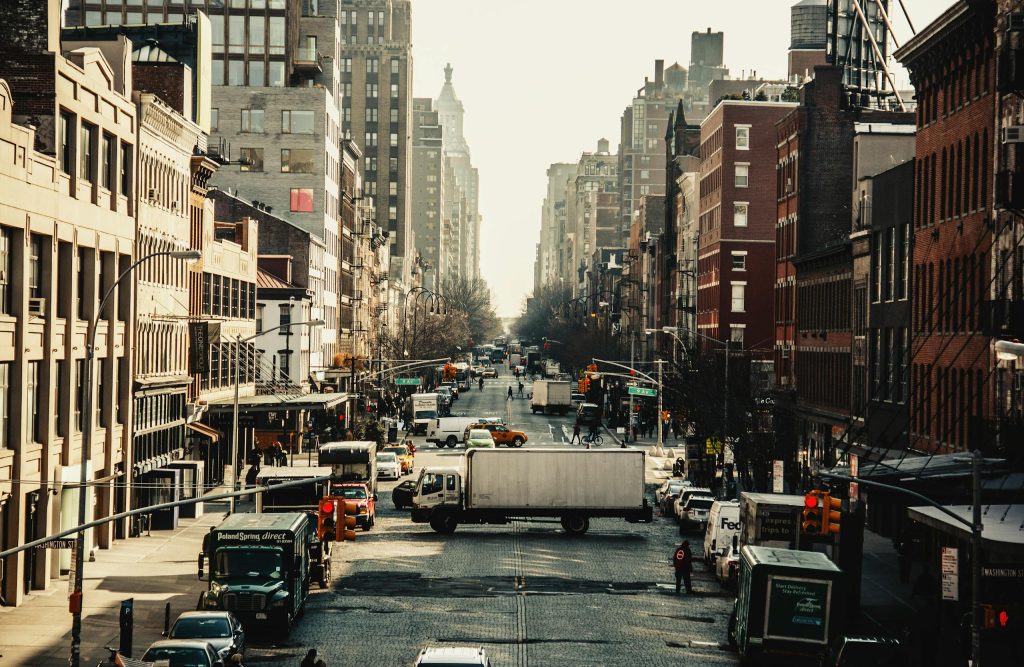
Fashion historians and retail analysts recognize Chelsea Market as a global leader in curated artisanal shopping within a repurposed industrial space. Housed in a former biscuit factory, the market provides a home for independent designers and collectors through its rotating merchant lineups. Experts say the constant evolution of the vendor list means that even frequent visitors find new emerging talent and creative products every week.
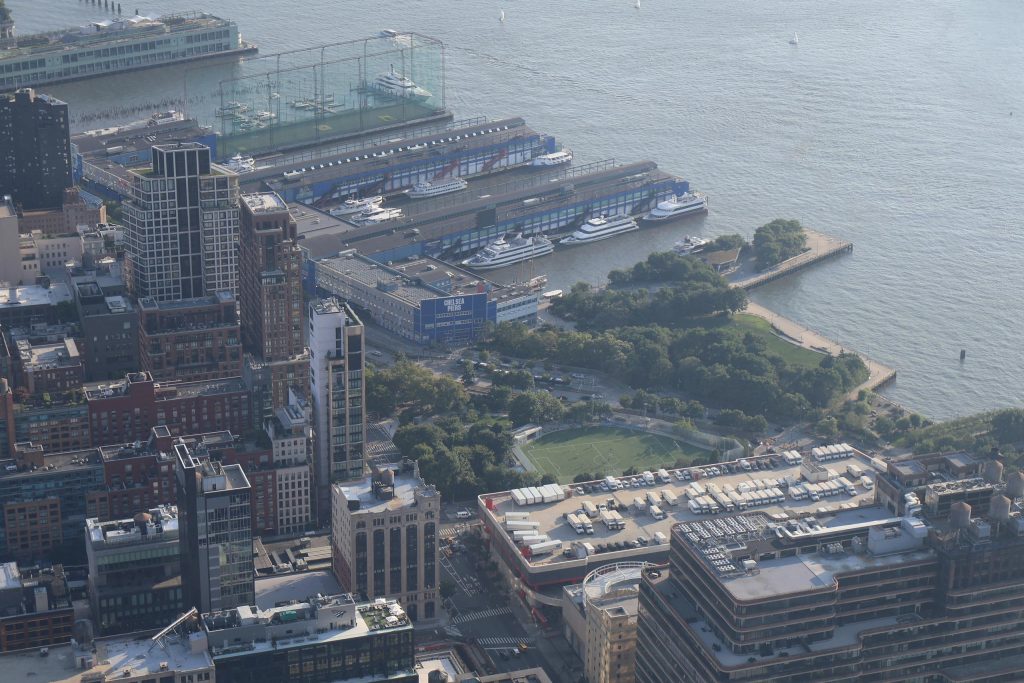
Shopping at the Artists and Fleas section often results in bags full of super-friendly retro clothes, handmade jewelry, and unique antiques. The market sits directly beneath the High Line, creating a natural flow of pedestrians who stop for a quick bite and end up staying to browse the dozens of specialty food purveyors. Retail psychologists note that the gritty industrial aesthetic combined with high-end craftsmanship creates a compelling environment that encourages impulse purchases of one-of-a-kind art and accessories. The market’s location in the Heart of the Meatpacking District makes it a convenient hub for those seeking a sophisticated New York shopping experience.
Charleston City Market Charleston
Cultural heritage specialists and local historians identify the Charleston City Market as one of the most significant sites for traditional Gullah Geechee craftsmanship in the United States. The open-air vendor sheds have hosted local sellers for centuries, and they remain the best place to find certified authentic sweetgrass baskets. Experts explain that these baskets are not merely souvenirs but are intricate works of art created using techniques passed down through generations.
Bags leaving this market are frequently filled with southern delights such as benne wafers, pecan pralines, and saltwater taffy. The market also features a wide variety of local art and handcrafted keepsakes that tell the story of the Lowcountry’s unique flavors and history. Retail consultants suggest that the open-air atmosphere and the mix of historical architecture create a relaxed environment where shoppers feel comfortable engaging with the artisans. The energy of the street and the proximity to high-end galleries on King Street ensure that the market serves as the starting point for a day of spontaneous discoveries.
Santa Fe Farmers Market Santa Fe

Artisanal consultants and northern New Mexico agricultural experts celebrate the Santa Fe Farmers Market for its commitment to regional heritage and healthy living. The market pavilion hosts over one hundred and fifty vendors who offer a diverse array of southwestern-style products. Experts highlight the presence of specialized skincare brands made with desert botanicals and natural honey products that attract a dedicated female clientele.
Visitors often find themselves leaving with bags full of sage sticks, southwestern gourmet mustards, and cave-aged goat cheeses. The market also serves as a hub for local art and knitted items, making it a favorite for those seeking unique gifts that support the New Mexico community. Hospitality planners note that the live music and the vibrant colors of the produce—including famous green chiles and purple tomatoes—create a festive atmosphere that turns grocery shopping into a cultural event. The high quality of the grass-fed dairy and artisanal breads ensures that shoppers prioritize these local finds over traditional supermarket options.
Eastern Market Washington DC
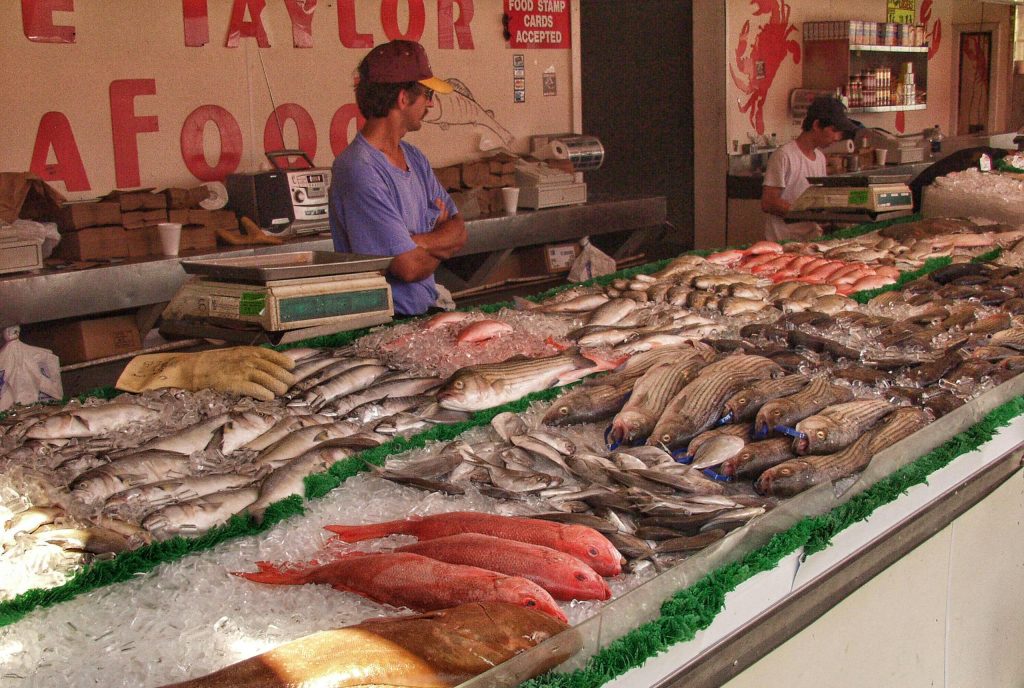
Urban sociologists and graphic designers frequently recommend Eastern Market for its unique blend of public market tradition and vibrant weekend flea market culture. Located in the Capitol Hill neighborhood, the market has operated continuously since the 19th century. Experts observe that the weekend street tents attract hundreds of local artists and craftsmen, offering a massive variety of jewelry, housewares, and photography.
A particular highlight for many shoppers is the merchant who sells old moveable type blocks and stamps rescued from old government printing presses. The indoor hall provides world-class meats, cheeses, and baked goods, while the flower kiosks offer fresh blooms that brighten many local bags. Planners note that the lively mix of cafes and taco joints surrounding the market encourages visitors to stay for the entire morning, browsing the street stalls for one-of-a-kind treasures. The combination of historical charm and the brisk business of the street vendors makes it a staple of the D.C. social and retail landscape.
French Market New Orleans
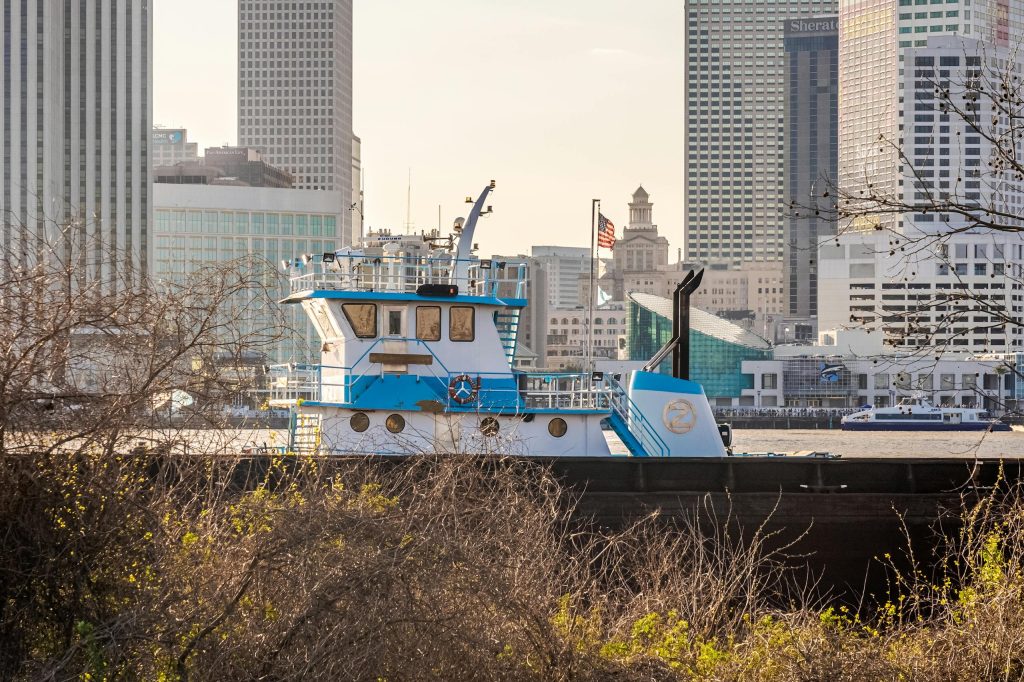
Historic district managers and cultural anthropologists describe the French Market in New Orleans as an adventurous shopping destination that reflects the city’s international heritage. Established in 1791, the market spans six blocks in the French Quarter and features a diverse array of flea market vendors and boutique shops. Experts note that the market offers everything from voodoo artifacts and handcrafted talismans to vintage posters and retro-inspired memorabilia.
The bags of visitors often contain traditional southern treats like pralines and artisanal delights from Creole gourmet shops. The international community of vendors provides a global perspective on fashion and accessories that is unique to the Mississippi River waterfront. Retail analysts observe that the mix of historic cobblestone sidewalks and the bustling energy of the market encourages a sense of exploration where shoppers never quite know what they will find next. The proximity to the vibrant art scene of the French Quarter ensures that the market remains a top destination for those seeking a tangible piece of New Orleans history.
West Side Market Cleveland
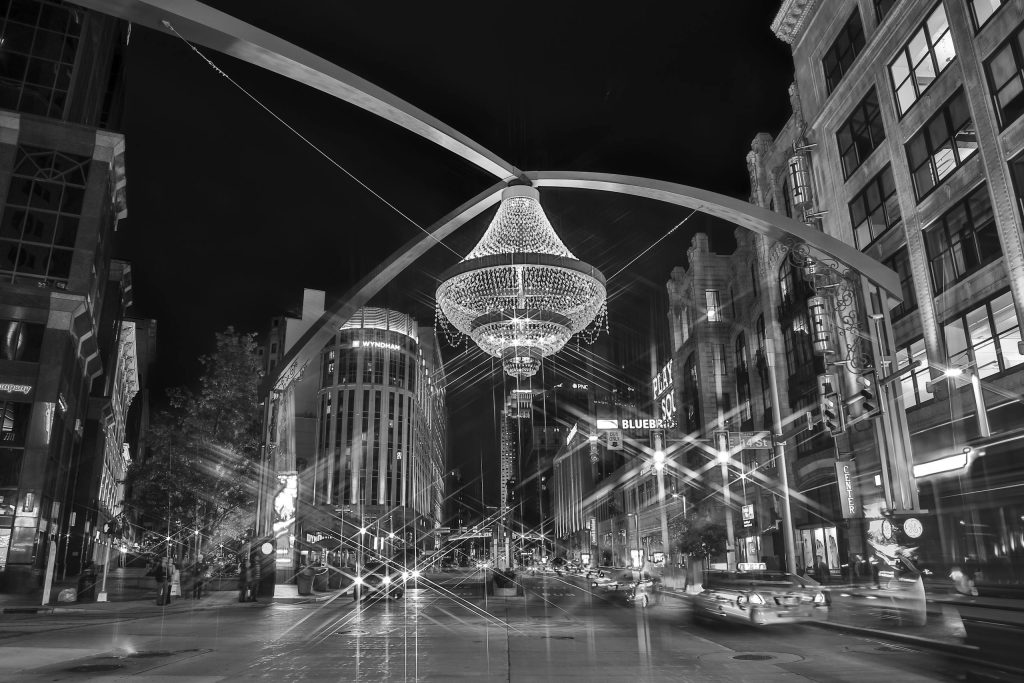
Architecture critics and food industry experts recognize the West Side Market as a landmark of ethnic diversity and culinary excellence in the Midwest. The yellow brick market hall with its iconic one-hundred-thirty-seven-foot clock tower has stood for over a century as a Cleveland institution. Experts explain that the interior concourse houses over seventy vendors offering fine meats, fresh seafood, and dairy products that reflect the city’s rich immigrant history.
Women shopping at this market often find their bags filled with fresh flowers, artisanal herbs, and specialty ethnic pastries that are difficult to find elsewhere. The yellow brick arches and the vintage atmosphere create a sense of grandeur that makes the weekly shopping trip feel special. Community development officials note that the market attracts over a million visitors annually, drawn by the incredible variety of ready-to-eat foods and specialized ingredients. The transfer of management to a non-profit corporation has allowed for a renewed focus on the market’s master plan, ensuring that it remains a premier historical shopping tradition for future generations.
Milwaukee Public Market Milwaukee
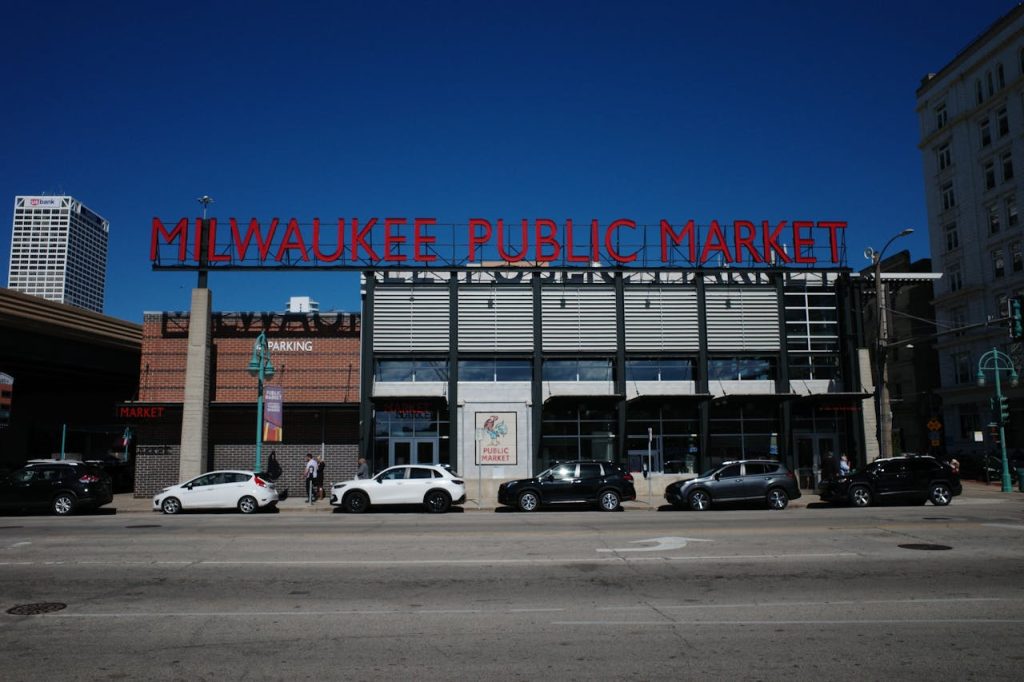
Hospitality planners and regional food experts identify the Milwaukee Public Market as a bustling community hub situated in the vibrant Historic Third Ward. The architecturally acclaimed structure features iconic neon signs and a vintage VW bus that add a layer of whimsy to the shopping experience. Experts highlight the presence of independently owned merchants who offer everything from fresh Wisconsin cheese curds to gourmet spices and artisanal oils.
The bags of shoppers here often contain unique Milwaukee merchandise, artisanal vinegars, and fresh flowers from local vendors. The market also hosts cooking classes that draw women interested in the culinary arts, further establishing the space as a center for learning and social engagement. Urban designers note that the proximity to the scenic Milwaukee Riverwalk encourages visitors to make a full afternoon of their visit, strolling between the market and the surrounding boutiques. The combination of local Wisconsin staples and global flavors makes the market a can-miss destination for those seeking high-quality local products.
Union Market Washington DC
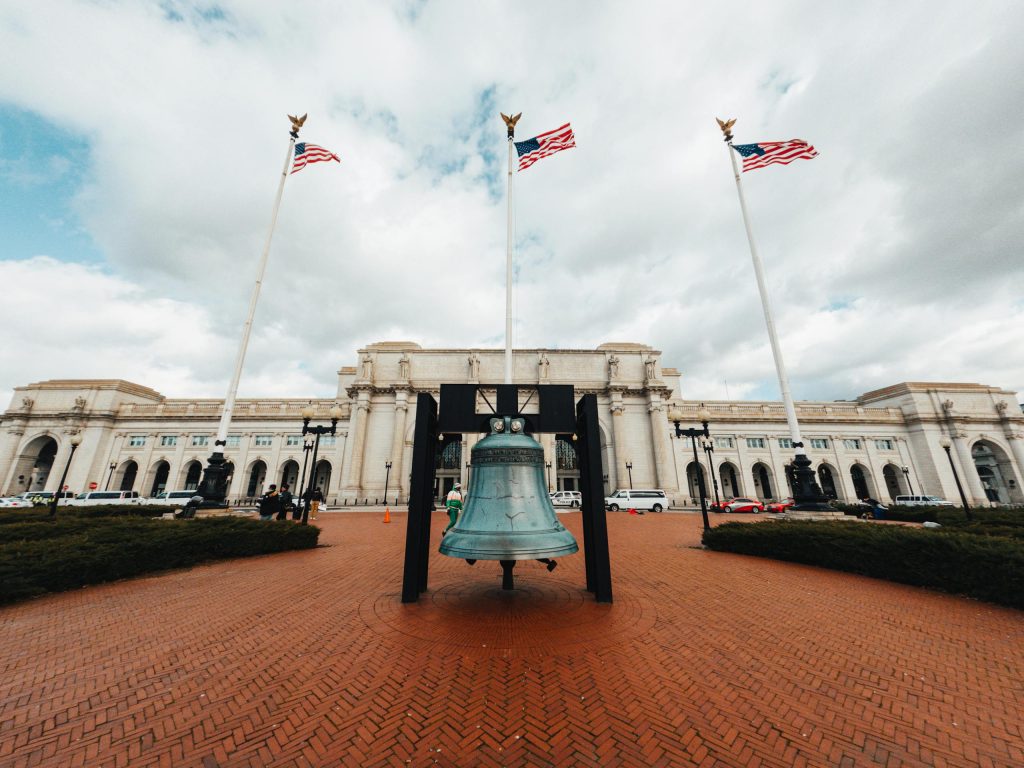
Interior designers and retail trend forecasters recognize Union Market as a sophisticated culinary destination and entrepreneurial center in Northeast D.C. The historic district has been revitalized to balance its industrial character with exciting new retail and dining uses. Experts note that the market is home to more than forty local restaurants and boutique shops, offering a curated selection of home goods, custom framing, and artisanal ceramics.
Shoppers at Union Market often leave with bags containing high-end Italian pantry staples, locally designed sneakers, and gourmet ice cream. The presence of Michelin-starred restaurants and vibrant retail pop-ups attracts a demographic that values a modern, urban aesthetic. Community managers highlight the year-round events, including holiday celebrations and fitness classes, that keep the energy of the market high. The ongoing development of the surrounding district ensures that the market remains a focal point for the city’s creative and urban fabric, providing a stylish environment for those who want to get lost in a world of high-quality retail.
Yellow Green Farmers Market Hollywood
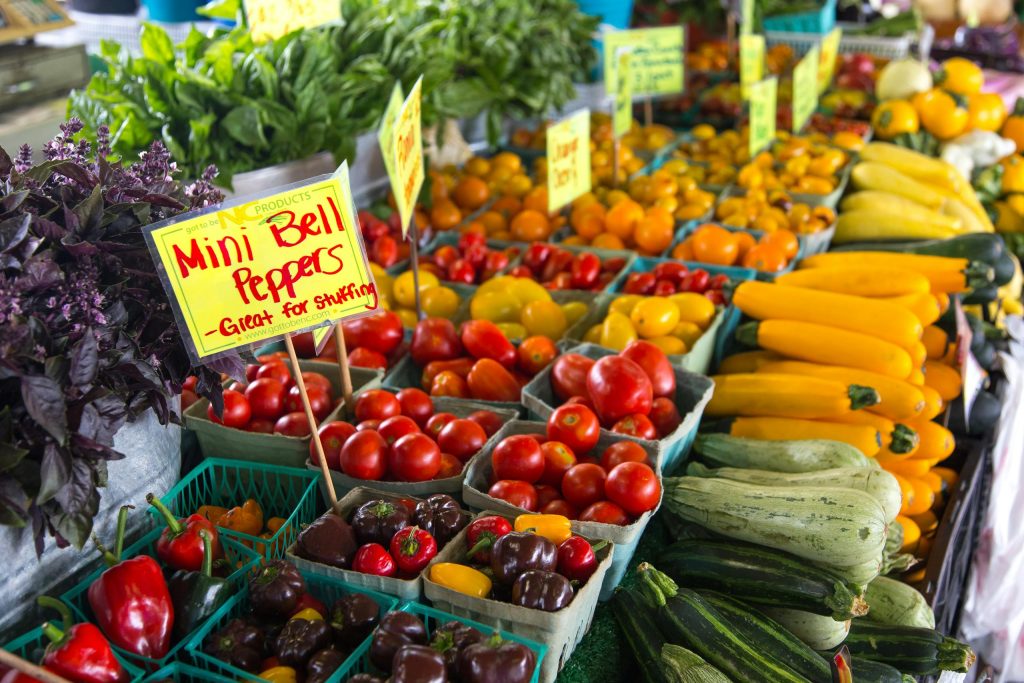
Community development officials and organic food advocates celebrate the Yellow Green Farmers Market as a massive hub of activity in South Florida. Recently renovated to double its capacity, the market now hosts hundreds of stalls selling everything from fresh local produce to international cuisine. Experts note that the market serves as a beloved attraction for both locals and tourists, offering yoga classes and live music performances that enhance the shopping experience.
The bags of visitors here are often filled with organic skincare products, handmade crafts, and fresh seafood from local Hollywood farmers. The market’s booming holiday events attract thousands of shoppers looking for unique gifts and fresh ingredients for festive dinners. Retail analysts observe that the sheer number of stalls and the diversity of the offerings make it easy to spend hours wandering through the aisles. The focus on supporting local entrepreneurs and providing a platform for sustainable products has made the market a central part of the downtown Hollywood community.