12 U.S. Nature Reserves That Are Surprisingly Quiet

You hear a lot about America’s packed national parks, but you rarely hear about the quieter reserves where you can actually breathe, wander, and hear your own footsteps. These places sit outside the usual tourist orbit, yet they give you sweeping views, calm trails, and wildlife that isn’t hiding from crowds. When you visit, you notice how different your pace feels. You slow down without trying. You look longer without forcing it. If you want protected landscapes without the noise, you’ll find plenty of space in these lesser known nature reserves across the country.
1. Washita National Wildlife Refuge
This Oklahoma refuge stays under the radar, even though you get wide open prairie, hidden wetlands, and some of the best birdwatching in the region. You can follow quiet shoreline trails along Foss Reservoir where pelicans, herons, and wintering eagles settle in without much human activity. The refuge also protects a mix of shortgrass habitat and riparian zones that support deer, coyotes, and migratory waterfowl. When you explore it, you feel how much room you have to move at your own pace because most people simply drive by without realizing what they’re missing.
2. Okefenokee National Wildlife Refuge
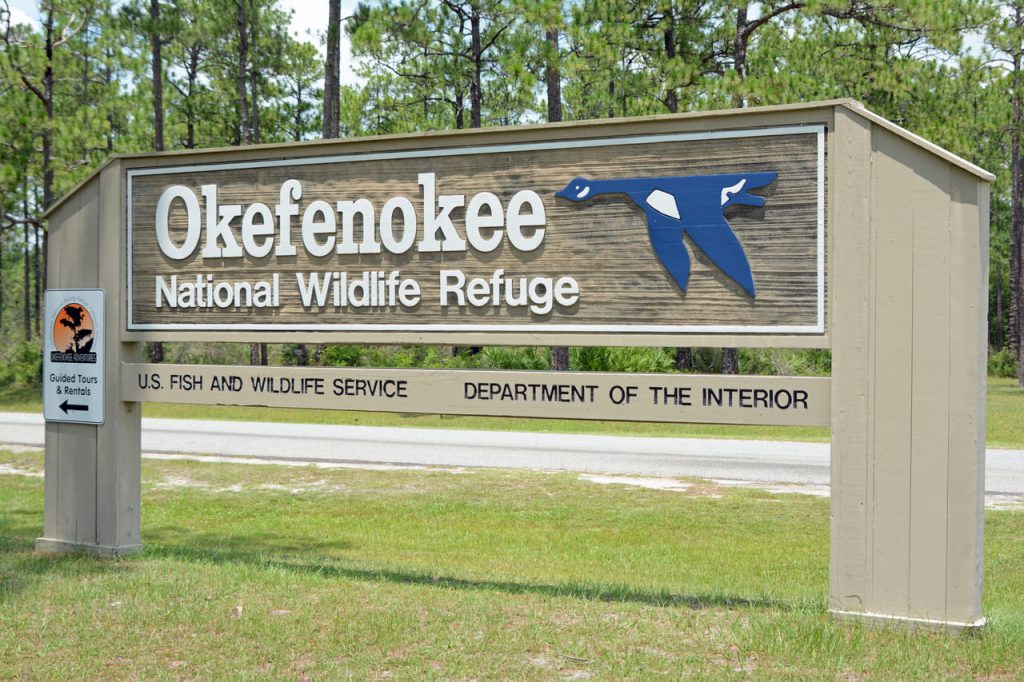
You might expect one of the country’s largest intact swamps to feel overrun, but you rarely see big crowds here. You glide through blackwater channels under cypress trees that twist into the sky while you listen to frogs, red shouldered hawks, and the low splash of turtles. The raised boardwalk lets you step into the landscape without disturbing the habitat, and the prairies open into huge views you won’t forget. Because many travelers stick to nearby coastal destinations, you get a surprising amount of quiet in a place that feels both ancient and alive.
3. Kofa National Wildlife Refuge
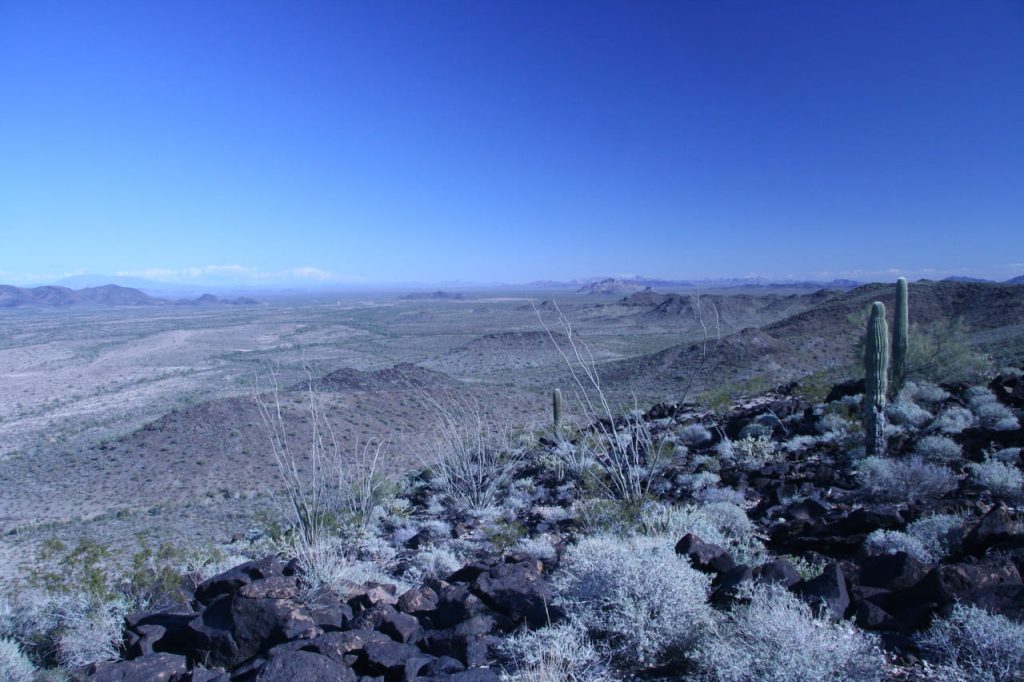
This Arizona reserve offers rugged desert peaks and palm lined canyons that you explore in near silence thanks to its remote location. You follow gravel roads toward the Kofa Mountains, where bighorn sheep move across ridgelines and cholla gardens glow in late afternoon light. The landscape feels untouched because its sheer size spreads visitors out. If you’re patient, you see desert tortoises and kit foxes along your route. The isolation works in your favor since most people never carve out time to reach this part of the state.
4. Cedar Keys National Wildlife Refuge
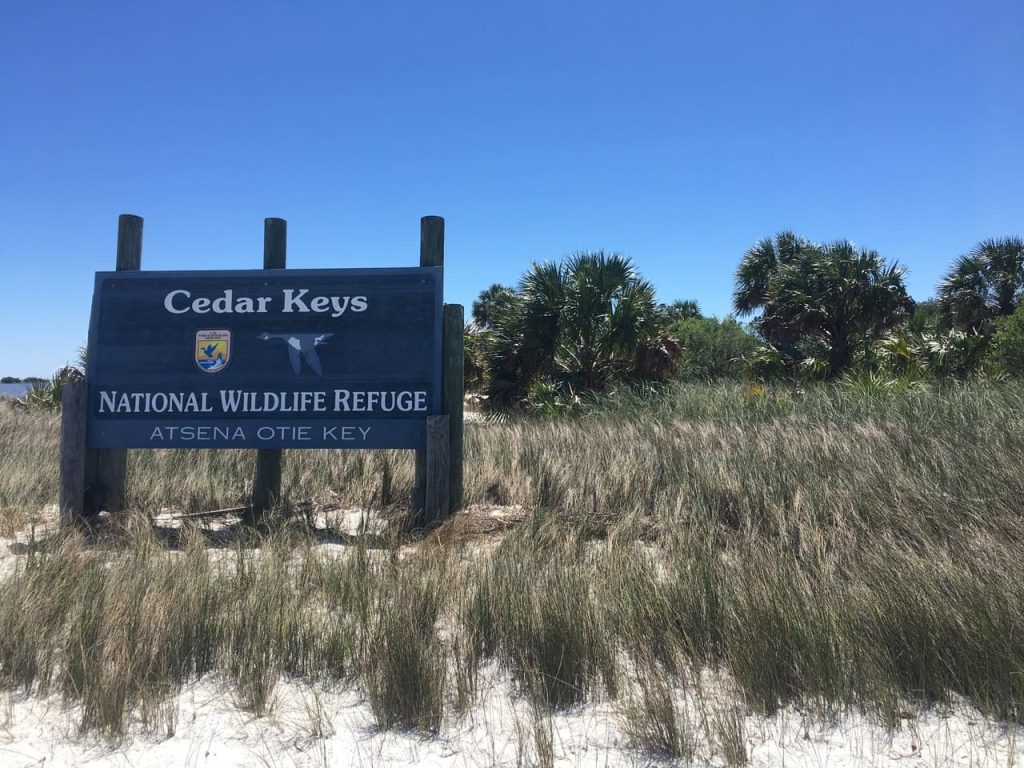
This Gulf Coast refuge remains quiet because you reach many of its islands only by kayak or small boat. You paddle through calm water toward shell covered shorelines where white ibis, spoonbills, and osprey feed with little disturbance. You can explore tidal flats and mangrove fringes without hearing much more than wind and wings. The historic lighthouse on Seahorse Key adds another layer of interest, yet even that doesn’t draw big numbers. The remoteness protects the wildlife and gives you breathing room you don’t often find on Florida’s coast.
5. Little Pend Oreille National Wildlife Refuge
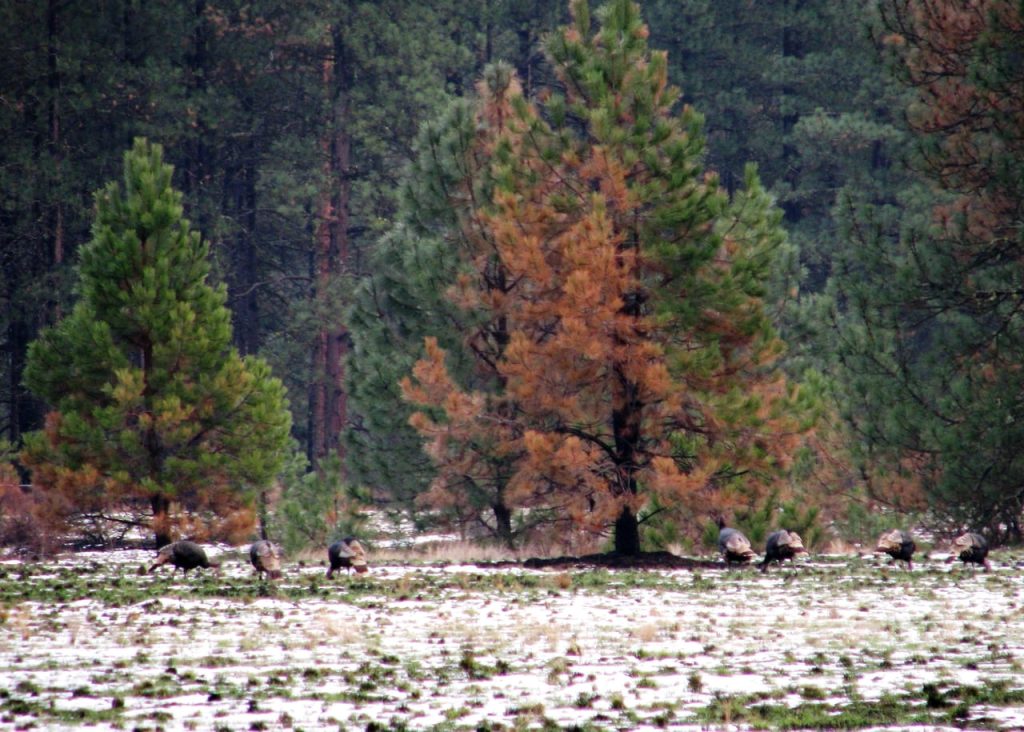
Set in the forested hills of northeastern Washington, this reserve is one of the few places where you can hike through mixed conifer habitat without running into constant foot traffic. You might catch views of moose, black bears, or ruffed grouse along quiet trails that weave between meadows and ponds. Because it’s far from the state’s busiest recreation hubs, you hear more tree rustle than conversation. The refuge’s blend of dry forest and wetland pockets creates a calm rhythm, and you feel it the moment you start exploring.
6. Arapaho National Wildlife Refuge
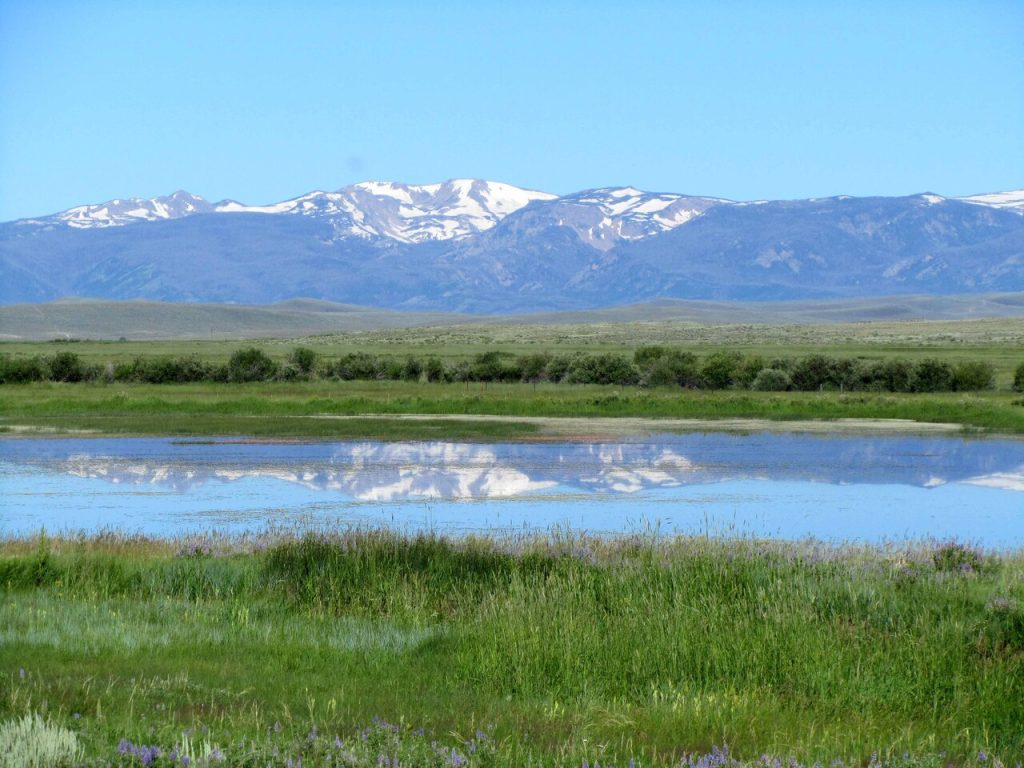
High in Colorado’s North Park region, this refuge stays surprisingly calm because of its open sage flats and distance from major highways. You walk along boardwalks that pass through marshes where sandhill cranes, avocets, and ducks thrive. The valley views stretch for miles beneath a wide sky, and the quiet settles in quickly since most travelers aim for Rocky Mountain National Park instead. As you explore, you notice how the wetlands support life in every direction, yet the setting still feels spacious and almost meditative.
7. St. Marks National Wildlife Refuge
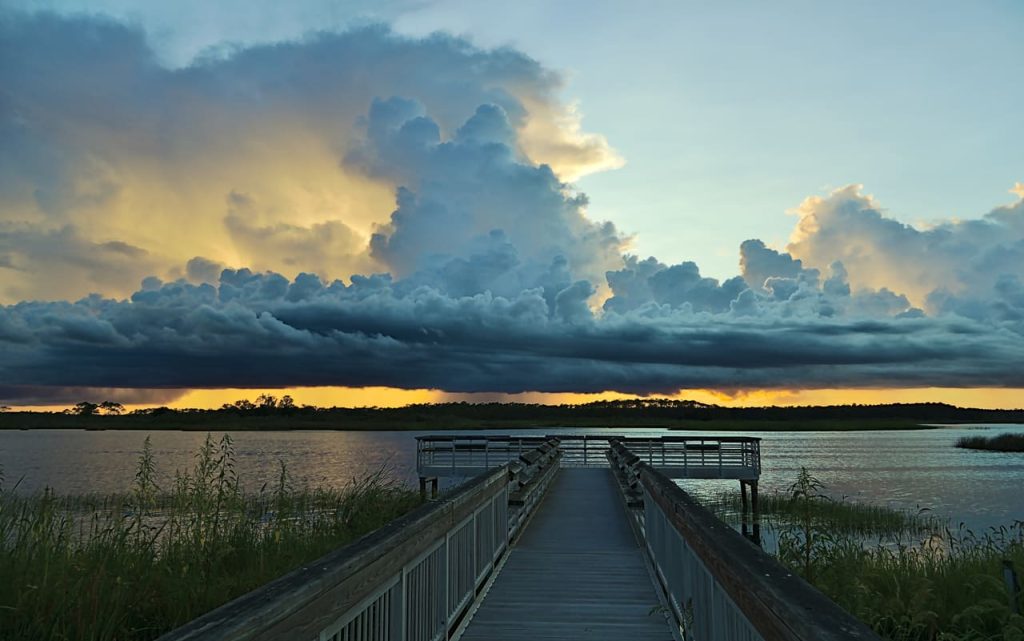
Although it’s one of the oldest refuges in the country, it never feels busy because the coastline is long, wild, and full of marsh that absorbs sound. You follow trails past tidal flats, longleaf pine, and open views toward the historic lighthouse. You’ll likely see herons, eagles, and migrating shorebirds without having to compete for space. The quiet comes from the landscape itself since the refuge spreads across several habitats that naturally keep visitors dispersed. You leave feeling like you stepped into a calmer rhythm.
8. Muscatatuck National Wildlife Refuge
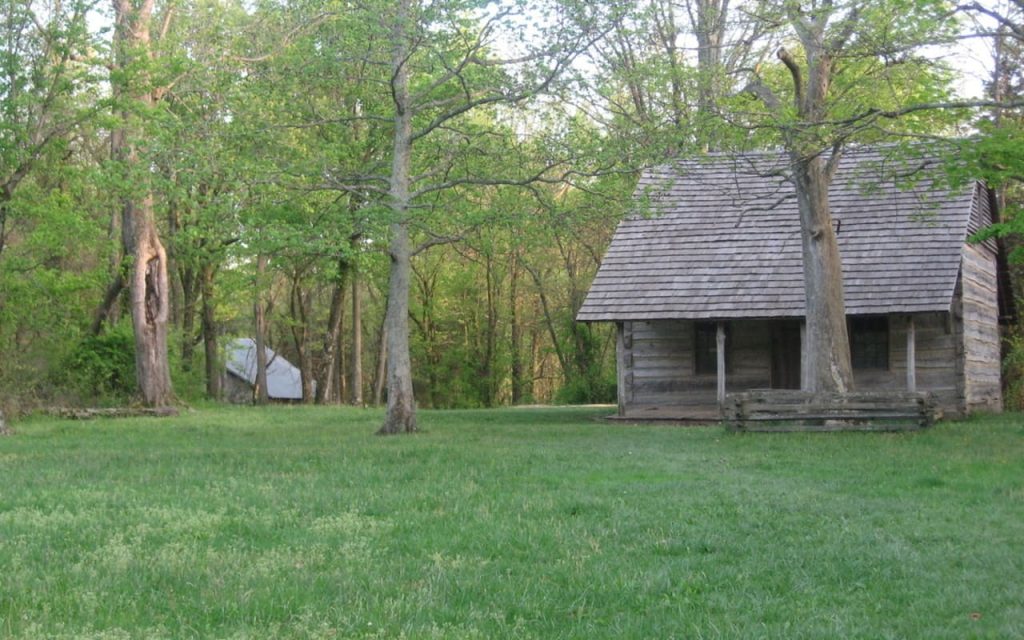
This Indiana refuge gives you quiet woodland pools, lowland forest, and open fields where wildlife moves easily across the landscape. You can walk boardwalks over marshes where you hear frogs echo through the trees while wood ducks slip between branches. Because the refuge sits away from larger tourist routes, you can explore without dealing with steady crowds. The mix of upland hardwoods and wetland pockets draws a variety of species, and you notice how peaceful it feels compared to more popular Midwest destinations.
9. Lacassine National Wildlife Refuge
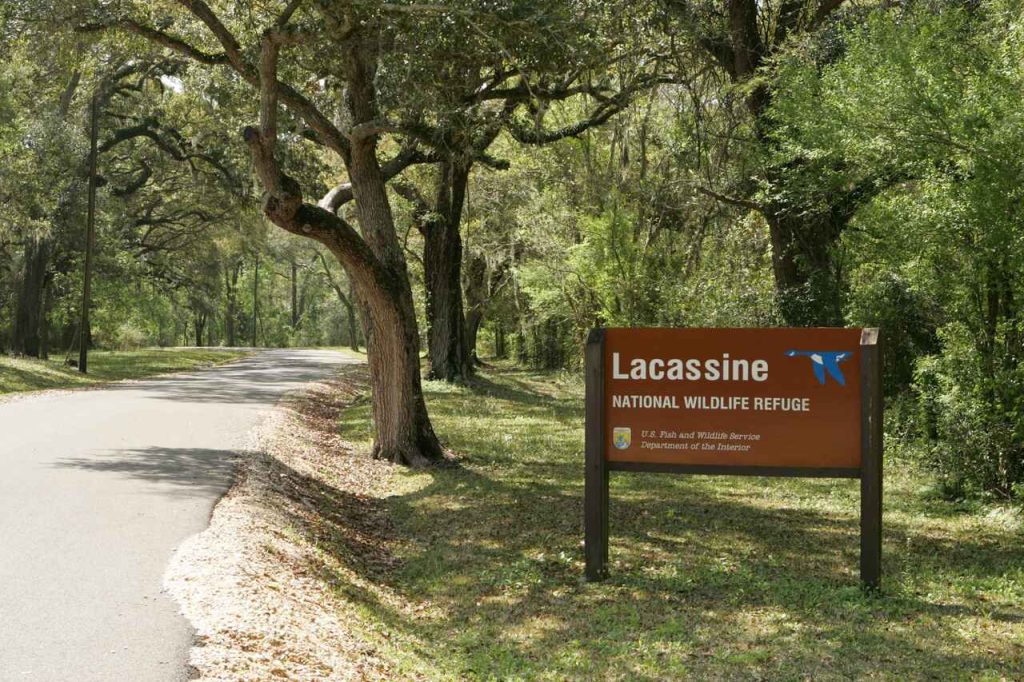
Located in southwestern Louisiana, this refuge stays quiet even during peak migration. You drive the wildlife loop and watch geese, ibis, and teal rise from marshes that stretch far beyond the horizon. The freshwater marsh habitat supports alligators, wading birds, and countless fish species, yet the wide-open layout means you rarely feel boxed in. You can take your time photographing the landscape or watching the sky shift colors over the ponds. The slow pace is what people remember most.
10. Deep Fork National Wildlife Refuge
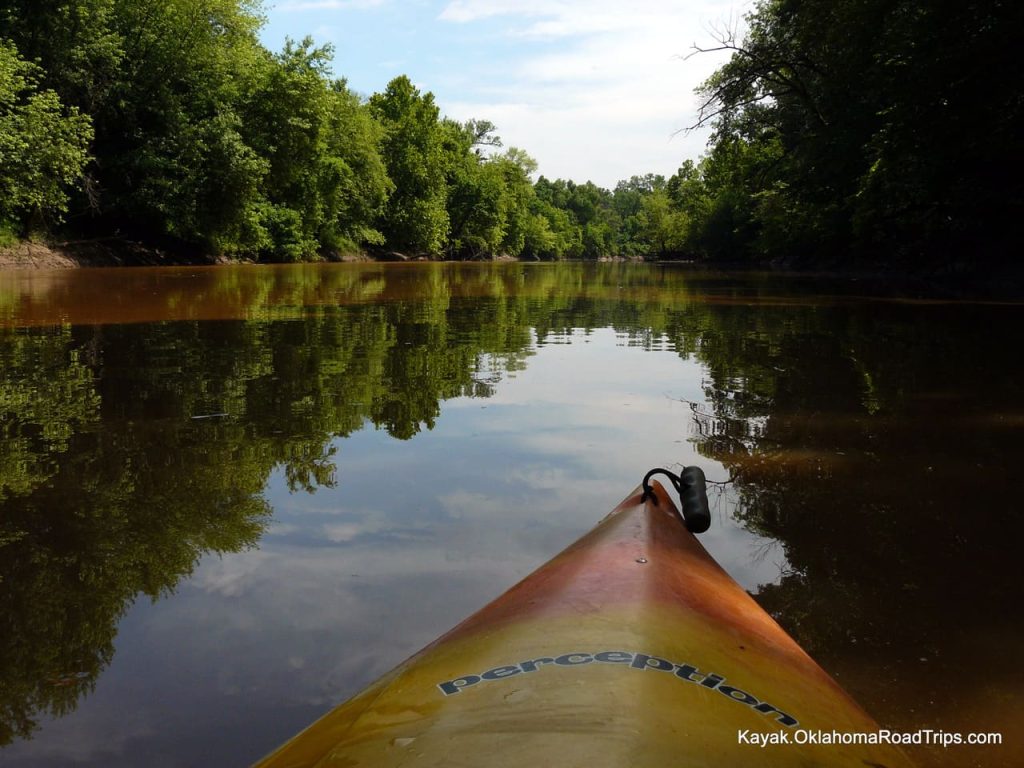
This Oklahoma refuge gives you bottomland forest that feels almost untouched, with oxbow lakes and hardwood stands that stay shaded even on hot days. You walk along small trails where you hear barred owls, prothonotary warblers, and the quiet movement of deer through the understory. Because the refuge sits in a less-traveled part of the state, you can wander without rushing. The seasonal flooding shapes the forest in ways you notice the longer you explore, and the calm atmosphere becomes the reason you linger.
11. Las Vegas National Wildlife Refuge
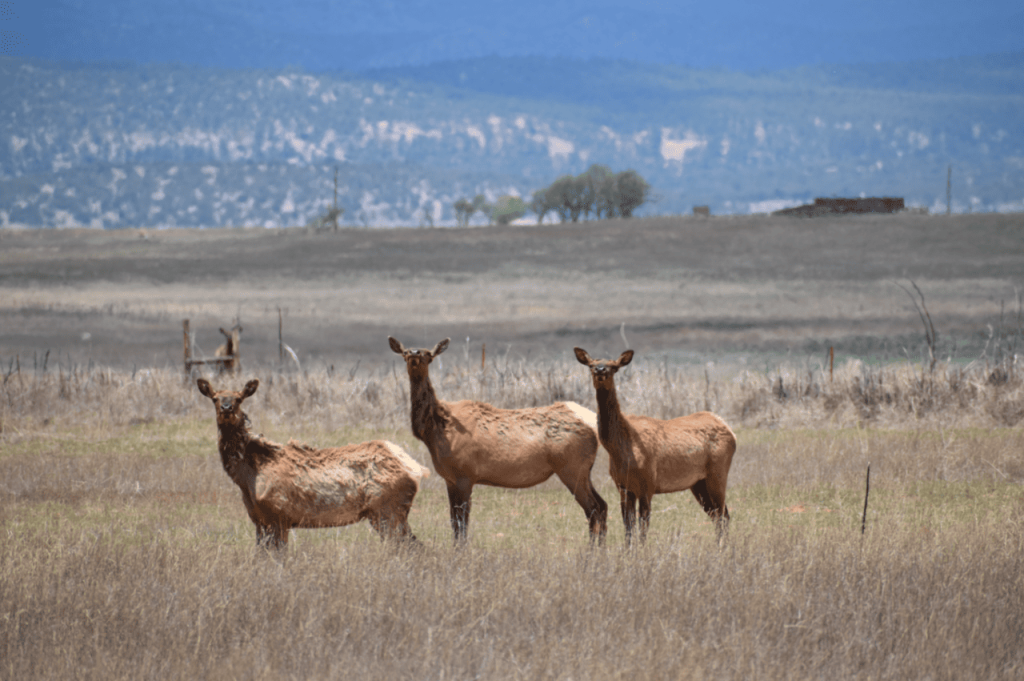
Just outside the city of Las Vegas in New Mexico, this refuge surprises people with how tranquil it feels. You drive through open grasslands and wetlands where northern harriers and meadowlarks sweep across the sky. Migrating waterfowl gather in large numbers, yet you still feel like you have the space to watch undisturbed. Because the refuge isn’t near heavy tourist corridors, the wildlife loop remains peaceful. You leave with a sense of how different high plains ecosystems feel when you slow down and pay attention.
12. Billy Frank Jr. Nisqually National Wildlife Refuge

Near Washington’s Puget Sound, this refuge stays calm despite being close to urban centers. You walk the long boardwalk over tidal flats where herons, kingfishers, and seals appear with the shifting tides. The estuary restoration has rebuilt critical habitat, creating a landscape where saltwater and freshwater meet in a wide, open stretch. Even on weekends, visitors spread across trails that keep the soundscape mellow. You get room to observe the ecosystem without the pressure of heavy crowds.