12 U.S. Towns That Hated Tourists But Now Need Them to Survive
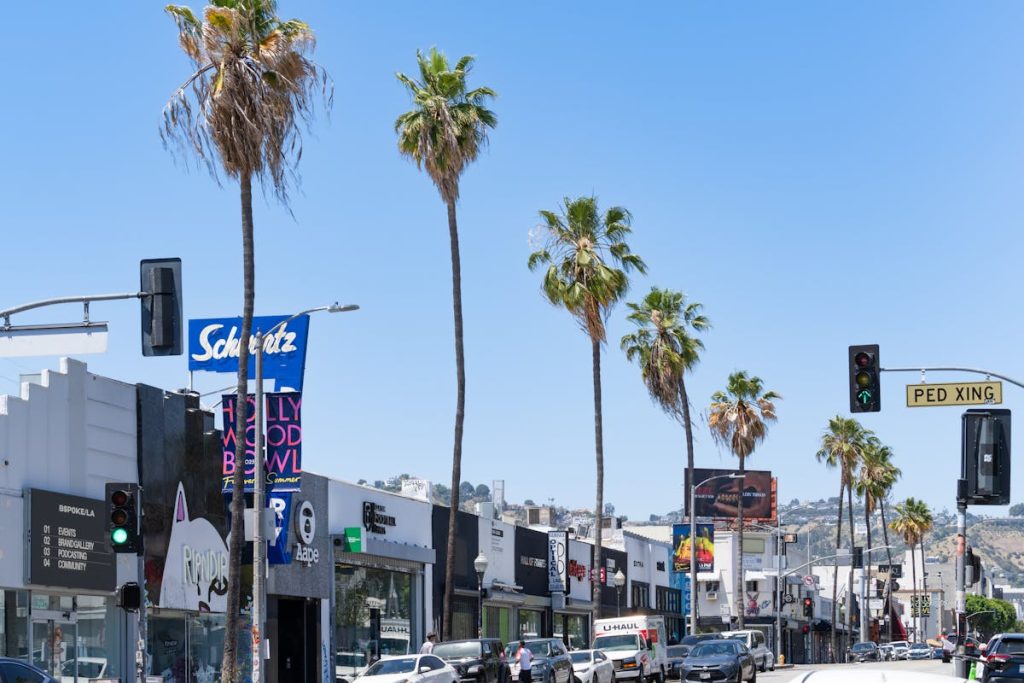
Many American towns that once resisted outside visitors now depend on tourism to sustain their economies, preserve their cultural identity, and support essential local services. Changing industries, shifting populations, and the decline of traditional employment options have pushed many of these communities to embrace travelers they once viewed warily. Tourism dollars now help maintain historic districts, fund public improvements, and provide steady revenue for small businesses that struggled in earlier decades. While some residents still feel cautious about rapid growth, many acknowledge that welcoming visitors has become essential for long-term stability. These towns offer a unique perspective on how attitudes evolve when economic survival, community preservation, and modern expectations intersect in places shaped by deep-rooted traditions and complex histories.
Bar Harbor, Maine
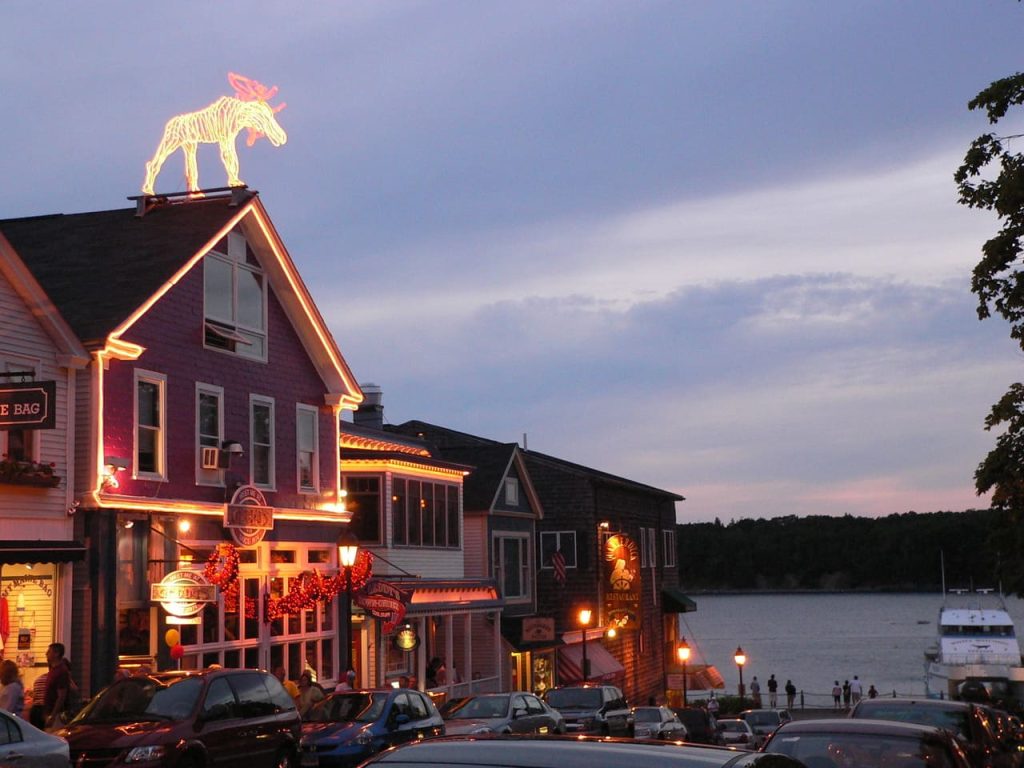
Bar Harbor once resisted growing tourism because locals worried that seasonal crowds would overshadow daily life and strain Acadia National Park. However, shifts in fishing and maritime industries created economic gaps that tourism ultimately filled. Visitors now support restaurants, inns, and outdoor tour companies that anchor the regional economy. Cruise ship arrivals, while controversial, generate significant revenue that funds infrastructure improvements and community programs. The town balances conservation with visitor demand, recognizing that tourism helps sustain the natural beauty and cultural heritage residents value deeply. Bar Harbor’s transformation reflects how changing economic realities reshape attitudes toward travelers who contribute essential financial support during busy and slower months alike.
Moab, Utah
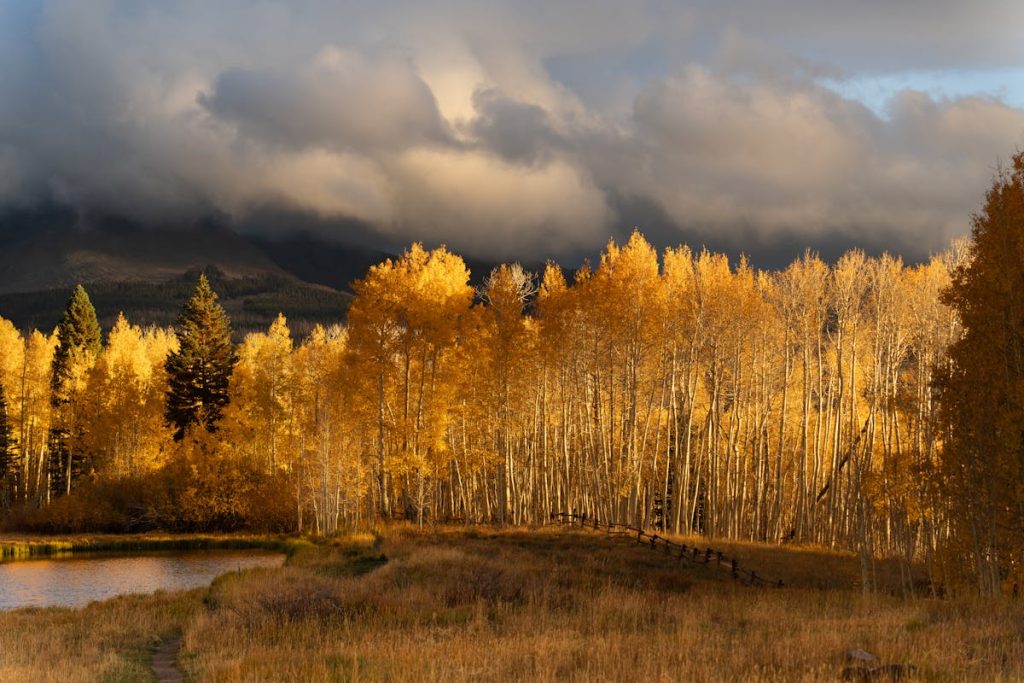
Moab originally viewed tourism with skepticism as residents feared off-road enthusiasts and park visitors would disrupt the quiet desert community. When mining and energy jobs declined, outdoor recreation became a vital economic lifeline. National park traffic now supports local outfitters, hotels, restaurants, and guiding services. Although the influx of visitors brings challenges like congestion and housing strain, tourism remains central to Moab’s survival. Officials work to manage environmental impact while maintaining access to Arches and Canyonlands National Parks. The town’s shift illustrates how remote communities adapt when resource-based industries fade and recreation becomes crucial for sustaining economic stability and long-term community growth.
Key West, Florida
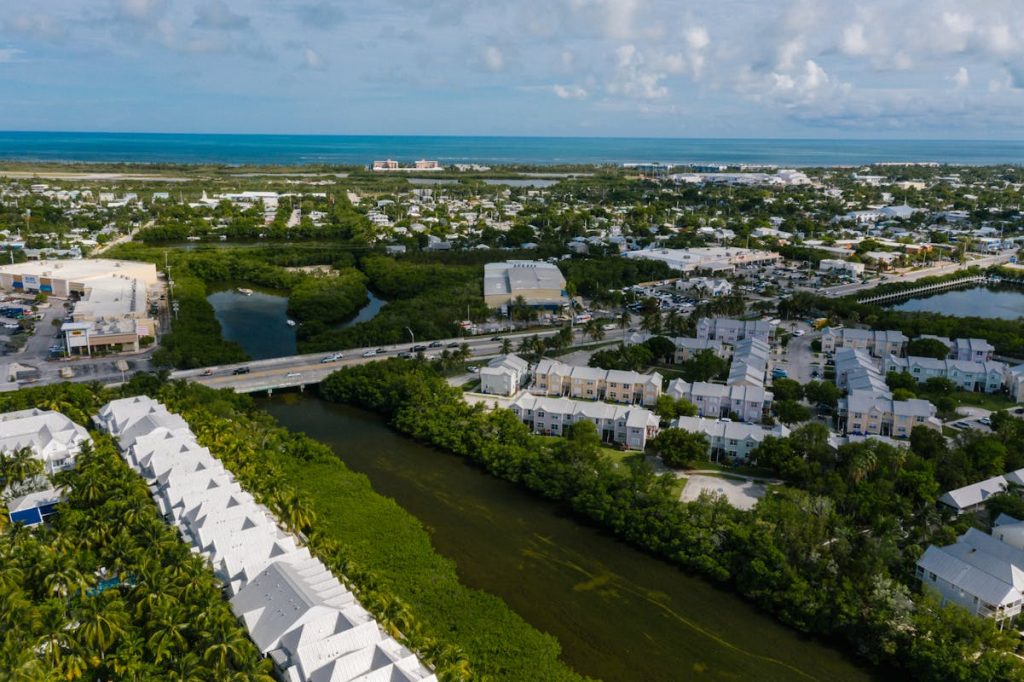
Key West long struggled with balancing local identity and visitor appeal, and early resistance stemmed from fears that overtourism would dilute its cultural character. As traditional industries like fishing and military presence declined, tourism emerged as the island’s most reliable source of income. Visitors sustain countless small businesses, from historic inns to water-sport operators and art galleries. Cruise ship policies remain debated, yet tourism revenue funds preservation of the island’s distinctive architecture and maritime history. Key West’s reliance on tourism highlights how fragile island economies can pivot when confronted with limited alternatives, reinforcing the importance of steady visitor engagement.
Sedona, Arizona
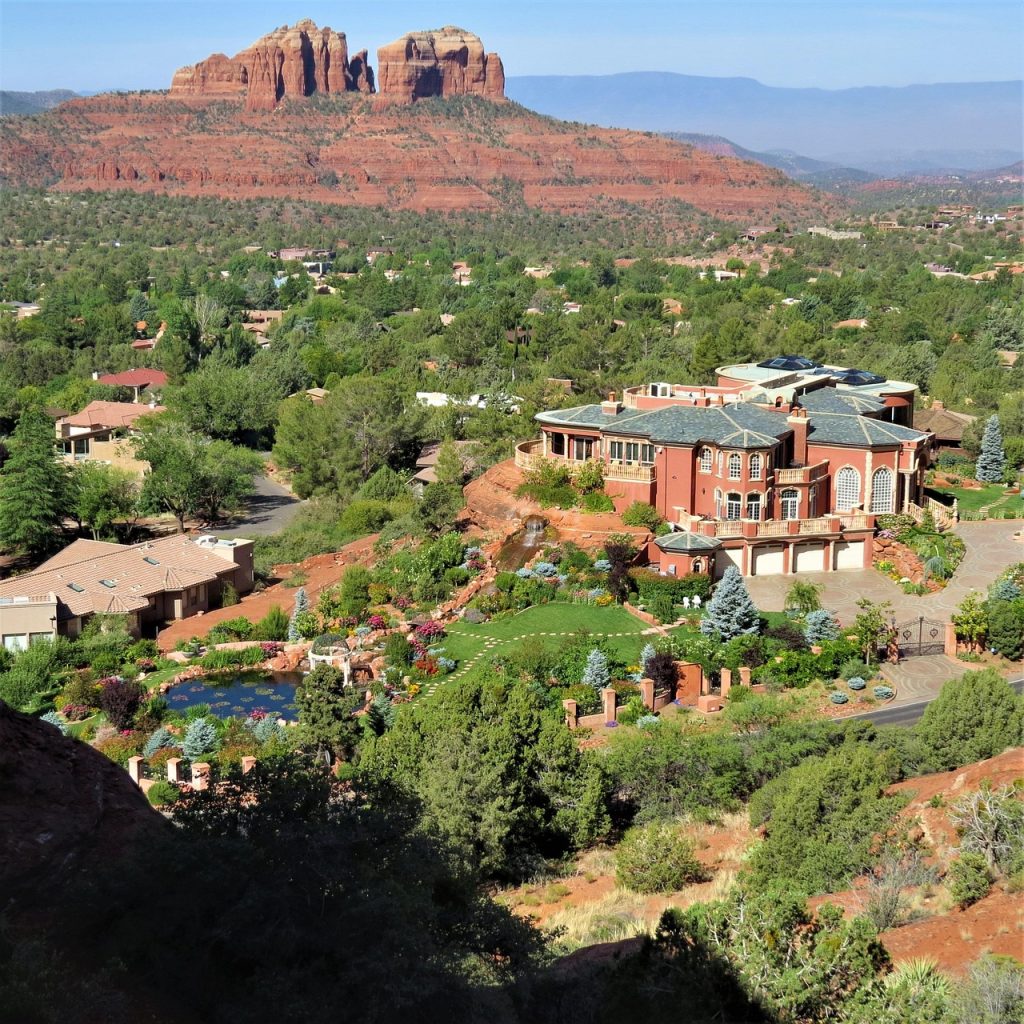
Sedona once viewed tourists as intruders disrupting its spiritual retreats, art enclaves, and quiet natural environment. Over time, economic necessity pushed the town to embrace its popularity as a scenic and wellness destination. Visitors now support galleries, hiking services, boutique hotels, and outdoor recreation businesses central to Sedona’s livelihood. The town faces challenges managing traffic and environmental stress on red rock trails, yet tourism revenue funds conservation and public improvements. Sedona’s evolution reflects how communities balance preservation with economic growth when their landscapes attract worldwide attention and consistent global admiration from travelers.
Taos, New Mexico.
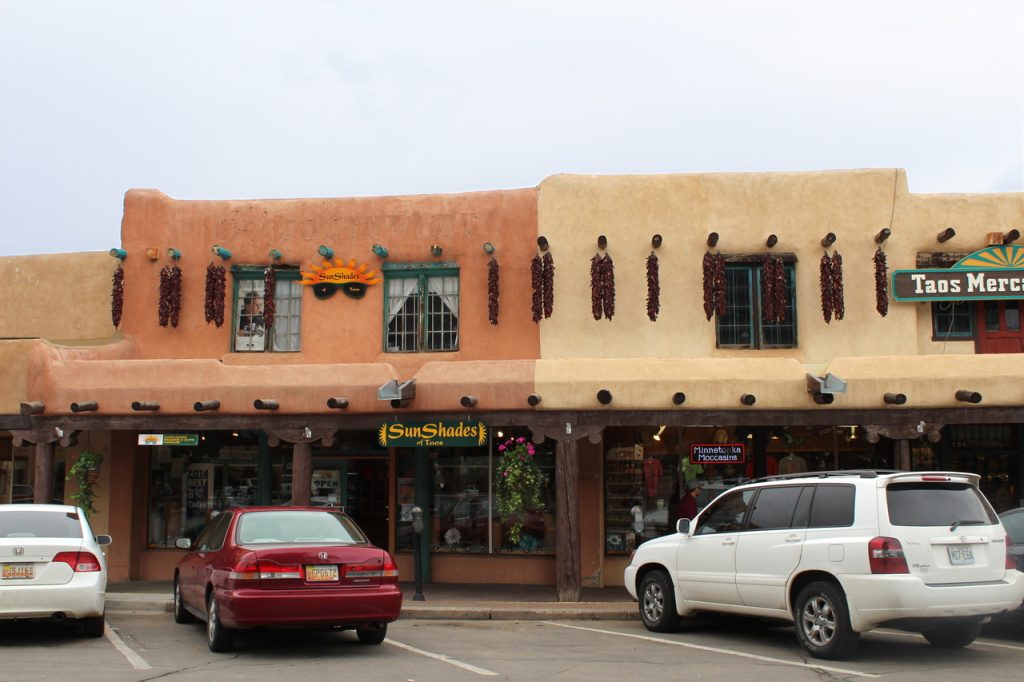
Taos historically resisted heavy tourism to protect its artistic traditions, multicultural heritage, and Indigenous communities. As traditional economic sectors fluctuated, tourism became vital to supporting local artisans, museums, and historic sites. Visitors now fuel galleries, skiing operations, and cultural festivals that sustain the town’s identity. The Taos Pueblo, a UNESCO World Heritage Site, remains a major draw that encourages respectful engagement with centuries-old traditions. While residents continue advocating for responsible tourism, the town benefits significantly from travelers who help maintain its creative and cultural foundation through ongoing support and appreciation while strengthening long-term connections between visitors and local traditions.
Eureka Springs, Arkansas
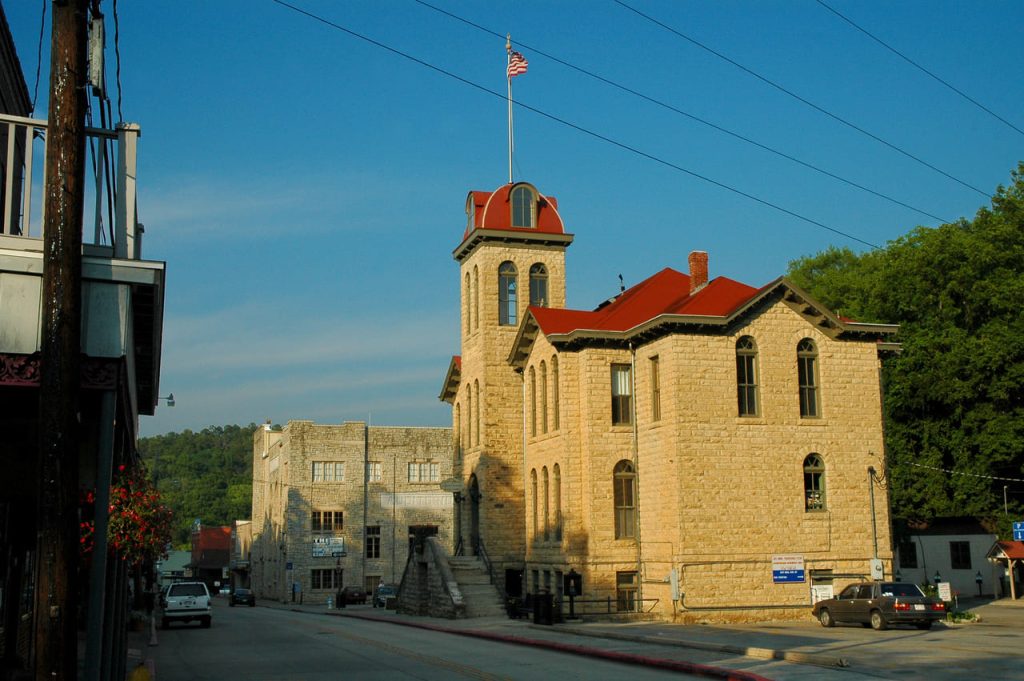
Eureka Springs once approached tourism cautiously because locals feared rapid development would erode its Victorian-era charm. As industries shifted, tourism became essential for preserving historic architecture and supporting small shops, inns, and wellness retreats. Visitors travel from across the region to explore winding streets, natural springs, and cultural festivals that shape the town’s personality. Tourism revenue funds restoration projects and community maintenance efforts that protect the town’s unique character. The transformation demonstrates how heritage-rich communities rely on tourism to safeguard their most valued assets and ensure continued vitality while fostering deeper appreciation for its preserved architectural beauty.
Bisbee, Arizona
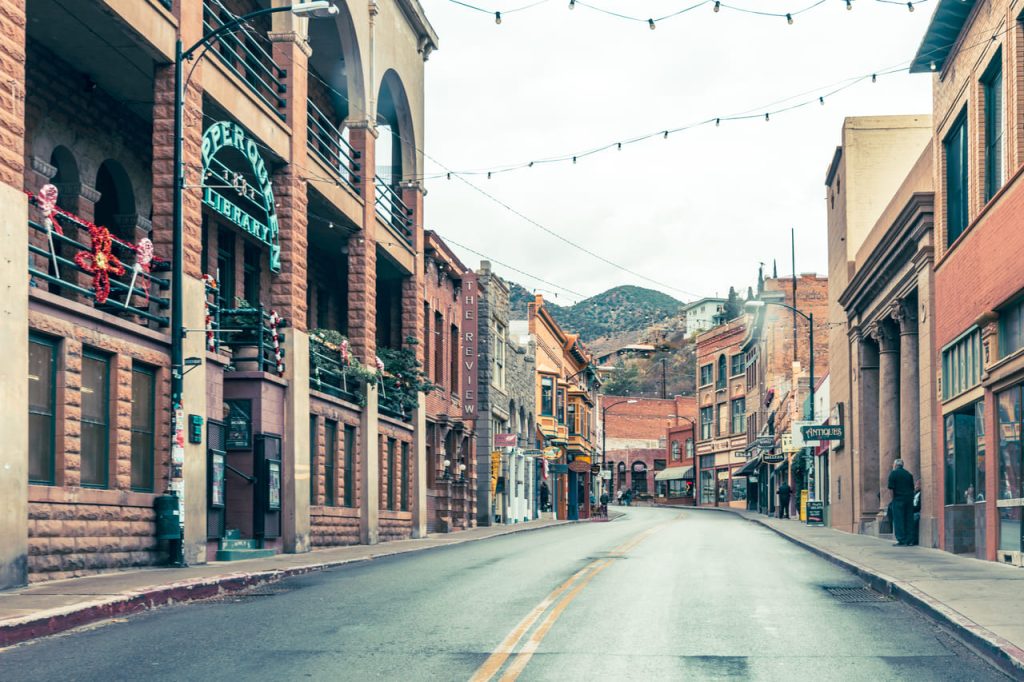
Bisbee resisted tourism after its mining decline, as residents worried that attracting visitors would overshadow the town’s working-class roots. Over time, tourism became a crucial revenue source supporting historic tours, art studios, boutique hotels, and restaurants. The town’s preserved architecture and mining heritage now draw travelers seeking culture and history. Community leaders acknowledge that tourism revitalized Bisbee’s economy and allowed adaptive reuse of former industrial spaces. The town’s journey reflects how small post-mining communities reinvent themselves through creative tourism strategies and expanded public engagement while nurturing a renewed sense of shared local identity.
Deadwood, South Dakota
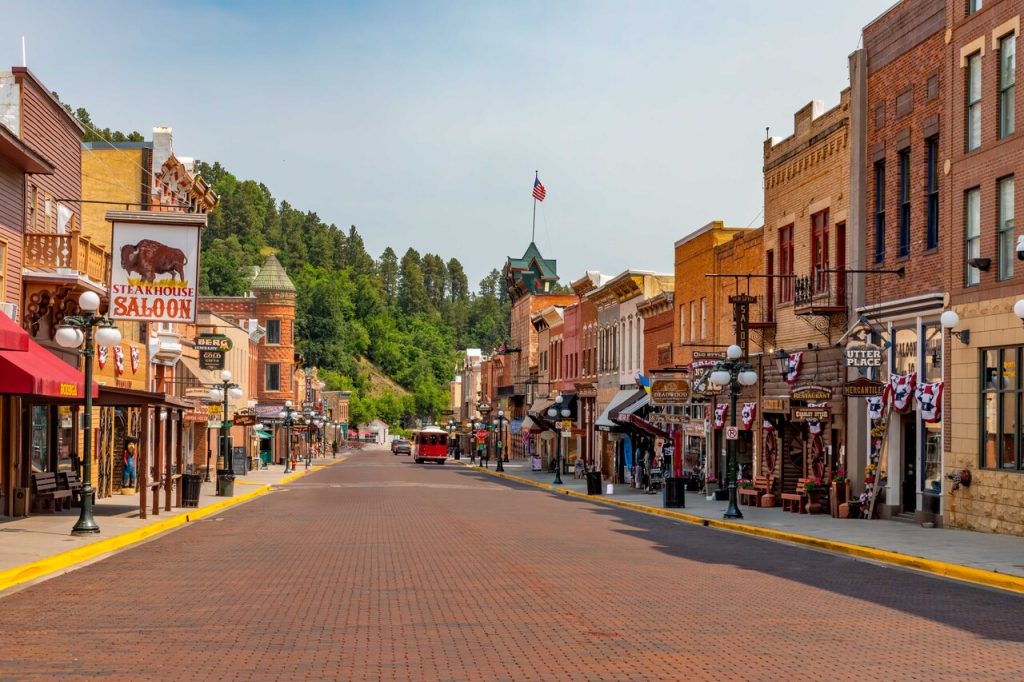
Deadwood initially viewed tourism through a skeptical lens as locals feared commercialization of its Wild West past. When mining diminished, the town embraced tourism centered on historic reenactments, casinos, and heritage attractions. Visitors now provide a steady economic foundation that funds preservation of landmarks and infrastructure improvements. The town’s careful curation of its frontier history helps maintain authenticity while supporting livelihoods. Deadwood demonstrates how historical storytelling and tourism can sustain communities once dependent on extractive industries and limited economic diversity while fostering renewed pride in the town’s distinctive cultural legacy.
Galena, Illinois
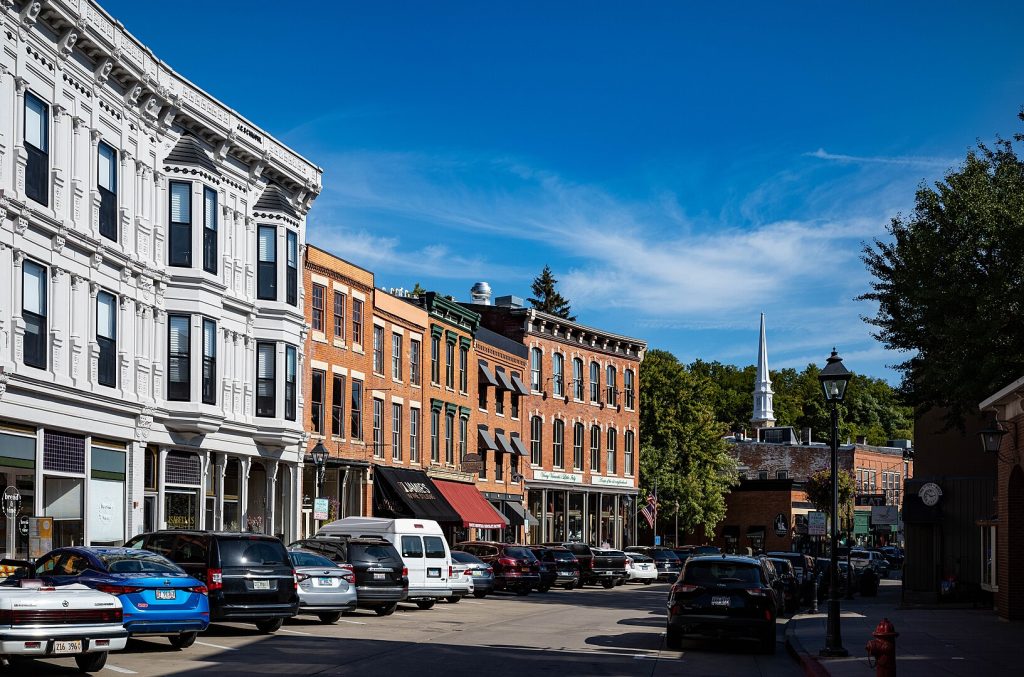
Galena once hesitated to embrace tourism due to concerns that increased attention would alter its quiet, historic charm. Declines in agriculture and manufacturing eventually pushed the town to rely on visitors who now support shops, wineries, bed-and-breakfasts, and outdoor recreation. Tourism revenue funds preservation of Galena’s 19th-century architecture, including sites connected to Ulysses S. Grant. The influx of travelers strengthens local culture by sustaining artisan markets and seasonal festivals. Galena’s adaptation shows how heritage towns use tourism to preserve history while ensuring economic resilience during changing regional conditions and fostering meaningful community revitalization over time.
St. Augustine, Florida
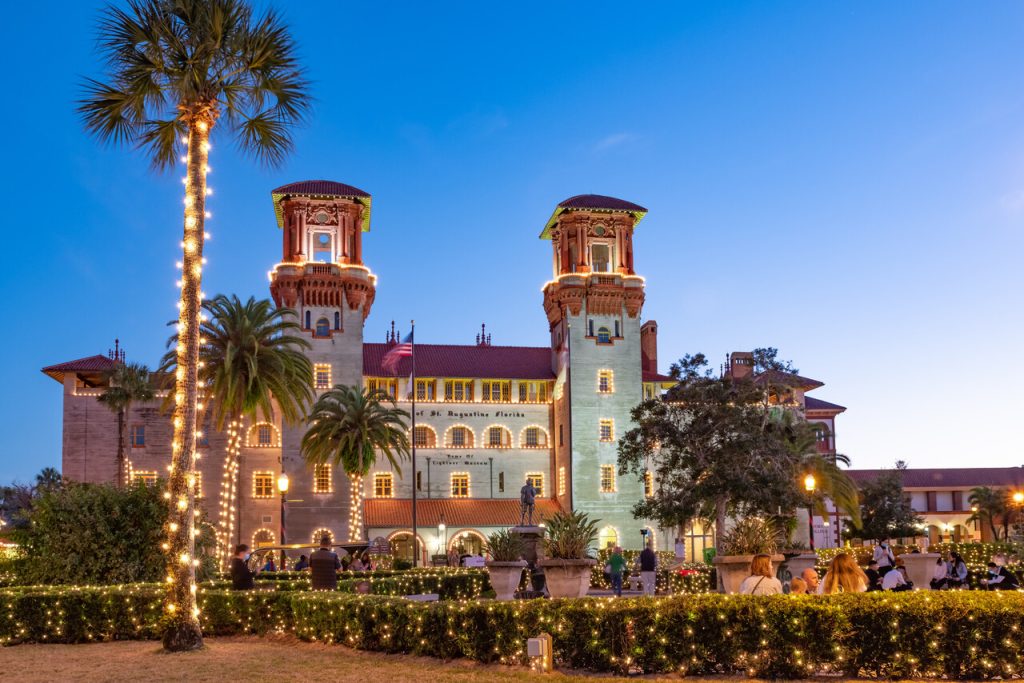
St. Augustine long struggled with balancing historic preservation and the pressures of heavy tourism. Some residents resisted expansion, fearing that commercialization would overshadow the nation’s oldest continuously occupied European-established settlement. As development needs grew, tourism became essential for funding archaeological work, landmark restoration, and museum operations. Visitors sustain local restaurants, carriage tours, and cultural attractions central to the city’s identity. St. Augustine’s ability to merge heritage and hospitality demonstrates how tourism supports preservation on a meaningful scale and sustains long-term cultural engagement while strengthening community connections through shared historical appreciation.
Jackson Hole, Wyoming
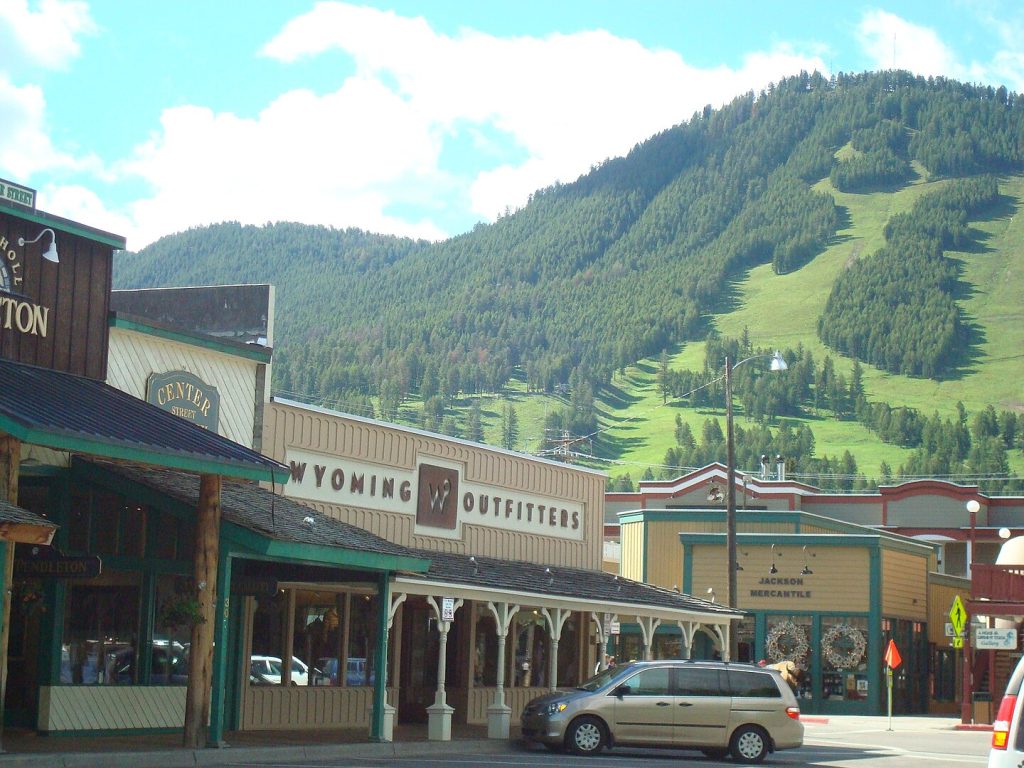
Jackson Hole once pushed back against tourism because ranching families viewed it as a threat to open land and traditional lifestyles. As conservation and land preservation became priorities, tourism evolved into the area’s primary economic engine. Visitors drawn to Grand Teton National Park and nearby wilderness now support hotels, outfitters, restaurants, and wildlife tour companies. Despite concerns about housing and crowding, tourism revenue funds environmental stewardship and community programs. Jackson Hole’s shift underscores how natural beauty reshapes economic pathways for remote Western towns while fostering ongoing appreciation for protected landscapes and strengthening long-term community resilience through sustained visitor engagement.
Baraboo, Wisconsin
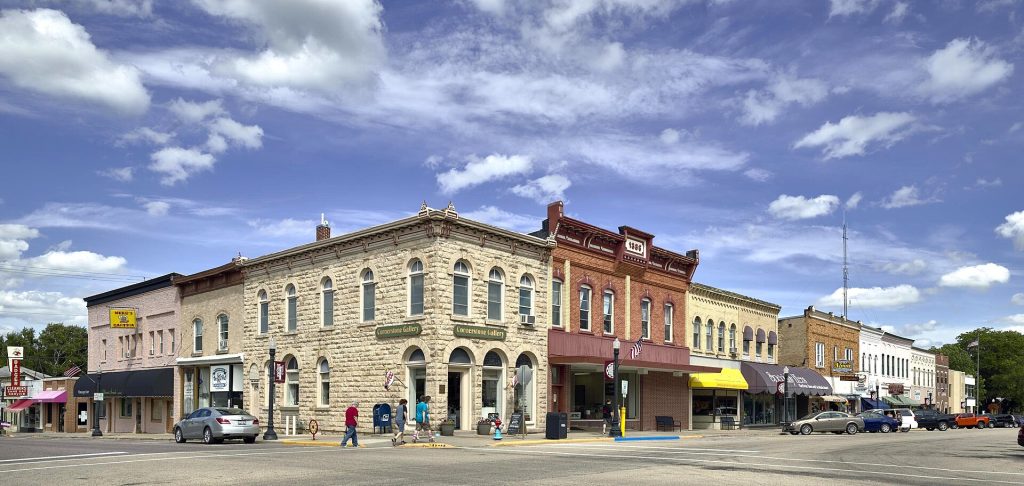
Baraboo historically hesitated to embrace tourism even though it housed circus history and natural attractions. Local industries eventually contracted, making tourism indispensable for supporting museums, state parks, and the revitalized downtown district. Visitors help sustain the Circus World Museum, Devil’s Lake State Park, and local dining and lodging establishments. Tourism revenue contributes to preservation and community development projects that maintain Baraboo’s unique identity. The shift highlights how small Midwestern towns reinvent themselves by celebrating cultural and natural heritage, attracting travelers who appreciate authentic regional experiences and continue returning to support the community’s long-term growth.