12 U.S. Towns Where Downtown Parking Is Nearly Impossible
Downtown parking shortages shape daily life in many American towns, influencing how residents move, shop, and socialize. As historic layouts meet modern traffic demands, curb space often becomes a contested resource. Popular main streets, compact blocks, and tourism pressure further complicate access. These towns illustrate how growth, preservation, and limited infrastructure collide in visible ways. Understanding where parking proves most difficult offers insight into urban planning challenges and local habits. From coastal destinations to mountain hubs, each town reflects a distinct reason why finding a spot downtown feels unusually frustrating for drivers navigating busy streets today during peak hours.
San Francisco, California
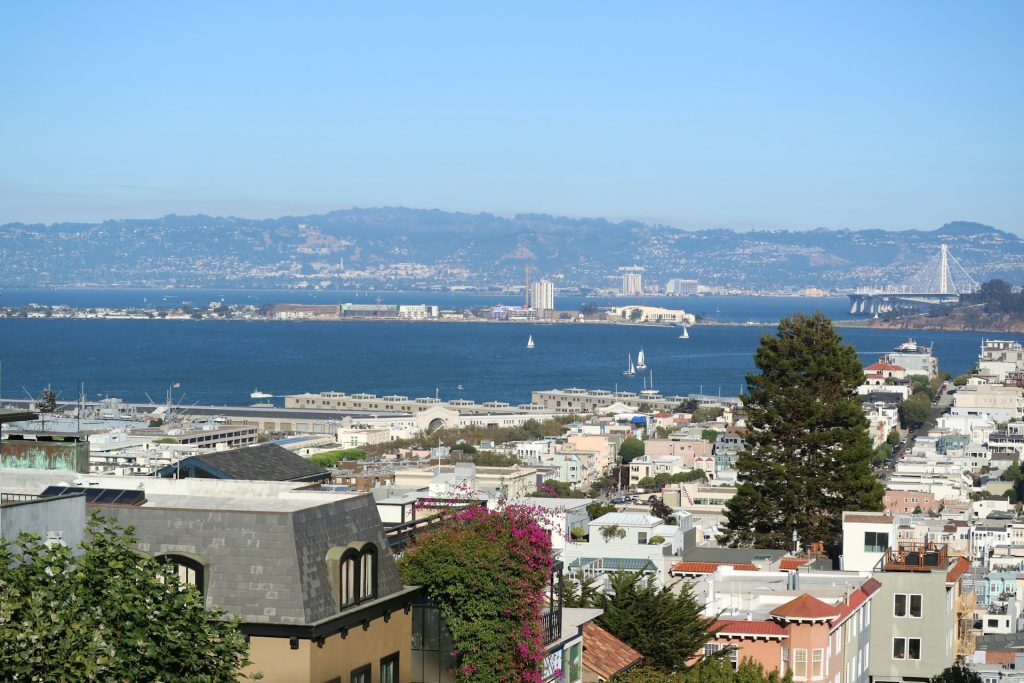
Downtown San Francisco presents one of the most challenging parking environments in the country. Steep hills, dense development, and strict regulations limit available street spaces. Neighborhoods surrounding Market Street and Union Square rely heavily on public transit, leaving little room for private vehicles. Metered spots fill quickly, while garages charge premium rates. Residential permits restrict many blocks, further tightening supply. Tourism, business traffic, and ongoing construction add pressure daily. As a result, drivers often circle repeatedly or avoid downtown entirely, recognizing that parking scarcity remains a defining feature of the city’s compact and transit focused urban core for most visitors.
Boston, Massachusetts
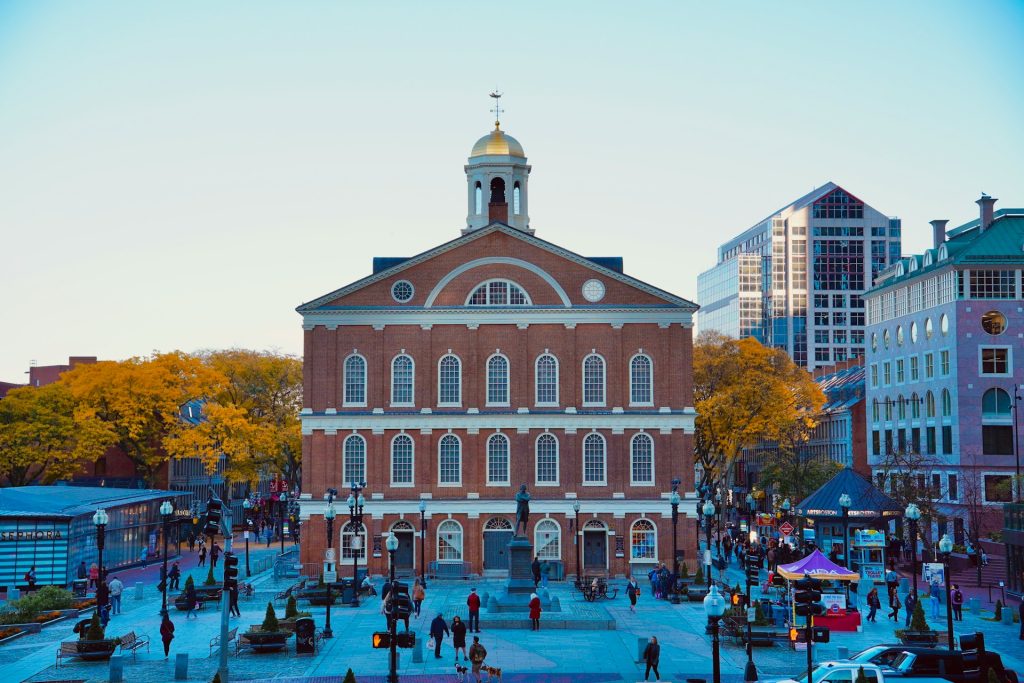
Downtown Boston reflects centuries old street planning that never anticipated modern car volume. Narrow roads, irregular intersections, and historic preservation rules severely limit parking availability. Areas near Faneuil Hall and the Financial District rely heavily on garages, which fill early on weekdays. Street parking is scarce and tightly regulated through resident permits and time limits. University traffic, tourism, and commuter congestion intensify competition for space. Many locals favor walking or transit downtown, accepting that driving often leads to delays, frustration, and costly parking fees within the city’s tightly packed and historically constrained central neighborhoods most days.
New York City, New York
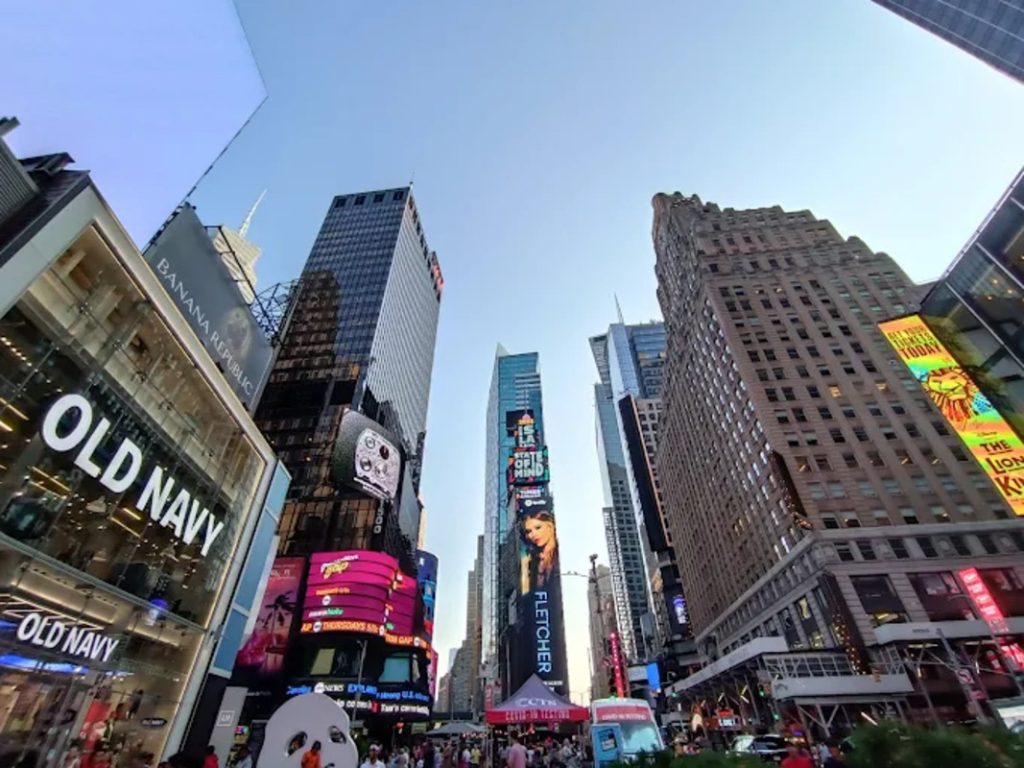
In the downtown area of New York City in Manhattan exemplifies extreme parking scarcity driven by density and demand. Neighborhoods below 59th Street offer limited curb space, most of it regulated by meters or permits. Commercial loading zones further reduce availability during business hours. Garages exist but charge high hourly rates that discourage long stays. Constant traffic, construction zones, and delivery vehicles complicate navigation. Residents often plan trips around subway access instead of driving. For many, searching for parking downtown feels impractical, reinforcing New York City’s reliance on public transportation and walkable streets rather than private vehicles for everyday mobility.
Chicago, Illinois
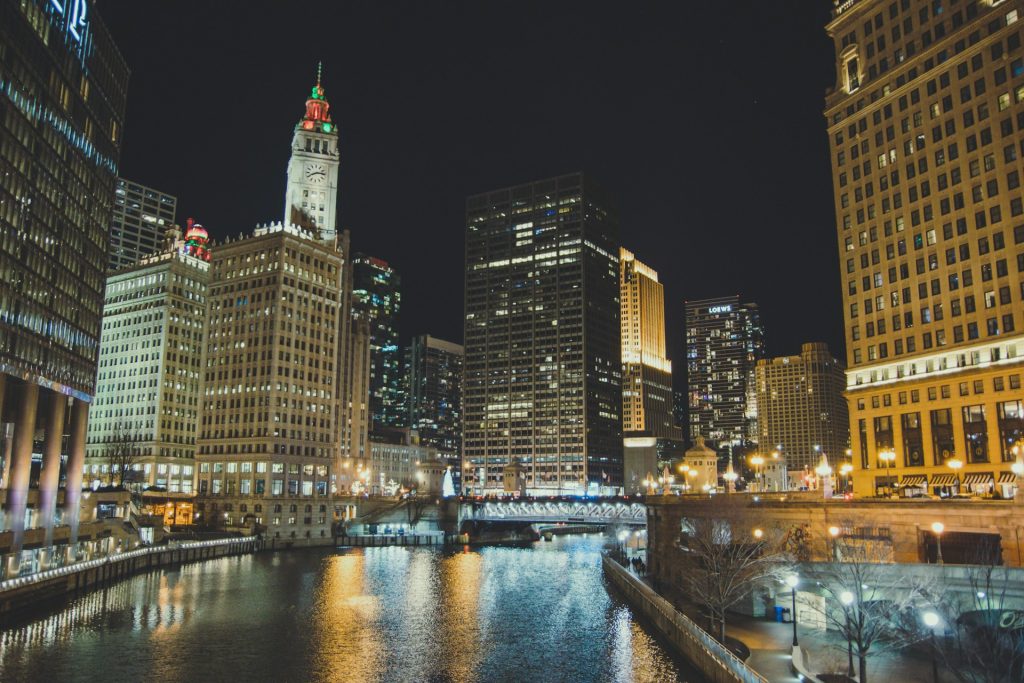
The Downtown are of Chicago in Illinois is also facing persistent parking challenges shaped by its busy commercial core. The Loop hosts offices, government buildings, and tourist attractions that compete for limited parking supply. Metered street spaces follow dynamic pricing and fill quickly during peak hours. Nearby garages offer options but often cost more than expected. Event traffic near theaters and sports venues adds strain. Winter restrictions and construction reduce capacity further. Many locals rely on trains and buses downtown, understanding that driving frequently leads to time consuming searches and expensive fees throughout Chicago’s central business district during weekdays and major events.
Seattle, Washington
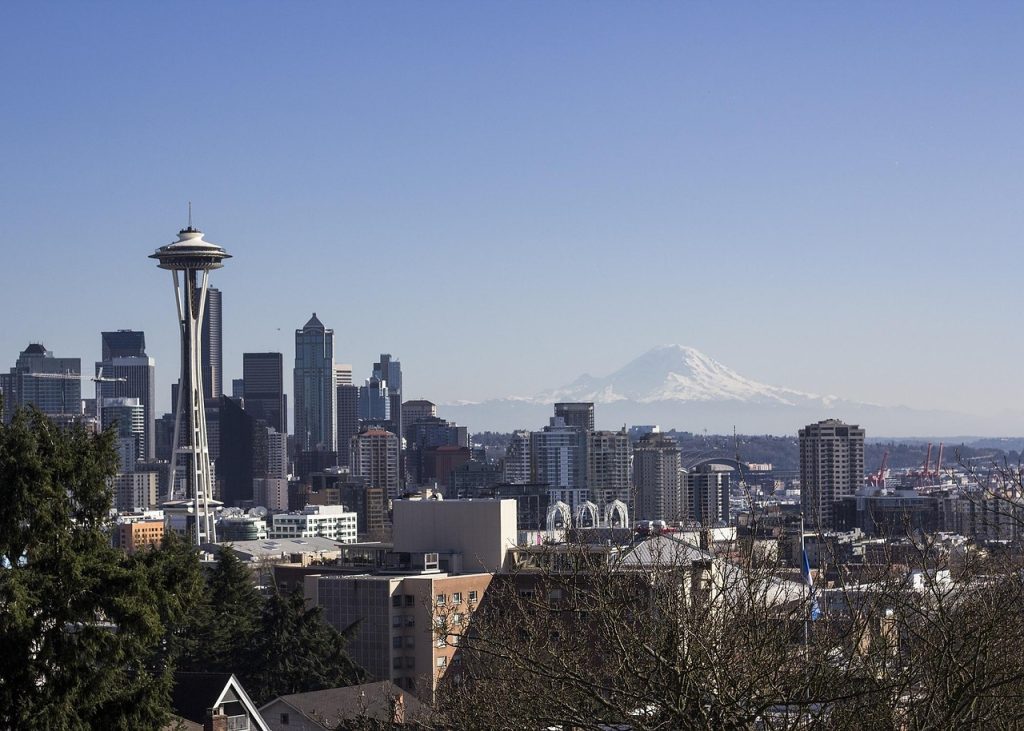
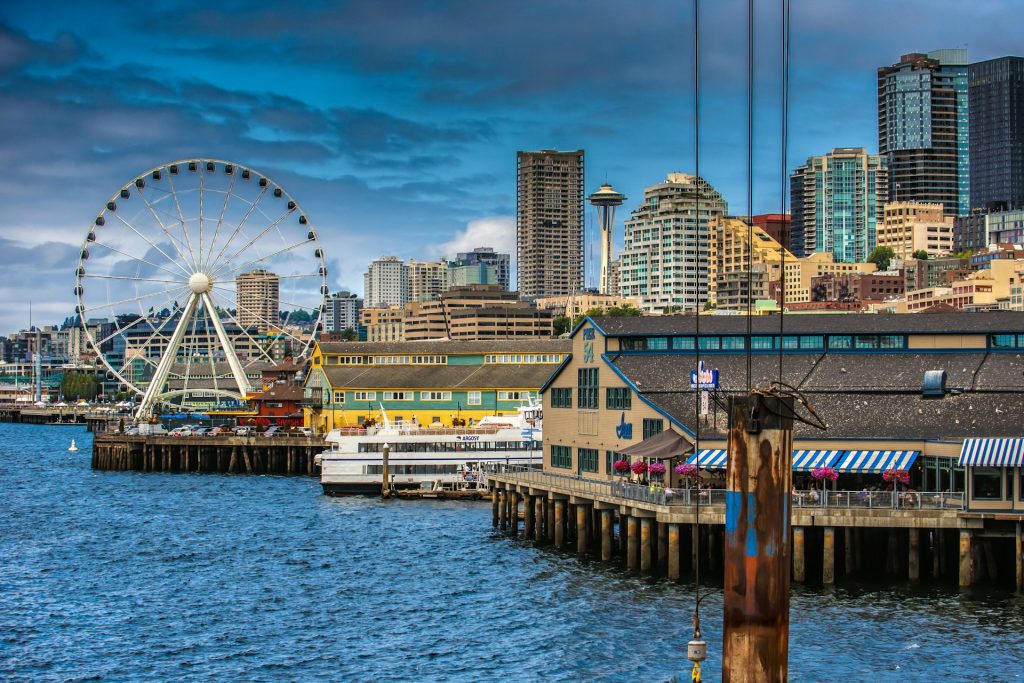
Downtown areas of Seattle struggles with parking availability due to geography location and growth of population. Waterways and hills limit expansion, concentrating traffic into narrow corridors. Technology offices, retail centers, and entertainment venues draw steady demand. Street parking operates under strict time limits and enforcement. Garages fill rapidly during workdays and events, especially near Pike Place Market. Ongoing construction and transit projects further reduce options. Residents often combine driving with transit or avoid downtown trips altogether. Parking difficulty remains a common concern as Seattle balances urban growth with limited space in its compact downtown footprint year round.
Washington, District of Columbia
Downtown Washington, District of Columbia experiences consistent parking pressure driven by government activity. Federal buildings, offices, and tourist landmarks dominate central neighborhoods. Security zones and restricted streets remove many parking options entirely. Metered spaces operate under tight regulations and fill quickly on weekdays. Garages serve commuters but charge high daily rates. Special events and demonstrations frequently alter traffic patterns. Residents often rely on Metro rail to avoid driving downtown. The city’s planning prioritizes security and transit, leaving downtown parking scarce and unpredictable for drivers navigating the nation’s capital during regular business hours.
Los Angeles, California
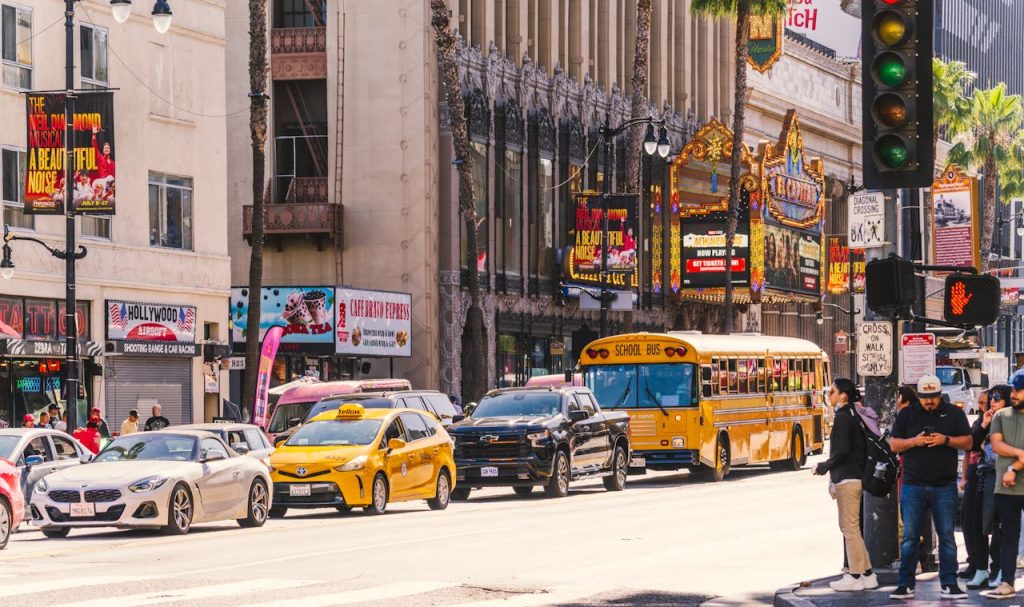
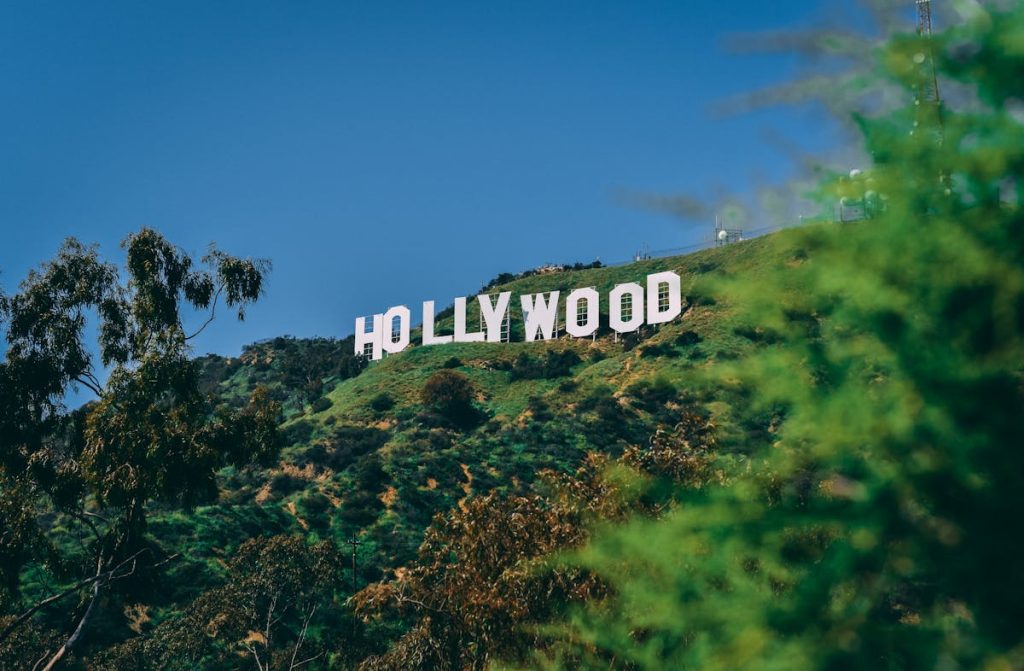
The Downtown Los Angeles presents a unique parking challenge despite its car centered reputation. Rapid redevelopment has increased residential density without proportionate parking growth. Older buildings lack sufficient garages, pushing residents and visitors toward limited street spaces. Meters, time limits, and permit zones restrict availability. Event venues like Crypto.com Arena intensify demand during evenings. Construction and filming frequently close streets. Drivers often circle blocks searching for spots or rely on paid garages. Downtown parking remains difficult, reflecting Los Angeles’s evolving shift toward denser, mixed use urban living patterns in the city core today.
Miami Beach, Florida
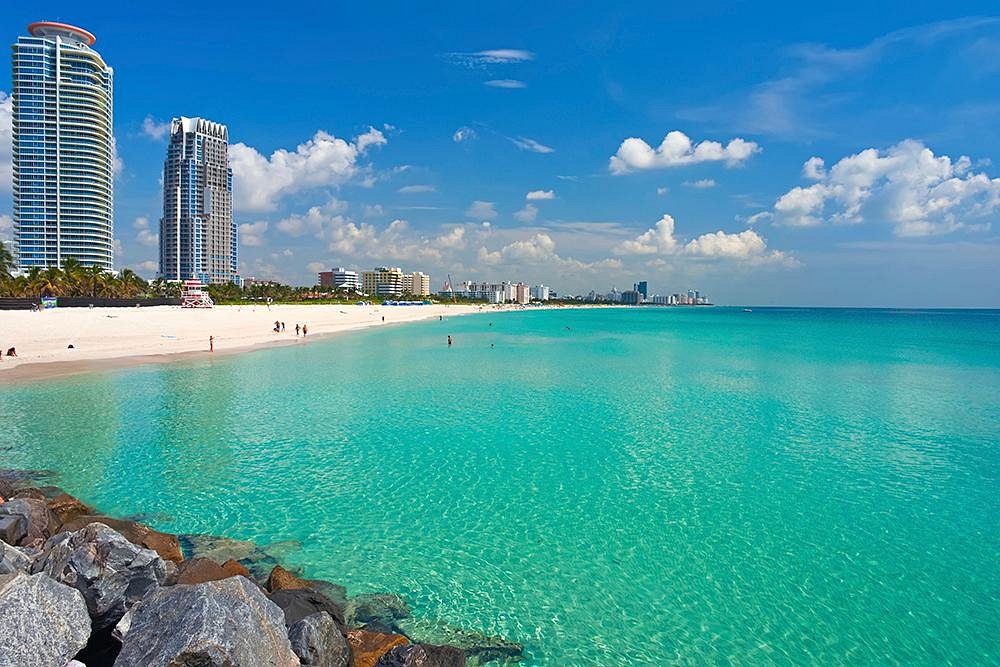
The Downtown areas of Miami Beach face severe parking constraints due to geography and tourism. Barrier island limits restrict land availability, concentrating traffic along major corridors. Popular districts like South Beach attract visitors year round, overwhelming parking infrastructure. Street parking fills early, while garages charge premium rates. Residential permit zones reduce access further. Seasonal events and nightlife amplify congestion. Many residents walk or bike locally, avoiding driving downtown whenever possible. Parking difficulty remains a daily reality shaped by constant demand, limited space, and the city’s compact coastal layout throughout most months of the year.
Charleston, South Carolina

Downtown Charleston combines historic preservation with modern traffic demands. Narrow streets, protected architecture, and limited garages restrict parking supply. Popular areas near King Street and the historic district attract tourists, diners, and shoppers daily. Metered spaces operate under strict limits and enforcement. Residential permits dominate many side streets. Seasonal tourism and events increase congestion significantly. Locals often plan errands carefully or rely on walking. Downtown parking challenges reflect Charleston’s commitment to preserving its historic character, even as visitor demand continues to strain available infrastructure during peak travel seasons annually.
Aspen, Colorado

Aspen faces parking challenges amplified by geography and popularity. Surrounded by mountains, the town has limited space for expansion. Street parking remains scarce and tightly regulated. Public garages fill quickly during peak seasons and events. Residential permit zones further limit access. Environmental priorities encourage transit use, reducing focus on car accommodation. Many locals avoid driving downtown during busy periods, recognizing that parking scarcity reflects Aspen’s small scale layout and commitment to preserving its alpine character and pedestrian friendly environment. These conditions regularly influence transportation decisions among residents throughout peak seasonal months.
Santa Fe, New Mexico
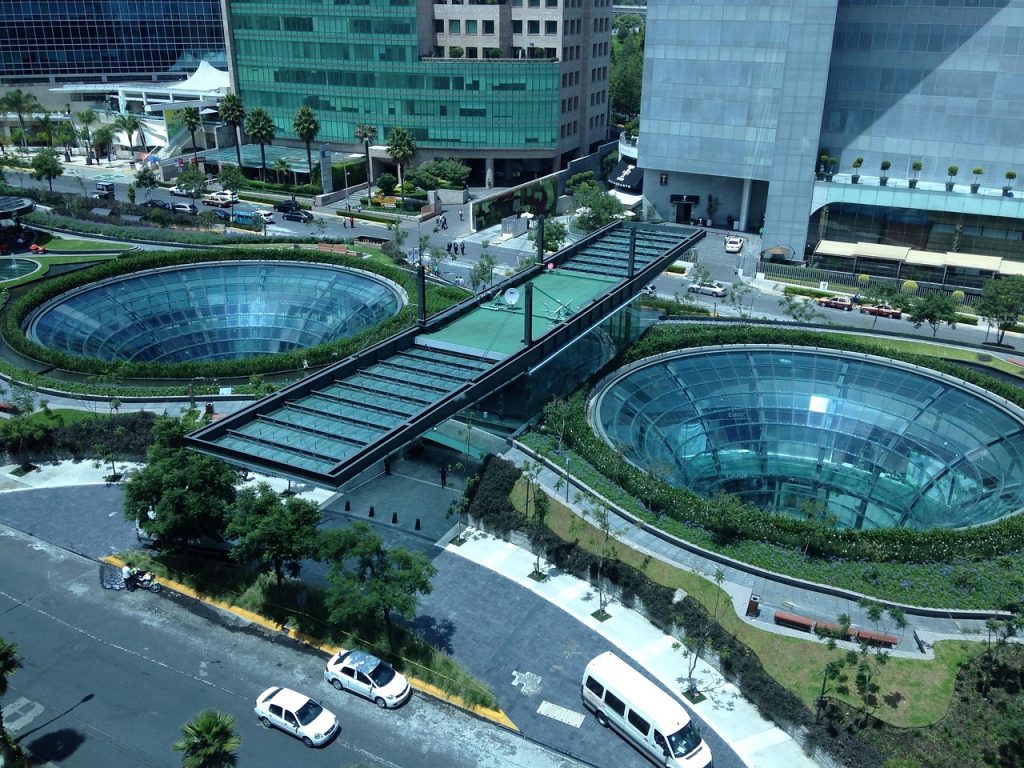
Santa Fe reflects centuries old planning that complicates modern parking needs. Narrow streets and historic preservation rules limit new parking development. Popular areas near the Plaza attract visitors, artists, and shoppers daily. Metered spaces operate with short time limits and high demand. Garages provide relief but fill quickly during festivals and weekends. Residential permits restrict nearby neighborhoods. Locals often walk or use transit to avoid congestion. Parking difficulty downtown underscores Santa Fe’s balance between cultural preservation and contemporary urban pressures tied to tourism and seasonal population increases throughout the year. These challenges remain consistent during major cultural events and holiday travel periods.
Key West, Florida
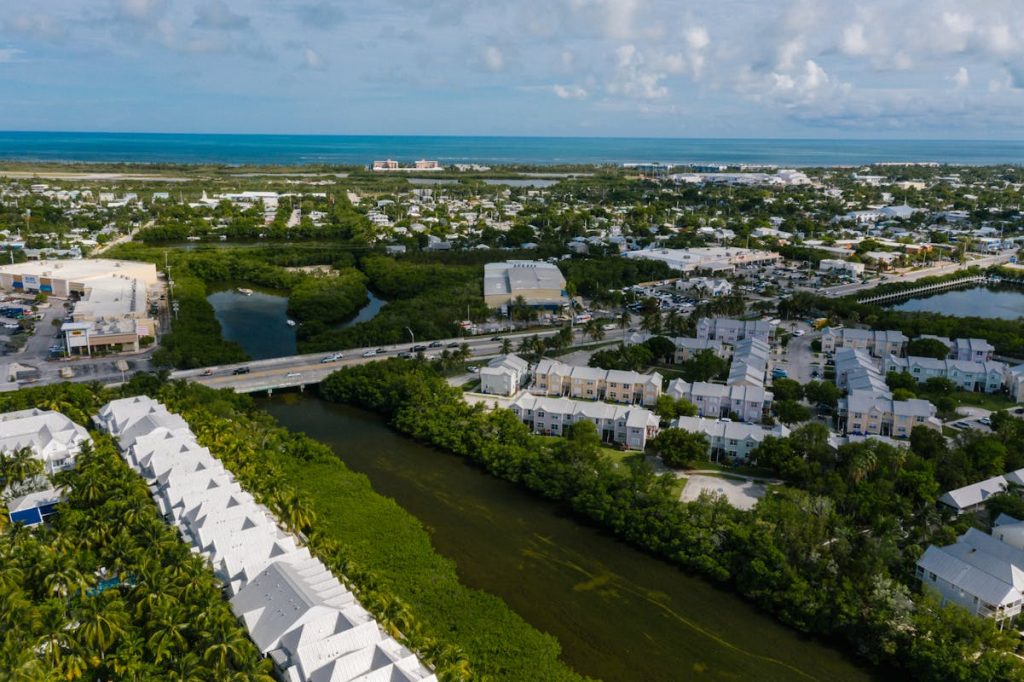
Downtown Key West presents persistent parking challenges due to its island setting. Limited land area restricts roadway and parking expansion. Popular streets near Duval attract tourists, residents, and service vehicles constantly. Street parking fills early each day, while garages remain limited. Residential permit zones reduce visitor access further. Seasonal tourism and cruise traffic intensify congestion. Many locals rely on walking, biking, or scooters downtown. Parking scarcity remains a defining feature of daily life, shaped by geography, tourism demand, and the town’s compact historic layout across the island community year round. These conditions continue influencing daily transportation choices for residents locally.