12 US Cities That Feel Less Demanding Than You Braced For

Some destinations have intimidating reputations, whether for crowds, complexity, or sheer sensory overload, yet they often feel gentler once the first day passes. Clear transit, friendly local routines, and walkable neighborhoods can reduce stress faster than expected. A place can also feel less demanding when it supports simple days, like a park stroll, a museum visit, and an early dinner without complicated logistics. These twelve places tend to surprise travelers with manageability, offering reliable infrastructure or an easy pace that softens nerves. The goal is not perfection, but a trip that feels doable, balanced, and pleasantly straightforward.
Tokyo, Japan
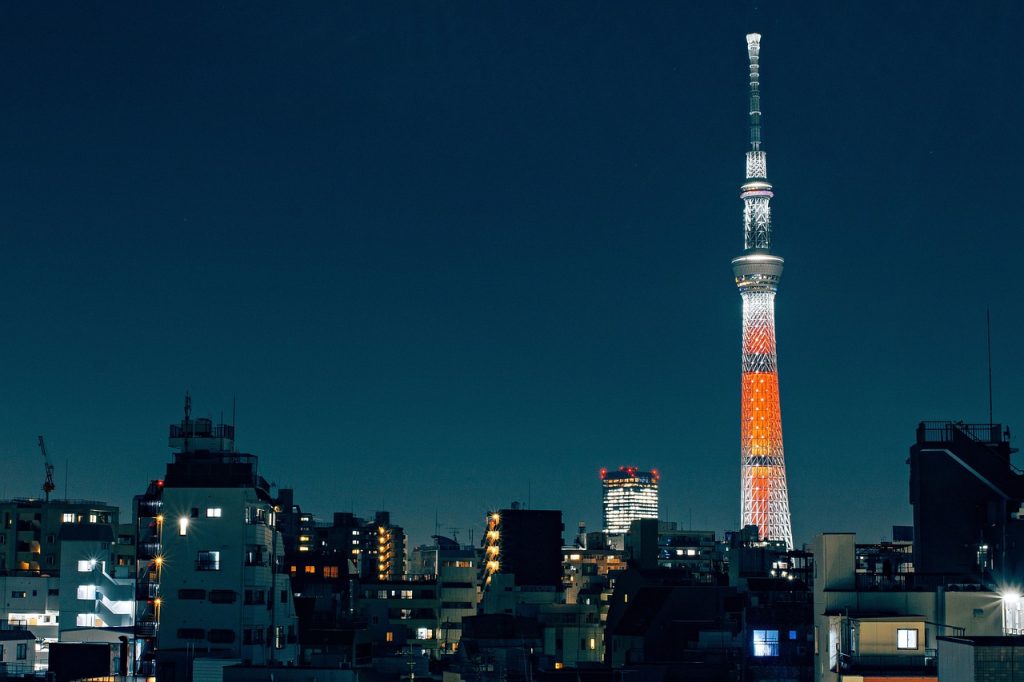
Tokyo can look overwhelming on a map, yet daily navigation often feels surprisingly smooth. The rail system is extensive, signage commonly includes English in many areas, and stations link directly to neighborhoods with clear identities. Convenience stores and cafes provide predictable stops, which helps create a steady rhythm between sightseeing moments. Even busy districts tend to feel orderly, with lines that move and public spaces that stay relatively clean. Quiet pockets exist, from temple grounds to small residential streets. Once routines settle, Tokyo often feels less demanding than expected, because structure and reliability replace the fear of getting lost.
Copenhagen, Denmark
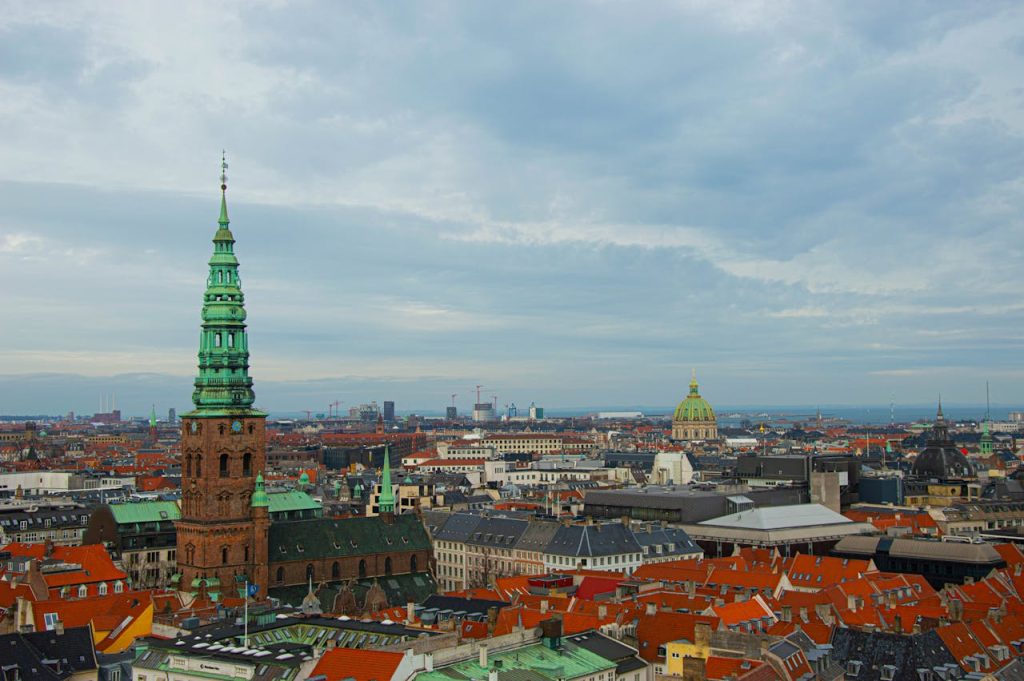
Copenhagen often feels easier than expected because the city is compact and built for everyday movement. Many areas are walkable, cycling infrastructure is prominent, and public transit stays straightforward for visitors. The harborfront and central neighborhoods connect naturally, allowing a day to unfold without constant planning. English is widely spoken, which reduces friction in restaurants, shops, and museums. The overall vibe also feels calm, with a predictable pace that supports early evenings and unhurried mornings. Even popular sights fit into a short radius, so time rarely disappears in transit. Copenhagen surprises many people by feeling manageable and quietly efficient.
Singapore
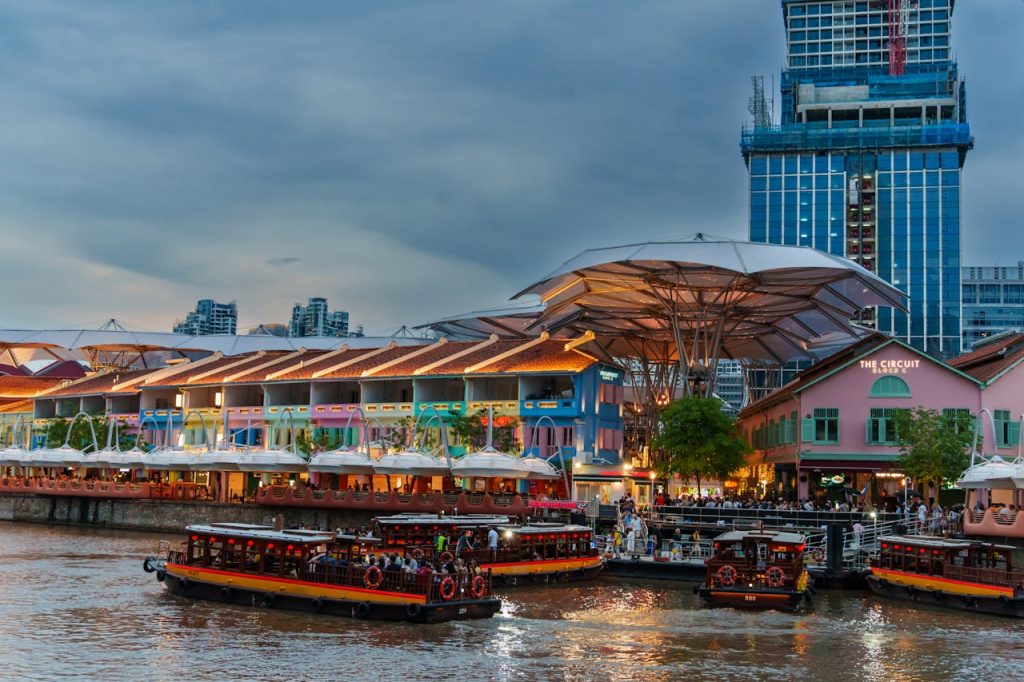
Singapore can feel surprisingly undemanding because systems run predictably and the city-state stays well organized. The MRT rail network is easy to use, streets are clearly labeled, and major attractions connect through efficient transit. English is an official language, which helps with menus, signage, and everyday errands. Neighborhoods like Chinatown, Little India, and Kampong Glam offer distinct experiences without long travel times. The city also provides plenty of climate-controlled indoor options, which matters in heat and humidity. Even first visits can feel smooth because food courts, parks, and shopping districts are easy to navigate and welcoming.
Lisbon, Portugal
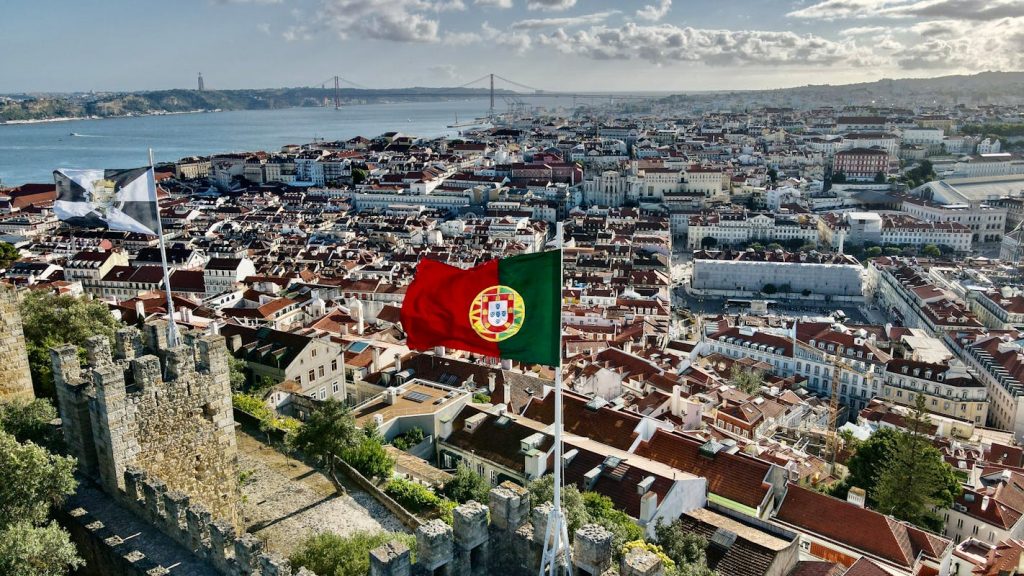
Lisbon’s hills can sound daunting, yet the city often feels less demanding once transportation patterns become familiar. Trams, funiculars, and elevators help handle steep climbs, and many neighborhoods reward slow wandering rather than strict schedules. The city’s compact historic core makes it easy to break days into short loops, with cafes and viewpoints offering natural pauses. Even when streets twist, major landmarks and riverfront routes provide orientation. Winter and spring crowds can be lighter than summer peaks, which softens the pace. Lisbon often feels approachable because it encourages unhurried exploration and simple pleasures, not constant checklists.
Mexico City, Mexico
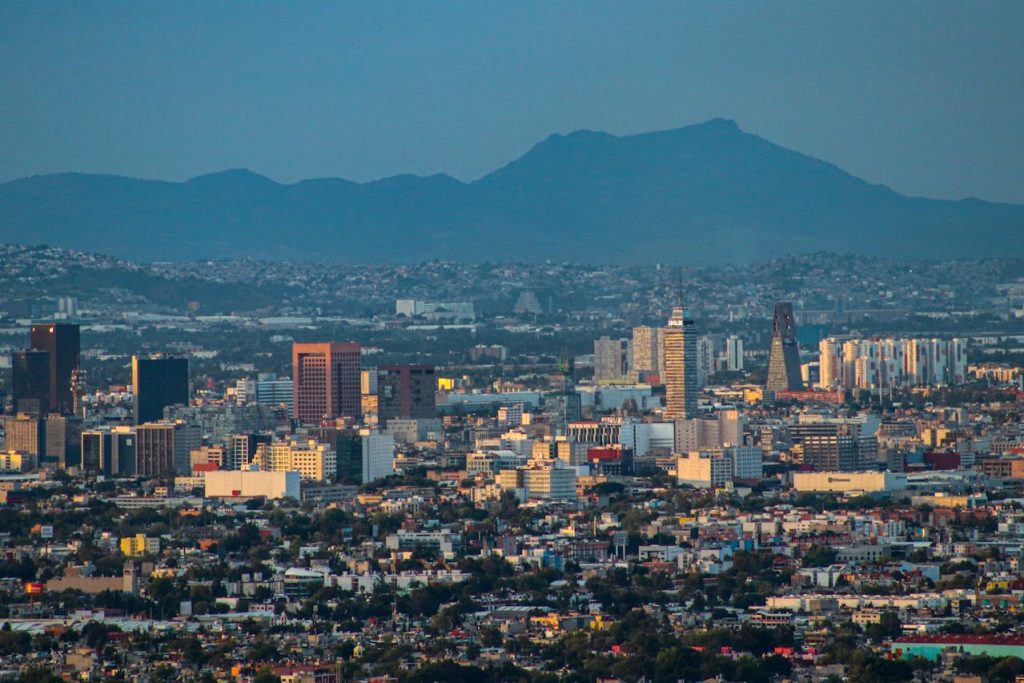
Mexico City can seem intense, yet many visitors find it manageable by focusing on a few well-connected neighborhoods. Areas like Roma, Condesa, Polanco, and Centro Histórico offer walkable blocks and plentiful dining, while rideshares and transit make short hops easy. Museums and parks provide structured daytime options that reduce decision fatigue. The city’s food culture also supports relaxed planning, since good meals can anchor a day without chasing reservations. Elevation can affect energy, so a slower pace helps, but that can also make the trip feel calmer. Mexico City often surprises travelers by feeling organized in practice, not chaotic.
Edinburgh, Scotland

Edinburgh can feel simpler than expected because the city center is compact and easy to explore on foot. The Old Town and New Town sit close together, and the main sights often fall along a few recognizable routes. Buses and short taxi rides help when hills feel steep, while museums and pubs provide warm, low-effort breaks. English-language navigation reduces friction, and the city’s layout makes it hard to feel truly lost. Weather can change quickly, yet indoor options keep days steady. Edinburgh often feels less demanding than braced for because history, scenery, and comfort sit within easy reach.
Montreal, Quebec
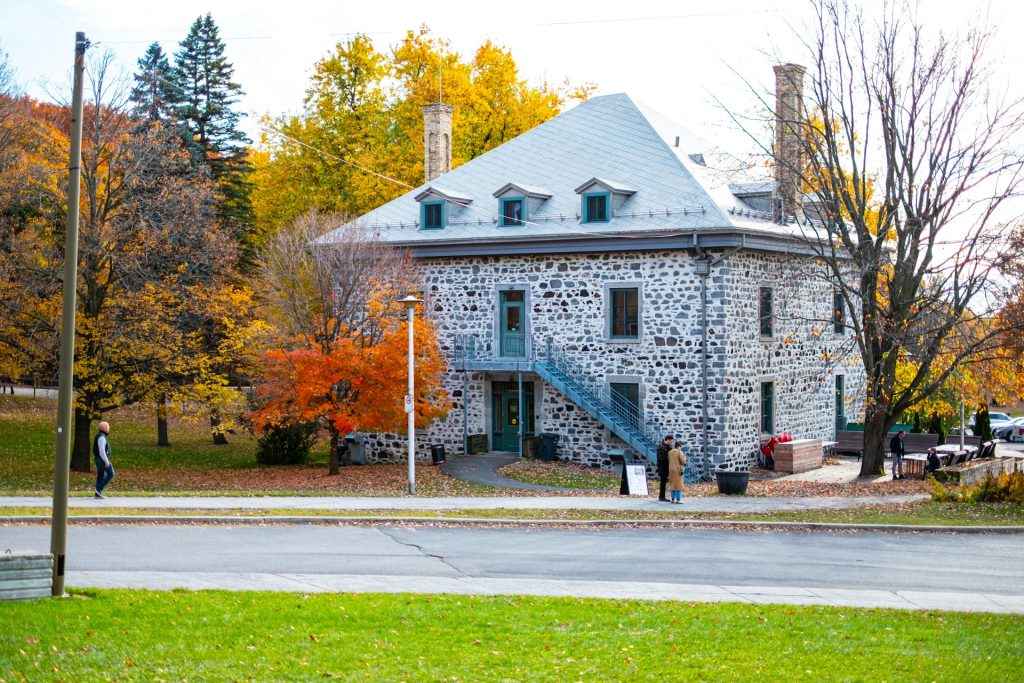
Montreal often feels approachable because neighborhoods offer clear character and a manageable scale. The Metro is simple to learn, and many central areas invite walking, especially around the Plateau, Mile End, and Old Montreal. French is prominent, yet service in tourist areas commonly accommodates English, which reduces stress for first-time visitors. Winter can be cold, but the city’s underground connections and indoor culture help keep plans comfortable. Food options feel casual and abundant, and cafés provide natural pauses. Montreal tends to feel less demanding than expected because it balances big-city energy with friendly, familiar rhythms and straightforward transit.
Vancouver, British Columbia
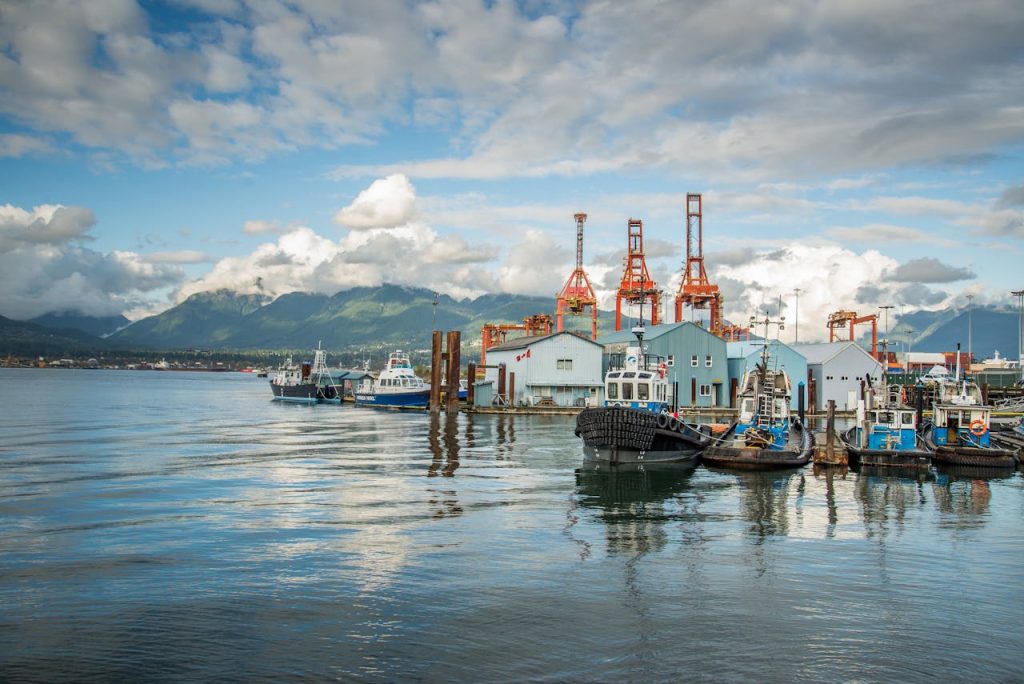
Vancouver can feel easy because the city pairs strong scenery with practical movement. Downtown and waterfront areas are walkable, and transit supports quick connections to neighborhoods without complicated planning. Nature feels close, yet many outdoor moments require only short trips, like a seawall walk or a park loop. Even when weather turns rainy, indoor options like markets, museums, and cafes keep the day full. The city’s layout can feel intuitive, and English-language navigation removes barriers. Vancouver often feels less demanding than anticipated because it offers a calm, outdoorsy atmosphere while still providing urban convenience and predictable logistics.
Amsterdam, Netherlands
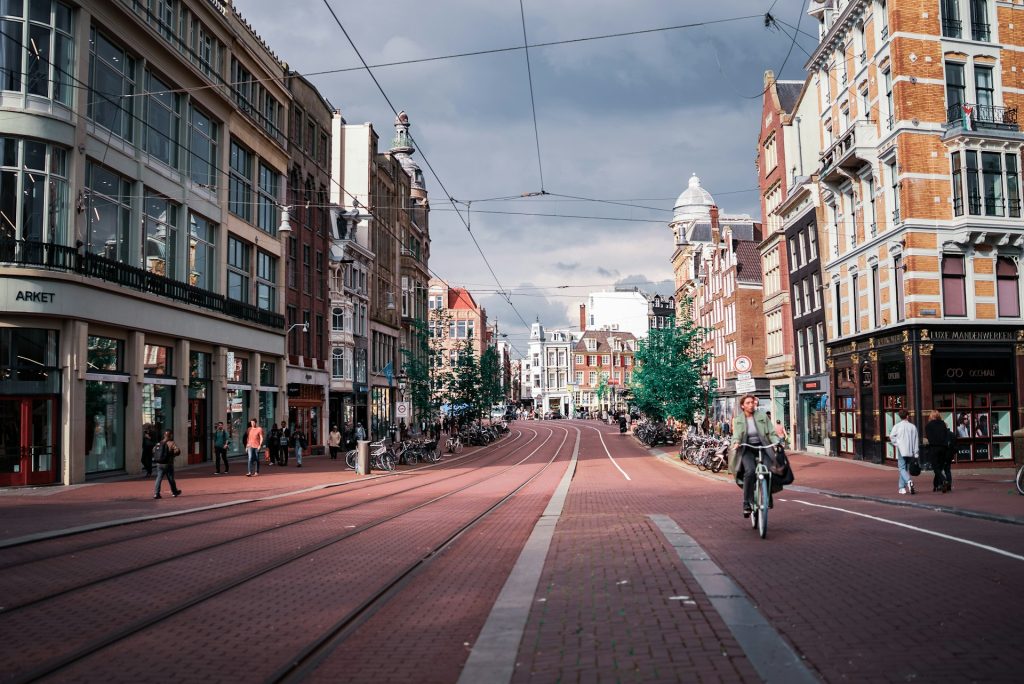
Amsterdam can look busy, yet the city often feels manageable thanks to its compact core and clear patterns of movement. Walking works well, and trams provide simple connections when distances grow. Canal rings help with orientation, making it easier to understand where neighborhoods sit relative to each other. Museums and cafes create a comfortable rhythm, and many people find the atmosphere relaxed outside peak summer. Cycling culture is intense, but staying alert and using sidewalks and crossings keeps things smooth. English is widely spoken, which helps with everyday interactions. Amsterdam often feels less demanding than expected because it supports slow exploration without long commutes.
Reykjavik, Iceland

Reykjavik often feels less demanding because the city is small, navigable, and built around practical routines. The center can be explored on foot, and cafes, pools, and museums provide easy anchors when weather turns. Winter darkness can feel unfamiliar, yet local culture embraces cozy interiors and early evenings, which supports rest. Tours to nearby sights can be booked as simple day trips, reducing the need for complicated driving plans, especially in rough conditions. English-language service is common in visitor settings, which eases logistics. Reykjavik surprises many travelers by feeling calm and functional, with comfort built into everyday life.
Buenos Aires, Argentina
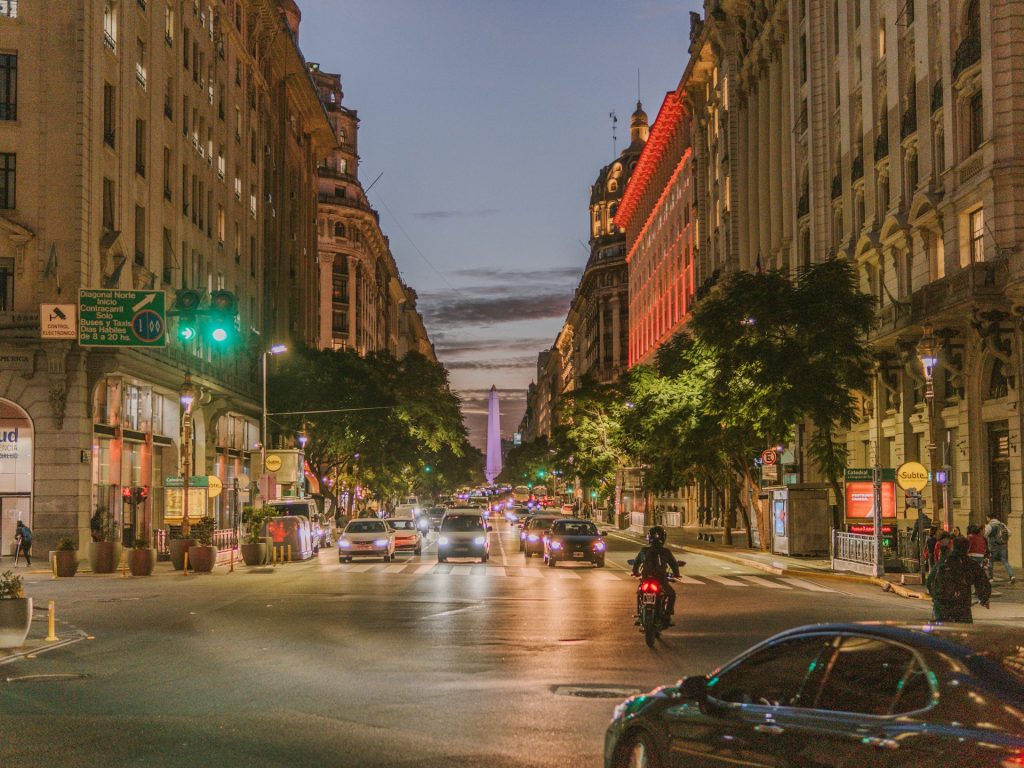
Buenos Aires can feel gentler than expected because many classic experiences fit into a comfortable neighborhood rhythm. Palermo, Recoleta, and San Telmo offer cafes, parks, and museums that support unhurried days, while taxis and rideshares make moving between districts straightforward. The city’s late dining culture can be adjusted to personal energy, with long lunches and earlier evenings still possible. Spanish is dominant, yet hospitality often carries visitors through small language gaps. Sidewalk life provides built-in entertainment, from bookshops to plazas. Buenos Aires often feels less demanding than anticipated because it rewards simple routines, like walking, eating well, and lingering in public spaces.
Dubrovnik, Croatia
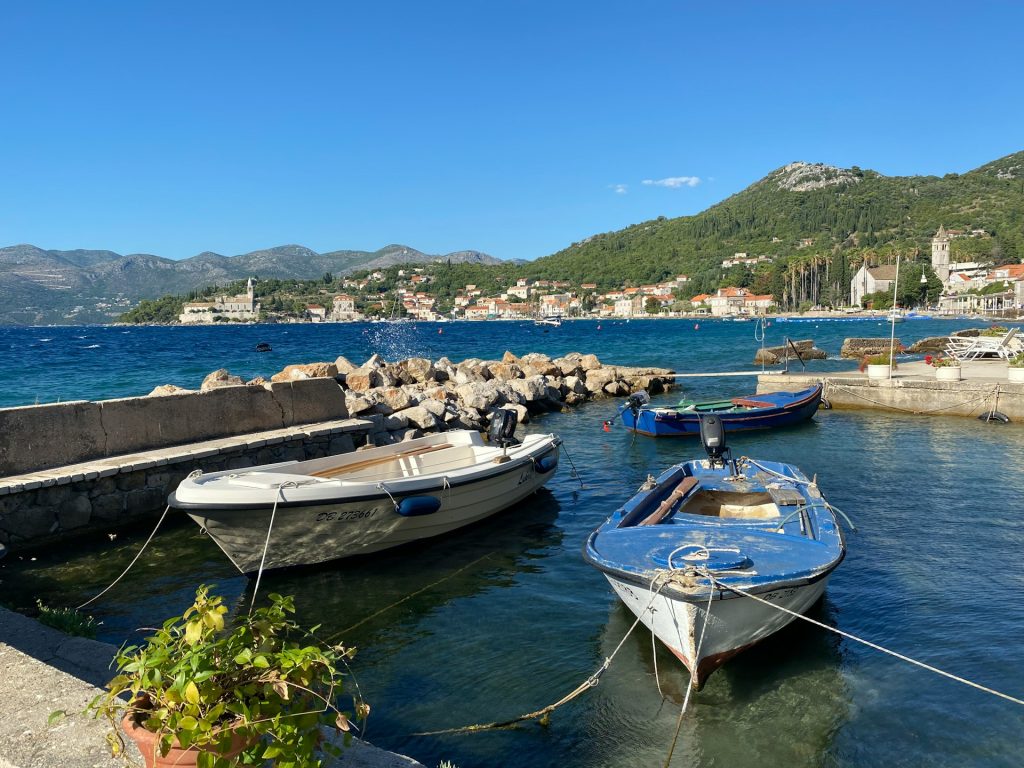
Dubrovnik can seem intimidating due to its fame, yet it often feels manageable when travel avoids peak summer congestion. The Old Town is compact and enclosed by walls, which makes navigation simple, and many highlights sit within easy walking distance. A calm plan might focus on morning strolls, a wall walk when conditions allow, and long meals outside the busiest hours. The Adriatic setting offers simple downtime by the water, even without a packed schedule. English is common in tourism settings, easing logistics. Dubrovnik often feels less demanding than braced for because its scale is small, and its main sights cluster tightly once crowds thin.