12 US Cities That Feel Less Polished — and Honestly More Livable

Some cities feel livable because daily life runs on neighborly routines, not glossy branding, and people show up consistently for one another. Streets show wear, storefronts rotate, and murals replace perfect facades, yet community energy stays strong through everyday generosity and shared pride. These places often deliver walkable pockets, local diners and markets, and conversations that move at a human pace. A less polished vibe can also mean fewer tourist crowds and fewer pressure points around status, which helps residents relax into their own rhythms. Livability still depends on basics like jobs, transit, and housing, but the feeling comes from how a city fits ordinary life. Here are twelve cities known for character, practicality, and lived-in charm.
Pittsburgh, Pennsylvania
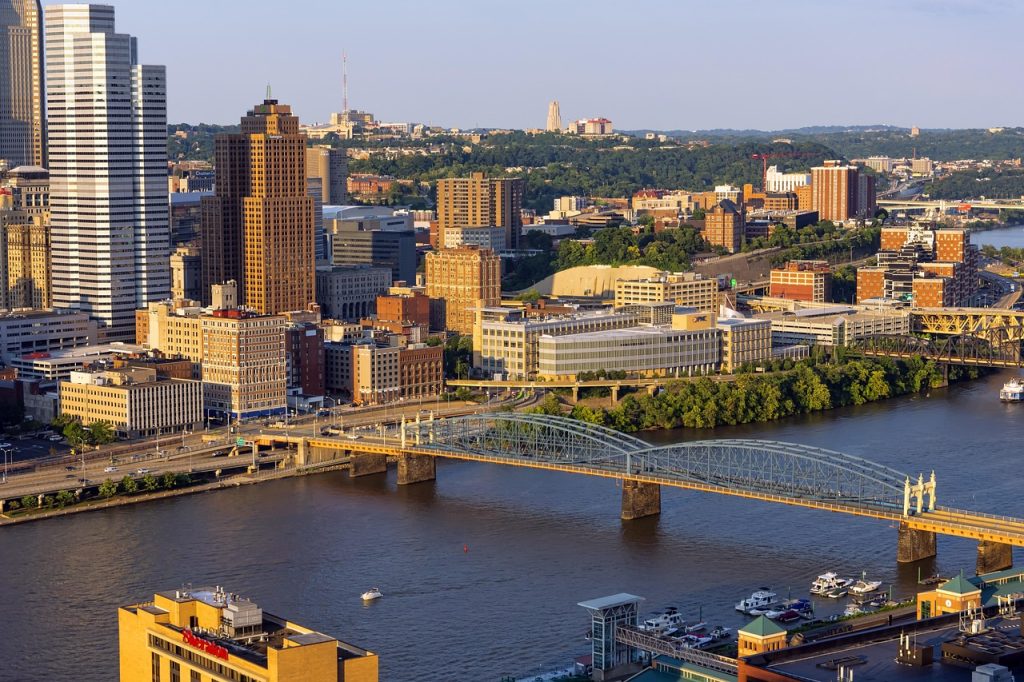
Pittsburgh feels grounded in neighborhood life, where bridges and hills stitch together distinct pockets like Bloomfield, Lawrenceville, and the South Side. The city carries an industrial legacy, but riverside trails, universities, and a growing mix of tech and healthcare jobs shape modern routines. Public staircases and inclines create surprising pedestrian links, even when streets curve and climb. Winters can run gray, yet residents lean into museums, sports, and coffee shops when weather turns, and small community events keep calendars lively, even during long stretches of cold and drizzle. The overall vibe stays approachable rather than showy, and many areas offer a sense of community that feels built for everyday living.
Buffalo, New York
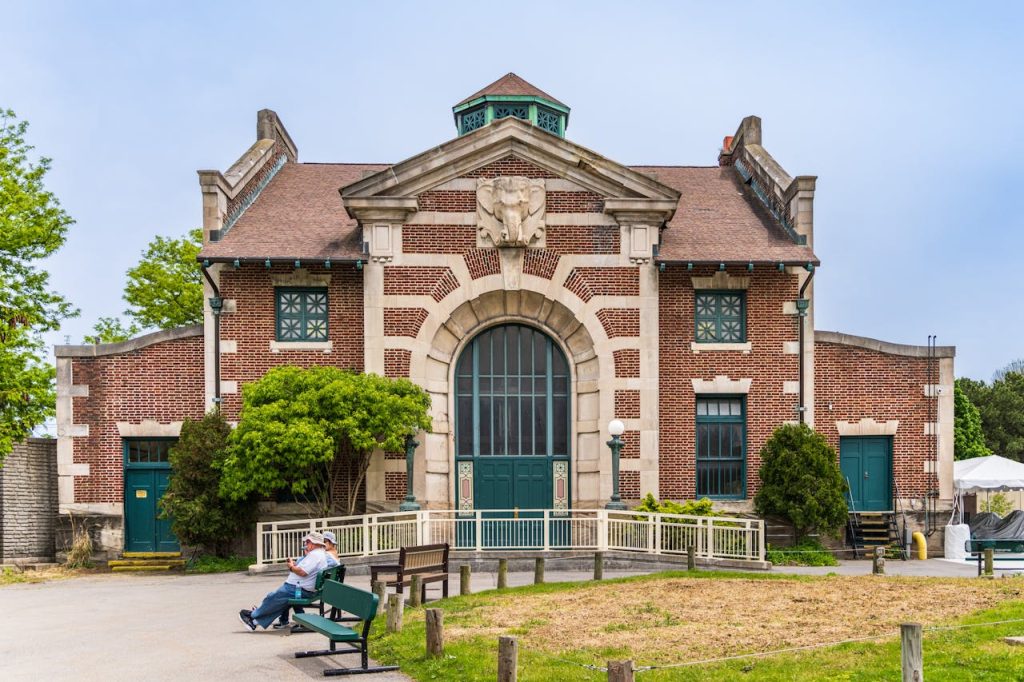
Buffalo pairs a gritty Great Lakes history with tight-knit neighborhoods and a food scene that feels proudly local. The city’s lake-effect winters can be intense, but that shared reality often fuels community spirit, from corner bars to long-standing festivals, and neighbors check in when storms slow everything down, sharing shovels, hot meals, and updates across porches and sidewalks. Waterfront reinvestment along Lake Erie and the Buffalo River has added new public spaces without erasing the city’s blue-collar identity. Classic architecture and a strong legacy of parks designed by Frederick Law Olmsted also shape daily scenery. The pace feels practical, and the city often appeals to people who value authenticity over constant reinvention.
Milwaukee, Wisconsin
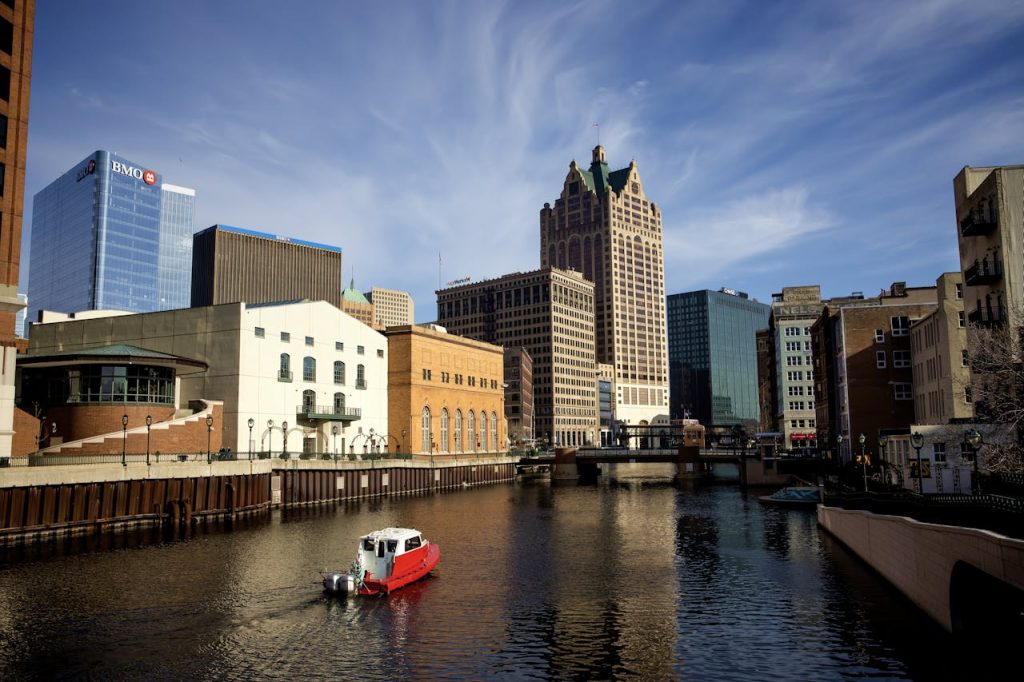
Milwaukee blends lakefront views with a working-city backbone, where breweries, corner taverns, and family-run restaurants still anchor social life. The city sits on Lake Michigan, and the lakefront parks, trails, and summer festivals offer easy escapes without requiring a polished vibe, especially when evenings stretch long and breezy. Neighborhoods like Bay View and Riverwest feel lived-in, with independent shops and community events that keep things connected, and locals tend to recognize familiar faces over time. Winters can be cold, yet indoor culture stays busy, from museums to music venues. Milwaukee’s size makes it manageable, and the overall atmosphere often feels straightforward, friendly, and rooted in routine.
Cleveland, Ohio
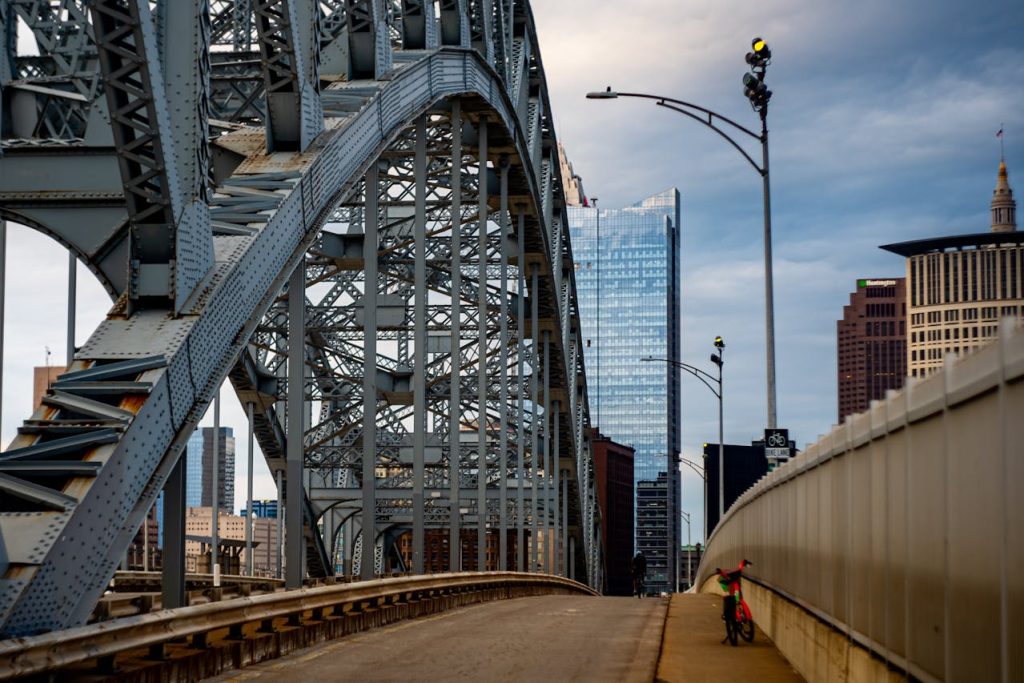
Cleveland often surprises newcomers with its strong arts institutions, passionate sports culture, and a lakefront setting on Lake Erie. The city carries a legacy of heavy industry, and that history still shows in older corridors, but revitalized districts add restaurants, markets, and public spaces that feel useful rather than flashy, giving residents more reasons to stay close to home. Neighborhoods like Ohio City and Tremont offer a mix of historic homes and local businesses that support daily life, and weekend mornings often revolve around coffee and browsing stalls. Winters bring snow and wind off the lake, yet the community leans into theaters, museums, and food halls. The mood stays resilient, practical, and welcoming.
St. Louis, Missouri
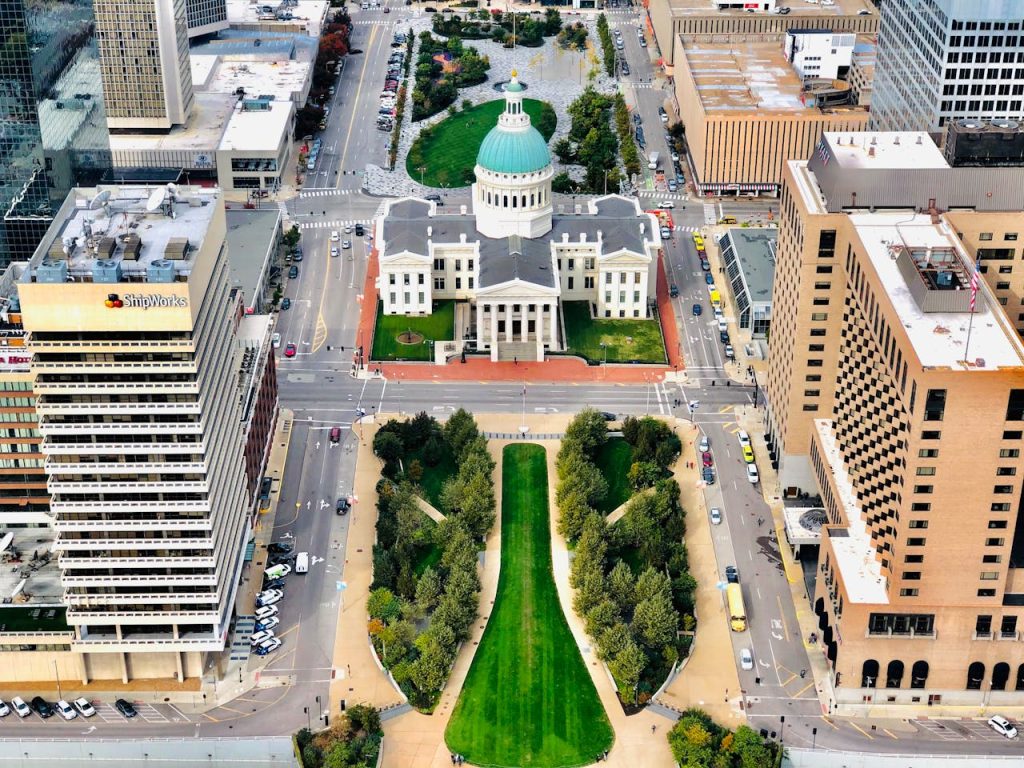
The St. Louis balances big-city landmarks with a patchwork of neighborhoods that each feel distinct, from Soulard’s brick streets to the Central West End’s cafes. The city’s history as a river and rail hub still shapes its architecture and street grid, giving many areas a timeworn, character-rich look, and older storefronts often sit beside newer local ventures. Forest Park offers major cultural institutions and green space that locals use year-round, not just on weekends, with trails, museums, and events that keep it active. The pace often feels unpretentious, and many routines center on local eateries, sports, and community events. It can feel less polished, yet deeply lived in and socially connected.
Baltimore, Maryland
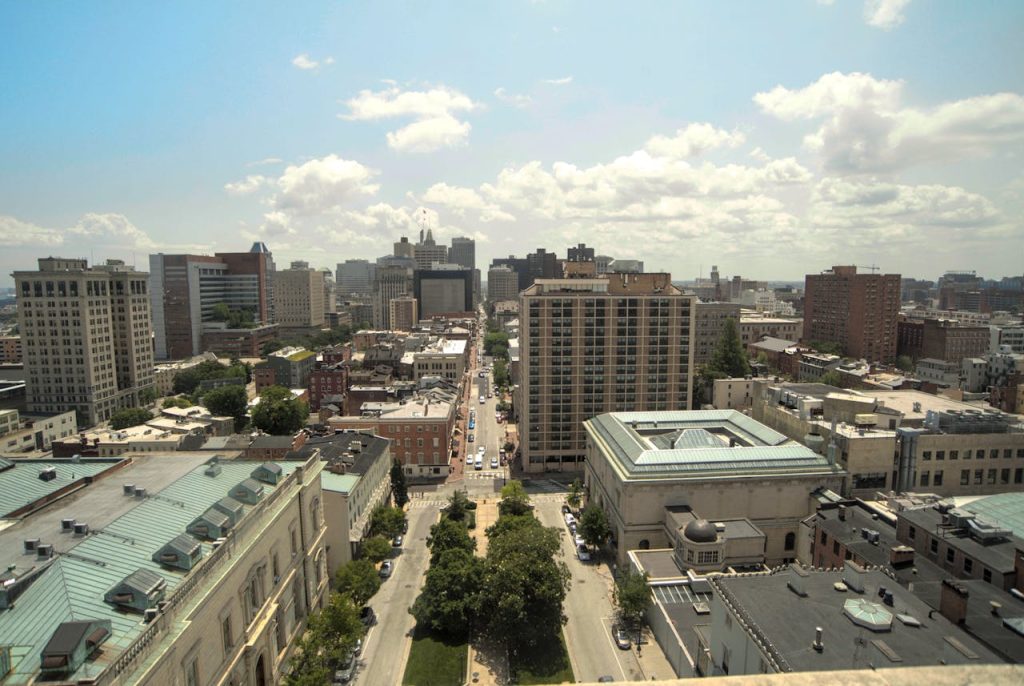
Baltimore feels intensely neighborhood-driven, where rowhouses, corner stores, and local pride shape the rhythm more than tourist polish. The Inner Harbor is recognizable, but much of the city’s character lives in places like Hampden, Federal Hill, and Station North, where arts and food scenes keep evolving, and new openings still feel rooted in local habits. Maritime history still shows along the waterfront, while murals and community gardens add street-level personality. The city’s challenges are real, yet so is its resilience, and many residents stay fiercely loyal to their blocks, organizing cleanups, cookouts, and small fundraisers. For daily life, Baltimore often feels direct, familiar, and full of human-scale moments.
Philadelphia, Pennsylvania
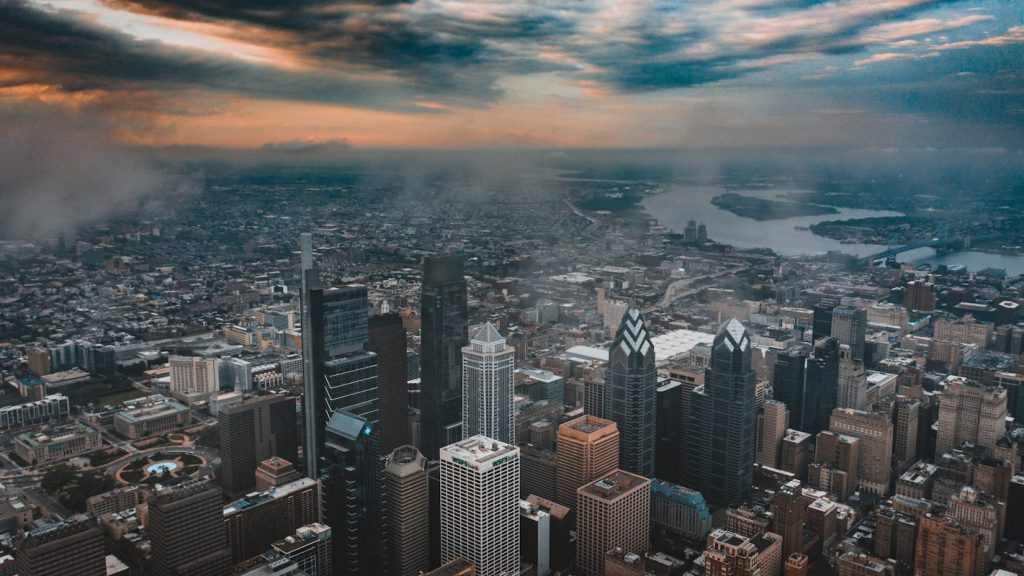
Philadelphia pairs deep history with an everyday attitude that feels candid, funny, and sharply local. The city’s rowhouse neighborhoods create walkable living, where parks, and corner eateries sit close together, and familiar faces make daily routes feel personal. Markets like Reading Terminal Market highlight a food culture that thrives on routine and tradition, not trendiness. Public art and murals appear across many areas, giving streets visual texture without feeling curated for visitors, while block parties and stoop chats keep sidewalks social. Transit and regional rail support commuting, while distinct neighborhoods let residents find a fit that matches lifestyle and budget. Philadelphia can feel rough-edged, yet it often rewards curiosity.
Detroit, Michigan
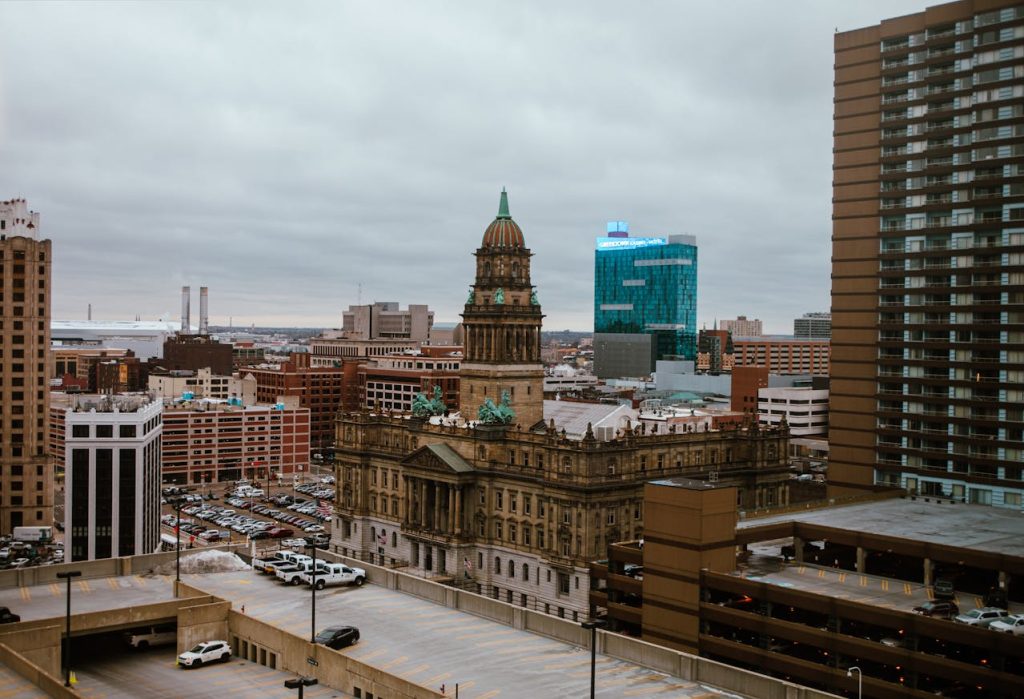
The Detroit’s story includes industrial might, hard years, and ongoing reinvention, and that mix gives the city a raw honesty that many people find refreshing. Neighborhood investment has grown in pockets, while longtime residents keep traditions alive through live music, food, and community organizing, and new arrivals often learn by listening first. The city’s cultural impact, from Motown to techno, remains a living presence rather than a museum label. Many big parks and riverfront areas offer outdoor space, even as winters stay serious. Detroit’s scale can feel spacious, and its strongest appeal often comes from creativity and grit working together, producing a livable rhythm without a glossy veneer.
Cincinnati, Ohio
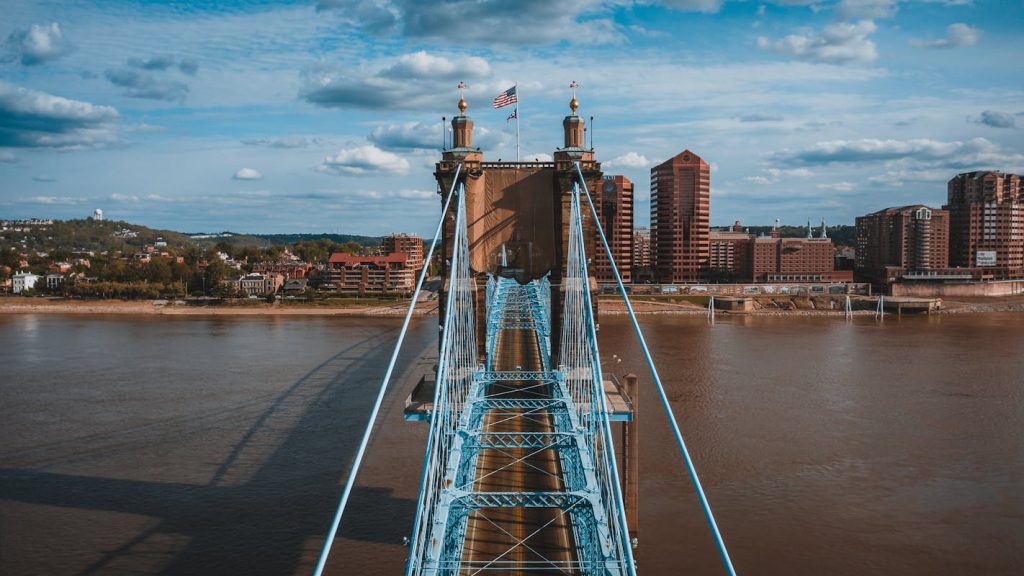
Cincinnati sits along the Ohio River with a classic Midwestern feel, where historic hillsides and brick neighborhoods shape daily life. Areas like Over-the-Rhine showcase restored buildings alongside local bars, shops, and markets that keep streets active, and sidewalks fill up during weekend games and concerts. The city’s size supports an easy routine, and many residents appreciate how quickly errands, events, and green spaces can fit into a week, with commutes that rarely consume entire evenings. Sports culture runs strong, but so do arts institutions and a notable food scene. Cincinnati can look a bit weathered in places, yet that lived-in texture often pairs with friendliness, affordability, and community pride.
Louisville, Kentucky
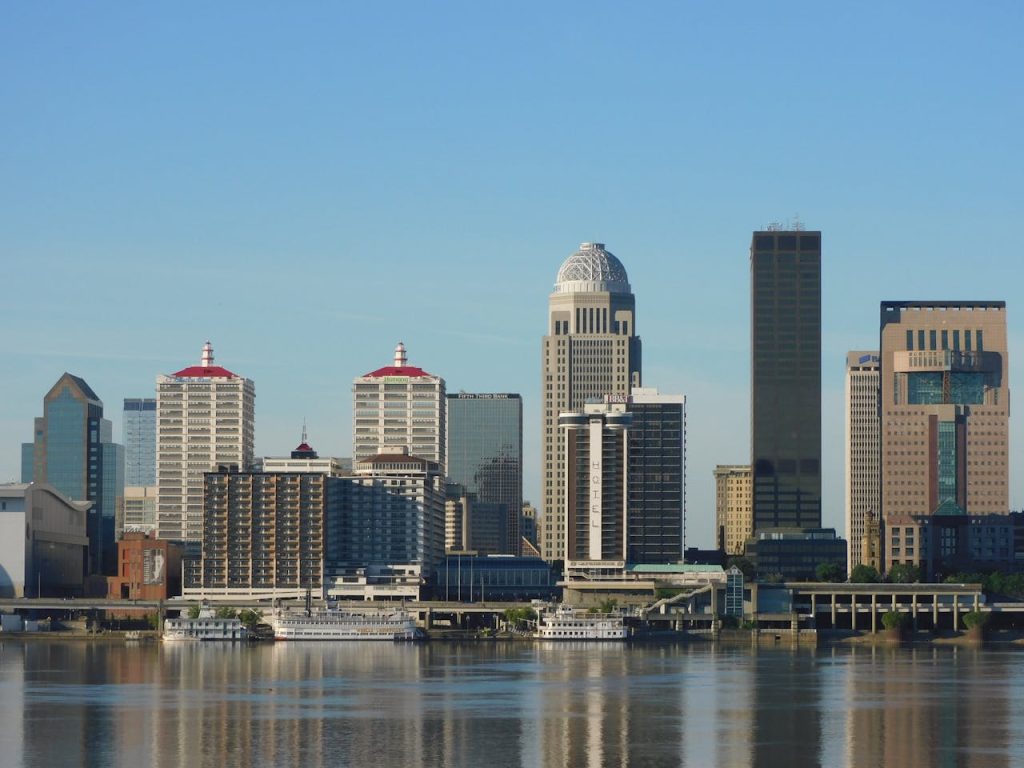
Louisville blends Southern and Midwestern influences, and the result feels relaxed, personable, and grounded. Neighborhoods like the Highlands and Germantown offer walkable streets with local restaurants and parks that support day-to-day routines, and regulars tend to linger for conversations after meals. The city is closely tied to the Kentucky Derby, yet everyday culture stretches far beyond one event, with music, food, and community gatherings shaping the calendar, from porch festivals to neighborhood art shows. Riverfront spaces along the Ohio River add room to breathe, while older architecture gives many blocks a timeworn charm. Louisville often feels less curated than larger metros, and that can translate into a more comfortable, lived-in pace.
Albuquerque, New Mexico
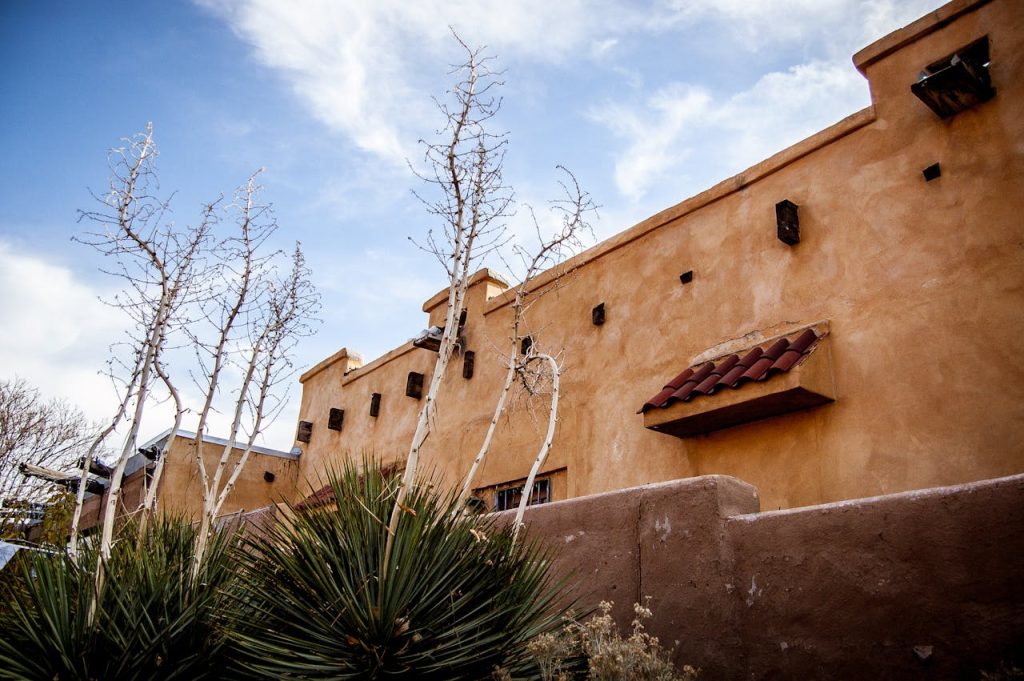
Albuquerque carries a high-desert character that feels practical and outdoorsy, with big skies, dry air, and mountain views from many parts of town. The city’s look can feel unpolished, yet local culture runs deep, shaped by Native, Hispanic, and regional traditions that show up in food, art, and community events, especially during seasonal celebrations and weekend markets. The Rio Grande corridor and nearby Sandia Mountains offer accessible nature, which can anchor routines beyond work, and sunrise hikes often become a regular habit. Summers get hot, and the sun is strong, but the overall lifestyle often feels relaxed. Albuquerque’s appeal often comes from authenticity, space, and a clear sense of place.
Tulsa, Oklahoma
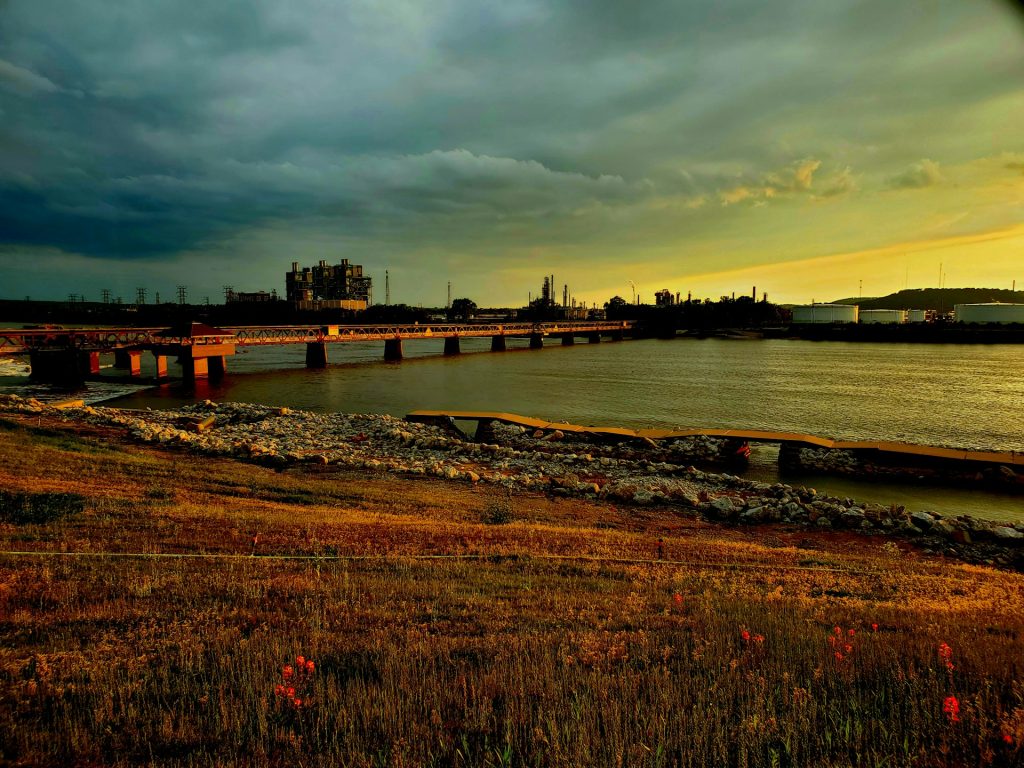
Tulsa blends an oil-boom history with a creative present, and its Art Deco architecture gives downtown a distinctive, time-capsule feel. The city often feels straightforward, with a manageable scale that supports commuting, weekend plans, and neighborhood routines without constant congestion, and many residents still know their local shop owners. Riverfront parks and trails along the Arkansas River add outdoor options, while music and arts venues keep evenings lively. Local restaurants and coffee shops tend to feel community-centered rather than scene-driven. Tulsa can look rough around the edges in parts, yet that texture often pairs with affordability and an easygoing social energy that supports everyday living.