12 US Places That Are Quieter Than Expected — Sometimes Uncomfortably So
Some destinations sound lively in the imagination, then arrive with a hush that feels almost physical. Streets empty early, restaurants keep short hours, and the silence leaves no easy distraction, which can feel calming or oddly exposed depending on the mood. Quiet is not always peace. Sometimes it is offseason reality, a small population, strict local norms, or a landscape so wide it swallows sound. These places can be wonderful precisely because they are subdued. They just ask for comfort with stillness, and a willingness to let routine and long pauses become part of the trip.
Longyearbyen, Svalbard
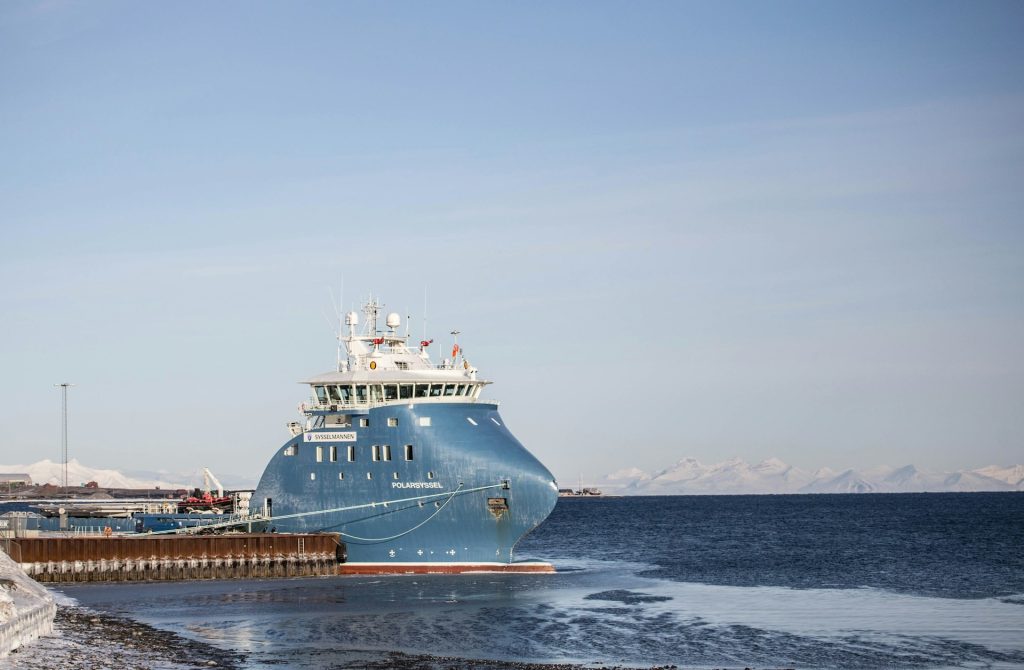
Longyearbyen can feel like a town holding its breath, where polar night and a small population make streets go silent fast once the day’s few routines are done. Quiet settles early, and even simple errands, like groceries and a coffee, happen in a low-key rhythm that feels more like a remote workweek than a vacation. The hush can feel uncomfortable at first, because darkness, wind, and distance remove distraction. Then it becomes the point: warm cafés, the local museum, and short walks when conditions allow, followed by long indoor evenings that reset attention and make small comforts feel big.
Faroe Islands
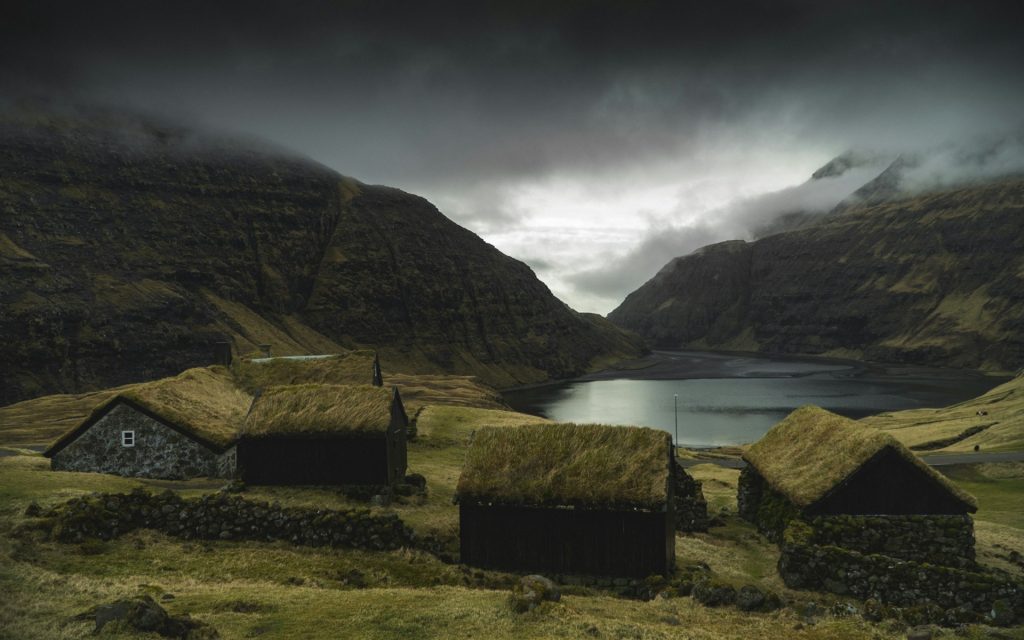
The Faroe Islands often surprise visitors with how quickly conversation drops away once weather rolls in and daylight thins, leaving villages that look inhabited yet feel almost still. Roads stay quiet, shops close early, and the sea becomes the main soundtrack, especially in winter when rain and low clouds push people indoors. That silence can feel uncomfortable for travelers expecting bustle, because plans simplify and social life is not arranged for visitors. The reward is focus: turf-roof houses, cliff walks between squalls, and cafés where soup and a long window seat can carry an afternoon without pressure to keep moving.
Westfjords, Iceland
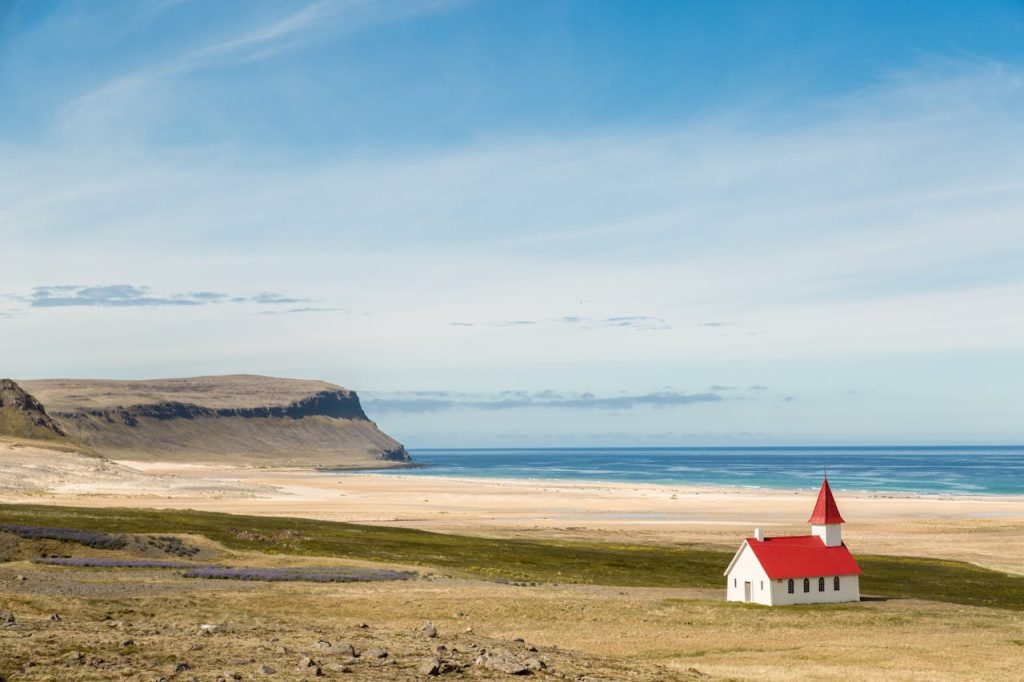
Iceland’s Westfjords are quieter than most people imagine, especially outside summer, when daylight is brief and storms can shrink travel into a few safe loops. The silence is not staged. It comes from distance, low population, and roads that make casual driving feel like a commitment, so towns settle into early evenings and empty streets. That quiet can feel uncomfortable when the sky stays gray and options narrow to a hot pool, a grocery stop, and one café that closes before night. The payoff is real solitude: empty viewpoints, slow drives, and a landscape that never competes for attention.
Inari, Finland
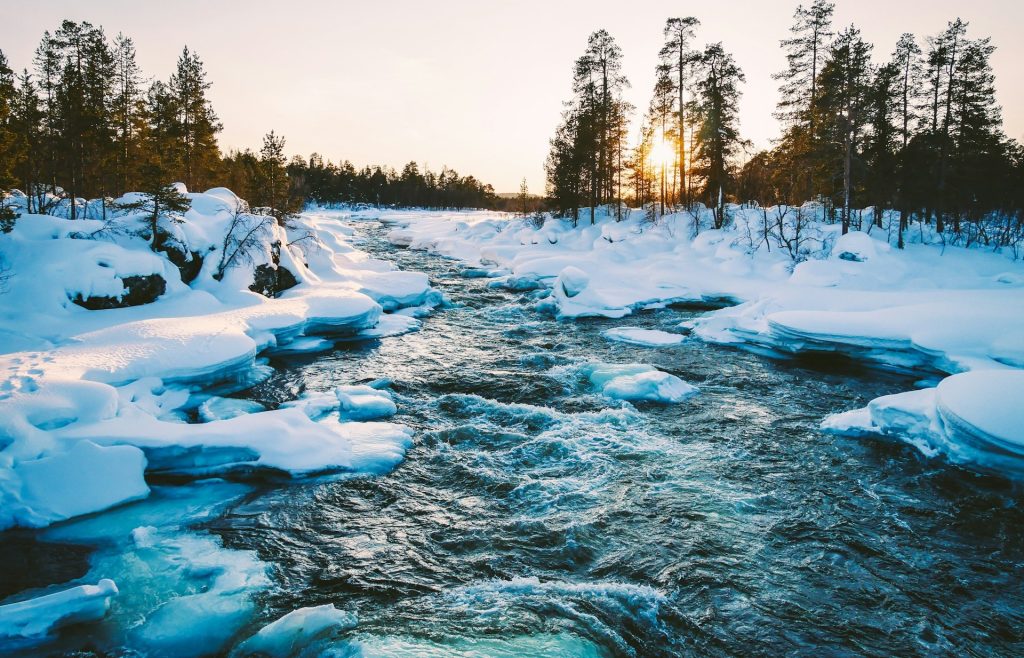
Inari can feel like quiet turned into infrastructure: snow-muted roads, frozen lake edges, and a town rhythm that favors warmth, routine, and early nights. Conversation happens, but it is softer and more intentional, and the long dark can make even a short walk feel like a private thought. That can be uncomfortable for travelers used to constant stimulation, because the day is built from small anchors: the Siida museum, a grocery run, a sauna, then a slow meal before the next cold morning. The reward is calm that feels earned, plus skies that sometimes open to northern lights and make the stillness feel purposeful.
Orkney, Scotland
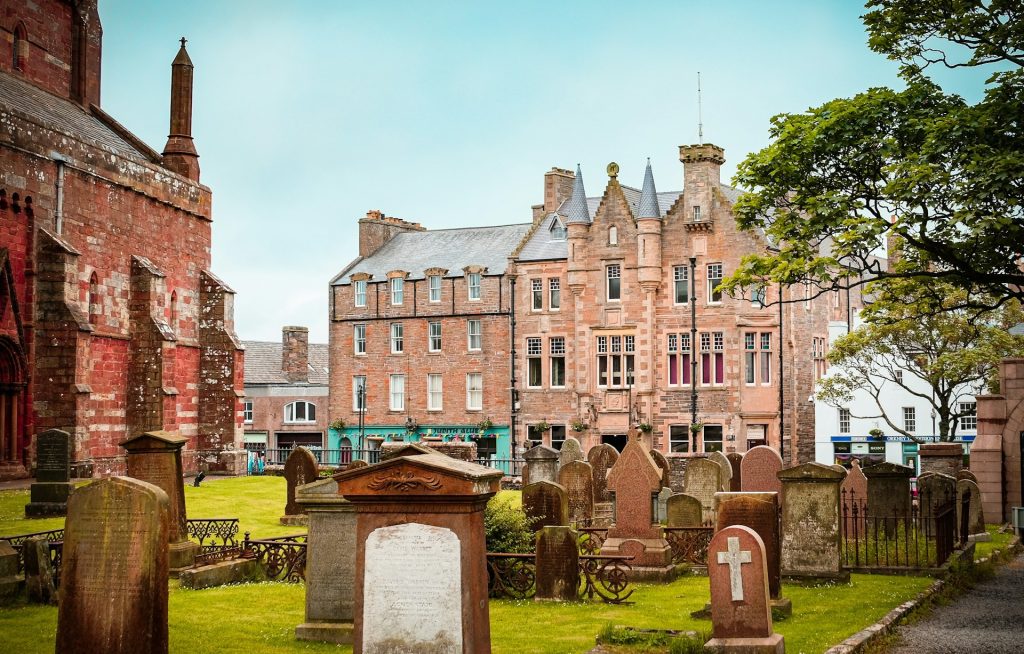
Orkney’s quiet can feel surprising because the history is so grand, yet the islands run on small-town hours and weather-driven pacing. In winter, roads empty early, ferries feel like the main clock, and even Kirkwall can seem hushed after dinner, with wind pressing against stone walls and the sea doing most of the talking. That silence can feel uncomfortable for travelers expecting nightlife, because evenings become a warm pub meal and a short walk back under flat light. The payoff is intimacy with ancient sites, where standing stones and coastal ruins feel undisturbed, and time slows without apology.
Patagonia, Chile and Argentina
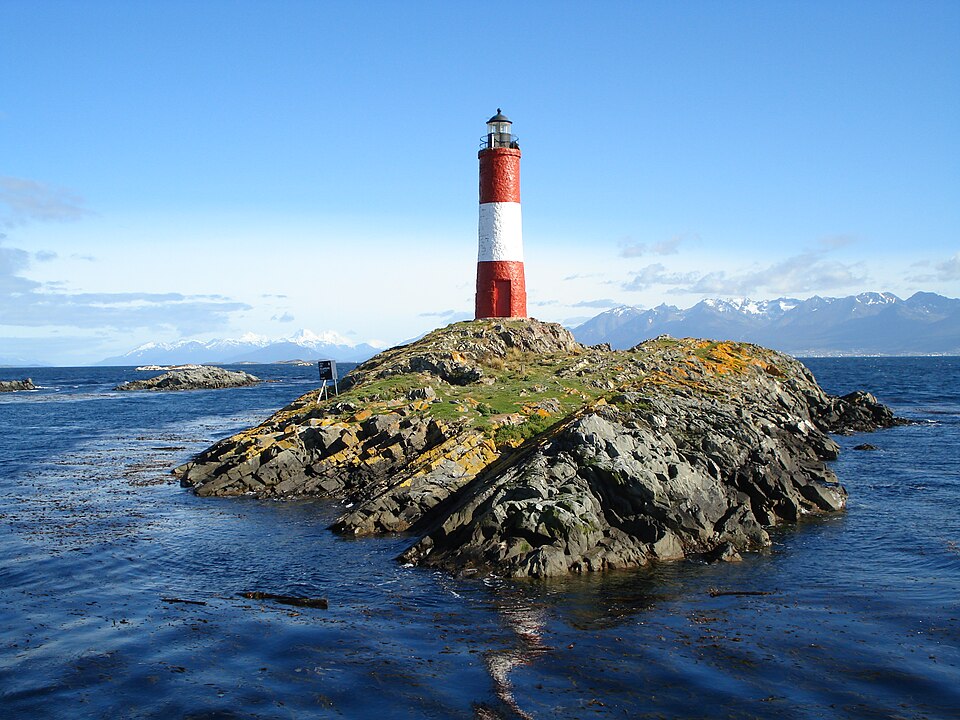
Patagonia can feel quiet in a way that unsettles people, because the landscapes are wide enough to make human presence seem temporary. Even in popular parks, sound drops quickly once buses leave, and wind becomes the loudest thing, shaping the day more than any itinerary. The hush can feel uncomfortable when weather shuts down plans and towns go still at night, leaving only a few restaurants and early bedtimes. Yet the reward is scale and clarity: big skies, clean air, and trails that feel like private conversations with mountains, where the absence of noise becomes part of the memory.
Big Bend, Texas
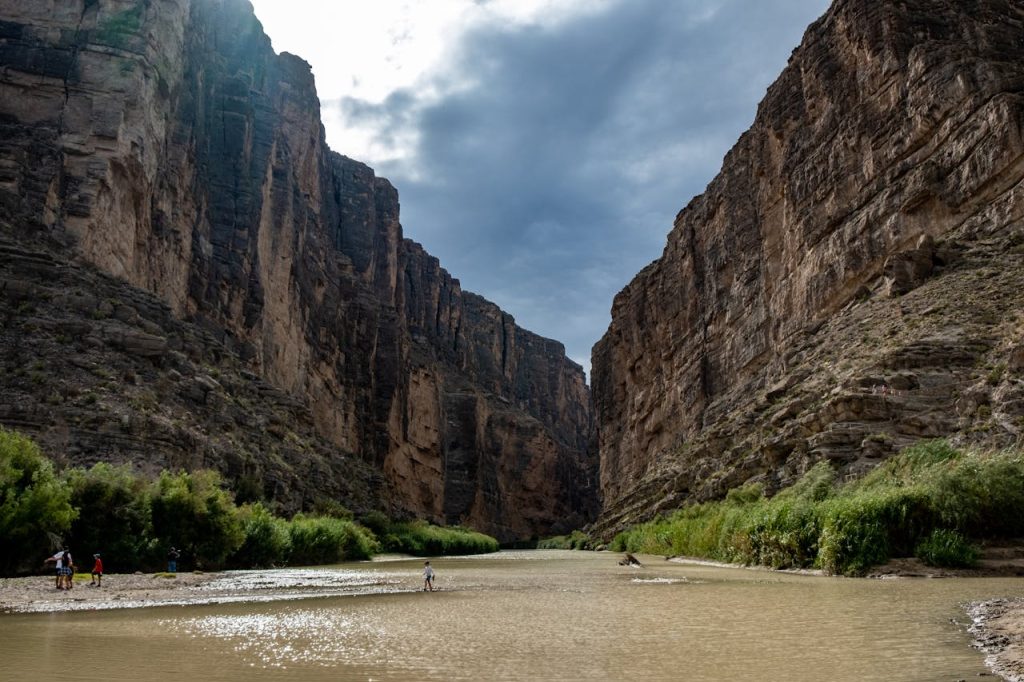
Big Bend surprises travelers with how quiet it feels once the sun drops and the desert’s vastness becomes real. Cell service is limited, towns are far, and the night sky can feel huge, which is calming for some and unsettling for others who expect more activity. Days are simple: a short hike, a scenic drive, a slow meal, then darkness that arrives like a curtain, with few lights and fewer distractions. The quiet can feel uncomfortable because there is no background noise, just wind and open space. The payoff is rare solitude and stargazing that feels almost too vivid, plus mornings that start clean.
Outer Hebrides, Scotland
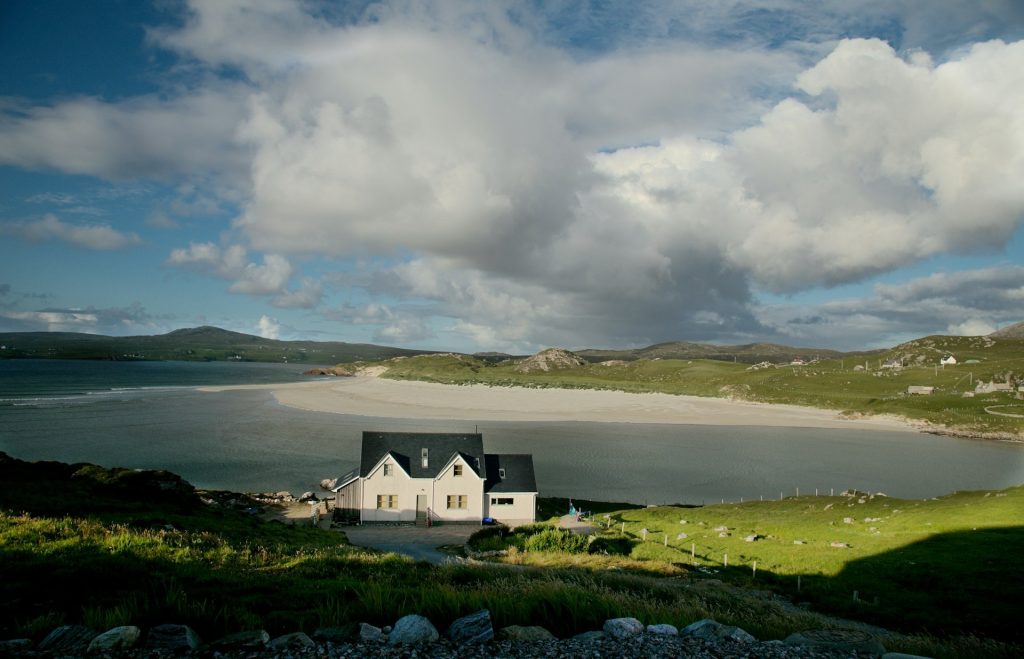
The Outer Hebrides can feel quiet to the point of eerie, especially in the off-season, when beaches are empty, roads carry few cars, and villages settle into early evenings. The silence comes with strong weather, short daylight, and a pace that does not bend for visitors, so plans shrink to what is open and safe. That can be uncomfortable if a trip expected constant options, because even dinner might require self-catering or advance planning. The reward is raw beauty: machair grass, Atlantic surf, and fast-changing light, with long walks where the only sound is waves and seabirds.
Greenland’s Smaller Towns
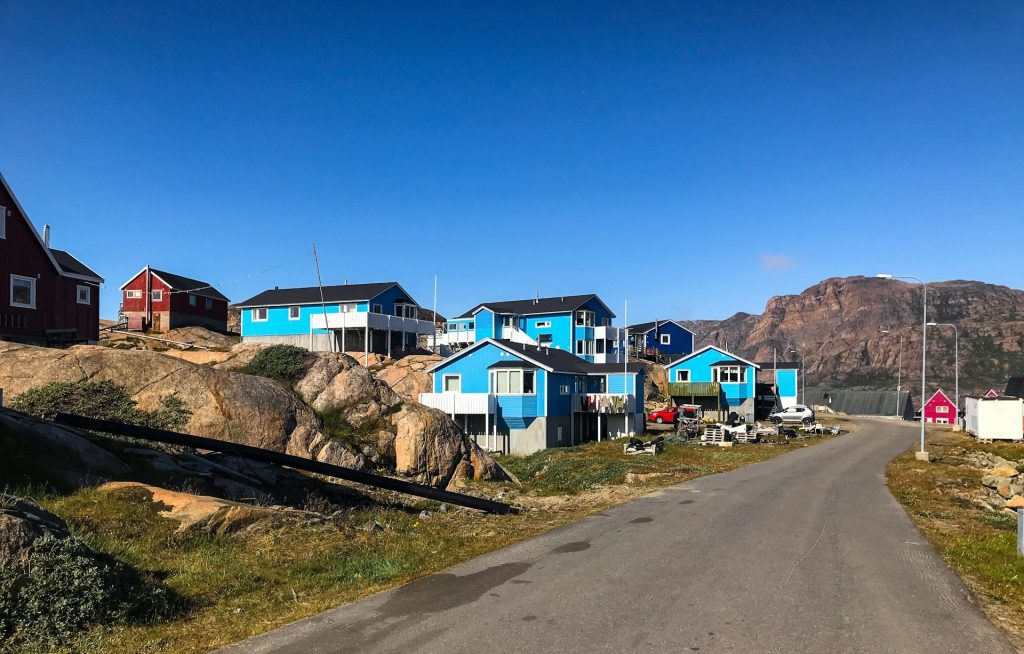
Outside a few hubs, Greenland’s smaller towns can feel startlingly quiet, with limited shops, short hours, and long stretches where the landscape seems to hold the sound in place. The silence comes from scale and weather, where boats and daylight set the timetable and the community runs on practical routines. That can feel uncomfortable for travelers who expect constant entertainment, because evenings can be very still and options are few. The reward is intimacy and honesty: colorful houses against snow, a warm café, a short walk to a viewpoint, and the sense of being a guest in a place that does not perform, but it welcomes.
Isle of Skye, Scotland
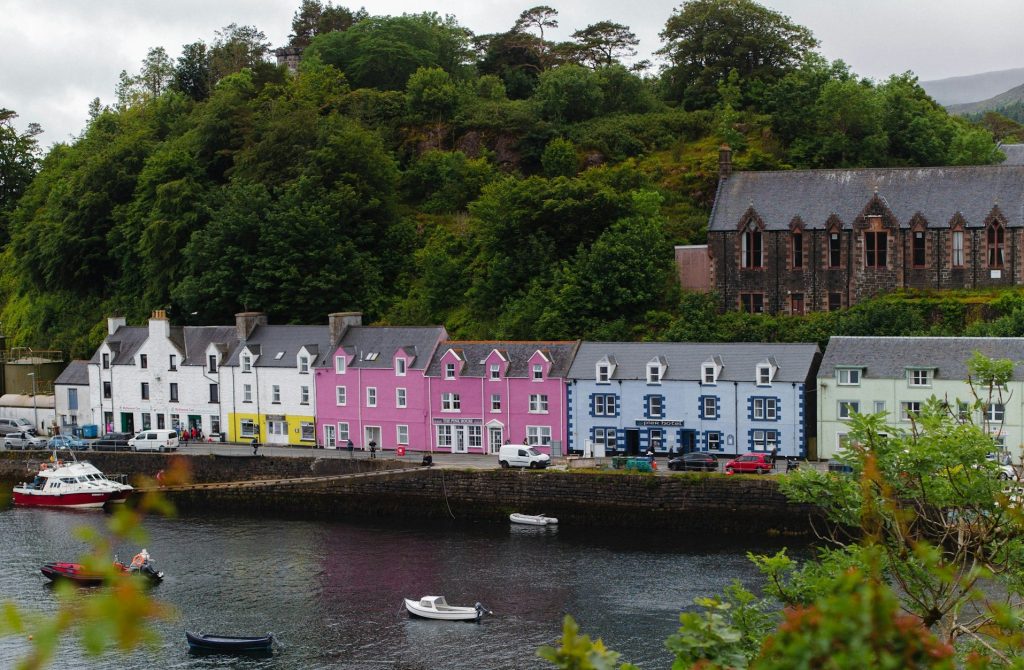
Skye can be lively in summer, then surprisingly quiet at the edges of the season, when tours thin out and the island returns to its own rhythm. Restaurants close earlier, roads empty after dark, and the landscape feels louder than the villages, with wind, rain, and sea sounds carrying across open hills. That quiet can feel uncomfortable if the trip expected constant buzz, because plans become simple and time stretches. The payoff is space: empty viewpoints at dawn, slow drives under low cloud, and small pubs that feel genuinely local again, where conversation replaces spectacle and the island feels like a place to stay.
Norwegian Coastal Villages
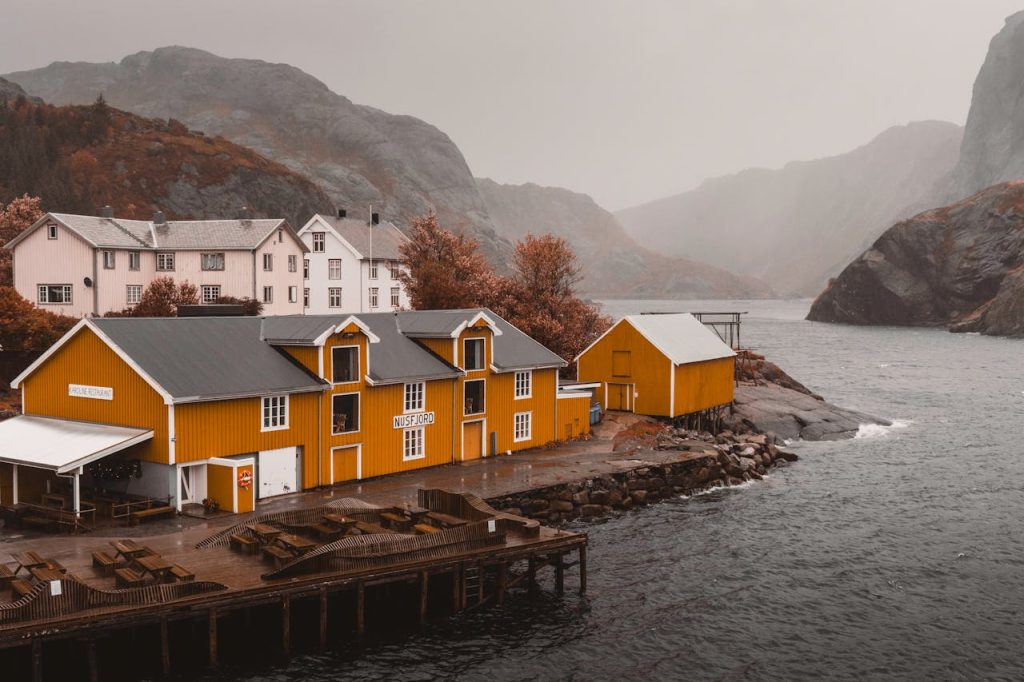
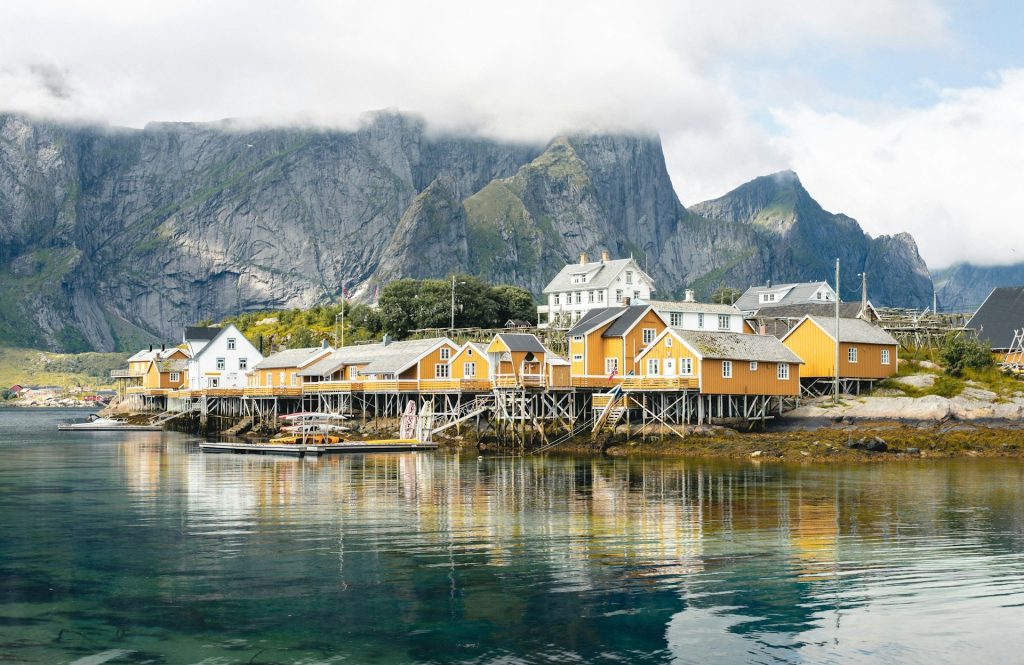
Norwegian coastal villages can feel quieter than their postcard beauty suggests, especially in winter when daylight shrinks and people retreat indoors early. Streets go still, shops keep short hours, and the sea becomes the main soundtrack, with ferry schedules setting the day more than nightlife. That silence can feel uncomfortable for travelers who expect constant activity, because evenings might mean one warm meal and a long dark walk back to a quiet room. The reward is calm that feels clean: good bread, strong coffee, saunas, and slow harbor views, plus the chance of northern lights that makes the stillness feel earned.
Death Valley, California
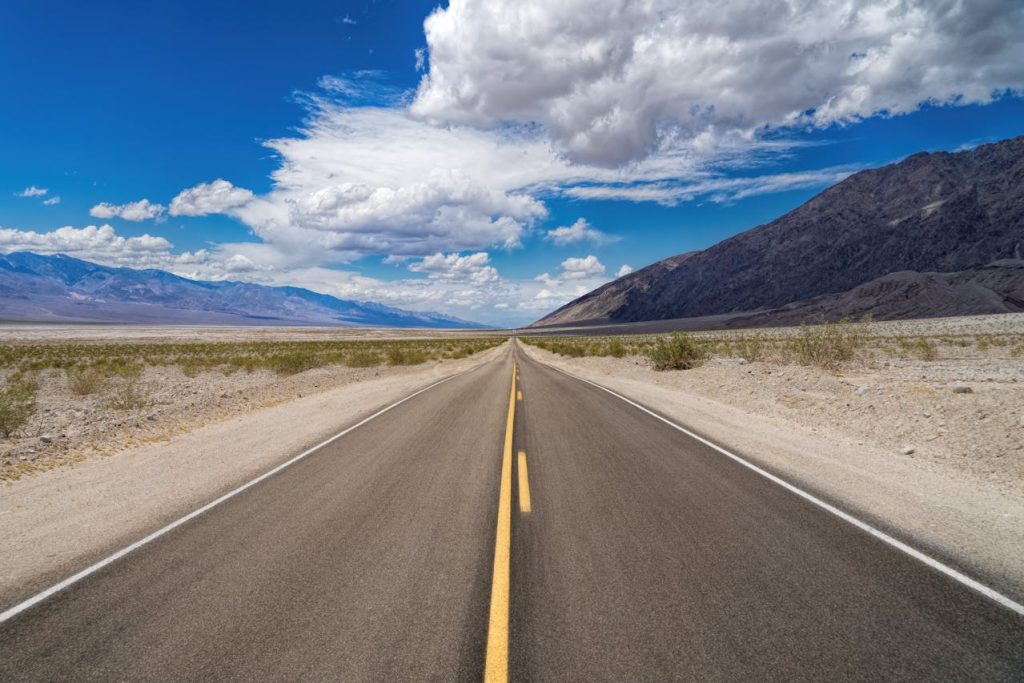
Death Valley is quiet in a way that can feel almost unreal, because the landscape absorbs sound and distances discourage casual movement. Even when the park has visitors, they spread out fast, and silence returns the moment a car door closes. That can be uncomfortable for travelers who associate vacation with bustle, because services are limited and the scale makes small mistakes feel costly. Yet winter days can be crisp and clear, with long drives, short hikes, and sunsets that feel unshared. The payoff is spaciousness and a mental blank slate, where quiet is not empty but cleansing, and the simplest view can hold attention for a long time.