12 US Places That Feel Over-Policed but Still Not Safe

Travel plans often get smoother when safety gets treated as a routine part of preparation, not a source of fear. Many U.S. cities combine lively neighborhoods, busy events, and fast-changing conditions, so practical habits matter more than assumptions. Checking recent local advisories, staying aware in crowded areas, and planning transportation ahead can reduce common travel headaches. Choosing well-lit routes after dark, keeping valuables discreet, and saving key addresses offline also help. Public safety resources, hotel staff, and community guidance can provide useful context. These twelve cities benefit from thoughtful planning and grounded, street-smart travel routines during holidays, sporting events, and late-night festival weekends.
New Orleans, Louisiana

New Orleans draws visitors for music, food, and historic streets, yet smart planning helps trips feel easier from arrival to late-night outings. Staying in groups after dark and arranging rides ahead can reduce risky situations in unfamiliar blocks. Crowds around the French Quarter can invite pickpocketing, so keeping bags zipped and phones secured makes sense. Walking routes should favor well-lit streets, especially after bars close and foot traffic thins. Local hotel staff often share neighborhood-specific guidance that maps cannot capture. Daytime exploring feels comfortable in many areas, while evenings call for more deliberate choices, particularly during Mardi Gras weekends and major conventions near the riverfront.
Memphis, Tennessee
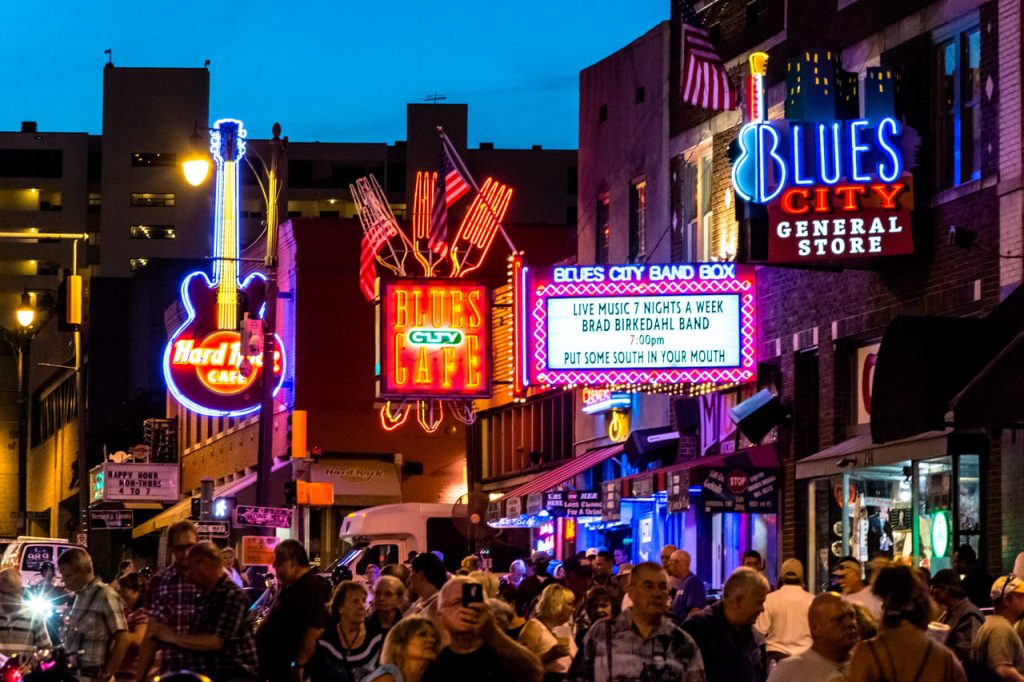
Memphis offers iconic music history and major attractions, but visitors benefit from a plan that prioritizes awareness and reliable transportation. Choosing accommodations with secure parking and well-reviewed access points can reduce stress during late returns. Busy areas near entertainment districts can see opportunistic theft, so keeping purses and wallets close is a practical habit. Rideshare pickup spots should be selected in well-lit, staffed locations when possible. Many travelers find it helpful to ask locals about which streets feel comfortable at night, since boundaries between lively and quiet areas can change quickly across a few blocks, especially near Beale Street after concerts and Grizzlies home games.
St. Louis, Missouri
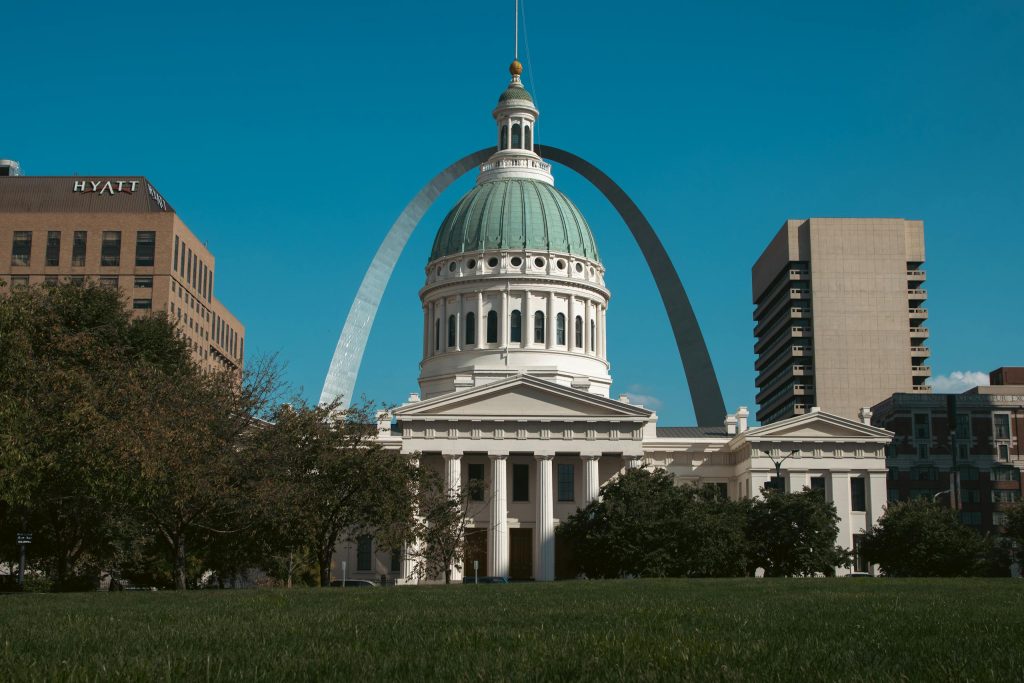
St. Louis mixes landmark sights with distinct neighborhoods, and visitors often have the best experience when they match plans to the areas being explored. Driving or ridesharing between destinations can feel more comfortable than long walks through unfamiliar corridors, especially after dark. Parking should be chosen carefully, using attended lots or garages near major attractions when available. Leaving valuables out of sight and keeping doors locked is a sensible routine in any city. Local news alerts and event guidance can help with avoiding traffic disruptions or crowded situations. Daytime sightseeing can feel relaxed with simple precautions, especially during Cardinals games and downtown conventions that increase traffic.
Baltimore, Maryland
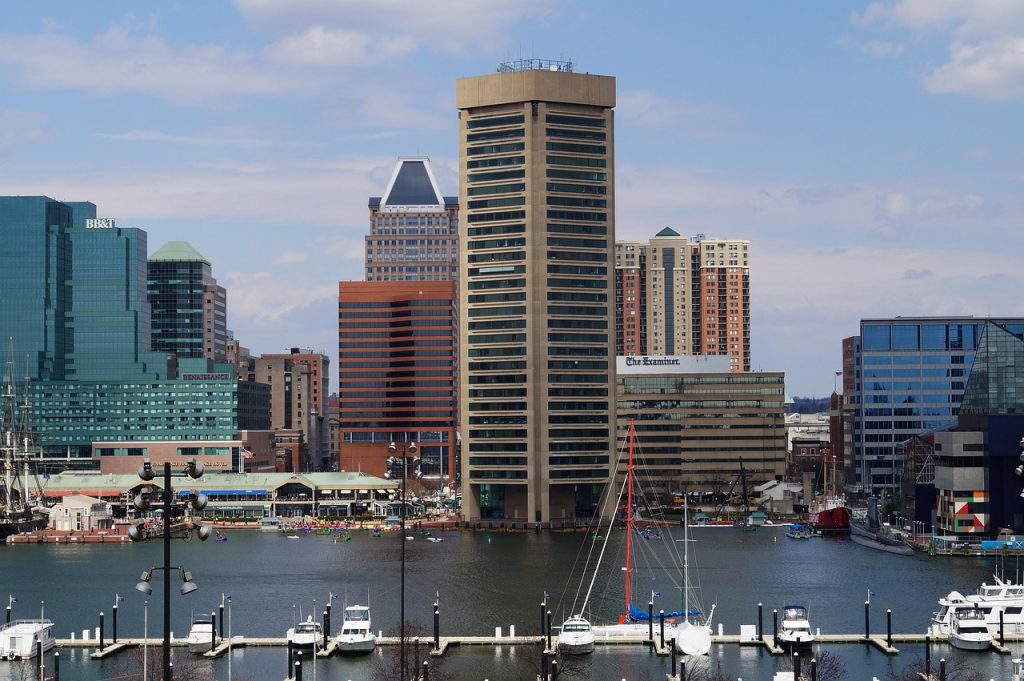
Baltimore has waterfront attractions, museums, and dining hubs, yet trips tend to run smoother when safety habits stay consistent across the day. Staying aware on public transit platforms and in busy stations can prevent common issues like phone snatching. Visitors often prefer walking in active areas with steady foot traffic, then switching to rideshares when streets quiet down. Choosing a hotel in a well-trafficked district can simplify evening plans. It helps to keep a small backup battery for phones, since navigation and ride apps matter more when a route changes. Local guidance can clarify which blocks to avoid late, particularly around stadium events and waterfront weekends when crowds shift quickly.
Oakland, California
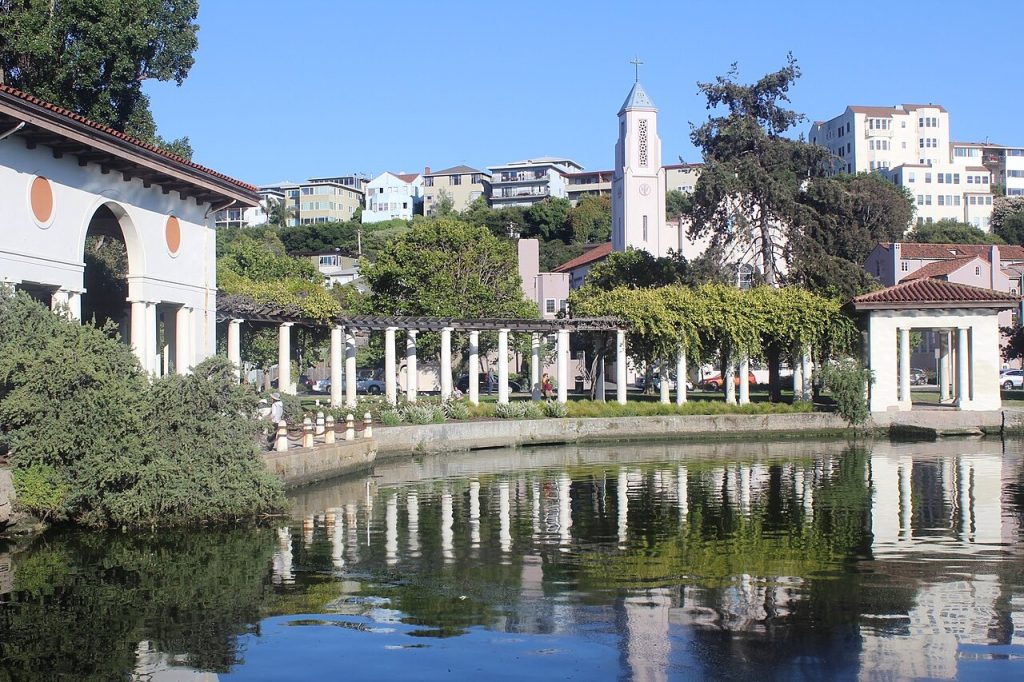
Oakland offers great food, arts, and access to the Bay Area, but visitors often do best when they treat car safety as a priority. Break-ins can happen quickly, so keeping vehicles empty and trunks clear is more effective than hiding items under seats. Parking in attended lots and avoiding isolated side streets after dark can reduce risk. When walking, staying on main corridors with open businesses usually feels more comfortable than cutting through quiet shortcuts. Travelers also benefit from planning transit routes ahead, since station locations and late schedules vary. Local recommendations can point toward lively areas that stay active into the evening, especially near Uptown venues and Jack London Square on weekends.
Chicago, Illinois
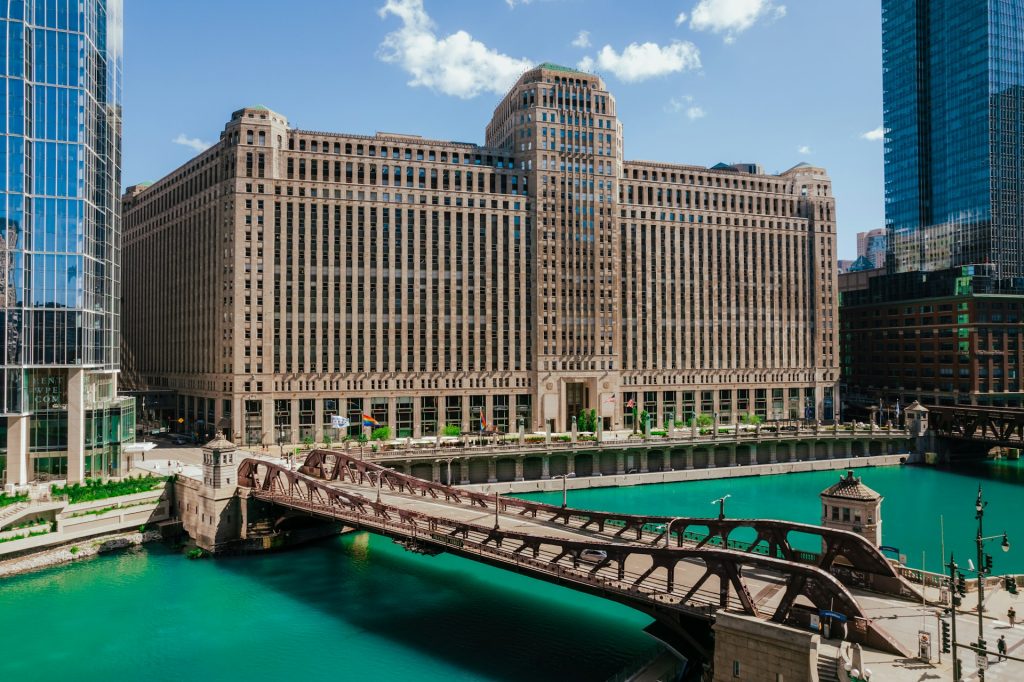
Chicago delivers architecture, museums, and lakefront energy, yet visitors often appreciate a few simple routines that keep days running smoothly. Using common-sense awareness in crowded tourist zones helps prevent pickpocketing, especially during festivals and on packed trains. Many travelers choose to limit late-night wandering in unfamiliar areas, relying instead on rideshares or taxis for point-to-point trips. Keeping a printed or offline note of hotel addresses can help if phone service drops. Weather shifts can also affect plans, so layering and leaving earlier for transit reduces rushed decisions. Neighborhood choices matter, so local guidance can help match activities to comfortable routes.
Philadelphia, Pennsylvania
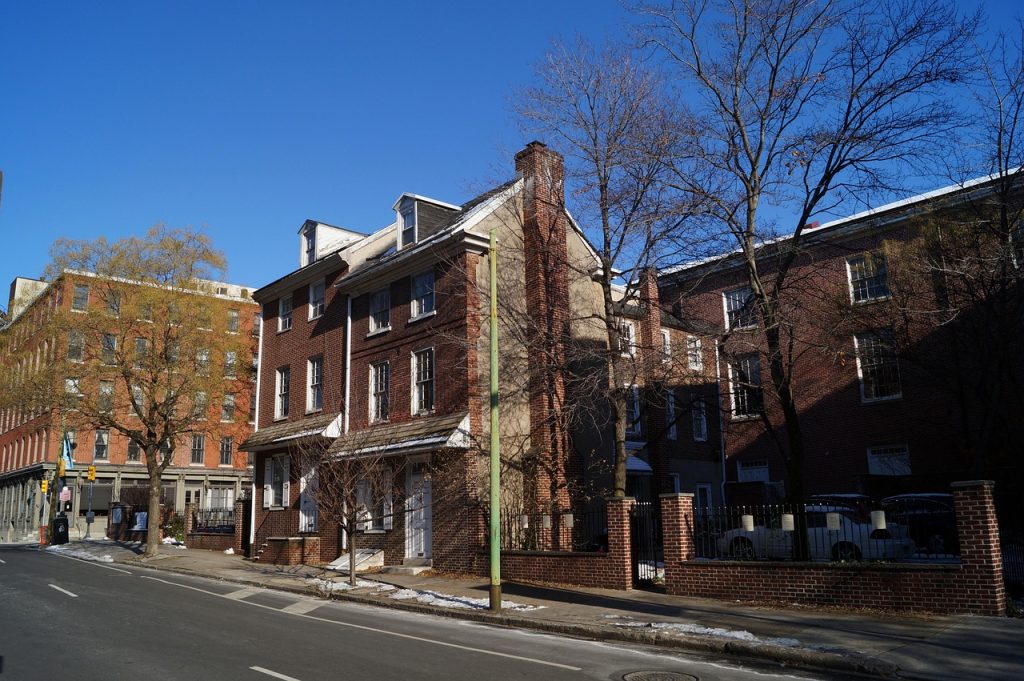
Philadelphia balances historic sites with busy nightlife corridors, and visitors often benefit from planning routes around well-traveled streets. Crowded areas near attractions can bring petty theft, so keeping bags close and avoiding flashing cash is a helpful habit. Late-night transit plans should be arranged in advance, especially after sports games or concerts when stations get packed. Some neighborhoods shift quickly from active to quiet, so checking directions before stepping out reduces wandering. Choosing a hotel with staffed entry and good lighting can add peace of mind. Local advice from hosts and staff often helps with picking safe walking paths, especially during big conventions and late Phillies home games downtown.
Detroit, Michigan
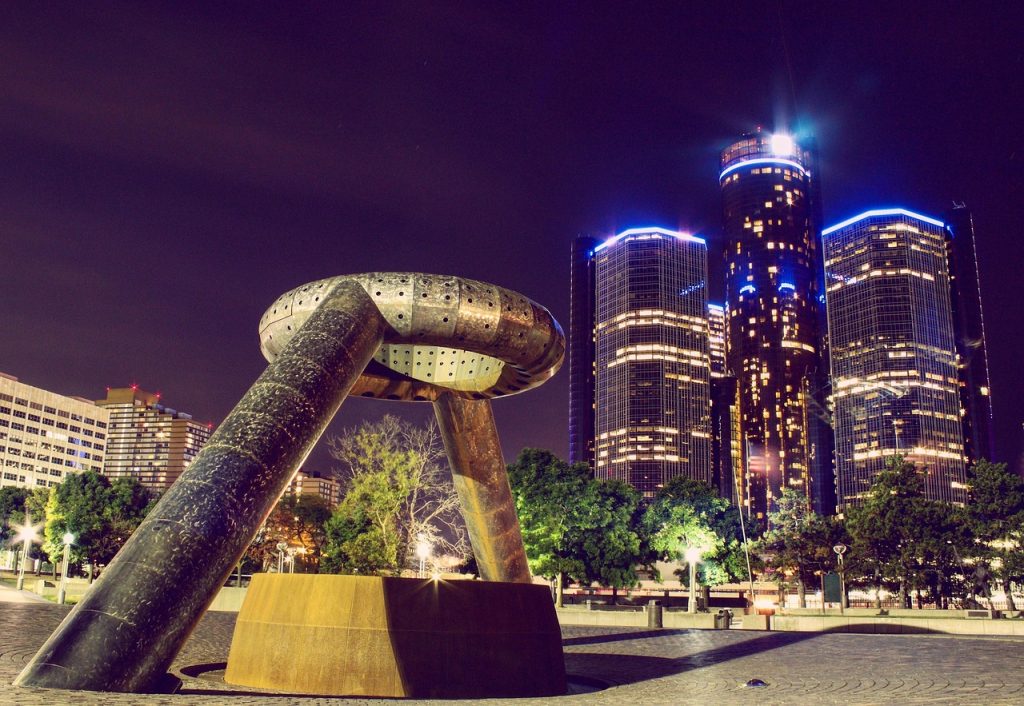
Travelling to Detroit has a strong cultural scene and revitalized districts, but visitors often feel more comfortable when they plan transportation carefully between destinations. Driving or ridesharing can reduce time spent navigating unfamiliar blocks, especially at night or during winter weather. Parking should favor well-lit garages near venues, and leaving nothing visible in the car remains a smart habit. Some areas stay lively after events, while others empty out quickly, so timing matters when leaving restaurants or arenas. Asking locals about the best streets for walking near a destination can prevent accidental detours. A prepared itinerary usually keeps the experience smooth and enjoyable.
Cleveland, Ohio

Cleveland offers lakeside views, sports, and museums, and visitors often have an easier time when they plan around event schedules and crowds. Game days and concerts can create busy streets where distractions rise, so keeping phones secured and staying aware helps. Choosing well-lit parking near venues reduces long walks late at night. Travelers often prefer main corridors near attractions, then rely on rideshares when moving between neighborhoods. Weather near Lake Erie can change quickly, so being prepared prevents rushed decisions that lead to isolated routes. Local staff at hotels and venues can share practical guidance about the best entrances, exits, and pickup areas during sellout weekends and downtown festivals each summer.
Washington, D.C.
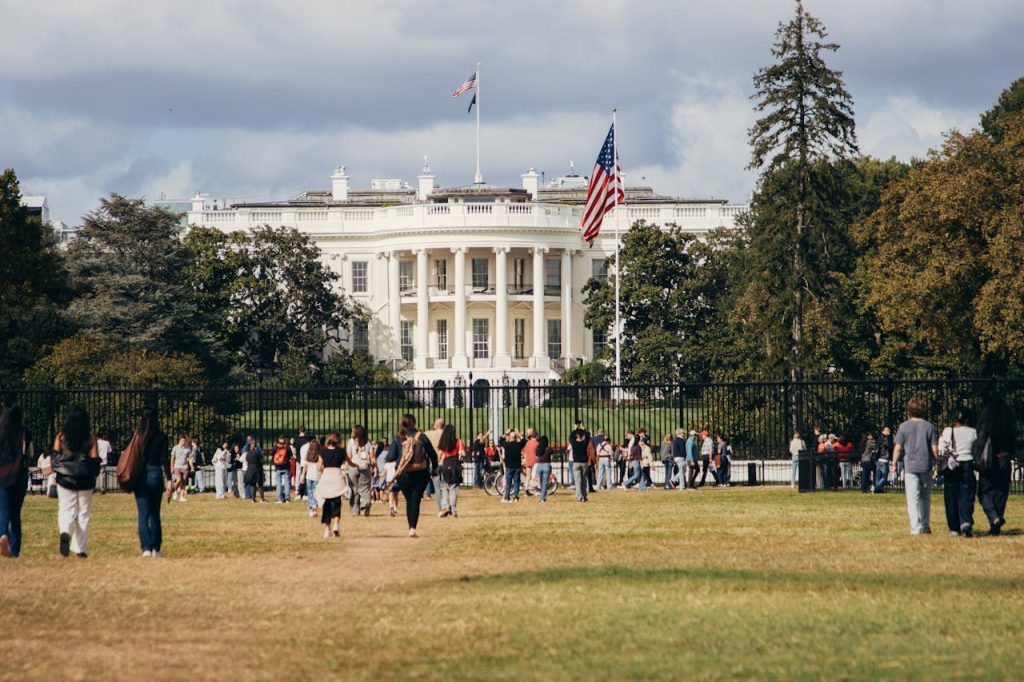
Washington, D.C. attracts visitors year-round, and practical habits help trips stay comfortable around crowded monuments and transit hubs. Busy tourist areas can invite pickpocketing, so keeping bags zipped and phones secured is wise. Metro planning matters, since late-night schedules and station closures can change how a return trip works. Walking in groups after dark and choosing well-lit routes improves comfort, especially when museums and restaurants close and streets quiet down. Protests and major events can shift traffic quickly, so checking alerts before heading out helps. Hotel concierges and local guides often share valuable neighborhood context beyond maps, particularly during inauguration weeks and large demonstrations.
San Francisco, California
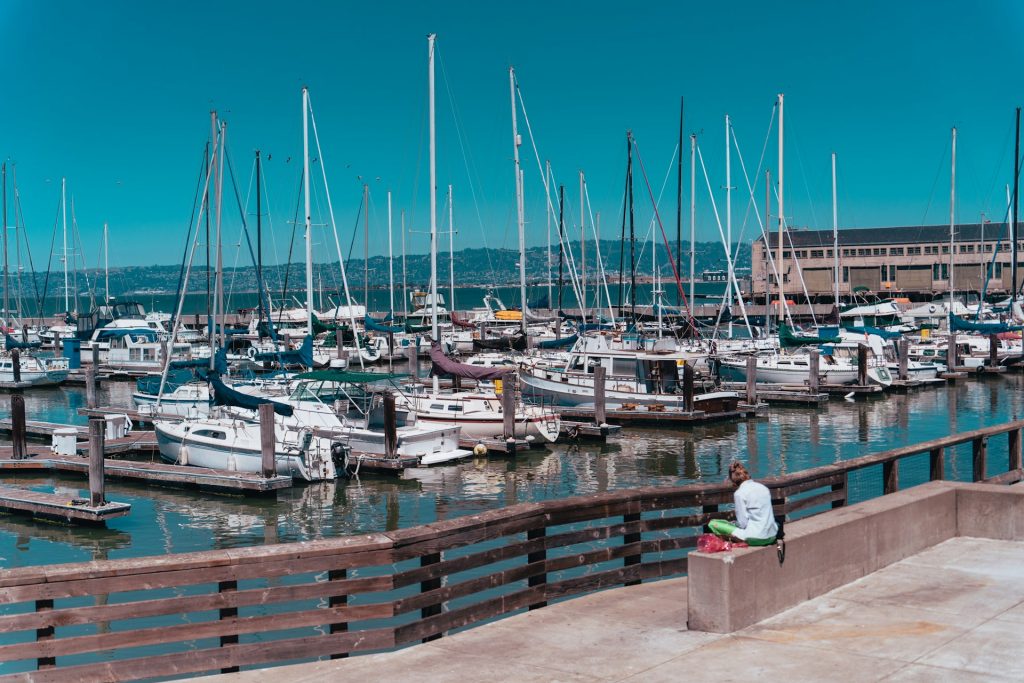
San Francisco offers iconic views and walkable neighborhoods, yet visitors often feel better prepared when they plan for common urban travel issues. Keeping bags close in crowded areas and staying alert around transit stops reduces the chance of theft. Car safety is important, since break-ins can happen fast, so leaving nothing visible inside a parked vehicle is a strong habit. Walking routes should favor busy streets, especially after dark, and rideshares can help avoid isolated hills or quiet blocks. Fog and weather shifts can affect visibility, so early starts and clear meeting points help. Local advice can guide neighborhood choices for evening plans, especially during festivals and major conventions downtown each year.
Atlanta, Georgia
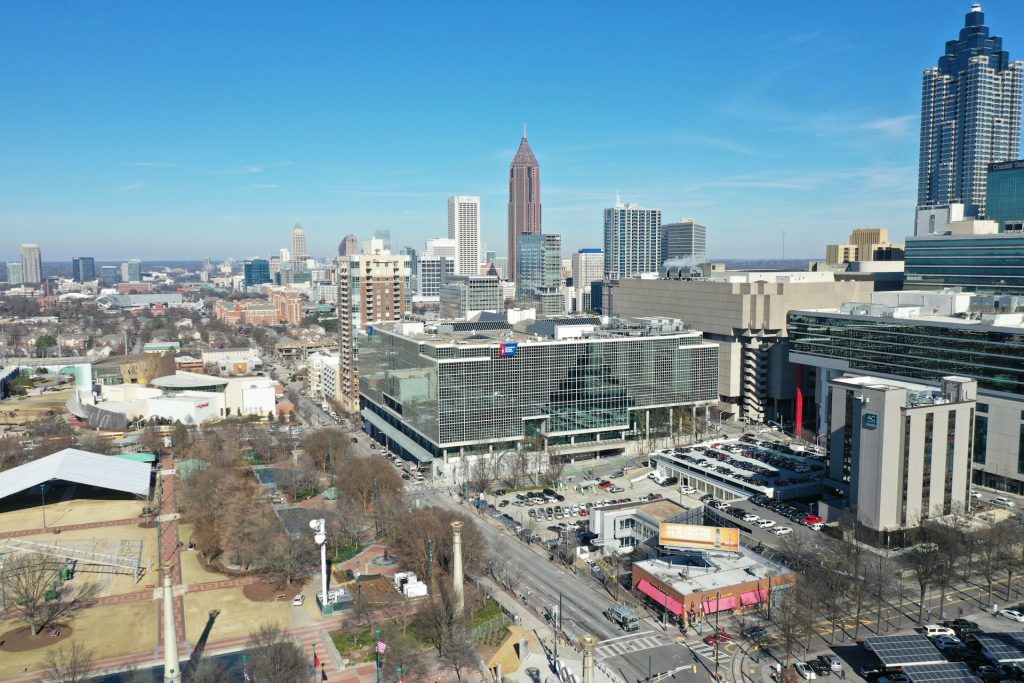
Atlanta combines major attractions with sprawling neighborhoods, and visitors often benefit from planning transportation and timing before stepping out. Driving or ridesharing can feel easier than relying on last-minute walking routes, especially when distances stretch and streets change character quickly. Valuables should stay discreet in crowded districts, and phones should remain secured during busy nightlife moments. Parking choices matter, so well-lit garages near venues can reduce stress after late events. Travelers often find it helpful to confirm pickup points in advance, since large blocks and traffic can complicate meetups. Local recommendations can help match activities to areas that stay active and well staffed after dark.