12 US Places That Feel Slower Because Services Are Barely Functioning
Some destinations feel slower right now, not because they are serene, but because visitor services are stretched to the edge. Parking fills at dawn, shuttles and ferries run crowded, and simple tasks like storing bags, finding a restroom, or getting lunch become lines. Reduced staffing and fragile infrastructure turn the day into a chain of timed entries, backup routes, and small delays that stack. The beauty is still present, yet the rhythm is shaped by access and capacity, so patience matters as much as a good itinerary. Early starts help, but the pace can still feel like paperwork in motion.
Venice, Italy
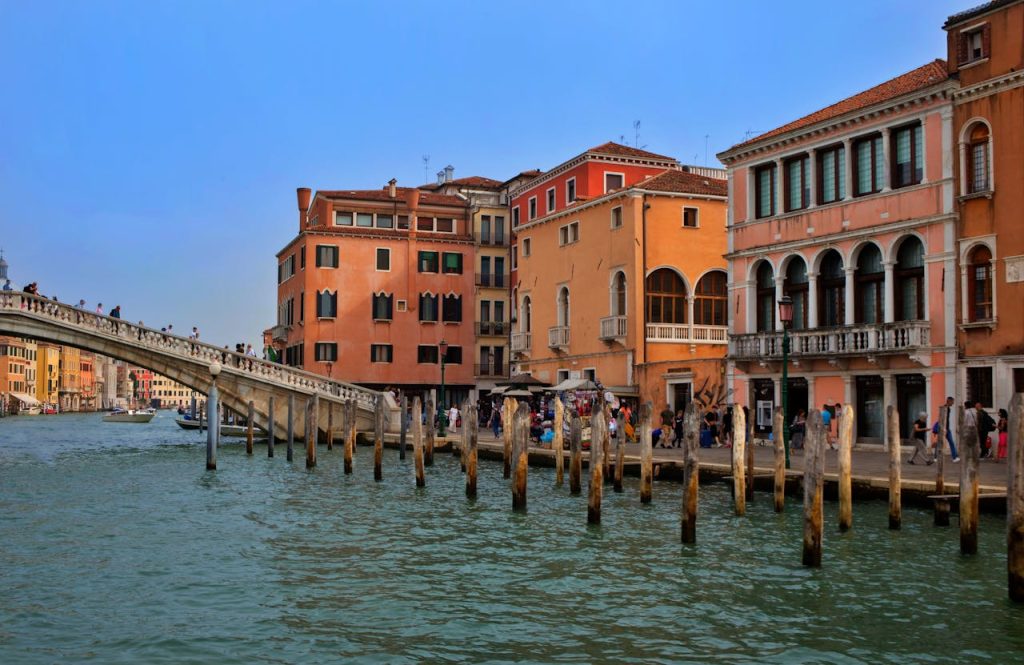
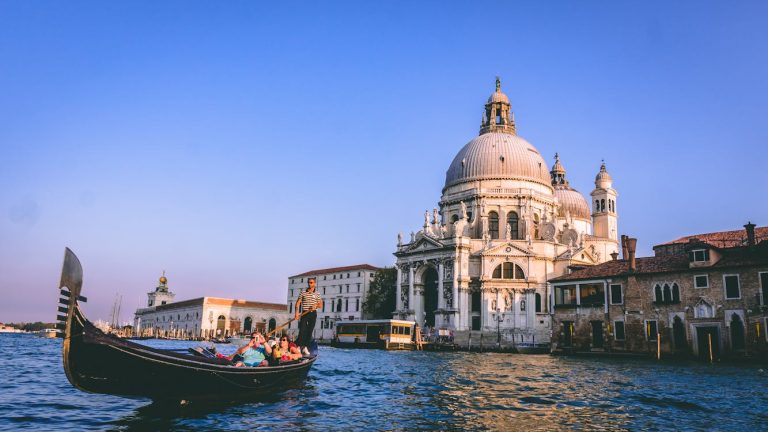
Venice slows down when narrow bridges and vaporetto stops have to absorb peak crowds, rolling luggage, and tour-group timing all at once. Boarding becomes a platform queue, then a packed ride that pauses at every landing as groups shuffle on and off, while bag storage, restrooms, and even a quick espresso counter turn into waits. Timed entries reduce chaos, but they also lock the day into strict windows, so one delayed boat can cascade into missed museum slots, late dinners, and a feeling that the city is being navigated by schedules rather than simple wandering. It feels slowest during midday surges.
Santorini, Greece

Santorini can feel slow when tender boats, buses, and a small taxi pool try to handle cruise waves, wedding groups, and hotel turnover at the same time. Short distances stretch into long waits, then steep steps add friction once crowds bunch up in Fira and Oia, with luggage, strollers, and photo stops turning footpaths into bottlenecks. Dinner reservations, sunset viewpoints, and even basic errands start operating like timed appointments, and when wind delays tenders or buses run behind, the island’s famous caldera views arrive wrapped in queues, missed connections, and a day spent watching the clock more than the horizon.
Amalfi Coast, Italy
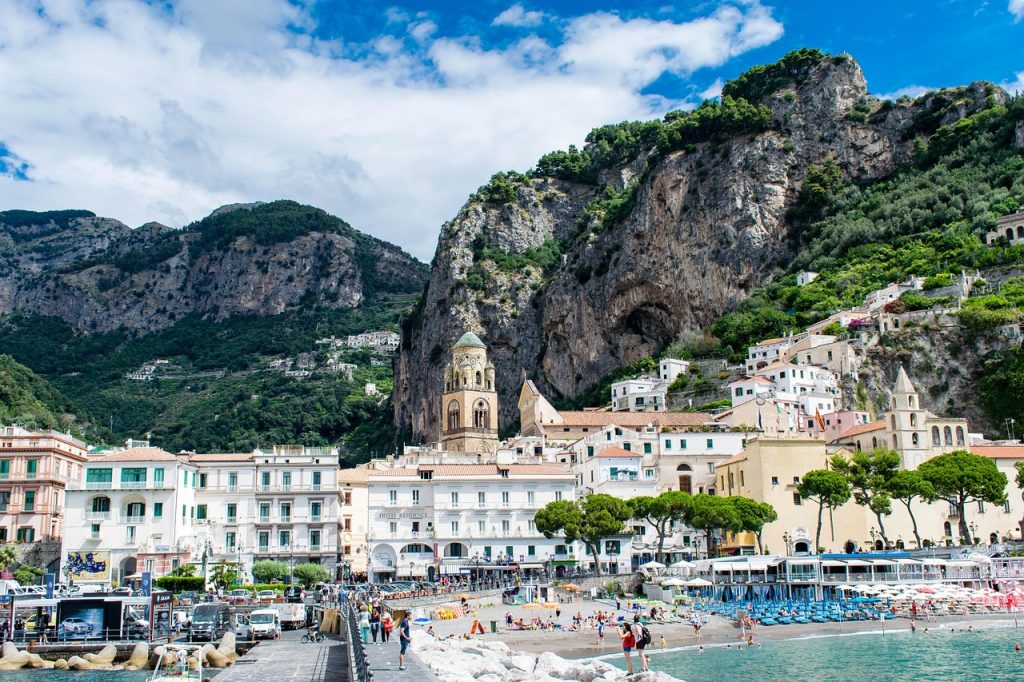
The Amalfi Coast feels slower when one cliff-hugging road has to carry buses, delivery vans, scooters, and day-trip traffic through towns with few pullouts. A short hop between Positano, Amalfi, and Ravello can become an hour of stop-and-go, while parking searches, luggage stairs, and limited taxi availability turn even a beach club or dinner plan into a timed mission. Ferries help, but schedules are finite and weather can pause service, so missed boats ripple into check-ins and table slots, and the day becomes reservations, transfer timing, and paid workarounds instead of the easy coastal drift the scenery seems to promise.
Cinque Terre, Italy
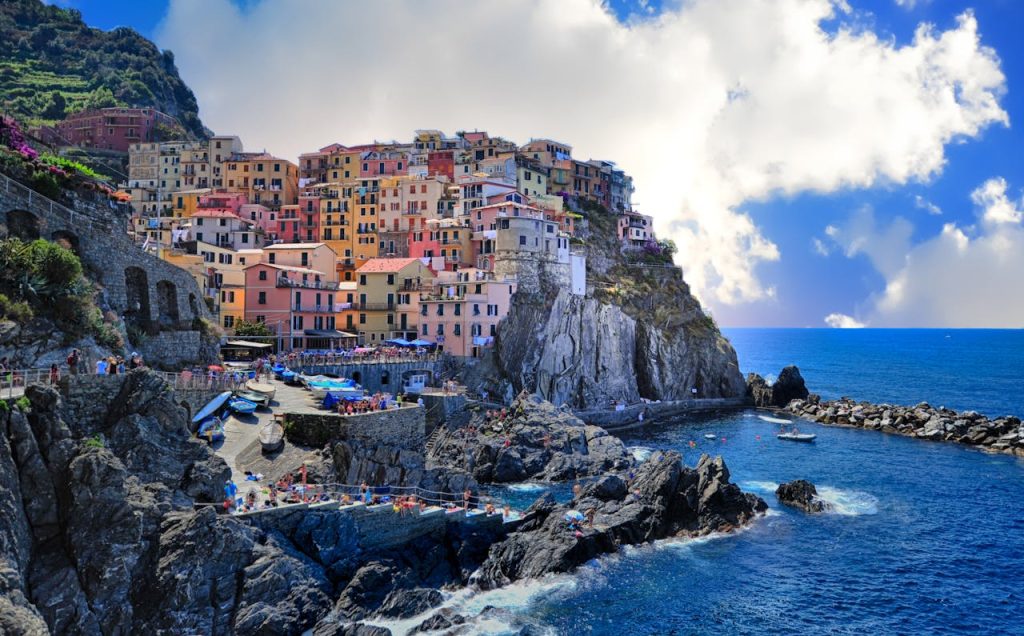
Cinque Terre slows down because five small villages share one rail spine and a handful of steep trails, so capacity gets felt immediately. Trains arrive full, platforms crowd, and a simple move from Vernazza to Manarola can mean missed departures, standing-room rides, and long lines for luggage storage, food, and restrooms once everyone lands at the same hour. With limited seating and narrow lanes where passing is hard, even small pauses become bottlenecks, so the day can start to feel like waiting for space, then rushing to catch the next train before another wave arrives before the light fades early.
Banff: Lake Louise And Moraine Lake
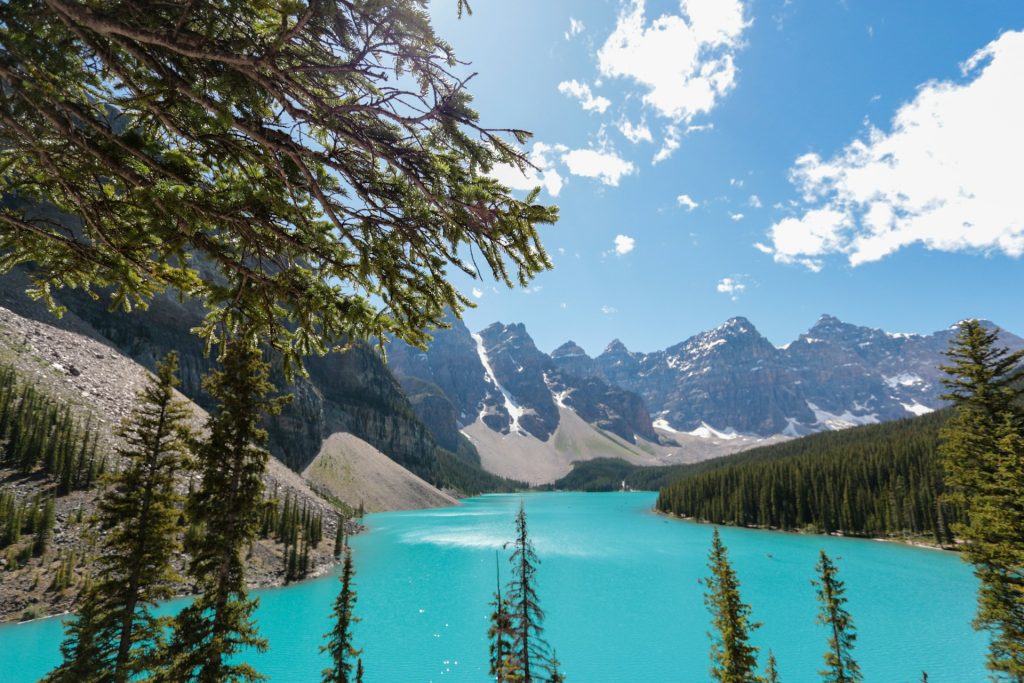
Banff’s headline lakes can feel slow because access is intentionally managed and demand still overwhelms the system on clear days. Parking fills early, shuttle seats run on fixed releases, and a quick stop becomes a chain of waits: bus lines, connector transfers, and crowded boardwalks where photo points move at a crawl and people inch around each other. Food counters and restrooms back up, cell service can be patchy, and a missed shuttle window ripples into the next one, so the day is shaped by reservation timing and capacity more than trail choice, with mountain calm arriving only after the logistics are solved.
Zion National Park, Utah
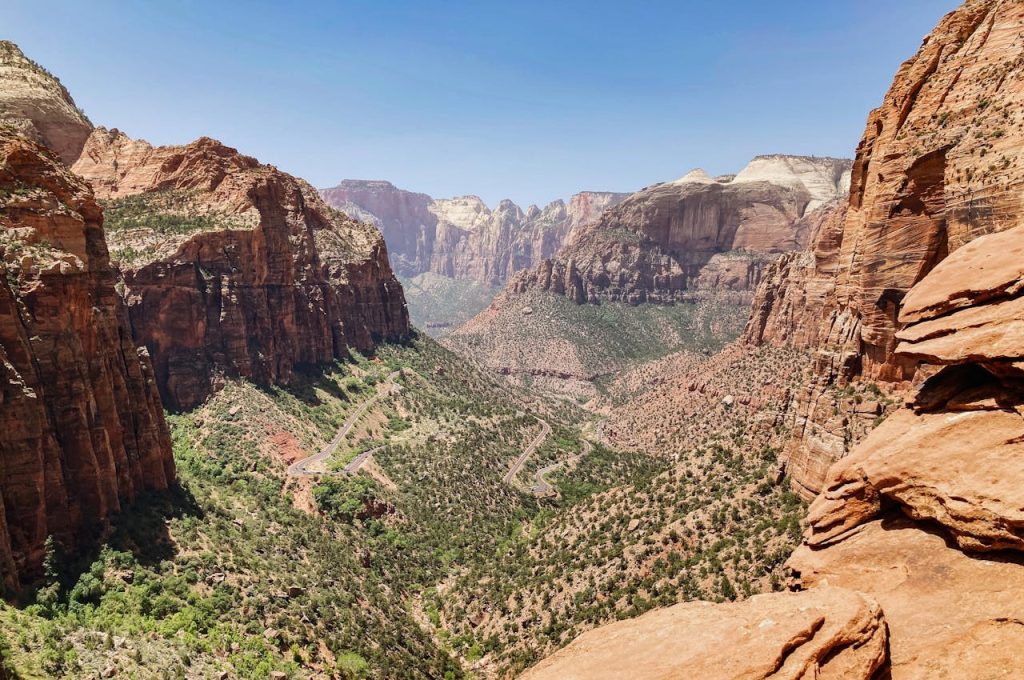
Zion can feel slow when shuttle capacity, parking limits, and trail demand collide inside a canyon with little room to expand. Visitors queue early for buses, then queue again at popular trailheads, while Springdale dining, bike rentals, and grocery stops bog down when staffing is limited and midday crowds peak. With the shuttle as the main way to move, a missed bus can cost an hour, and even short hikes can take half a day to access once restrooms, water fills, and trail bottlenecks add friction, leaving the park feeling like a series of waits between views rather than a flowing day outdoors.
Kyoto, Japan
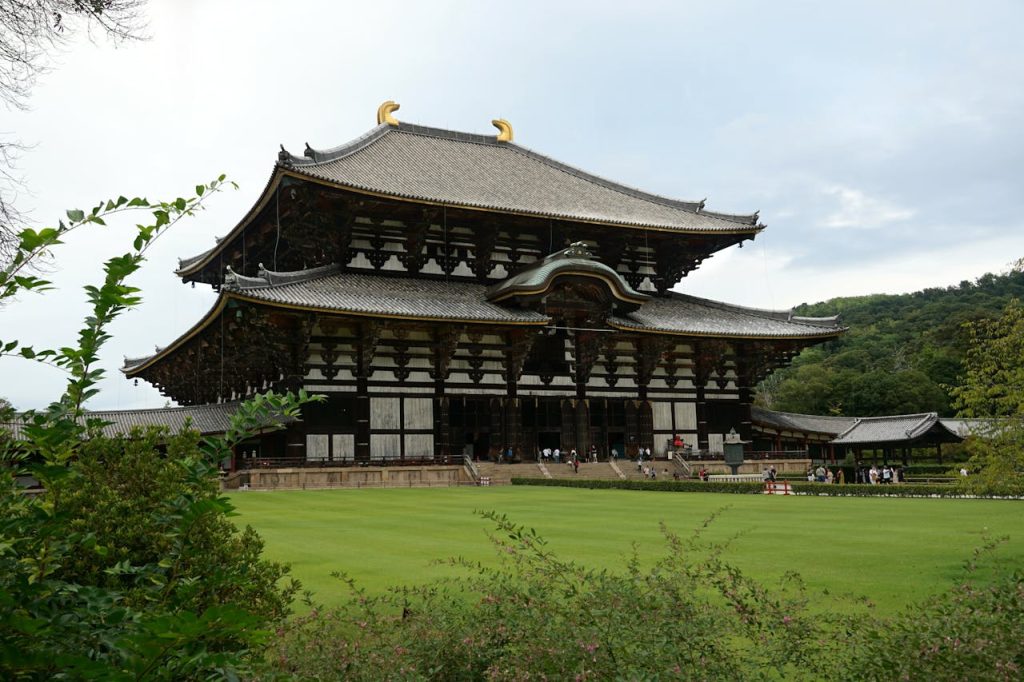
Kyoto can feel slow when historic neighborhoods absorb heavy visitation and the city’s everyday transit is asked to carry it. Buses toward major temples clog, taxis disappear at peak hours, and small restaurants with limited seating and short hours turn meals into lines that eat the afternoon. Coin lockers and luggage counters fill at stations, crowd control funnels visitors along fixed paths, and a single late start can ripple into missed entry windows, so the calm shown in photos often requires early timing, side streets, and quieter districts to escape the service bottlenecks before evening crowds return.
Machu Picchu And Aguas Calientes, Peru
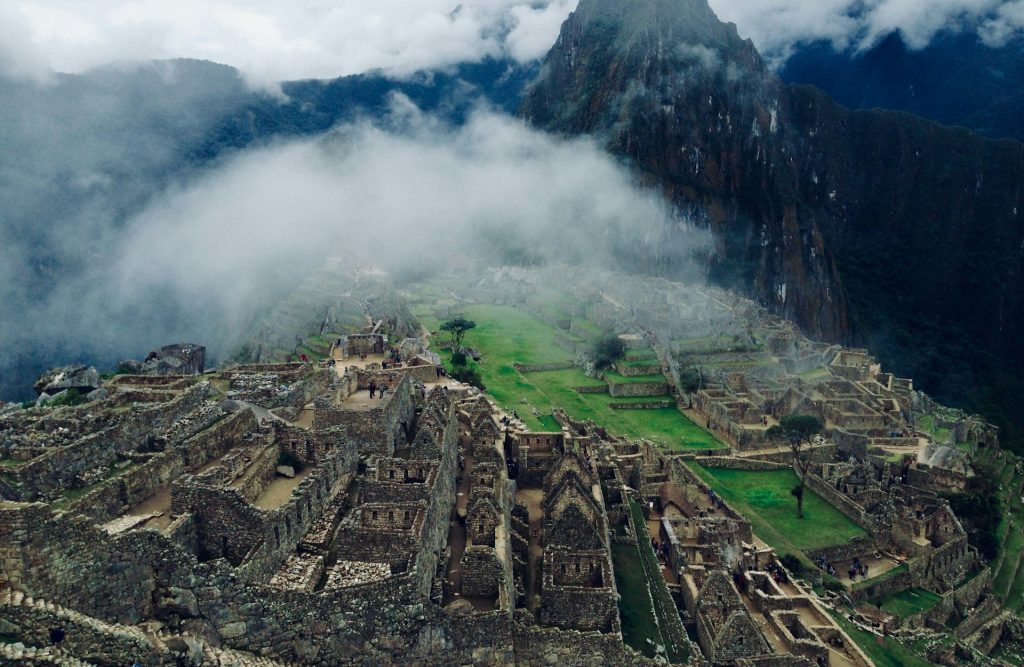
Machu Picchu can feel slow because the journey is built from controlled steps: train capacity, bus queues, timed entry, and fixed circuits on site. Aguas Calientes is small, so when arrivals bunch up, meals, hotel check-ins, and ticket pickup bottleneck, and morning shuttle lines stack into long switchbacks before the first gate scan. When weather or rail delays ripple through the schedule, there is little slack to recover, and rebooking options are limited, so the day becomes permits, receipts, and waiting, with the awe arriving in short bursts between checkpoints rather than a long, unhurried visit.
Galápagos Islands, Ecuador
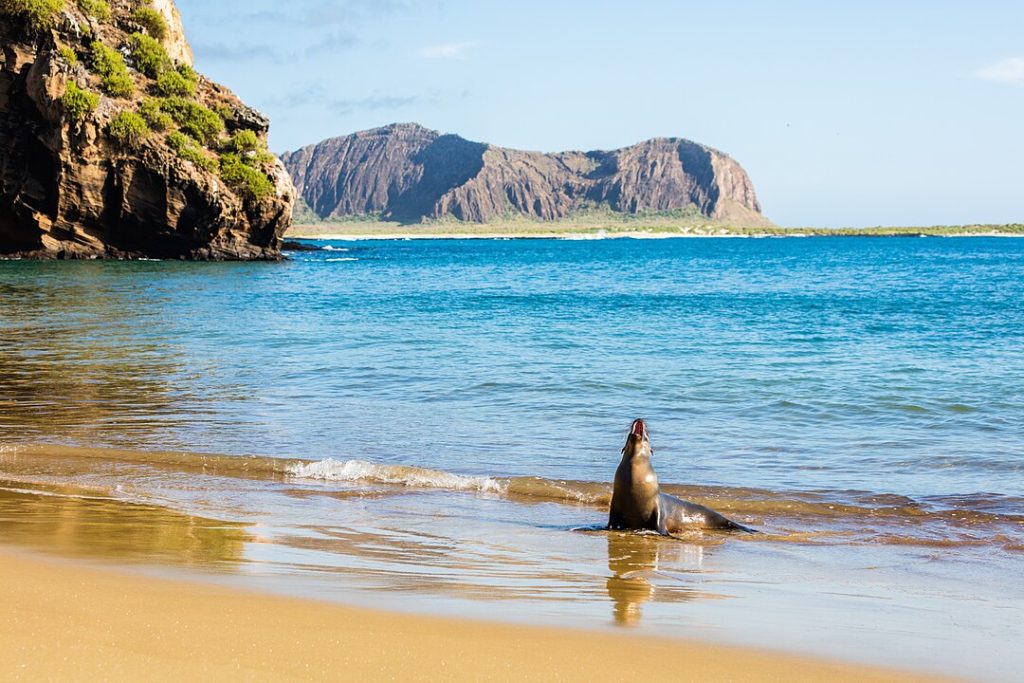
The Galápagos can feel slow because capacity is limited and the islands run on simple logistics that do not flex much. Flights are fewer, ferries run on set windows, and supplies are finite, so a delayed boat or canceled tour is hard to replace the same day, even with money ready. Permits, baggage checks, and basic errands like finding an ATM, buying water, or getting a last-minute room can take longer than expected, and weather can slide departures by hours, so the pace becomes waiting for confirmations and boats, even as wildlife moments arrive in brief, unforgettable flashes with little room to improvise.
Bali, Indonesia
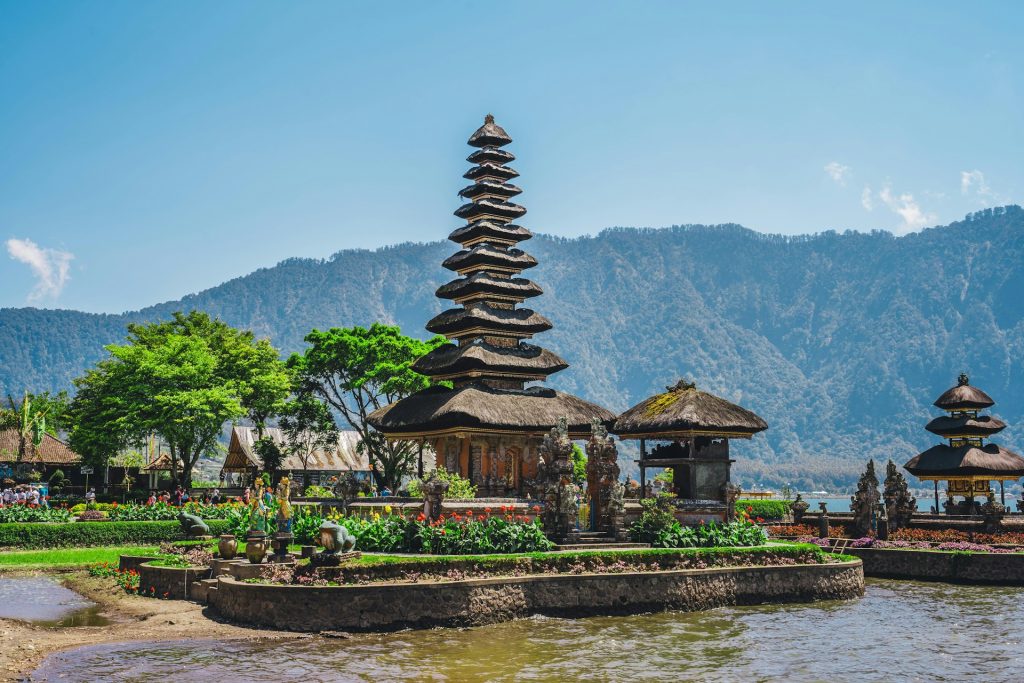
Bali can feel slow when visitor volume meets limited road capacity in the same few corridors, turning short drives into long crawls. Transfers that look quick on a map can take an hour around Canggu, Seminyak, or Ubud at peak times, especially after rain or roadworks, which ripples into late check-ins, missed dinner slots, and tours that start without late arrivals. When traffic sets the schedule, services feel strained: drivers are hard to time, deliveries lag, and even a pharmacy run becomes a timed mission, so the island’s calm often comes from staying put, starting early, and choosing fewer moves that actually land on time.
Key West, Florida
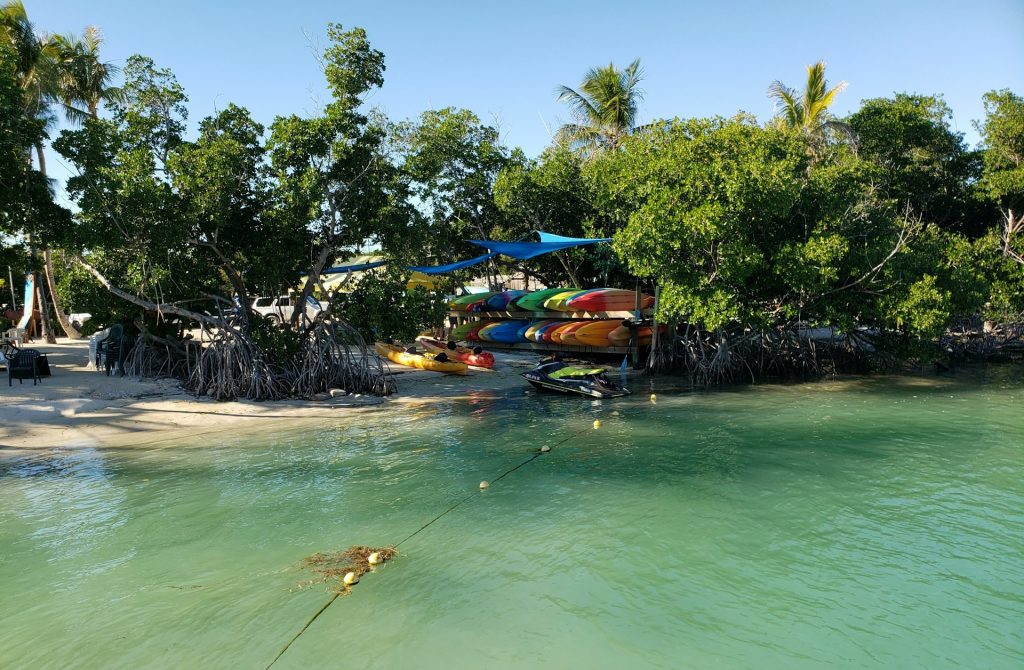
Key West can feel slow because everything funnels along one island chain, and capacity is limited once the road and parking lots fill. A minor crash or bridge backup can stall arrivals for hours, and on the island, short trips become circling for parking or waiting for a shuttle, with grocery runs and dinner tables taking longer than expected. When the town is full, services stretch: taxis and rentals book out, staff is thin, and routine tasks like refueling or grabbing ice move at a slower pace, so the day can feel like access management rather than carefree waterfront time even in good weather.
Tulum, Mexico
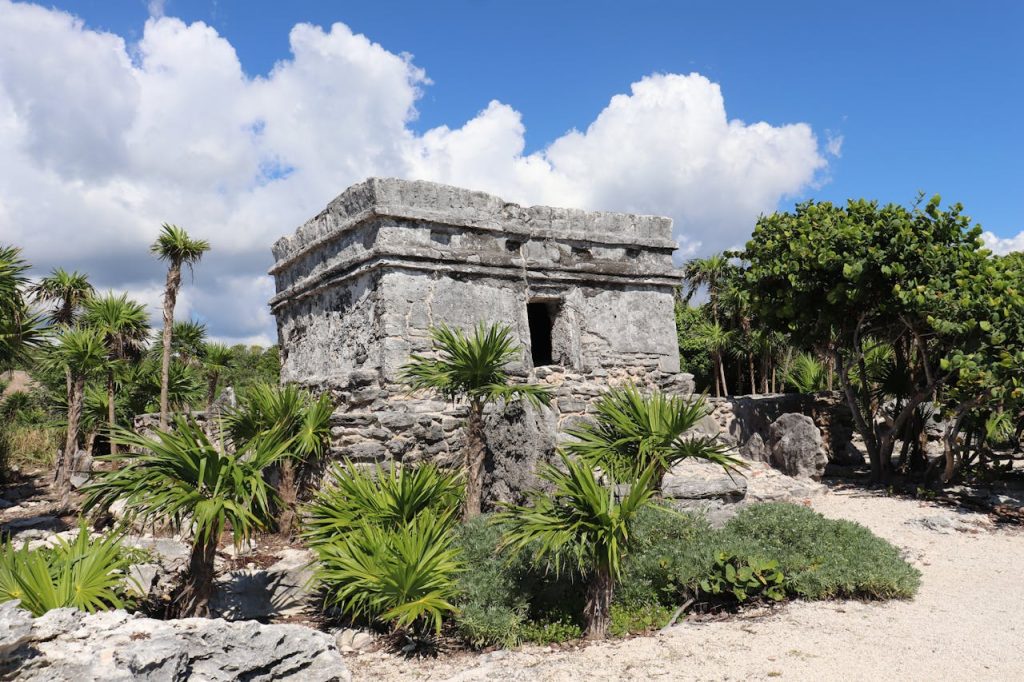
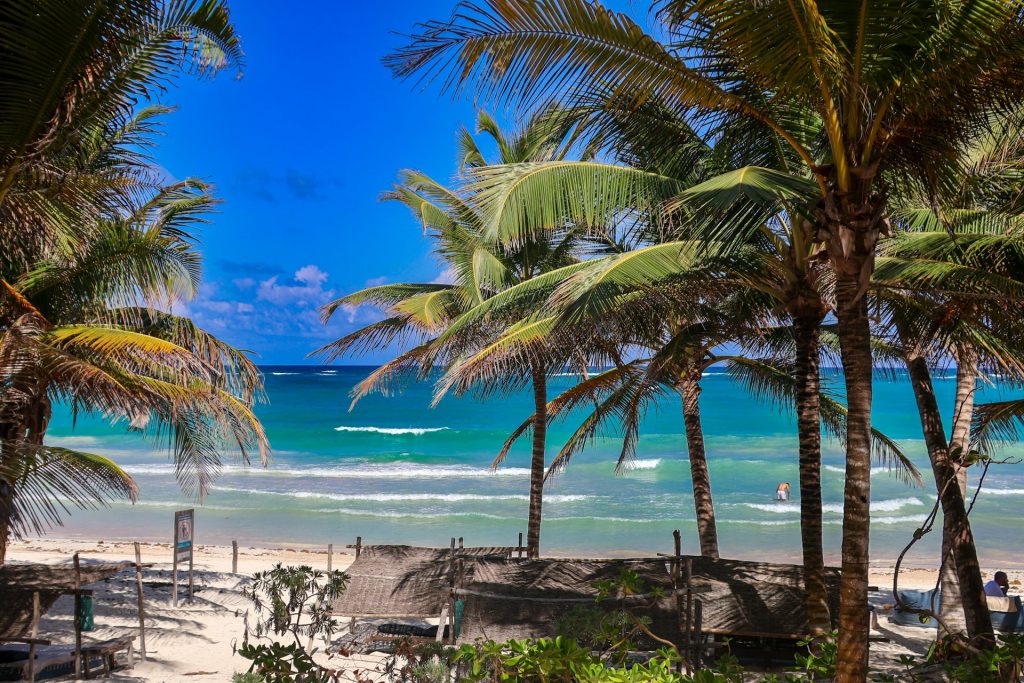
Tulum can feel slow when rapid growth outpaces infrastructure, especially on the beach road where traffic compresses into long, stop-and-go stretches. A short ride from town to the hotel zone can take far longer than expected, and that delay ripples into missed dinner reservations, late tours, and service that runs behind from shuttles to check-in desks. When everything depends on a few clogged routes, the day becomes timing management: leaving early to beat gridlock, budgeting extra for rides, and accepting that simple errands like pharmacy stops or ATMs can eat the afternoon in peak season.