12 Vacation Towns Struggling With Worker Shortages
Vacation towns depend heavily on service workers who keep hotels, restaurants, and attractions running smoothly year round. Rising housing costs, seasonal wages, and limited infrastructure increasingly make it difficult for employees to stay. As tourism demand rebounds, many destinations struggle to staff essential roles despite full bookings. The following towns illustrate how labor shortages affect local economies, visitor experiences, and community stability. Each faces distinct pressures shaped by geography, housing availability, and evolving travel patterns nationwide. Together they highlight challenges confronting popular getaways across multiple regions during modern tourism recovery periods after pandemic disruptions persist.
Aspen Colorado

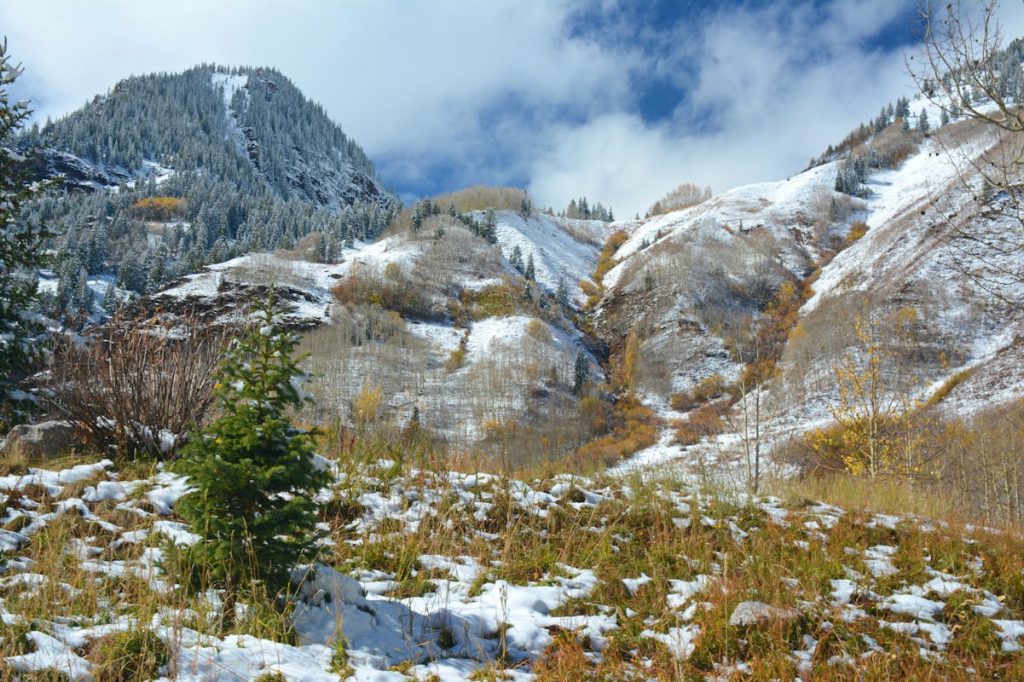
Aspen, Colorado, remains one of the most well known ski destinations in the Rocky Mountains, yet staffing shortages continue to challenge its hospitality sector. Extremely high housing prices limit where service workers can live, forcing long commutes from surrounding valleys. Seasonal tourism creates fluctuating income, making year round stability difficult. Restaurants, hotels, and ski operations regularly report unfilled positions during peak winter months. Local officials explore workforce housing initiatives, but demand continues to outpace supply. The imbalance affects service hours, visitor expectations, and operational capacity during Aspen’s busiest travel seasons annually.
Jackson Wyoming
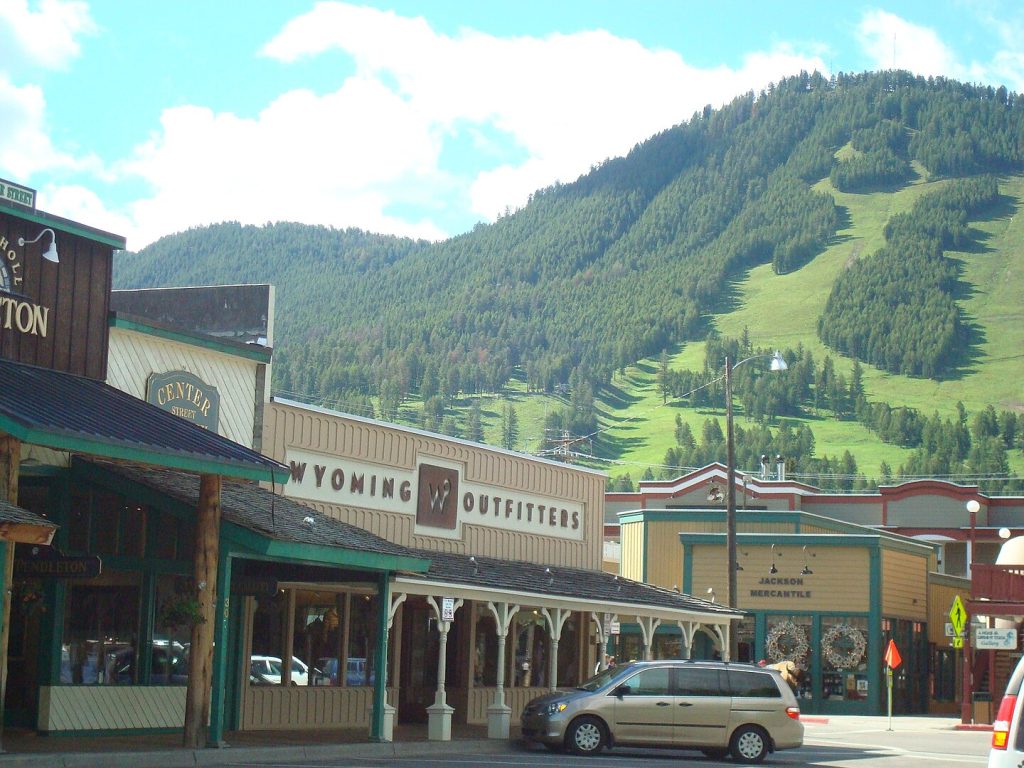
Jackson, Wyoming, sits near Grand Teton National Park and relies heavily on tourism driven employment. Worker shortages persist as housing costs rise faster than wages in hospitality and retail roles. Limited rental inventory forces employees to live far from town. Seasonal demand peaks during summer and winter, straining staffing availability. Employers reduce hours or services when positions remain vacant. Community leaders discuss zoning changes and housing development, yet progress remains gradual. The labor gap increasingly shapes visitor experiences and business operations throughout Jackson’s tourism centered economy, influencing stability, service consistency, and long term economic planning across the region for future growth.
Park City Utah

Park City, Utah, balances its identity as a ski destination and film festival host while facing worker shortages. Service jobs struggle to compete with high housing prices fueled by second home ownership. Many workers commute from distant towns, increasing turnover and fatigue. Seasonal tourism spikes during winter and festival periods intensify staffing needs. Restaurants and lodging properties often limit capacity due to labor gaps. Local efforts focus on workforce housing and transportation solutions, though demand continues to exceed availability. The challenge underscores broader pressures facing resort communities throughout the Mountain West as tourism demand continues expanding faster than workforce support systems regionally.
Key West Florida
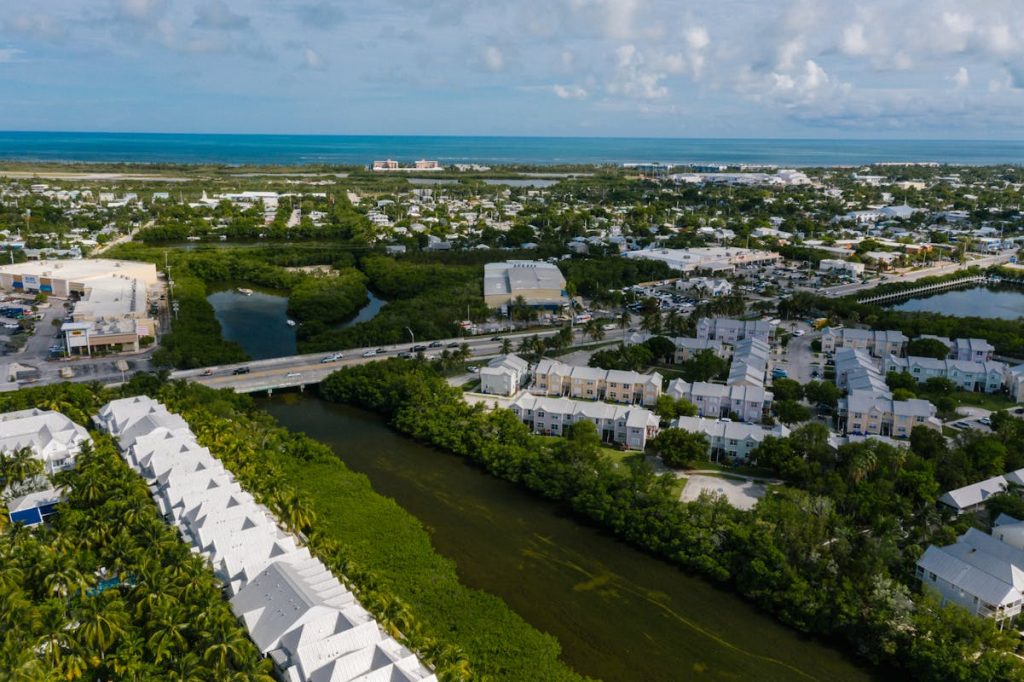
Key West, Florida, attracts visitors year round with its beaches and cultural appeal, yet staffing shortages affect operations. Housing scarcity on the island significantly raises living costs for service workers. Limited land availability restricts new residential development. Many employees commute from the mainland, adding time and expense. Hospitality businesses frequently report difficulty filling housekeeping, food service, and maintenance roles. High tourism demand contrasts sharply with workforce availability. Local leaders examine transportation and housing initiatives, but geographic constraints complicate solutions in this tightly packed island destination with limited infrastructure expansion opportunities available.
Maui Hawaii

Maui, Hawaii, relies on tourism as a central economic driver, but worker shortages remain widespread. High housing costs and limited inventory make it difficult for service employees to live near jobs. Many workers face long commutes or shared living arrangements. Seasonal visitor surges increase pressure on hotels, restaurants, and tour operators. Labor gaps lead to reduced services and longer wait times. Community discussions emphasize affordable housing and sustainable tourism practices. Maui’s situation reflects broader challenges across island economies balancing visitor demand with resident workforce needs amid constrained land resources and environmental protections statewide.
Lake Tahoe California

Lake Tahoe, straddling California and Nevada, experiences persistent labor shortages tied to housing affordability. Vacation rentals and second homes reduce long term housing availability for workers. Seasonal tourism peaks during ski season and summer months, increasing staffing demand. Employees often commute from distant towns, contributing to turnover. Hospitality businesses adjust hours or scale back services when positions remain unfilled. Regional planners explore workforce housing projects, though environmental regulations slow development. The shortage continues to influence both visitor experiences and local economic resilience across communities surrounding the lake basin year round.
Telluride Colorado

Telluride, Colorado, faces workforce challenges common to remote mountain towns. High property values and limited rental options restrict housing access for service employees. Seasonal tourism intensifies labor demand during ski season and summer festivals. Long commutes from neighboring areas increase strain on workers. Businesses report difficulty maintaining consistent staffing levels, impacting operating hours. Local initiatives aim to expand workforce housing, but geographic constraints limit expansion. Telluride’s labor shortages highlight the tension between luxury tourism growth and the sustainability of essential community services and everyday local operations long term.
Nantucket Massachusetts

The Nantucket in Massachusetts, depends on seasonal tourism but struggles to house its workforce. It’s limited land availability and high real estate prices reduce affordable housing options. Many service workers rely on seasonal housing or long ferry commutes. Summer tourism surges sharply increase labor demand across hospitality sectors. Businesses report staffing shortages affecting service consistency. Local authorities explore zoning adjustments and housing development, though progress remains slow. Nantucket’s challenges reflect broader issues facing island destinations with constrained housing markets and strong visitor demand during peak travel months each year consistently.
Vail Colorado

Vail, Colorado, attracts winter sports enthusiasts from around the world, yet staffing shortages persist. Housing costs far exceed wages in hospitality and retail positions. Many workers commute from neighboring communities, increasing turnover. Seasonal peaks strain available labor, especially during ski season holidays. Employers report difficulty filling entry level roles critical to daily operations. Workforce housing initiatives continue, but supply remains limited. Vail’s experience underscores ongoing challenges for alpine resorts balancing luxury tourism with the needs of essential service employees and long term community stability efforts across expanding global travel demand pressures.
Big Sky Montana

Big Sky, Montana, has grown rapidly as a luxury resort destination, intensifying labor shortages. Housing availability lags behind development, leaving workers with limited options. Many employees commute long distances from Bozeman or surrounding areas. Seasonal tourism fluctuations increase demand for service staff during peak periods. Businesses adjust hours or limit services due to staffing gaps. Community leaders discuss workforce housing projects, though infrastructure development remains complex. Big Sky illustrates how rapid tourism growth can outpace local capacity to support workers, transportation systems, and affordable living options sustainably over time for long term stability.
Sun Valley Idaho

Sun Valley, Idaho, faces workforce challenges tied to its popularity as a ski and summer recreation destination. High housing costs limit where service workers can live. Seasonal tourism cycles create inconsistent income opportunities. Employers report difficulty filling roles in lodging, dining, and maintenance. Long commutes from nearby towns contribute to turnover. Local planning efforts address housing shortages, but development faces environmental and zoning hurdles. Sun Valley’s labor issues mirror those seen across resort communities dependent on seasonal visitor economies and limited residential infrastructure capacity regionally, especially during peak travel seasons that strain services.
Sedona Arizona

The Sedona in Arizona is drawing visitors with its red rock landscapes and wellness tourism, yet worker shortages persist. Housing affordability remains a major barrier for service employees. Limited rental inventory pushes workers to commute from distant communities. Tourism demand stays strong year round, increasing staffing pressure. Restaurants, hotels, and tour operators report unfilled positions affecting operations. Local discussions focus on workforce housing and transportation solutions. Sedona’s experience highlights how scenic destinations struggle to balance tourism growth with sustainable workforce support amid environmental protections and zoning limitations locally.