12 Vineyard Bike Tours Hilly With Hangover Hazards
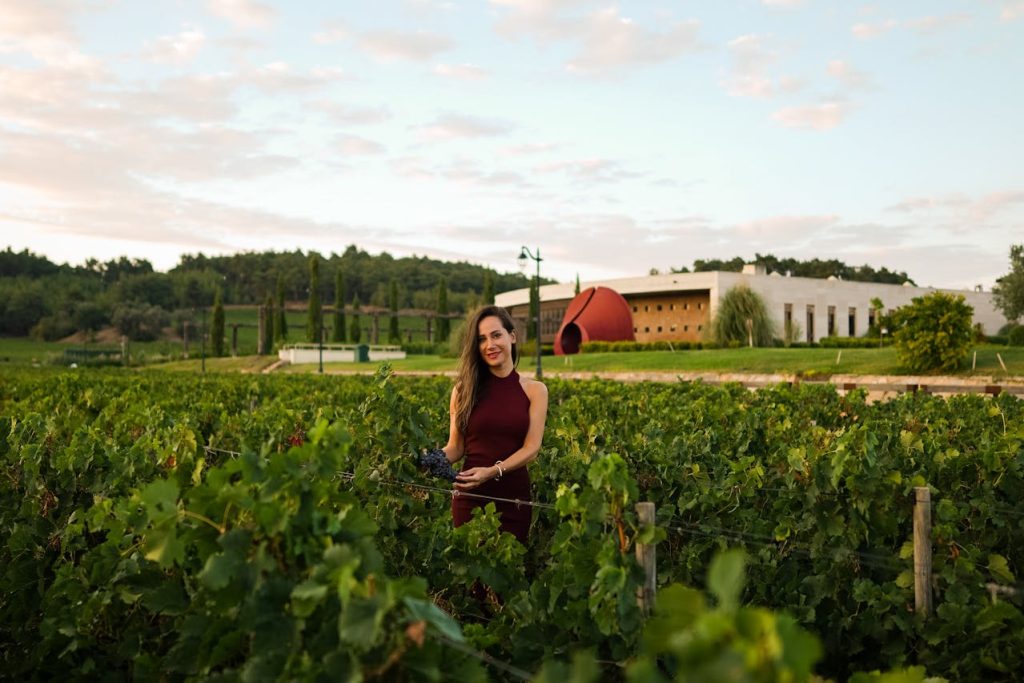
Vineyard bike tours promise fresh air and tastings that feel earned, but hills change the deal. Many wine regions sit on ridgelines and foothills, where climbs arrive in clusters and descents ask for calm braking.
After a night of pours, sun, and late dinners, the next morning can feel foggy. Dehydration and low fuel turn mild grades stubborn, and narrow lanes leave little room for wobble.
Strong itineraries treat wine as one ingredient, not the whole recipe. They start early, pair pours with real food, and keep e-bikes or a support van as quiet backup. When pacing is realistic, scenery stays joyful, and the last stop still feels clear.
Napa Valley, California
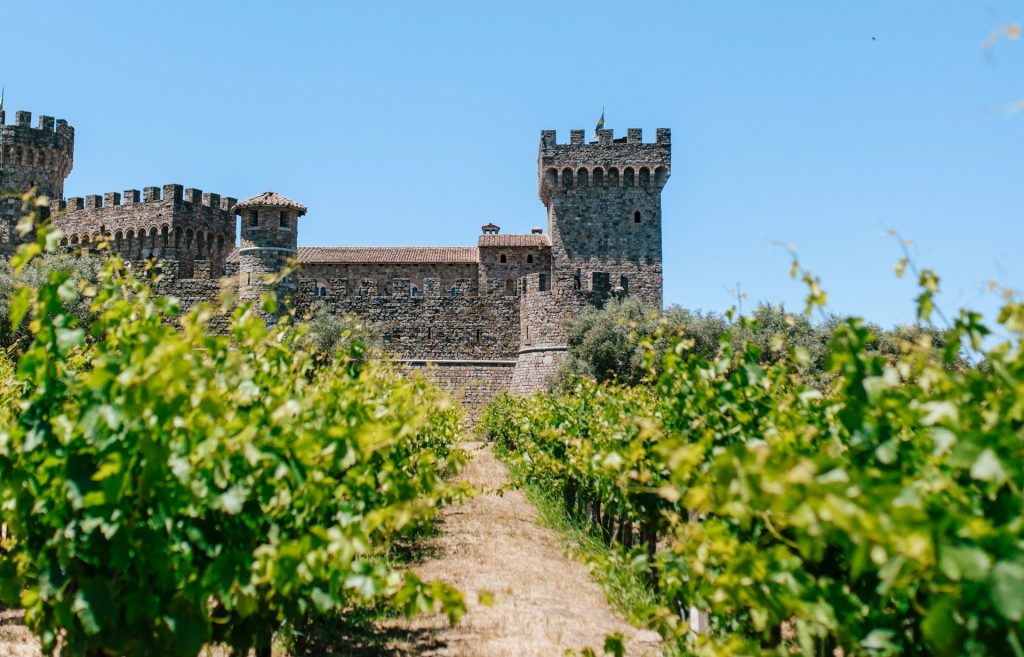
On Napa roads, the valley floor can feel easy until the route tilts toward the foothills. Short climbs stack near scenic side roads, and the shoulder can narrow right when traffic peaks around tasting hours.
The next-morning hazard is simple math: sun and wine dry the body out, then a descent asks for sharp braking and steady hands. Good tours keep pours modest, schedule water and snack stops between wineries, and ride the longest downhill earlier in the day, before fatigue shows.
Support vans and e-bikes act like guardrails, not gimmicks. They keep effort steady on climbs, so attention stays on lines, corners, and spacing.
Sonoma County, California
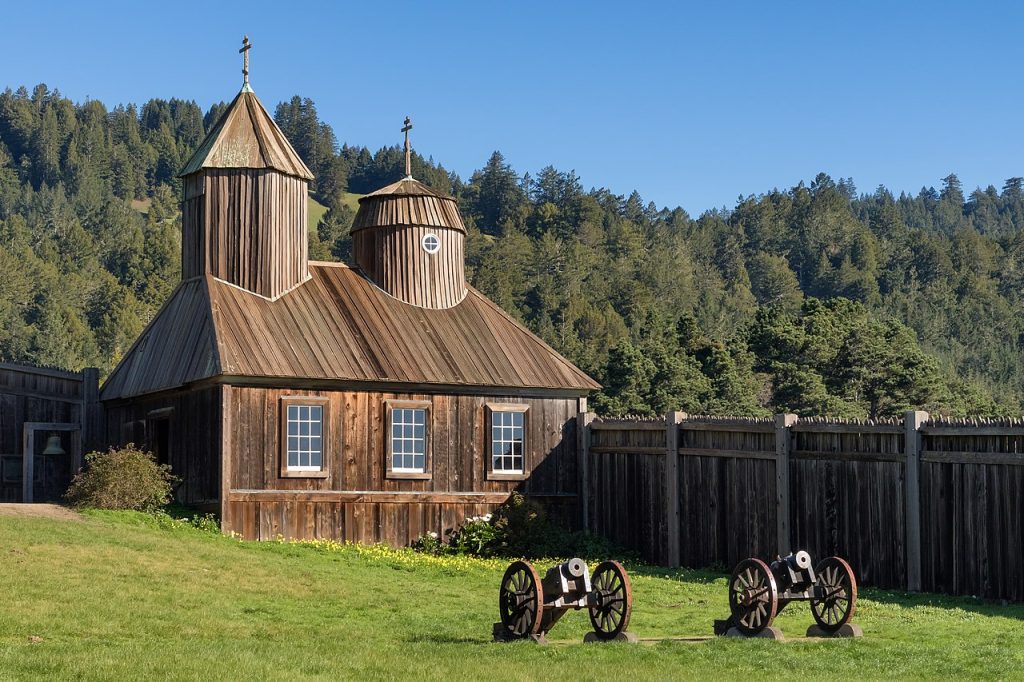
Sonoma’s prettiest vineyard lanes rarely stay level for long. Rolling roads near Dry Creek and Chalk Hill hide punchy ramps behind trees, and shaded turns can hold loose gravel that only shows up at speed. Weekend traffic appears on narrow shoulders.
The hazard often arrives the morning after: light breakfast, coffee, then a climb that demands real fuel. When energy dips, riders drift, braking gets late, and descents feel faster than planned.
Well-run tours front-load hydration, pair tastings with food, and build regroup points at the top of each major rise. They pick wider descents, so passing stays predictable and the ride stays social.
Willamette Valley, Oregon
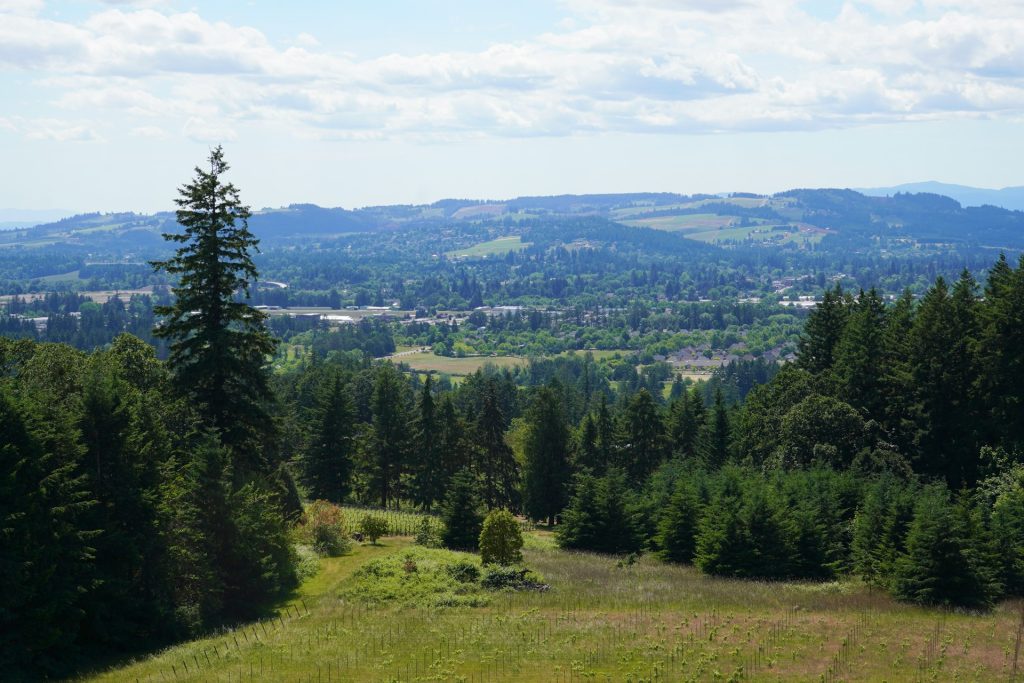
The Willamette Valley looks soft and green, yet the Dundee Hills and nearby ridges bring real elevation. Roads roll like long swells, with climbs that never look steep until fatigue stacks, and wind that shifts fast through open gaps.
The next-day hazard is quiet exhaustion after a long tasting afternoon. When hydration runs short, cadence falls apart on the first ridge, and braking feels less precise on a damp descent.
Strong tours start early, keep loops compact, and pair pours with food, not just crackers. Downhills are treated as controlled coasts, with clear calls at turns, so riders stay relaxed even when the road drops between vines.
Walla Walla Valley, Washington
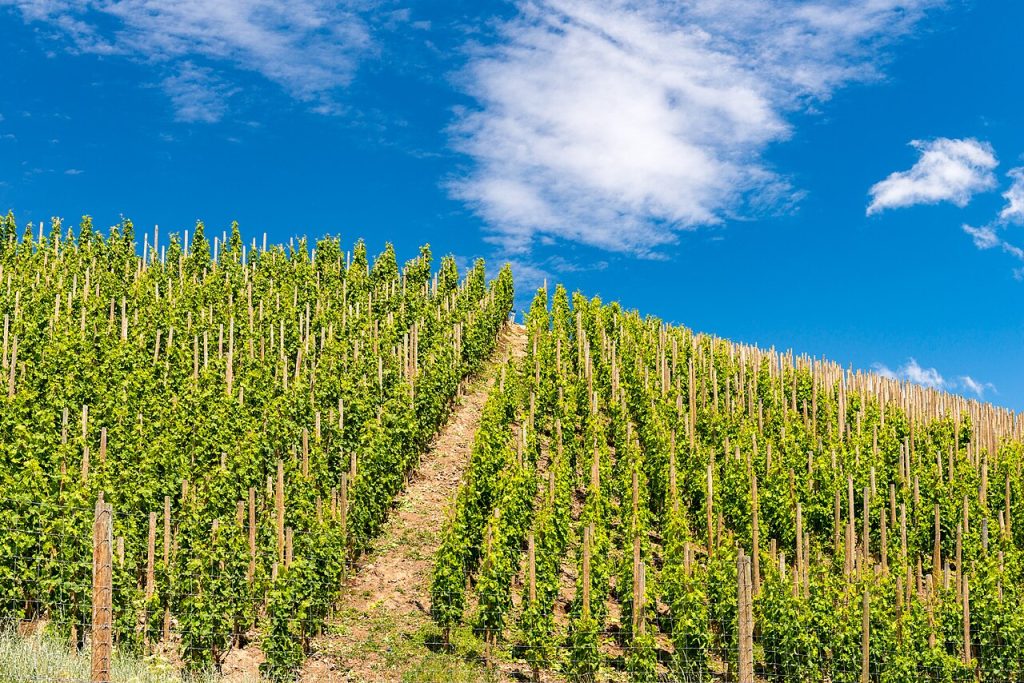
Walla Walla blends open farmland with sudden rollers near the Blue Mountains foothills. Back roads feel spacious, but summer sun can run hot, and afternoon wind turns exposed stretches into slow, steady work on narrow shoulders.
The hangover-style hazard is delayed dehydration. Dry air and tasting-room time make it easy to underdrink water, then the next morning a mild headache makes each climb feel longer, and balance feels slightly off.
Better tours keep tastings paired with lunch, add shaded rest stops, and carry refill points on route. They avoid stacking the steepest hills late, so the day ends with calm legs and clear focus.
Paso Robles, California
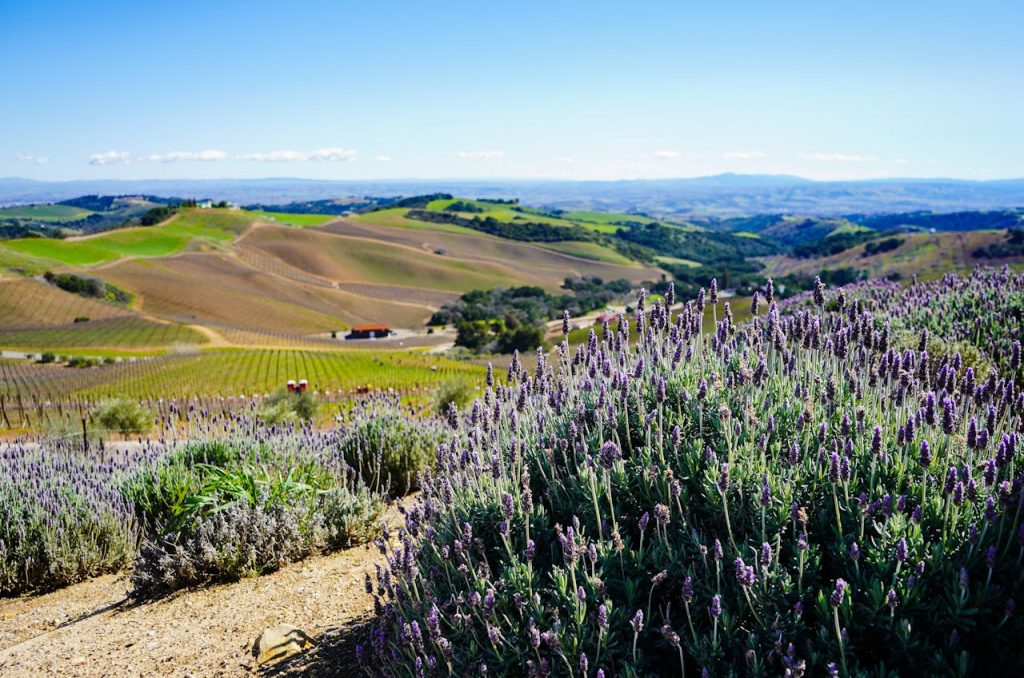
Paso Robles delivers wide views, warm light, and serious grades, especially on the Westside hills. Climbs can be long and unshaded, and heat reflecting off pale roads pushes effort higher than expected. Crosswinds and chipseal shoulders add bite on descents.
The next-morning hazard is the double hit of alcohol and temperature. Even modest pours feel bigger after hours in sun, then legs wake heavy and sweat comes fast on the first climb.
Strong tours ride early, keep winery gaps short, and pair tastings with real food. Routes favor smoother descents and avoid tight, high-speed drops when fatigue starts to show late afternoon.
Santa Ynez Valley, California
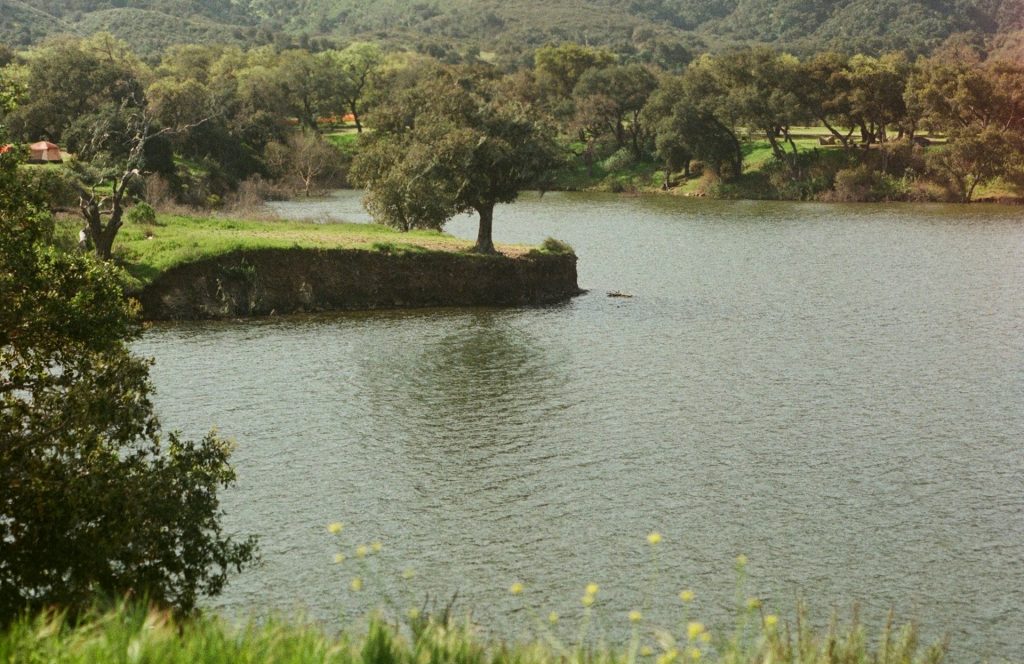
Santa Ynez starts pastoral, then the rollers start. Between Los Olivos and Ballard Canyon, short climbs arrive back to back, and morning marine cool can flip to warm sun by noon. Ranch driveways, horse trailers, and shoulderless stretches keep attention high.
The hazard is early dehydration masked by a crisp start. Riders sip less, then discover on the first longer grade that the tank is low, and a casual descent begins to feel twitchy.
Good tours build an early snack stop, keep tastings compact, and choose roads with clean sightlines. A steady group pace reduces last-second braking on narrow lanes, and keeps the day friendly.
Finger Lakes, New York
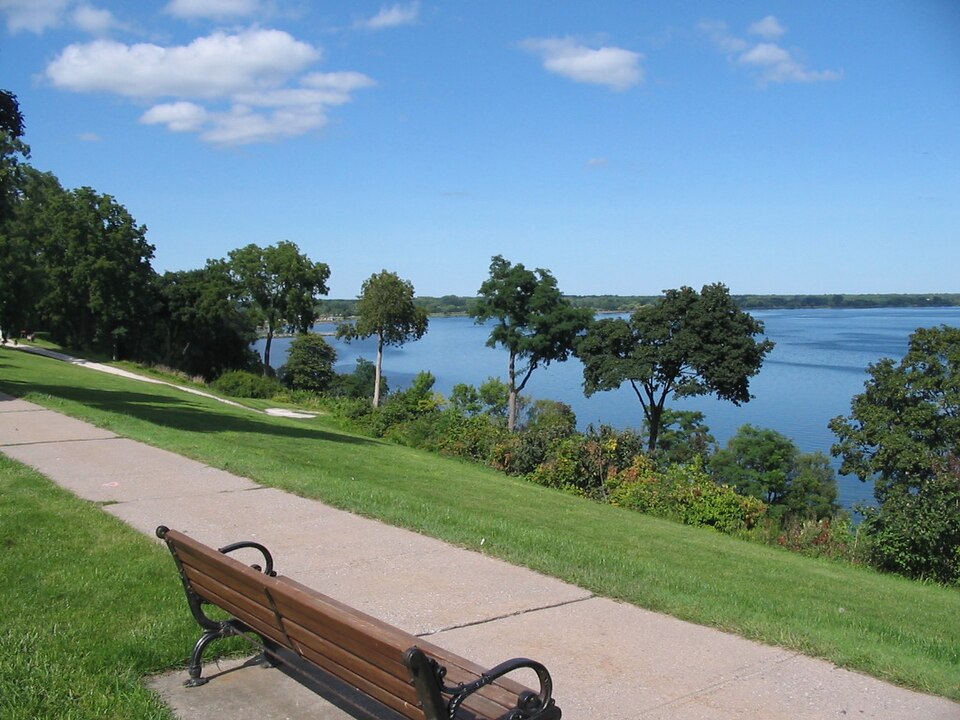
Finger Lakes vineyard rides follow a simple rule: every lake view costs a climb. Routes drop to Seneca or Keuka shorelines, then grind back up bluffs on long grades, with wind off the water changing effort mid-ride. Narrow shoulders and steep winery driveways add surprise.
The hazard is mixed conditions. Cool mornings hide fluid loss, then tasting rooms, salty snacks, and bright afternoon sun add thirst that shows up late, often the next day.
Strong tours front-load the biggest hills, schedule lunch early, and keep descents controlled on curves where grit and wet leaves linger. Regular regroup pauses keep energy steady without rushing.
Chianti Classico, Tuscany
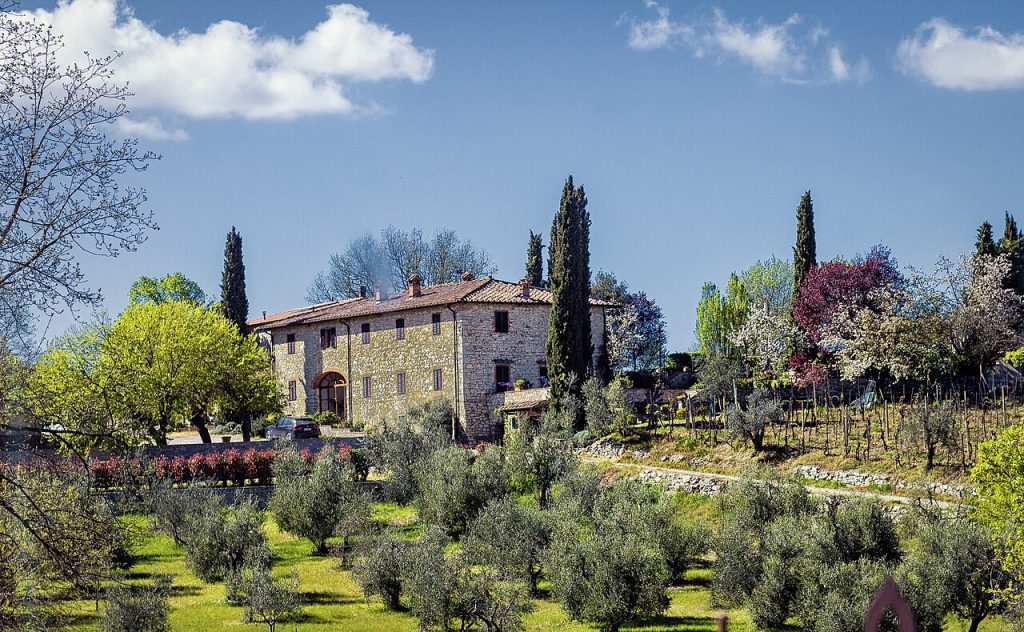
Chianti Classico looks like a painting, but the roads between villages are rarely flat. Routes weave through cypress-lined climbs and steep ramps, then drop into bends bordered by stone walls that punish late braking. Narrow lanes and scooters keep the line honest.
The hazard shows up the morning after a long dinner and bold reds. Sleep runs short, legs wake heavy, and the first climb feels sharper while the sun rises fast and adds heat.
Better tours keep mileage modest and stop for espresso and pastries before the hard grades, then push water between tastings. Downhill speed stays conservative because the scenery is best enjoyed unhurried.
Langhe, Piedmont
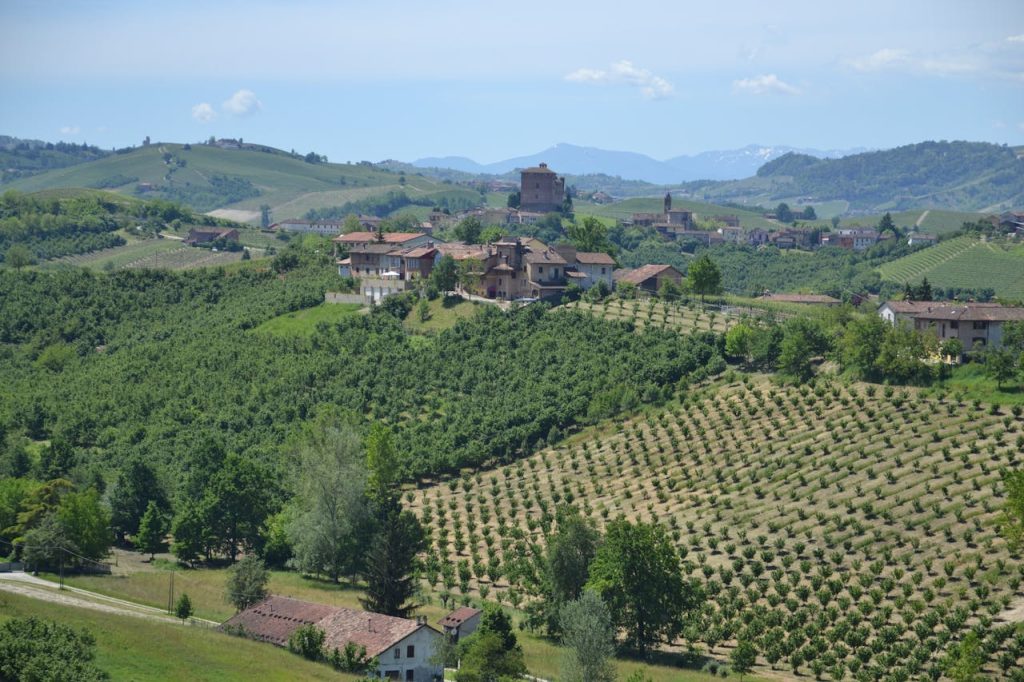
In Piedmont’s Langhe, vineyard rows wrap steep hills, and routes hop from ridge to ridge near Barolo and Barbaresco. Short climbs stack quickly, and descents funnel into villages with tight turns and parked cars close to the line. Farm tractors can appear without warning.
The hazard is tasting density. Stops can run close together, and a little extra nebbiolo leaves the next morning dry and underpowered, right when the first ramp arrives.
Strong tours pair pours with real food, stretch breaks in shade, and keep loops short enough for a calm finish. Guides call single-file descents and early braking, letting the landscape stay the focus.
Douro Valley, Portugal
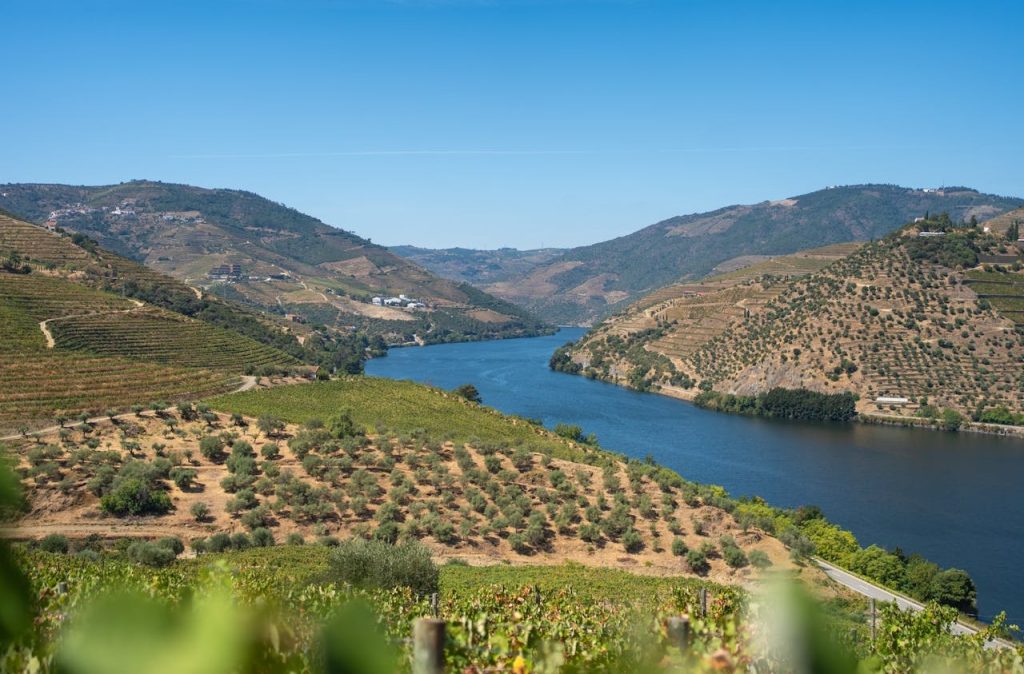
The Douro Valley is dramatic on a map and steeper on a bike. Terraced vineyards rise above the river, and routes mix sustained climbs with descents that demand steady braking, especially where the road narrows against the slope. Switchbacks open views, but they invite speed.
The hazard is heat plus sweet pours. A warm afternoon and a Port tasting can leave riders dehydrated, then the next morning the first climb feels heavier than it should.
Good operators start early, split big hills into shorter segments, and schedule regular water refills. Support vehicles stay close for tired legs, keeping descents calm and decisions unhurried.
Rioja Alavesa, Spain
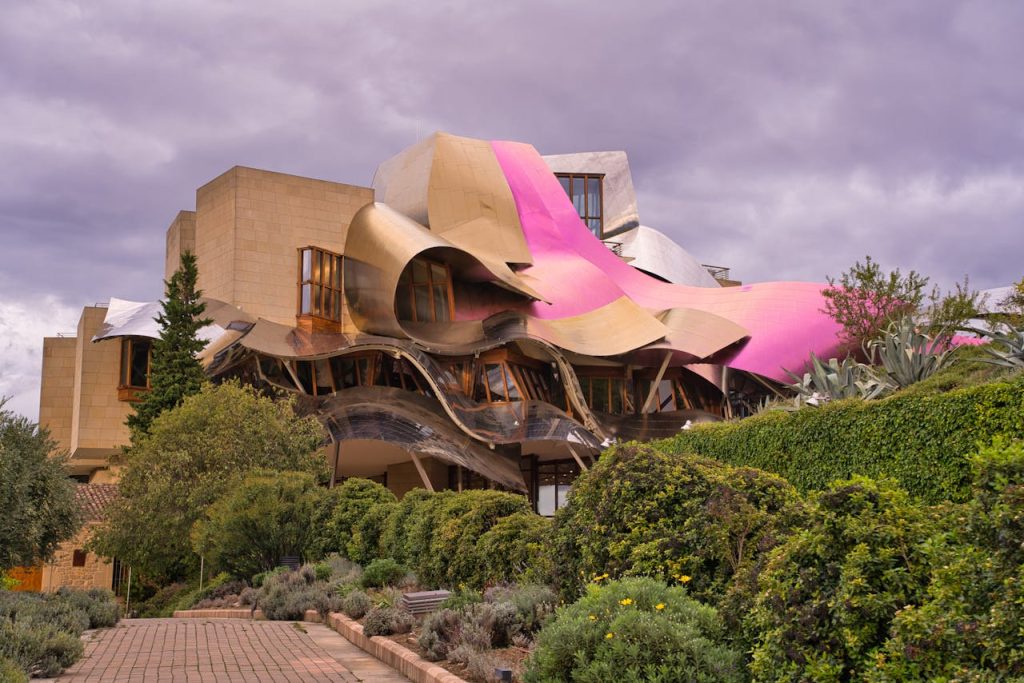
Rioja Alavesa pairs vineyard lanes with Basque foothills, framed by the Sierra de Cantabria. Grades feel friendly until villages link together, then climbs arrive back to back and descents can be windy and exposed. Narrow shoulders tighten the feel.
The hazard is the long-lunch effect. Late meals paired with tastings can push riding into hotter hours, then next morning hydration debt shows up on the first incline and patience runs thin.
Better tours keep afternoons shorter, schedule pours after climbs, and build shade breaks into the route. Conservative downhill speed keeps passing predictable on narrow lanes shared with farm traffic.
Alsace Wine Route, France
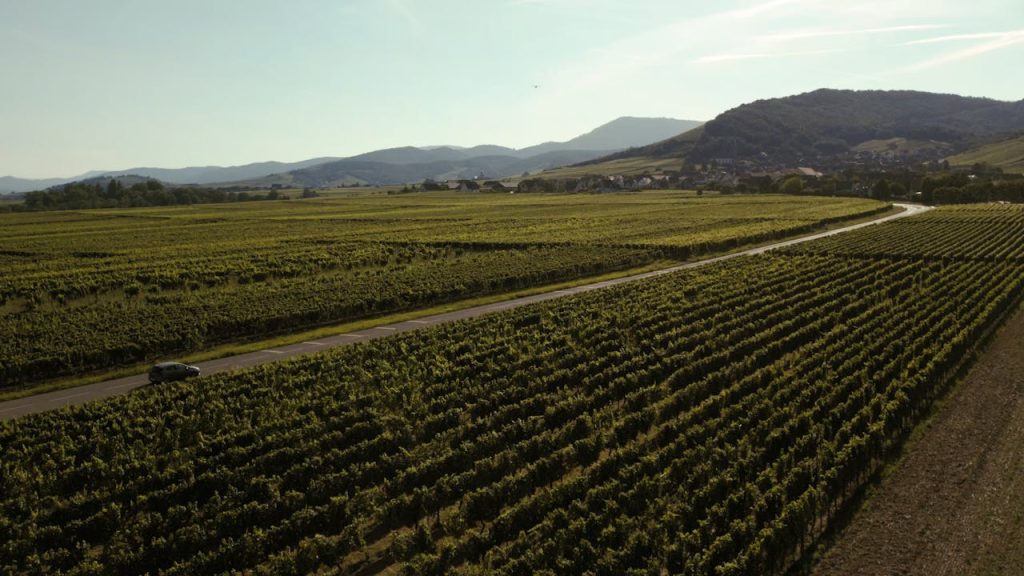
Alsace looks storybook, but the wine route rides along the Vosges foothills, where gentle valleys hide sharp ramps into villages. Climbs come as a patchwork, and narrow lanes tighten near old centers and parked cars. Vineyard tracks can turn rough after rain.
The hazard is quiet: dry whites, cool mornings, and steady pedaling that masks fluid loss. By the next day, legs feel wooden, and descents into village turns demand more focus than expected.
Strong tours pair tastings with food, start early, and keep water steady even when the air feels crisp. They avoid stacking the steepest ramps late, so the finish feels calm instead of scrambled.