13 American Rivers Worth Paddling for Scenery
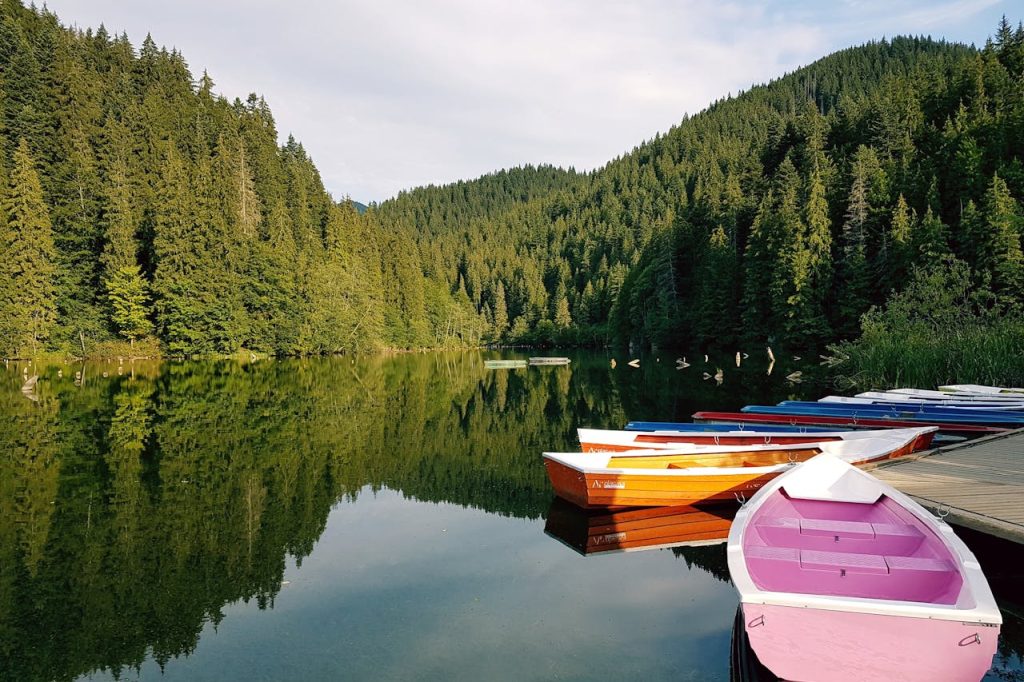
America’s rivers carve through some of the most striking landscapes in the country, offering paddlers a front-row seat to scenery that feels both timeless and intimate. From emerald canyons shaped over millions of years to forest corridors where wildlife moves quietly along the banks, these waterways reveal details you simply can’t witness from a road or overlook. Whether you prefer slow, meandering stretches where reflections ripple like glass or swift channels alive with energy and motion, the country’s diverse rivers reward every mile of exploration. Each paddle stroke brings something new, whether it is shifting light across sandstone walls, sudden silence in remote wilderness, or the thrill of navigating channels shaped by seasons and weather. For travelers who want scenery delivered not as a postcard but as a full-immersive experience, these American rivers are among the most rewarding routes you can take.
1. Colorado River, Arizona and Utah
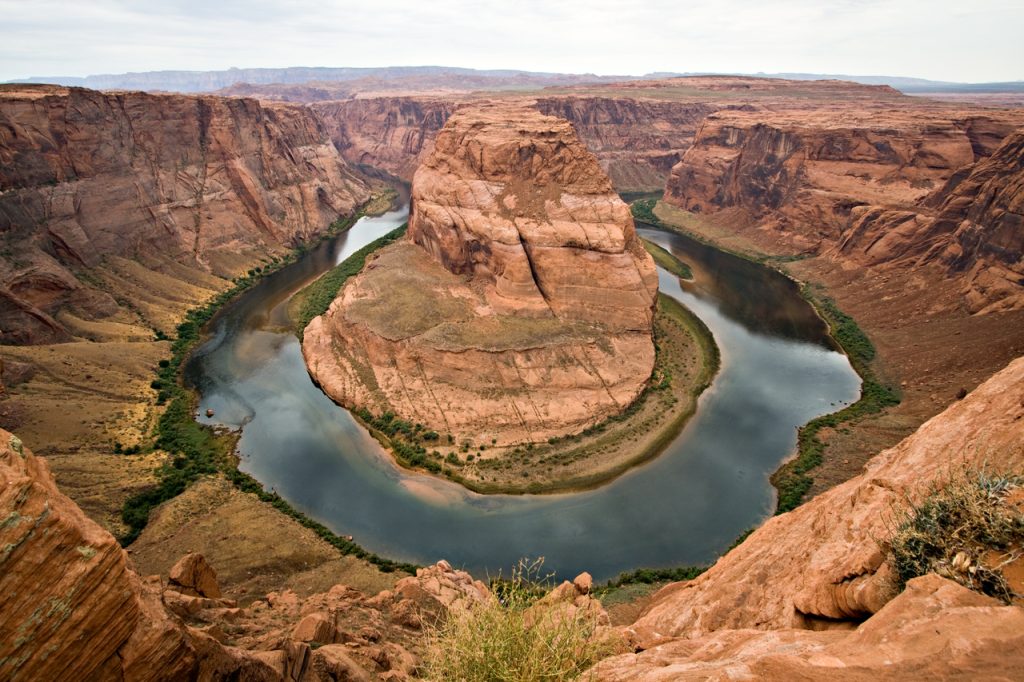
The Colorado River offers an iconic paddling experience shaped by towering red rock walls, layered sandstone formations, and long canyon corridors that reveal new scenery around nearly every bend. While known for its challenging sections, the river also includes calmer stretches where paddlers can drift quietly and absorb the dramatic landscape without interruption. The steep cliffs shift in color throughout the day, moving from deep morning shadows to warm tones at sunset that highlight the canyon’s immense scale. Small beaches, side canyons, and sheltered alcoves invite stops that allow travelers to observe the area’s geology more closely. Multi-day trips emphasize how the canyon slowly evolves, providing a sense of continuity that makes the scenery as central to the journey as the paddling itself.
2. Snake River, Wyoming and Idaho
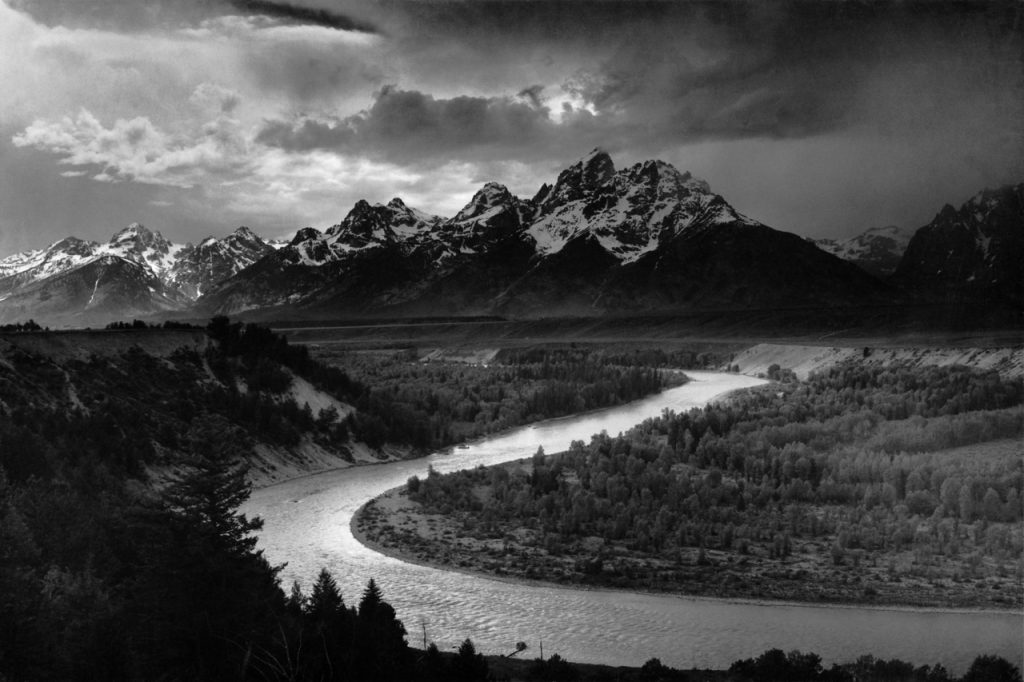
The Snake River winds through some of the West’s most recognizable landscapes, including the sweeping valleys and rugged peaks of the Teton Range. Paddlers encounter sections where the river widens into broad, reflective channels bordered by cottonwoods and wildlife-rich meadows, creating long sightlines that highlight the mountain backdrop. Although the river contains areas with more active current, many stretches remain gentle enough for steady, sustained travel. Elk, moose, raptors, and waterfowl frequently appear along the banks, offering moments of quiet observation. As the river moves from alpine terrain into open farmland and canyon environments, the scenery transitions gradually, providing a sense of journey that unfolds through each mile. These shifts make the Snake a rewarding route for paddlers attracted to diverse, ever-changing landscapes.
3. Buffalo National River, Arkansas
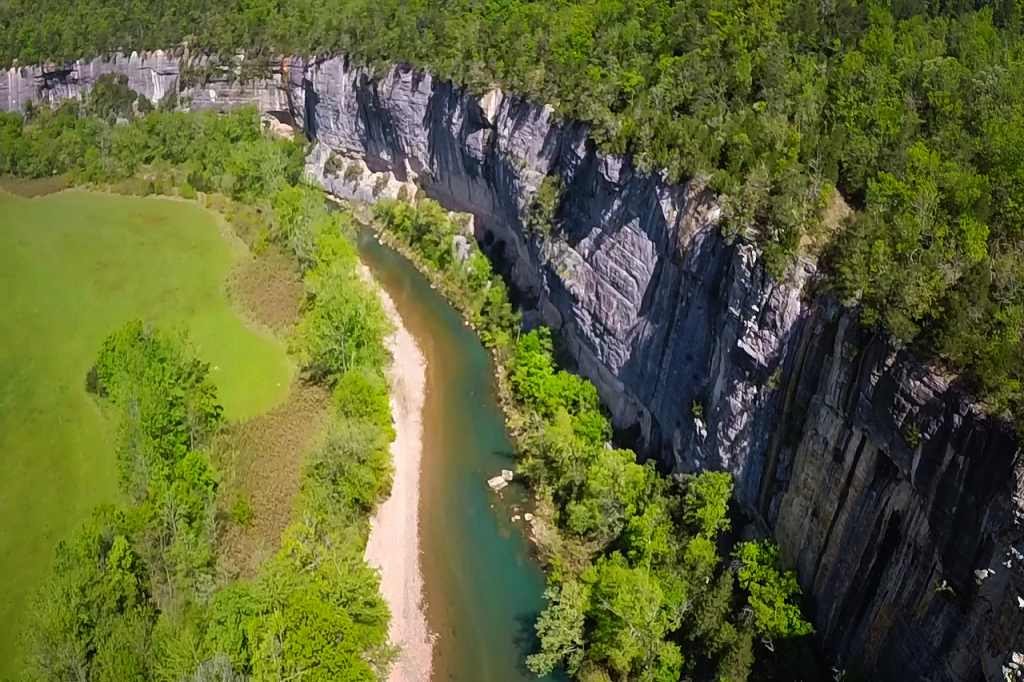
The Buffalo National River flows through the Ozarks in a largely undeveloped corridor where limestone bluffs rise abruptly from the water and forests create dense green backdrops throughout the year. Long pools and moderate currents allow paddlers to move at a relaxed pace while taking in the contrasting textures of rock walls, wooded slopes, and wide valleys. Seasonal waterfalls and side streams add interest, especially during spring and early summer when water levels are highest and vegetation is at its fullest. Wildlife appears frequently, from deer and birds to turtles sunning along fallen logs. Because the river is federally protected, its natural character remains intact, giving travelers a consistent sense of solitude even during popular seasons. The Buffalo’s blend of cliffs, forests, and gentle water makes it ideal for scenery-focused paddling.
4. Green River, Utah
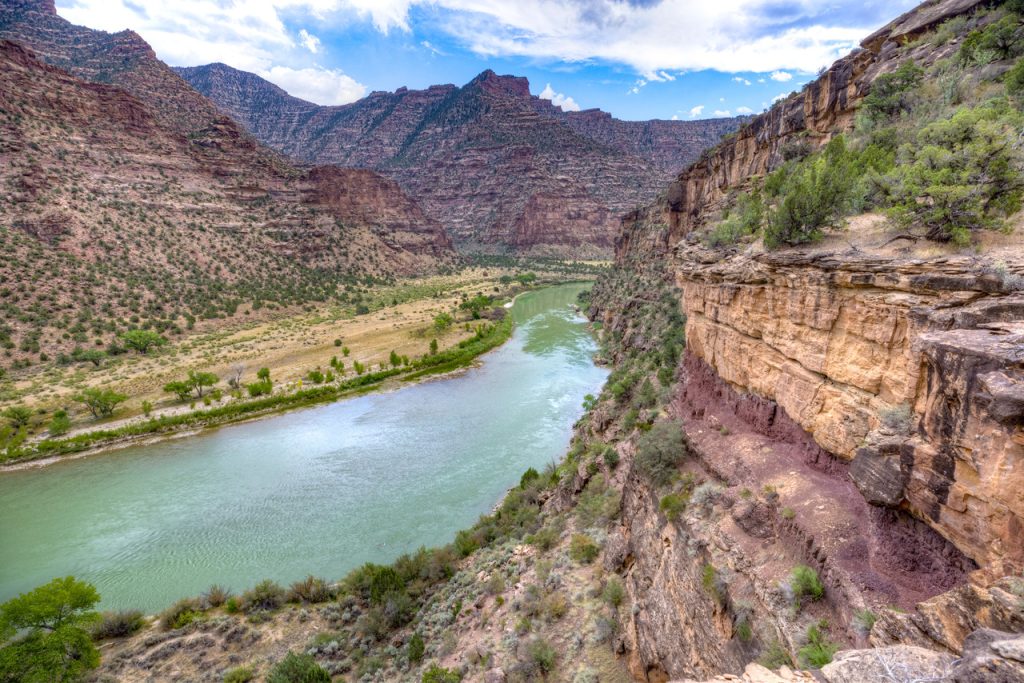
The Green River offers a distinctly desert paddling experience, where the water’s soft green tint contrasts with rust-colored canyon walls carved by centuries of erosion. The river passes through wide, quiet stretches where the current remains steady enough for long days of uninterrupted travel, allowing paddlers to observe the subtle variations in rock layers and the expansive silence characteristic of the desert. Narrow side canyons lead to alcoves and shaded areas that break up the desert heat and provide opportunities for short explorations away from the main channel. Light plays a major role in shaping the scenery, with shadows sliding across the cliffs and transforming their colors from muted browns to vibrant oranges. The river’s gentle rhythm makes it possible to track these changes in detail, reinforcing the appeal of the surrounding landscape.
5. Allagash Wilderness Waterway, Maine
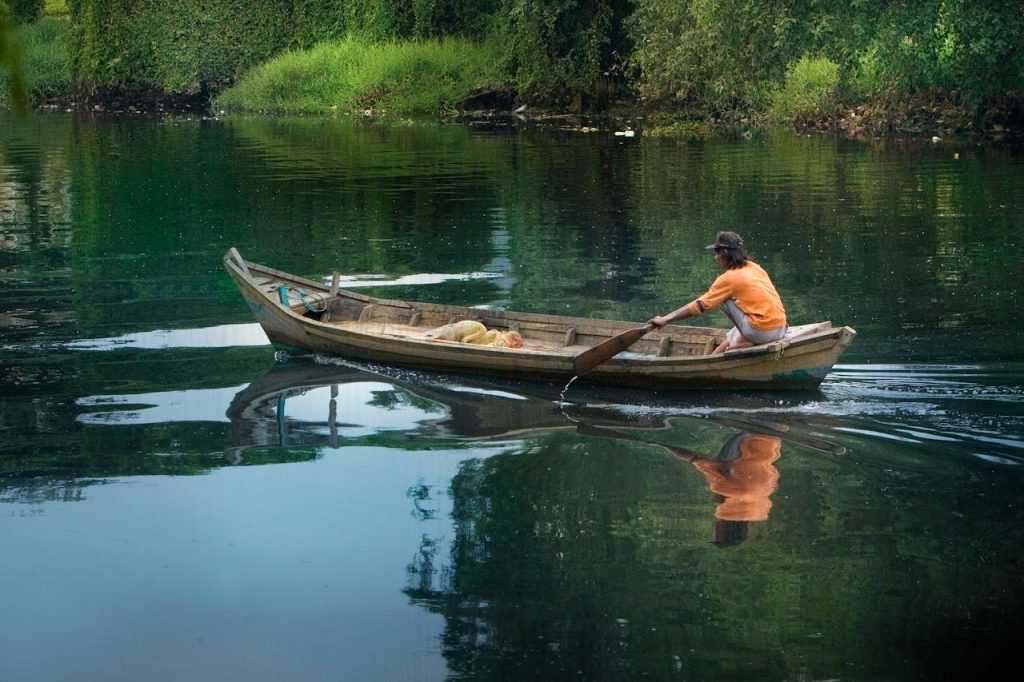
The Allagash Wilderness Waterway is defined by long stretches of quiet water surrounded by dense northern forests, creating an environment where paddlers can travel for hours with only the sounds of wind, water, and wildlife. Lakes, streams, and narrow river sections combine to form a continuous route through Maine’s interior, offering a sense of remoteness rare in the eastern United States. Moose sightings are common along the shoreline, and loons call across the water at dawn and dusk, adding to the area’s tranquil character. Mist rising from the surface in early morning often softens visibility, lending an atmospheric quality that enhances the scenery. Campsites located along the waterway make multi-day trips accessible, allowing paddlers to experience how the landscape slowly shifts without losing its overarching feeling of solitude.
6. John Day River, Oregon

The John Day River travels through one of Oregon’s most visually distinctive regions, where tall basalt cliffs, open grassy slopes, and layered volcanic formations create a varied and geologically rich backdrop. As the river winds through Eastern Oregon, paddlers encounter long, steady stretches that encourage observation of the canyon’s shifting shapes and colors. The basalt walls reveal patterns formed by ancient lava flows, while the surrounding desert terrain changes with the light, especially during early morning and late afternoon when shadows highlight the contours of the landscape. Wildlife including raptors, pronghorn, and small mammals often appear along the riverbanks. The calm flow supports multi-day trips, giving travelers ample time to absorb the region’s natural history and wide-open scenery.
7. Suwannee River, Florida
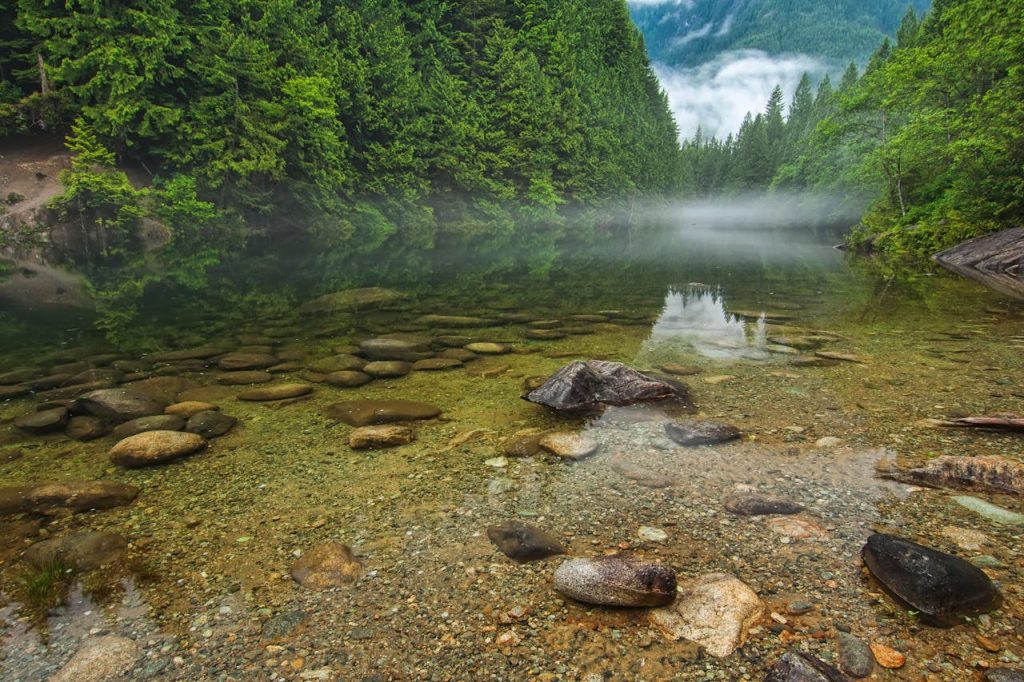
The Suwannee River moves slowly through northern Florida’s forests and wetlands, offering paddlers a scenic route bordered by cypress trees, limestone formations, and calm tannin-rich water that creates strong reflections. Dozens of natural springs feed into the Suwannee, adding clear, cool water that shifts the river’s color and reveals underwater vegetation in striking detail. The surrounding environment supports a rich mix of wildlife, including herons, otters, turtles, and numerous fish species visible in shallow areas. Because development remains limited along much of the river’s length, paddlers can travel for long distances in relative quiet. The river’s gentle pace and consistent scenery promote a slower style of paddling, making it ideal for travelers who appreciate Florida’s natural landscapes beyond its coastlines.
8. Missouri River Breaks, Montana
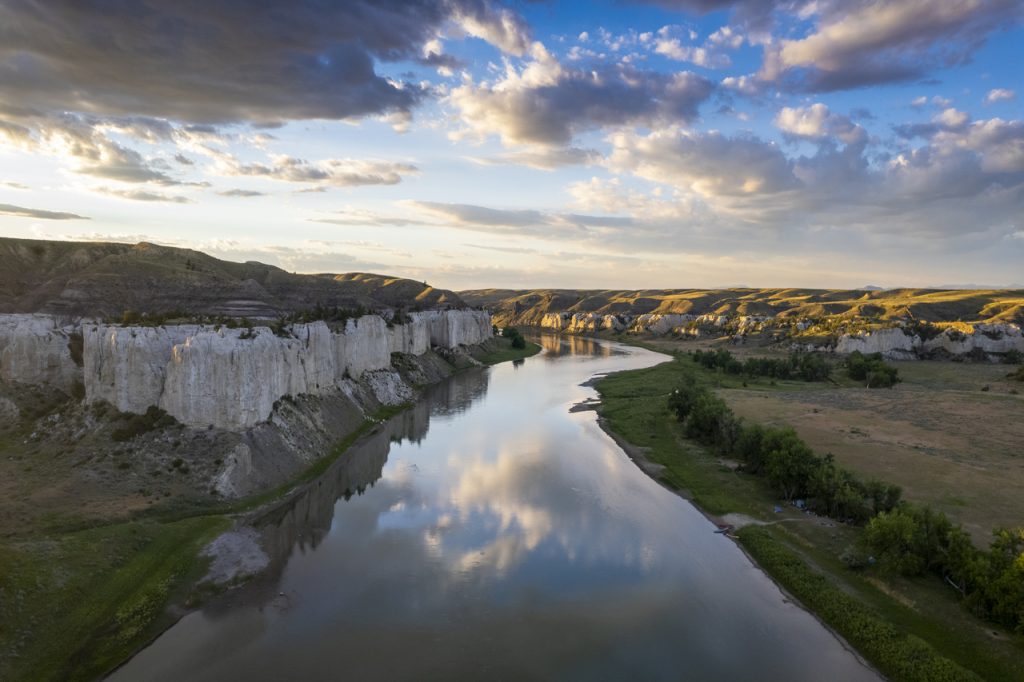
The Missouri River Breaks region features a rugged landscape shaped by centuries of wind and water erosion, where steep ridges, sculpted sandstone formations, and open Badlands terrain stretch across the horizon. Paddlers traveling this broad, slow moving section of the Missouri encounter long views that emphasize the scale and emptiness of the surrounding environment, broken only by the varied shapes of weathered rock. Bighorn sheep, eagles, and other wildlife add occasional movement to the otherwise still landscape. The river’s steady current makes it possible to take in the scenery without rushing, allowing travelers to appreciate how the formations shift in appearance as the river cuts deeper into the terrain. These natural transitions give the Breaks their distinctive character, appealing to paddlers who enjoy sweeping, dramatic vistas.
9. Rogue River, Oregon
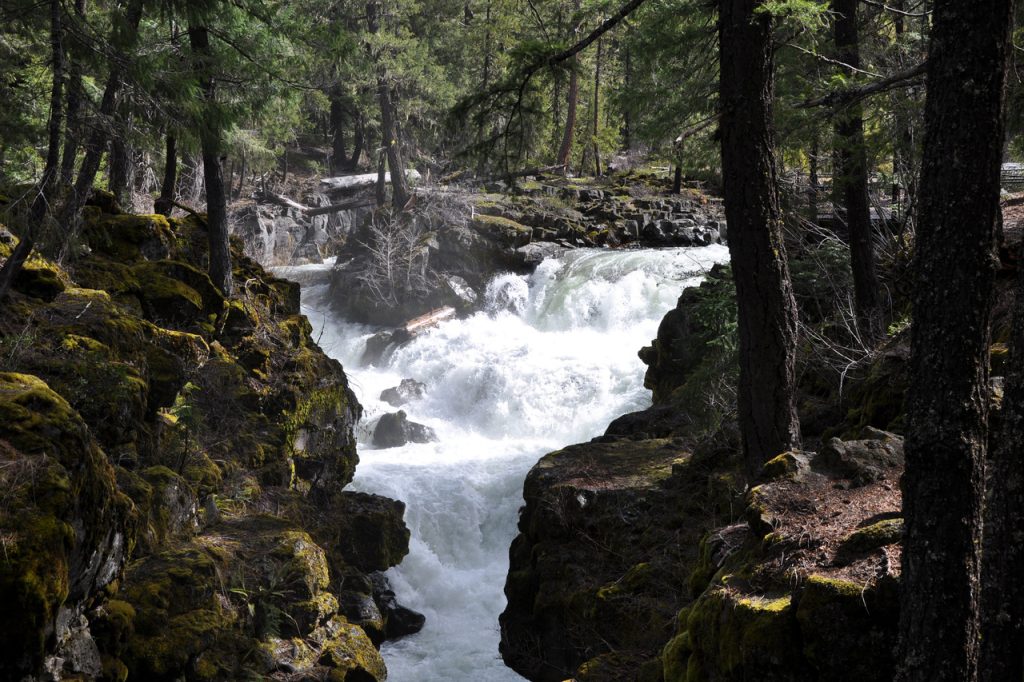
The Rogue River flows through a succession of forested gorges, rocky cliffs, and winding valleys that showcase the diverse terrain of southwestern Oregon. While certain segments are known for challenging rapids, the river also offers calmer, scenic stretches where paddlers can travel at a measured pace. Evergreen forests, exposed rock formations, and small cascading streams contribute to a landscape that changes subtly with elevation and season. Wildlife such as osprey, deer, and river otters appear frequently along the banks, creating natural points of interest throughout the trip. Multi-day journeys highlight how the river transitions between narrow canyons and wider valleys, revealing new aspects of the environment without ever straying far from its rugged character.
10. Wisconsin River, Wisconsin
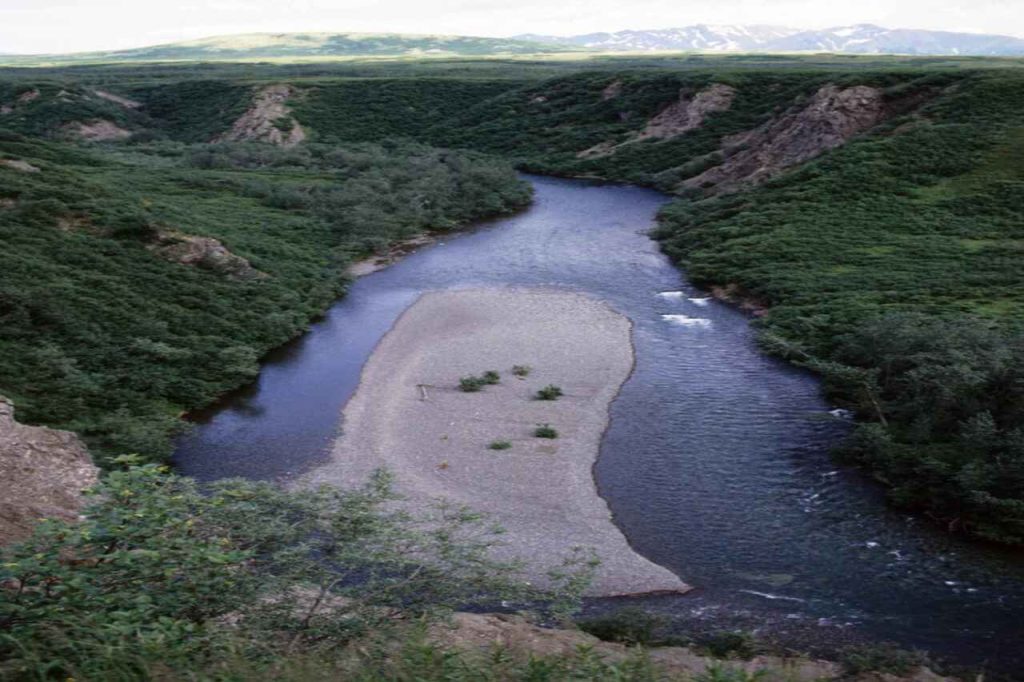
The Wisconsin River provides broad, open views across forested shorelines and numerous sandbars that shift in shape throughout the season, creating a dynamic paddling environment. The river’s gentle flow allows paddlers to drift along reflective waters that mirror trees and expansive skies, contributing to a calm and scenic experience. Upper sections include sandstone formations carved by erosion, offering visual contrast to the lower stretches where the river widens into broad, flat corridors. Sandbar camping is a defining feature, enabling multi-day trips that immerse travelers in the river’s natural rhythms. As the landscape gradually evolves along the route, paddlers can appreciate the diversity of Wisconsin’s waterways and the accessibility of its scenery.
11. Rio Grande, Texas and New Mexico
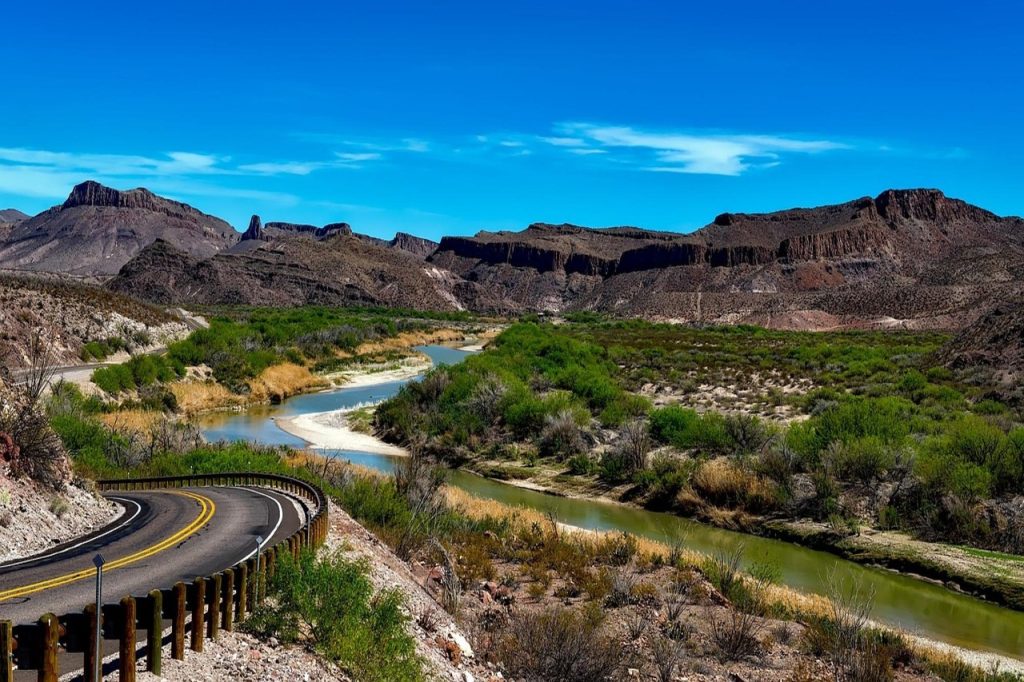
The Rio Grande offers striking scenic contrasts, especially in the canyon regions where towering cliffs rise directly from the river’s edge. Santa Elena Canyon is one of the most dramatic sections, with sheer walls that narrow the waterway and amplify the sense of height and enclosure. The river’s pace varies, but many scenic segments maintain steady, manageable flow suitable for extended observation of the canyon’s geological features. Desert vegetation along the banks introduces softer textures that contrast with the rock formations overhead. Light plays a significant role in shaping the canyon’s appearance, with shadows shifting across the rock throughout the day. These elements combine to create a paddling experience defined by dramatic landscapes and quiet, reflective stretches.
12. Delaware River, Pennsylvania and New Jersey
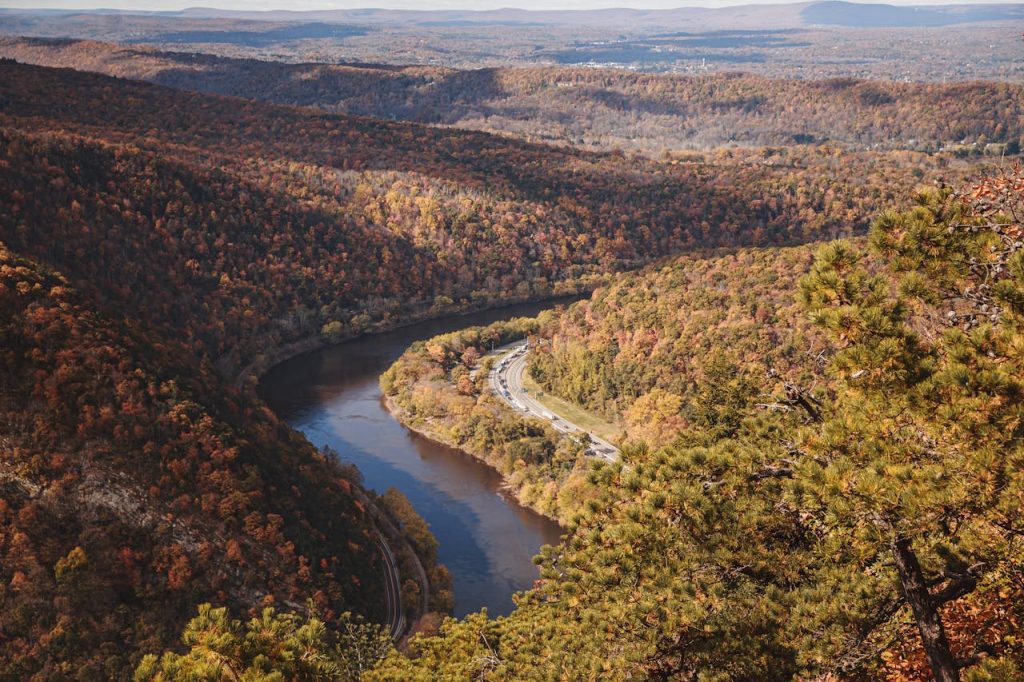
The Delaware River flows through a largely natural corridor where wooded hills, broad bends, and gentle currents create an approachable and scenic paddling experience. The river alternates between narrow sections bordered by dense forests and wider stretches where long views open across the valley. Wildlife including eagles, herons, and otters contributes to the sense of immersion in nature, and the minimal development along many parts of the river enhances the quiet atmosphere. Because the currents are typically predictable, paddlers can cover substantial distances while focusing on the shifting terrain. The combination of accessible water, consistent scenery, and the gradual unfolding of the landscape makes the Delaware a reliable scenic route in the Northeast.
13. Black Canyon of the Colorado, Nevada and Arizona
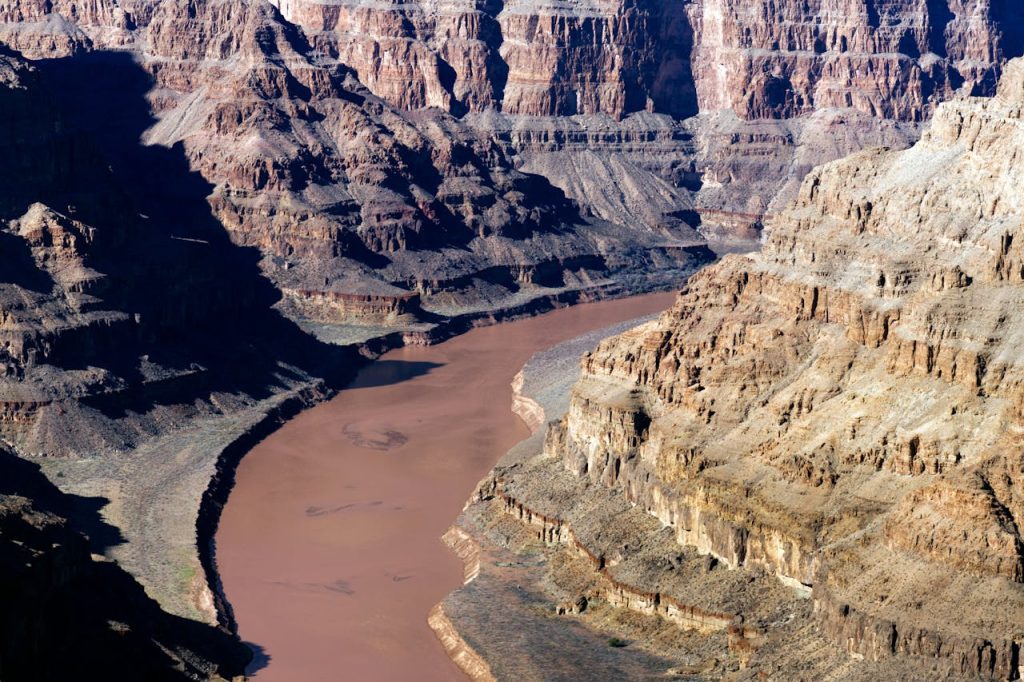
The Black Canyon section of the Colorado River is known for its steep volcanic cliffs, narrow channels, and calm emerald water that mirrors the rugged formations rising above it. The canyon’s depth creates strong contrasts between bright sunlight and deep shadow, producing a landscape that changes appearance throughout the day. Hot springs, rock alcoves, and small caves offer opportunities for exploration just off the main channel, adding variety to the route without detracting from the overall sense of tranquility. The river’s steady flow allows paddlers to travel at an unhurried pace, taking time to appreciate the canyon’s geological features and the distinctive colors of the water and rock. This combination makes Black Canyon one of the most visually memorable calm water paddling destinations in the Southwest.