13 Boomer Travel Habits That Are Considered Rude in 2026

Across shifting travel norms, older habits sometimes clash with present expectations about privacy, volume, and cultural respect, and those clashes are rarely malicious; they are practical mismatches born of different eras. Naming common habits that read as rude in 2026 helps people update with dignity, so everyday trips remain humane, and small, deliberate adjustments reduce friction while preserving curiosity. This piece outlines recurring behaviors, explains why they unsettle others in contemporary contexts, and offers concrete, unembarrassing ways to translate a lifetime of travel experience into smoother, kinder interactions on streets, trains, and plane cabins. The aim is practical: maintain pleasure, avoid public breaches of courtesy, and honor hosts and fellow travelers without sacrificing personal comfort.
Reclining Without Checking The Person Behind

Reclining Without Checking The Person Behind. Older travelers often act from habit, and what once read as ordinary comfort now intrudes when seats are narrower, devices multiply, and neighbors need a pocket of upright space for work, sleep, or care. In tight modern cabins, reclining without checking can startle, displace a laptop, or squeeze a parent holding an infant, and those consequences escalate a private choice into a public conflict that staff then must manage. A concise pause, a glance back, or a quiet question before reclining prevents collisions, preserves dignity, and keeps communal travel manageable and civil. Small acts of attention yield disproportionate returns across shared journeys and are easily learned by a careful traveler.
Loud Phone Conversations In Shared Spaces

Loud Phone Conversations In Shared Spaces. Speaking loudly across an airport lounge, train car, or hotel common area projects private life into other people’s pockets of concentration and rest, and the friction is not simply volume but the way long calls turn shared spaces into arenas of distraction. Short check-ins, moving to a quieter corner, or switching to text preserves other people’s work, sleep, and moments of quiet; earbuds and one-minute explanations replace extended monologues that force strangers into an awkward role of enforcer. Such small adjustments protect both privacy and public calm, and they make transit spaces more functional for a mix of uses, including work, rest, and travel planning.
Taking Photos Without Permission Or Context

Taking Photos Without Permission Or Context. Point-and-shoot impulses can read as entitlement when they capture people, rituals, or private property without consent, and many communities and sacred places now publish clear guidance around photography for good reason. Pausing to ask, using a telephoto lens to maintain distance, or stepping aside when signage says no creates space for mutual respect and yields better images because subjects are willing collaborators rather than surprised extras. This small shift reframes a photograph as an exchange instead of an extraction, reduces confrontations, and protects the dignity of locals whose faces and stories are not props for a souvenir shot.
Cutting Lines At Security And Checkpoints
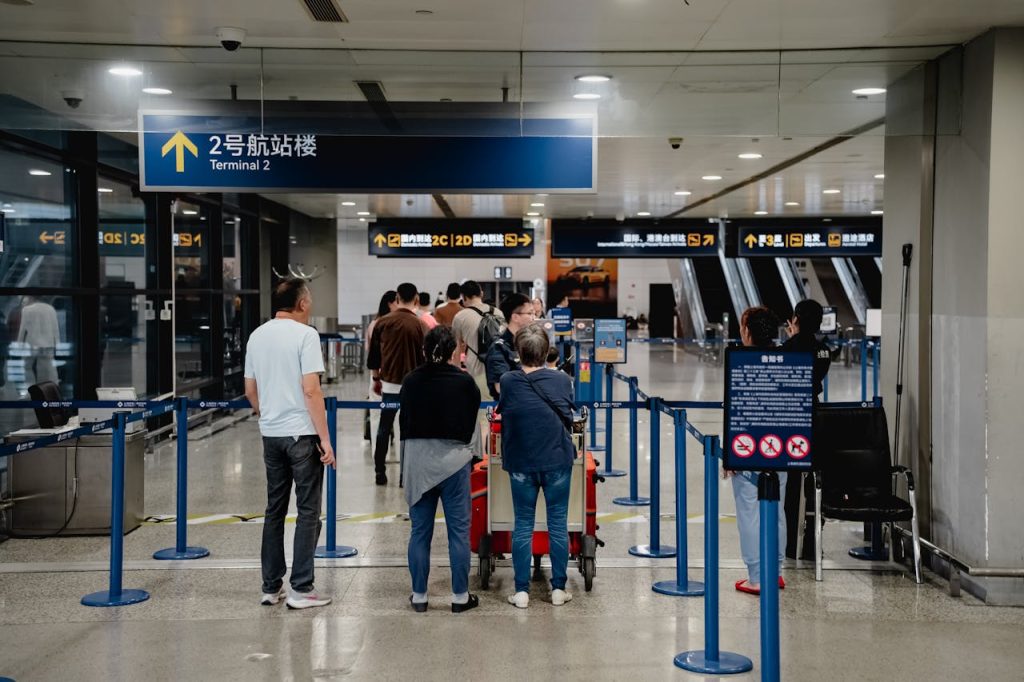
Cutting Lines At Security And Checkpoints. Treating queues as optional or attempting to fold into fast-track lanes without credentials breaks the shared logic that makes checkpoints efficient, and impatience in a line usually costs more time when staff intervene. Preparing documents, following posted guidance, and accepting a brief wait transforms a potentially tense bottleneck into a predictable flow; when someone short-circuits that order, staff must manage the conflict and the delay that follows. Respecting the queue protects orderly movement, shortens delays for everyone, and makes the daily choreography of travel less prone to public complaints or humiliation.
Hogging Overhead Bin Space Unnecessarily
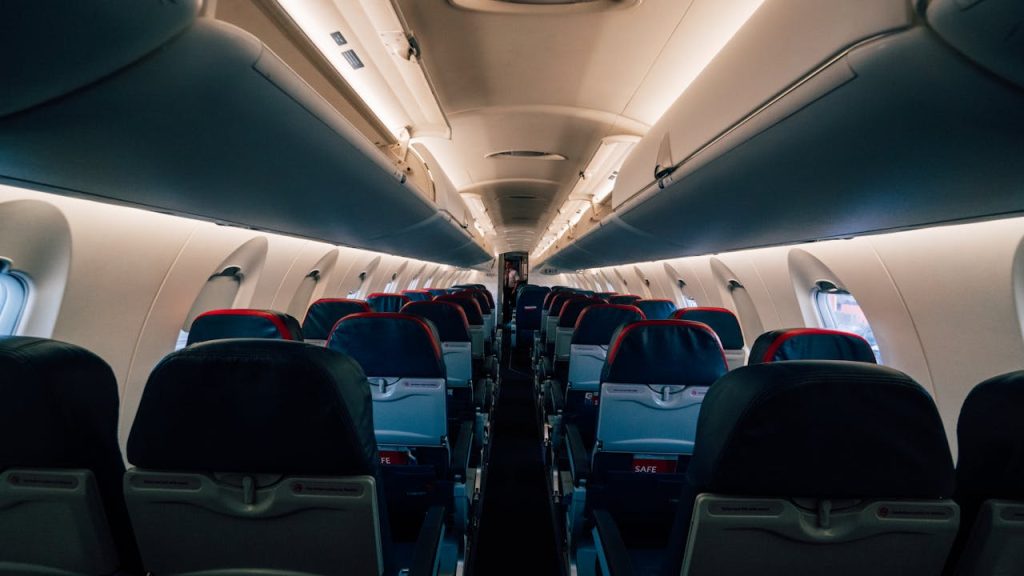
Hogging Overhead Bin Space Unnecessarily. Storing multiple carry-ons above a single row, reserving space for absent companions, or insisting on oversized bags when others must gate-check essentials turns boarding into a choke point and signals a claim on shared infrastructure. Consolidating items under seats, asking a neighbor before taking shared space, and gate-checking nonessential items speed boarding and reduce the risk of heated exchanges in tight cabins. The little restraint of packing more deliberately preserves goodwill during a fraught moment, makes deplaning quicker, and spares staff the extra labor of resolving disputes over space that could have been avoided with a small change in habit.
Ignoring Quiet Zones And Noise-Sensitive Areas

Ignoring Quiet Zones And Noise-Sensitive Areas. Quiet cars, low-noise hotel floors, and dedicated work pods exist so people can focus, sleep, or recover; treating those spaces as general social zones undermines design choices meant to support a range of needs. Observing posted rules, lowering volumes, and moving to livelier areas when conversation picks up protects the function of those spaces and signals situational awareness that helps everyone on a trip. Respecting quiet zones reduces friction between different kinds of travelers, preserves the intended uses of those spaces, and prevents small annoyances from escalating into loud confrontations that slow movement and spoil travel time.
Assuming Local Customs Mirror Home
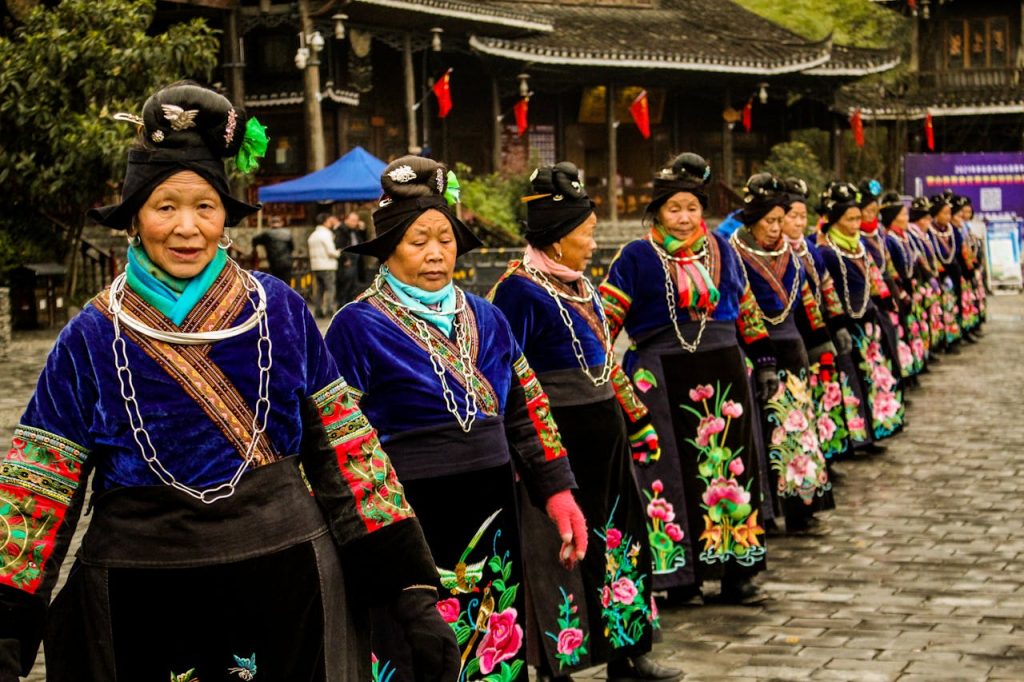
Assuming Local Customs Mirror Home. Treating a foreign street, site of worship, or marketplace as though it mirrors familiar hometown norms creates predictable discomfort because gestures, dress, and rituals carry very different meanings across places. Learning a few phrases, watching how residents behave in public, and following posted guidance in sacred or private spaces signals respect and curiosity rather than entitlement. That willingness to adapt turns travel into a conversation between cultures, avoids cultural missteps that can feel deeply personal to hosts, and often opens doors to hospitality that a careless presence would have closed.
Blocking Sidewalks And Scenic Spots For Photos
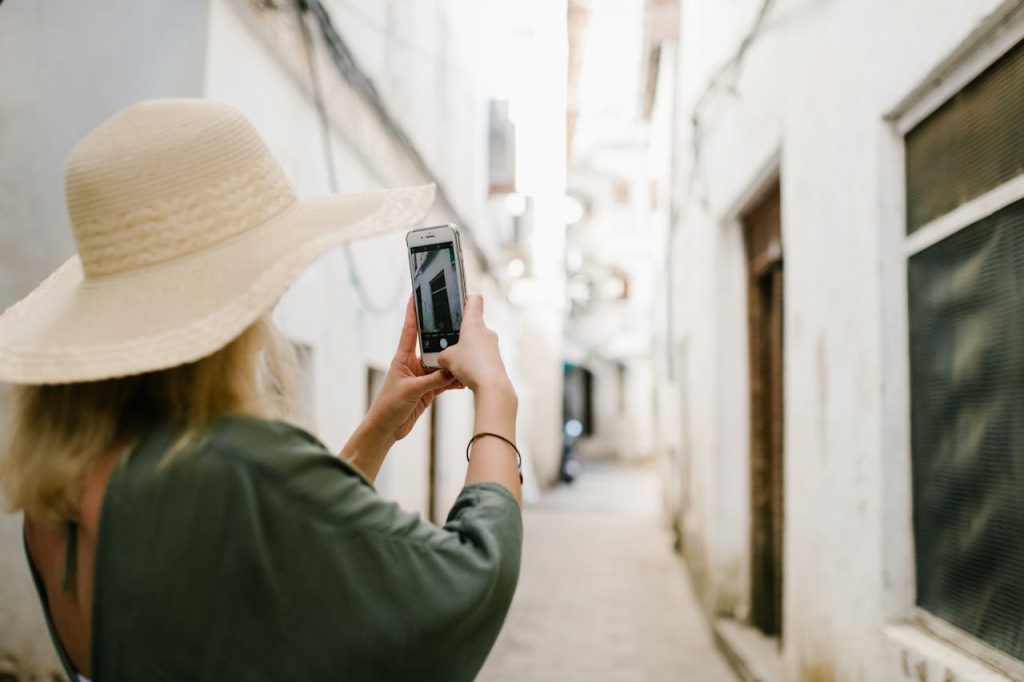
Blocking Sidewalks And Scenic Spots For Photos. Stopping mid-path to recompose a shot, deploying a tripod on a narrow promenade, or staging a group picture in a busy viewpoint disrupts local movement and raises safety concerns in crowded locations. Good photo etiquette is as much about timing, placement, and consent as it is about composition: stepping aside, using off-peak hours, or asking permission to occupy space yields better pictures and keeps crowds flowing. That small courtesy prevents frustration for locals and other visitors, reduces the chance of accidents, and produces images that feel truer because they occur within, rather than against, the life of a place.
Overtipping Or Insisting On Cash-Only Deals
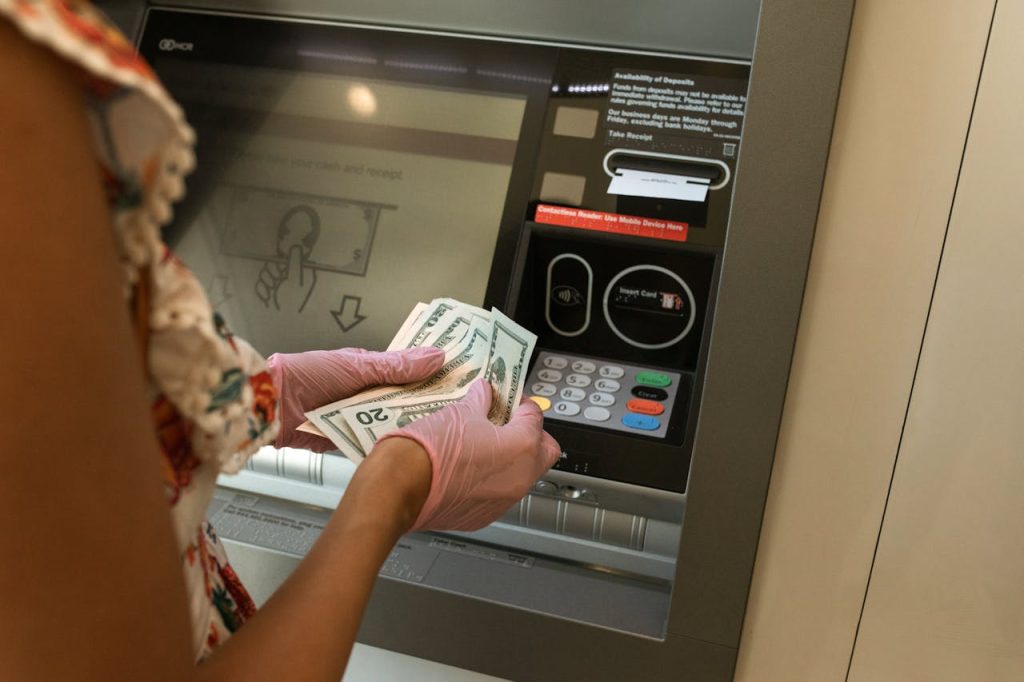
Overtipping Or Insisting On Cash-Only Deals. Offering very large tips in cash or insisting that vendors accept bills for convenience can complicate workers’ routines, create tax or distribution headaches, and unintentionally privilege one form of payment over another in systems that now prefer traceable digital transfers. Asking how staff prefer to receive gratuities, following posted pooling practices, and using recommended platforms prevents awkwardness and ensures tips reach intended teams rather than creating compliance problems for employees. Respecting local payment norms preserves generosity while avoiding the practical complications that can follow well-meant gestures.
Refusing To Use Contactless Payments Or Apps
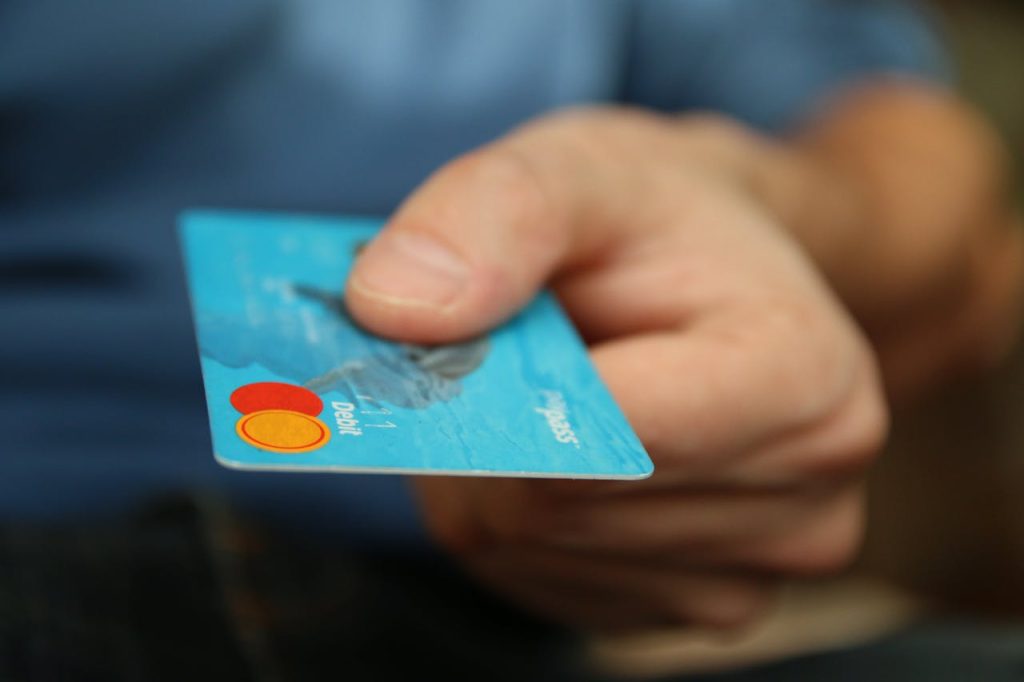
Refusing To Use Contactless Payments Or Apps. Declining to adopt common local apps or contactless payments slows transactions, forces staff into manual workarounds, and can exclude small vendors who have streamlined around digital tools; insisting on currency alone creates friction in settings that value speed and traceability. Carrying a minimal, preloaded digital wallet, asking for a quick tutorial, or using universally accepted options shows adaptability and spares service workers extra tasks. That modest openness smooths everyday transactions, reduces paper waste, and signals willingness to meet local practices halfway instead of demanding legacy conveniences.
Wearing Shoes Inside Sacred Or Private Sites

Wearing Shoes Inside Sacred Or Private Sites. Walking into certain temples, community shrines, or private homes with shoes on treats domestic and ritual spaces as interchangeable with public sidewalks, and skipping the simple act of removing footwear can feel inattentive or disrespectful. Carrying socks, a small wrap for modesty, and following hosts’ cues are tiny practices that protect floors, respect ritual boundaries, and spare the awkward apologies that follow a misstep. Observing those cues turns entry into a gesture of regard, preserves fragile objects and floors, and signals awareness of the shared norms that make hospitality possible.
Expecting Full-Service Experiences Everywhere

Expecting Full-Service Experiences Everywhere. Anticipating table service, concierge-level handling, or repeated waiter attention in contexts built for speed and turnover creates pressure for staff and misreads local business models that favor kiosks, pick-up counters, and streamlined operations. Checking menus and signage, using available self-service tools, and adapting expectations to how a place chooses to operate keeps transactions efficient and preserves goodwill between guests and frontline teams. That pragmatic flexibility protects both the traveler’s needs and the staff’s capacity, turning possible frustration into a smoother exchange.
Bringing Oversized Luggage On Small Transit
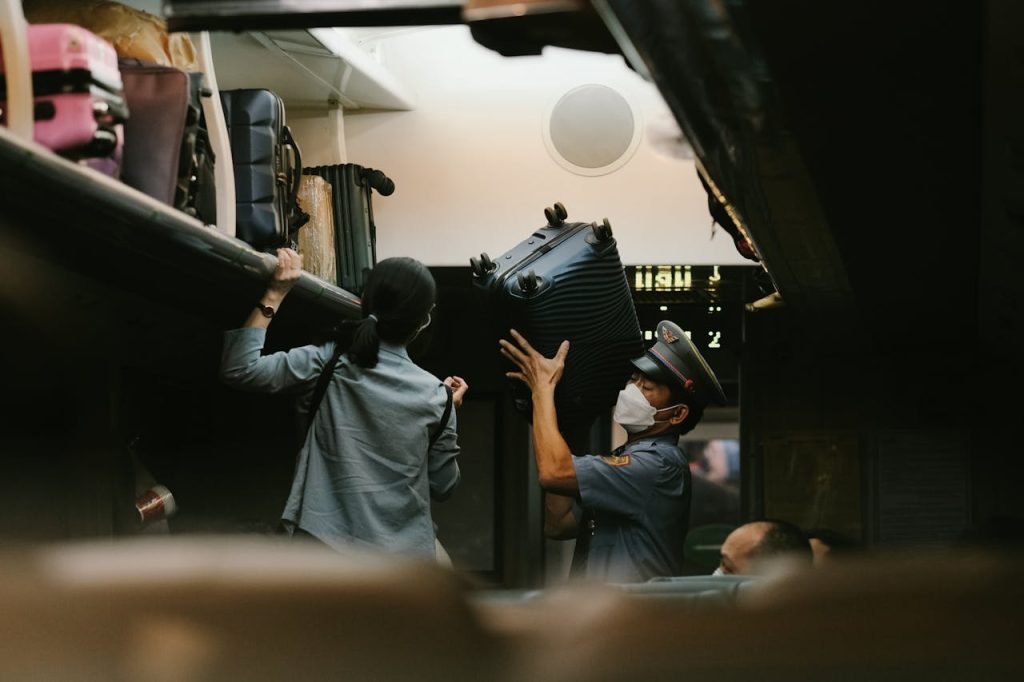
Bringing Oversized Luggage On Small Transit. Hauling large suitcases onto compact ferries, minibuses, or regional trains imposes on fellow passengers and crews who manage limited storage and narrow aisles, and older baggage habits sometimes misread the spatial constraints of local services. Shipping excess items ahead, picking services that accept large bags, or packing lighter, modular luggage protects personal comfort and the experience of neighbors while keeping schedules reliable. Thoughtful packing and luggage choices reduce delays, ease crews’ work, and help travelers remain welcome on crowded local routes and shared transit.