13 “Boomtowns” That Travelers Are Now Avoiding Due to Traffic
A shift is unfolding across fast growing destinations where bright opportunity and cultural energy once drew easy movement. As neighborhoods expanded and populations spiked, the basic act of getting around became more complicated. Streets that once felt open now require patience, and parking has turned into a kind of local currency. Travelers still admire the music, scenery, or food that shaped each boomtown, yet the growing congestion cannot be ignored. Many now adjust plans, visiting during quieter windows or staying within walkable pockets to preserve a sense of ease.
Austin, Texas
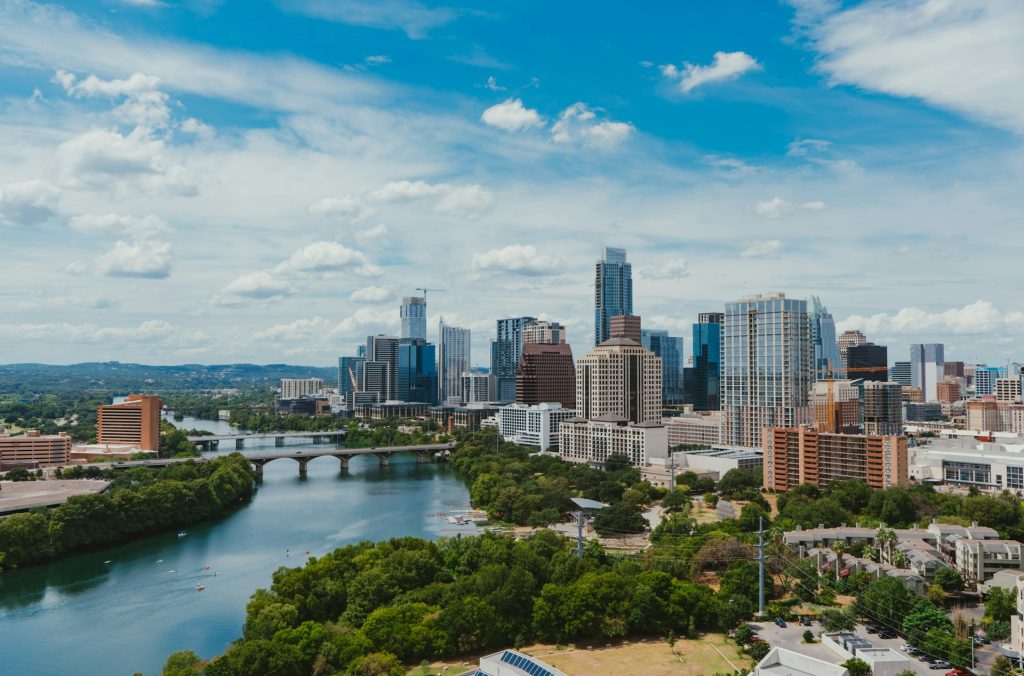
Austin still feels alive with creativity, but rapid growth has pushed far more vehicles into a limited grid that struggles to absorb the pace. Even short drives between parks, venues, and lakes often stretch as drivers navigate construction, lane shifts, and festival closures. What was once a casual hop between neighborhoods has become something that requires intention and extra time. Visitors often settle into a single district to avoid the grind of repeated crossings. Early mornings and late nights offer some relief, allowing people to enjoy the city without feeling stalled in motion.
Nashville, Tennessee
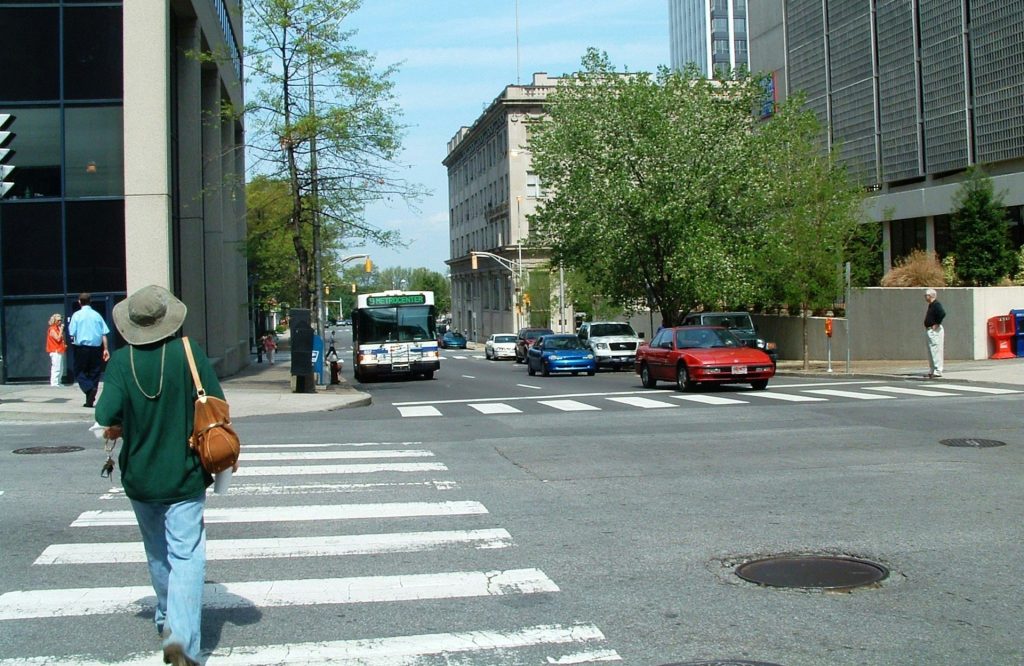
Nashville’s popularity brought new hotels, large events, and constant nightlife, but the road network around downtown never evolved to match this momentum. Congestion thickens around concert halls and bars where rideshares queue for long stretches. Even quick trips between Gulch, Midtown, and Broadway can feel unpredictable. Locals know which streets to avoid at certain hours, but visitors rarely have that advantage. Many now choose one neighborhood per evening, trusting that staying put allows richer experiences. Slowing down becomes less a compromise and more a practical way to enjoy the city’s rhythm.
Charleston, South Carolina

Charleston’s charm lies in its historic layout, but the narrow streets that define the city invite bottlenecks whenever tourism climbs. Parking scarcity forces drivers to loop repeatedly, and restoration work often narrows lanes even further. A short drive across the peninsula may take far longer than expected, changing how people plan meals or sightseeing. Visitors increasingly choose to explore by foot or join guided experiences that eliminate the hassle of finding a place to park. By embracing smaller geographic goals each day, travelers end up seeing Charleston with less frustration and more appreciation.
Sedona, Arizona
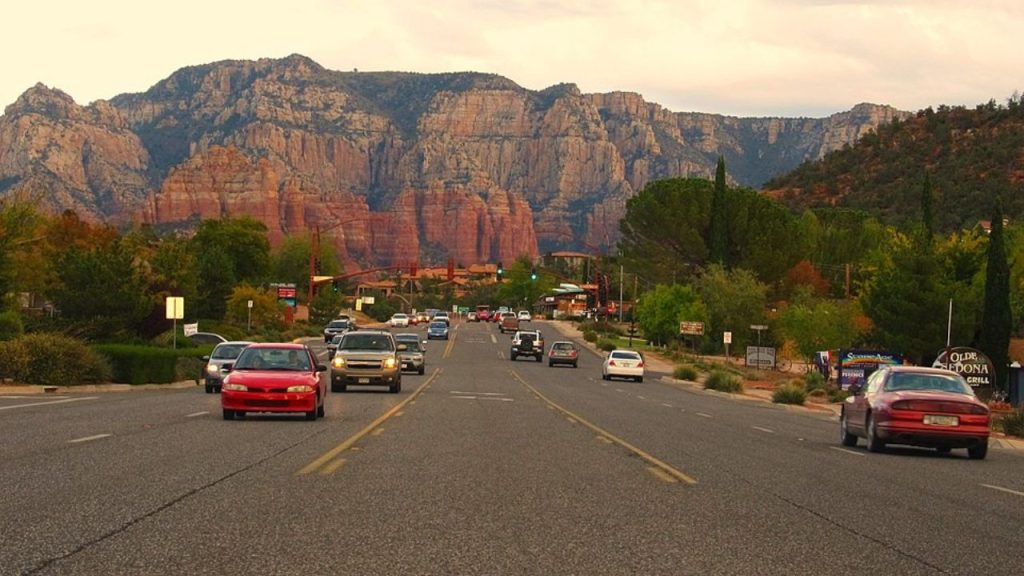
Sedona’s appeal has never been stronger, yet its natural beauty is paired with roadways that cannot keep up with demand. Trailhead lots fill early and spillover crowds slow traffic along scenic routes. Searching for parking often becomes part of the morning ritual, and midday movement can stall entirely. Shuttle systems help but struggle during peak weeks. Travelers who schedule hikes at sunrise or anchor themselves in quieter neighboring towns avoid the worst of it. When movement is planned carefully, Sedona returns to the peaceful backdrop people imagine instead of a string of slow moving cars.
Bozeman, Montana
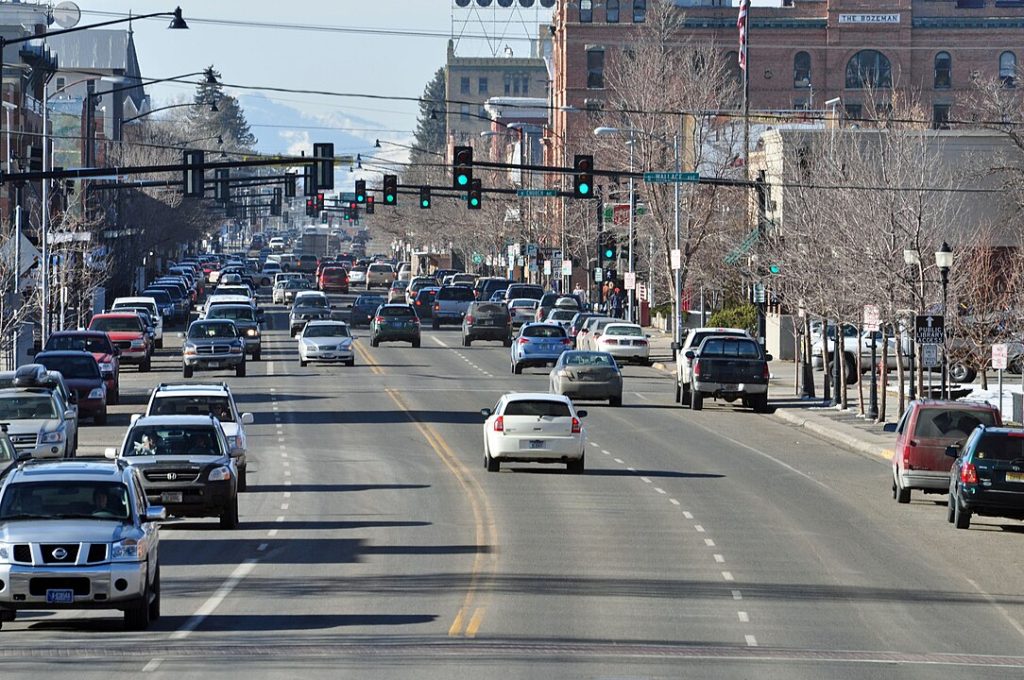
Bozeman transformed rapidly from a low key mountain town into a hub for tech workers, students, and outdoor travelers, and its infrastructure has strained under the shift. Airport traffic, downtown growth, and steady recreation flows all fold into roads never built for such volume. Construction aimed at improving capacity often narrows lanes and slows everything further. Parking near trailheads and cafes fills early which complicates loose itineraries. Visitors who choose midweek travel or stay close to preferred activities often enjoy calmer days. Planning ahead has become essential for anyone hoping to move freely.
St. George, Utah
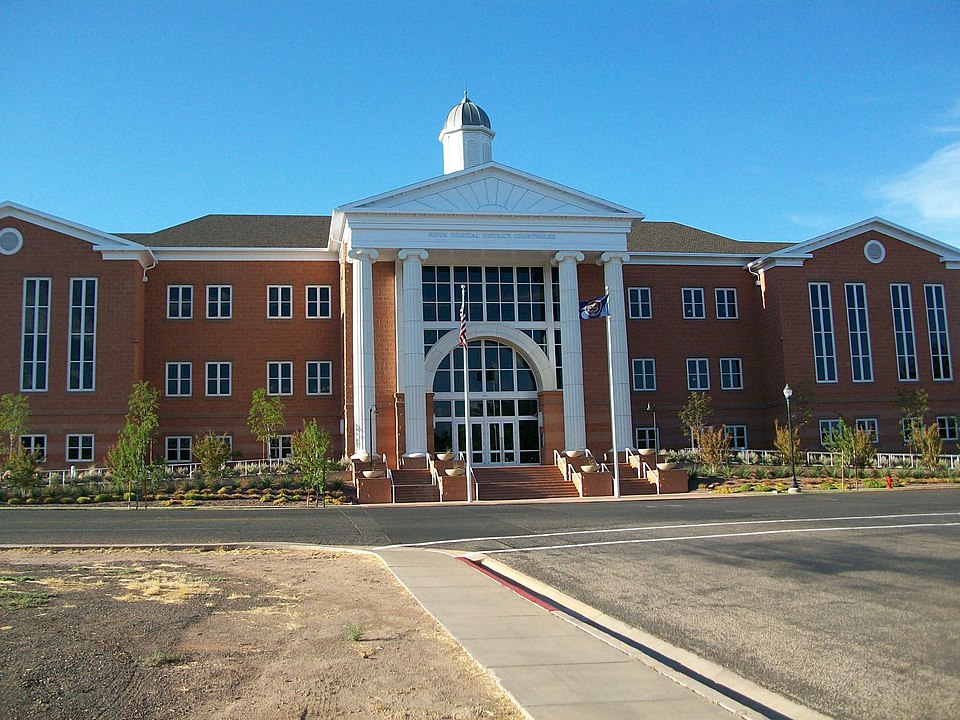
St. George has become a favorite warm weather escape and a launch point for major parks, but both roles funnel heavy traffic into a single corridor. Weekends bring long lines near trailheads and scenic pullouts, and parking disappears quickly across popular areas. Shuttle options help but cannot completely absorb seasonal rushes. Even simple drives may require patience as vehicles stack along narrow routes carved through the desert. Travelers who set out before sunrise or seek quieter state parks often find a better balance between exploration and comfort. Adjusting expectations leads to smoother and more enjoyable days.
Raleigh, North Carolina
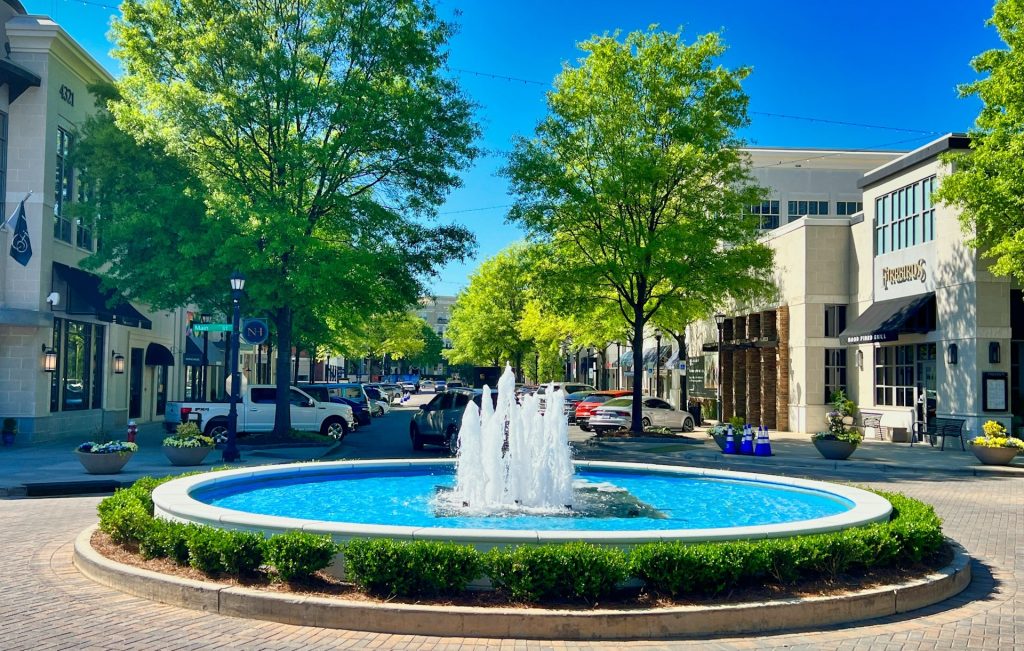
Raleigh’s steady expansion in research, universities, and neighborhoods added layers of traffic to roads built for a smaller city. Construction attempts to keep pace yet slows travel as crews rework key arteries. Weekend traffic now feels similar to weekday rush hours which catches visitors off guard. Crossing between museums, breweries, and entertainment areas often requires more planning than maps suggest. Many travelers choose lodging in walkable clusters or schedule activities during softer windows. With a little intention, the city becomes easier to navigate and its creative energy becomes far more accessible.
Bend, Oregon
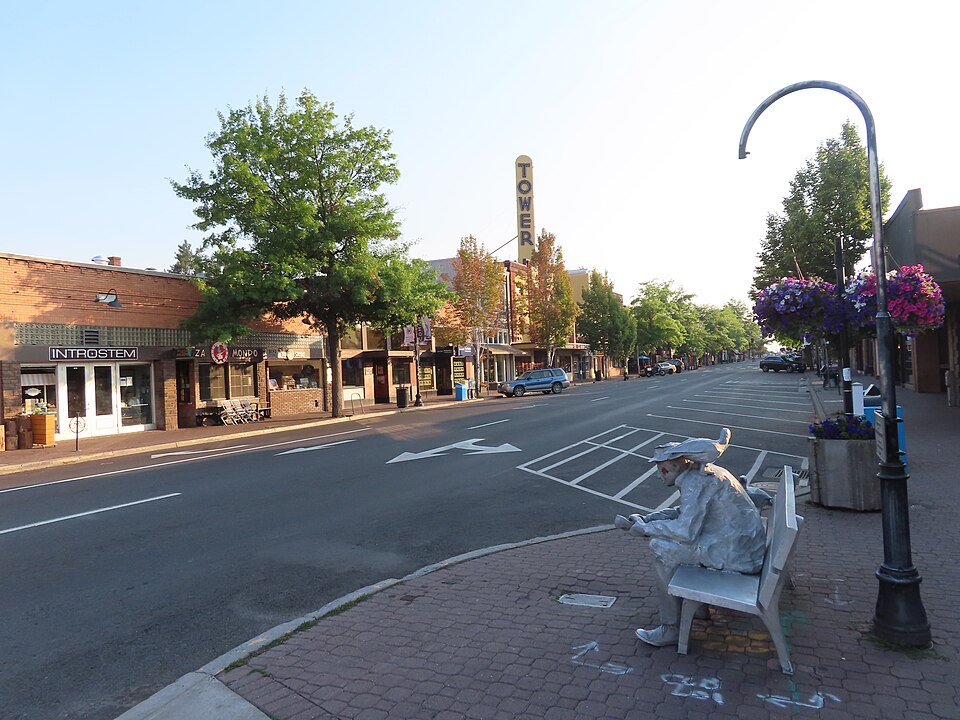
Bend’s rise as a four season playground pushed its limited infrastructure into near constant motion. Bridge crossings and narrow connectors create choke points, especially as river floaters, lake goers, and skiers all depend on the same pathways. Parking at scenic spots fills quickly, and those searching for spaces unintentionally slow the flow even more. Seasonal shuttles and bike routes ease pressure but do not eliminate delays. Visitors who plan activities in clusters or choose to bike between neighborhoods often experience smoother movement. Staying flexible helps Bend feel more like the relaxed mountain town people imagine.
Naples, Florida
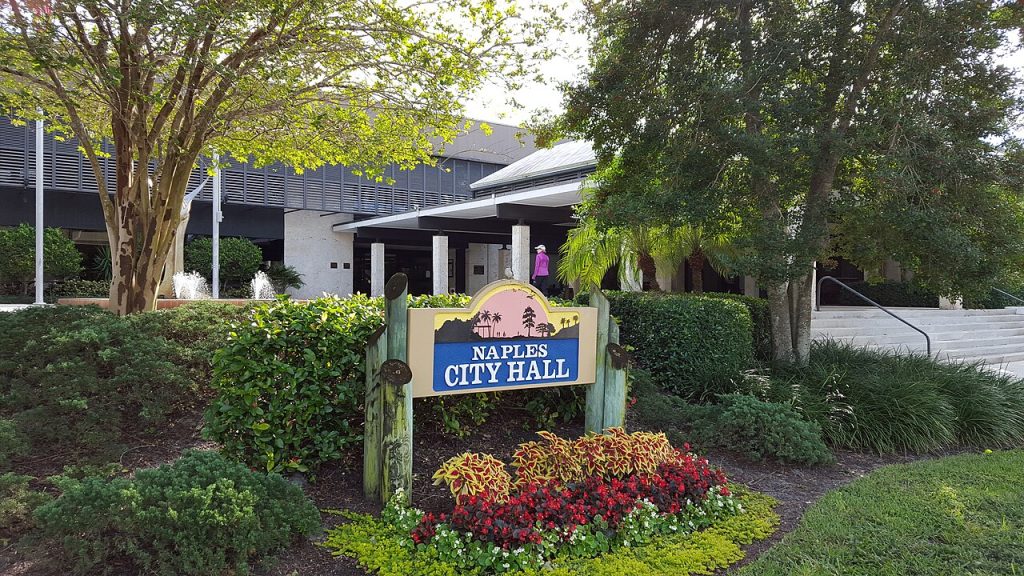
Naples draws waves of winter residents and tourists whose collective presence overwhelms coastal corridors. Beach access routes fill early with drivers seeking parking near the pier or waterfront parks. A short trip for a meal or sunset view may unfold slowly as traffic crawls through busy intersections. The charm of the shoreline remains, but reaching it can test patience during peak months. Travelers who aim for shoulder seasons or rely on local shuttle services discover a calmer version of the city. The slower pace encourages people to linger and appreciate small moments rather than rush from place to place.
Santa Fe, New Mexico
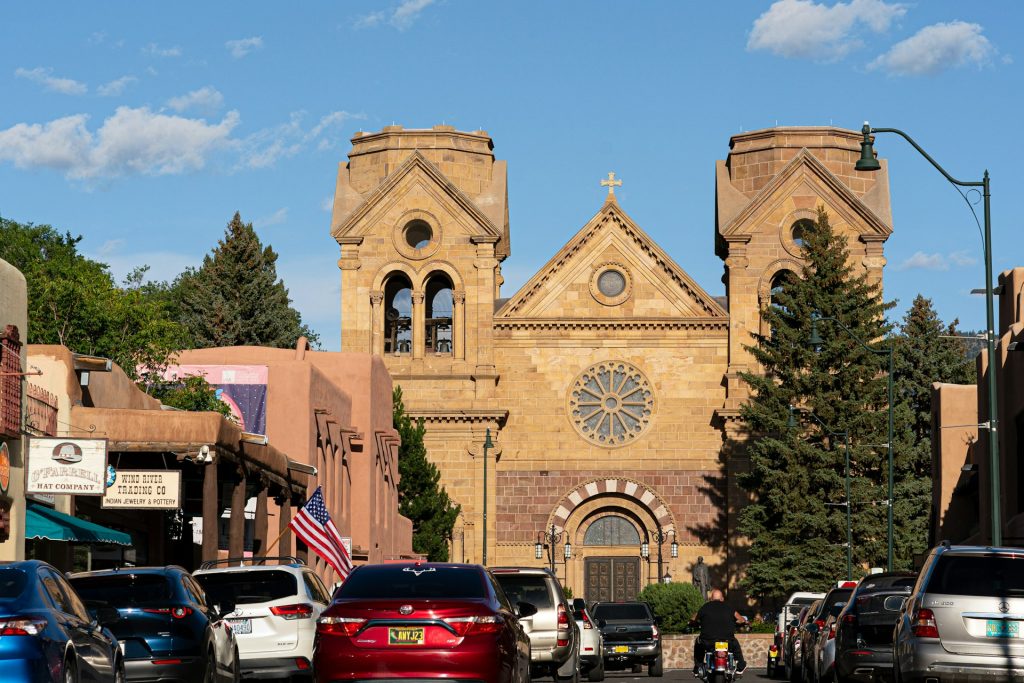
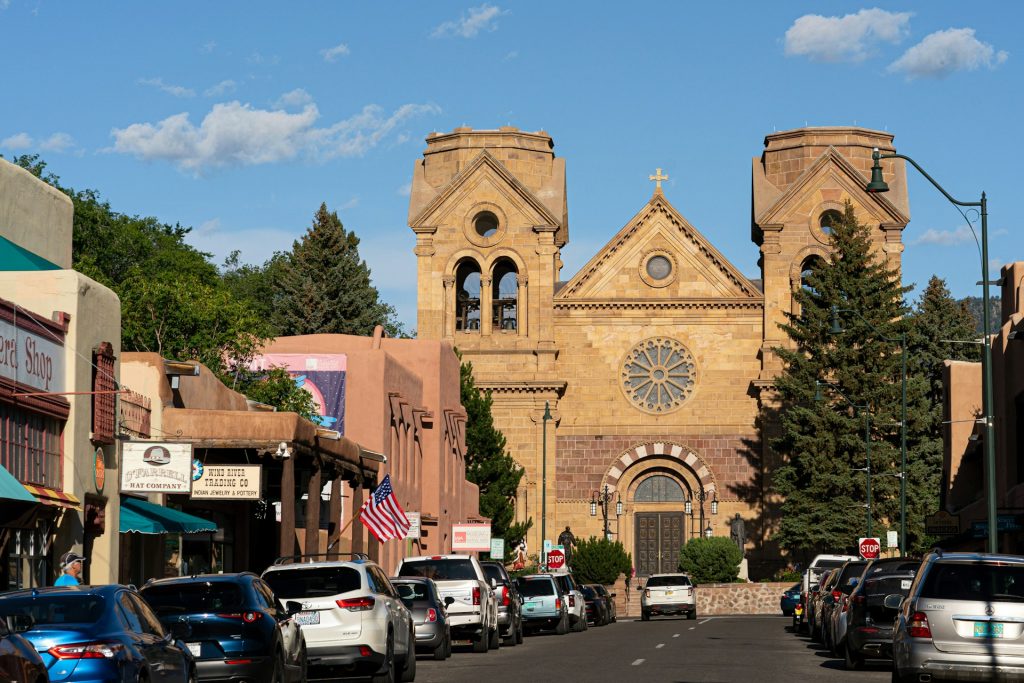
Santa Fe’s distinct architecture and compact historic district were never designed for heavy vehicle flow. Festivals, art markets, and seasonal gatherings pull large crowds into narrow streets where parking is limited. Lane closures for restoration work add more complications, turning short drives into longer navigations through side streets. Many visitors avoid the stress by basing themselves near the plaza and walking to most destinations. The city reveals more of its character when movement is unhurried, allowing travelers to absorb details that would be lost while circling for a space to park.
Myrtle Beach, South Carolina

Myrtle Beach’s long shoreline and family attractions attract crowds that move along the same popular boulevards. Midday traffic thickens near hotels, shops, and entertainment spots which slows even simple loops along the strip. Parking becomes a challenge as vehicles compete for limited spots near the beach. Longer waits and unpredictable movement can reshape daily plans which surprises first time visitors. People who arrive early or shift activities into evening hours typically enjoy smoother movement. Visiting outside peak summer months provides a clearer look at the relaxed coastal spirit that defines the area.
South Lake Tahoe, California
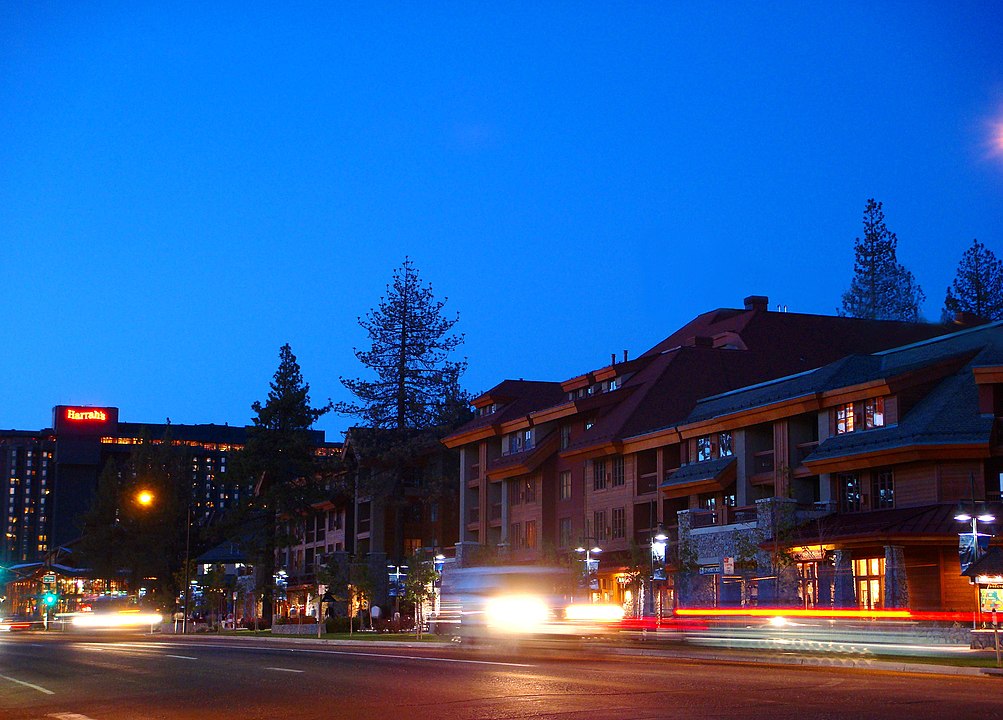
South Lake Tahoe’s mountain setting creates a beautiful but challenging environment for travel. Limited roads wind around steep terrain and fill quickly during holidays, ski season, and warm weather weekends. A stalled vehicle or sudden closure can turn one delay into hours of backup. Lakeside access points reach capacity early which forces drivers to search for parking or rely on shuttles. Many visitors choose to cluster activities near where they stay or use public transit for reliability. Early departures allow more time on trails and beaches and less time sitting in the car.
Asheville, North Carolina
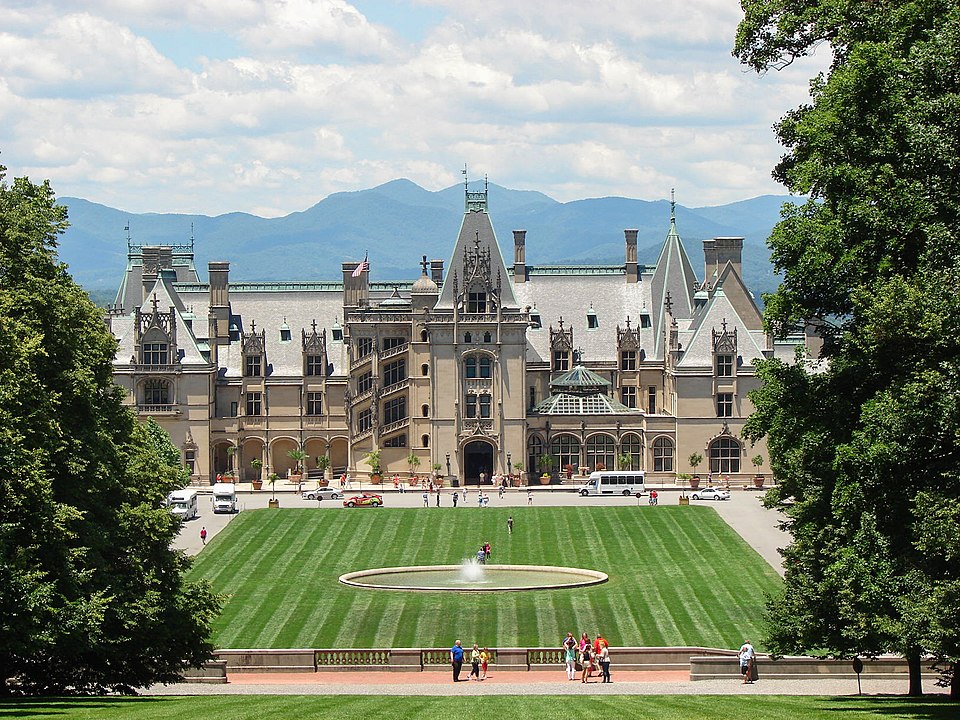
Asheville’s creative identity and mountain access brought steady growth, and its roads now carry far more vehicles than they once did. Autumn remains the most intense season as leaf watchers fill the Blue Ridge Parkway and downtown streets at the same time. Parking becomes scarce and simple cross town trips can stretch far longer than expected. Visitors often choose weekdays, book stays near central attractions, or commit to exploring on foot. Letting go of tight schedules helps people appreciate Asheville’s mix of scenery, music, and food without the stress of constant traffic.