13 Cities in Europe with Easy Access Airports But Wary of American Jets
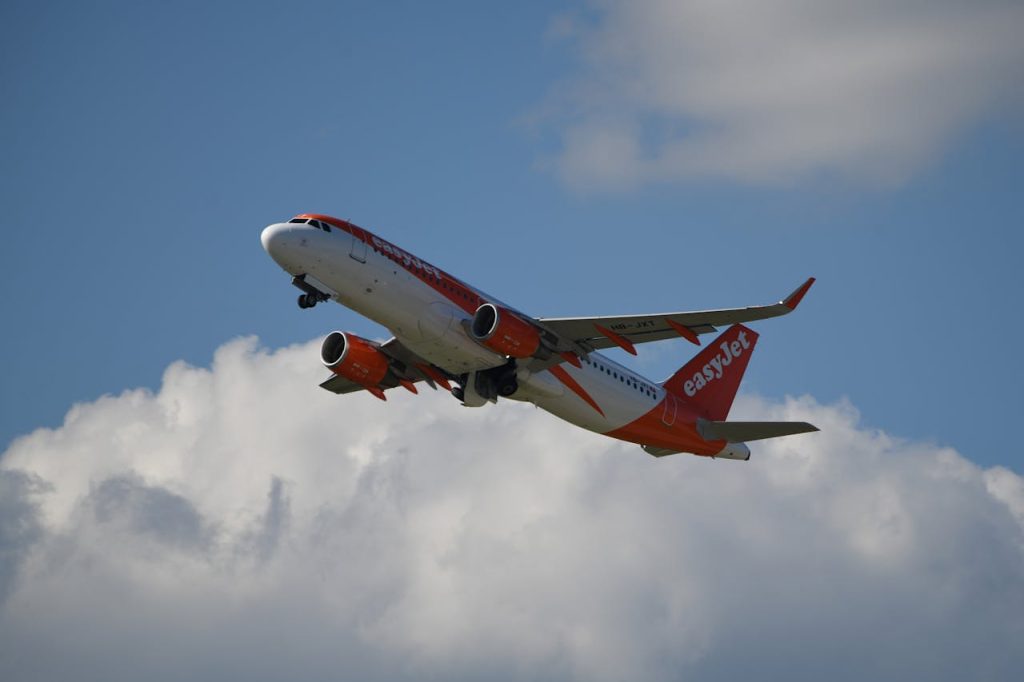
Europe remains a premier destination for international travelers, offering a wide array of cities with major airports that facilitate easy entry and connections. However, recent regulatory changes and environmental concerns have prompted several European airports to implement new restrictions or increased oversight regarding American jets. These measures are often aimed at reducing noise pollution, improving sustainability, and ensuring compliance with evolving aviation standards. While airport access remains generally smooth, travelers should be aware that American carriers may face delays, rerouting, or even flight caps at certain hubs. This guide covers 13 European cities where airport access is convenient, but American jets are subject to evolving restrictions, providing travelers with essential information for planning transatlantic journeys.
Amsterdam, Netherlands
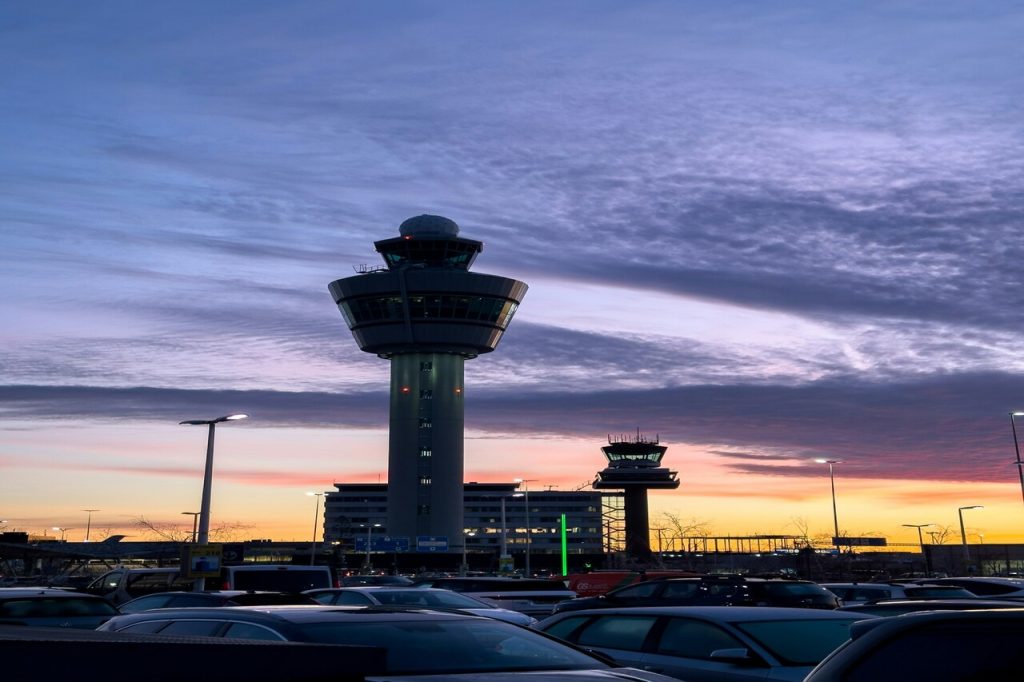
Amsterdam Schiphol Airport is one of Europe’s busiest aviation hubs, renowned for its efficiency, modern facilities, and extensive international connections. The airport serves as a major gateway for transatlantic travelers and is a vital hub for both commercial and cargo operations. However, recent regulatory changes have led Dutch authorities to impose strict noise reduction measures, including a cap on the annual number of flights and restrictions on night operations. These measures aim to address local environmental concerns and improve quality of life for nearby communities, but they have sparked legal challenges and diplomatic tensions with the United States. American airlines, including Delta, have voiced concerns about potential disruptions to their established routes, arguing that such restrictions could violate international aviation agreements. Travelers arriving on larger American jets may experience delays, rerouting, or even temporary flight caps, particularly during peak hours or when noise regulations are in effect. Despite these hurdles, Schiphol’s central location and excellent public transit continue to make it a preferred entry point for global travelers.?
Dublin, Ireland
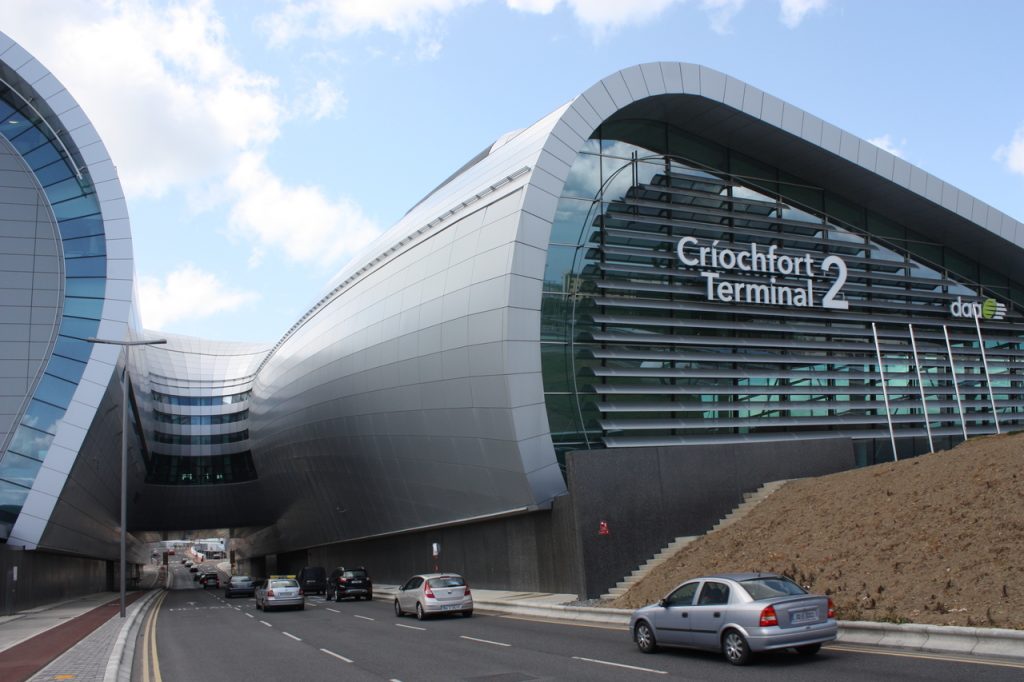
Dublin Airport is a key gateway for transatlantic flights, known for its efficient layout, modern facilities, and direct rail links to the city center. The airport serves as a popular entry point for U.S. travelers due to its extensive connections and streamlined operations. However, recent legal challenges have resulted in temporary caps on passenger numbers and flight frequencies, primarily to address local noise complaints and environmental impact. These restrictions have raised concerns among American airlines, which argue that such measures could disrupt established routes and violate international aviation agreements. Despite these issues, Dublin remains a top choice for travelers, offering easy access to Ireland’s vibrant capital and surrounding regions. Travelers should be aware that larger American jets may face delays or rerouting, especially during periods of heightened regulatory scrutiny or legal proceedings. Dublin’s central location and efficient public transit make it a convenient entry point, but those arriving on U.S. carriers should stay informed about possible disruptions.?
Lisbon, Portugal
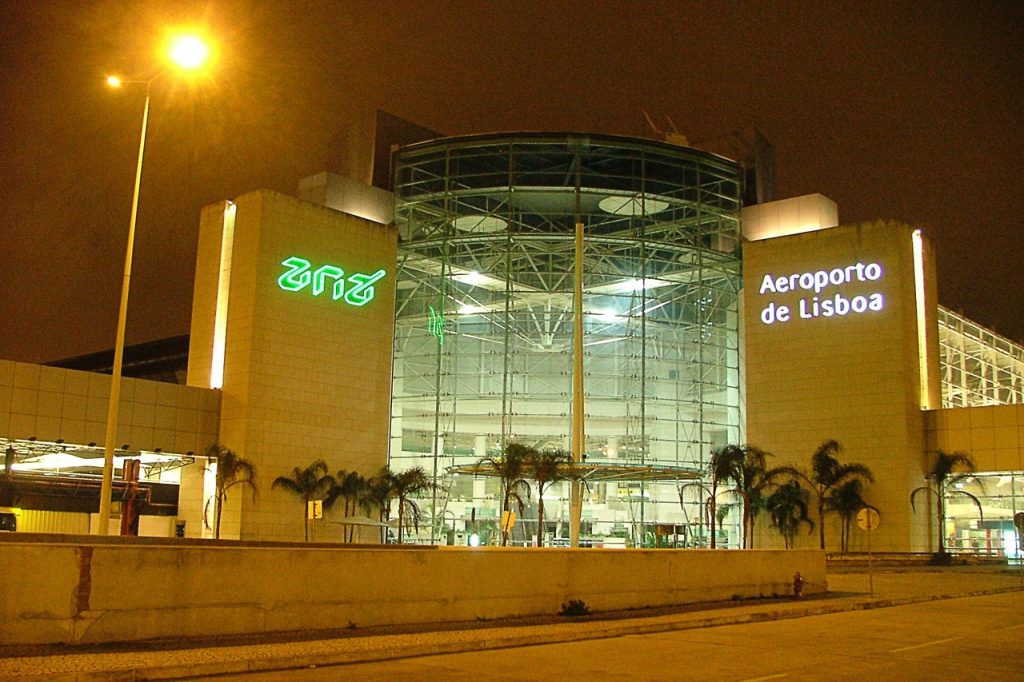
Lisbon Portela Airport is a significant entry point for transatlantic travelers, offering easy access to Portugal’s capital and surrounding regions. The airport is known for its modern facilities, efficient operations, and extensive international connections. However, recent regulatory changes have led to increased scrutiny over access for American jets, with local authorities citing noise pollution and sustainability concerns. JetBlue Airways has warned of potential legal action if these restrictions persist, highlighting ongoing tensions between U.S. carriers and Portuguese authorities. Lisbon’s airport remains a popular choice for travelers due to its direct rail links and central location, but those arriving on larger American jets may encounter delays, rerouting, or temporary flight caps. The airport’s expansion and modernization efforts continue, but travelers should be aware of possible disruptions or regulatory changes that could impact American carriers. Lisbon’s vibrant culture and scenic location make it a top destination, but those arriving on U.S. jets should stay informed about evolving airport policies.?
Paris, France
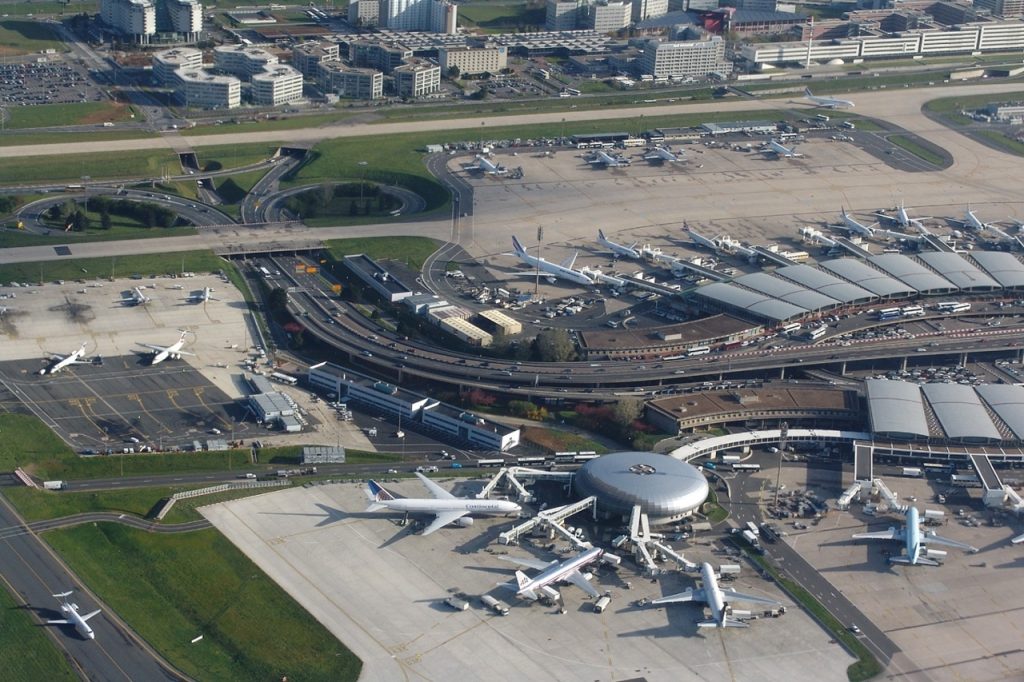
Paris Charles de Gaulle Airport is one of Europe’s largest aviation hubs, renowned for its extensive connections, modern facilities, and central location. The airport serves as a major gateway for transatlantic travelers, offering easy access to France’s capital and surrounding regions. However, recent operational disruptions due to strikes, renovations, and new noise reduction initiatives have impacted both commercial and cargo operators, especially those from the U.S. Night flight restrictions have been proposed to reduce noise pollution, affecting American carriers and raising concerns about compliance with international aviation agreements. Despite these challenges, Paris remains a top destination for international travelers, thanks to its efficient rail network and global connections. Travelers arriving on larger American jets may experience delays or rerouting, particularly during periods of heightened regulatory scrutiny or operational disruptions. Paris’s vibrant culture and scenic location make it a top choice, but those arriving on U.S. carriers should stay informed about possible disruptions or regulatory changes.?
Frankfurt, Germany
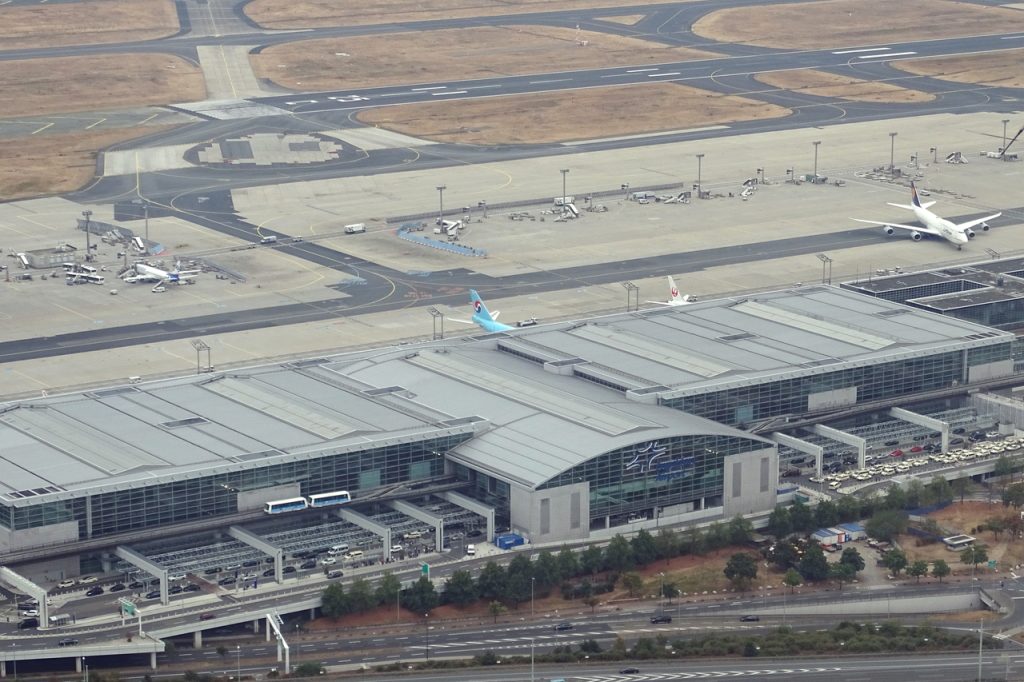
Frankfurt Airport is Germany’s busiest airport and a key transfer point for transatlantic flights. It is renowned for its efficiency, modern facilities, and extensive international connections. However, recent regulatory changes have led to increased scrutiny over access for American jets, with local authorities citing noise pollution and operational safety concerns. Frankfurt has experienced high rates of delays and cancellations due to technical failures, air traffic congestion, and labor strikes. Noise reduction measures and flight caps have also been discussed, affecting American carriers. Frankfurt’s efficient public transit and central location make it a preferred hub, but travelers should expect possible disruptions. Despite these challenges, Frankfurt remains a top choice for travelers due to its robust connections and streamlined operations.?
Munich, Germany

Munich Airport is renowned for its modern facilities and efficiency, making it a preferred hub for transatlantic travelers. The airport offers extensive international connections and direct rail links to the city center. However, recent regulatory changes have led to increased scrutiny over access for American jets, with local authorities citing noise pollution and operational safety concerns. Munich has seen proposals for limiting night flights and older aircraft types, impacting U.S. carriers. The airport’s direct rail link and easy access to the city center make it a top choice for travelers, but those arriving on larger American jets may face new restrictions. Despite these challenges, Munich remains a top destination for travelers due to its vibrant culture and scenic location.?
Brussels, Belgium
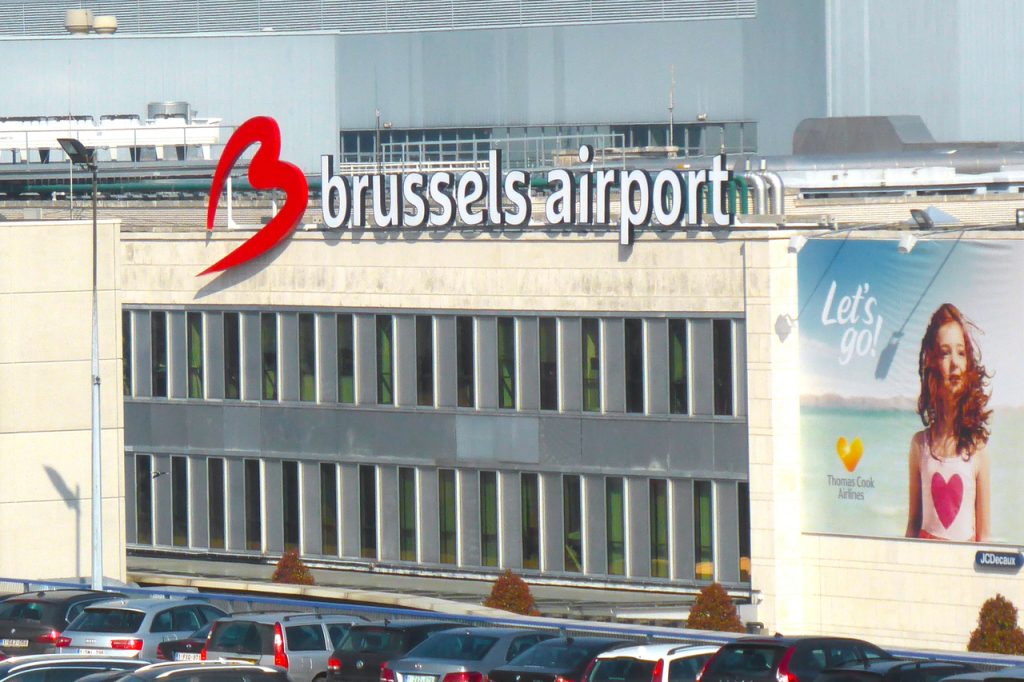
Brussels Airport has introduced strict night flight restrictions to reduce noise pollution and protect local residents. Between 11 PM and 6 AM, only flights with a valid night slot or special exception are allowed, with an annual cap of 16,000 night slots. On weekends, departures are banned during “quiet weekend nights,” allowing only arrivals. Marginally compliant aircraft, not meeting ICAO noise standards, are banned from night operations. These measures are part of broader EU efforts to minimize environmental impact and prioritize residents’ well-being. While Brussels remains a major European hub, travelers should be aware of possible disruptions, especially for late-night or early-morning flights. American airlines and cargo operators have raised concerns about potential route disruptions and compliance with international aviation agreements.
Zurich, Switzerland
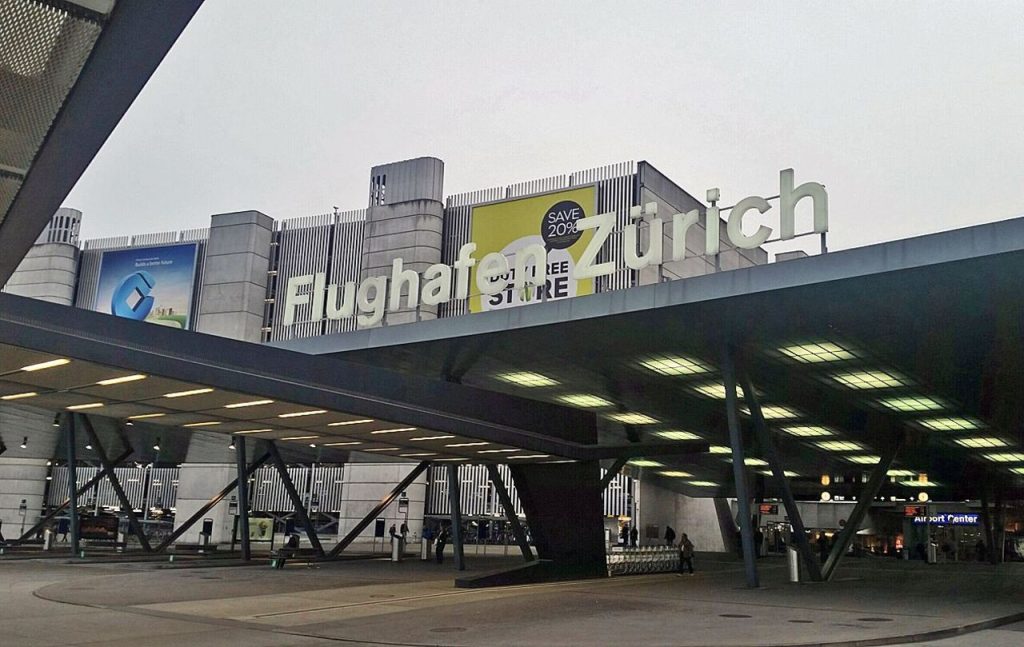
Zurich Airport is a major European hub, recognized for its efficiency, modern facilities, and excellent connectivity. The airport enforces a strict night flight curfew from 11:30 PM to 6:00 AM to address noise pollution and protect local residents. Only limited late departures are allowed between 11:00 PM and 11:30 PM, and flights after 11:30 PM require special approval. These measures are designed to minimize noise exposure for thousands affected by aircraft operations. Additional restrictions, such as higher noise surcharges and revised noise classifications, will be introduced from 2027. Despite these evolving regulations, Zurich remains a top choice for travelers due to its extensive international connections and central location. American carriers and larger jets may face operational hurdles, including limited night slots and surcharges, which could impact flight schedules. Travelers should be aware of possible disruptions, especially for late-night or early-morning flights, as Zurich balances environmental concerns with its role as a key European aviation hub.
Copenhagen, Denmark
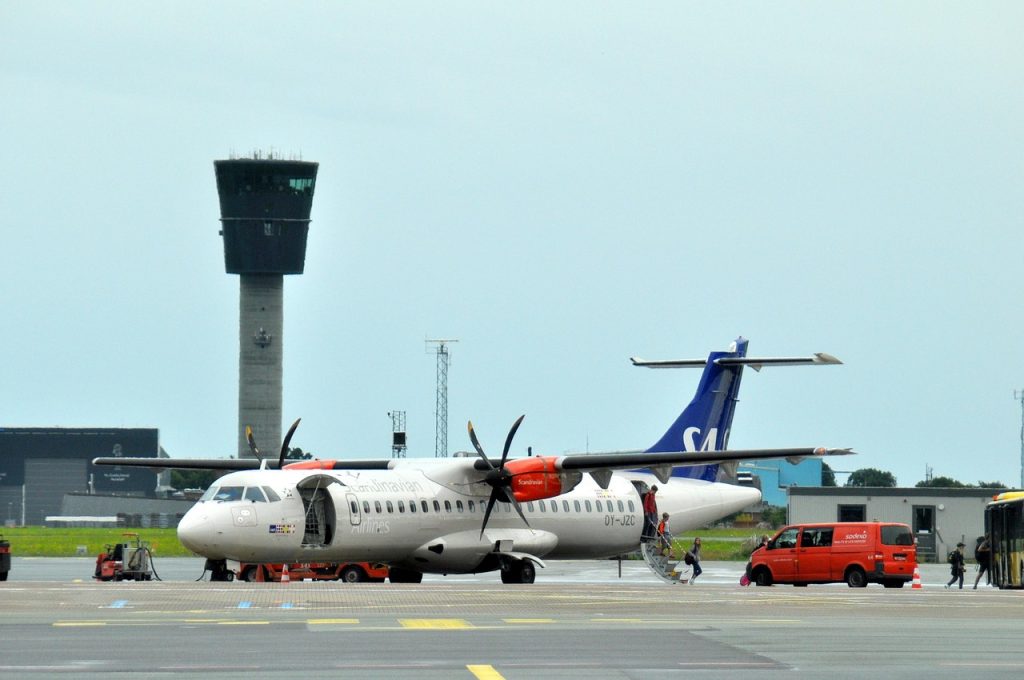
Copenhagen Airport is a major Scandinavian hub with modern facilities and strong connections. The airport is committed to minimizing noise and environmental impact, implementing strict noise reduction measures and an environmental permit that sets requirements for aircraft operations. Initiatives include the use of AI to monitor and reduce auxiliary power unit (APU) usage, which contributes to both noise and emissions. The airport collaborates with airlines to encourage investment in newer, quieter aircraft technologies and supports broader sustainability goals, such as achieving net-zero carbon emissions by 2030. These efforts may result in operational limitations for larger American jets and late-night flights, but they ensure cleaner, quieter air travel for local communities. Travelers should stay informed about evolving regulations, as Copenhagen Airport continues to balance environmental responsibility with its role as a leading European aviation hub.
Madrid, Spain
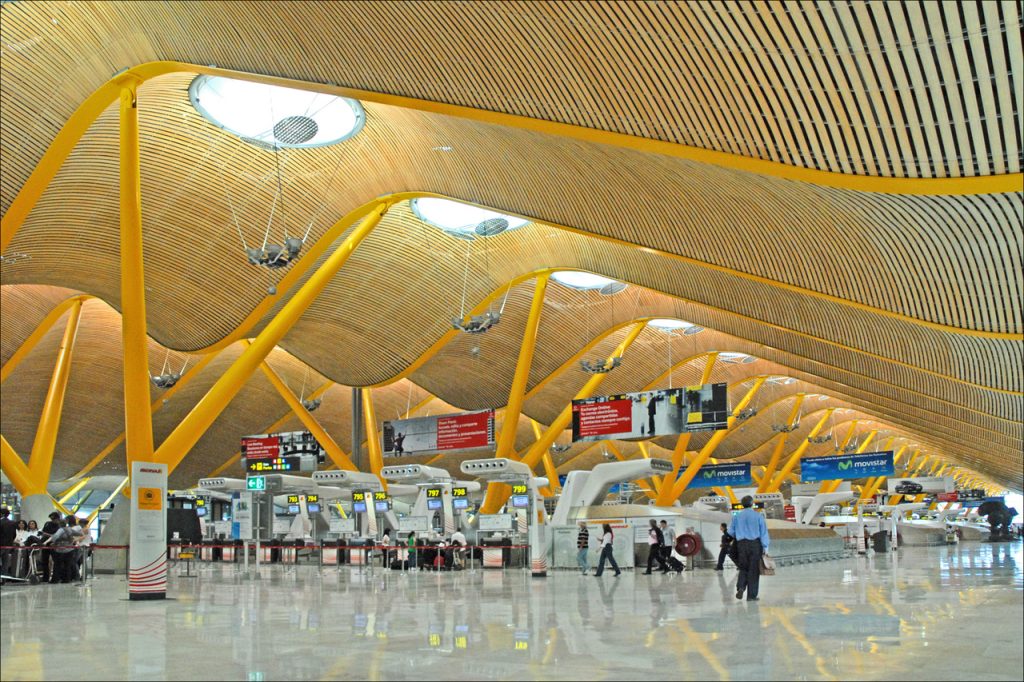
Madrid-Barajas Airport is Spain’s busiest airport and a key gateway for transatlantic flights. The airport has implemented a comprehensive noise reduction strategy, including restrictions on night operations, limits on reverse thrust and auxiliary power unit (APU) use at night, and a ban on older, noisier aircraft. These measures are designed to minimize noise pollution for surrounding communities, especially during sensitive hours. Madrid’s efficient public transit and central location make it a top choice for travelers, but those arriving on larger American jets may face new operational restrictions, particularly for late-night or early-morning flights. The airport’s modern facilities and extensive international connections continue to make it a leading European hub, despite evolving regulations focused on environmental sustainability and noise abatement. Travelers should stay informed about possible disruptions due to ongoing regulatory changes and operational adjustments.
Barcelona, Spain
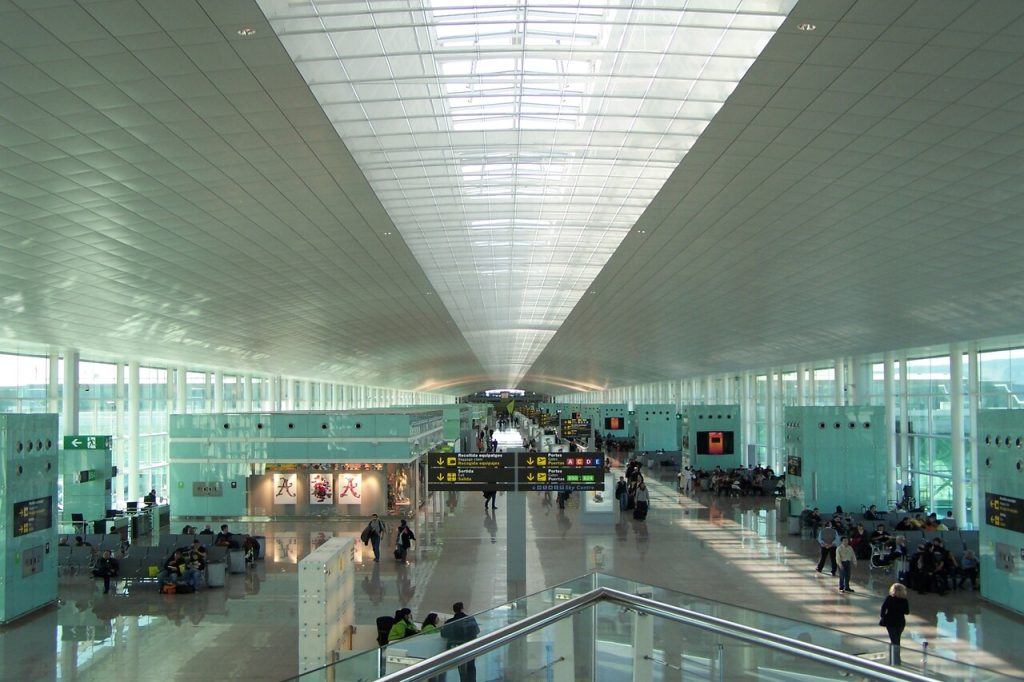
Barcelona El Prat Airport is a major European hub known for its direct rail links and central location, making it a top choice for travelers. The airport has faced persistent issues with delays and cancellations due to air traffic congestion and operational constraints. In response, new noise reduction measures and flight caps have been introduced to address community concerns and minimize environmental impact. These include restrictions on night operations, limits on the use of auxiliary power units, and preferential flight paths designed to reduce noise exposure for nearby towns. The airport also enforces a Noise Action Plan that outlines ongoing programmes to manage and reduce aircraft noise until 2028. While these measures support sustainability and community well-being, they may result in operational restrictions for larger American jets, especially during sensitive hours. Barcelona’s expansion and modernization efforts continue, but travelers should be aware of possible disruptions or regulatory changes that could affect flight schedules and connections.
London, United Kingdom
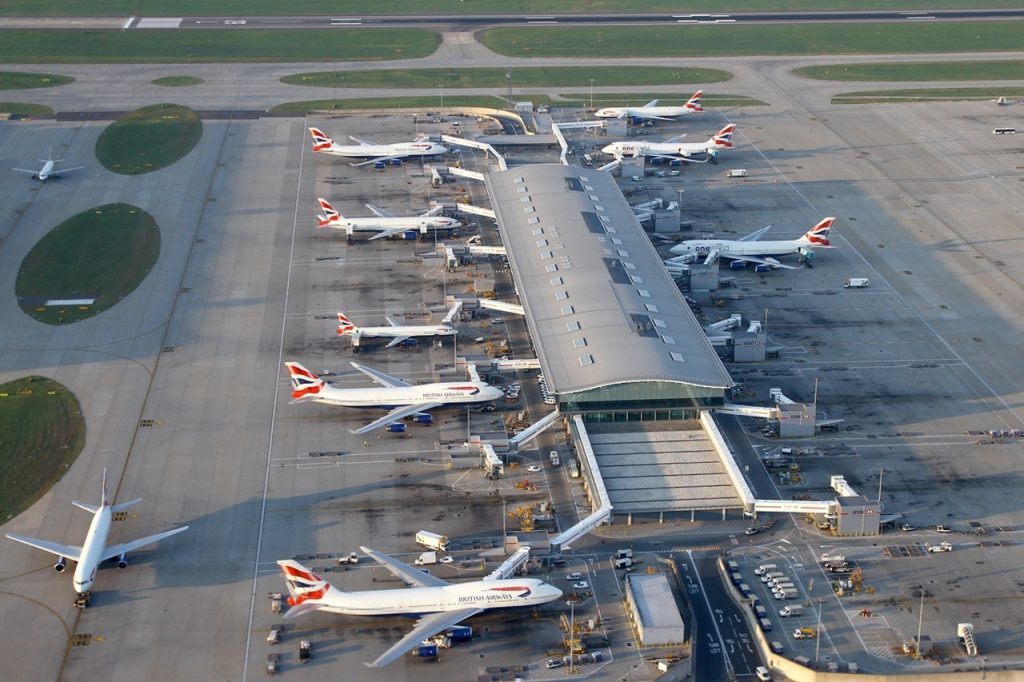
London Heathrow and Gatwick are major European hubs with extensive transatlantic connections, but both airports have faced delays, cancellations, and new noise reduction measures. Heathrow has implemented a Noise Action Plan (2024–2028) aiming to reduce noise disturbance by 10% by 2030, including a voluntary ban on non-essential flights between 00:00 and 04:30 from 2025, and a target of 150 nights per year without flights past 23:30. Gatwick has also adopted a Noise Action Plan, focusing on minimizing noise impacts through operational changes and incentives for quieter aircraft. Both airports enforce strict night flight restrictions and movement limits, with legally binding noise contours and quota count limits set for October 2025. These measures are designed to minimize the adverse effects of aviation noise on health and quality of life, especially during night hours. While London’s efficient public transit and central location make it a top choice for travelers, those arriving on larger American jets may face new restrictions, including rerouting or delays. The airports’ modern facilities and extensive international connections continue to make them top destinations, despite the evolving regulatory landscape.?
Warsaw, Poland
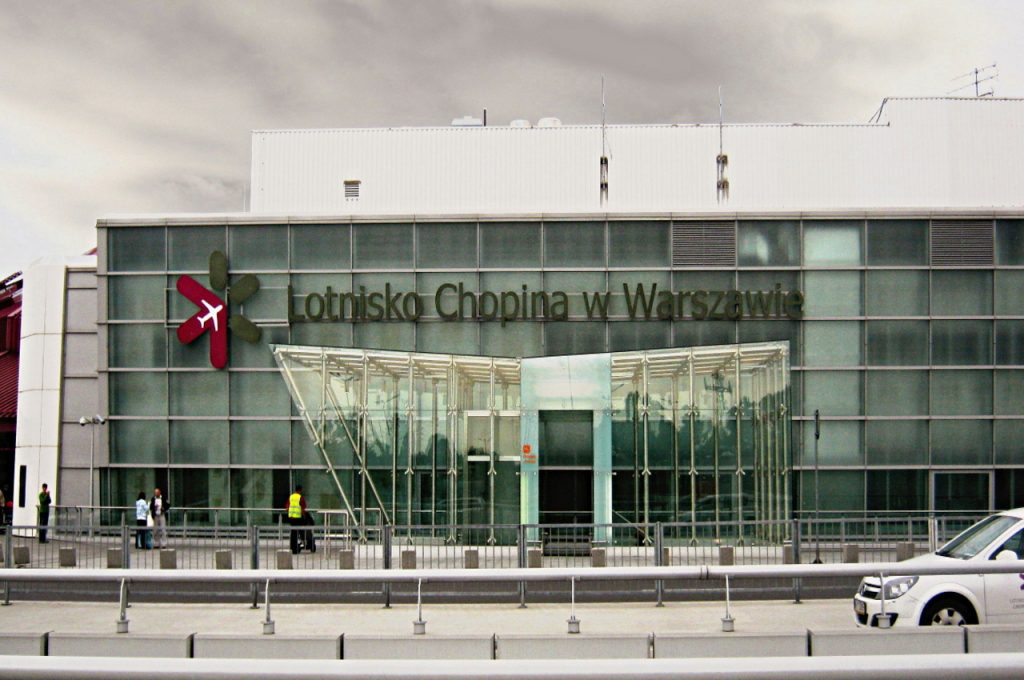
Warsaw Chopin Airport is currently undergoing major expansion with the planned Centralny Port Komunikacyjny (CPK), set to become central and Eastern Europe’s largest transport hub. The new airport, designed by Foster + Partners, will feature a passenger terminal covering approximately 450,000 sqm—nearly three times the size of Warsaw Chopin Airport’s current terminal. It will include high-capacity rail links, extensive road connections, and future expansions to handle over 60 million passengers annually. The project aims to replace the congested Chopin Airport and offers sustainable, green energy solutions. Construction is scheduled to begin in 2026, with the airport expected to be operational by end-2032, featuring facilities for both passenger and cargo traffic, as well as an airport city complex with hotels, offices, and retail spaces. The new hub will also enable unrestricted 24/7 operation, impacting airlines, including American carriers with larger jets. Travelers should stay informed about potential restrictions or disruptions during construction and after opening.