13 Cities Reviving Their Riverfronts for Tourists
Across the world, riverfronts once dominated by warehouses, underused industrial land, or aging infrastructure are being reshaped into walkable districts filled with cultural venues, public parks, and lively dining corridors. Cities have realized that restoring a river’s edge can attract visitors eager for open water views, clean paths, and atmospheric neighborhoods where historic character meets modern amenities. These reinvestments also tend to spark broader renewal, from upgraded transit lines to new museums and outdoor events. As more travelers plan trips around accessible waterfronts, destinations are focusing on long-term improvements rather than quick cosmetic fixes, creating spaces that invite exploration and slower movement. These 13 cities are showing how carefully designed riverfronts can become highlights for tourism while improving the day-to-day experience of residents who live near them.
1. Chattanooga, Tennessee
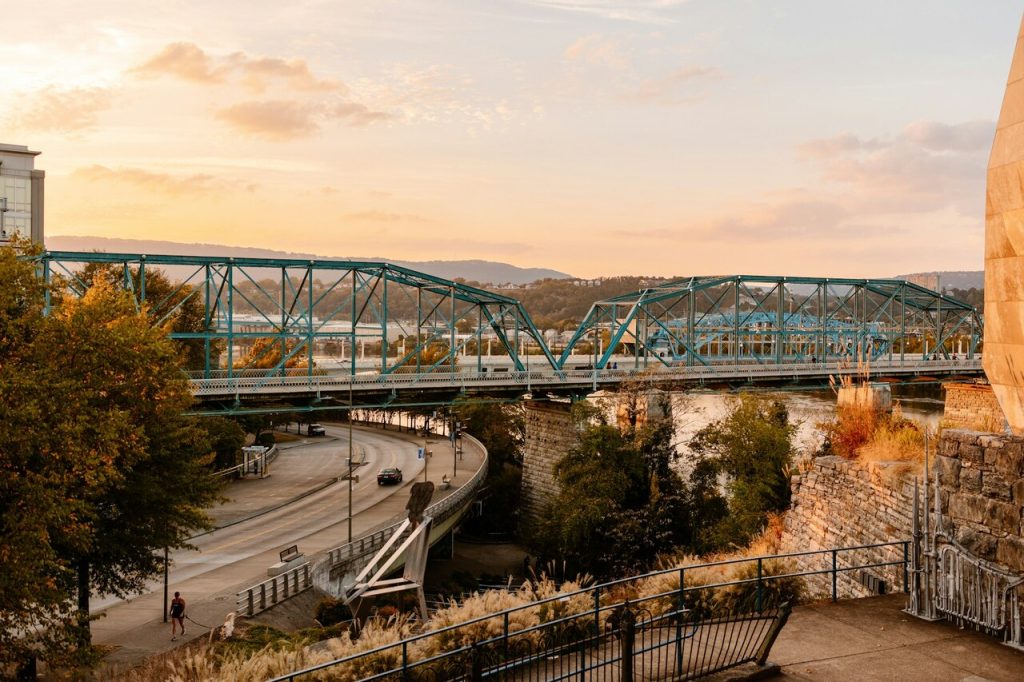
Chattanooga’s riverfront transformation began decades ago and continues to evolve with new public spaces and attractions designed to connect people with the Tennessee River in a more immersive way. Visitors now walk along broad promenades lined with native landscaping, outdoor sculptures, and shaded seating that encourages longer stays. The Tennessee Aquarium anchors the area, while the Walnut Street Bridge serves as a pedestrian artery leading into revitalized neighborhoods where cafés, art shops, and small markets operate throughout the day. Kayaking and river cruises have returned as regular activities, supported by improved docks and clear wayfinding signage that makes navigation easy for newcomers. By focusing on accessibility and integration with adjacent districts, the city has created a riverfront that balances recreation, ecology, and tourism without losing its sense of local identity.
2. Milwaukee, Wisconsin
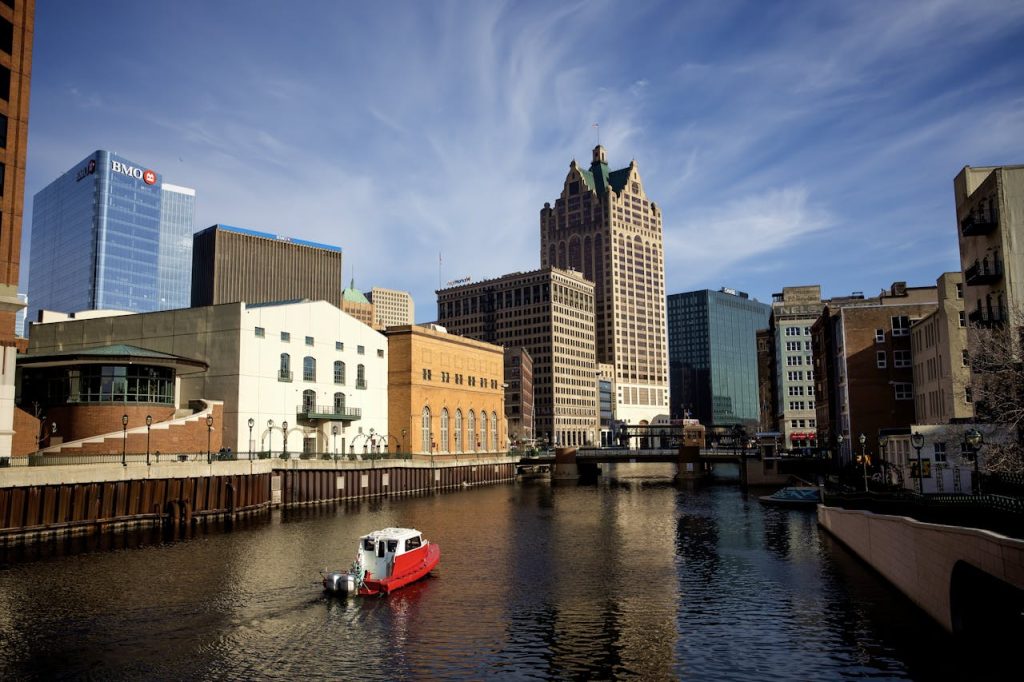
Milwaukee has steadily reshaped its riverfront into a network of walkable corridors that connect historic warehouses, new residential projects, and cultural venues along the Milwaukee River. The RiverWalk stands out as a continuous pedestrian path that helps visitors move between neighborhoods without needing to navigate busy traffic routes. Bridges, murals, and public art installations add visual interest, while new restaurants and breweries have opened terraces that overlook the water, creating a relaxed atmosphere throughout the warmer months. River-based events, including kayaking tours and seasonal festivals, have grown alongside improvements to lighting and landscaping. Milwaukee’s approach has been gradual but consistent, demonstrating how steady investment can shift perceptions and draw more travelers into parts of the city that were once easy to overlook.
3. Providence, Rhode Island

Providence’s riverfront story centers on uncovering and rerouting waterways that had long been hidden beneath infrastructure. By daylighting the rivers, redesigning bridges, and creating graceful pedestrian paths, the city has turned its downtown into a walkable landscape where water is once again a defining element. Visitors encounter riverside cafés, green spaces, and cultural attractions within minutes of arriving. Seasonal events like WaterFire, where hundreds of braziers illuminate the river, have become signature experiences that draw both tourists and locals. The renewed river corridors connect seamlessly with historic districts, universities, and performance venues, giving travelers multiple ways to explore on foot while enjoying consistent views of the slow-moving water.
4. Louisville, Kentucky
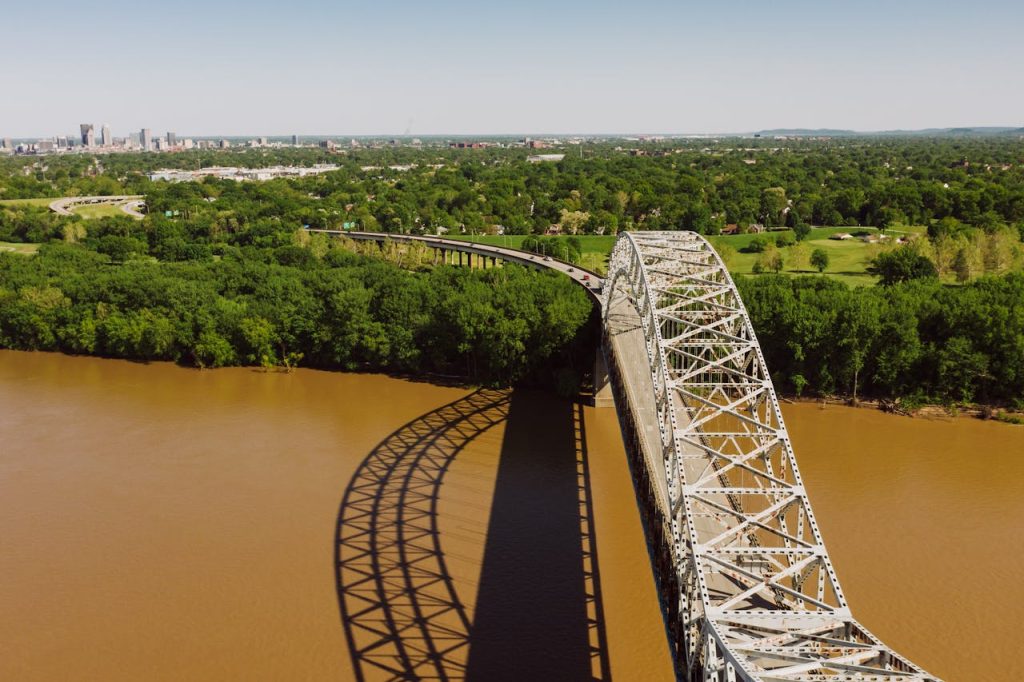
Louisville has focused on integrating recreation, heritage, and open space into its riverfront plans. Waterfront Park stretches for miles along the Ohio River, offering lawns, pathways, playgrounds, and scenic viewpoints that stay active from morning until late evening. The Big Four Bridge, converted into a pedestrian and cycling span, links the city with Jeffersonville and creates a panoramic walkway that appeals to visitors seeking gentle outdoor activities. Concerts and seasonal festivals add energy during the warmer months, while interpretive signs and installations highlight Louisville’s industrial and cultural past. Continued improvements aim to enhance accessibility so that more travelers can move seamlessly between the river’s edge, downtown attractions, and adjacent neighborhoods.
5. San Antonio, Texas

San Antonio’s River Walk remains one of the most recognizable riverfront districts in the U.S., but the city has expanded well beyond its core. New linear parks, restored ecosystems, and extended trails now connect the historic downtown stretch with quieter segments favored by cyclists, kayakers, and visitors seeking peaceful scenery. The Mission Reach restoration introduced native plantings and wildlife habitats, offering a contrast to the bustling restaurant corridors. This combination of cultural landmarks, green infrastructure, and recreational amenities has broadened the riverfront’s appeal and encouraged travelers to explore more widely rather than concentrating in one central area.
6. Pittsburgh, Pennsylvania
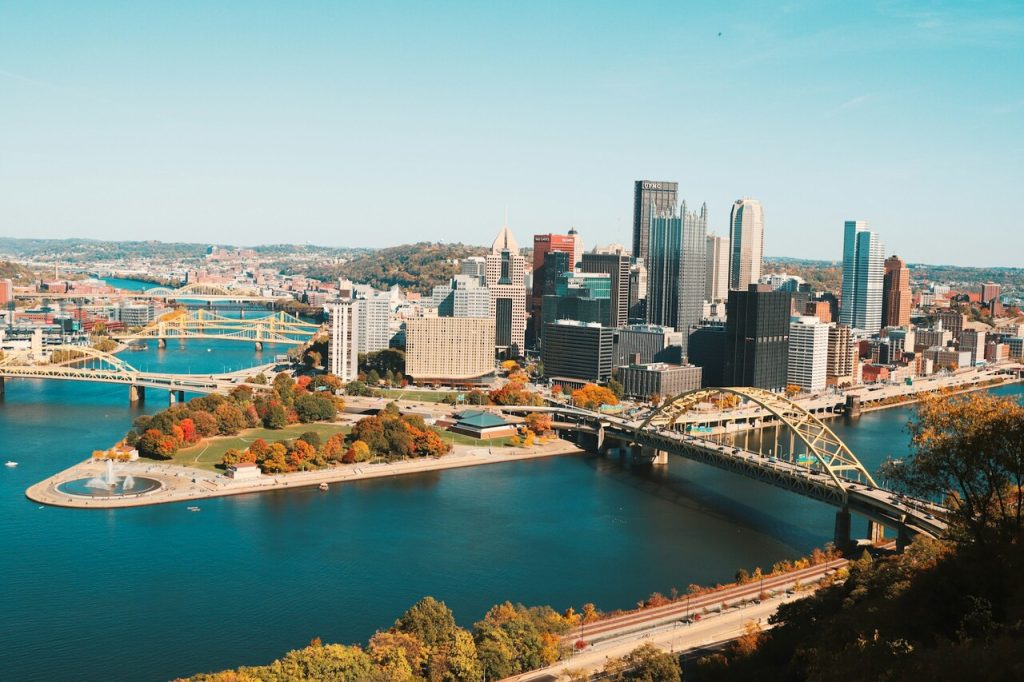
Pittsburgh’s identity as a river city is being reshaped through extensive trail systems, new parks, and reimagined public spaces positioned along its three rivers. The city’s focus has been on reconnecting neighborhoods that were once separated by highways and industrial sites. Visitors can now move along car-free paths that link major attractions such as Point State Park, the Strip District, and North Shore entertainment venues. Improved access points make kayaking and sightseeing cruises easier, while landscaped overlooks provide vantage points for photographing the city’s iconic skyline. Pittsburgh’s steady transformation emphasizes environmental restoration and inclusive design, giving tourists a clear and inviting way to experience the convergence of the Allegheny, Monongahela, and Ohio rivers.
7. Sacramento, California
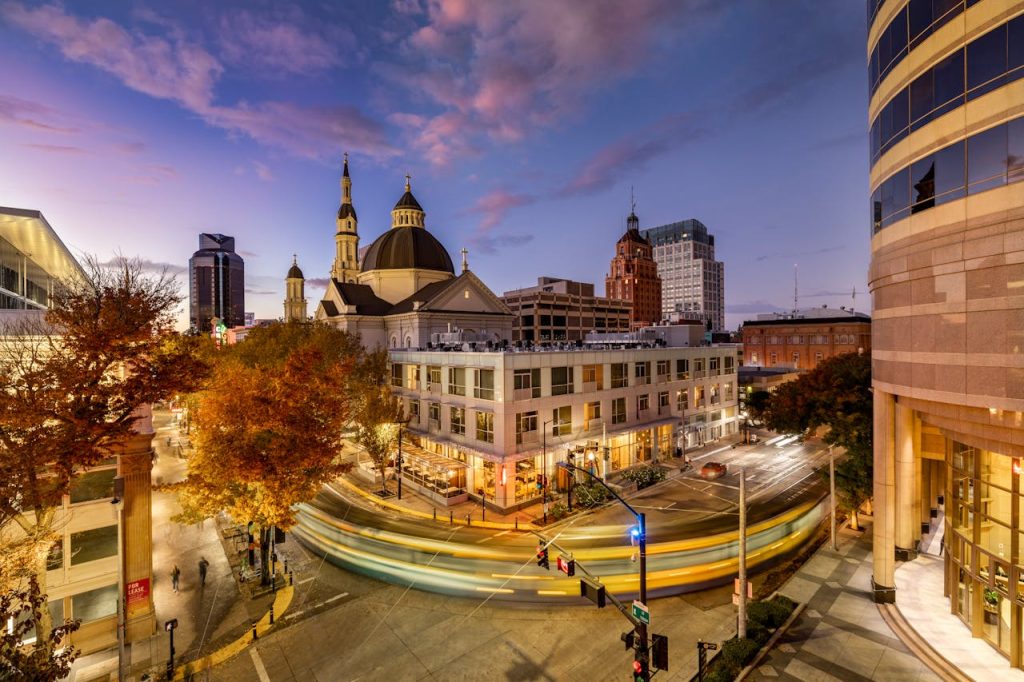
Sacramento has prioritized upgrades to its historic Old Sacramento district and surrounding riverfront areas along the Sacramento River. Wooden boardwalks, refurbished storefronts, and interpretive displays help preserve the area’s Gold Rush-era atmosphere, while new hospitality and dining options draw visitors beyond the museum quarter. Plans to expand public spaces and improve pedestrian access have already begun changing how travelers move through the district. With river cruises, seasonal markets, and more events scheduled near the water, Sacramento is positioning its riverfront as a central gathering place that blends heritage with contemporary amenities.
8. Columbus, Ohio
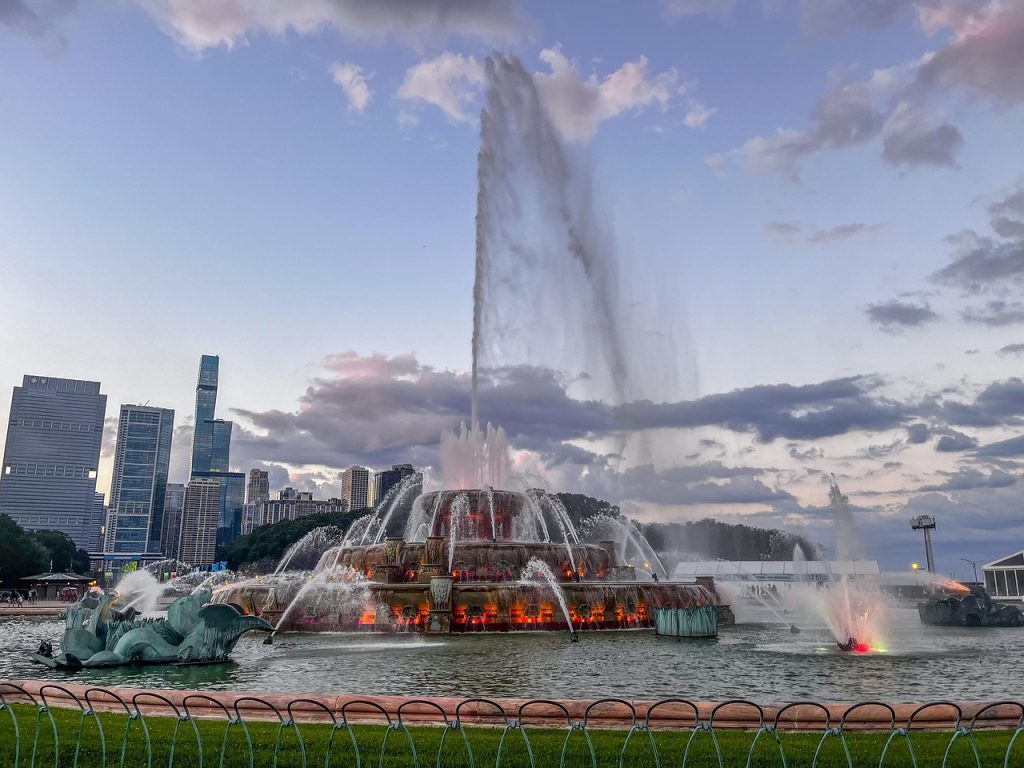
Columbus transformed its riverfront by replacing outdated infrastructure with parkland, trails, and flexible public spaces collectively known as the Scioto Mile. The project reshaped the river’s edge, widened green areas, and created inviting promenades that draw steady foot traffic from visitors heading to cultural venues, restaurants, and festivals. Open lawns and fountains encourage lingering, while well-connected paths allow easy movement from downtown to adjacent districts. Columbus’s reinvestment highlights how strategic design can turn an underused river corridor into a major tourism asset without relying on large entertainment complexes.
9. Wilmington, North Carolina
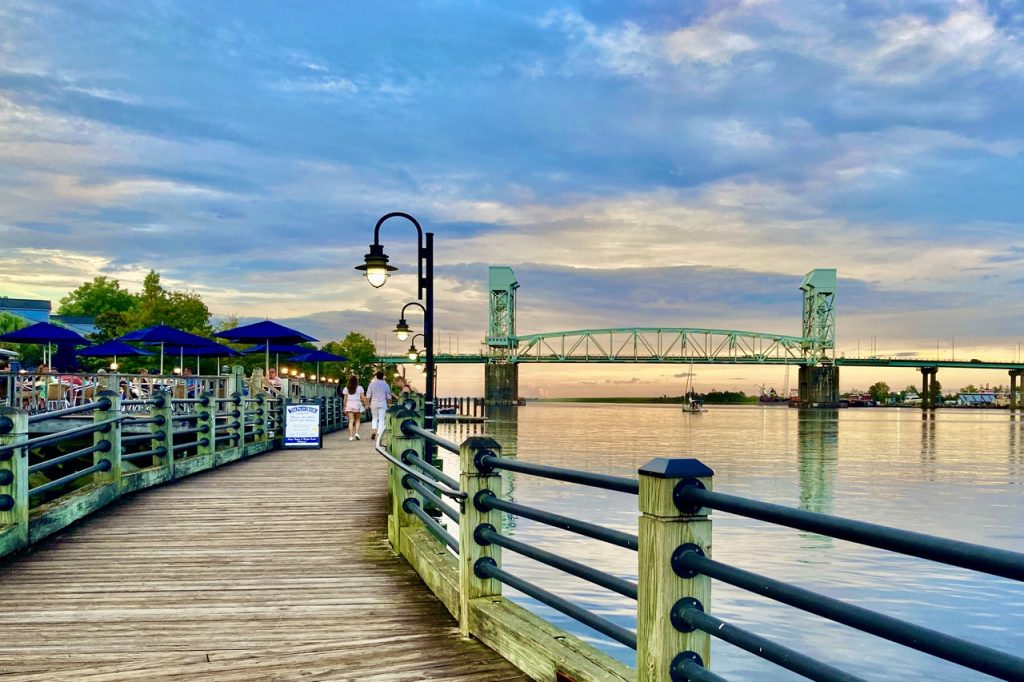
Wilmington’s Riverwalk, stretching along the Cape Fear River, has become one of the city’s most popular attractions thanks to its mixture of historic buildings, scenic viewing points, and accessible boardwalks. Travelers can explore shops, museums, and waterfront restaurants in a single continuous route. Recent expansions introduced new park space, improved lighting, and landscaped areas that enhance the walking experience, particularly during evenings when the river takes on reflective tones. River cruises, seasonal celebrations, and public art further strengthen the area’s appeal, offering visitors a calm yet engaging way to explore the city’s maritime heritage.
10. Reno, Nevada
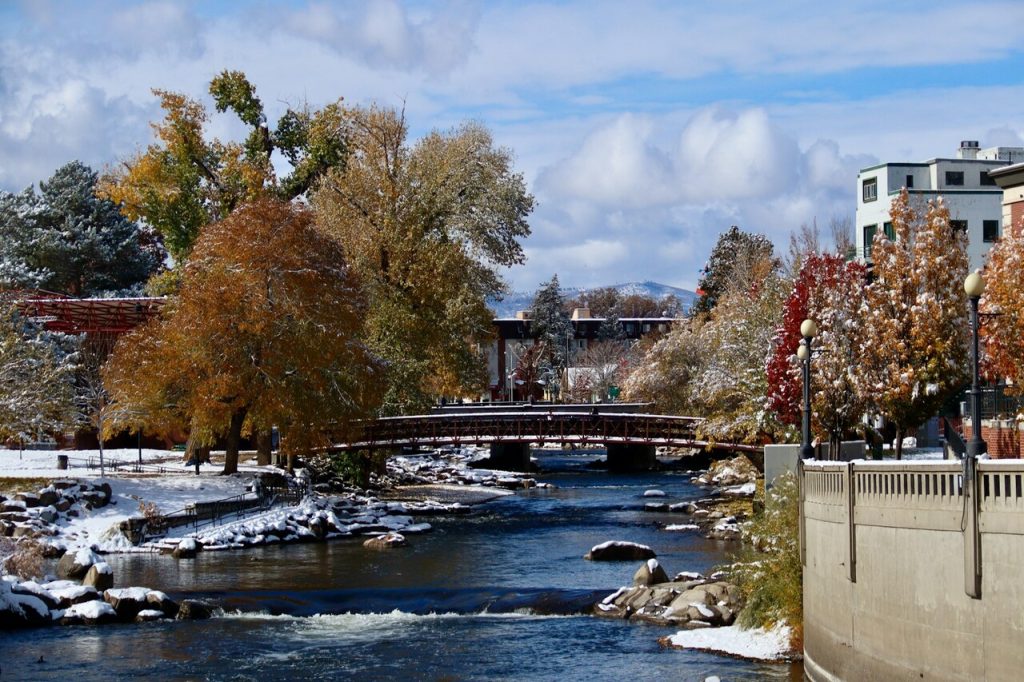
Reno’s Truckee River corridor highlights how urban riverfronts can support both recreation and cultural activity. The Riverwalk District features cafés, galleries, and public installations that encourage visitors to wander and discover local businesses. The Truckee River Whitewater Park has emerged as a hub for kayaking and paddleboarding, bringing outdoor sports into the heart of the city. Festivals, performances, and farmers markets take advantage of the accessible open spaces along the water. Reno’s approach blends natural features with creative programming, making the riverfront an integral part of its tourism strategy.
11. Omaha, Nebraska
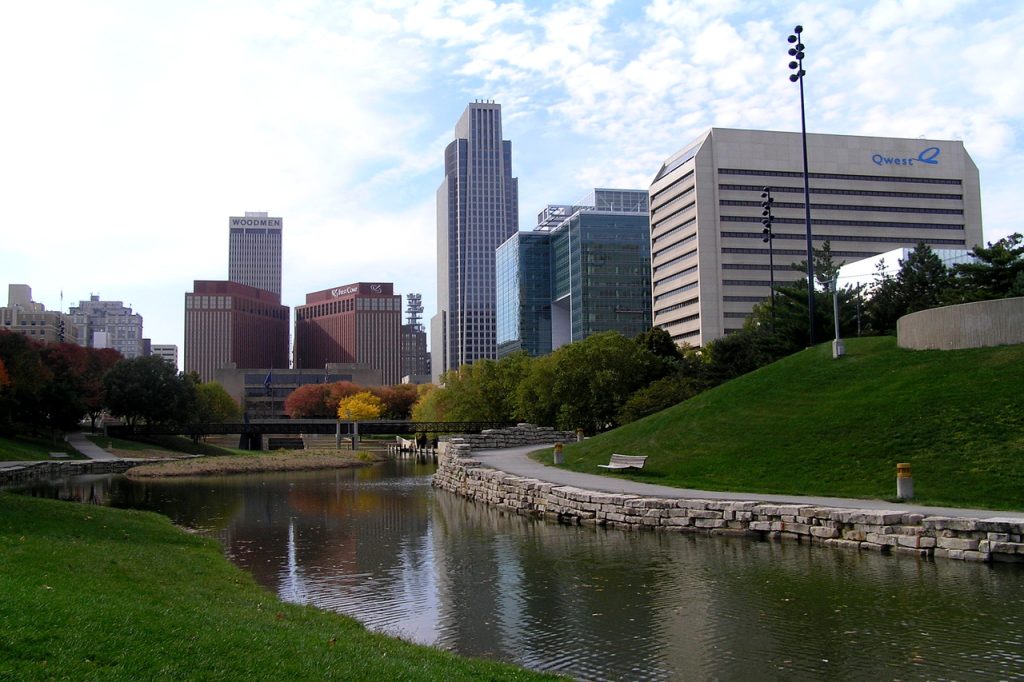
Omaha has invested in a series of riverfront parks that connect downtown with the Missouri River. These revitalized spaces include trails, playgrounds, landscaped gardens, and event areas designed to draw both residents and visitors. The redevelopment helped open clearer sightlines to the river and enhance walkability, while new bridges and elevated pathways link the parks into a unified experience. The result is a riverfront that feels more accessible and welcoming, encouraging travelers to spend more time exploring outdoor features before visiting nearby cultural attractions.
12. Phoenix, Arizona
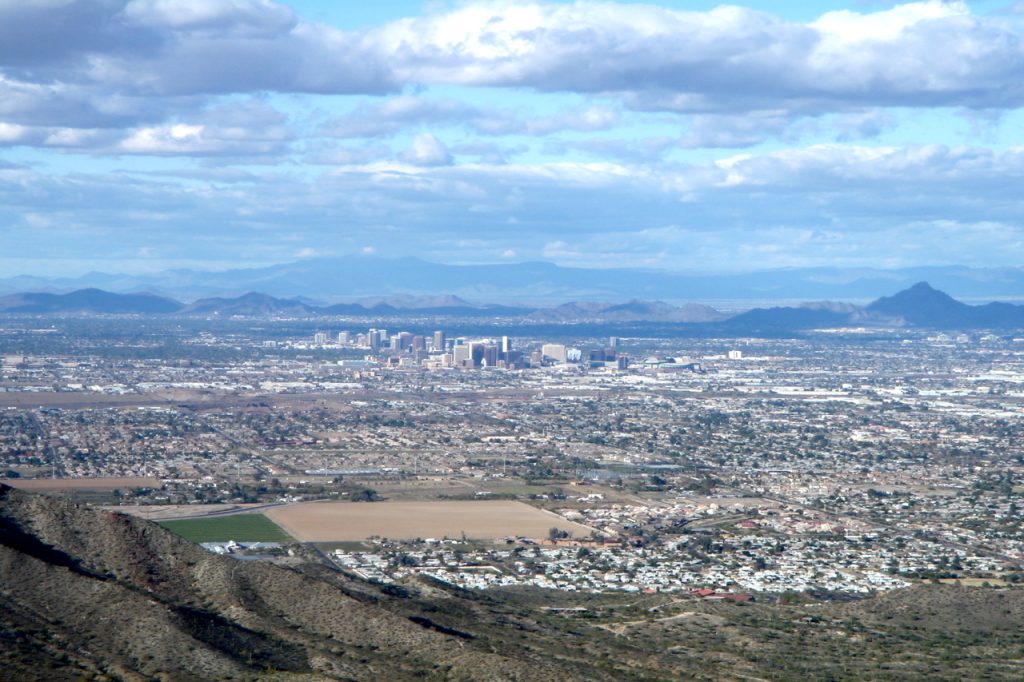
Phoenix’s riverfront revival centers around the Rio Salado Habitat Restoration Area, where ecological renewal and recreational development coexist. Trails along restored wetlands give visitors a chance to experience desert landscapes interacting with water, while educational signage explains the region’s environmental history. As new parks, viewing areas, and connected greenways continue to emerge, Phoenix is gradually shaping a river corridor that adds depth to its identity beyond its well-known desert attractions. Travelers increasingly include the Rio Salado area in itineraries as improvements make the spaces more walkable and visually appealing.
13. Detroit, Michigan
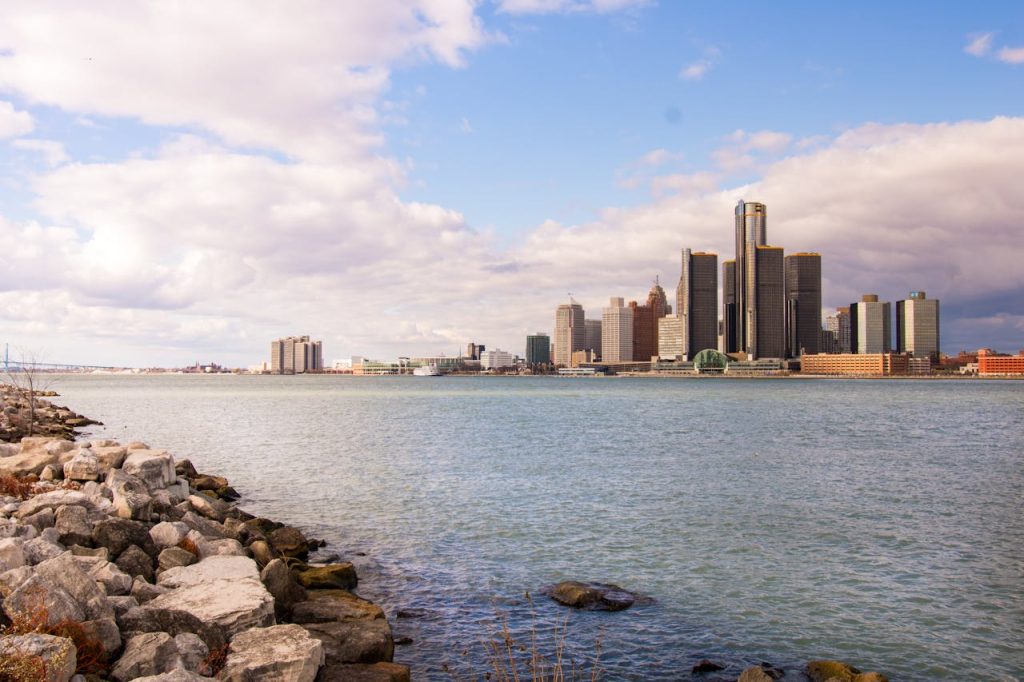
Detroit’s riverfront revitalization has become one of the city’s most celebrated urban projects. Miles of pedestrian-friendly pathways, landscaped park space, and flexible gathering areas line the Detroit River, creating a welcoming environment for visitors. The RiverWalk connects major attractions, museums, and plazas while supporting festivals, fitness events, and waterfront dining. Ongoing expansion aims to create a continuous route to Belle Isle, opening more scenic opportunities for cyclists and walkers. Detroit’s renewed focus on its riverfront underscores its commitment to long-term tourism development built around accessibility and vibrant public space.