13 Cities Transforming Abandoned Buildings into Attractions
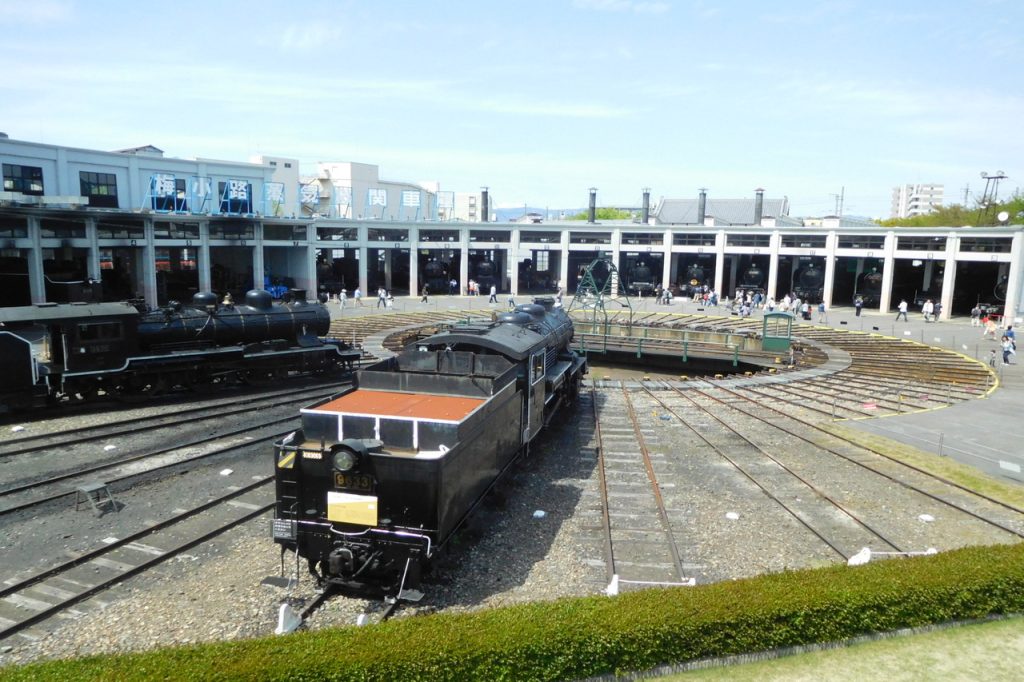
Cities across the world are discovering that some of their most valuable assets are not new developments but long-abandoned structures waiting for reinvention. Warehouses, factories, hotels, transportation hubs, and civic buildings that once represented economic strength or social service have fallen silent over decades of shifting industries and urban expansion. Instead of demolishing them, many cities are choosing adaptive reuse, a process that respects historical integrity while reimagining these sites for public enjoyment. This approach reduces waste, preserves cultural identity, and creates compelling spaces that blend old architecture with new function. Visitors drawn to these renewed landmarks often experience deeper engagement with local history because the past is physically present around them: textured brick, aging steel frameworks, preserved facades and carefully restored interiors. As tourism shifts toward more meaningful, culturally grounded experiences, these adaptive-reuse attractions offer a unique lens for understanding a city’s evolution, showing how neglect can be transformed into opportunity, and how communities can breathe new life into structures once deemed obsolete.
1. Leipzig, Germany – Spinnerei Cotton Mill
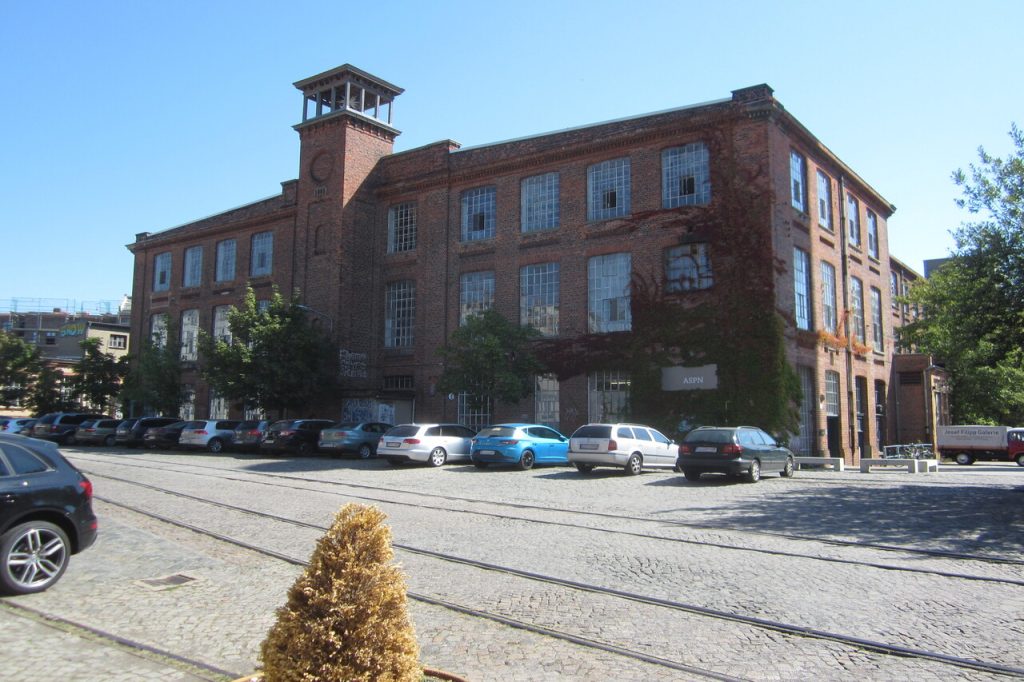
The Leipzig Spinnerei Cotton Mill stands today as one of Europe’s most impressive examples of industrial reuse, a sprawling complex that once housed thousands of textile workers and now shelters hundreds of contemporary artists. As visitors wander its long corridors and vast halls, they can still feel the mill’s former purpose in the preserved brick façades, towering chimneys, and wide factory bays that have been intentionally left raw. Studios, galleries, and creative workspaces occupy the same rooms where machinery once roared, offering a layered experience that merges art with industrial archaeology. What makes Spinnerei particularly compelling is not only its architectural preservation but also the way its new identity honors the creative communities that began reclaiming the site during Leipzig’s post-reunification era. Today, cultural events, exhibitions, and open-studio weekends attract travelers who want to experience a living, evolving artistic district deeply rooted in the city’s industrial heritage.
2. Detroit, USA – Michigan Central Station
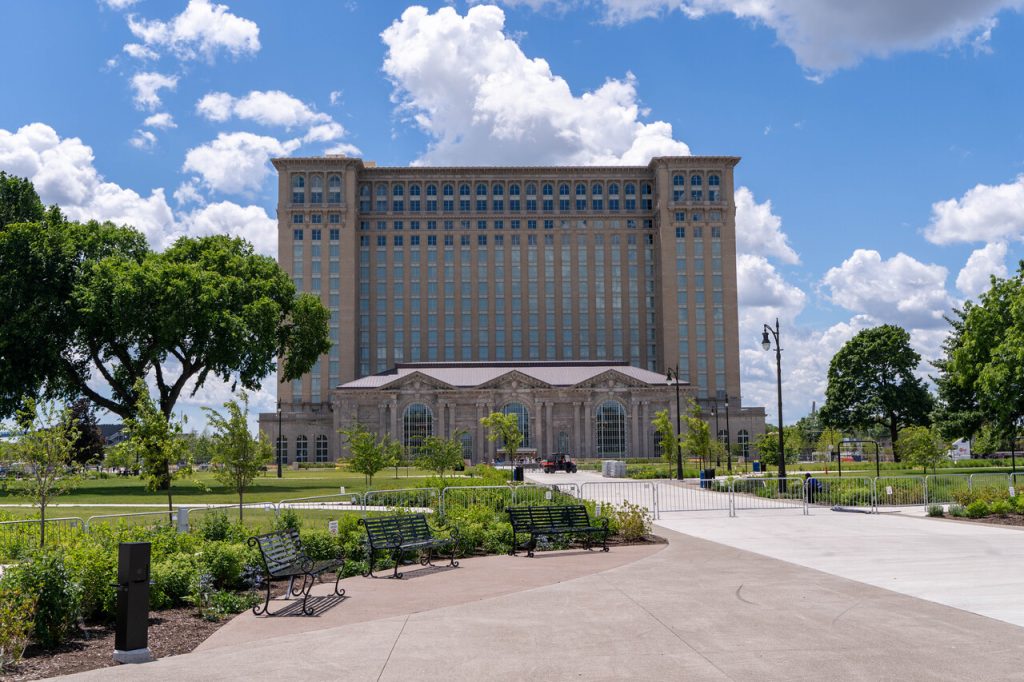
Once a towering emblem of Detroit’s decline, Michigan Central Station has undergone a dramatic restoration that preserves its monumental Beaux-Arts design while preparing it for modern civic use. Visitors approaching the station see its iconic columns, ornate stonework, and grand windows restored to their original dignity after decades of neglect. Inside, the vast waiting halls and ticketing areas now reveal painstakingly cleaned marble, bronze fixtures, and decorative accents that recall the golden era of American rail travel. Even with its contemporary adaptations, much of the building remains a time capsule of early 20th-century transportation architecture, allowing guests to feel the emotional weight of its history. Tours and exhibitions provide context for how the station served millions of travelers before closing and how its revival symbolizes Detroit’s broader cultural and economic regeneration. The updated complex stands today as a reminder that abandoned civic monuments can become powerful beacons of renewal.
3. Porto, Portugal – Palácio do Bolhão

Palácio do Bolhão, once a crumbling neoclassical building in the heart of Porto, has been restored into a vibrant center for artisanal production, cultural activity, and architectural appreciation. Its reactivation preserves the building’s distinctive stone staircases, iron railings, and historic layout, allowing visitors to walk through restored corridors that still reflect their 19th-century charm. Within these spaces, contemporary artisans display handmade goods, hold workshops, and present local crafts that reflect Porto’s evolving cultural identity. Rather than transforming the building into a polished tourist site, the restoration respects its original textures and imperfections, creating a rich interplay between history and modern creativity. Travelers who explore Palácio do Bolhão gain insight into the city’s craft traditions and architectural heritage while supporting a new wave of local entrepreneurs who have reclaimed a once-forgotten landmark.
4. Bangkok, Thailand – The Old Customs House
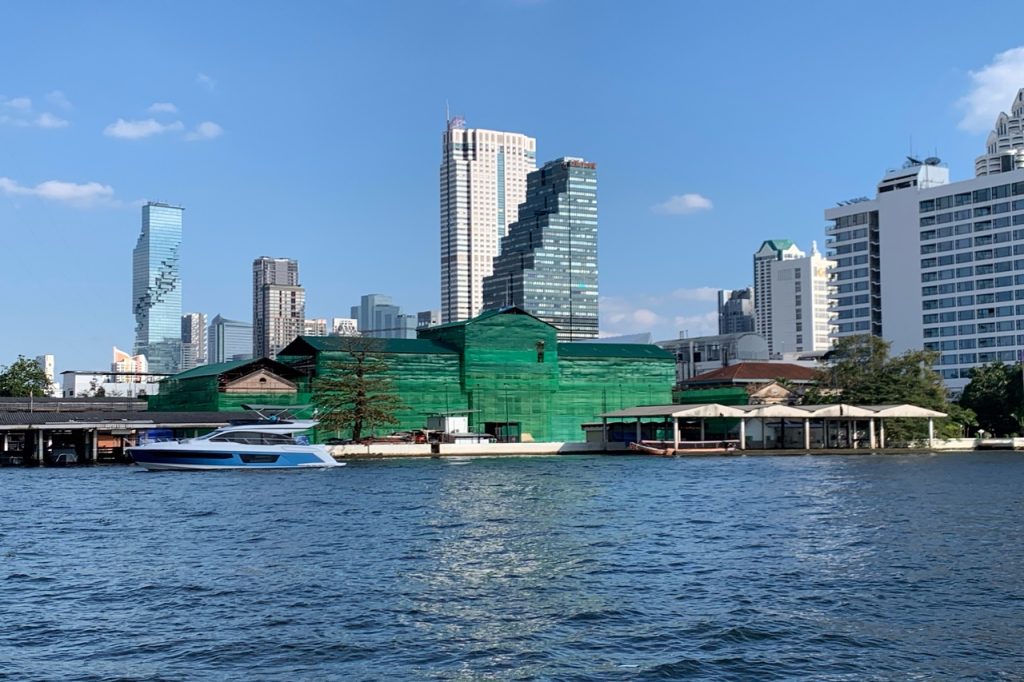
Bangkok’s Old Customs House long stood abandoned along the Chao Phraya River, its once-grand corridors shuttered and silent as the city modernized around it. The building’s restoration focuses on preserving its dignified colonial-era façade, complete with arched windows, stucco detailing, and symmetrical design that conveys its former administrative importance. Visitors stepping inside after the revitalization will find conserved structural elements and atmospheric rooms repurposed for exhibitions, cultural programs, and public gatherings that reinterpret the city’s trading past. The adaptive reuse project highlights the building’s layered story from its role in maritime commerce to decades of disrepair, allowing travelers to engage with Bangkok’s earlier urban fabric. Its renewed function creates a contemplative destination that connects heritage architecture with modern civic life, demonstrating how historic riverside structures can become living cultural spaces once more.
5. Philadelphia, USA – The Divine Lorraine Hotel

The Divine Lorraine Hotel, a striking landmark along Philadelphia’s North Broad Street, has moved from abandonment and decay to a celebrated example of architectural preservation. Its Romanesque-Revival façade, with ornate arches and limestone detailing, has been meticulously cleaned and stabilized, restoring its imposing presence within the urban landscape. Inside, developers retained elements of the original layout and decorative traces that speak to the building’s early 20th-century life as both a luxury hotel and later a socially progressive residential community. Visitors today can appreciate how historical character has been woven into new uses that include public spaces, dining venues, and cultural programming. Rather than erasing the building’s complex social history, the restoration foregrounds it, turning the Divine Lorraine into both a revitalized neighborhood anchor and a narrative-rich destination for travelers interested in preservation and urban storytelling.
6. Melbourne, Australia – Abbotsford Convent
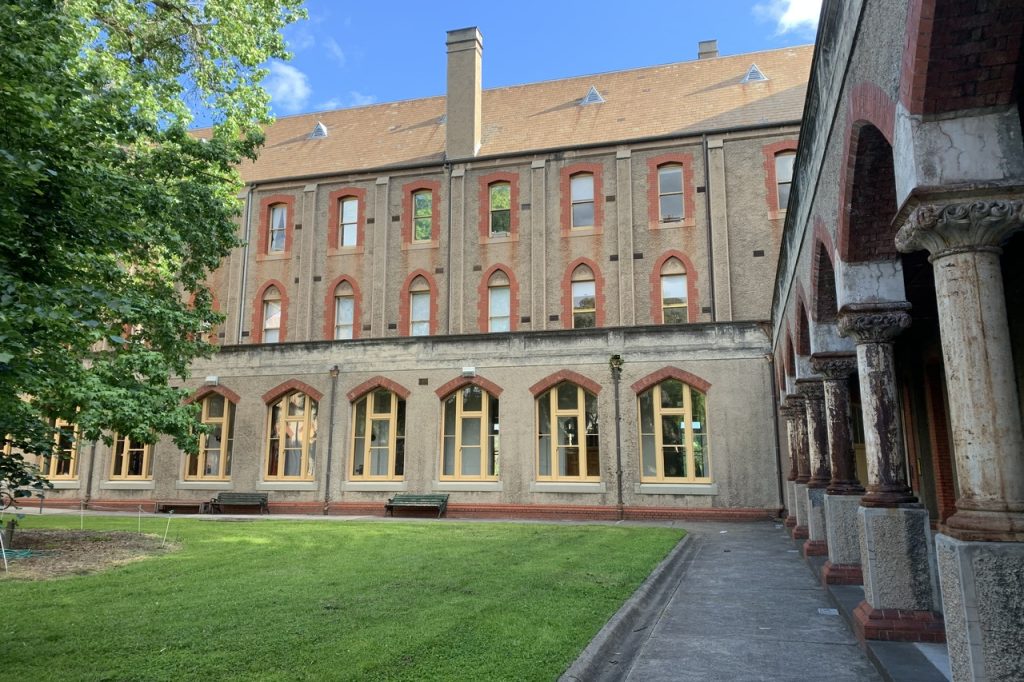
Abbotsford Convent, once an aging institutional complex at risk of demolition, has been transformed into one of Melbourne’s most cherished cultural precincts. Visitors can explore expansive courtyards, long verandas, and historic stone buildings that have been carefully preserved to retain their 19th-century character while supporting creative and community-focused uses. The convent’s former dormitories, chapels, and workrooms now host studios, galleries, performance venues, and shared workspaces infused with artistic energy. Yet the understated restoration ensures that the building’s past remains palpable: worn steps, textured walls, and original timberwork create a sense of continuity between eras. Abbotsford Convent’s transformation reflects Melbourne’s commitment to repurposing heritage assets in ways that support cultural vitality, environmental sustainability, and public access, making it a compelling stop for travelers seeking layered, lived-in historical spaces.
7. Manchester, UK – Victoria Baths
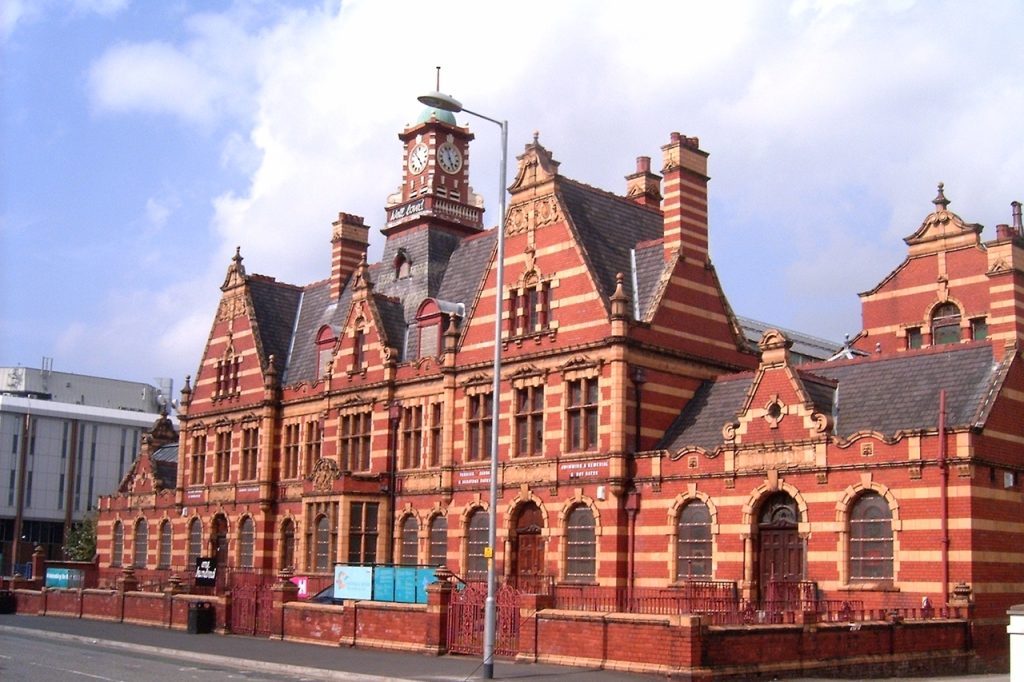
Victoria Baths, once a shuttered Edwardian bathhouse, has become a fascinating destination where architectural preservation and community heritage converge. As visitors enter the restored complex, they encounter original tiled walls, decorative stained glass, elaborate ironwork, and mosaic flooring that together reveal the civic pride embedded in early 20th-century public architecture. Although the pools are no longer used for bathing, the building’s vast interiors now host guided tours, cultural exhibitions, and creative events that reinterpret the site’s original purpose. Preservation efforts highlight the social history of the bathhouse, including stories of public hygiene, community recreation, and local craftsmanship. The renewed Victoria Baths stands as a testament to Manchester’s dedication to saving civic landmarks, offering travelers a chance to explore a richly detailed space that captures both the elegance and the everyday life of its era.
8. Buenos Aires, Argentina – Usina del Arte
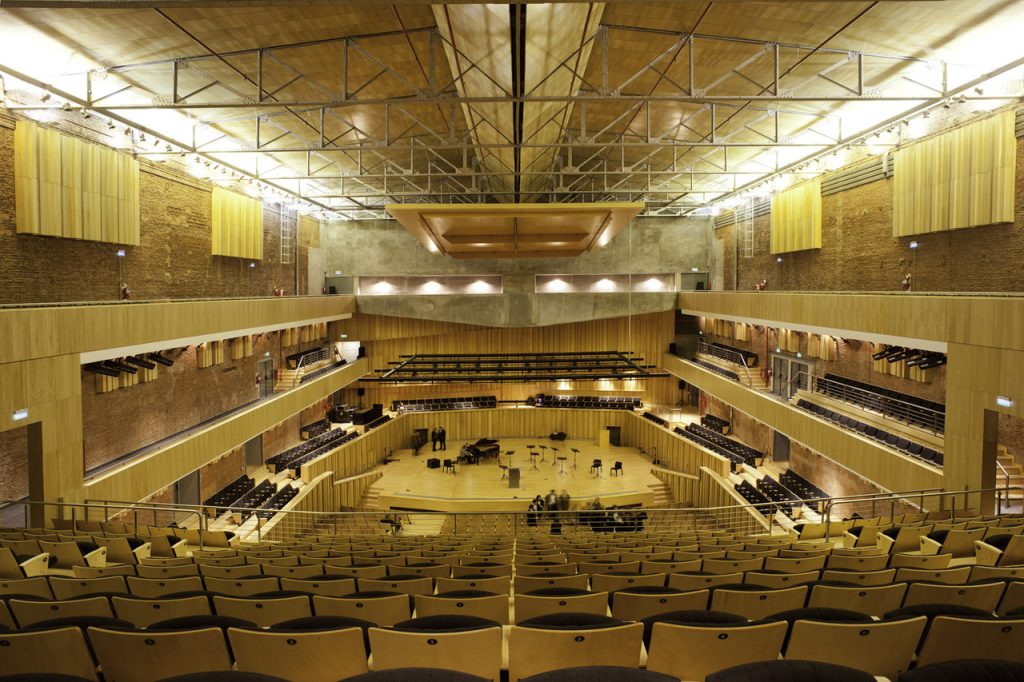
Usina del Arte, a former power plant in Buenos Aires, has been dramatically reborn as a cultural center where the industrial past is not hidden but showcased. Visitors entering the complex encounter preserved brick walls, soaring ceilings, and exposed steel beams that display the building’s mechanical heritage. The cavernous spaces once dedicated to power production now host concerts, art exhibitions, and educational programs that attract both locals and international visitors. Instead of masking its industrial character, the renovation celebrates it, creating an atmosphere where creativity and history coexist. The site also contributes to the regeneration of the surrounding La Boca neighborhood, making it both a cultural landmark and a catalyst for community revitalization. Travelers who explore Usina del Arte experience how industrial architecture can be adapted into inspiring cultural venues without stripping away its original identity.
9. Toronto, Canada – Evergreen Brick Works
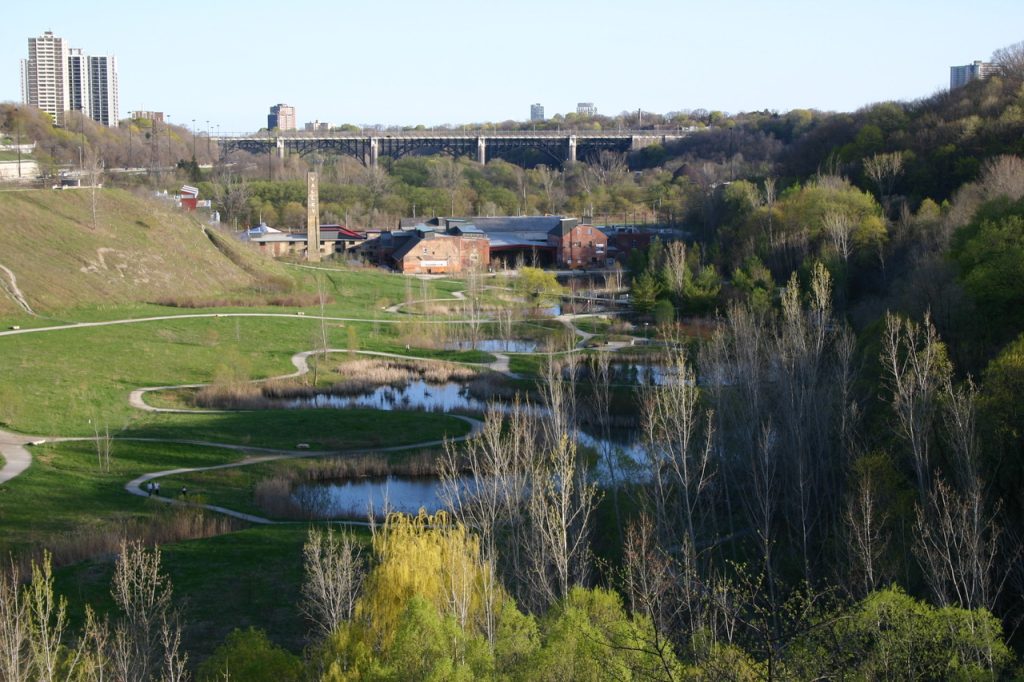
Evergreen Brick Works in Toronto represents a thoughtful intersection of industrial heritage, environmental stewardship, and community engagement. Once a deteriorating brick factory and quarry site, it has been reimagined as a multi-use public hub where restored kilns and factory buildings sit alongside ecological restoration projects. Visitors can wander through open-air industrial structures, enjoy farmers markets, explore nature trails, and participate in sustainability-focused programs that emphasize the importance of green urban development. Rather than fully sanitizing or modernizing the site, the project preserves the rugged textures of its brick kilns, steel frames, and former production spaces, allowing people to experience the industrial legacy firsthand. Evergreen Brick Works exemplifies how cities can honor their manufacturing past while embracing a greener future, offering a uniquely immersive environment for travelers interested in culture, ecology, and adaptive reuse.
10. Lisbon, Portugal – LX Factory
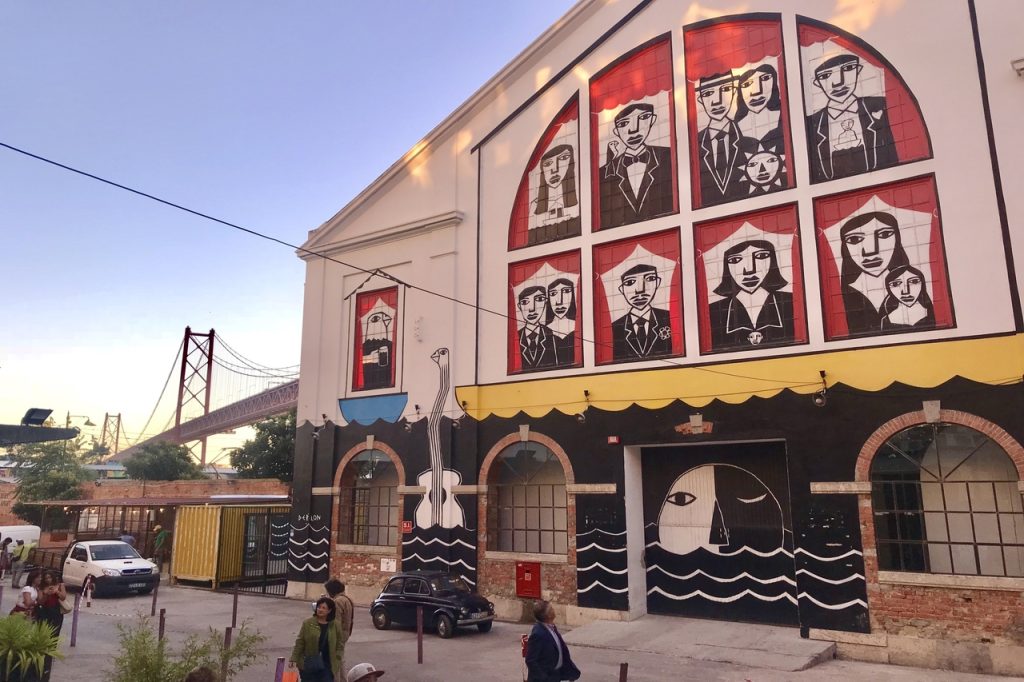
LX Factory, created within the shell of a 19th-century industrial complex in Lisbon’s Alcântara district, has become one of the city’s most energetic creative hubs, offering a seamless blend of architectural history and modern culture. The former textile and print factory buildings retain their raw concrete floors, exposed pipes, and rugged brick structures, which together create an authentic industrial ambiance that has been preserved rather than polished away. Visitors wandering through its maze-like passageways find bookstores inside old warehouses, cafés occupying former workshops, and rooftop bars overlooking the Tagus River from repurposed factory rooftops. The site has become a living canvas for street artists, whose large-scale murals add layers of visual storytelling that reflect Lisbon’s evolving creative identity. Markets, cultural events, and pop-up craft fairs frequently fill the outdoor courtyards, drawing both residents and travelers who are eager to experience a cultural district humming with entrepreneurial energy. LX Factory’s revival demonstrates how industrial ruins can be turned into vibrant social spaces without losing their historical soul.
11. Cape Town, South Africa – The Old Biscuit Mill
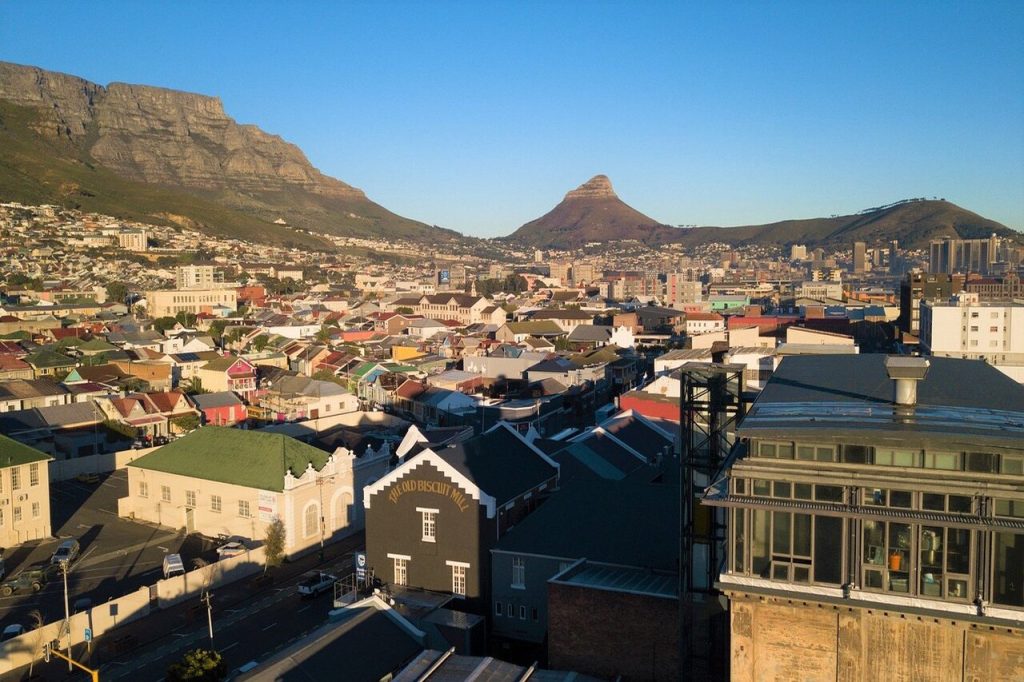
The Old Biscuit Mill in Cape Town’s Woodstock neighborhood is a shining example of how former manufacturing sites can evolve into thriving cultural districts without sacrificing their industrial roots. What was once a working mill complex now hosts artisan studios, galleries, restaurants, and one of the city’s most celebrated markets, yet its original architecture remains central to the experience. Visitors strolling through the courtyards can still spot the preserved brickwork, steel framing, and warehouse-style windows that speak to the mill’s past life. Rather than hiding these industrial traces, the redevelopment highlights them, weaving history into every corner of the site. On weekends, its Neighbourgoods Market attracts crowds who come for gourmet food stalls and handmade goods, often set beneath the same structural elements that once housed production machinery. The Old Biscuit Mill has become a social anchor for Woodstock’s ongoing revitalization, creating a destination where creativity, commerce, and heritage converge in a distinctly South African atmosphere.
12. Seoul, South Korea – Oil Tank Culture Park
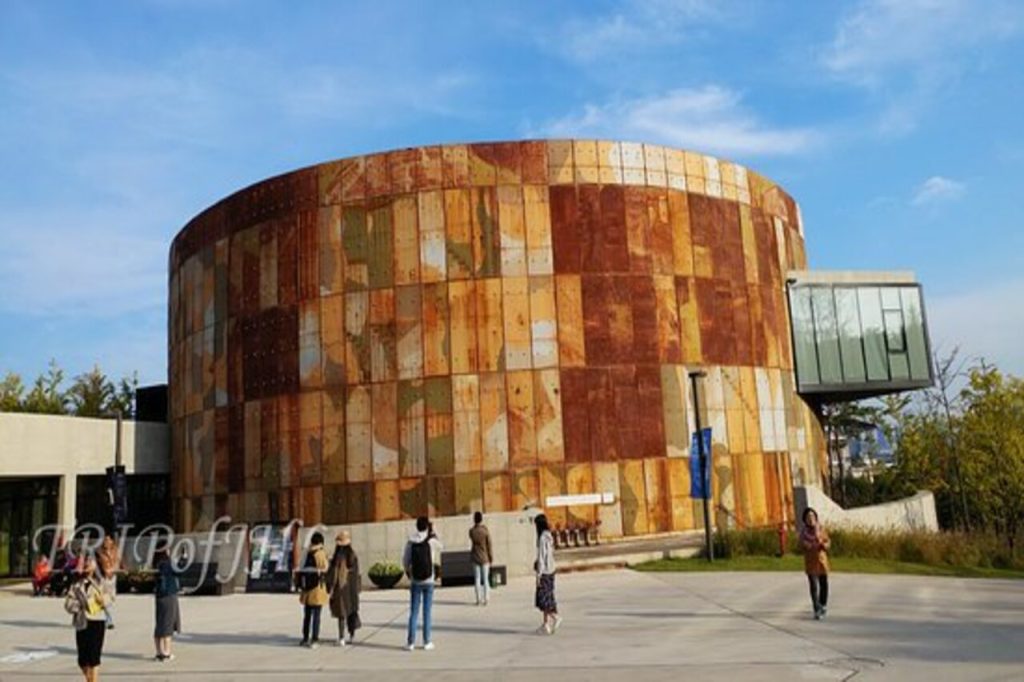
Oil Tank Culture Park in Seoul transforms an environmental hazard into an extraordinary public space where industrial preservation meets ecological awareness. The site, originally a restricted fuel storage facility built in the 1970s, consisted of massive oil tanks hidden within a hillside for national security reasons. Instead of demolishing the tanks, the city repurposed all six structures by hollowing out their interiors and converting them into performance halls, galleries, event spaces, and educational venues while keeping their imposing steel exteriors intact. Visitors walking through the park encounter a powerful juxtaposition: brutalist industrial forms surrounded by lush landscaping, wildlife habitats, and walking paths designed to reconnect urban residents with nature. The acoustics inside the tanks create immersive sensory experiences during concerts and exhibitions, emphasizing how adaptive reuse can expand the potential of unconventional spaces. Today, the park stands not only as a cultural landmark but also as a symbol of sustainable urban imagining, showing how even environmentally sensitive structures can be reinterpreted into meaningful public assets.
13. Paris, France – La Recyclerie
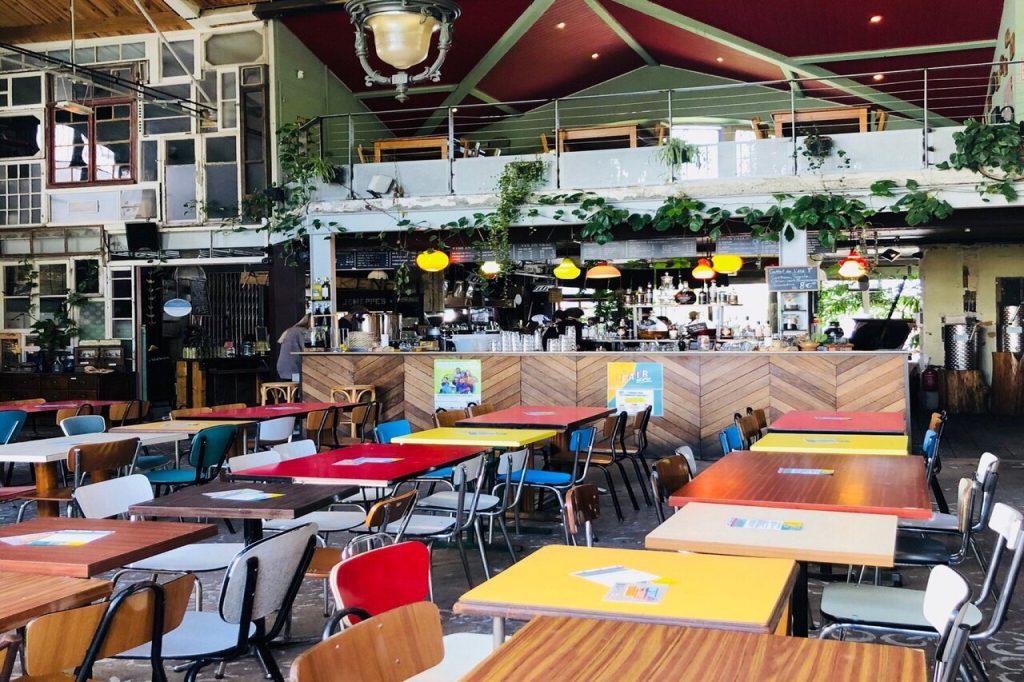
La Recyclerie in Paris occupies the former Ornano railway station along the Petite Ceinture, transforming a once-forgotten transit structure into one of the city’s most inventive eco-cultural spaces. The station’s historic bones remain visible through its preserved steel beams, original platform layout, and large arched openings that once guided passengers to trains. Instead of erasing this past, the renovation embraces it, pairing the industrial bones with warm community-oriented design. Visitors can dine in a café overlooking the old rail tracks, explore workshops focused on repair culture and sustainability, or walk the adjacent green corridor where nature has returned to the abandoned railway line. The project highlights Paris’s commitment to adaptive reuse by merging environmental values with heritage preservation, turning a dormant transport relic into a hub for learning, creativity, and ecological consciousness. La Recyclerie invites travelers to experience an alternative Paris, one where history, sustainability, and urban experimentation coexist within the shell of a former station.