13 Epic Mountain Ranges for Backpacking
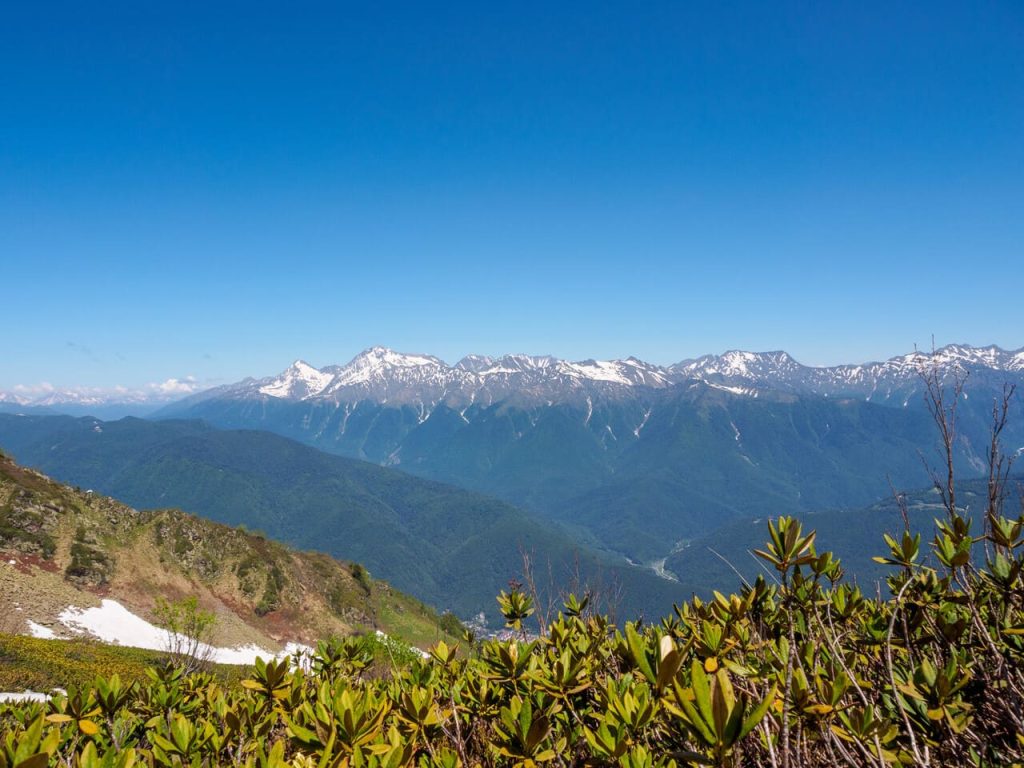
When you want to test your stamina while seeing landscapes that actually stay with you, mountain ranges give you that mix of challenge and reward. You move through changing terrain, feel the weather shift around you, and watch the trail reveal new peaks as you climb. Each range brings its own rhythm, from quiet valleys to rough passes where you need to slow down and think. The appeal comes from how these places push you while still offering moments of calm. Once you understand the terrain and plan your route, you step into a stretch of days where your focus sharpens and everything feels simple again.
1. The Rockies
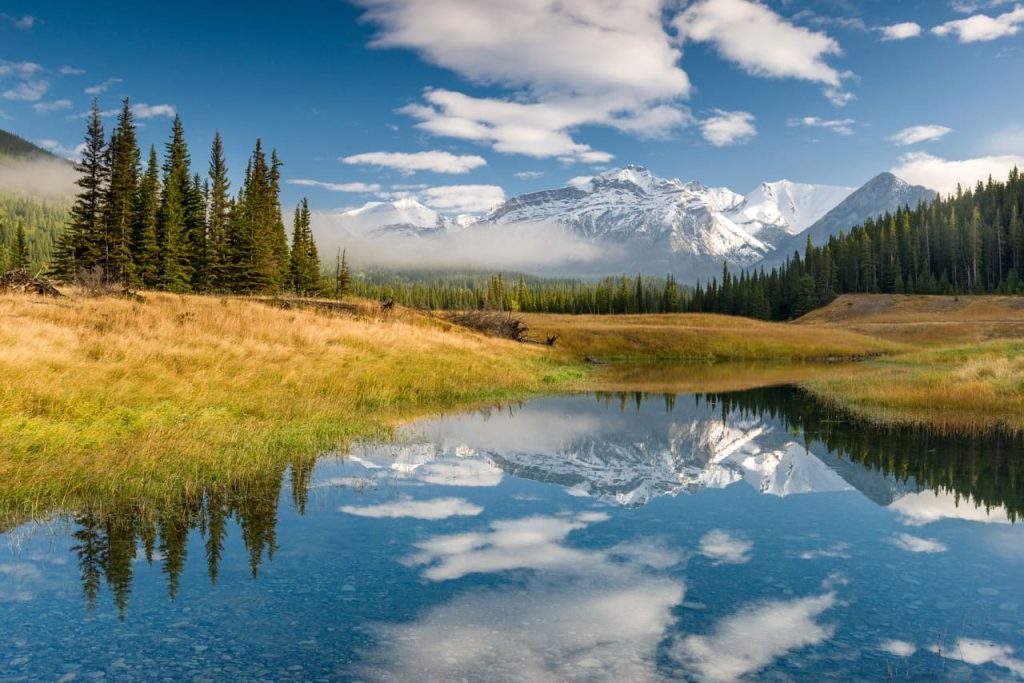
The Rockies stretch from Canada through the United States, giving you long routes where you move between forested valleys and exposed ridgelines. You deal with steady elevation gains that reward you with open views across layered peaks. Trails like those in Colorado, Montana, and Wyoming give you clear signage, reliable campsites, and long distances suited for multi day trips. You need to watch how quickly the weather turns, especially in late summer afternoons, but the variety keeps the challenge interesting. You experience wildlife rich areas, wide basins, and high passes that let you cover many ecosystems in a single continuous path.
2. The Andes
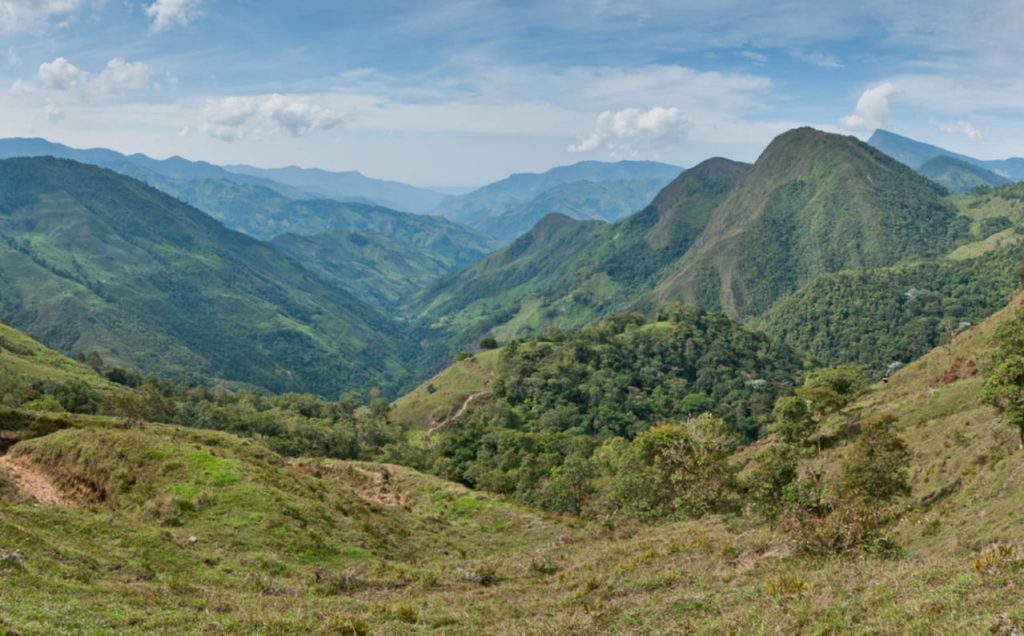
The Andes run along the western edge of South America and offer backpackers a route that mixes altitude, cultural history, and big open space. You cross arid highlands, glacial valleys, and long ridges that can take hours to climb. Countries like Peru, Chile, and Argentina maintain well known trekking regions where you follow clear trails through national parks. You need time to adjust to higher elevations, but the scenery pays off as you move between deep valleys and sharp granite towers. The scale of the Andes gives you long multi day options that let you settle into the slow rhythm of high mountain travel.
3. The Alps
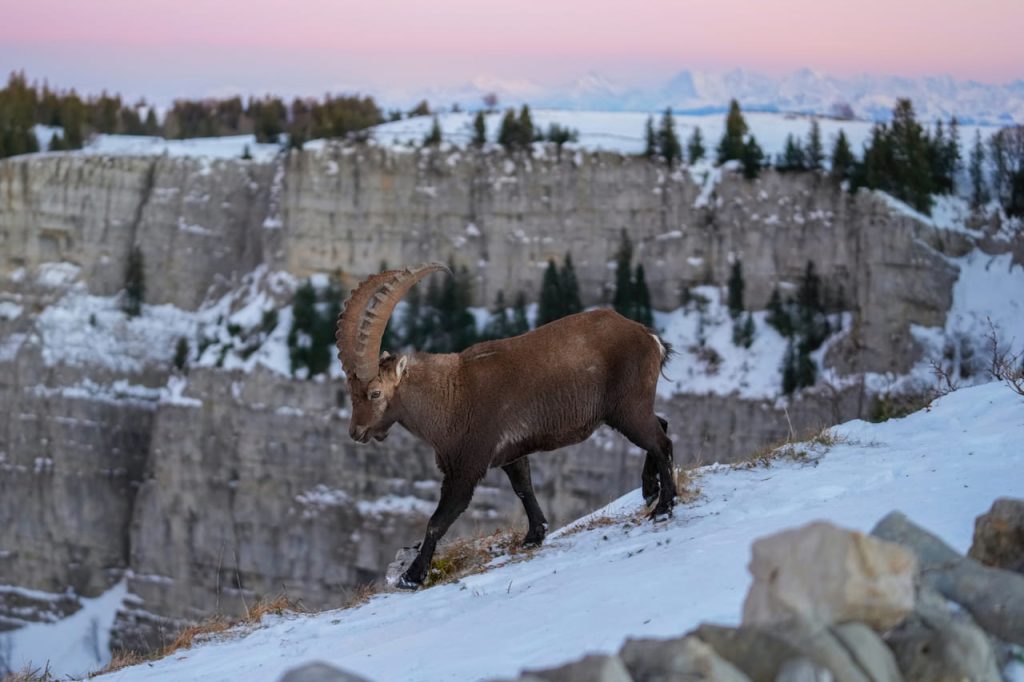
The Alps sit across central Europe with long established trails that guide you through green valleys, rocky passes, and historic villages. You move between countries without losing the continuity of the terrain. Routes like the Tour du Mont Blanc show how easy it is to combine steady climbs with reliable infrastructure. You follow marked paths, find huts where you can rest, and cross passes that take some effort but reward you with wide views. You get predictable terrain, varied scenery, and a style of backpacking that balances physical challenge with consistent access to supplies when you need them.
4. The Himalayas
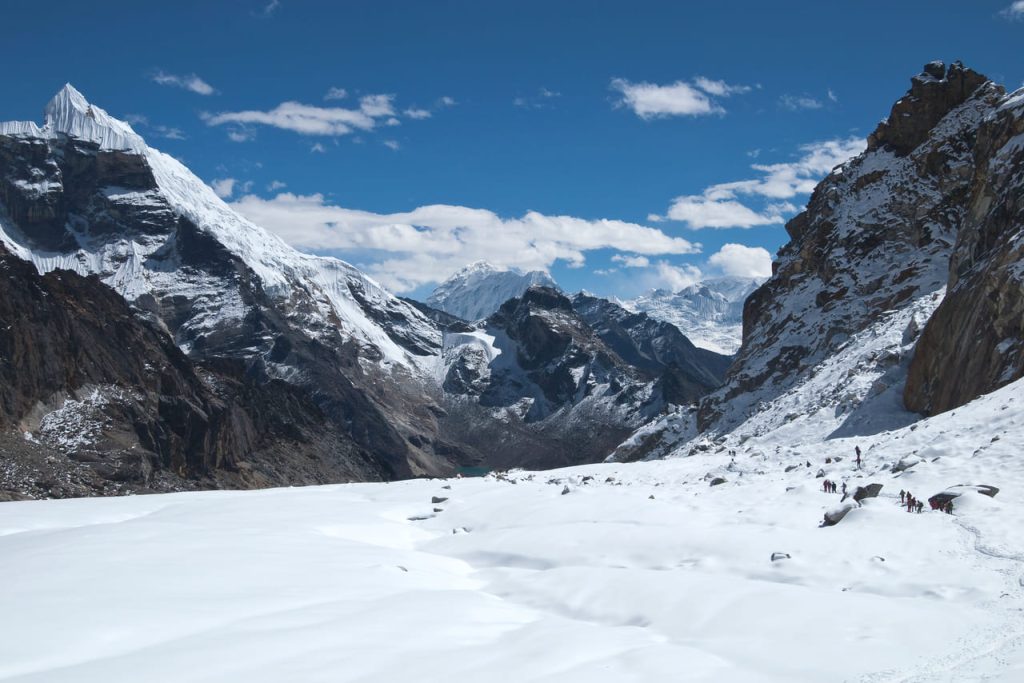
The Himalayas stretch across several countries in Asia and give you some of the highest trekking routes on the planet. You move through deep river valleys before climbing into thin air where every step feels deliberate. Popular regions in Nepal and India offer well traveled paths where you can take your time adjusting to altitude. You see long glaciers, sharp ridges, and peaks that dominate the horizon. The cultural presence along the routes adds another layer to the journey. You need patience, solid planning, and respect for weather patterns, but the experience leaves you with days of steady effort and unmatched scenery.
5. The Sierra Nevada
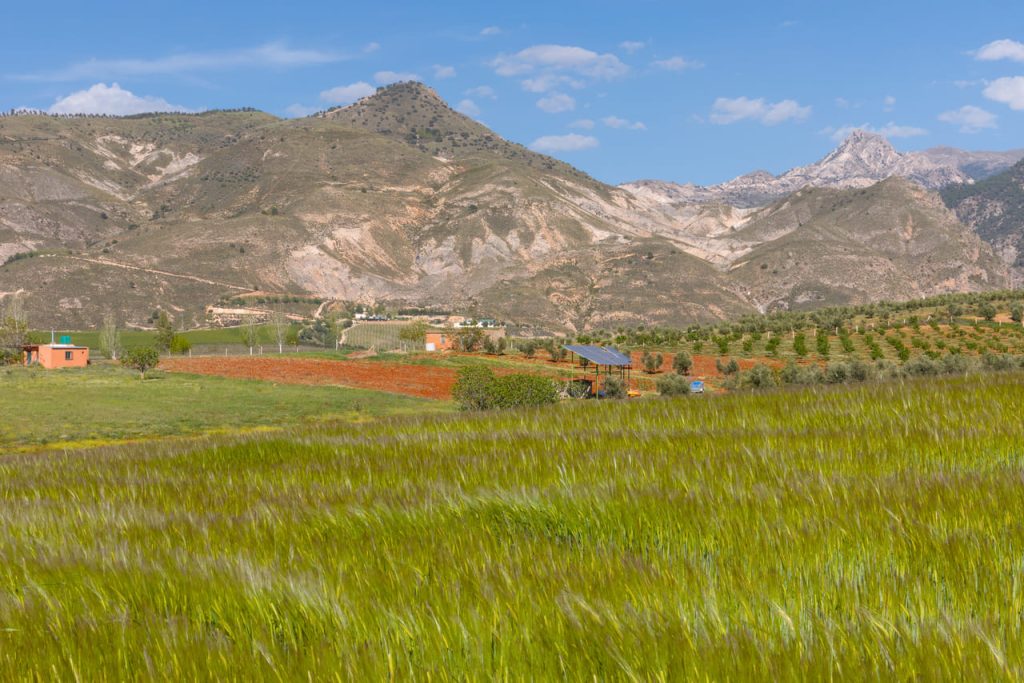
The Sierra Nevada in California lets you cross high passes, turquoise lakes, and long granite corridors that feel almost carved by hand. Trails like the John Muir Trail keep you on well marked routes through national parks where you can count on designated campsites. You deal with altitude but also enjoy clear weather for much of the year. Climbing out of valleys takes time, yet each pass gives you clean views of the next stretch. The terrain is rugged but steady, making it a good place to build confidence as you handle long days and varied conditions across a single range.
6. The Pyrenees
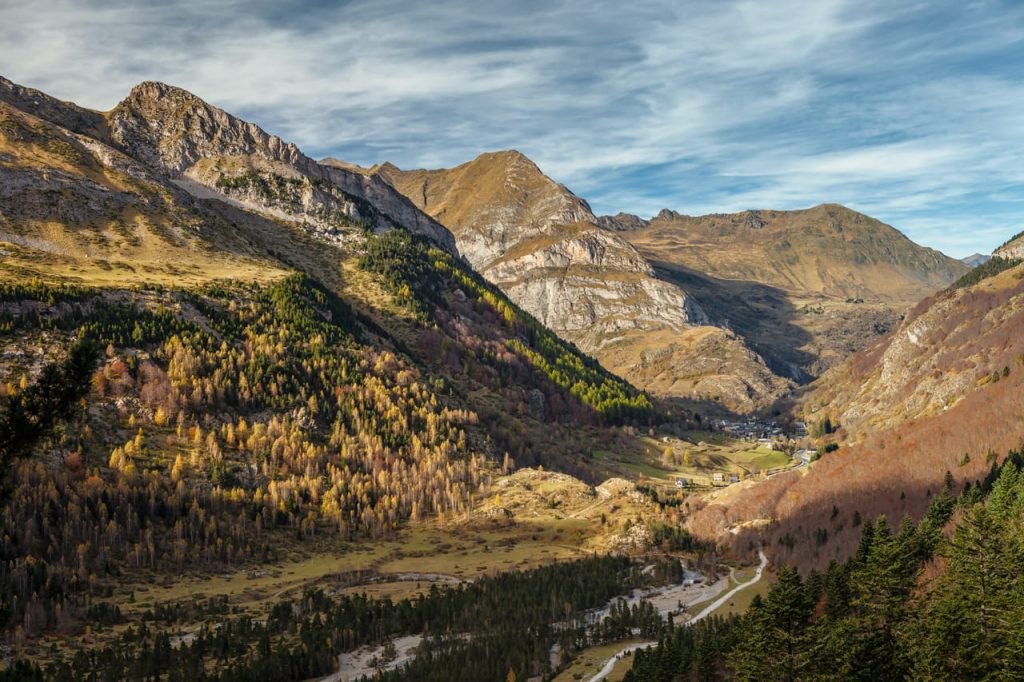
The Pyrenees sit between France and Spain with terrain that blends alpine meadows, rocky summits, and wide basins shaped by ancient glaciers. You follow well maintained trails through national parks and mountain towns where you can rest or restock. The range gives you moderate climbs that still feel rewarding, with long traverses that move you between quiet valleys and sharp ridges. Water sources are common, and the weather stays moderate in summer. You get a mix of cultures, scenery, and trail conditions that keep each day interesting without overwhelming you with extreme elevation changes.
7. The Caucasus
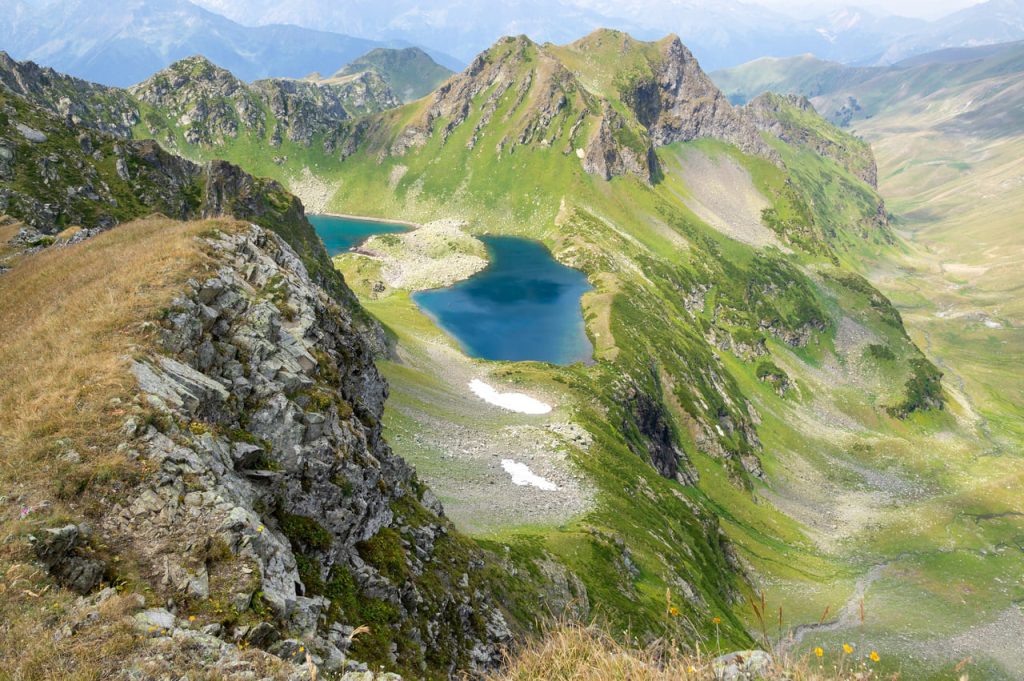
The Caucasus stretches between Europe and Asia and offers backpackers big landscapes with fewer crowds. You pass through green valleys, remote villages, and high passes that require steady pacing. Georgia and Armenia have marked trails in national parks where you can follow clear routes through dramatic scenery. You deal with steep climbs but also long gentle sections where you can settle into a comfortable rhythm. The terrain shifts often, giving you hours of open views followed by narrow paths along mountain walls. You get a sense of raw scale without losing reasonable access points for planning and resupply.
8. The Carpathians
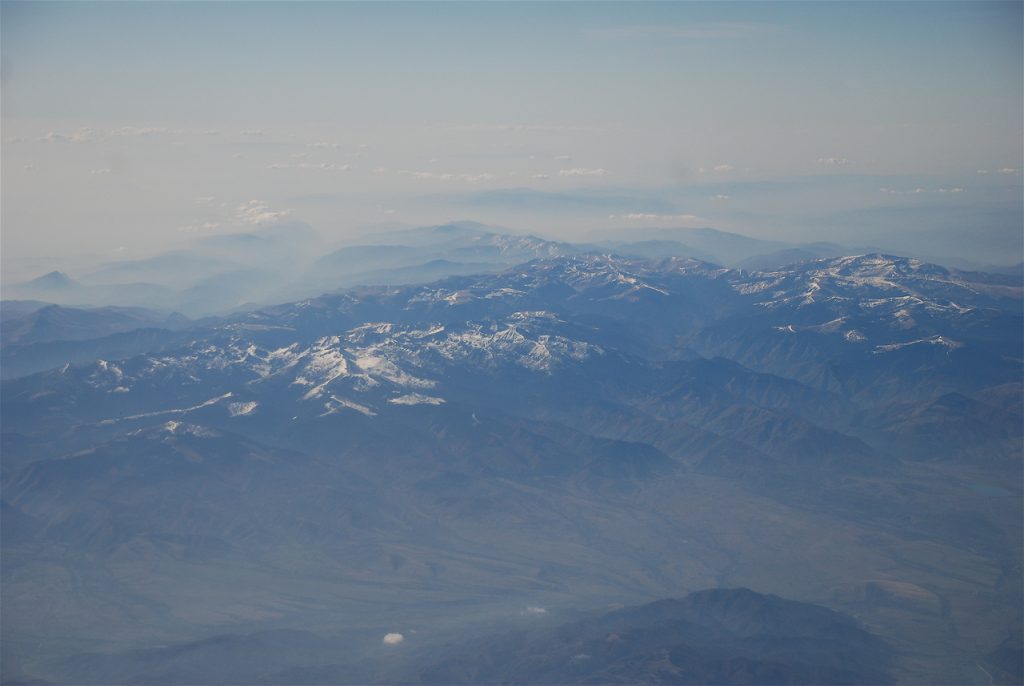
The Carpathians extend across central and eastern Europe with forested slopes, rounded summits, and long ridgelines that make for smooth multi day travel. You move through national parks where wildlife is common and trails stay well maintained. The elevation may not match higher ranges, but the distances give you real challenge as you cover wide arcs of uninterrupted terrain. Weather stays manageable in summer, and you can often find shelters or mountain huts along popular routes. You get dense forests, sudden clearings, and a rhythm that suits backpackers who enjoy long steady miles in quieter mountain regions.
9. The Southern Alps
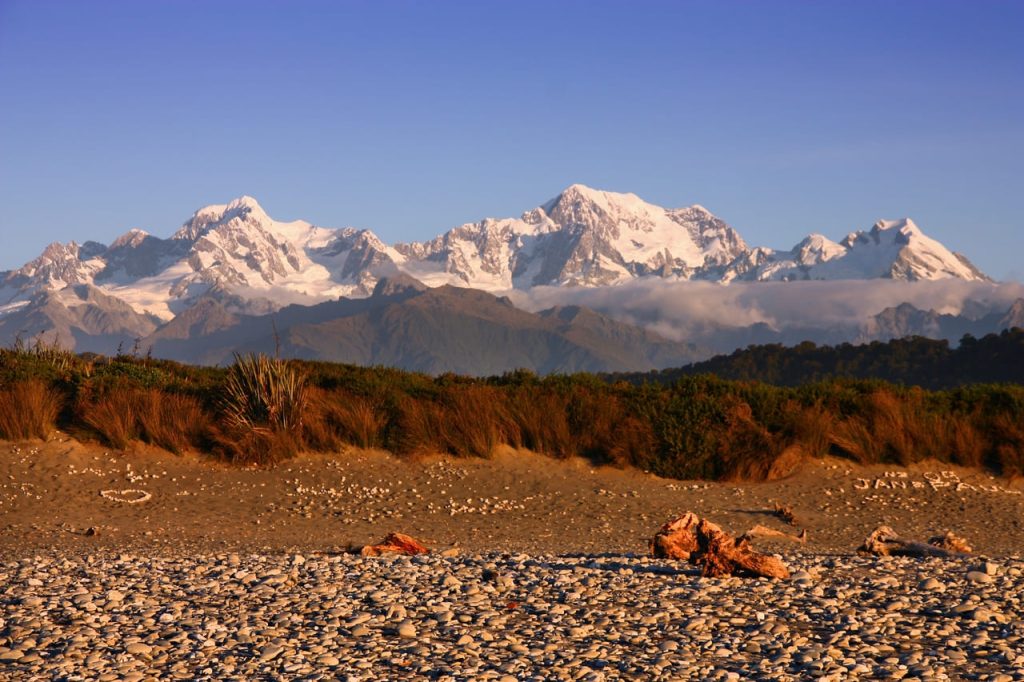
The Southern Alps of New Zealand give you rugged trails, glacial valleys, and dramatic peaks that rise sharply from the landscape. You follow marked routes within national parks where you deal with rapid weather changes and steep climbs. The terrain mixes green lowlands with high rocky sections that require careful footing. You get a clear sense of isolation without losing access to huts and established campsites. The views open up often, so you feel rewarded throughout the day. Each section brings a shift in scenery, making the range ideal for anyone who wants variety within a single backpacking trip.
10. The Appalachian Mountains
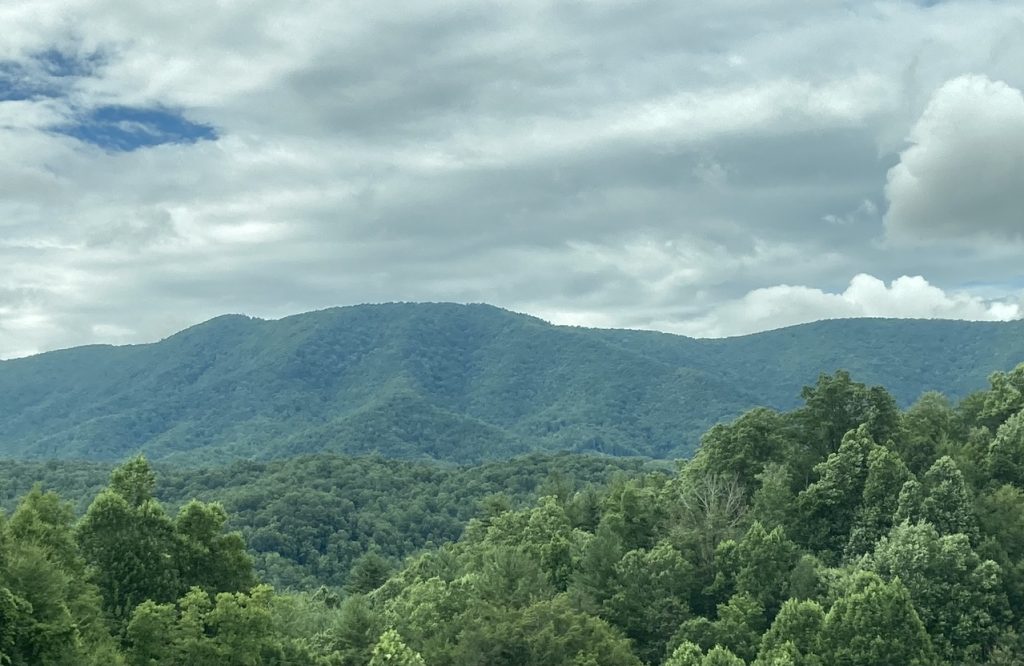
The Appalachian Mountains offer one of the most accessible long distance backpacking experiences in the United States. You follow trails that move through forests, ridges, and rolling summits without extreme altitude. The Appalachian Trail is the most well known route, but you also have many shorter sections that let you tailor your trip. You deal with humidity at lower elevations, yet the steady grade makes long days manageable. You get reliable shelters, water sources, and signage. The charm of the range comes from the long quiet stretches where you can move at your own pace and settle into the trail.
11. The Drakensberg
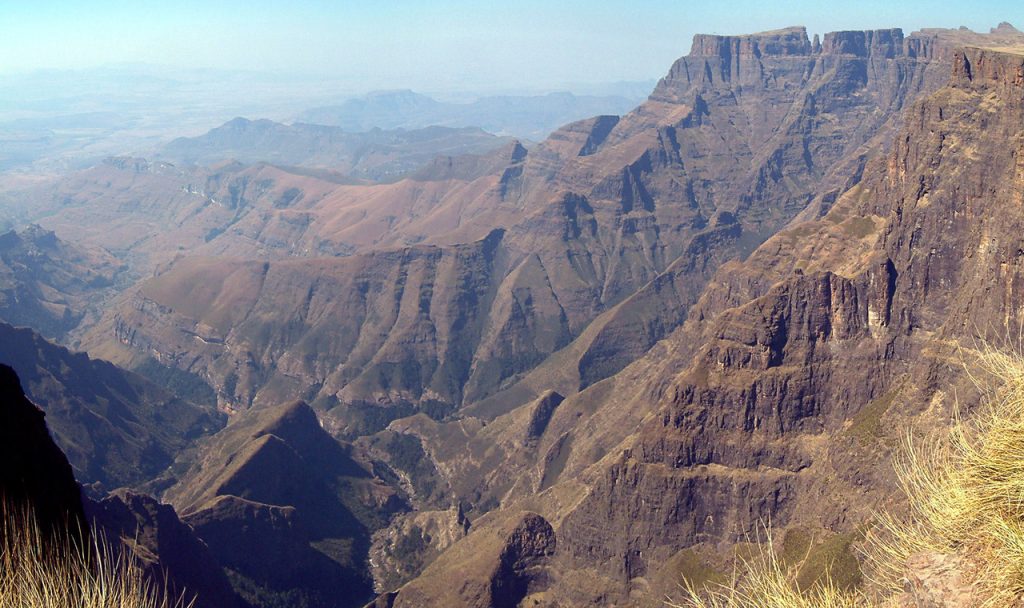
The Drakensberg in southern Africa gives you long basalt cliffs, grassy plateaus, and deep valleys carved by rivers. You follow established paths through protected areas where you can count on clear markings and scenic lookouts. The climbs can be steep, but the open terrain lets you see your route from far away, which helps with pacing. You encounter waterfalls, narrow passes, and high viewpoints that reward your effort. The region balances accessibility with a sense of wild space, making it a strong choice for backpackers who want big landscapes without extreme technical demands.
12. The Tien Shan
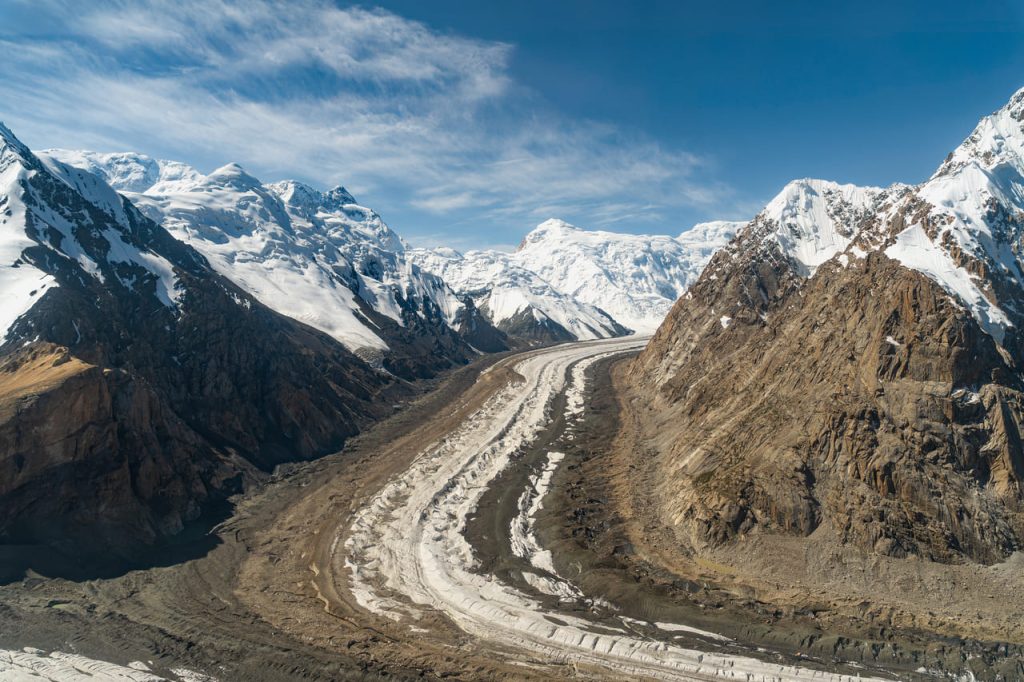
The Tien Shan spans parts of Central Asia with sharp ridges, broad glaciers, and high valleys that give you serious altitude and long distances. Kyrgyzstan and Kazakhstan maintain trekking routes where you can follow clear paths into remote sections of the range. You deal with challenging climbs and cold nights, but you also get sweeping views that stay with you long after the trip. The open terrain demands thoughtful planning, yet the payoff comes from the sense of isolation and the scale of the peaks around you. You experience rugged beauty that feels both remote and inviting.
13. The Japanese Alps
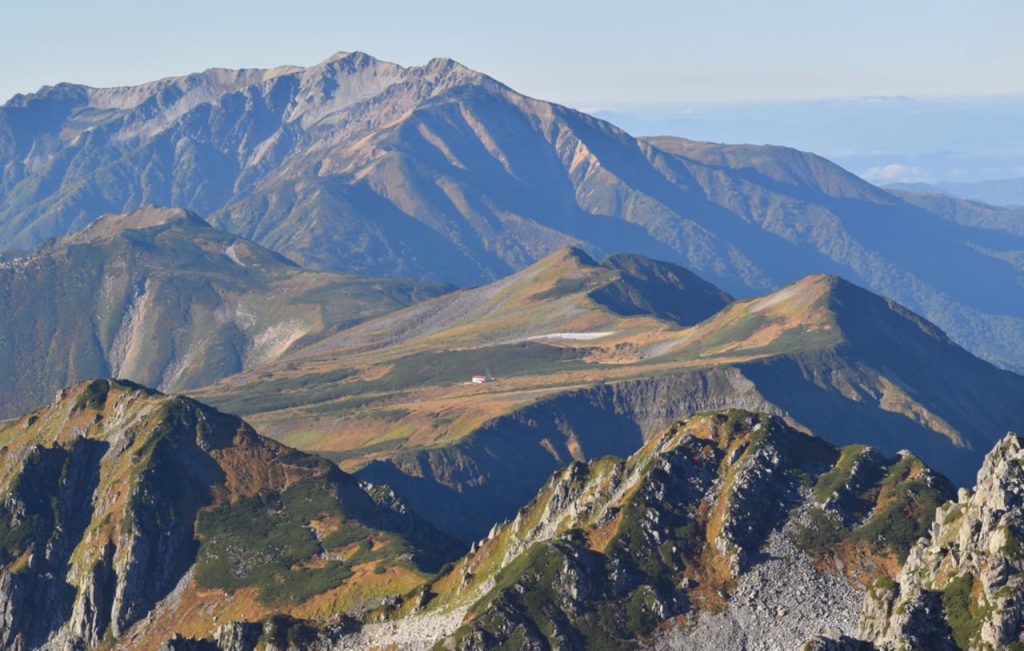
The Japanese Alps run through central Honshu and offer steep climbs, rocky summits, and well maintained trails supported by mountain huts. You move quickly from forested slopes into open alpine zones where weather can shift without warning. The trails are clear, and the infrastructure helps you plan multi day routes with confidence. You see layered valleys, sharp ridges, and peaks that create a tight, dramatic skyline. The range rewards strong pacing and careful route choices, making it a favorite for backpackers who want a mix of physical challenge and dependable trail conditions in a compact region.