13 Essential Japan Tips For First-Time Visitors Before Arrival
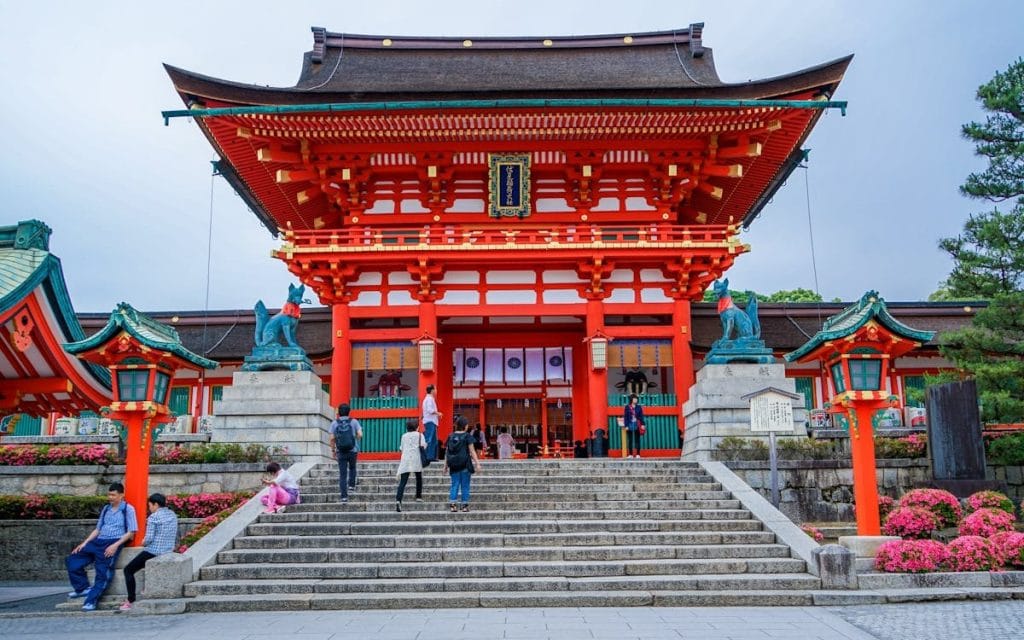
You can make your trip to Japan smoother by learning a few helpful tips before you go. Visiting this fascinating country offers unforgettable experiences, but small details can make a big difference. From travel passes to etiquette, being prepared helps you avoid confusion and enjoy the culture more deeply. By planning ahead, you’ll feel confident navigating everything from transportation to customs, ensuring your first visit feels effortless and enjoyable.
Learn Basic Japanese Phrases
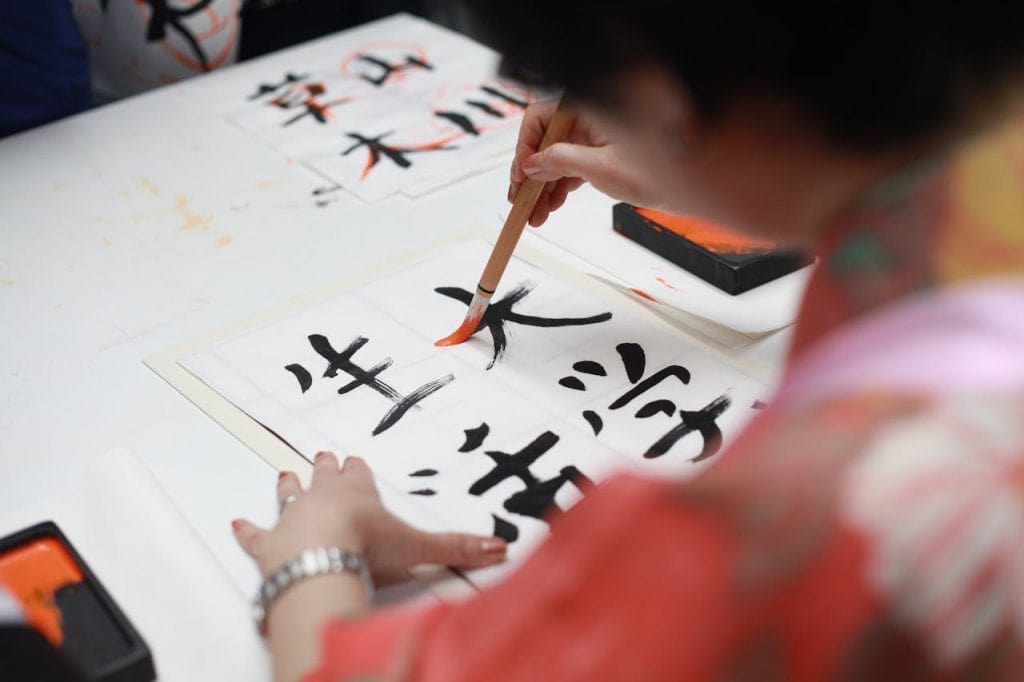
You should learn a few simple Japanese phrases to show respect and connect with locals. Words like “arigatou” for thank you and “sumimasen” for excuse me go a long way. Even small efforts are appreciated, and people often respond warmly. Having a translation app helps in situations where English isn’t common, especially in smaller towns and traditional markets.
Get a Japan Rail Pass
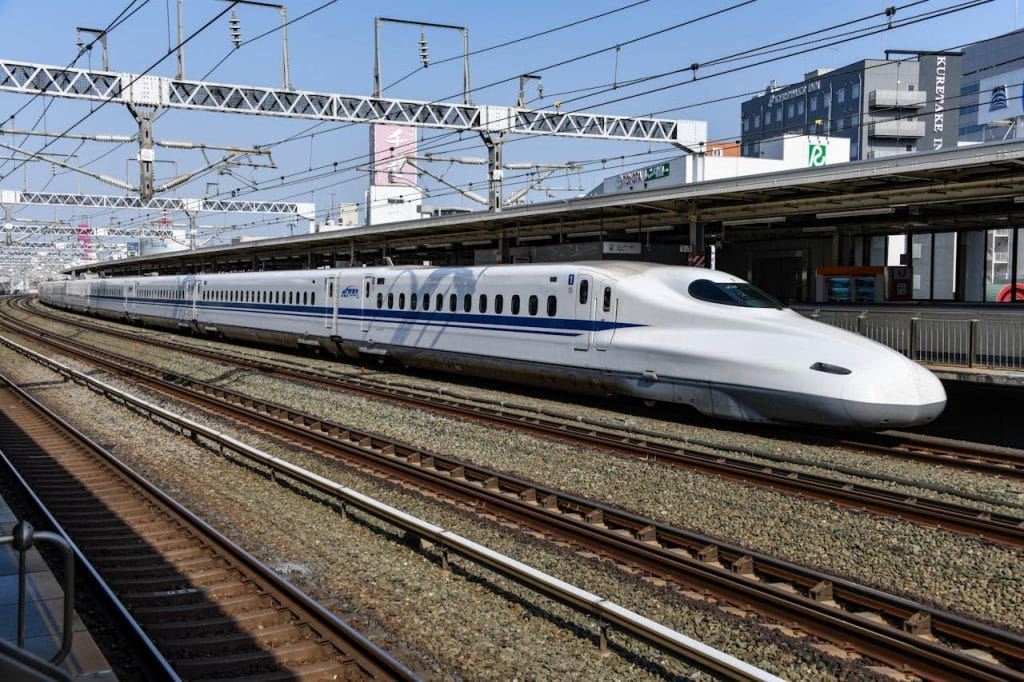
You can save money and travel easily by purchasing a Japan Rail Pass before your trip. It offers unlimited rides on most trains, including bullet trains, for a fixed period. Buying it ahead of time is cheaper and more convenient. Once you activate it in Japan, you can explore major cities and scenic routes without worrying about expensive single tickets.
Carry Cash Along With Cards

You should bring some cash since many small restaurants and local shops still prefer yen. While credit cards are accepted in cities, rural areas may not have card machines. ATMs at convenience stores like 7-Eleven or FamilyMart usually accept foreign cards. Keeping both cash and cards ensures you never run into payment issues during your travels.
Download Essential Travel Apps
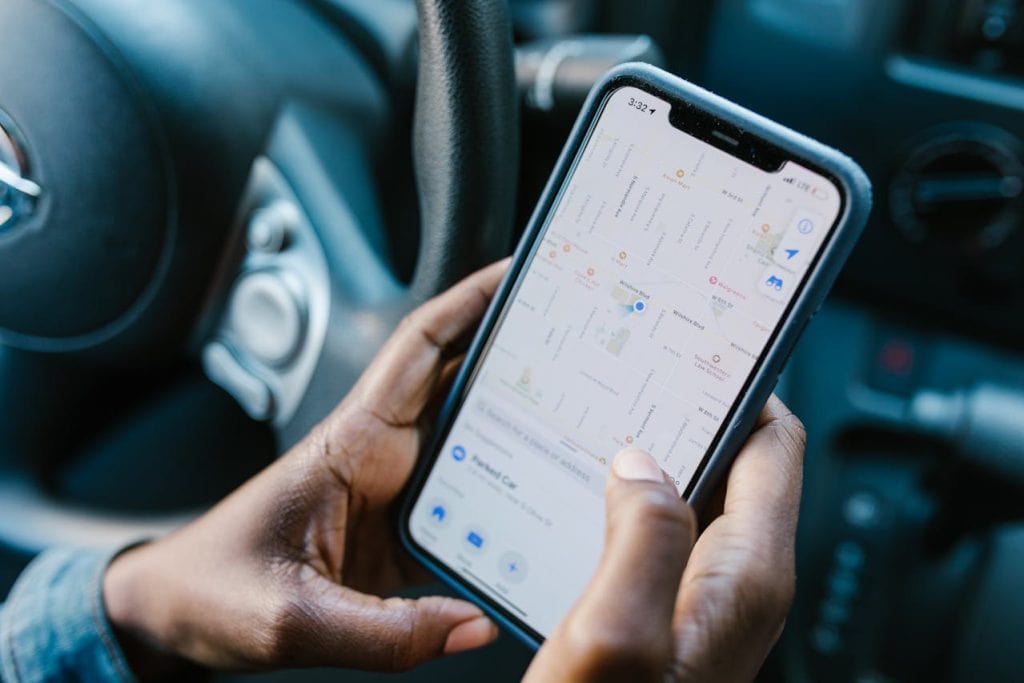
You can make navigating Japan much easier by downloading key travel apps. Train route apps like Japan Travel or Google Maps help you plan connections accurately. Translation tools and currency converters are also useful. Many areas have free Wi Fi, so you can rely on these apps to guide you efficiently through transport, dining, and sightseeing.
Respect Local Etiquette

You should familiarize yourself with local customs since etiquette matters deeply in Japan. Bowing instead of shaking hands, speaking quietly in public, and removing shoes indoors are common practices. Following these norms shows politeness and helps you blend in. Observing how locals behave in temples or restaurants offers valuable guidance in maintaining cultural respect.
Buy a SIM Card or Pocket Wi-Fi

You can stay connected easily by purchasing a SIM card or renting a pocket Wi-Fi device at the airport. Reliable internet access helps you navigate directions, translate menus, and stay in touch with family. Many options offer unlimited data plans. Staying online ensures smoother communication and saves time when exploring new places.
Pack Comfortable Shoes

You should pack comfortable walking shoes since you’ll spend a lot of time exploring on foot. Japan’s cities and attractions often involve long walks, stairs, and temple grounds. Choosing supportive footwear prevents fatigue and makes sightseeing more enjoyable. A pair of slip-on shoes also helps when visiting places that require you to remove them indoors.
Know Public Transportation Rules
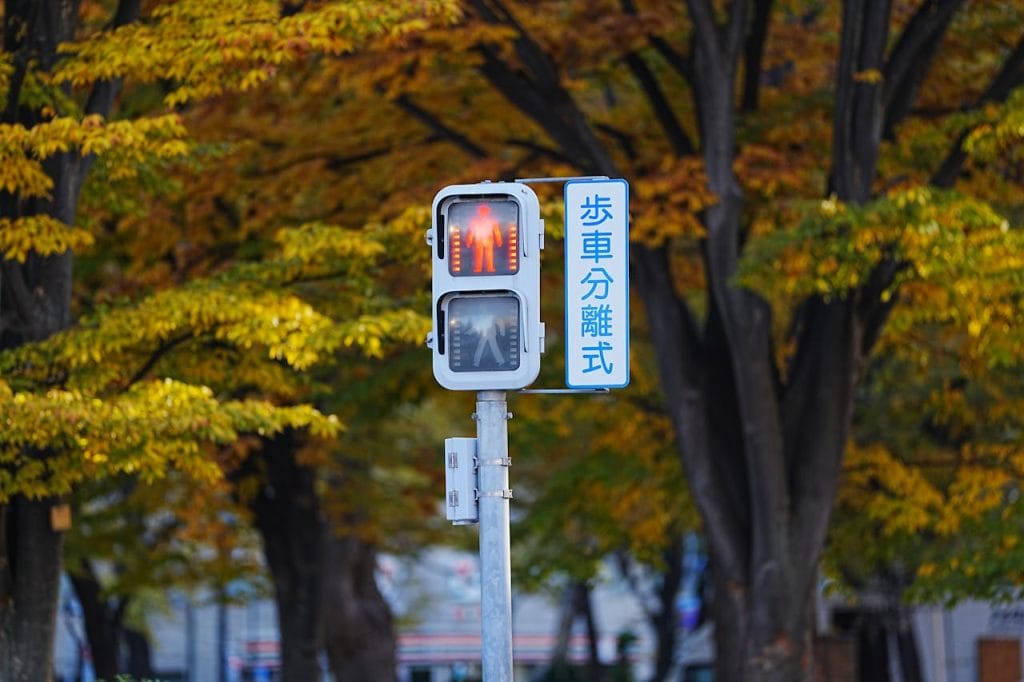
You can make your train rides smoother by learning public transport etiquette. Keep noise levels low, avoid eating, and line up neatly while boarding. Priority seats are reserved for the elderly and pregnant women. Having your transit card ready speeds up entry. Following these unspoken rules helps maintain the peaceful, organized rhythm of Japanese public life.
Understand the Tipping Culture
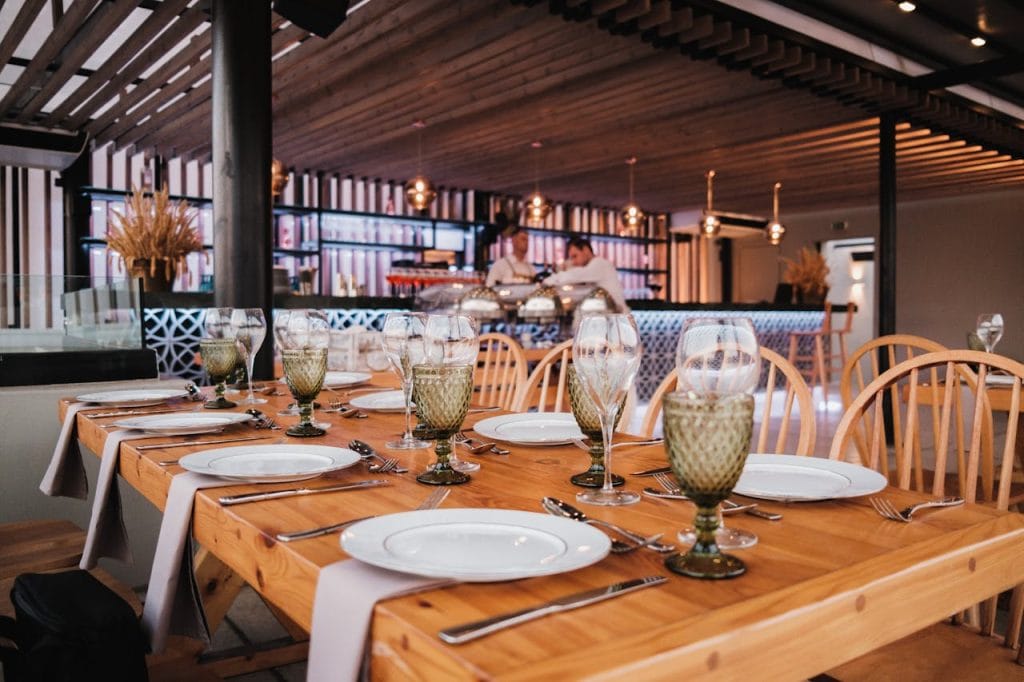
You should remember that tipping isn’t customary in Japan. Excellent service is already included in the price, and offering extra money may even cause confusion. Instead, showing gratitude through kind words or a simple bow is appreciated. Understanding this cultural difference helps you avoid awkward moments while respecting local practices.
Try Convenience Store Food
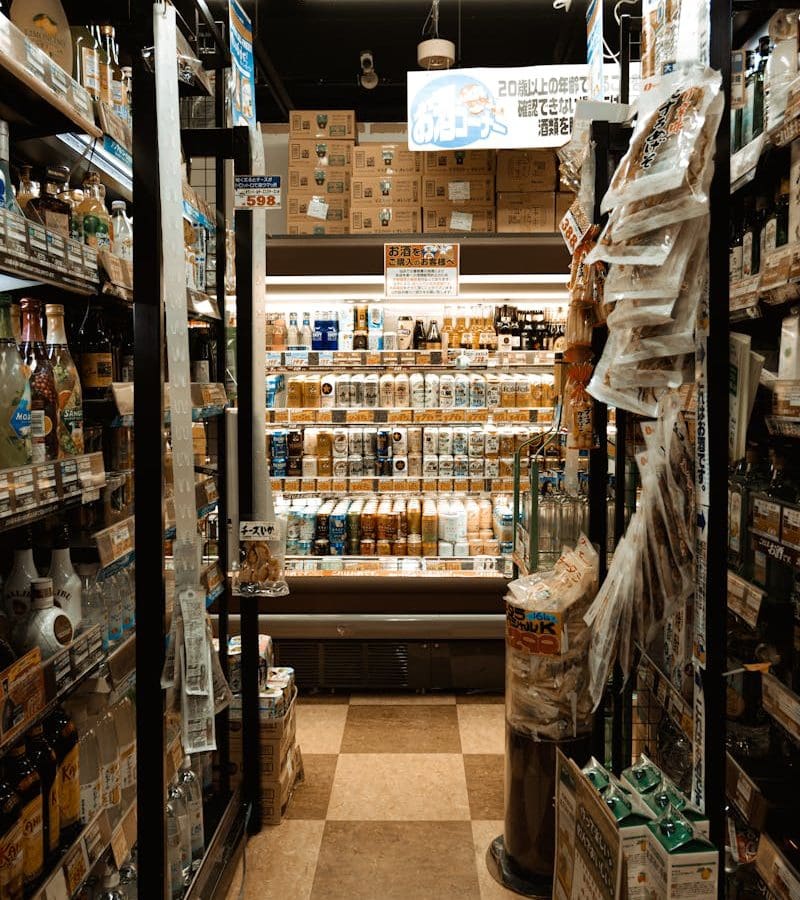
You can enjoy affordable and tasty meals by exploring Japan’s convenience stores. Known as “konbini,” places like Lawson or 7-Eleven offer fresh sandwiches, bento boxes, and onigiri. The food quality is surprisingly high and perfect for quick bites during travel. Trying these meals gives you an authentic and budget-friendly glimpse into everyday Japanese life.
Carry Reusable Bags
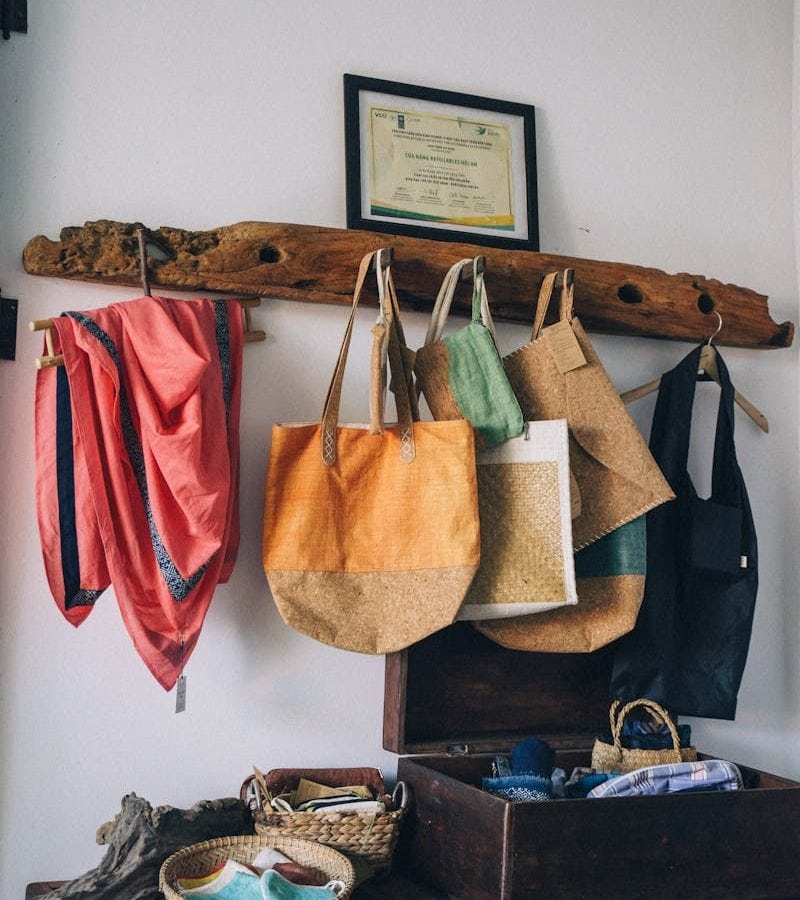
You should bring a reusable shopping bag since many stores charge for plastic bags. Having one handy helps you reduce waste and carry souvenirs easily. It’s a small but practical habit that aligns with Japan’s eco-friendly culture. Plus, stylish reusable bags make great keepsakes and fit perfectly into a travel backpack or purse.
Exchange Money Beforehand
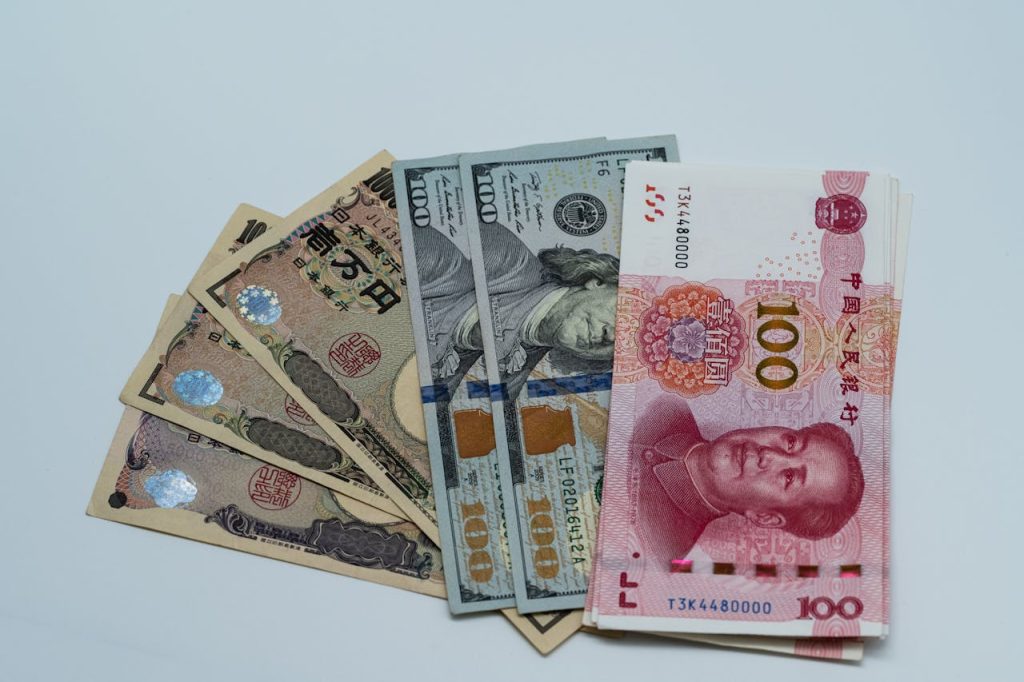
You can get better exchange rates by converting some currency before arriving. While Japan has currency exchange counters, doing it in advance saves time at the airport. Bringing yen for taxis, vending machines, and small vendors helps you settle in quickly. Having local cash ready eliminates stress when you first land in Japan.
Research Cultural Etiquette in Advance
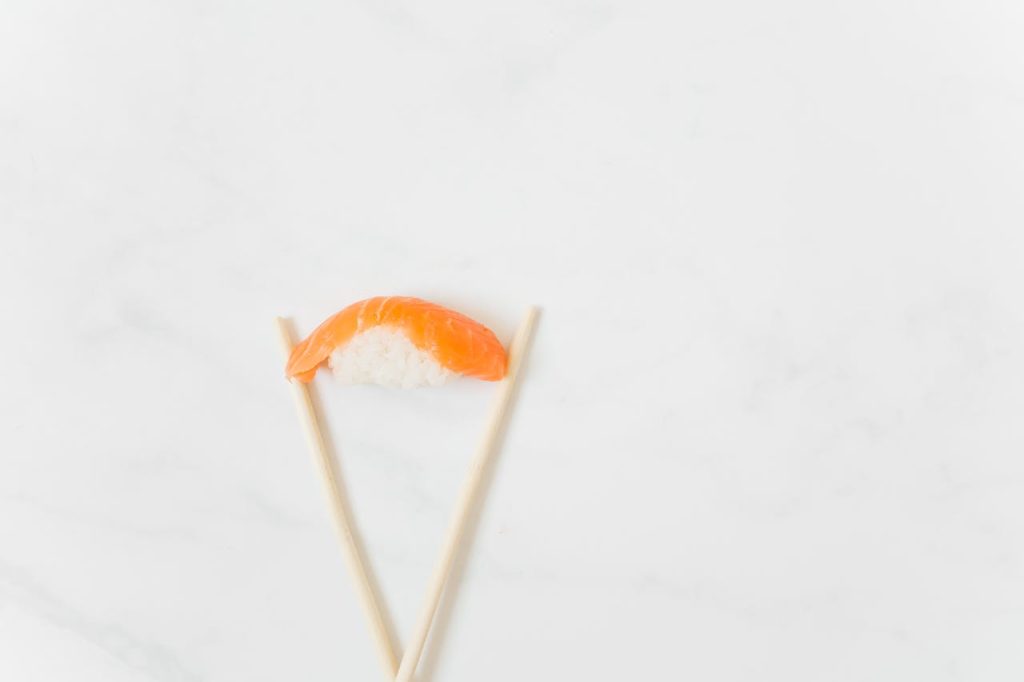
You should spend a little time researching cultural etiquette before your trip. Simple habits like speaking softly on public transport, handling chopsticks correctly, and queuing patiently show respect. Understanding these customs helps you feel more confident in daily interactions. Preparing ahead allows you to connect genuinely with locals and enjoy Japan’s culture without misunderstandings.