13 Historic U.S. Sites That Went from Tourist Hotspots to Empty Streets
You’ve probably visited places that once drew steady crowds, only to find them strangely quiet today. When a site loses foot traffic, it often speaks to bigger shifts in travel habits, economic changes, or how people relate to history. What this really means is that you walk through streets where the energy has slowed, the chatter has faded, and the pace feels almost suspended. These places still matter, though. You see how tourism rises and falls, how preservation struggles for attention, and how the country’s landmarks don’t always stay in the spotlight even when their stories remain important.
1. Tombstone Historic District, Arizona
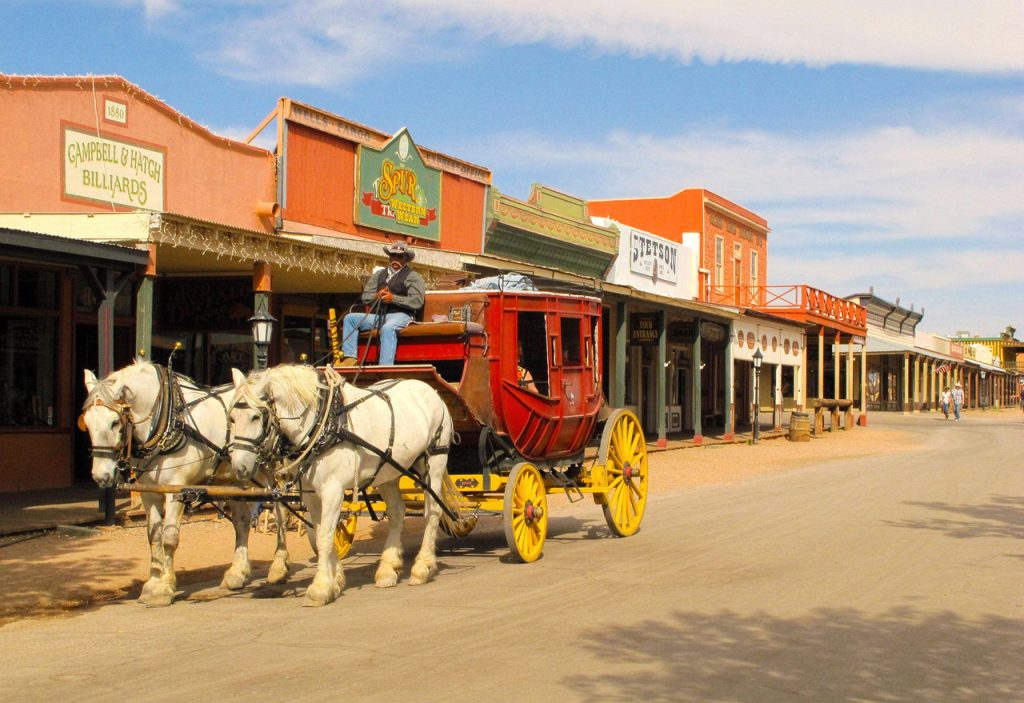
When you walk through this old mining town, you still see the wooden storefronts and signage that made it famous, but the crowds that surged after the success of western films have thinned. Many visitors shifted to national parks or modern attractions, leaving Tombstone quieter than it was through the 70s and 80s. You still find staged reenactments of the well-known gunfight, but weekday visits feel sparse. Local historians say interest cycles every generation, which explains why the streets look calmer today even though the town keeps its heritage carefully maintained.
2. Centralia, Pennsylvania
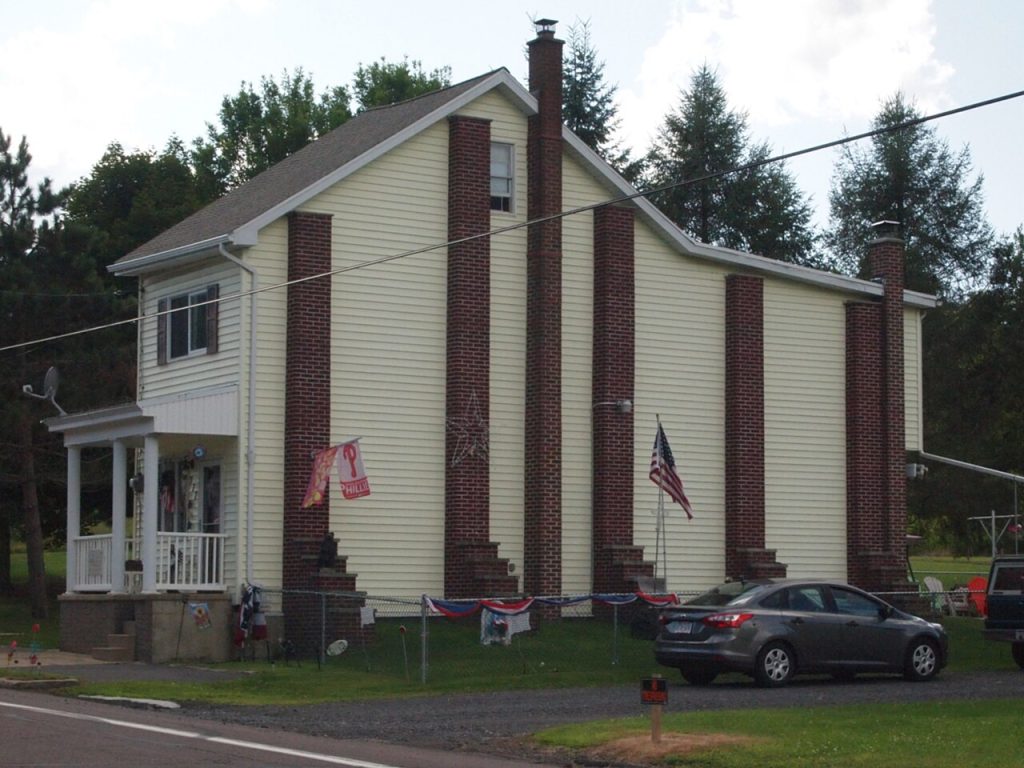
You’ve heard about the underground mine fire that forced most of this town to evacuate. Once travelers stopped by out of curiosity, especially after media coverage in the 90s, but the remaining streets now sit mostly empty. Safety restrictions increased, viewpoints closed, and the state limited access to certain areas. That shift steadily lowered tourism. You still feel the strange quiet when you walk the few accessible blocks, but it reflects years of relocation programs and environmental monitoring rather than a loss of historical relevance.
3. Bodie State Historic Park, California
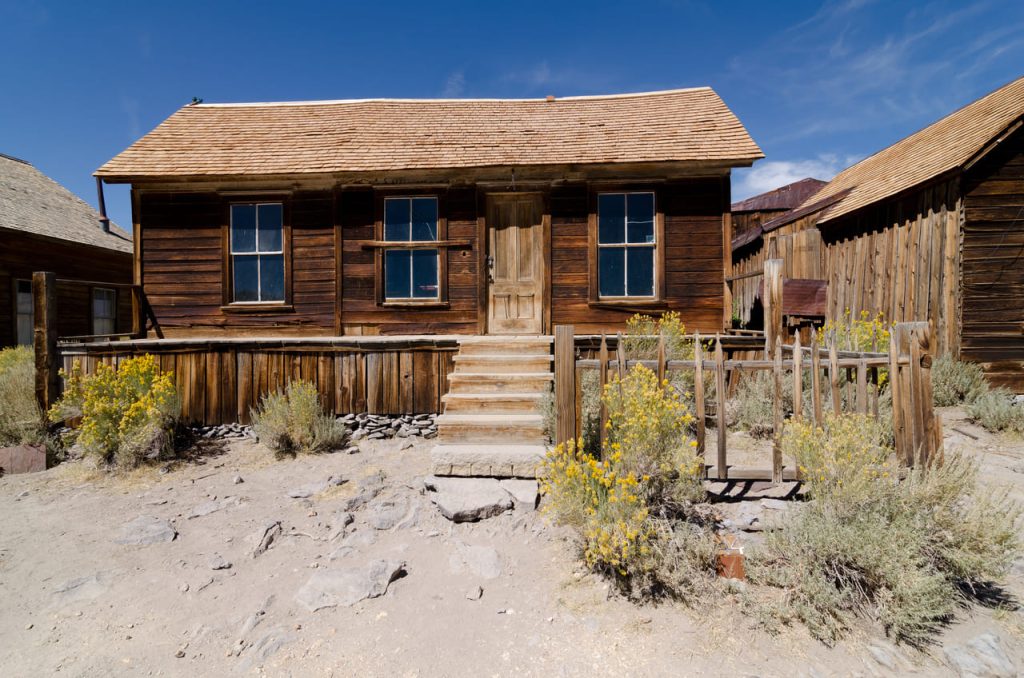
You step into Bodie expecting crowds because it’s one of the most preserved ghost towns in the country, yet many days pass with very few visitors. Rising fees, long drives, and limited services keep turnout low. Rangers continue the “arrested decay” method that preserves buildings as they were found, which means fewer modern comforts and less commercial draw. That quiet works in your favor if you like solitude, but it shows how remote sites often see less traffic once the novelty fades and travel patterns shift toward cities.
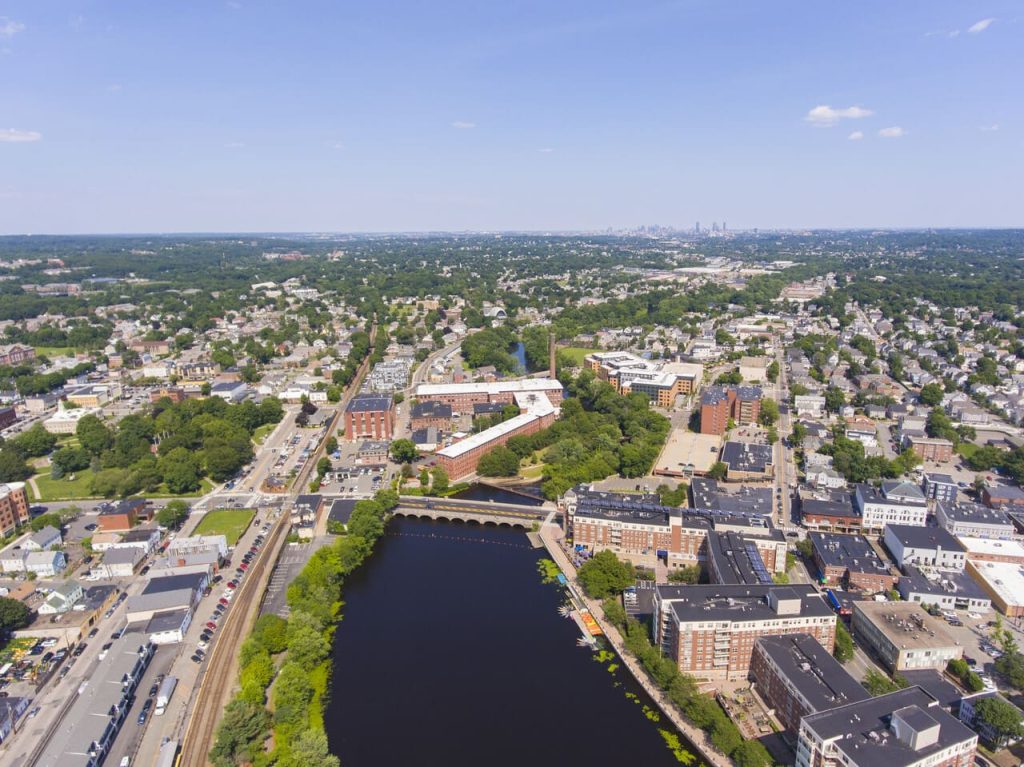
4. Lowell Mill District, Massachusetts
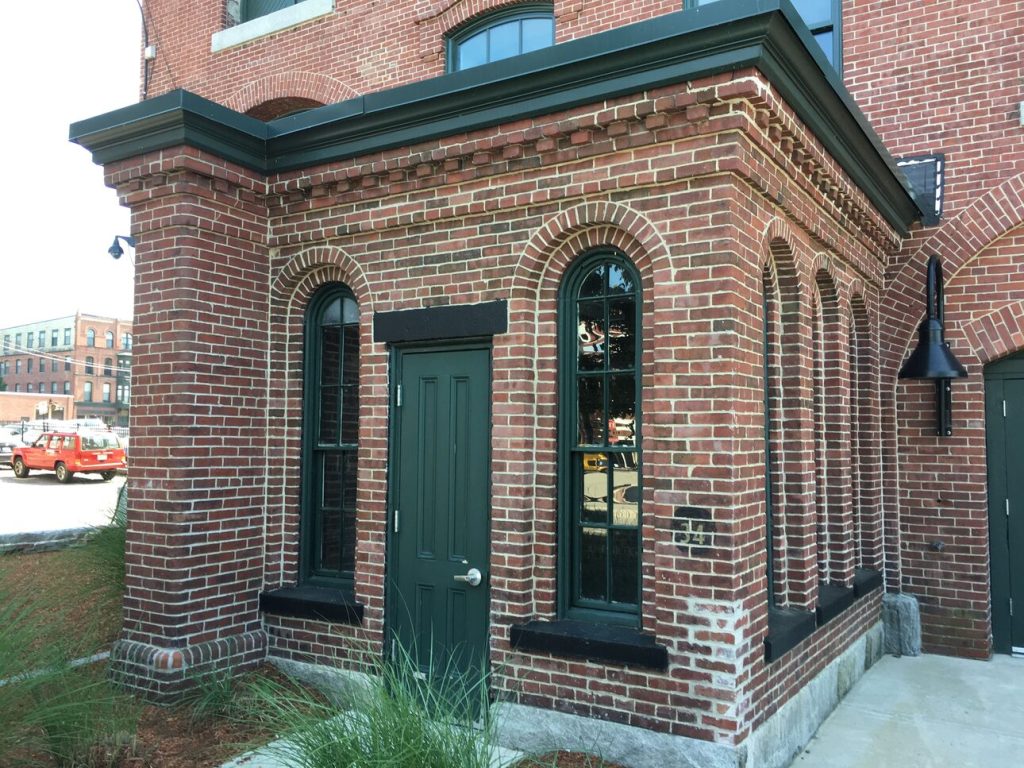
You walk through textile mills that once hosted large school tours, but attendance slowed after education budgets tightened and newer STEM-focused destinations gained traction. The National Park Service still maintains the exhibits, but weekdays feel noticeably calmer than they did a decade ago. Historians point out that industrial history lost some classroom priority, which lowered group visits. The site stays meaningful if you want to understand early labor movements, but it no longer pulls the steady streams that once filled the walkways.
5. South Pass City, Wyoming
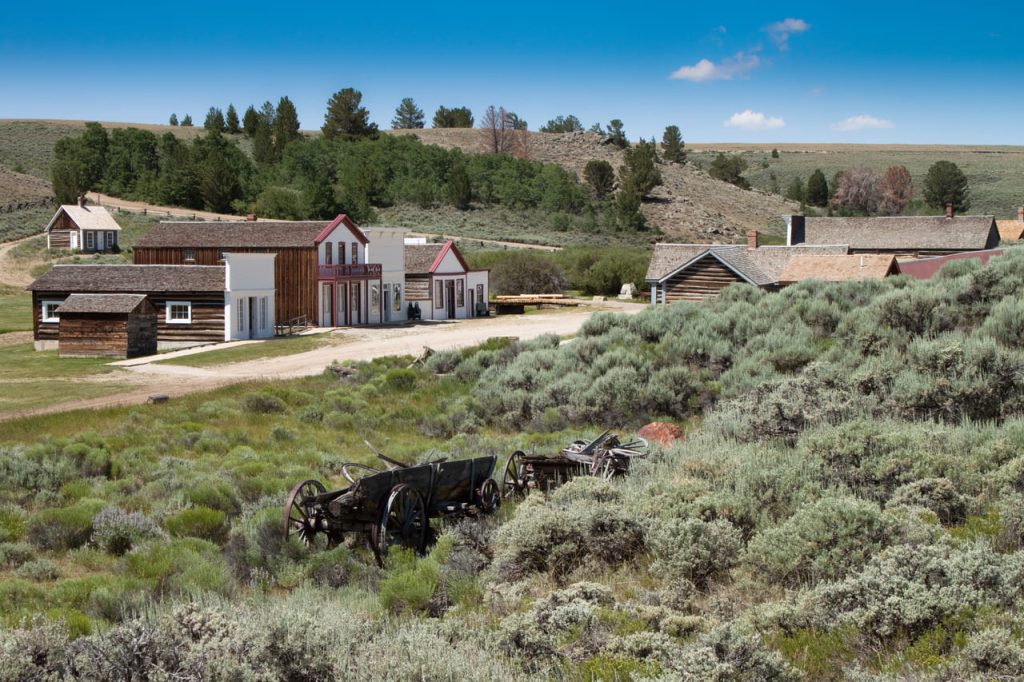
This former gold camp used to draw steady summer travelers, especially RV groups. Visitor numbers dipped as longer trips shifted toward Yellowstone and Grand Teton. You still see restored homes and mining structures, but the long approach road and limited amenities make casual visits less common. State staff continue preserving the town’s role in early women’s voting rights, yet wide parts of the streets stay empty on most days. That change reflects how travelers prioritize convenience even when the history is strong.
6. Cahawba, Alabama
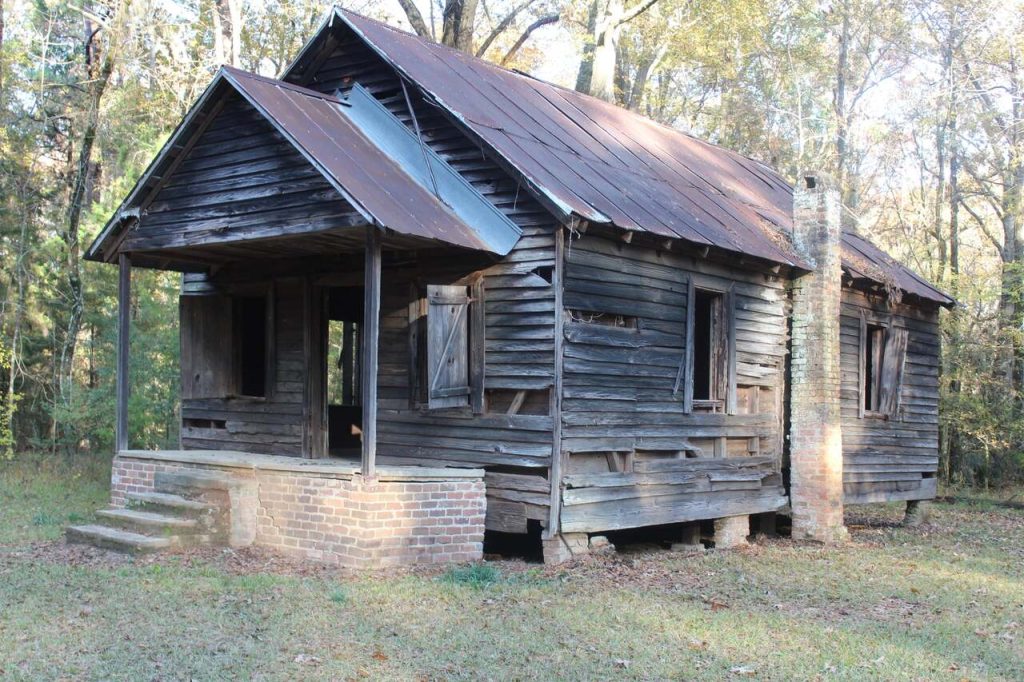
You explore Alabama’s first state capital expecting crowds, but the remaining foundations and trails stay quiet most of the year. Flooding, shifting river patterns, and repeated relocations in the 1800s left the town abandoned long before tourism developed. Early 2000s heritage programs brought attention, but without major facilities or paved access, turnout slowly declined. You still get guided tours during events, but most days feel empty, which matches the long pattern of limited infrastructure supporting the site.
7. Fort Union Trading Post, North Dakota
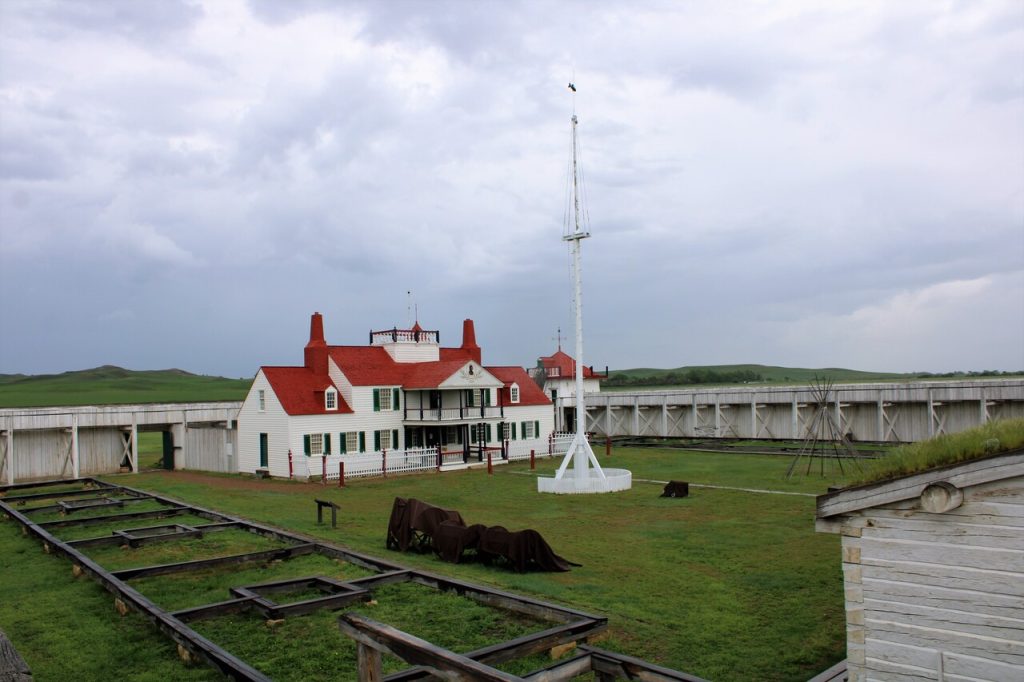
This reconstructed trading hub once saw strong school visitation because it helped explain interactions between traders and tribal nations. Over time, changing curriculum standards reduced group stops. Long drives also deter casual travelers. Rangers keep living-history demonstrations available on seasonal schedules, but weekday attendance dropped. You notice the quiet immediately, and it highlights how rural sites face ongoing challenges even when their stories about commerce and diplomacy remain well documented through the National Park Service.
8. St. Elmo, Colorado
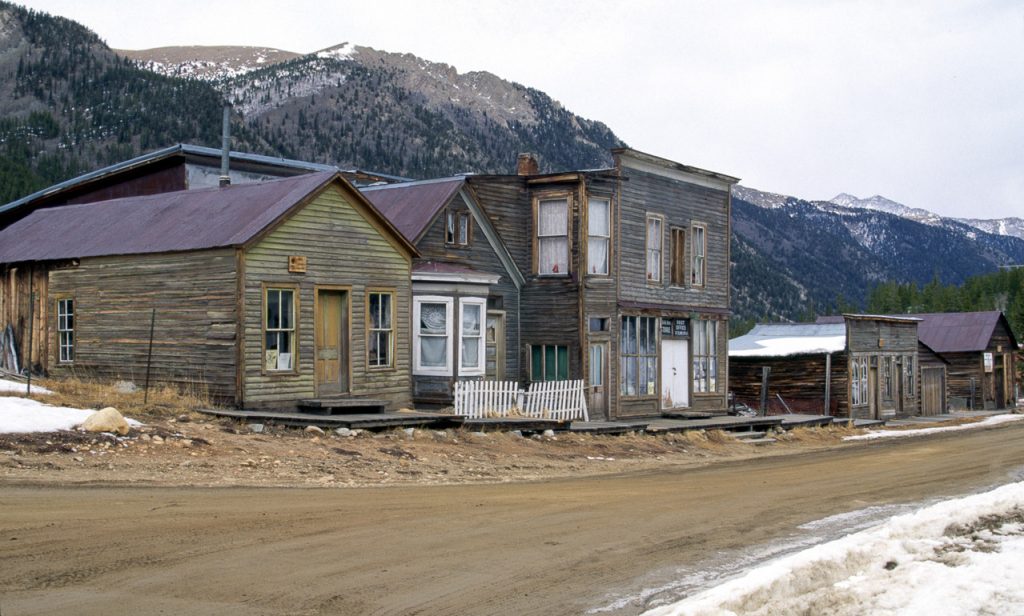
You reach this mountain ghost town expecting steady foot traffic, but the narrow road and limited parking keep many visitors away. St. Elmo once drew large summer crowds for off-roading and photography. As nearby towns grew more commercial, travelers shifted toward locations with easier access. The preserved wooden structures still stand in strong condition thanks to local volunteers, yet the quiet streets show how the town’s popularity now peaks only during short holiday windows rather than the long seasons it once saw.
9. Harpers Ferry Lower Town, West Virginia
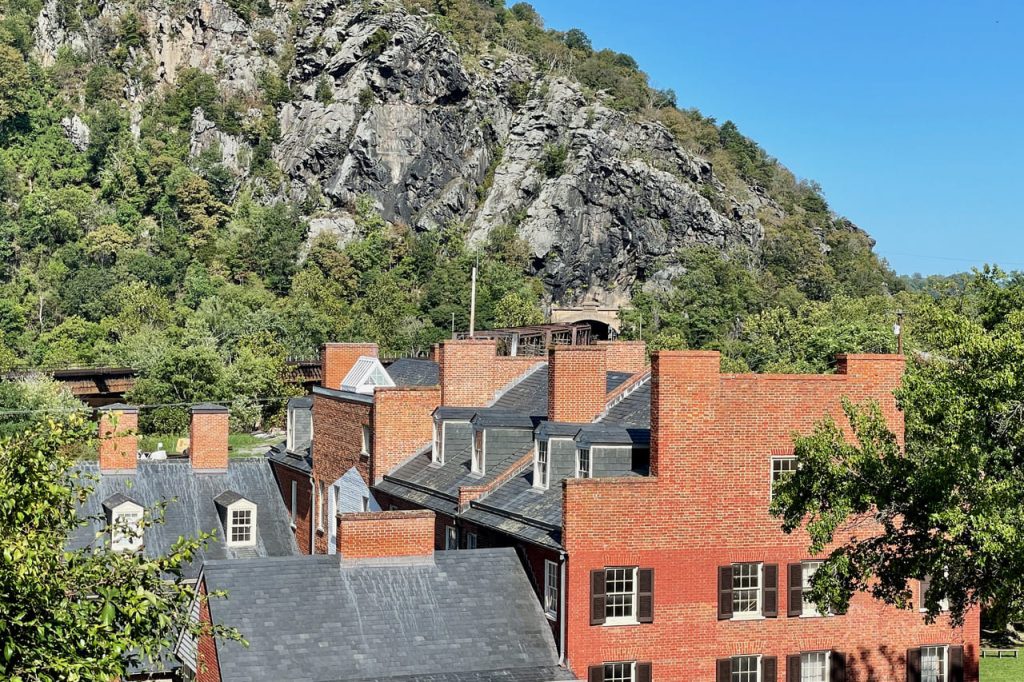
You walk through streets tied to the Civil War and abolition history, yet attendance ebbs as parking restrictions and shuttle requirements discourage spontaneous visits. The site once drew steady interest after textbook features and film attention, but newer museums and battlefield centers spread visitors across the region. Rangers still host programs, though crowds thin outside major anniversaries. You notice how the slower pace reflects logistical hurdles rather than a decline in the site’s historical significance.
10. Kennecott Mines, Alaska
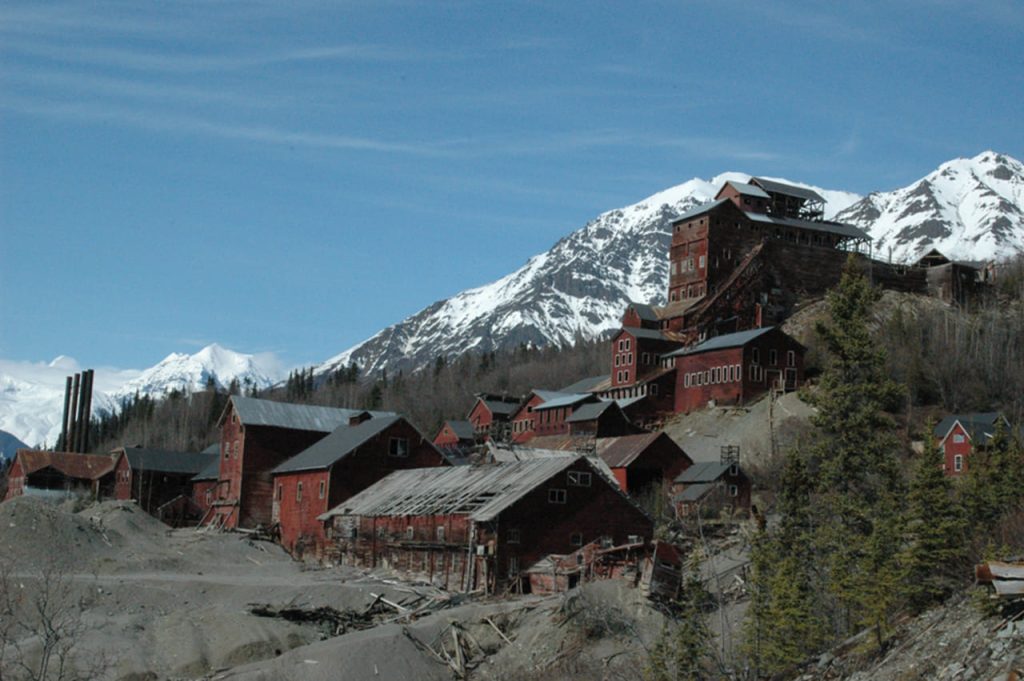
You make the long trip into Wrangell-St. Elias hoping for a lively historic area, but distance keeps daily numbers low. The copper mill structures once brought strong tourism after the site joined the National Park Service system, yet unpredictable weather and limited transportation options reduced spontaneous visits. Restoration continues with careful planning, and the buildings remain some of the most impressive industrial ruins in the country. Even so, the remote location ensures you often walk through near-empty paths.
11. Shaker Village of Hancock, Massachusetts
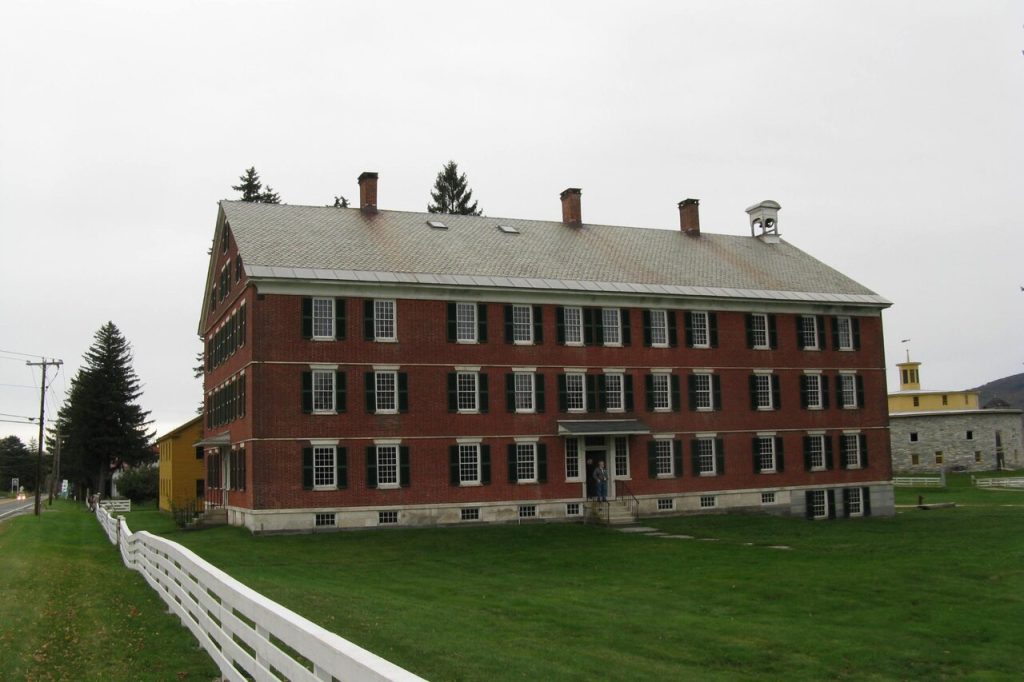
This site once drew large cultural tourism groups thanks to exhibits on Shaker craftsmanship. Attendance slowed as tour companies cut rural stops and travelers leaned toward more flexible itineraries. You can still explore workshops and preserved living spaces, but weekdays feel noticeably calm. Historians continue documenting Shaker communities with well-sourced records, yet the site now operates with smaller events and fewer daily crowds. Walking the paths shows how heritage tourism rises and falls based on convenience rather than quality.
12. Kalaupapa Overlook, Hawaii
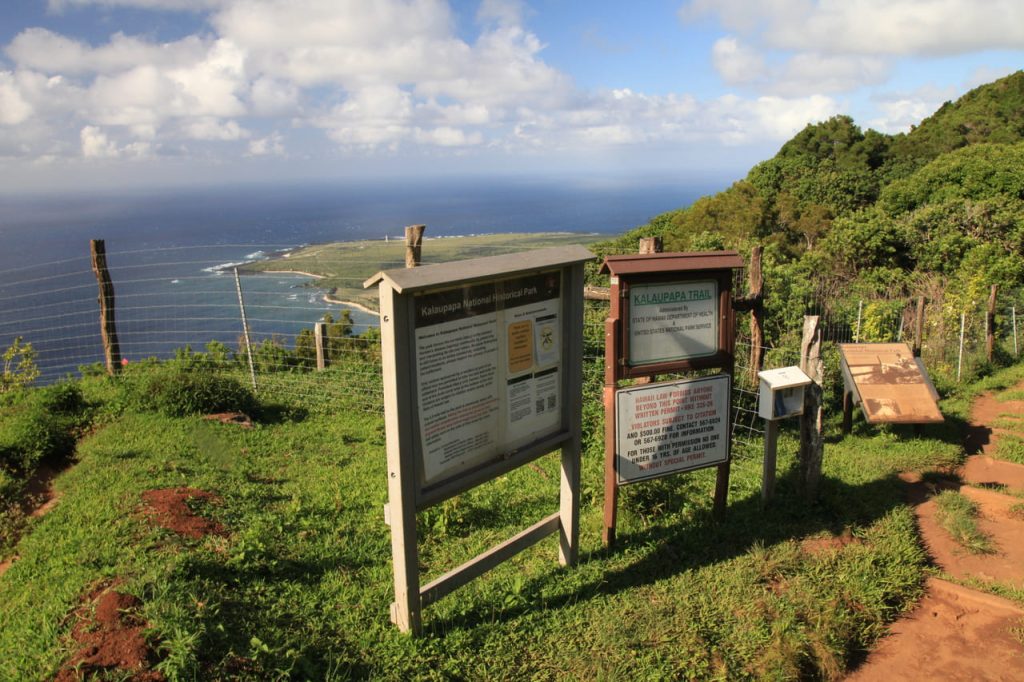
You stand at the overlook facing the remote peninsula once tied to the long history of Hansen’s disease isolation. Strict access rules remain in place to protect residents and cultural sites. Those restrictions reduced the once-steady sightseeing numbers from the 90s. Weather and transportation limits also play a role. The history stays significant, supported by state and federal documentation, but when you visit, the quiet paths highlight how limited access shapes tourism more than the site’s powerful story.
13. Lincoln’s New Salem, Illinois
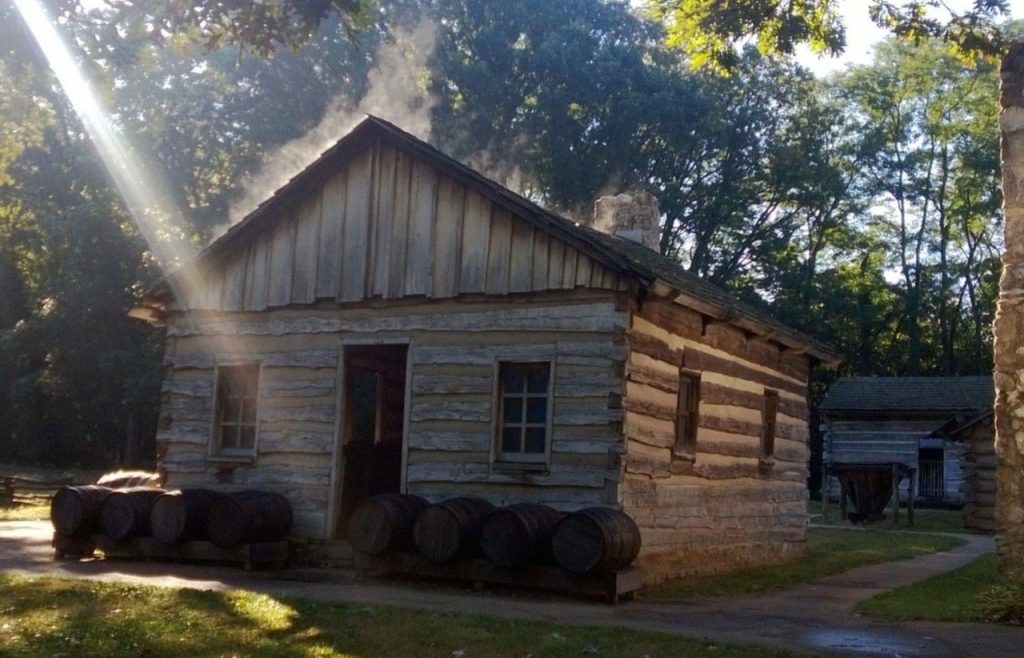
This recreated frontier village once hosted large school bus crowds eager to learn about Lincoln’s early years. Attendance dipped as districts reduced long trips and focused on digital learning. The site’s interpreters still demonstrate daily life, but weekday turnout feels sparse. State historians keep the exhibits grounded in documented research, yet tourism shifted toward places with stronger entertainment appeal. As you walk the gravel paths, the quiet shows how even well-known historical narratives can lose steady traffic.