13 Indigenous Sites With Unique Travel Experiences
Traveling through Indigenous sites gives you a chance to learn from communities that have protected their lands for generations. You see how traditions, ecology, and identity shape daily life, and you gain a clearer sense of why these places matter far beyond tourism. When you visit responsibly, you support local preservation, guide-led education, and cultural continuity. You step into landscapes where stories have lived for centuries, from desert canyons and ancient forests to Arctic coastlines and river valleys. What you get is not a quick photo stop but a grounded experience that stays with you long after you leave.
1. Mesa Verde National Park, Colorado
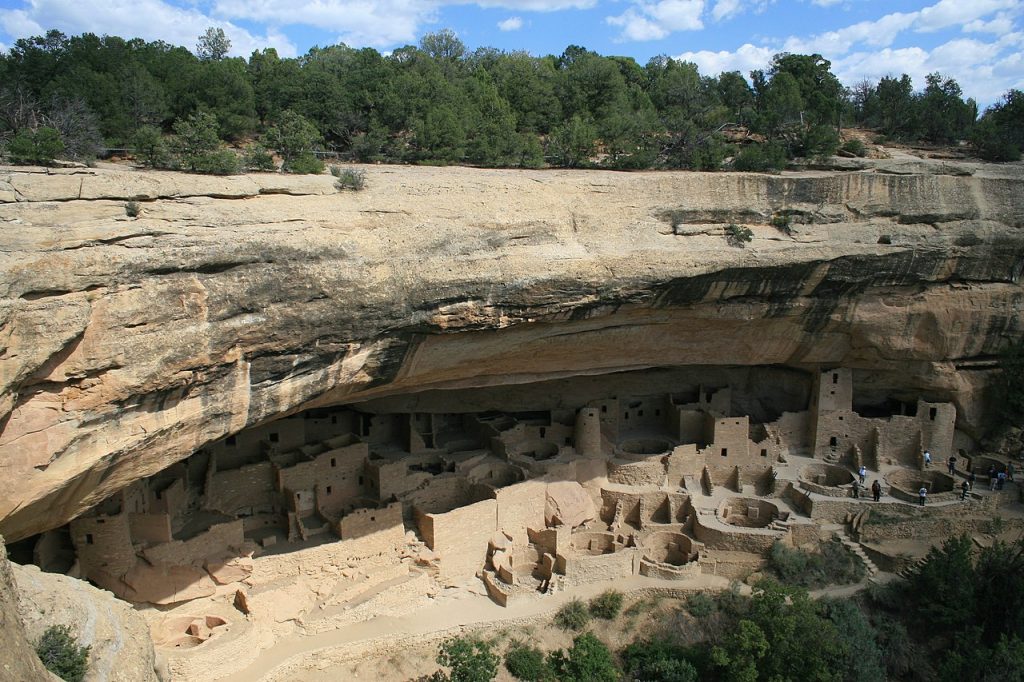
Mesa Verde lets you walk through ancient cliff dwellings built by Ancestral Puebloan communities more than seven centuries ago. You take ranger-led tours that explain how these homes were engineered with stone, timber, and natural alcoves. The site is protected through partnerships with descendant tribes who guide interpretations and ensure respectful access. When you look into the kivas and rooms, you get a sense of daily life shaped by farming, trade routes, and community design. You leave with a deeper understanding of how Indigenous knowledge shaped the region long before modern borders existed.
2. Chaco Culture National Historical Park, New Mexico
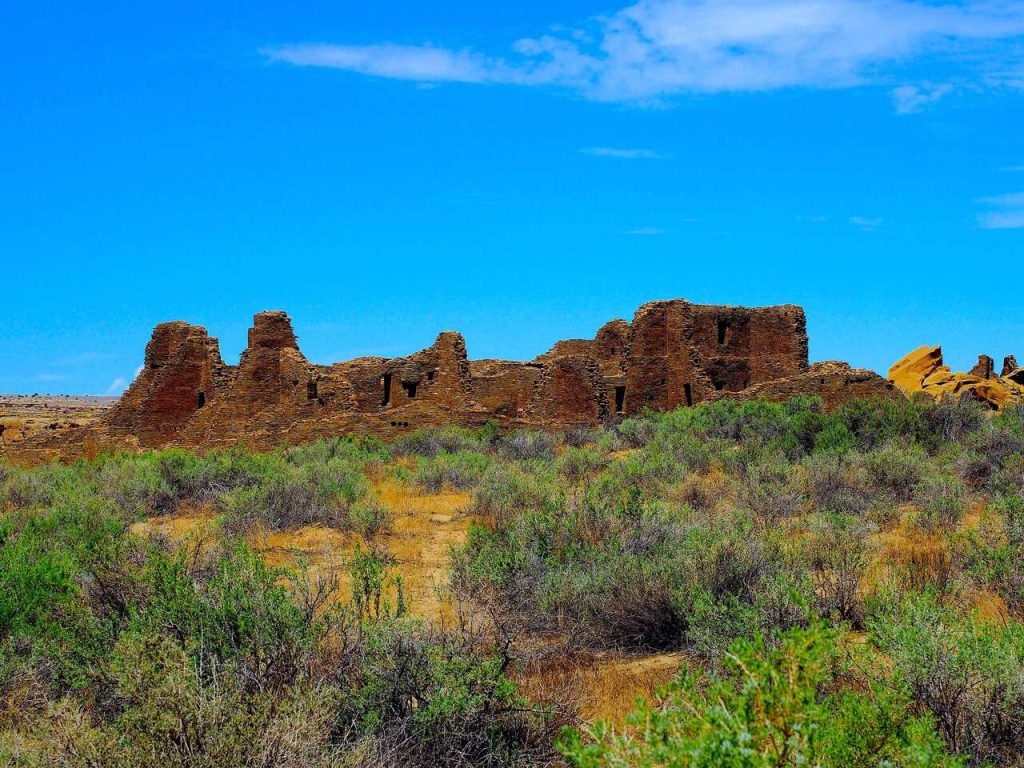
Chaco Canyon gives you an immersive look at a sophisticated center of Indigenous astronomy, trade, and architecture. You explore great houses aligned with solar and lunar cycles, and you see road networks that once linked distant communities. Descendant Pueblo nations continue to advise on preservation and cultural accuracy, which helps you learn the site’s meaning beyond its stone structures. Hiking the trails shows you the vast landscape that supported farming and ceremony. Once you see the scale, you realize how deeply planned and connected Chaco life was, shaped by environmental knowledge built over thousands of years.
3. Taos Pueblo, New Mexico
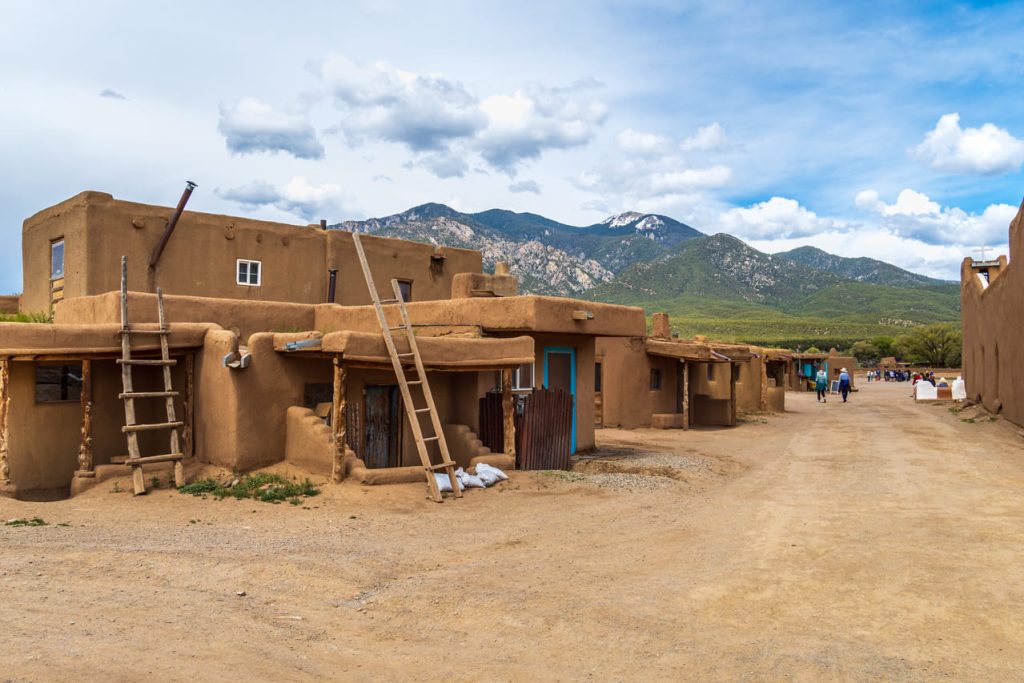
Taos Pueblo is one of the oldest continuously inhabited communities in the United States. When you visit, you see multilevel adobe structures built with earth, straw, and timber, a building tradition maintained for centuries. Guided visits help you understand how the community preserves its cultural rhythm through language, ceremony, and governance. You support local artisans who keep traditional pottery, jewelry, and textile work alive. The sense of place is immediate as you walk along the stream and open plaza. You leave understanding that living heritage means more than preserved buildings. It means a community that continues its own path.
4. Cahokia Mounds, Illinois
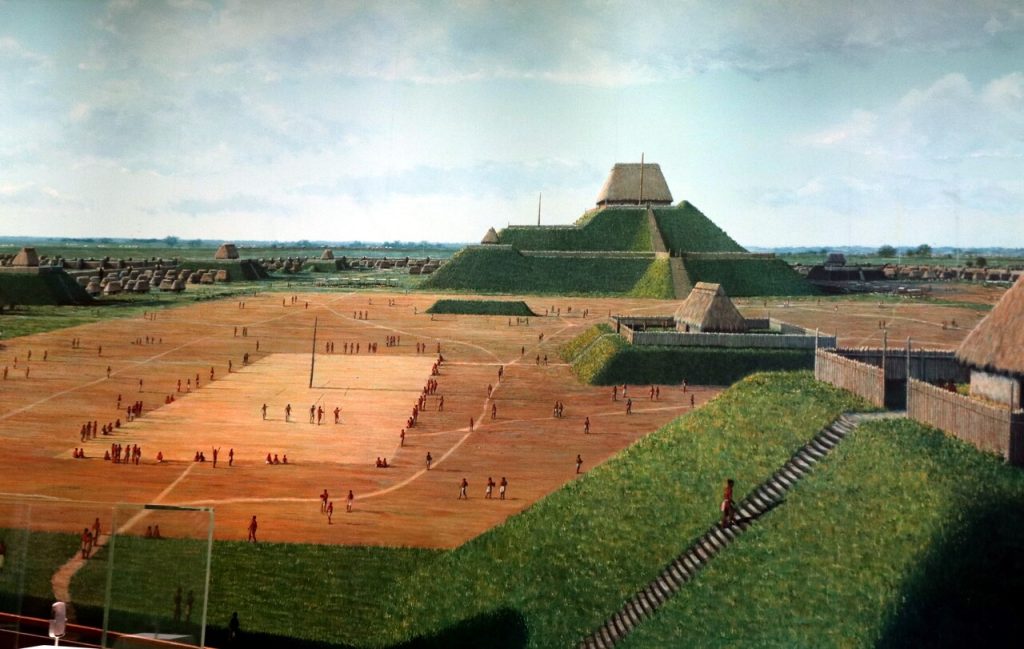
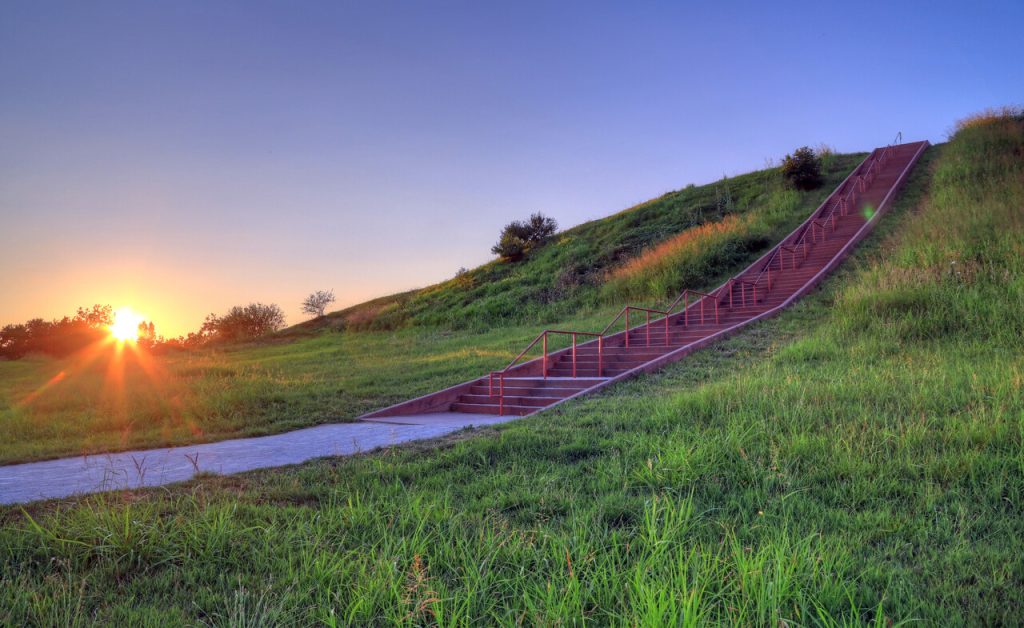
Cahokia Mounds introduces you to the most extensive Indigenous urban center north of Mexico, active around the twelfth century. You climb Monks Mound to see how the society organized itself around plazas, ceremonial spaces, and residential areas. Archaeologists have traced trade networks and food systems that show a complex community with skilled engineering and leadership. Interpretive centers explain the cultural significance with guidance from tribal nations connected to the region. When you explore the site, you understand that Indigenous cities were large, organized, and influential. This challenges assumptions about precolonial North America and expands your sense of history.
5. Head-Smashed-In Buffalo Jump, Alberta
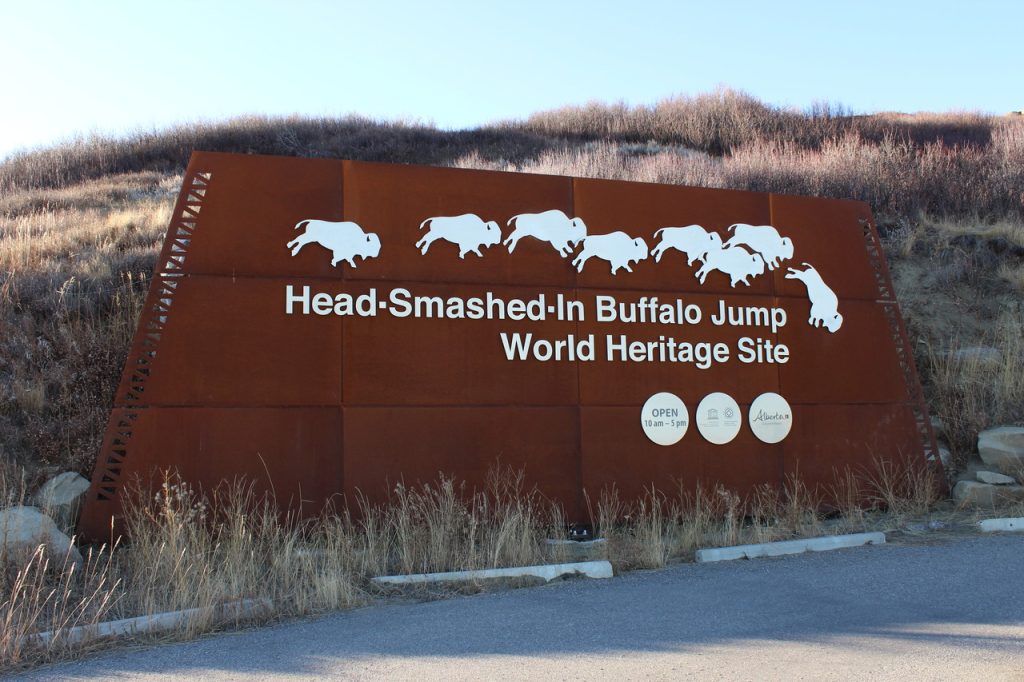
This UNESCO site teaches you how Plains Indigenous communities used deep ecological knowledge to guide bison over cliffs during coordinated hunts. You follow trails that show the drive lanes, jump site, and processing areas that supported entire communities. Exhibits created with Blackfoot Nations explain the cultural meaning of the hunt and how it shaped social cooperation, food security, and ceremony. When you walk the ridge, you picture teams working together with skill learned over generations. The landscape itself becomes part of the lesson, helping you understand how sustainable hunting practices supported thriving societies across the plains.
6. Haida Gwaii, British Columbia
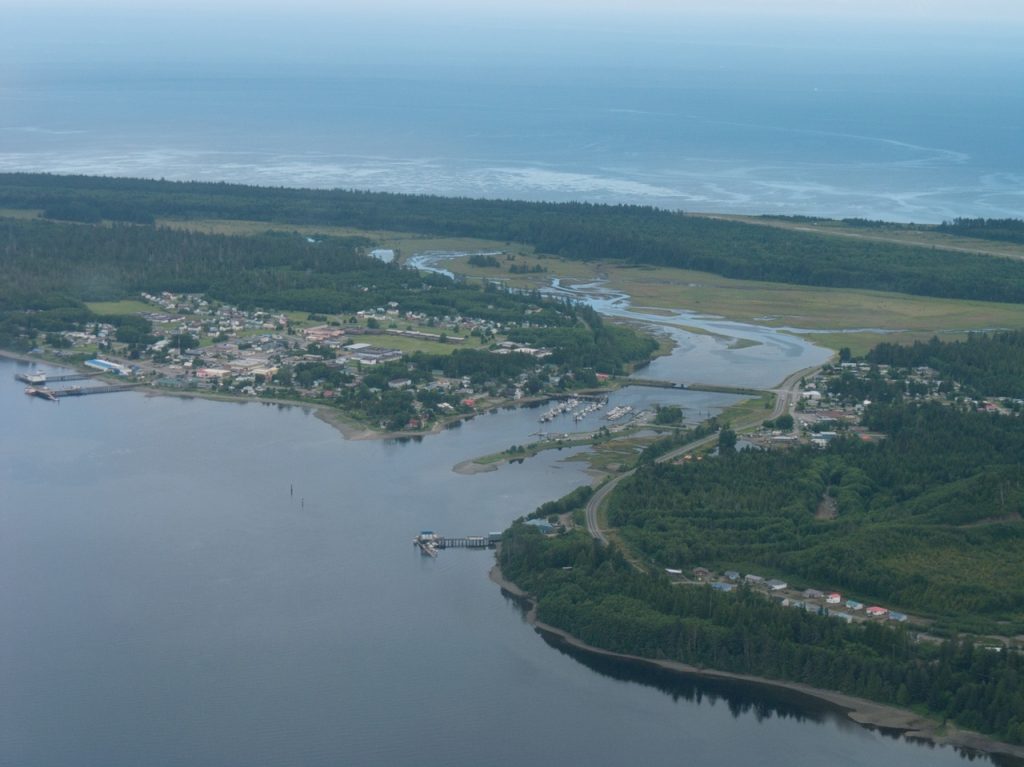
Haida Gwaii offers a powerful view of Indigenous stewardship, language revitalization, and ecological protection. You visit villages where carved poles, longhouses, and local art teach you about Haida identity. Guided tours often include stories passed through oral tradition and explanations of how forest and sea life shape cultural practices. Gwaii Haanas, co-managed by the Haida Nation, shows what cooperative conservation can look like when Indigenous leadership guides decisions. As you travel through cedar forests or along quiet bays, you see how history, land, and community stay connected. The experience is grounded, respectful, and centered on local voices.
7. Uluru-Kata Tjuta National Park, Australia
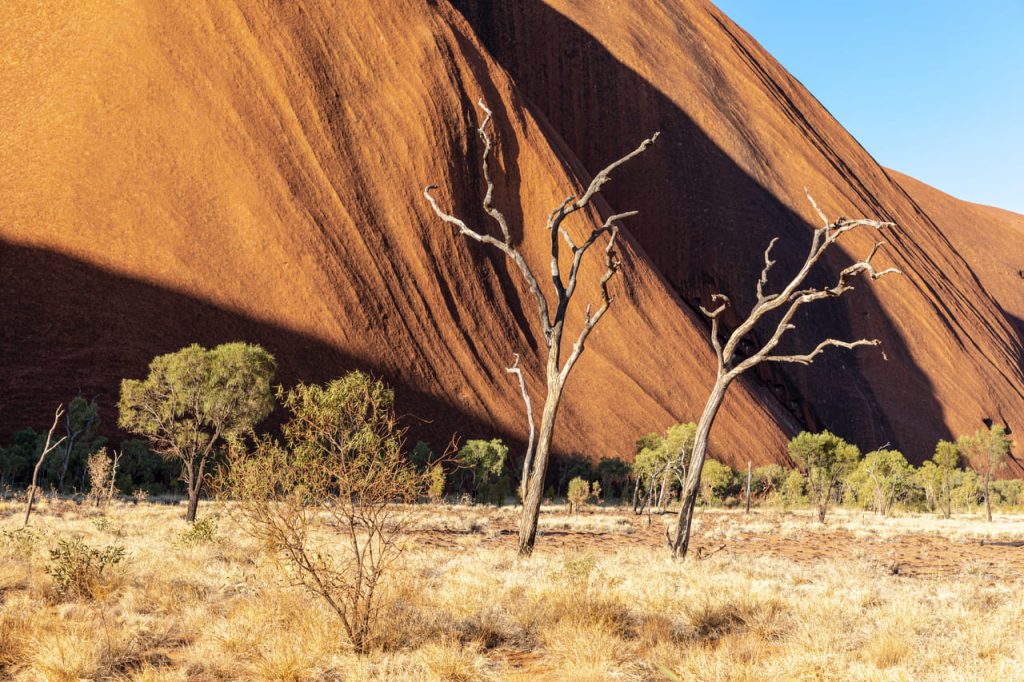
Uluru sits at the heart of Anangu culture, and visiting helps you learn why this land remains spiritually important. Anangu rangers explain how stories, waterholes, and rock formations hold cultural teachings passed from elders. Walking the base trails gives you a close look at rock art sites and geological features tied to creation journeys. Climbing is prohibited to protect the site, and this reflects a long-standing request from traditional owners. When you follow local guidance, you understand that Uluru is not just a landmark. It is a living cultural space shaped by stewardship and deep responsibility to land.
8. Waitangi Treaty Grounds, New Zealand
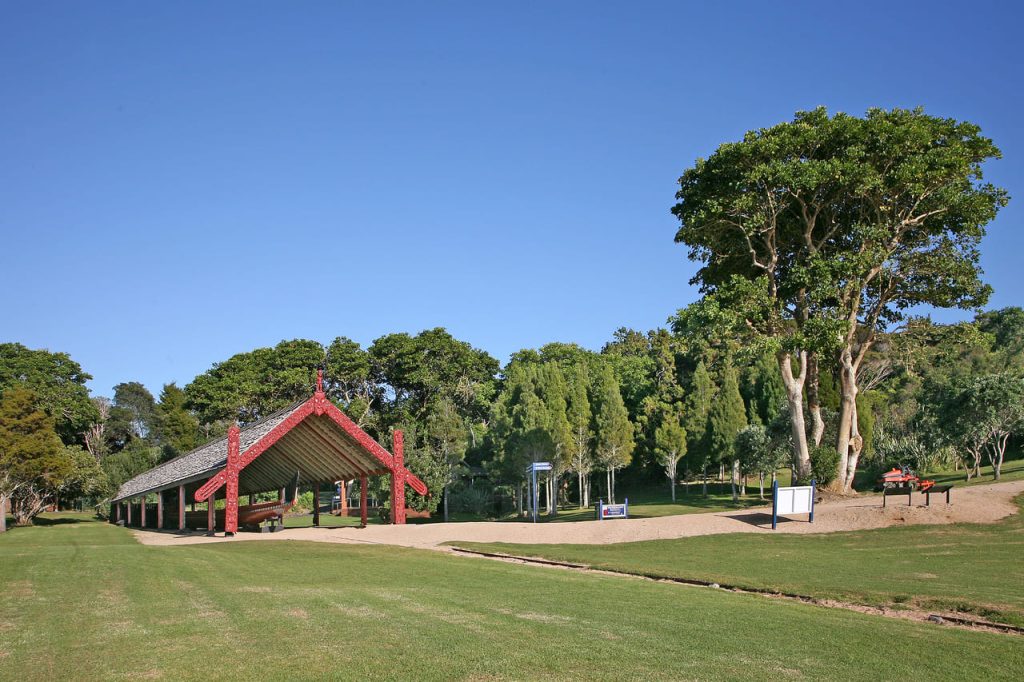
At Waitangi, you learn about the treaty that shaped relations between M?ori iwi and the British Crown. Guided tours led by M?ori explain the treaty’s context, its promises, and its long-term impacts. You walk through meeting houses, ceremonial areas, and the museum that preserves historic documents and artifacts. Cultural performances share haka, carving traditions, and stories that help you understand how identity and political history are intertwined. By spending time here, you gain a clearer sense of how Indigenous governance and advocacy continue to shape modern Aotearoa. It becomes a learning experience rooted in openness and context.
9. Kakadu National Park, Australia
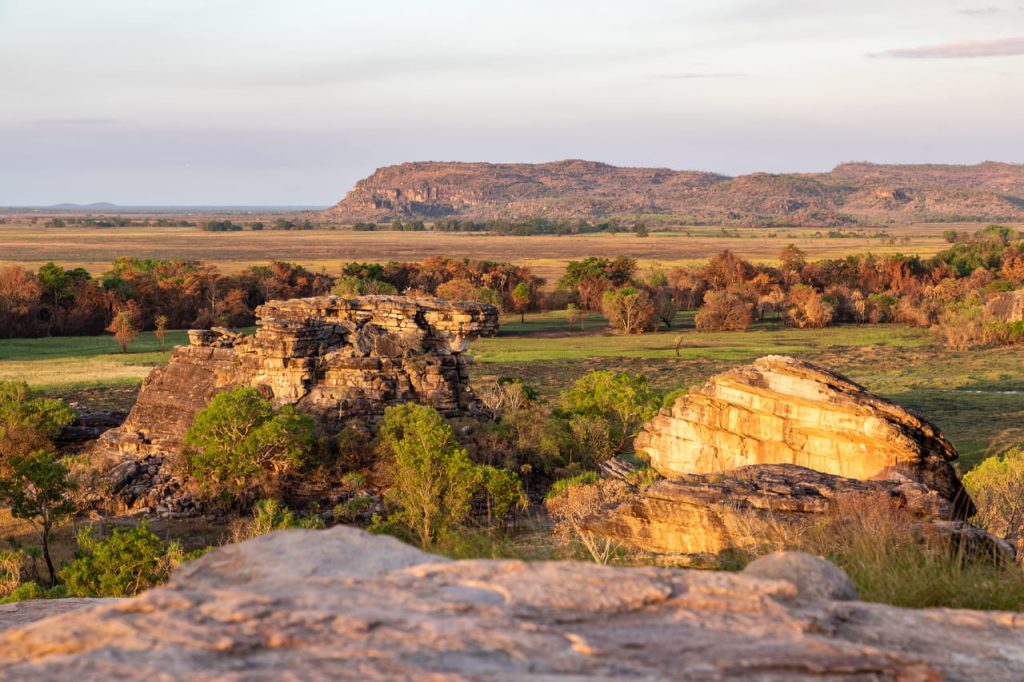
Kakadu offers you one of the richest collections of Indigenous rock art sites, some dating back thousands of years. You explore shelters where generations recorded stories about animals, seasons, and spiritual figures. Bininj and Mungguy communities co-manage the park, and their knowledge guides fire management, wildlife care, and cultural interpretation. When you join ranger talks, you learn how land practices developed through observation and adaptation over long periods. The mix of wetlands, cliffs, and stone country shows how cultural and ecological knowledge stay connected. You leave understanding why this landscape is central to community identity.
10. Tikal, Guatemala
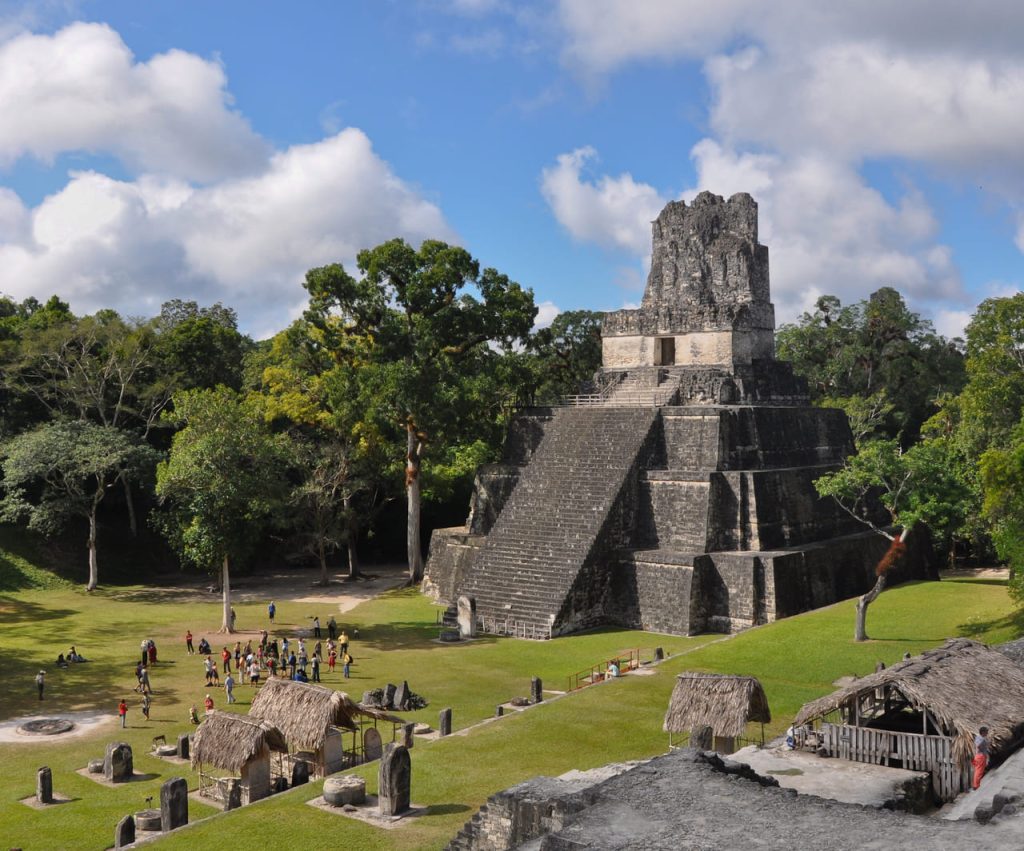
Tikal immerses you in the world of the Maya, who built expansive cities with precise astronomical alignment. You climb temple structures that rise above the forest canopy and see plazas that once hosted ceremony, trade, and daily life. Archaeological teams work with Maya communities to protect sacred areas and interpret carvings and inscriptions accurately. Wildlife echoes through the trees, reminding you that the city once thrived within a managed ecosystem. By learning about agriculture, astronomy, and governance, you understand how Maya knowledge shaped the region. The ruins feel alive because their cultural meaning persists today.
11. Rapa Nui National Park, Chile
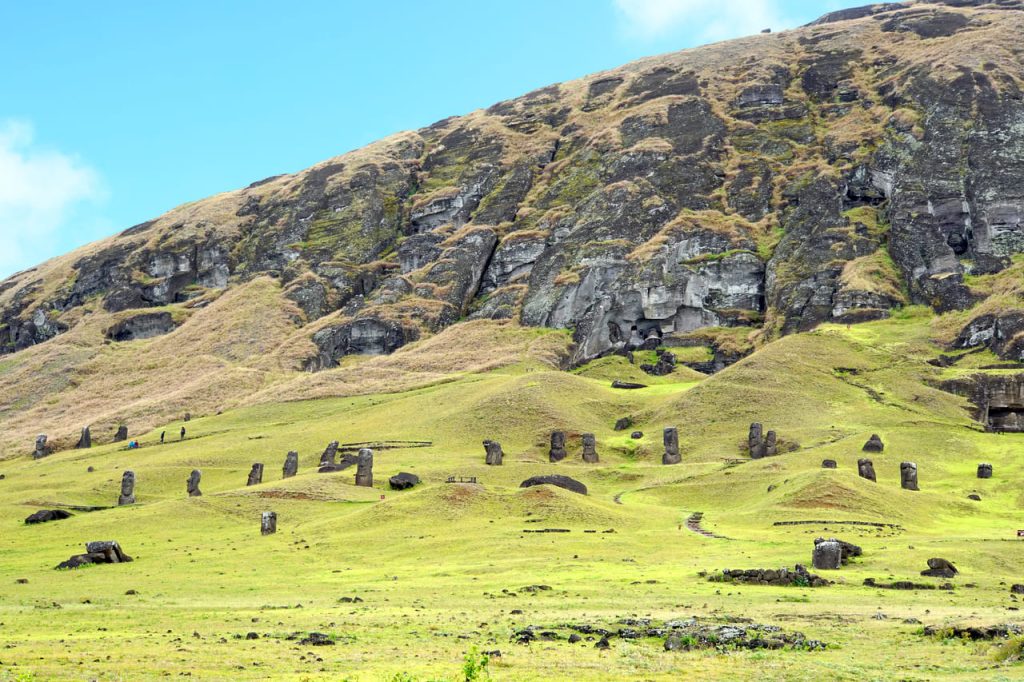
Rapa Nui allows you to see the moai, carved by ancestors who balanced artistry, engineering, and spiritual meaning. You walk among quarries, ceremonial platforms, and restored sites guided by Rapa Nui residents who explain ongoing efforts to preserve language, land, and cultural memory. The island’s history includes careful resource management, community organization, and later challenges that reshaped life here. When you visit respectfully, you learn how the moai represent lineage and responsibility rather than mystery. The connection between people and land becomes clear, and you leave with a deeper sense of the island’s living heritage.
12. Yellowstone’s Tribal Heritage Areas, USA
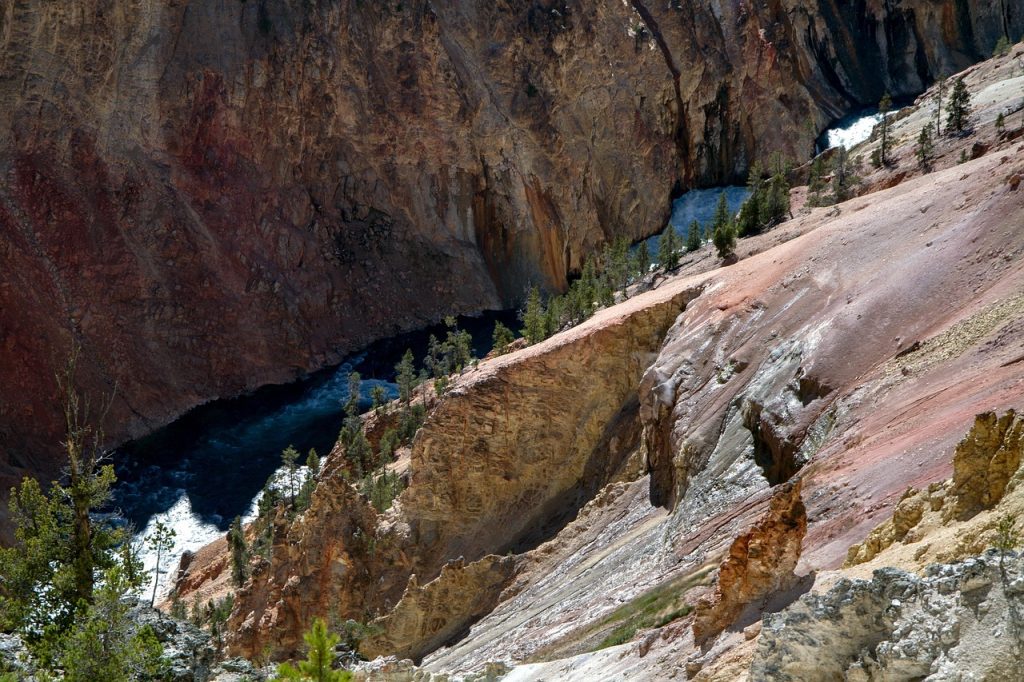
Many tribal nations hold long-standing connections to the region now known as Yellowstone. When you explore trails or attend ranger programs shaped by tribal partnerships, you learn how communities used geothermal areas, plants, rivers, and migration routes. These lands supported trade, ceremony, and seasonal movement long before the park was created. Current collaborations help improve interpretation, protect resources, and highlight the continuity of Indigenous presence. As you look across valleys and geyser basins, the cultural history becomes as important as the scenery. You understand how tribal nations continue to advocate for recognition and stewardship.
13. Wrangell-St. Elias Traditional Lands, Alaska
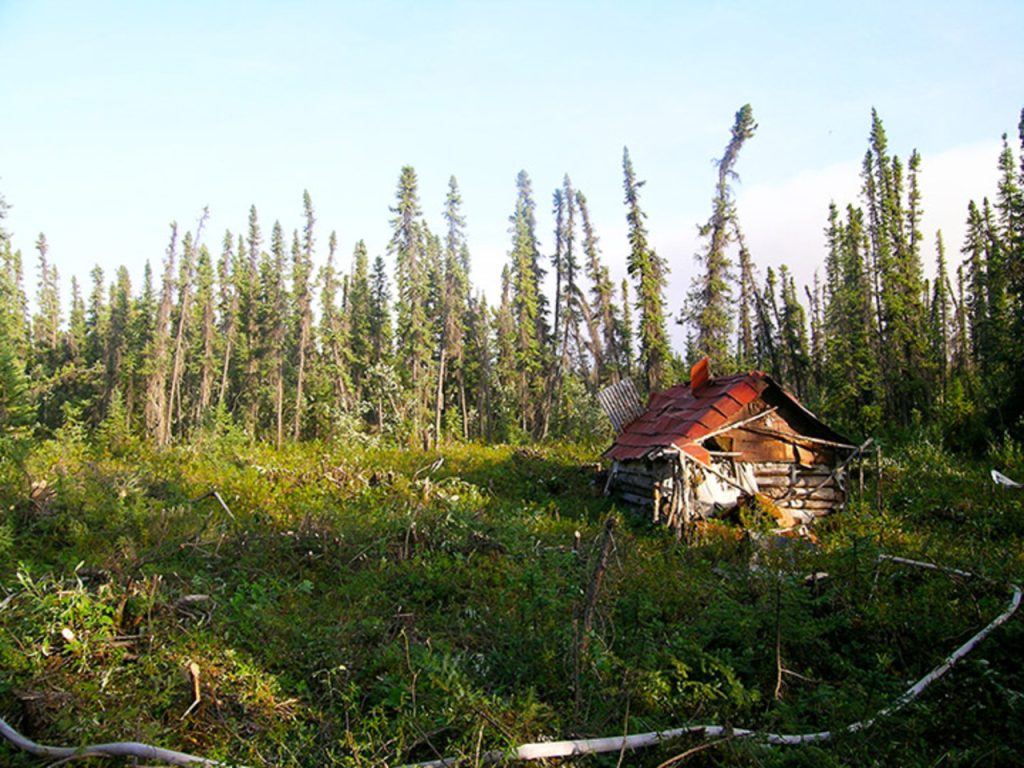
Wrangell-St. Elias connects you to Ahtna Athabascan communities whose knowledge shaped life across valleys, rivers, and mountains. Local interpreters explain how hunting, fishing, and seasonal travel relied on precise reading of weather, wildlife, and terrain. Historic villages and fish camps show you how families worked with the land rather than against it. When you follow trails along rivers or through spruce forests, you see how cultural practices remain part of daily life. Preservation efforts led with community input ensure that interpretation reflects local history. You leave with a better sense of how survival and culture are intertwined.