13 Low-Key U.S. Escapes Worth It—Barely
Some escapes stay quiet because they require a little patience, and that small hurdle keeps the mood gentle. Instead of chasing headline attractions, the day fills with small pleasures and long pauses.
These places trade easy logistics for empty overlooks, early dinners, and scenery that does not feel staged. Ferries, limited tours, and long drives act like filters, leaving more room for local texture.
Each destination is worth it, barely, because the catch is real: short seasons, spare services, or weather that calls the shots. When timing clicks, the reward is a calmer pace that follows along after the bags are unpacked.
Great Basin National Park, Nevada
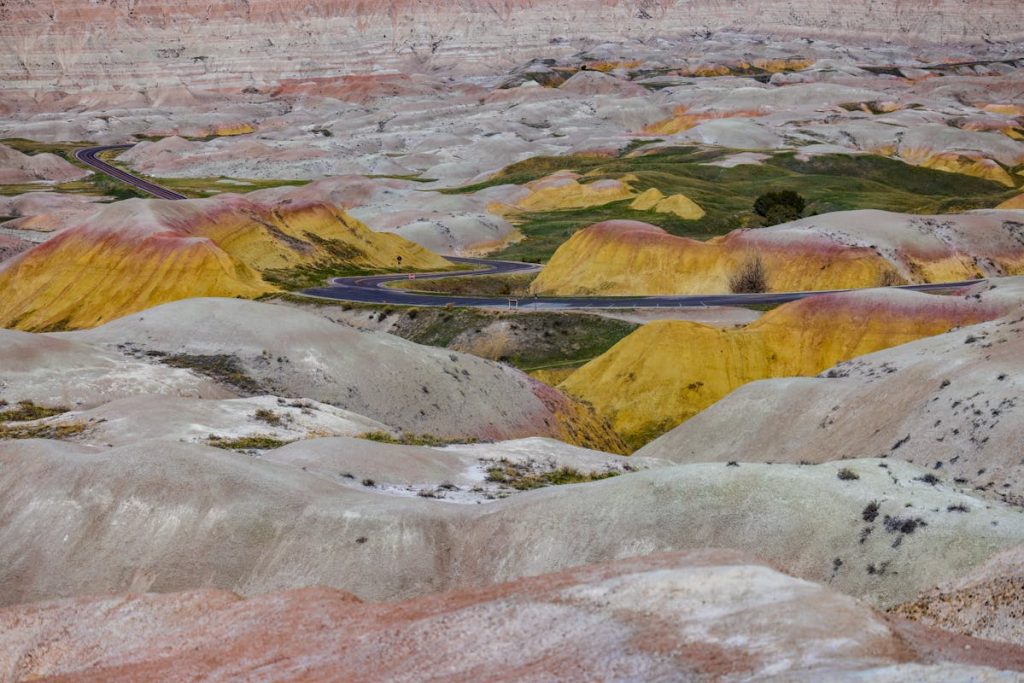
Great Basin sits far from the usual national park loop, and the long approach helps the quiet hold. Sage flats lift into cool canyons and high ridges, and the park’s scale feels personal instead of crowded.
Lehman Caves tours, when running, add a grounded pause, and short trails reveal how quickly desert turns alpine. After dark, astronomy programs and deep darkness make the sky the main event, not an afterthought, even in winter.
The catch is sparse services and winter limits that can narrow options without much notice. Packing for cold air and keeping a backup walk in mind keeps the day from feeling fragile.
Cumberland Island, Georgia
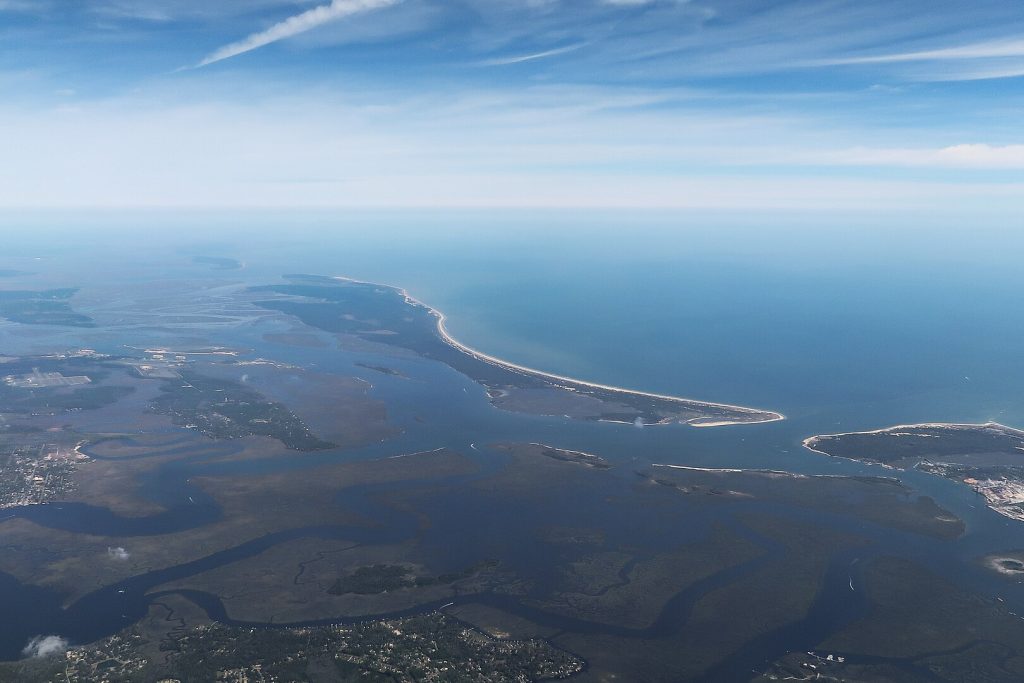
Cumberland Island feels like a coastline that refused to be streamlined, with undeveloped beaches and quiet maritime forest. The calm begins before arrival, because access depends on a passenger ferry from St. Marys.
Once ashore, the day becomes long walks, dune light, and ruins tucked into the trees, with wild horses sometimes drifting through. The island’s emptier stretches make the ocean feel louder, in the best way.
The catch is planning for basics, since food, water, and time all revolve around the boat schedule. That mild hassle protects the mood, keeping the island closer to a retreat than a quick stop.
Santa Rosa Island, California
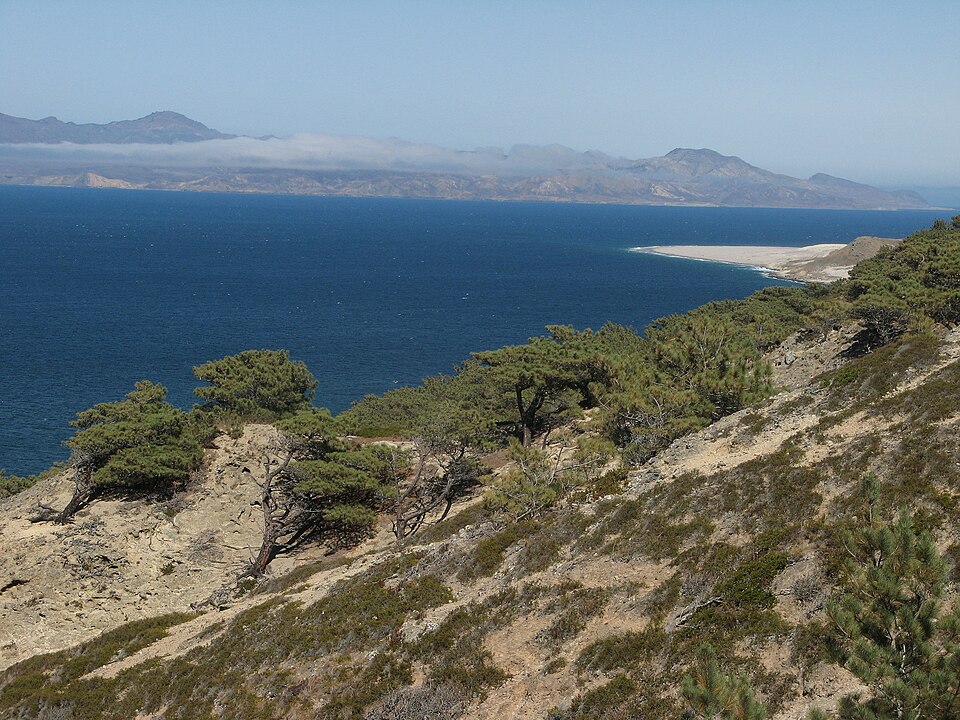
Santa Rosa Island delivers California quiet, with beaches and rolling hills that feel far from the mainland pace. The ocean crossing acts like a filter, so the first hour on shore feels slower.
Hikes lean toward simple pleasures: bluff views, wind-bent grassland, and the clean line where surf meets sand. Because trips are limited, the island rarely feels crowded, and even short walks can feel spacious.
The catch is logistics. Boat trips run April through early Nov., only two to four days per week, and the ride from Ventura takes about three hours. When weather cooperates, the effort buys a rare kind of coastal calm.
Apostle Islands, Wisconsin
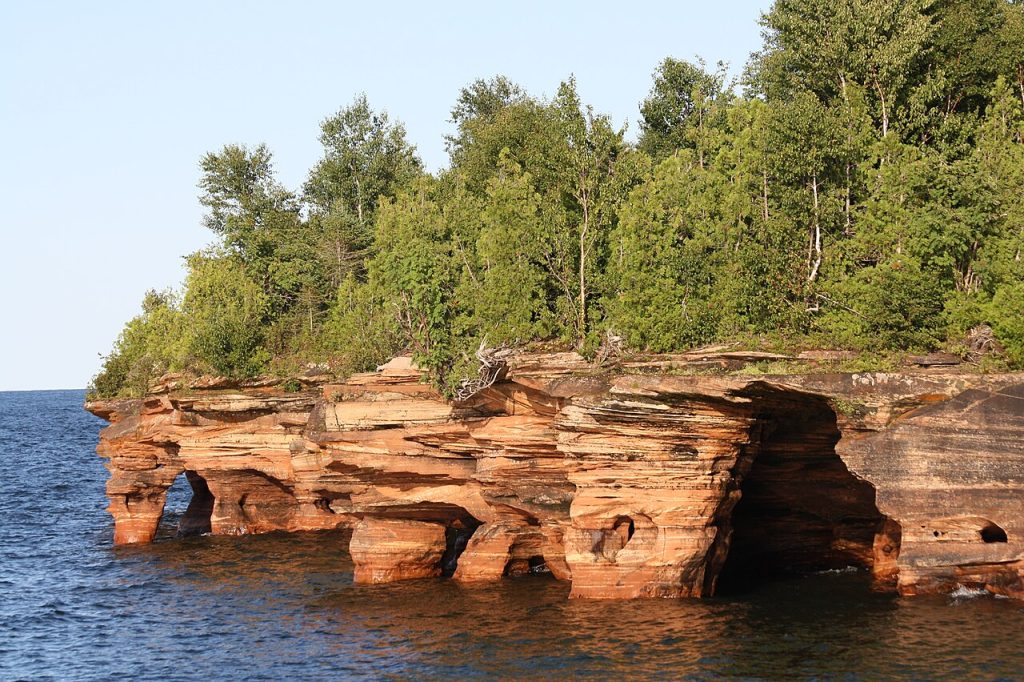
The Apostle Islands feel like Lake Superior at its most textured, with red sandstone edges and water that changes mood by the hour. The setting invites slow looking, because the shoreline keeps unfolding in small surprises.
Sea caves are the signature, but access depends on conditions, so local trips stay grounded in safety and forecasts. When the lake is calm, kayaking or a boat tour turns the cliffs into a moving gallery.
The catch is flexibility. Wind and waves can shorten a plan, and cold water keeps the day honest even in summer. A backup walk in Bayfield or on the mainland keeps the calm intact.
Monhegan Island, Maine
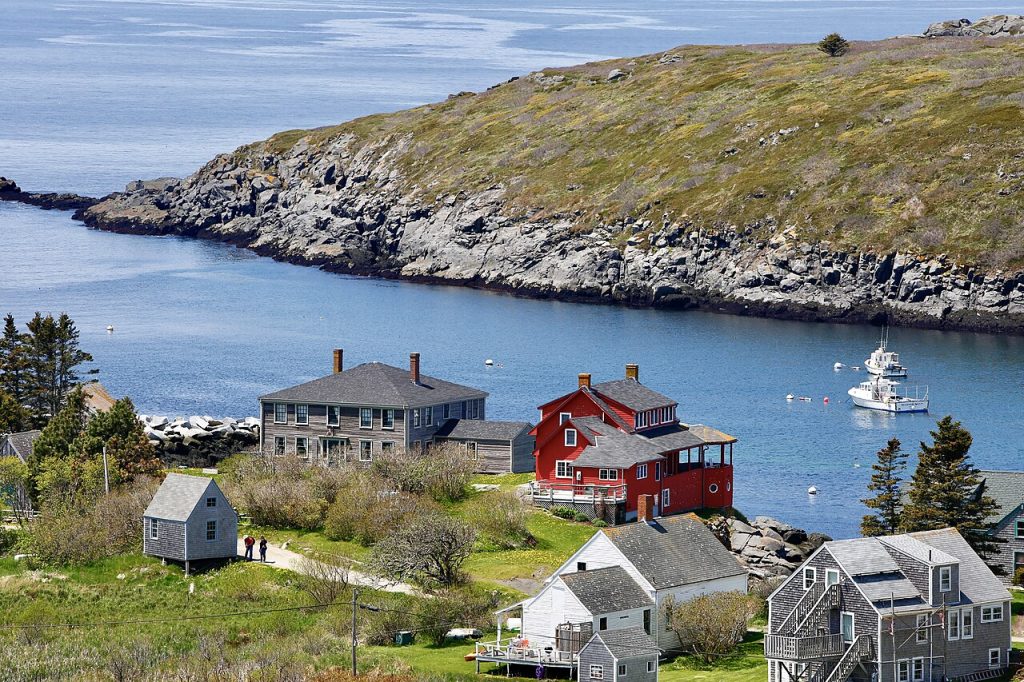
Monhegan keeps its charm by staying small, steep, and lightly removed from the mainland routine. Arriving by ferry makes the island feel like a real change of pace, not a short drive.
With no cars allowed on the island, the day is built around footpaths, porch conversations, and cliff walks over open Atlantic. Galleries and a simple village core add texture, but the strongest draw is the quiet on the trails.
The catch is the timetable. Ferry schedules set the clock, and weather can rewrite plans without apology. For travelers who enjoy simple dinners and long walks, the inconvenience becomes part of the appeal.
Congaree National Park, South Carolina
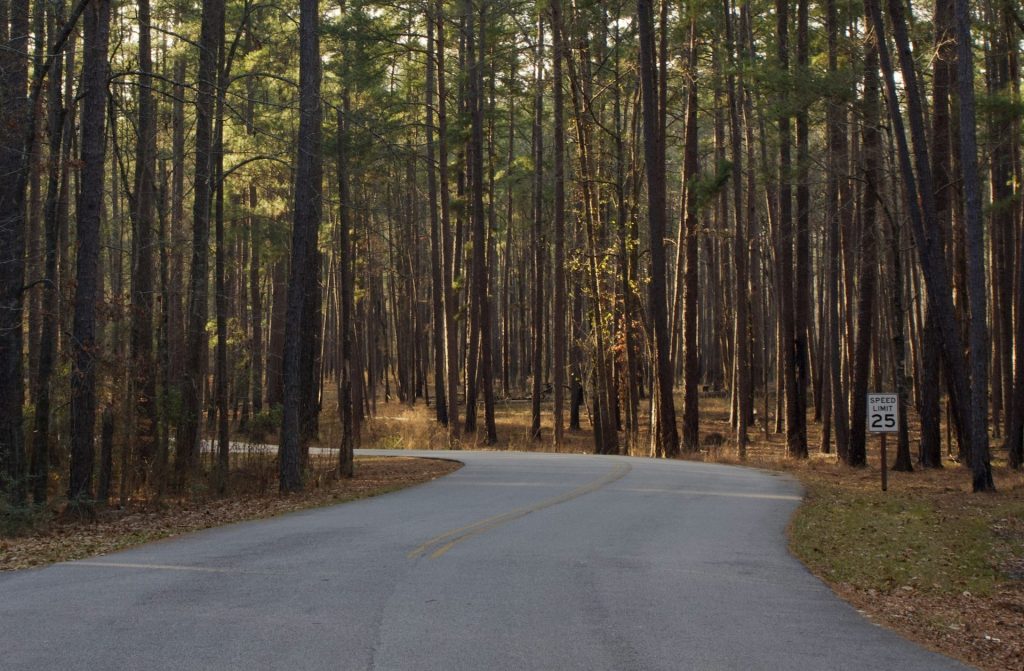
Congaree offers a hush that surprises, with towering trunks, still water, and light filtered through a floodplain canopy. Even a short boardwalk walk after rain can feel like stepping into a quieter century.
The park protects the largest intact expanse of old-growth bottomland hardwood forest remaining in the southeastern United States. That scale shows up in champion trees and slow, reflective waterways that reward unhurried pacing.
The catch is comfort and conditions. Humidity, insects, and high water can shift what feels pleasant on a given day. When timing works, the calm arrives quickly and stays.
Ozark National Scenic Riverways, Missouri
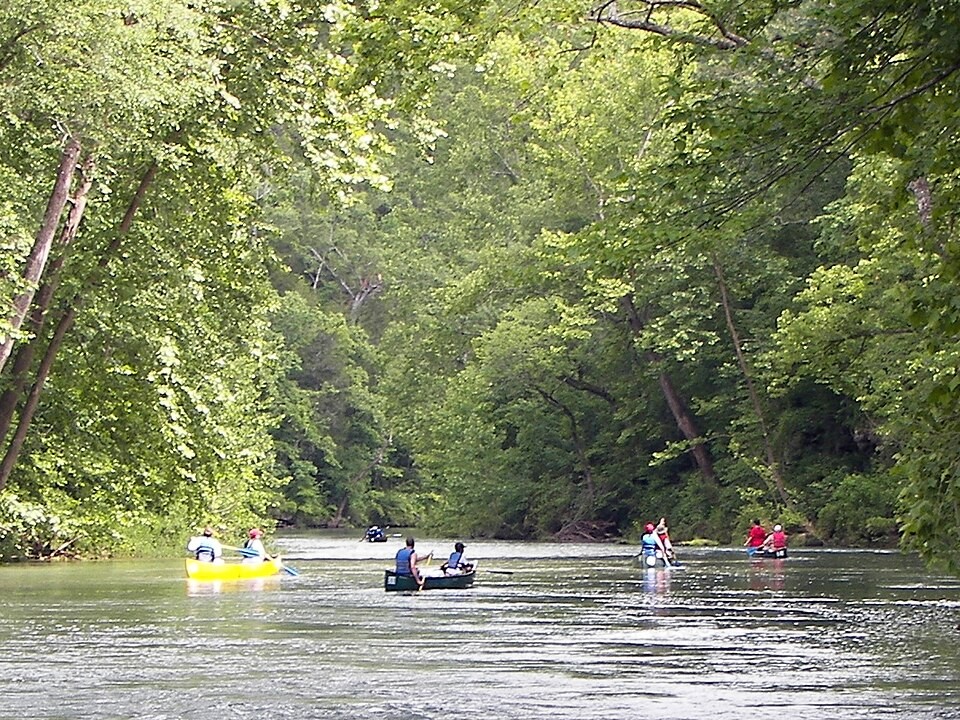
Ozark National Scenic Riverways suits a slower kind of trip, where the day is measured in float time rather than attractions. Cold, spring-fed water and limestone bluffs keep the scenery steady, shaded, and soothing for hours.
It was the first national park area created to protect a river system, and the Current and Jacks Fork still feel like the point. Gravel bars offer natural breaks, and clear runs invite swimming when the sun is out.
The catch is timing. Perfect weekends can draw more people to access points, and noise carries on open water. A midweek launch or shoulder-season date restores the calm.
Padre Island National Seashore, Texas
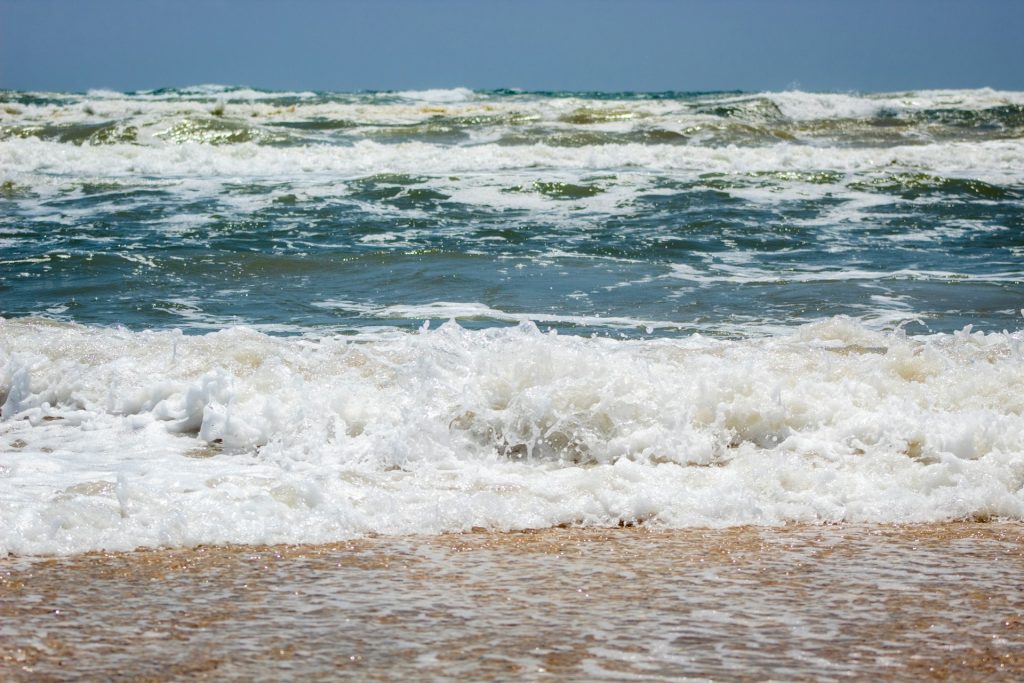
Padre Island National Seashore feels like space turned into shoreline, with long sand, dunes, and a horizon that refuses to end. The lack of development changes the mood, making even a short walk feel quiet.
The seashore includes about 66 miles of undeveloped beaches and natural habitat, so crowds spread out instead of stacking up. Birdlife and tide lines provide the day’s details, and the wind keeps the air brisk and clean.
The catch is comfort. Amenities are limited, weather can be rough, and driving conditions can demand attention. When the wind eases, the calm arrives all at once and feels enormous.
Chincoteague and Assateague, Virginia
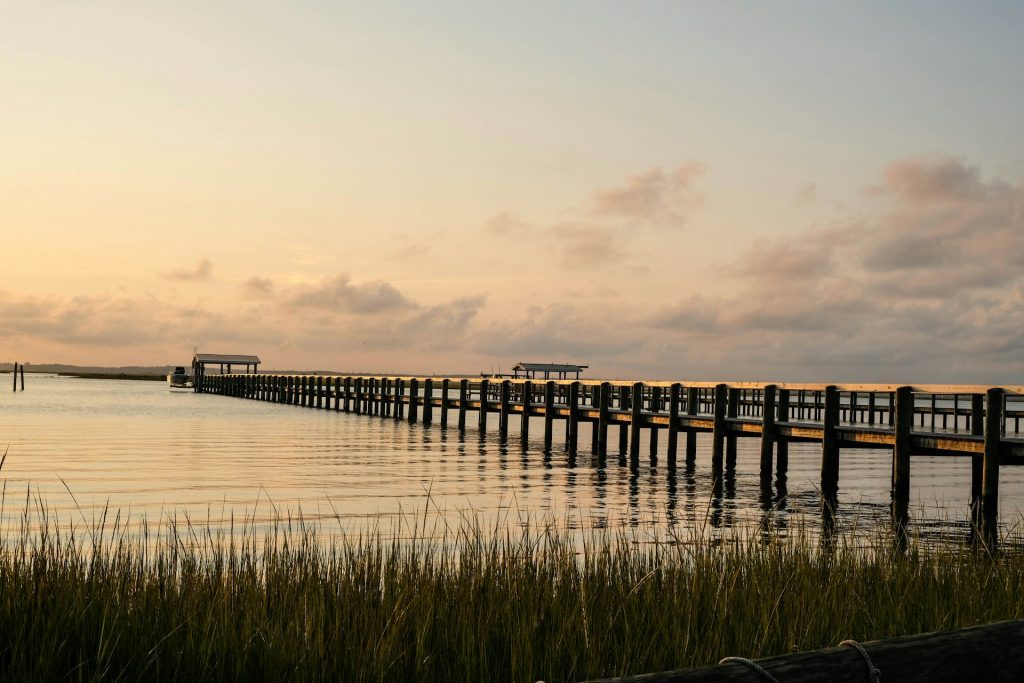
Chincoteague and Assateague hold a classic coastal calm, with marsh light, dunes, and a town that still runs on local hours. The best moments tend to happen early, when the shoreline feels soft and open.
Chincoteague National Wildlife Refuge protects beach, dune, marsh, and maritime forest habitats, so the scenery shifts within a short drive. Wildlife viewing and long boardwalk walks keep the day simple, and the lighthouse adds a steady landmark.
The catch is seasonality. Peak summer can raise prices and crowd the causeway, and heat can dull the magic. In spring or early fall, the same landscape feels roomy and unforced.
Wichita Mountains Wildlife Refuge, Oklahoma
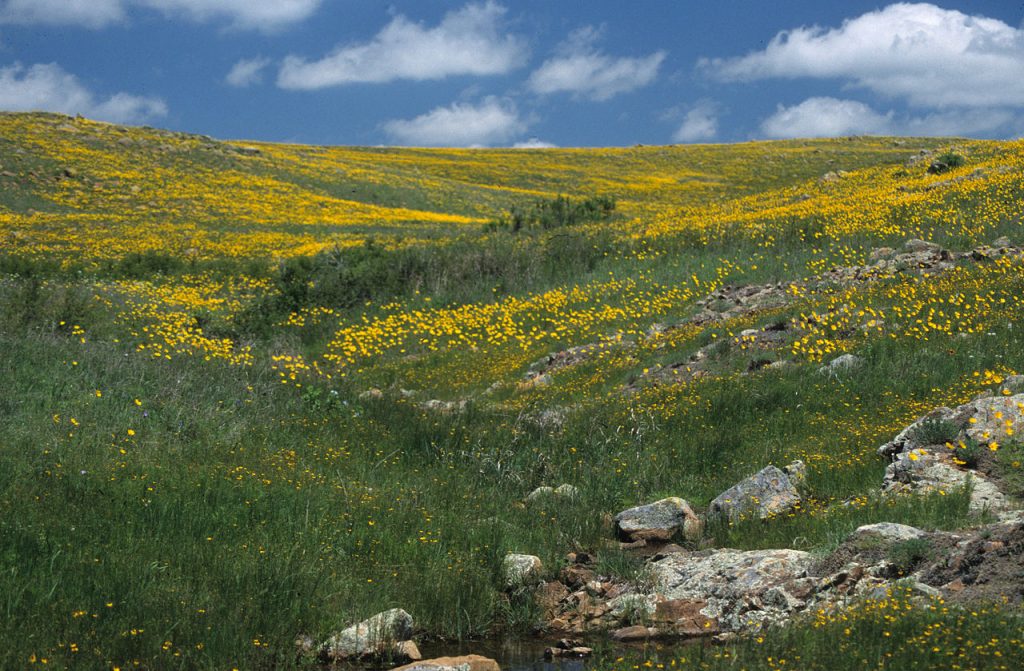
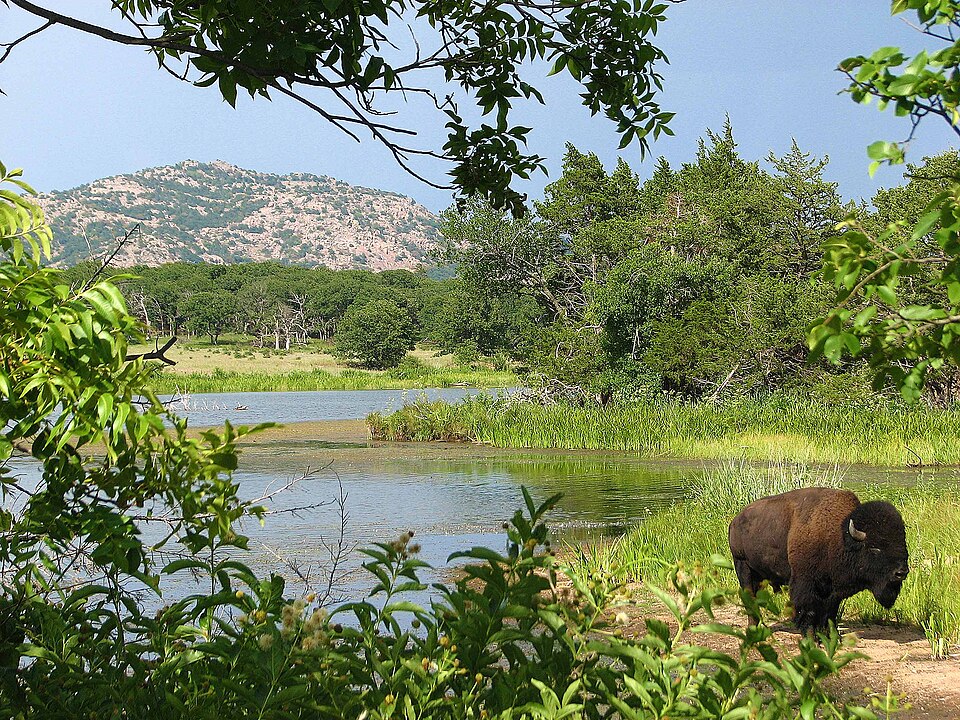
Wichita Mountains Wildlife Refuge offers prairie quiet with granite rising out of grassland like calm islands. The scenery feels bigger than expected, especially in cooler months when the air stays clear.
The refuge is best known for roaming herds of bison, longhorn, and Rocky Mountain elk, and sightings can happen without chasing them. Short hikes and pull-offs build a full day from small moments, like a lake edge, a ridge view, and birdsong.
The catch is that it is not polished. Weather flips quickly, and popular areas can fill on weekends. An early start and a patient pace keep the visit peaceful all day.
Port Townsend, Washington
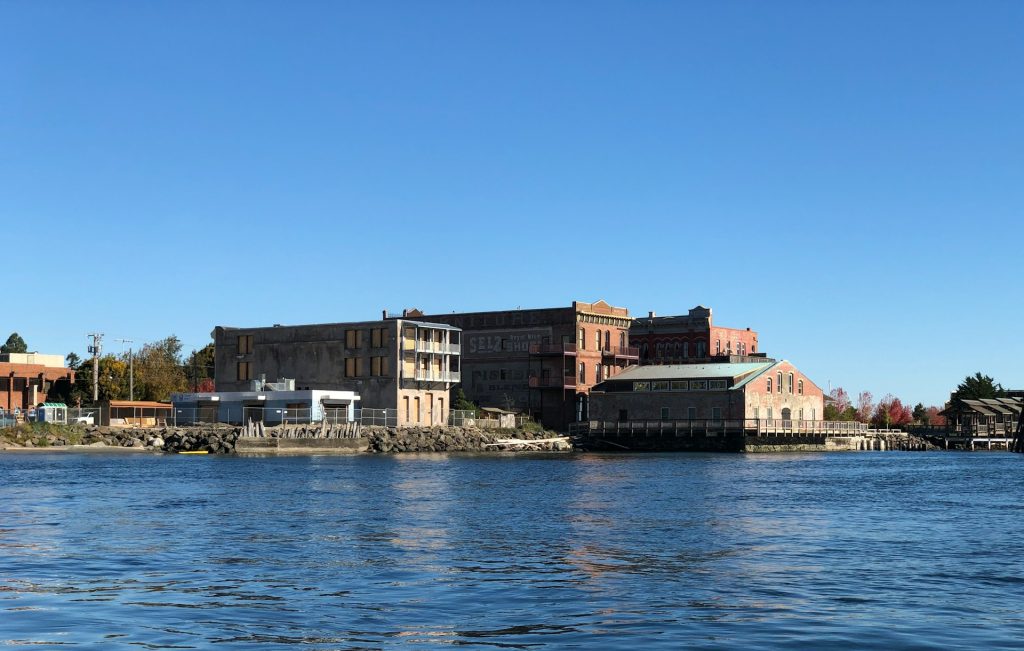
Port Townsend feels like a historic seaport with an artistic streak, plus salty air and a walkable downtown. Cafes, galleries, and old buildings invite lingering, and the water views keep the pace gentle.
Fort Worden adds beaches, forest paths, and historic spaces that host workshops and small events, so the day stays full without feeling busy. Even in winter, open shoreline and simple trails make a short outing feel like a real break.
The catch is timing. Ferry schedules and early dining hours can shape plans, and gray weather can settle in. When the pieces line up, the town feels restorative and complete.
Grand Marais, Minnesota
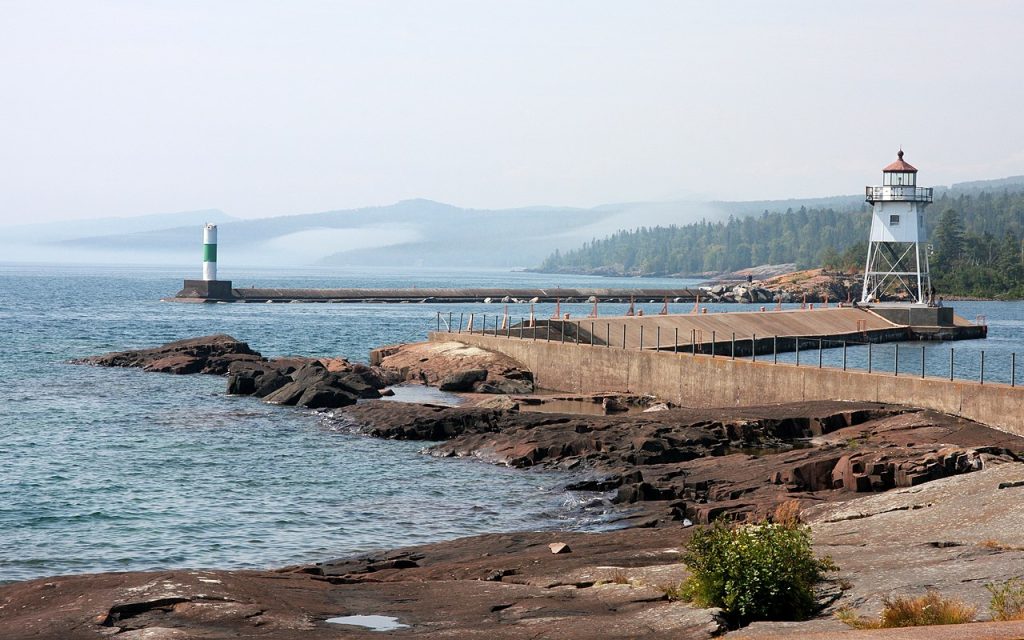
Grand Marais has a harbor-town calm, with Lake Superior setting the tone the moment the water comes into view. The main street stays simple, and the lake wind keeps everything feeling awake.
North House Folk School adds real local character, teaching traditional northern crafts and keeping a school store open year-round. Between coffee stops, galleries, and a waterfront walk, the day feels full without a packed schedule.
The catch is the lake’s temperament. Weather shifts fast, and off-season hours can run short after dinner. When the sky clears, the horizon looks freshly washed, and the quiet feels steady.
Capitol Reef National Park, Utah
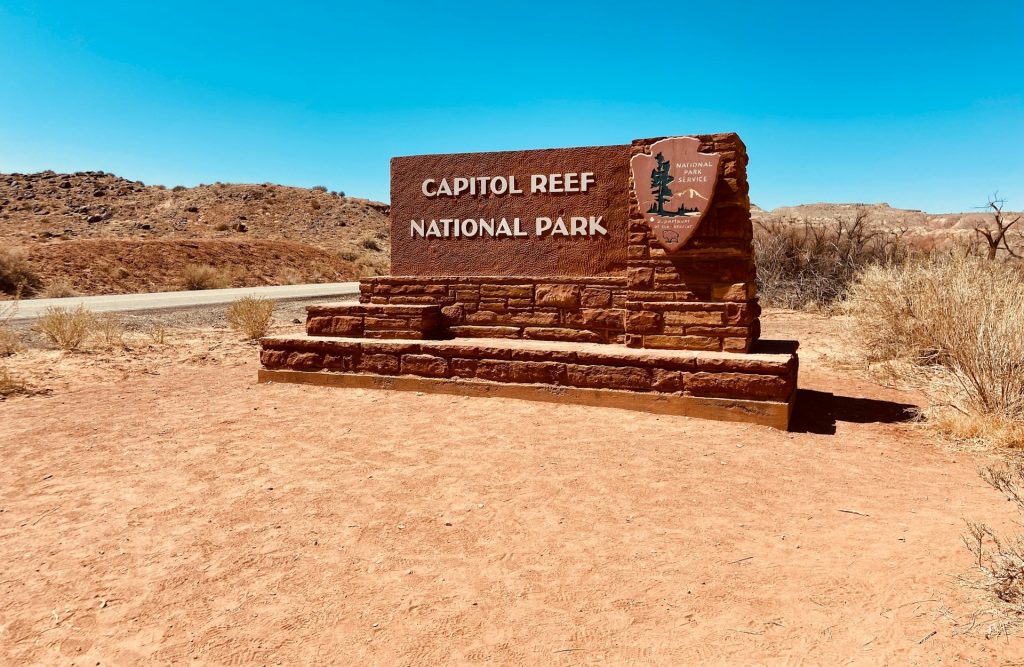
Capitol Reef offers Utah red rock with a softer tempo, where the scenery shows up without the constant push of crowds. Canyon walls, narrow washes, and desert light invite long pauses instead of hurry.
The Fruita district adds a human-scale detail, with historic orchards that make the park feel lived in. Fruit picking is tightly managed, with “U-Pick Fruit” signs and fenced orchard hours listed as 9:00 a.m. to 5:00 p.m., which gives the day a clear rhythm.
The catch is season and heat. Shade can be scarce, and harvest timing changes with conditions. Early starts and simple plans keep the experience calm and satisfying.