13 Quiet Coastal Towns in Spain to Escape Crowds and Water Gun Protests
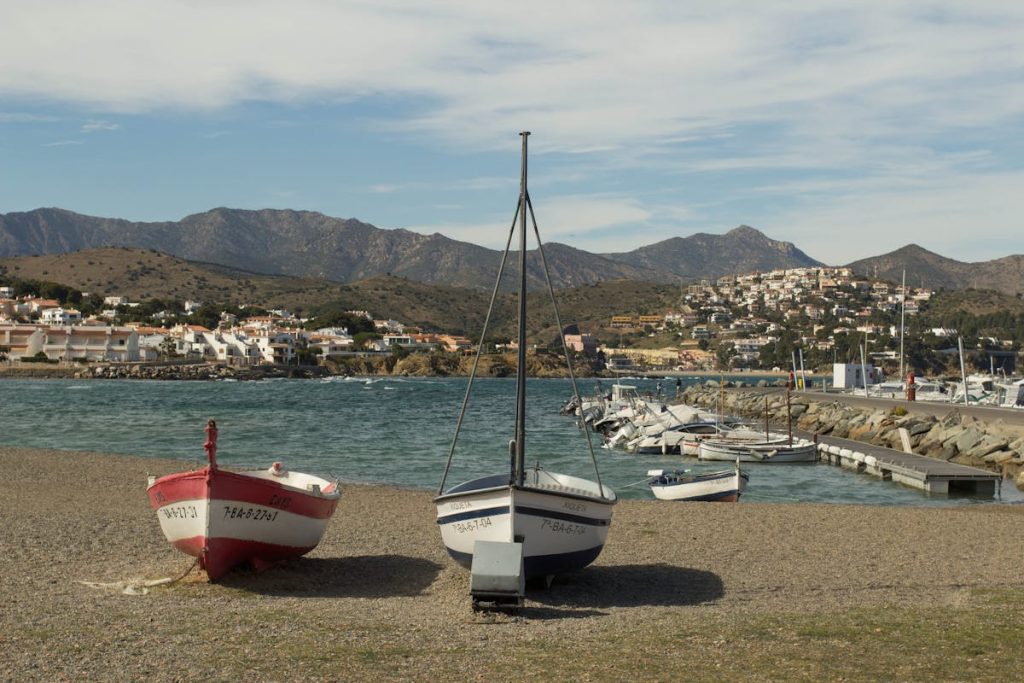
Many coastal towns in Spain offer calm environments shaped by gentle beaches, preserved historic quarters, and relaxed community rhythms that differ from the fast pace of larger tourist centers. Scenic shorelines and narrow streets create slower, more inviting settings while natural harbors and sheltered coves allow quieter exploration. Local communities place strong emphasis on maintaining regional identity and supporting sustainable tourism. These priorities help protect delicate landscapes and cultural traditions while ensuring peaceful experiences remain possible throughout the year.
Cadaqués
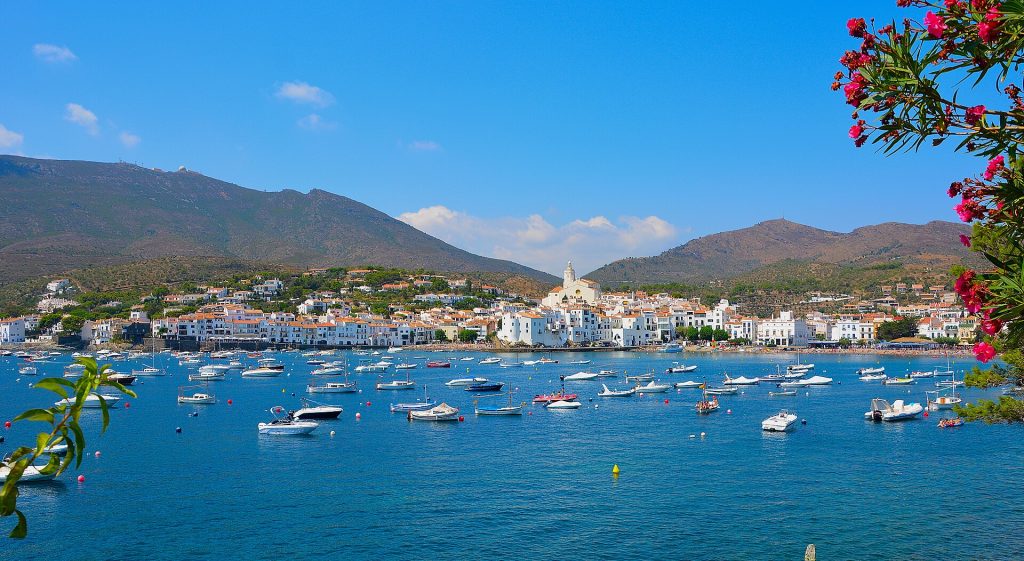
Cadaques on the Costa Brava features whitewashed homes, rugged coves, and a harbor long connected to its artistic legacy. The town’s secluded placement reduces outside pressure and allows a calm rhythm supported by small cafés, local galleries, and quiet waterfront paths. Trails along the headlands offer elevated views of steep cliffs shaped by wind and surf. Sheltered inlets add natural pockets of tranquility across the shoreline. Cadaqués maintains its cultural roots while balancing steady tourism and protection of its dramatic coastal setting.
Hondarribia
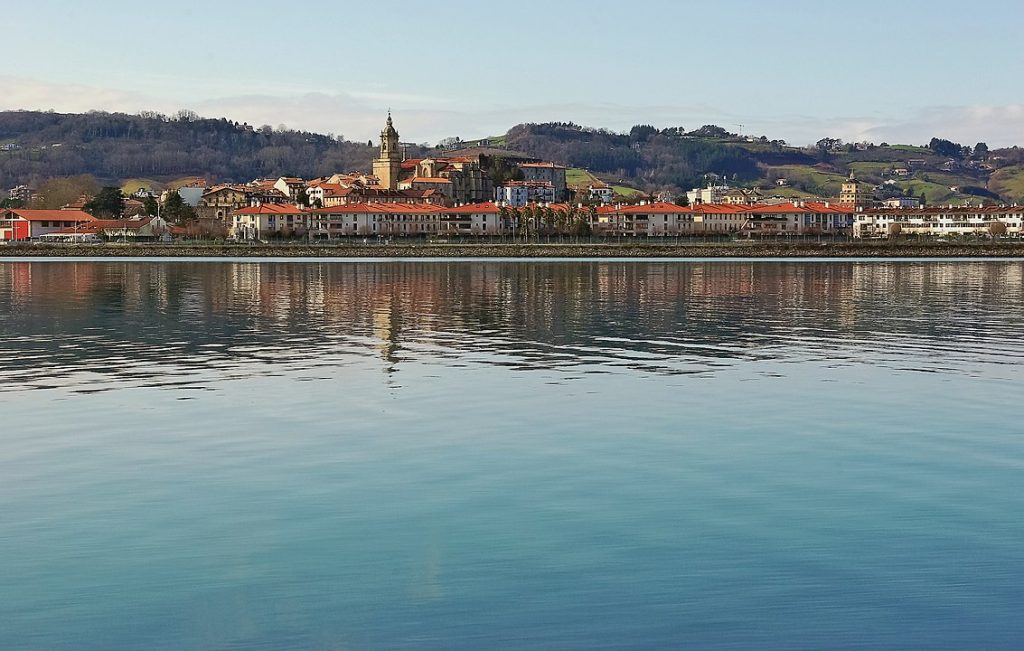
Hondarribia near the French border presents a walled historic quarter overlooking a calm marina framed by pastel façades and traditional homes. The waterfront remains pleasant without the congestion found in larger northern coastal destinations. Cobblestone streets reflect long maritime heritage and guide visitors toward scenic lookouts above the Bay of Biscay. A gentle rhythm anchors daily life, strengthened by long standing culinary customs and cultural festivals. Hondarribia continues to preserve its historic identity while offering a relaxed coastal atmosphere marked by scenic views and steady charm.
Muros
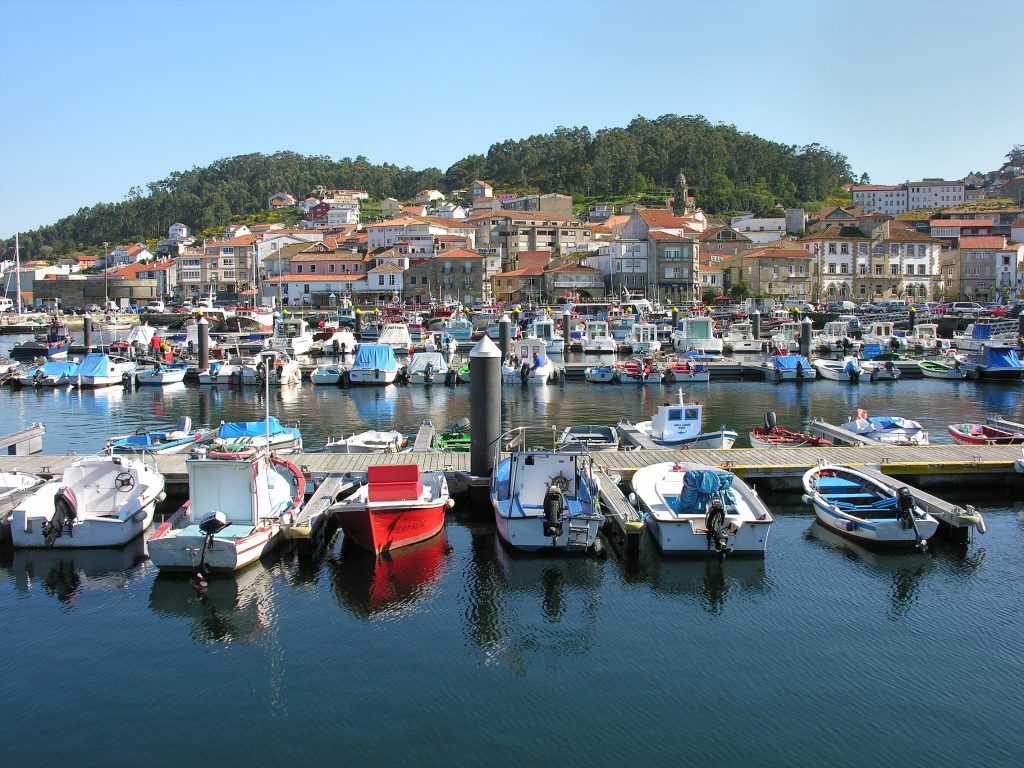
Muros in Galicia blends fishing traditions with a sheltered harbor lined by arcaded buildings, stone houses, and narrow lanes shaped by centuries of maritime activity. Calm waters and modest harbor movement create a peaceful scene that contrasts with busier regional ports. Beaches nearby offer soft waves bordered by hills covered in dense greenery. Local markets focus on regional seafood that supports both heritage and community life. Coastal paths extend toward rugged viewpoints overlooking the Atlantic. Muros maintains a steady atmosphere grounded in natural beauty and enduring tradition.
Altea
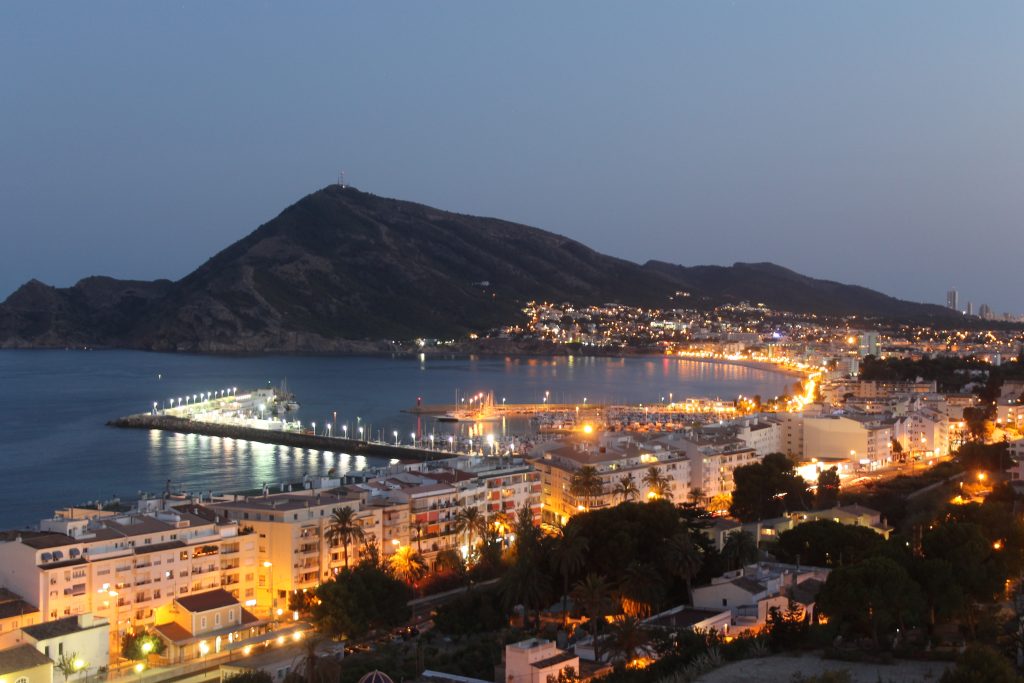
Altea on the Costa Blanca showcases a hilltop district crowned by a blue-domed church and whitewashed homes that overlook wide Mediterranean views. Narrow streets lined with artisan shops encourage slow, relaxed wandering through the old town. The waterfront promenade provides gentle sea breezes and clear views of anchored boats along the coast. Nearby beaches remain calmer than those in surrounding resort areas. Elevated viewpoints highlight cliffs and muted coastal tones. Altea balances artistic culture, traditional architecture, and a tranquil shoreline that attracts visitors seeking quieter coastal experiences.
Ribadesella

Ribadesella in Asturias combines dramatic cliffs, a winding river, and a seafront promenade that reflects the region’s maritime heritage. A broad sandy beach stretches between striking rock formations shaped by constant coastal forces. Historic mansions and leafy walkways form a calm environment suited for steady exploration of natural and cultural elements. Prehistoric caves nearby add archaeological depth to the area’s identity. Harbor activity maintains a gentle rhythm with fishing traditions still visible. Ribadesella offers a consistent blend of scenic beauty and quiet heritage across its northern shoreline.
Combarro
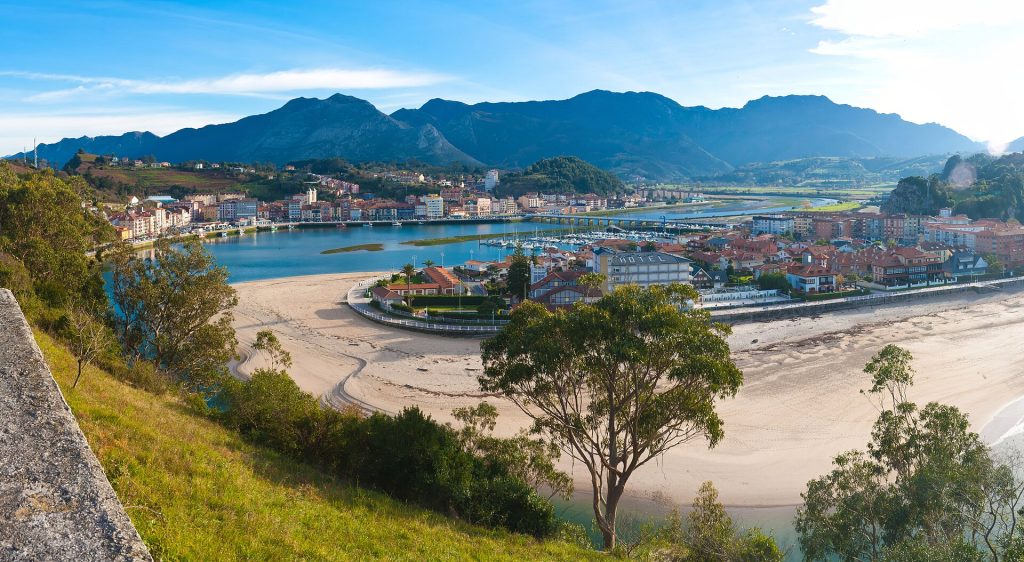
Combarro on the Ría de Pontevedra features granite homes, narrow alleys, and traditional granaries built along the tidal edge of the village. Its compact layout emphasizes coastal heritage and longstanding architectural styles. Tidal inlets mirror stone façades, creating a quiet shoreline scene shaped by regional customs and modest fishing activity. Small seafood cafés reinforce local identity without heavy commercial pressure. Walkways lead to sheltered rocky coves and clear waters. Combarro continues to preserve cultural continuity and natural charm through steady conservation and community commitment.
Zahara De Los Atunes
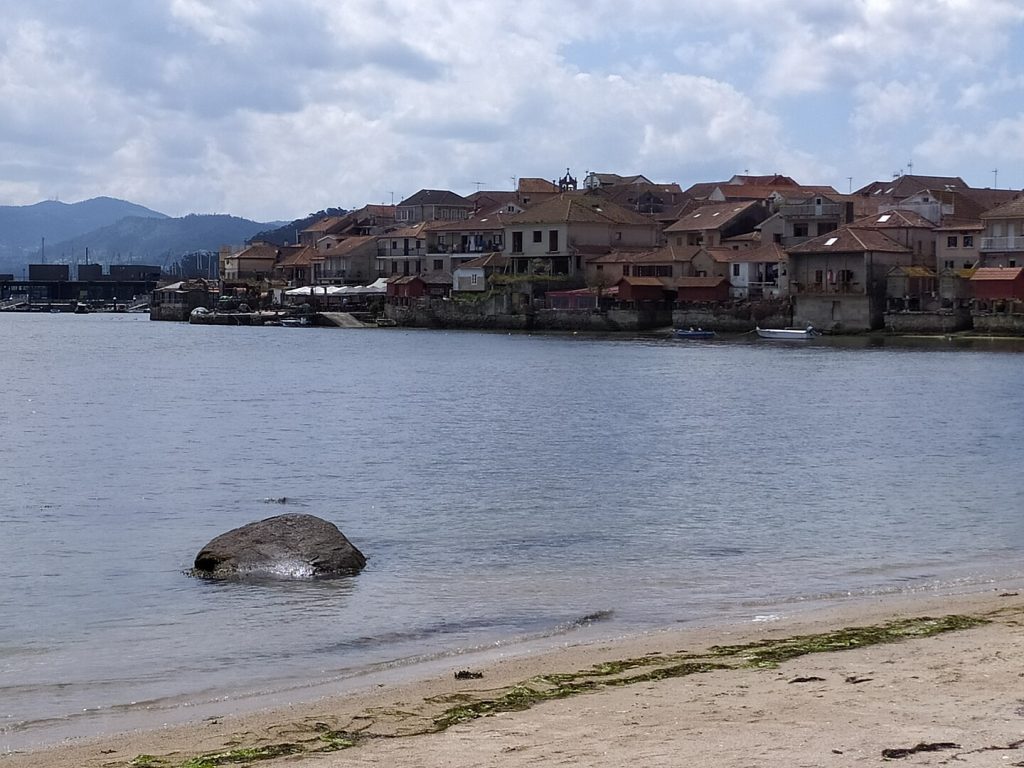
Zahara de los Atunes on the Costa de la Luz offers long sandy beaches, rolling dunes, and warm Atlantic light that supports a calm shoreline atmosphere. Fishing traditions shape local cuisine and reinforce an easy daily rhythm distinct from larger resort towns. Open stretches of waterfront provide ample space even in peak seasons. Breezes carry steady ocean scents across the promenade and surrounding dunes. Zahara’s natural features and modest development maintain a consistent sense of tranquility rooted in the region’s cultural and coastal heritage.
Luarca
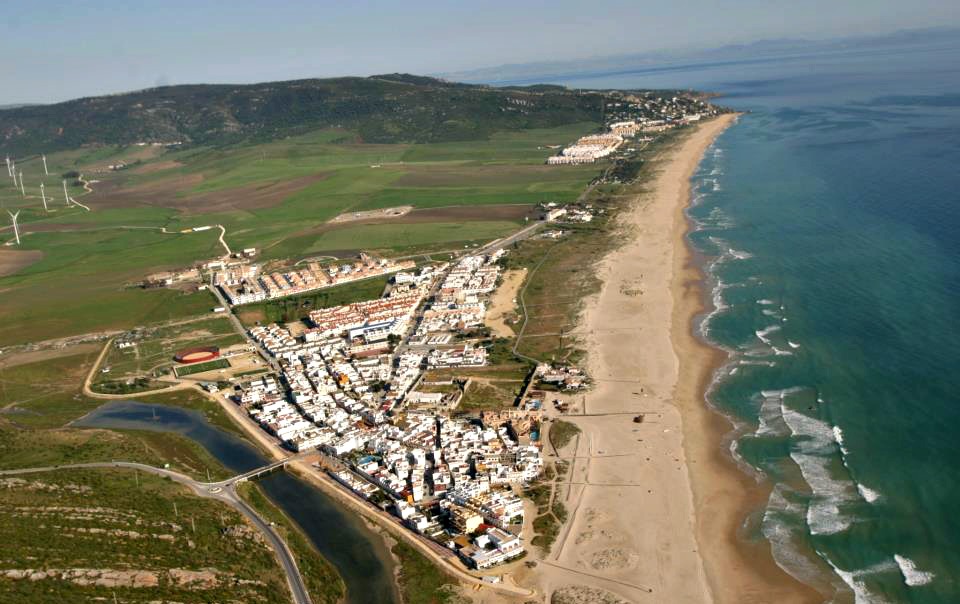
Luarca in Asturias curves around a sheltered bay framed by terraced homes and green hills that create a picturesque amphitheater facing the water. Fishing boats and harbor activity reflect a rhythm shaped by long maritime traditions. Paths rising above the cliffs reveal sweeping ocean views with dramatic contrasts in light and texture. Local customs encourage unhurried community routines. Luarca’s combination of scenic elements, cultural continuity, and modest scale supports a dependable sense of peace throughout the town’s sheltered coastline and historic districts.
Es Grau
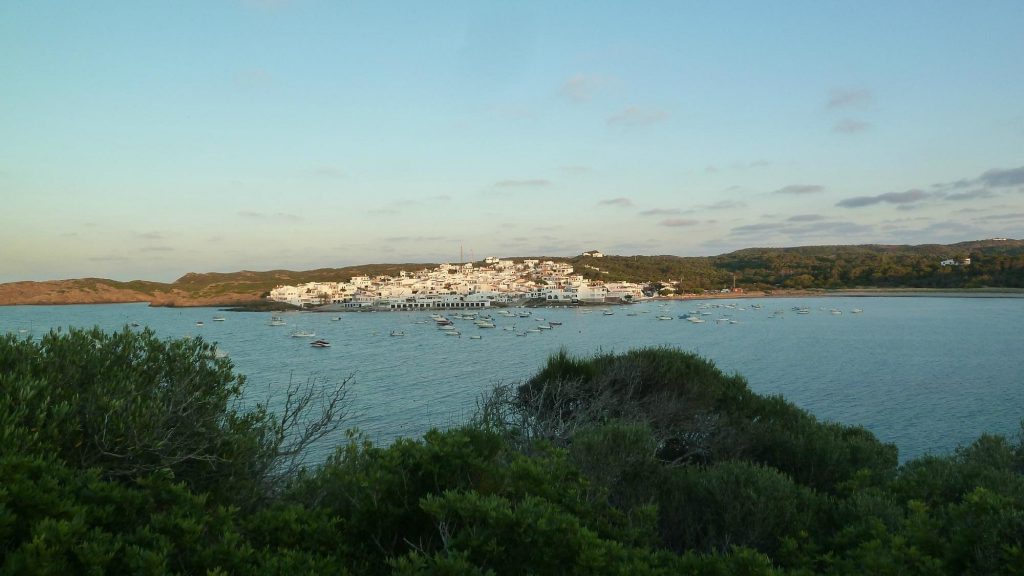
Es Grau in Menorca rests beside a protected bay bordered by dunes, wetlands, and calm waters that create a naturally peaceful environment. Boardwalks extend through areas supporting native birdlife and delicate vegetation. The village’s limited development preserves a simple coastal routine reinforced by traditional homes and shaded pathways. Quiet shorelines encourage slow movement along the water’s edge. Proximity to the surrounding nature reserve enhances ecological awareness. Es Grau maintains a unique identity shaped by conservation priorities and steady island traditions.
Muxía
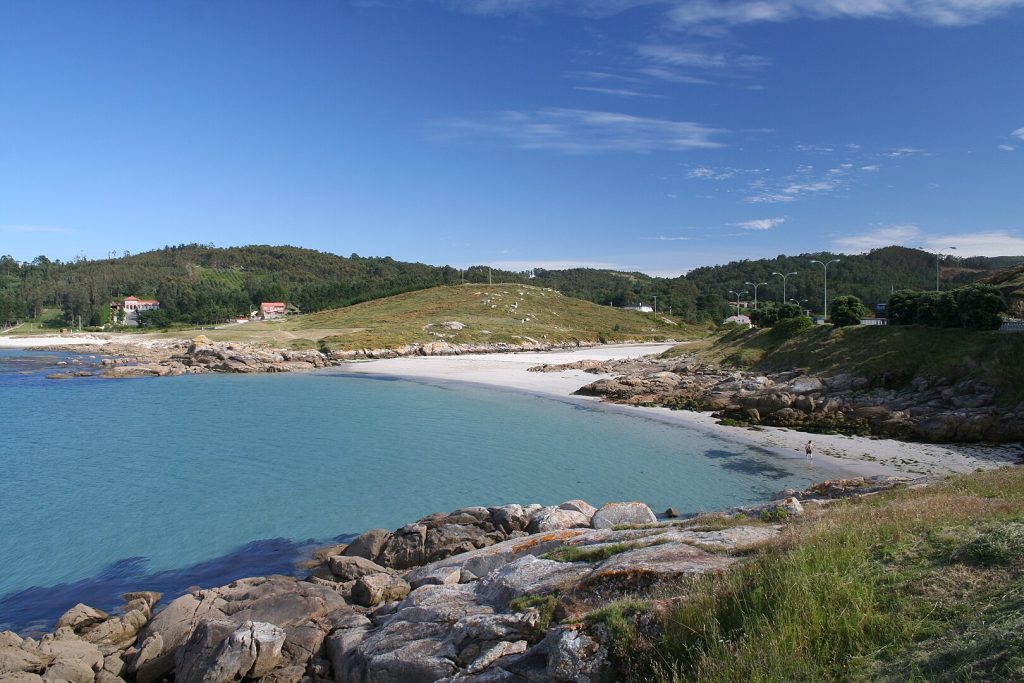
Muxía along the Costa da Morte features rocky headlands, open Atlantic views, and a harbor closely tied to maritime customs. The sanctuary overlooking the coast underscores deep regional history and cultural symbolism. Promenade walks offer quiet moments framed by constant wave movement and shifting weather patterns that define the area’s rugged character. Beaches remain peaceful and free from overwhelming crowds. Fishing culture continues to inform community life. Muxía maintains striking scenery and understated traditions that reinforce its role as a calm coastal retreat.
Salobreña
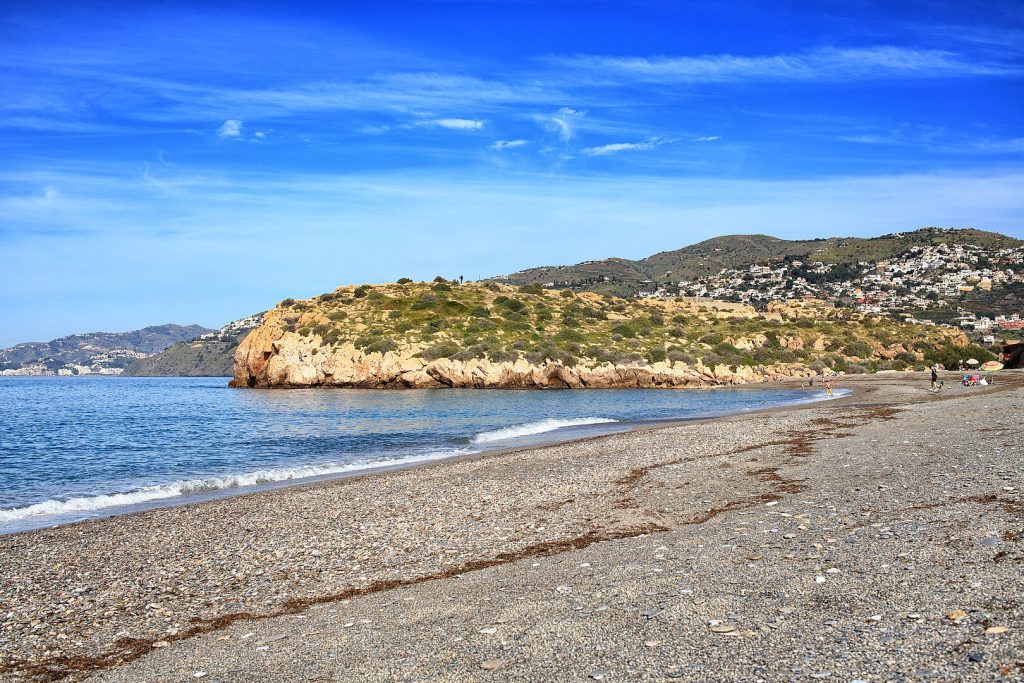
Salobreña on the Costa Tropical presents a hillside covered with whitewashed homes rising toward a Moorish castle overlooking the Mediterranean. Narrow walkways wind through neighborhoods shaped by centuries of cultural influence. Beaches remain moderate in activity compared with nearby destinations. Local cafés and garden terraces provide calm gathering spots within the town center. Surrounding farmland and rolling hills reinforce a gentle coastal atmosphere. Salobreña’s blend of history, architecture, and landscape supports a serene environment along the southern Spanish coast.
Cudillero
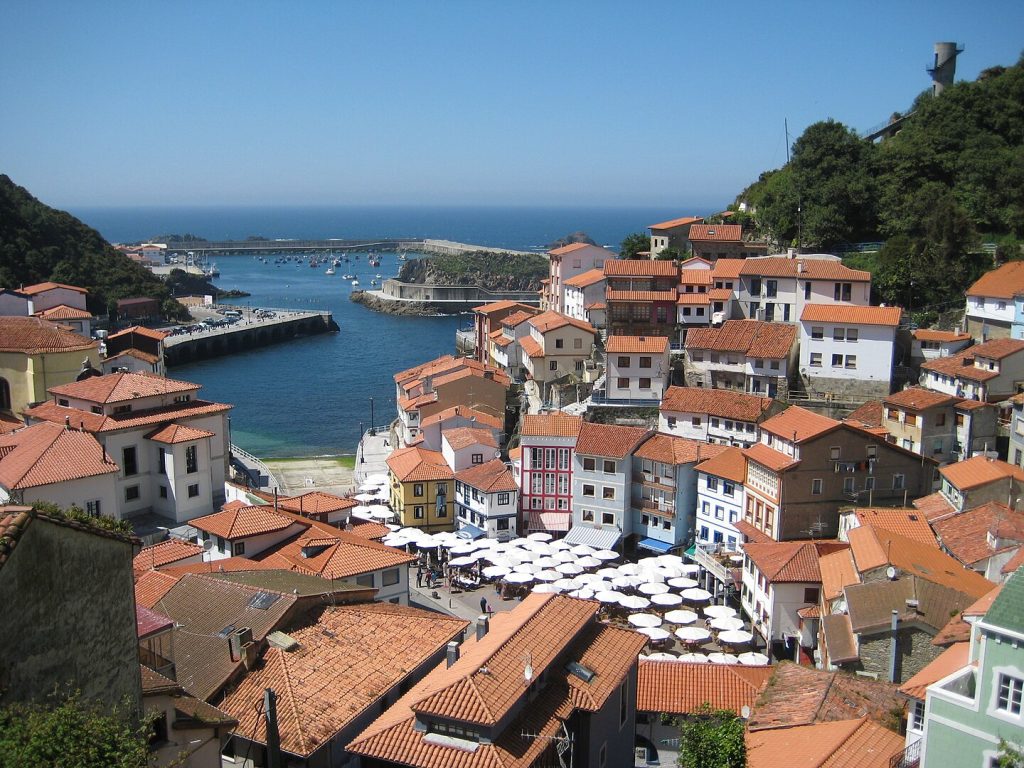
Cudillero in Asturias stands out for its colorful hillside homes arranged in an amphitheater shape facing the harbor. Maritime traditions guide daily life, creating a quiet working rhythm along the waterfront. Clifftop trails reveal dramatic coastal views without heavy foot traffic. Narrow alleys open toward the sea in a distinctive pattern shaped by terrain and historic construction. Local dining emphasizes regional seafood. Cudillero’s unique layout and cultural continuity preserve a calm, visually striking coastal identity rooted in northern Spain’s rugged landscape.
Isla Cristina
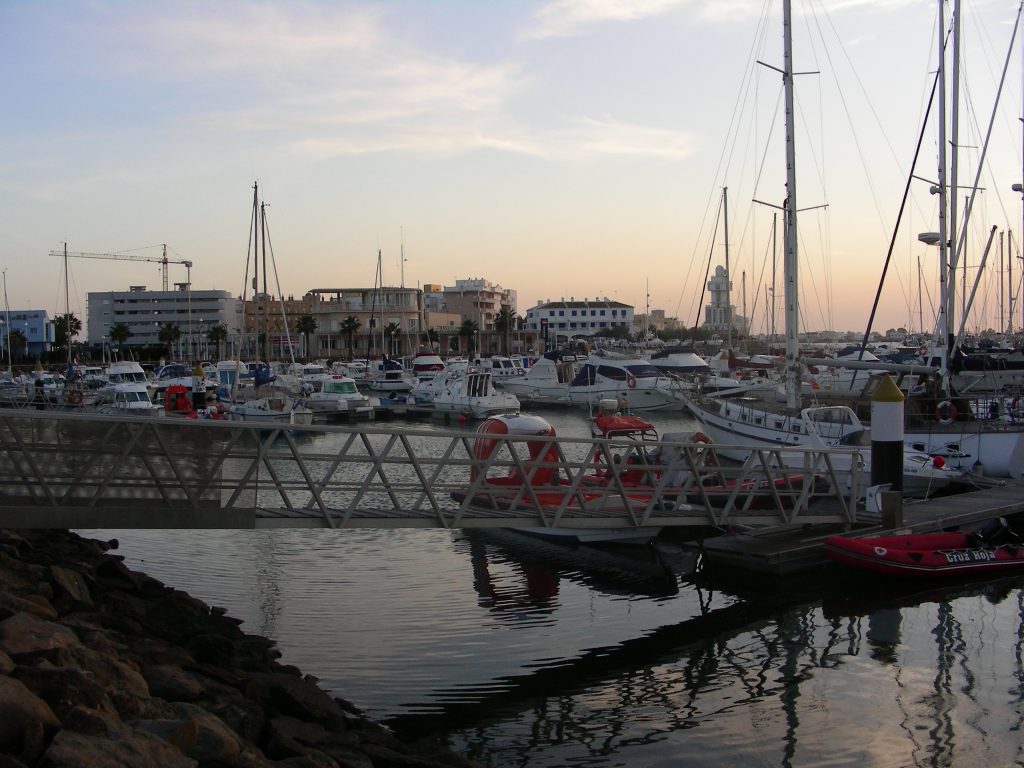
Isla Cristina in Andalusia borders marshlands, sandy beaches, and calm tidal channels that define its relaxed coastal character. Fishing boats line the waterfront, reflecting strong cultural ties to maritime work. Natural reserves nearby support diverse birdlife and outdoor activities that remain quiet throughout much of the year. The wide shoreline offers ample space for peaceful walks. Local markets emphasize seafood and regional produce. Isla Cristina maintains an inviting atmosphere shaped by open landscapes and enduring coastal traditions.