13 Quirky Tiny Towns That Inspired American Novels

Tiny towns across the United States often hold the exact blend of charm, character, and quiet mystery that sparks the imagination of writers. These communities offer landscapes shaped by tradition, local folklore, and close relationships that easily transform into memorable fictional settings. Their slower pace allows small details to stand out, making them ideal backdrops for stories rooted in emotion and place. With each visit, these towns reveal textures and histories that continue to influence American literature.
Monroeville, Alabama
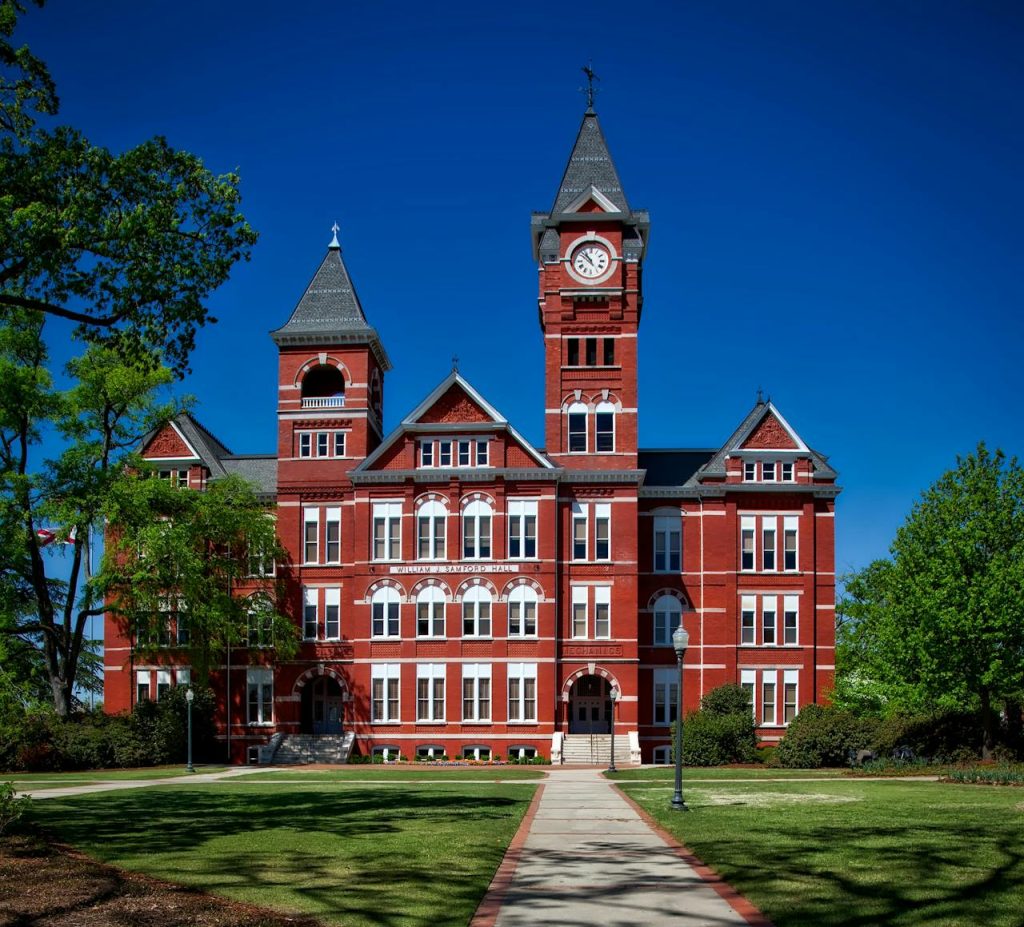
Monroeville remains closely tied to the legacy of Harper Lee, whose childhood surroundings shaped the fictional world presented in her most famous novel. The town’s historic courthouse, shaded streets, and long standing community traditions reflect the atmosphere she captured with such clarity. Modern visitors walk through neighborhoods that still echo the rhythms of earlier decades. Local exhibits trace the connection between the author’s life and the setting that inspired her work.
Salinas, California

Salinas served as a creative wellspring for John Steinbeck, who drew deeply from the agricultural landscape and working-class communities that defined the region. The wide fields and small farms surrounding the town appear throughout his novels, grounding his stories in a vivid sense of place. Today, museums and landmarks highlight the relationship between the author and his hometown. The area’s blend of beauty and hardship remains a powerful part of its literary identity.
Hannibal, Missouri

Hannibal shaped the world of Mark Twain, offering real life inspiration for the characters and adventures that filled his iconic novels. The Mississippi River, limestone caves, and historic homes create a setting that feels both nostalgic and lively. Streets lined with preserved buildings help visitors imagine the experiences that influenced the author. This combination of natural and cultural history continues to draw readers who want to explore Twain’s roots.
Asheville, North Carolina
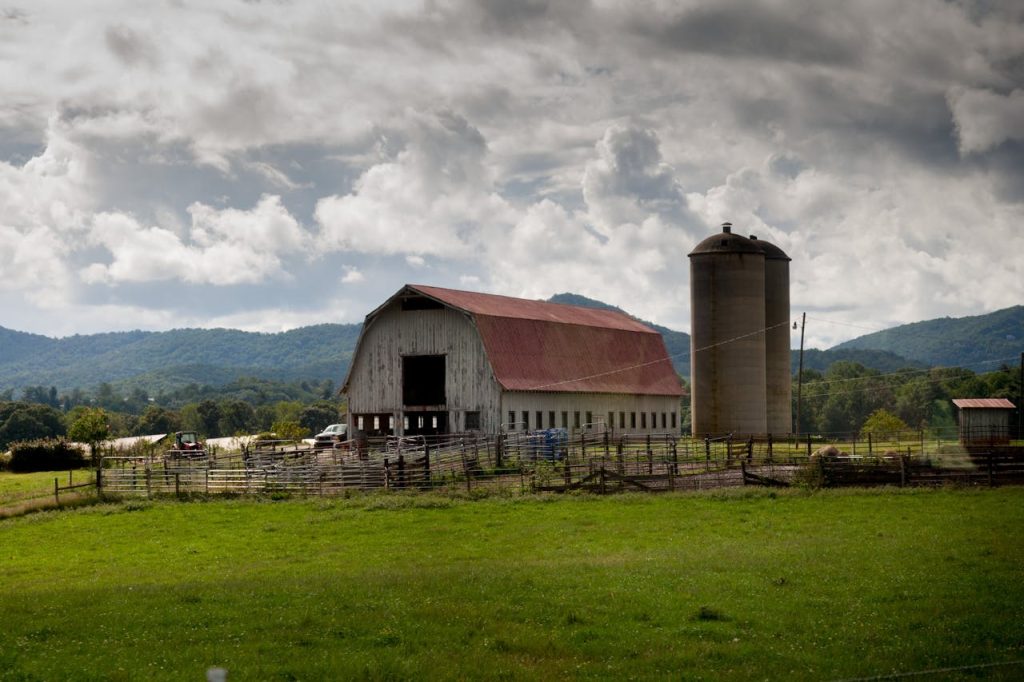
Asheville’s eclectic spirit and mountain surroundings informed the work of Thomas Wolfe, whose novels captured the emotional landscape of family and small-town life. The city’s mix of architectural styles and artistic communities mirrors the complexity found in his writing. Historic sites and preserved homes give insight into his early years. Asheville’s creative energy and scenic charm remain central to its reputation as a literary destination.
Saratoga Springs, New York

Saratoga Springs inspired depictions of elegance, social gatherings, and ambition in several twentieth-century novels. Mineral springs, stately hotels, and lively racetracks provided striking backdrops for stories centered on aspiration and class. The town’s graceful blend of leisure and refinement matches the tone captured in those works. Visitors still find an atmosphere filled with charm, culture, and the echoes of its literary past.
Eatonville, Florida
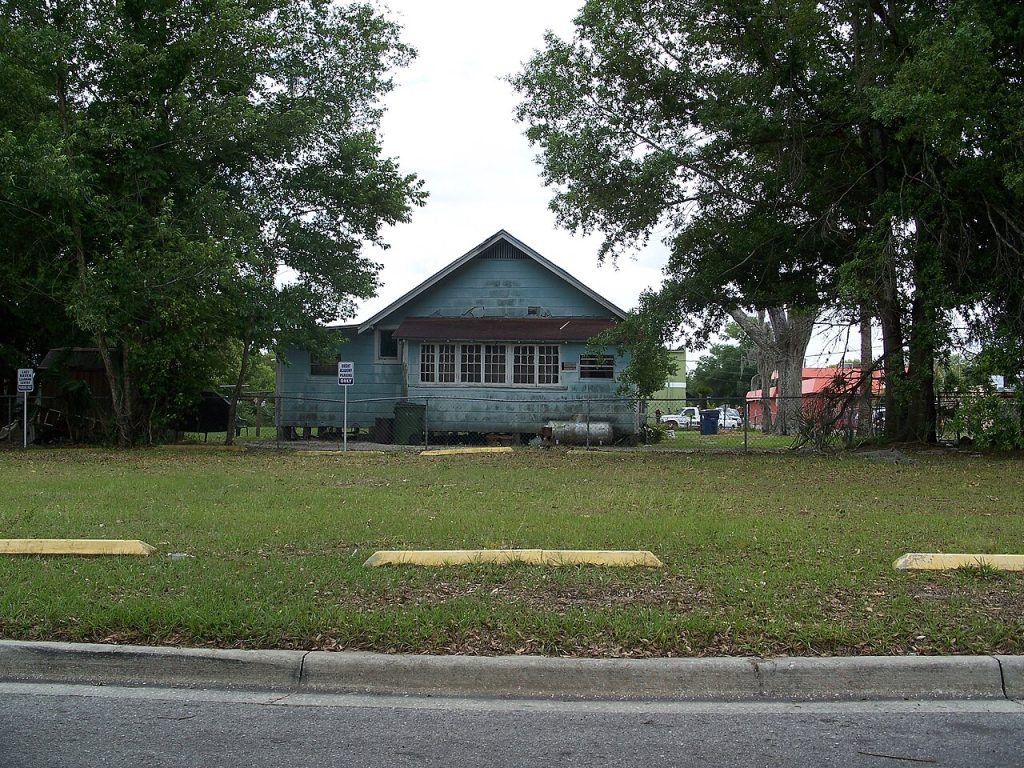
Eatonville holds deep significance as the place that shaped Zora Neale Hurston’s storytelling voice. The town’s cultural traditions, community gatherings, and rich oral history fueled her celebrated narratives. Museums and festivals honor her contributions while preserving the stories that influenced her writing. Eatonville’s heritage continues to serve as a cornerstone for understanding Hurston’s work and its enduring impact on American literature.
Red Cloud, Nebraska
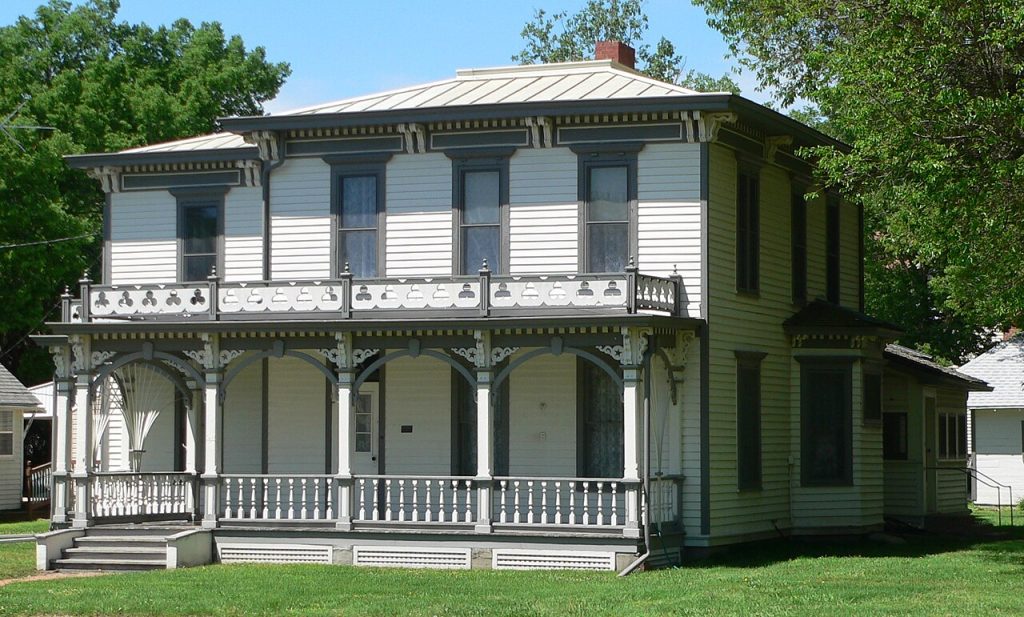
Red Cloud played a major role in Willa Cather’s early life and provided the foundation for many of her novels centered on frontier life and prairie landscapes. Broad fields, historic buildings, and preserved homes reflect the settings she portrayed with such detail. Tours offer insight into the people and places that shaped her perspectives. The quiet environment still holds the thoughtful atmosphere that influenced her stories.
Lenox, Massachusetts
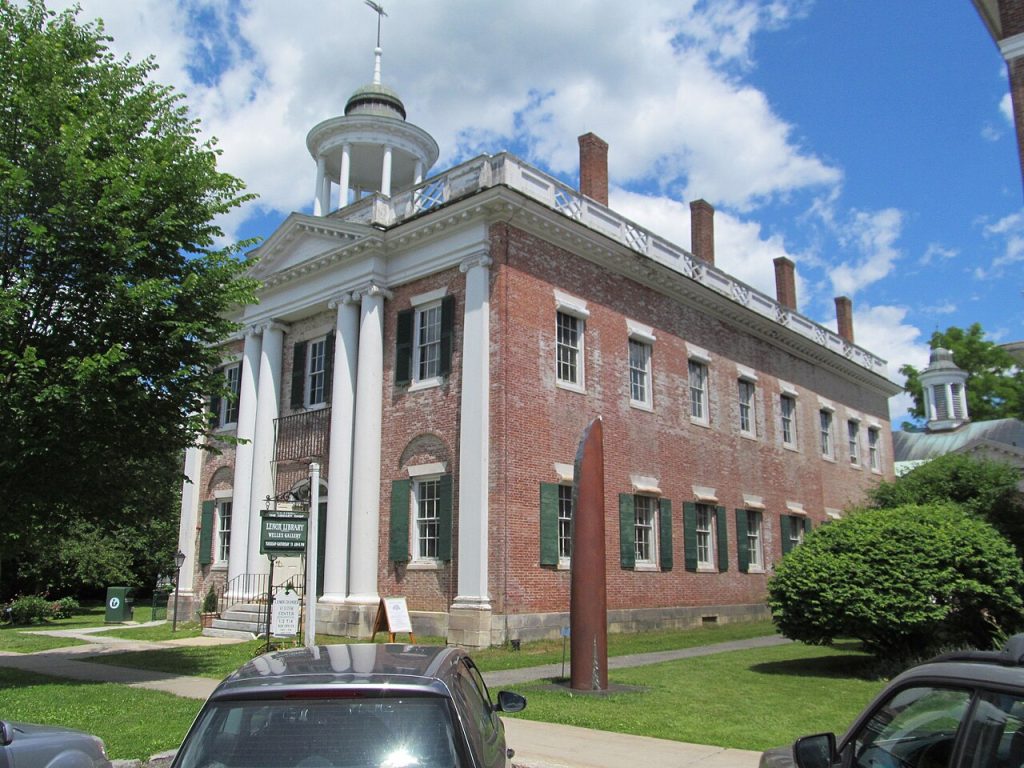
Lenox attracted several writers, including Edith Wharton, who found inspiration in the region’s refined culture and natural beauty. The Berkshires’ rolling hills, wooded paths, and stately homes provided a perfect setting for her creative work. Her restored estate now stands as a testament to her legacy. The town’s enduring cultural scene keeps its literary traditions alive through events, performances, and educational programs.
Jackson, Mississippi
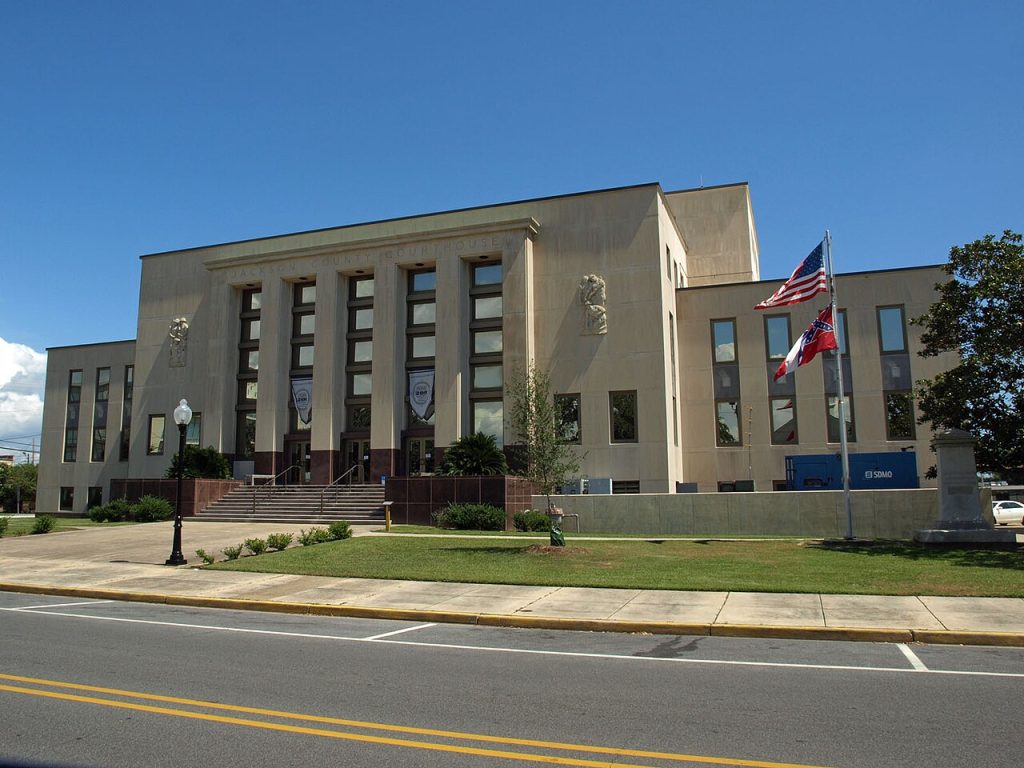
Jackson appears throughout contemporary Southern literature, offering authors a rich tapestry of voices, history, and evolving cultural landscapes. Neighborhoods, historic landmarks, and artistic communities contribute to its unique character. Museums and cultural centers help visitors understand the influences that shape fiction rooted in the region. Jackson’s layered identity provides fertile ground for stories that explore resilience, conflict, and community.
Key West, Florida

Key West offered Ernest Hemingway a distinctive blend of tropical scenery, lively streets, and quiet hideaways that fed his imagination. His Key West home remains preserved and reflects the daily life that supported his writing routine. Local culture, waterfront views, and warm breezes helped shape his creative environment. The island’s vibrant yet relaxed atmosphere continues to attract artists seeking inspiration from its colorful surroundings.
Concord, Massachusetts
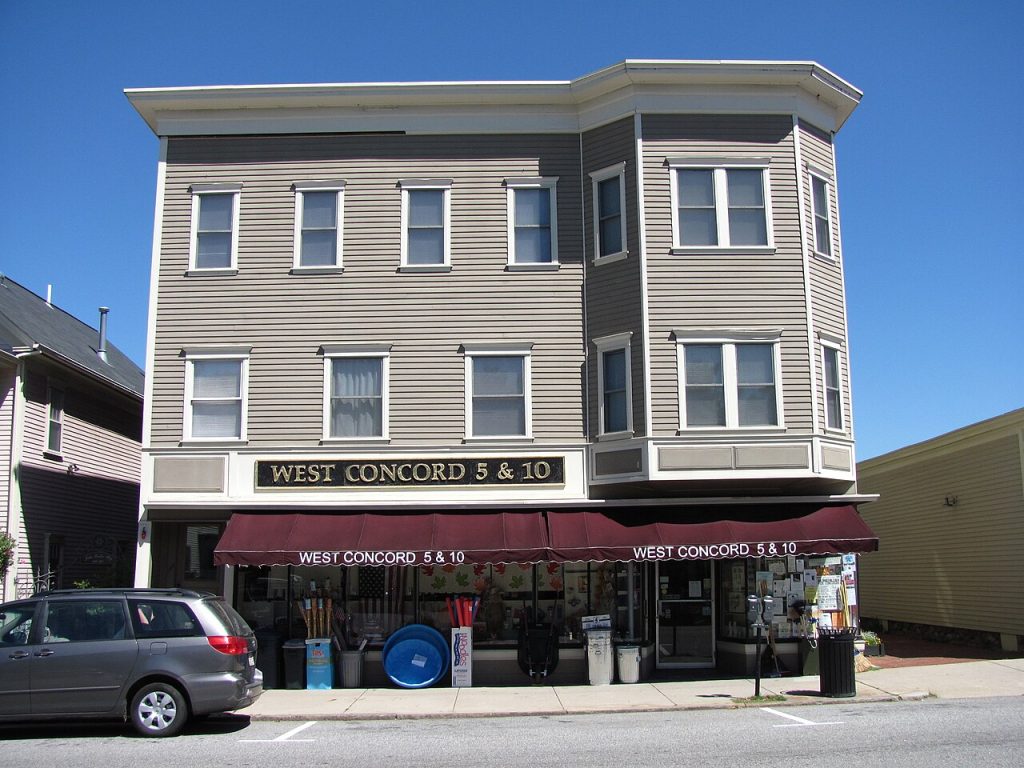
Concord stands as a cornerstone of American literary heritage, known for shaping the works of several influential authors. Wooded trails, historic homes, and peaceful ponds appear throughout classic novels and essays. The town preserves significant sites that allow visitors to experience the landscapes that guided these writers. Its quiet beauty and long-standing intellectual community continue to reinforce its literary importance.
Bangor, Maine
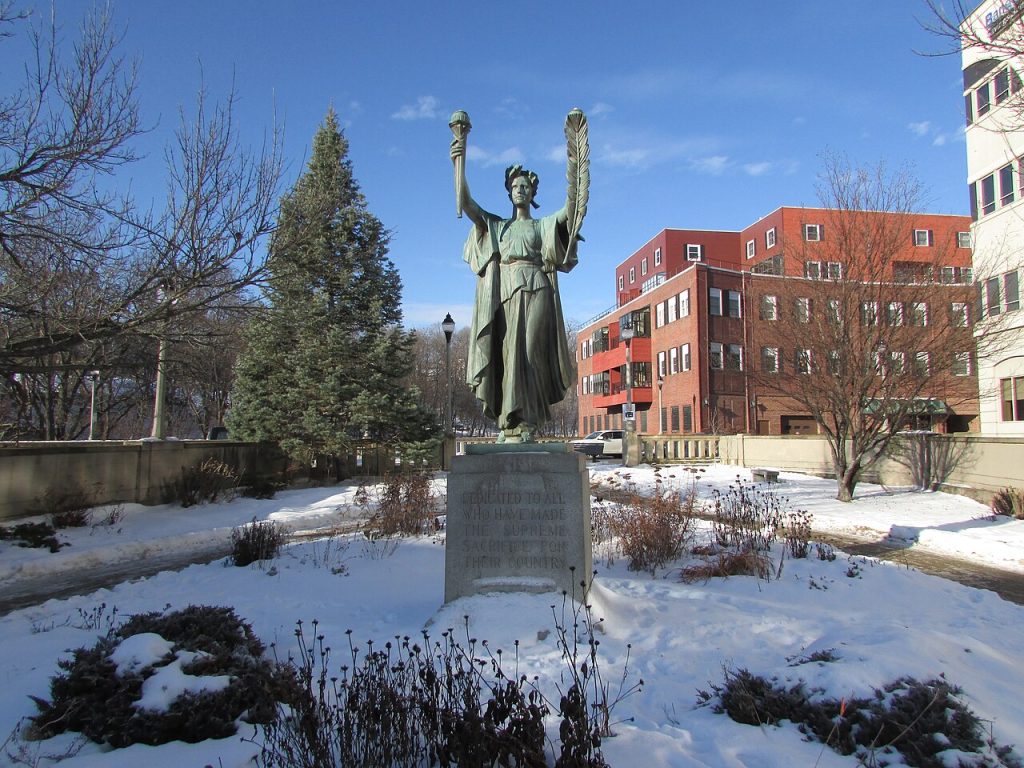
Bangor served as the basis for the fictional town featured in several of Stephen King’s works, offering a blend of small-town familiarity and eerie undertones. Historic buildings, tree-lined streets, and local landmarks echo details found throughout his stories. Fans visit notable sites that connect directly to his life and writing. The town’s calm exterior layered with subtle mystery continues to influence his narrative style.
Monmouth, Illinois
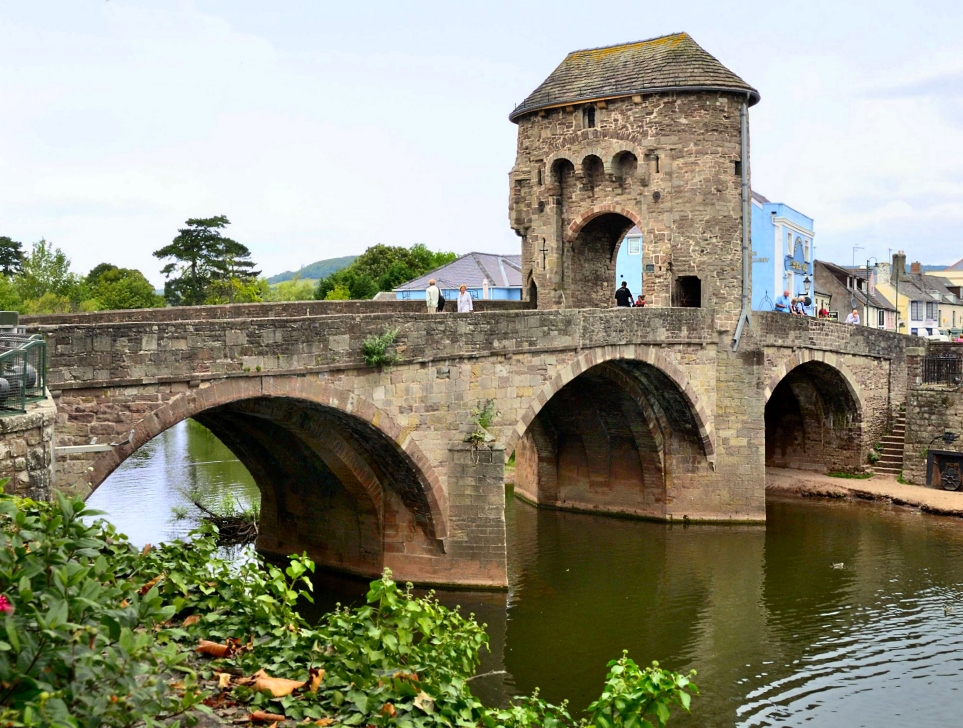
Monmouth inspired elements of Elizabeth Stoddard’s novels, capturing the gentle pace and rural character of the region. Historic structures and modest neighborhoods reflect the environment that shaped her perspectives. The town’s unassuming charm offers a glimpse into the Midwestern life she portrayed. Its preserved architecture and quiet streets show why it left such a lasting impression on her storytelling.