13 Safari Lodges Where Elephants Raid Tents
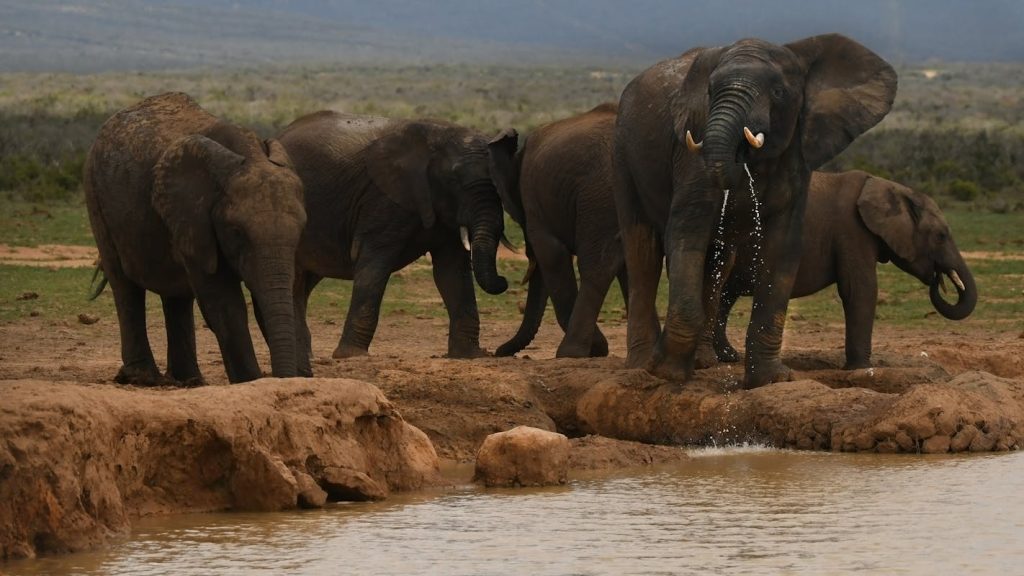
Wildlife biologists and veteran safari guides frequently document the curious behavior of African elephants within protected conservancies and national parks. These massive mammals often develop a sophisticated understanding of human encampments, recognizing them as potential sources of water or nutritional supplements like seed pods and salt. Expert trackers emphasize that while these encounters provide unparalleled photographic opportunities, they require strict adherence to safety protocols to manage the proximity of wild herds.
Park rangers and conservationists explain that elephants possess an extraordinary sense of smell that draws them toward specific scents inside guest accommodations. This natural curiosity often leads to close-range interactions where elephants investigate canvas structures or porch areas. Understanding the migratory patterns and habitual behaviors of these animals allows lodges to operate safely within their natural territories while offering guests an authentic glimpse into the wild.
Elephant Sands In Botswana
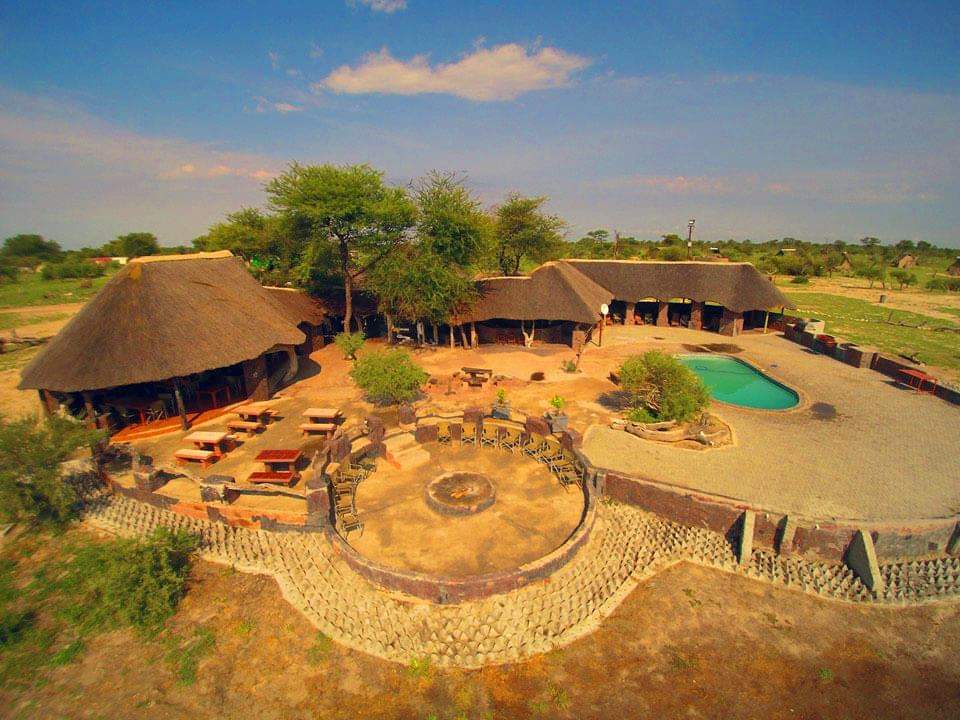
Wildlife researchers often highlight this lodge for its unique positioning around a central watering hole that draws hundreds of elephants daily. The lack of boundary fences allows the herds to move freely between the tents and the main guest areas. Guides at the site note that elephants frequently wander through the camp, occasionally reaching over low walls or sniffing around tent zippers in search of water or fallen fruit from nearby trees.
The proximity of the pachyderms requires a deep understanding of animal body language. Experts suggest that keeping a respectful distance and remaining quiet allows the elephants to feel comfortable as they navigate the sandy paths between accommodations. The lodge serves as a prime example of coexistence where the infrastructure yields to the natural right of way established by the local elephant population over several decades.
Mfuwe Lodge In Zambia
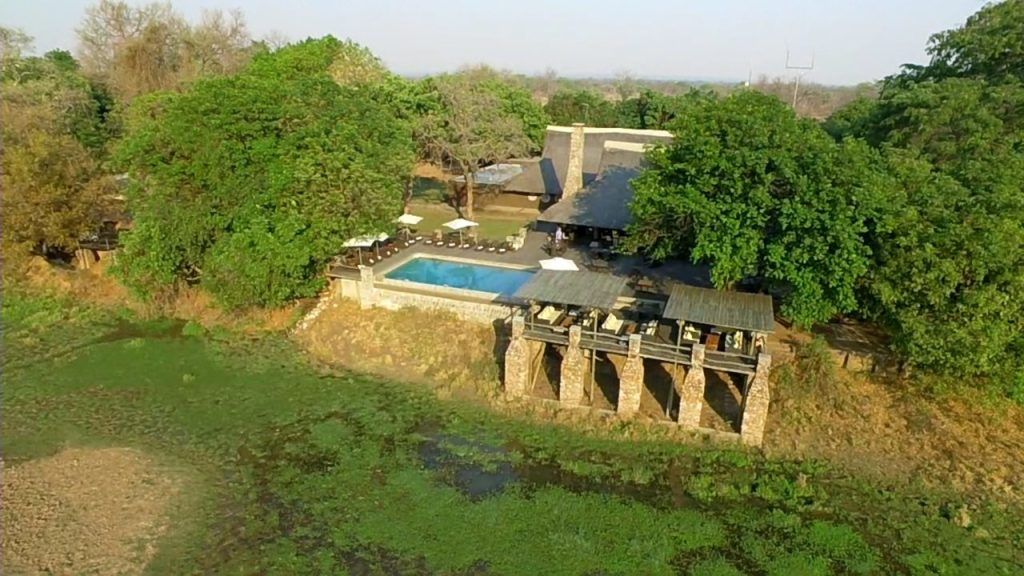
Wildlife officials and park staff in South Luangwa National Park famously observe elephants walking directly through the lobby of this lodge to reach a grove of wild mango trees. This behavior occurs annually when the fruit ripens, leading families of elephants to follow a traditional path that the lodge was inadvertently built upon. Experts in animal behavior note that the elephants remain calm and focused on their destination, demonstrating a remarkable level of habituation to the building.
The tents and chalets nearby often experience visits from these same families as they forage through the grounds. Sourcing from local guides reveals that elephants sometimes investigate the porch areas of the tents, especially if they catch the scent of vegetation. Managing these encounters involves ensuring that no food remains inside the sleeping quarters to prevent the animals from attempting to access the interior of the structures.
Abu Camp In Botswana
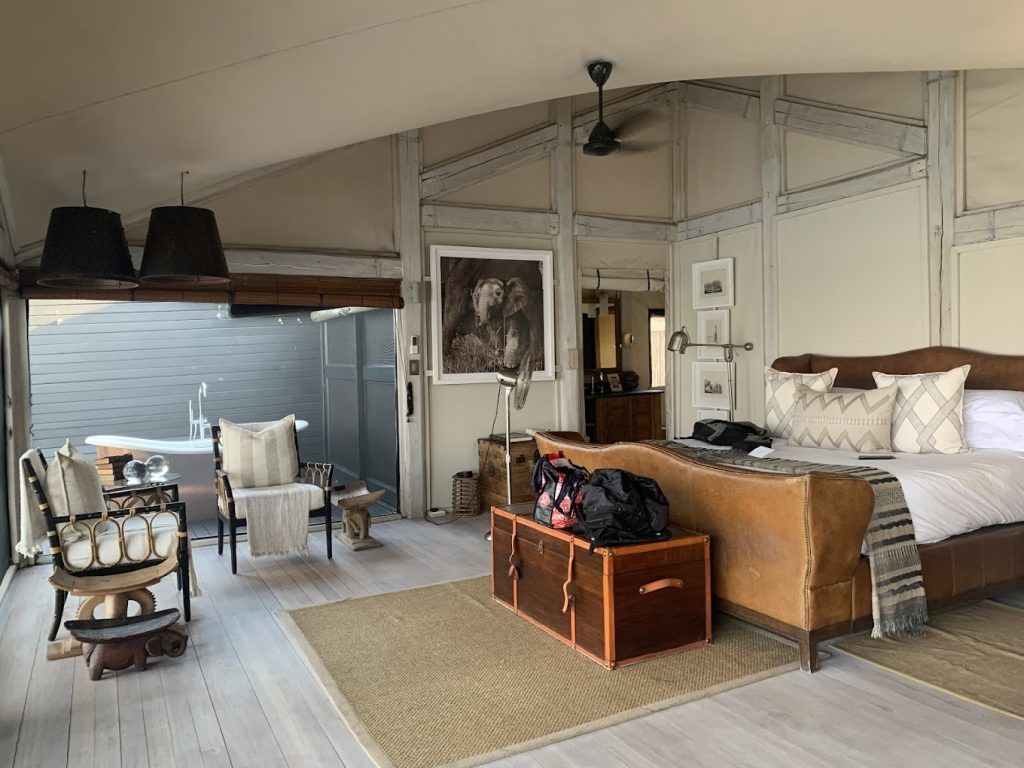
Conservationists at this Okavango Delta sanctuary focus on the reintegration of elephants into the wild, which creates a highly interactive environment. The elephants here are known to be exceptionally comfortable around the elevated canvas tents. Biologists observe that the resident herd often grazes right alongside the guest decks, sometimes using the wooden supports as scratching posts or reaching up to investigate the roof lines.
Specialists in safari operations emphasize the importance of the raised walkways that connect the tents, which allow the elephants to pass underneath without obstruction. This architectural choice respects the migratory needs of the animals while providing a safe vantage point for observers. The elephants often spend hours lingering near the guest areas, making the tents feel like a part of the natural forest canopy.
Anabezi Camp In Zambia
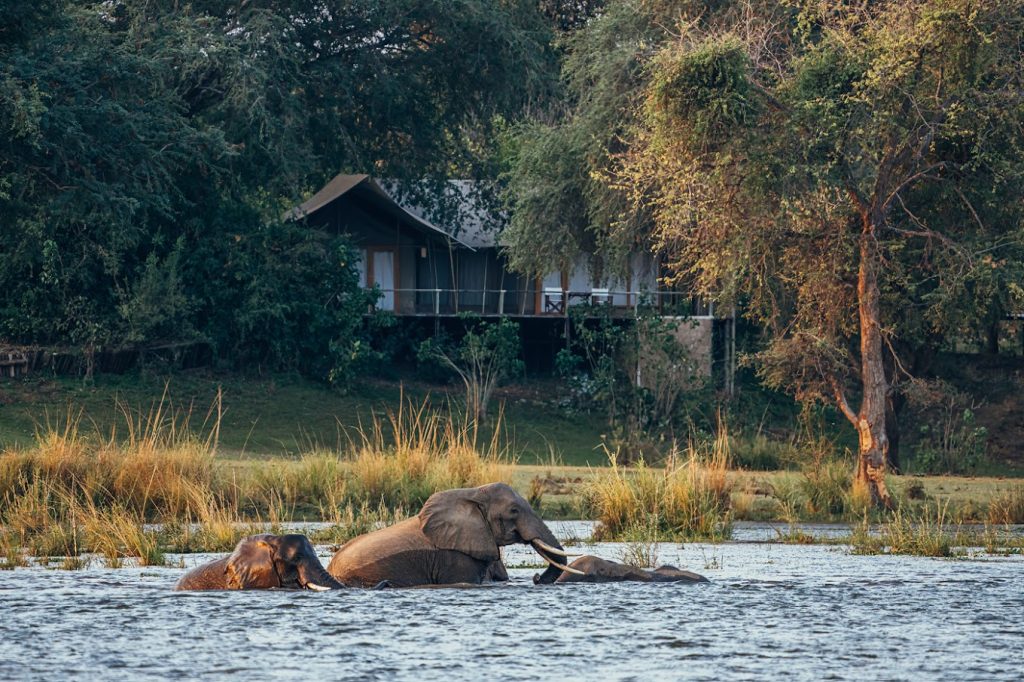
Located in the Lower Zambezi National Park, this camp sits on a site favored by elephants for the abundant winter thorn pods that fall from the trees. Wildlife guides explain that these pods are a high-protein delicacy that drives elephants to forage directly around the tented platforms. It is common for guests to witness elephants reaching their trunks onto the decks to sweep up the fallen seeds or gently nudging the canvas to reach a particularly attractive branch.
Field researchers suggest that the elephants in this region have become adept at navigating the camp layout without causing structural damage. The animals move with a surprising silence for their size, often appearing suddenly just outside a tent screen. Maintaining a clear perimeter and avoiding the storage of citrus or other strong-smelling fruits is a standard recommendation from camp managers to ensure these visits remain peaceful and non-intrusive.
Camp Jabulani In South Africa

This lodge is renowned among wildlife experts for its dedicated elephant herd and the intimate proximity it offers. The suites are integrated into the bush where elephants frequently wander during their daily activities. Conservationists note that the elephants often approach the outdoor showers or plunge pools, drawn by the scent of fresh water. This behavior is a testament to the trust established between the resident animals and the human presence in the sanctuary.
Experts in sustainable tourism point out that the lodge design incorporates natural barriers that guide the elephants while still allowing them to get close to the guest areas. The elephants often use the surrounding trees for shade, bringing them within inches of the tent walls. Observing these giants from such a short distance provides a profound understanding of their social structures and communicative gestures.
Tortilis Camp In Kenya
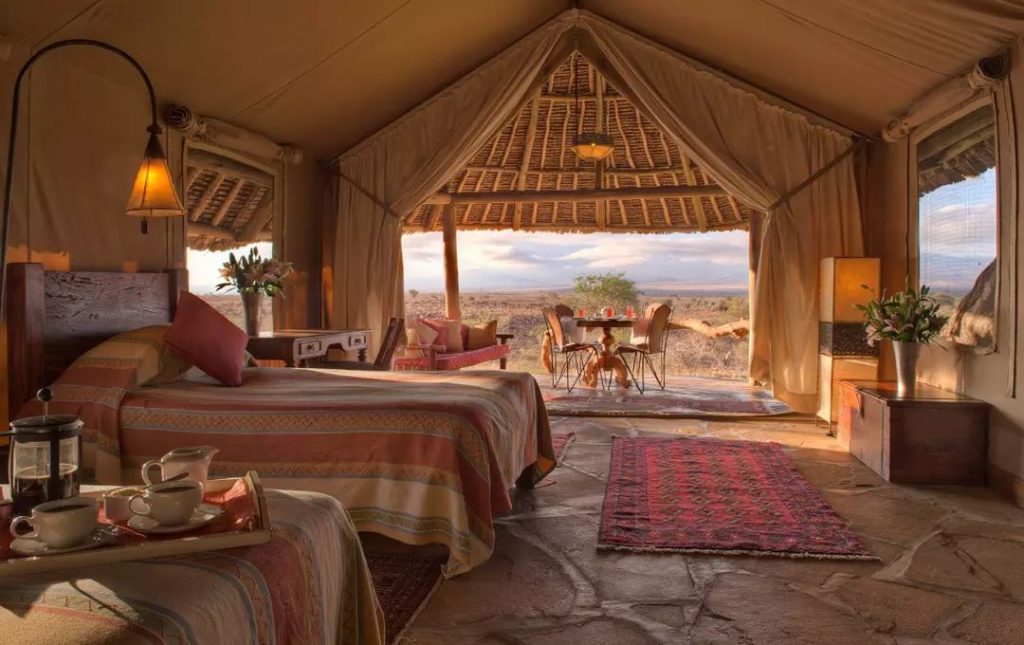
Situated in Amboseli National Park, this camp is positioned within a prime territory for some of Africa’s largest tuskers. Park rangers observe that the elephants here are particularly attracted to the acacia tortilis trees that give the camp its name. The elephants frequently move between the tents to reach the nutritious pods, sometimes brushing against the canvas as they maneuver through the groves.
Scientific studies of the Amboseli herds show that these elephants are among the most thoroughly documented in the world, leading to a high level of comfort around human structures. Experts advise that while the elephants are generally placid, their sheer size requires guests to stay inside their tents when a herd is moving through. The sounds of the elephants feeding and rumbling just outside the fabric walls provide a vivid sensory experience of the African wilderness.
Savute Safari Lodge In Botswana
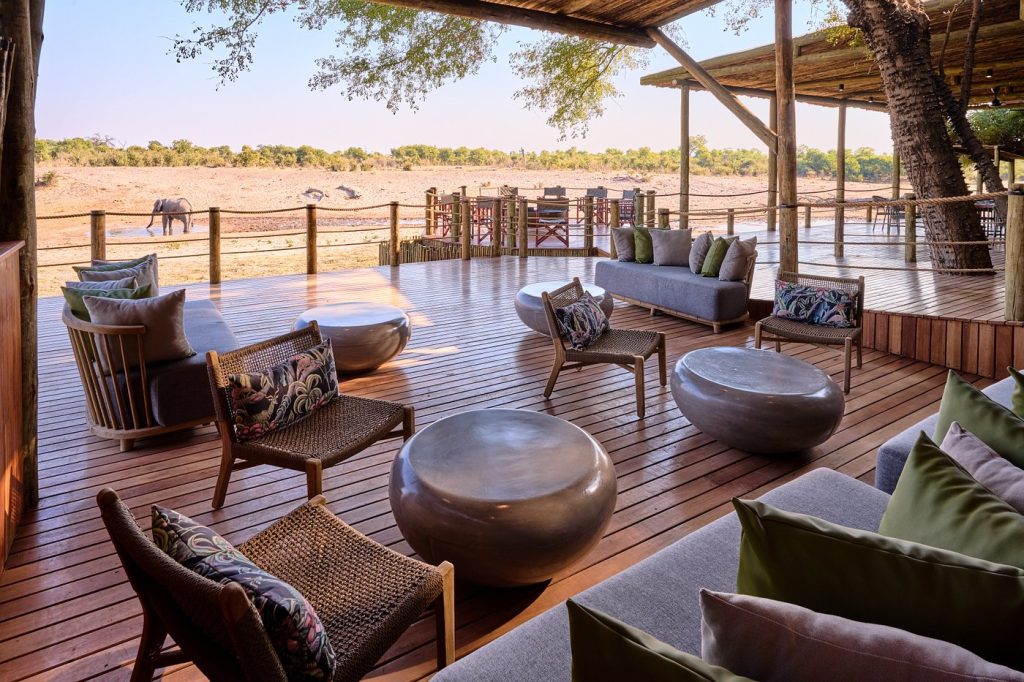
The Savute region is famous for its powerful elephant bulls that congregate around limited water sources. Wildlife photographers and biologists note that these bulls often frequent the lodge grounds, especially during the dry season. The elephants are known to investigate the plumbing and water features of the camp, sometimes causing minor damage in their persistent search for moisture near the guest accommodations.
Managing these large males requires expert knowledge of bull behavior and musth cycles. Lodge staff utilize subtle deterrents and specific landscaping to protect the tents while allowing the elephants to access the nearby riverbed. The sight of a massive bull standing silently beside a tent deck is a frequent occurrence that highlights the raw and untamed nature of the Savute landscape.
Chiawa Camp In Zambia
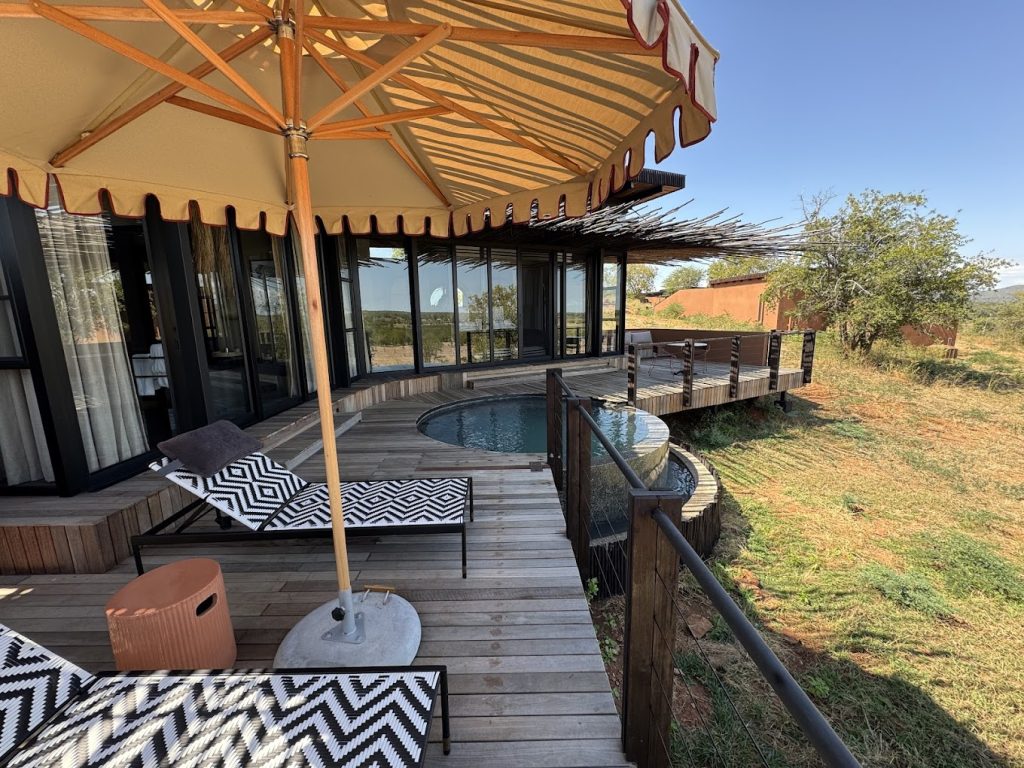
This family-owned camp in the Lower Zambezi is a favorite for researchers studying the interaction between elephants and riverine habitats. The elephants here are skilled at navigating the steep banks and the thick vegetation surrounding the tents. Guides report that elephants often use the shade of the tent awnings during the heat of the day, occasionally poking their trunks into the open-air bathrooms to check for water.
Authorities in safari safety emphasize that the elephants in this area are wild and should never be approached on foot within the camp. The design of the lodge allows for a seamless flow of wildlife, which means elephants may be encountered at any time on the paths. This level of immersion is managed through constant communication between guides and guests to ensure everyone remains aware of elephant movements.
Ol Donyo Lodge In Kenya

Nestled between Tsavo and Amboseli, this lodge sits on a private ranch where elephants roam freely against the backdrop of Mount Kilimanjaro. Wildlife biologists note that the elephants are drawn to the lodge for its water holes and the lush vegetation preserved around the buildings. The “star beds” on the roofs of the villas often provide a high-level view of elephants grazing just below the parapets.
The resident elephants are known to be quite inquisitive, sometimes investigating the lower levels of the accommodations. Expert trackers at the lodge provide education on the importance of the corridor that links the two major national parks, explaining how the lodge supports this vital migratory path. Guests often wake to find elephant tracks leading directly past their doorways, indicating a nighttime visit from a passing herd.
Vumbura Plains In Botswana
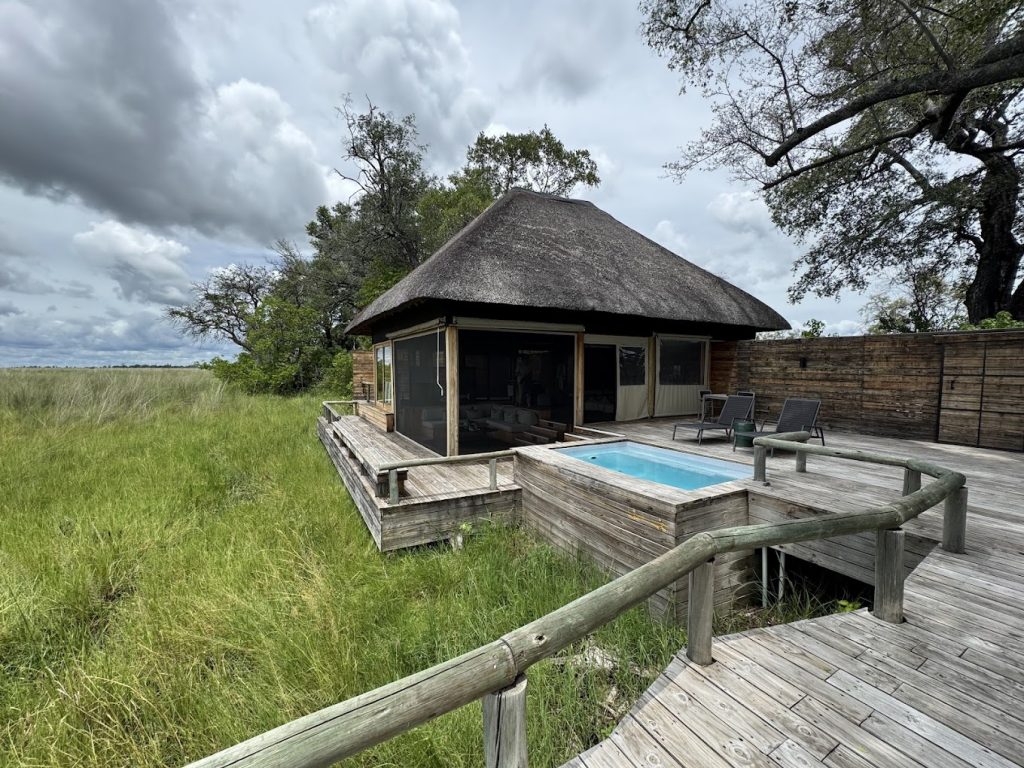
This camp is located in a diverse habitat where the Okavango Delta meets the savannah, attracting a wide variety of wildlife. Elephant experts observe that the herds here are particularly active at night, often moving through the camp to reach different feeding grounds. The elevated boardwalks and tents allow the elephants to move beneath and around the structures, sometimes resulting in the sound of trunks sliding along the wooden railings.
Environmental consultants who helped design the camp focused on minimizing the footprint to allow for natural wildlife movement. This approach has been successful, as elephants often treat the camp as just another part of the forest. The proximity of the elephants to the private plunge pools is a common highlight, as the animals sometimes stop for a drink while guests are relaxing just a few feet away.
Chobe Chilwero In Botswana
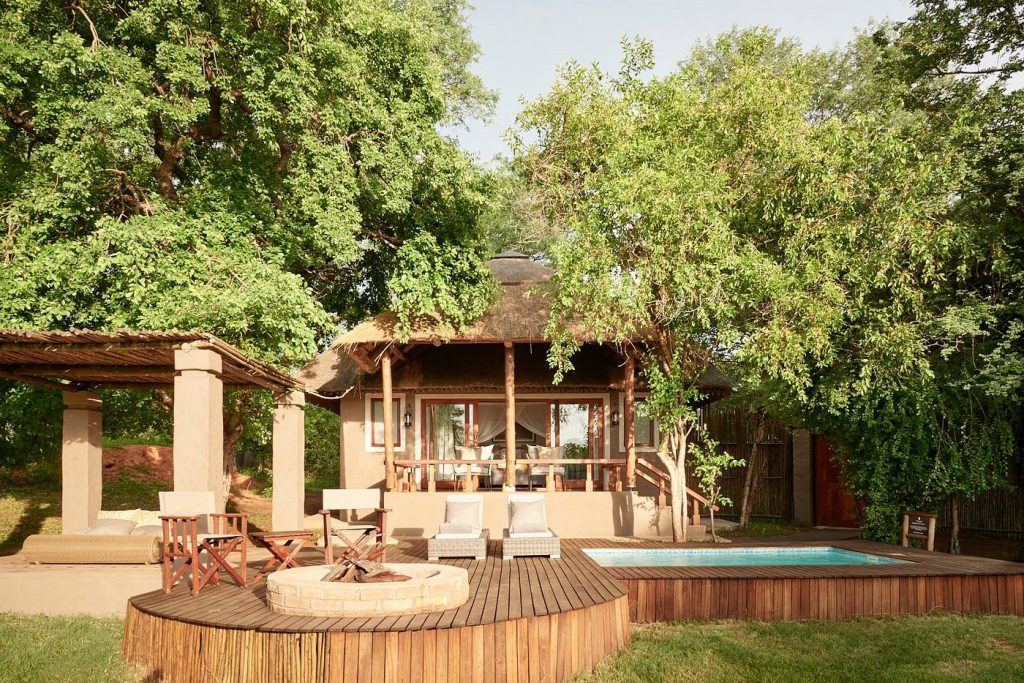
Located on the border of Chobe National Park, this lodge sits in an area with one of the highest concentrations of elephants in Africa. Wildlife officials frequently see large herds moving through the hillsides where the lodge is situated. The elephants are known to forage right up to the edges of the manicured gardens and the guest suites, drawn by the variety of plants and the proximity to the Chobe River.
Experts in the region suggest that the high density of elephants makes sightings a certainty rather than a possibility. The lodge provides a secure environment while still allowing for the sights and sounds of the herds as they communicate through low-frequency rumbles. The elephants’ presence is a constant reminder of the lodge’s location at the heart of an ancient and vital elephant stronghold.
Sanctuary Baines Camp In Botswana
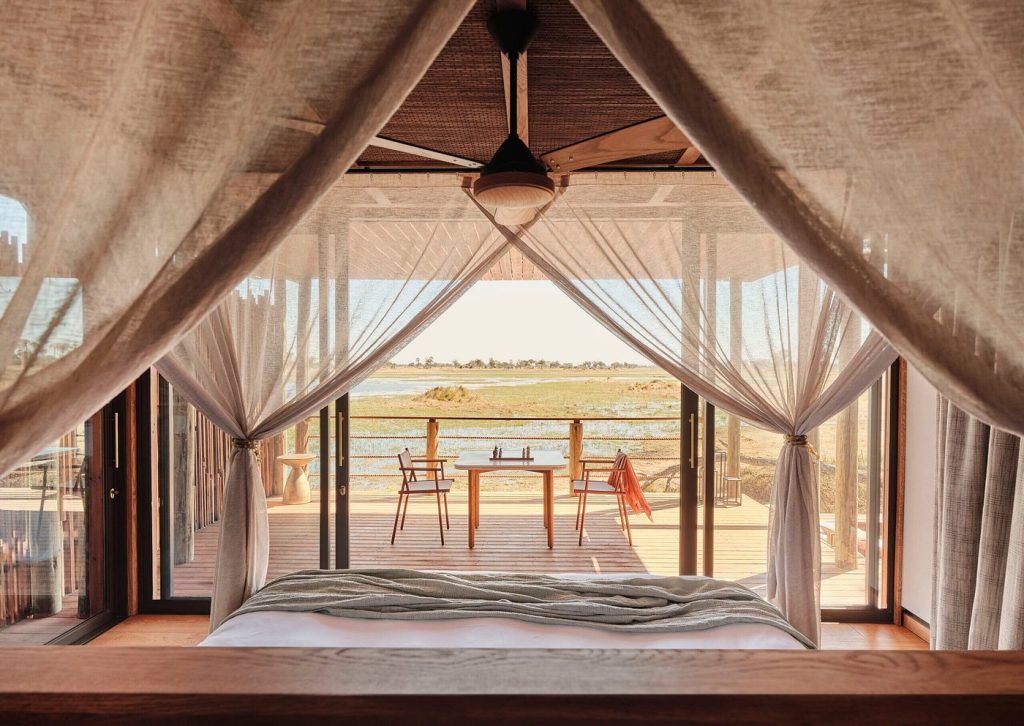
This intimate camp features only a few suites and is famous for its semi-habituated elephant interaction program. Biologists studying elephant cognition find this location particularly interesting because of the deep bonds formed between the handlers and the orphans. The elephants often visit the camp deck for scheduled interactions, but they also roam freely around the tents during the rest of the day.
The camp is built on raised platforms to protect the delicate delta ecosystem and to provide a safe distance from the larger wildlife. Experts note that even the wild elephants in the area seem more relaxed due to the peaceful atmosphere created by the resident herd. Guests can observe the complex social interactions of the elephants from their private decks, often seeing calves playing just a short distance from their tents.
The Elephant Camp In Zimbabwe
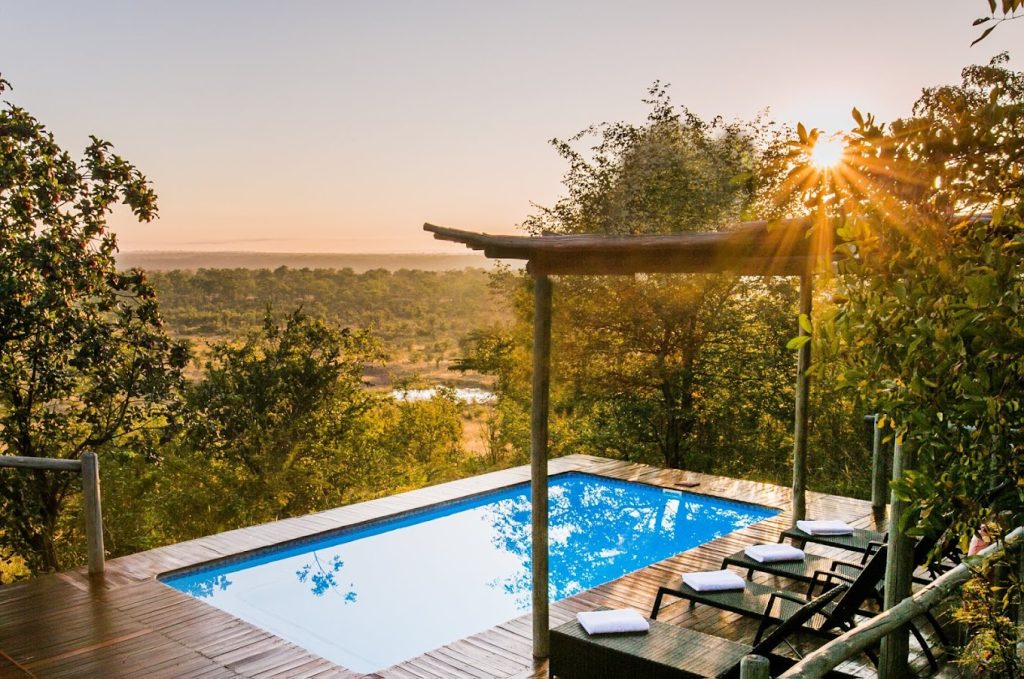
Situated near Victoria Falls, this camp is part of a sanctuary that focuses on the conservation of the species and the rescue of injured animals. Wildlife veterinarians and educators explain that the elephants here play a central role in the guest experience, often grazing in the open grasslands surrounding the luxury tents. The elephants are known to approach the main lodge area with a calm and curious demeanor.
Professional guides emphasize the educational aspect of these encounters, teaching visitors about the challenges facing African elephants today. The tents are positioned to provide panoramic views of the park, where wild herds are frequently seen moving toward the water. The interaction between the rescued elephants and the wild visitors provides a unique perspective on the adaptability and resilience of these intelligent creatures.