13 Trips That Don’t Feel Worth It After Safety Advisories Pile Up
Safety advisories rarely spoil a trip in one dramatic scene. They stack as small cautions: skip certain blocks, avoid late transit, keep valuables out of sight, and use registered rides. After a while, the getaway stops feeling open and starts feeling managed, with money diverted to car services, guarded lobbies, and backup plans. Some places still shine with timing and local guidance. Others offer too little freedom for the effort, and the smartest choice is a calm pivot before stress becomes the schedule. When every errand needs a ride and every night ends early, the reward starts to feel thin.
All-Night Party Strip Weekend
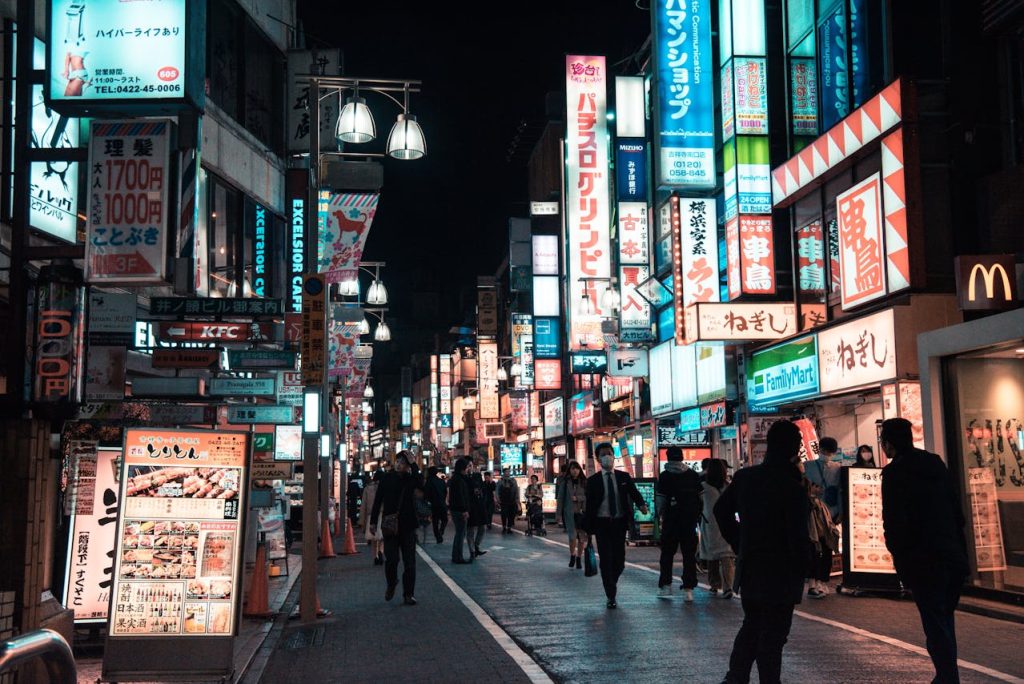
A nightlife-strip weekend depends on loose wandering, quick food stops, and the freedom to change plans mid-block. When advisories keep stressing late-hour theft, ride scams, and crowded exits, the trip collapses into a small loop of vetted venues, door-to-door rides, and early cutoffs, with cover charges and surge fares quietly doubling the budget. Phones stay out for coordination, street snacks get skipped, and by the second night everyone is tracking pickup points and pockets instead of music, so the destination’s famous energy feels fenced in rather than fun, even when the lineup looks lively.
Late Arrival After Midnight
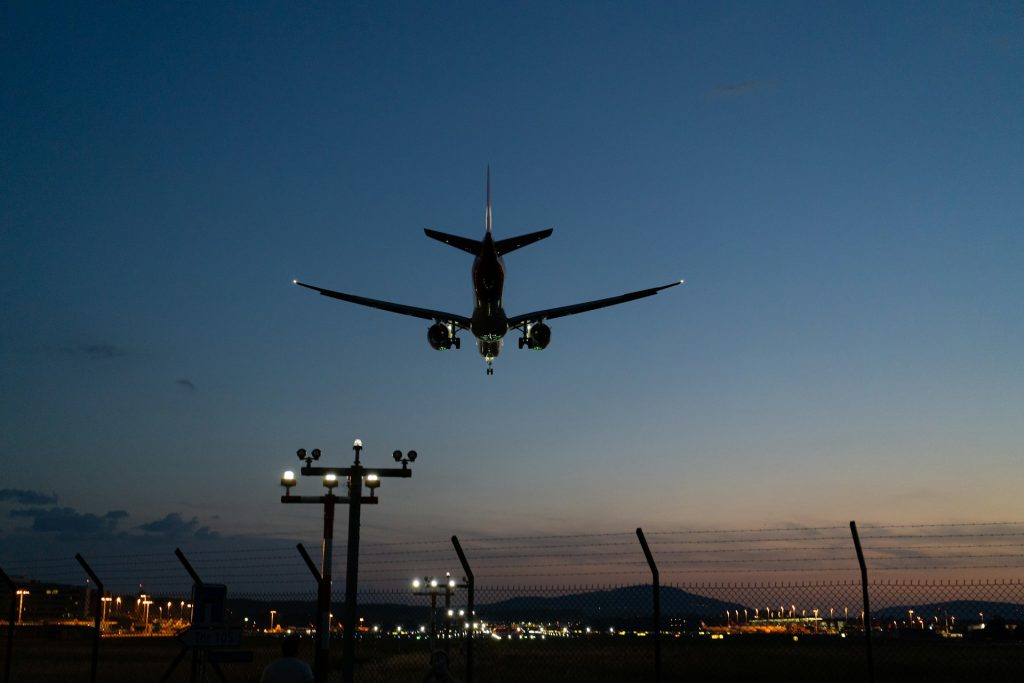
A trip that lands after midnight can feel efficient until advisories warn against unregistered rides and certain routes after dark. Instead of a simple taxi line, arrival becomes plate checks, prebooked drivers, extra fees, and a long wait while phones hunt for signal, messages load, baggage crawls out, and the hotel desk edges toward closing. The first night disappears into logistics, sleep comes late behind a locked lobby door, and the morning begins with re-planning rather than excitement, because tours, breakfasts, and train times were booked for a day that now starts tired and stays that way.
Budget Hostel Hop With Shared Dorms
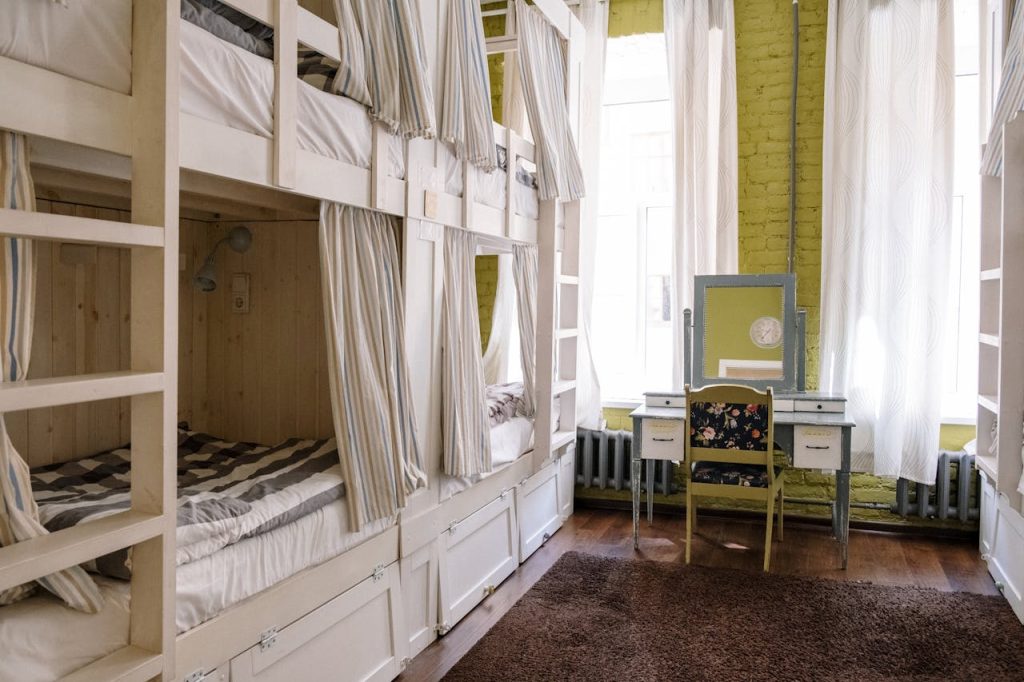
A hostel-heavy itinerary works best when trust is easy and the day can be carried on foot with nothing to guard. When advisories emphasize theft in crowded spaces, shared dorms push travelers into locks, backup cards, and constant reshuffling of cash, phones, and passports, while lockers fill, front desks close early, and staff cannot do much after a loss. The social spark dims as taxis replace short walks, evenings end sooner, and time goes to freezing cards and changing PINs, so the budget trip starts feeling expensive in a different currency: attention, sleep, and the steady worry of where everything is.
Street-Food Night Crawl
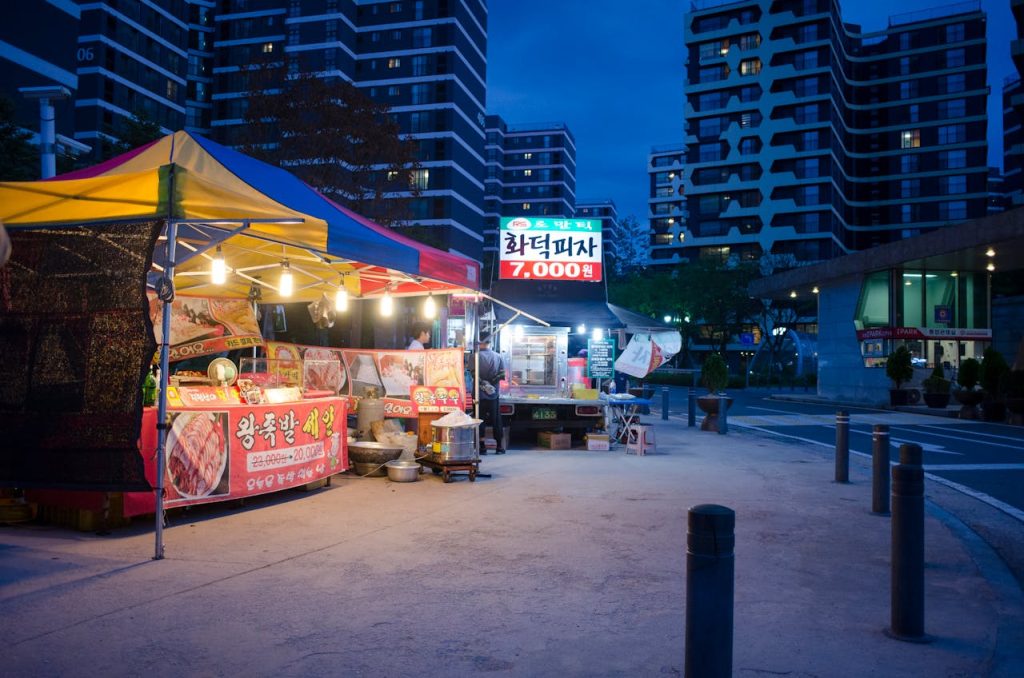
A street-food night crawl is built on wandering, lingering, and following the best line even if it leads away from the main square. When advisories focus on crowded markets and late hours, the crawl becomes a checklist of bright blocks and quick exits, with phones out for maps and rides replacing relaxed walks between bites. Prices rise in the safest zones, the menu narrows as vendors close earlier, the best stalls get skipped because the detour no longer feels worth it, and the night ends early, remembered for pickup points and guarded pockets more than for spice, stories, and an easy rhythm.
Cash-Heavy Market Bargain Day
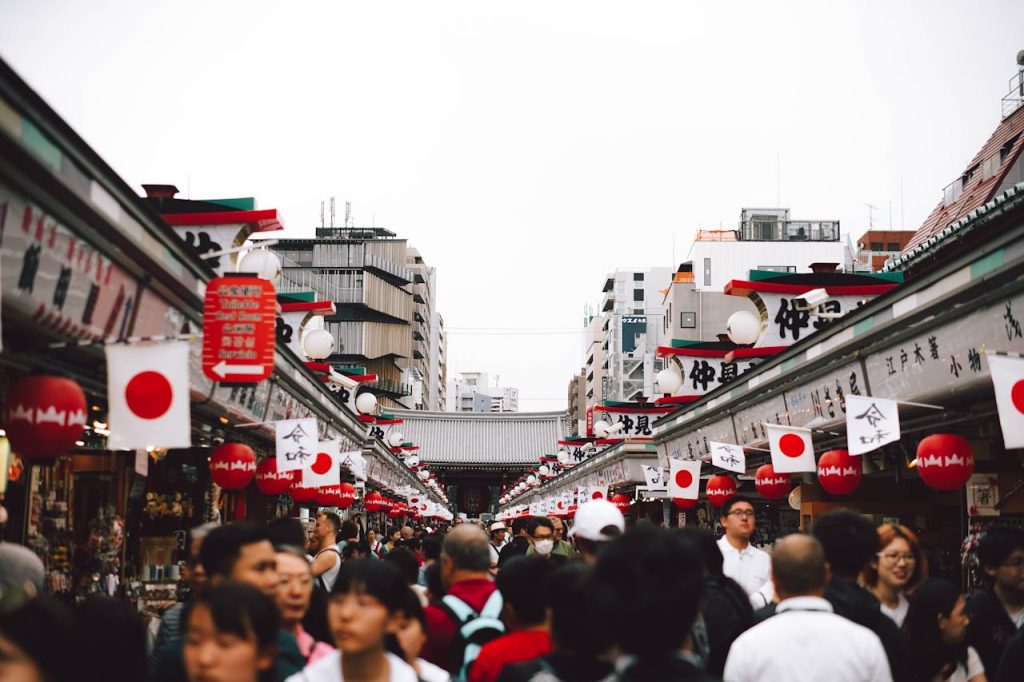
A market bargain day should feel slow and playful, with time to compare, chat, and carry small finds through busy lanes. When advisories stress pickpocketing and common scams, cash feels heavy, ATM stops become strategic, and crowded aisles stop feeling festive as attention shifts to zippers, shoulders, and who is standing too close, while change-making slows the line and sellers rush the moment. Purchases get hidden fast, the outing becomes short buying bursts and quick retreats to stash items, and paid rides replace walking, so any deal at the stall gets erased by stress, timing, and constant regrouping.
DIY Rental Car Adventure
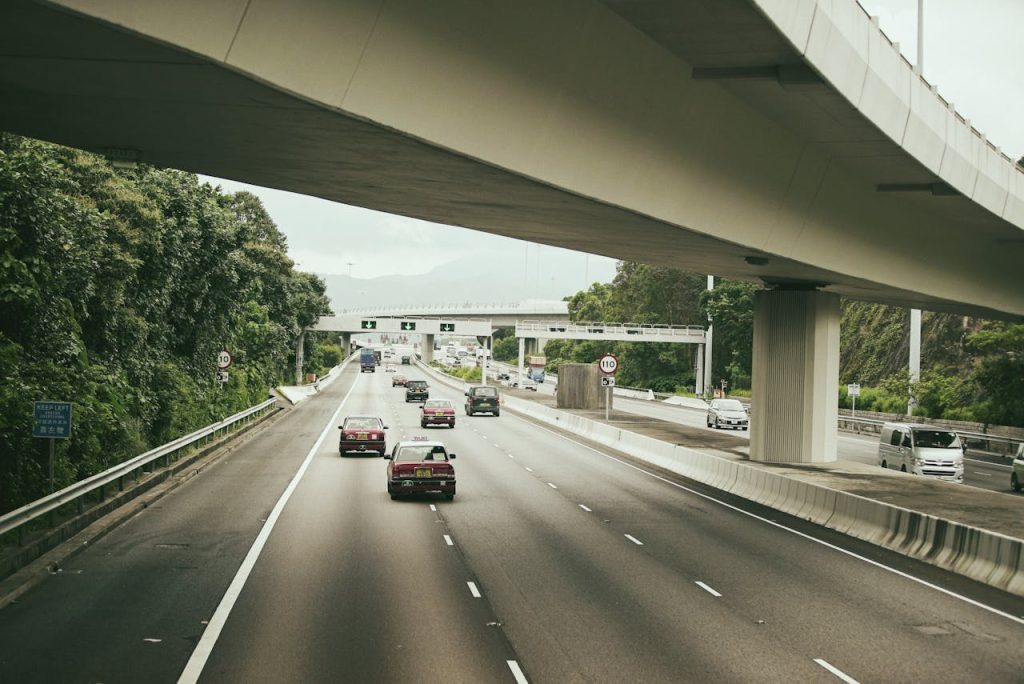
A do-it-yourself rental car trip promises freedom, but repeated break-in warnings turn every stop into a calculation. Luggage cannot be left in the vehicle, so viewpoints, coffee breaks, and quick groceries become rushed, with bags hauled along like gym weights and the back seat kept empty, while guarded lots, extra insurance, and parking fees add up. Even a short stop can feel like a timer running, the route shrinks to major roads and daylight hours, and the best detours get skipped because parking, lighting, and help are too uncertain after sunset, leaving the trip feeling like cautious commuting through scenery.
Solo Night Bus Between Cities
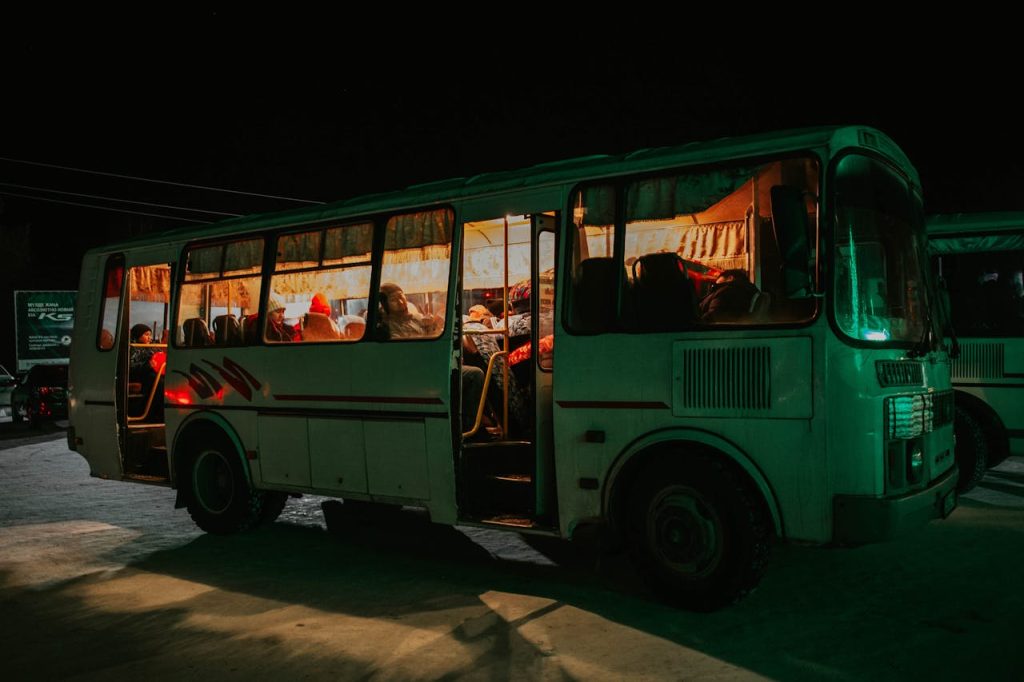
A solo overnight bus is meant to save money and deliver a fresh morning, but stacked advisories can make terminals and stops feel like the hardest part. Boarding is often chaotic, staff is thin, sleep stays shallow, charging a phone becomes a small competition, and bags get handled often, keeping attention on straps, pockets, and who is watching the rack. Arriving exhausted turns day one into recovery, not discovery, and once a hotel night and a daytime transfer replace the bus, the savings disappear, leaving only fatigue and the feeling that the journey cost more than it saved, even before breakfast.
Walking-Only Old Town Weekend
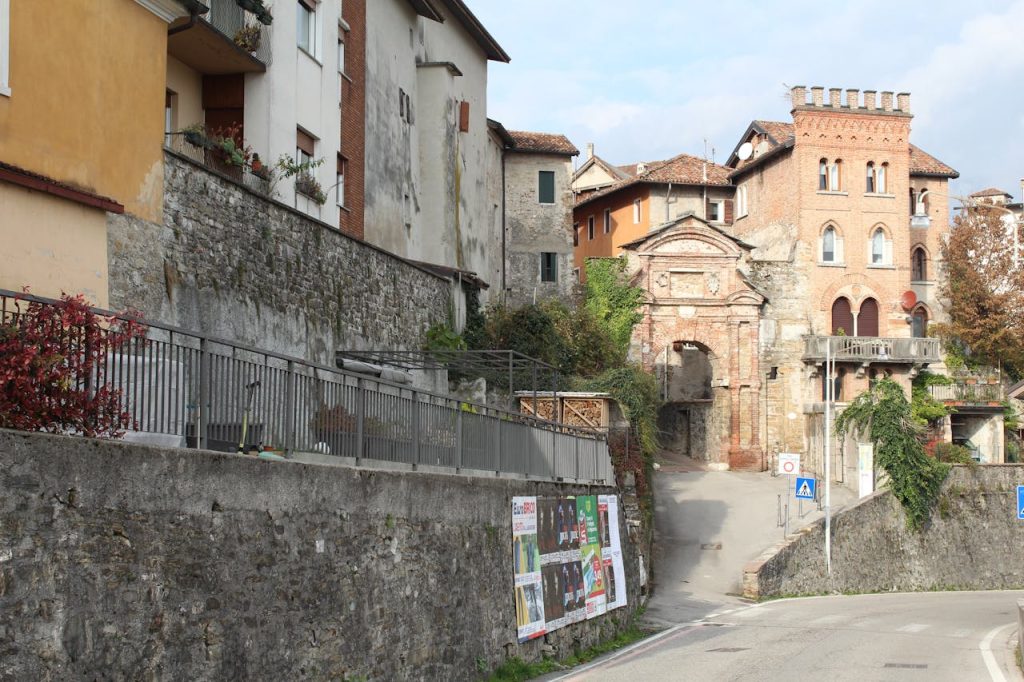
An old-town weekend pays off through slow walks, small alleys, and the ease of drifting from museums to cafés without a plan. When advisories stress pickpocketing in tourist cores, that charm narrows fast: routes hug main squares, rides replace short strolls, phones stay out for maps, and evenings tighten into early dinners and direct returns, while lockers fill and restrooms queue. With crowd control funneling everyone along the same streets, the quiet lanes get skipped, and the stay starts to feel like paying for atmosphere while avoiding the streets that create it, especially on busy weekends.
Festival Weekend In Dense Crowds
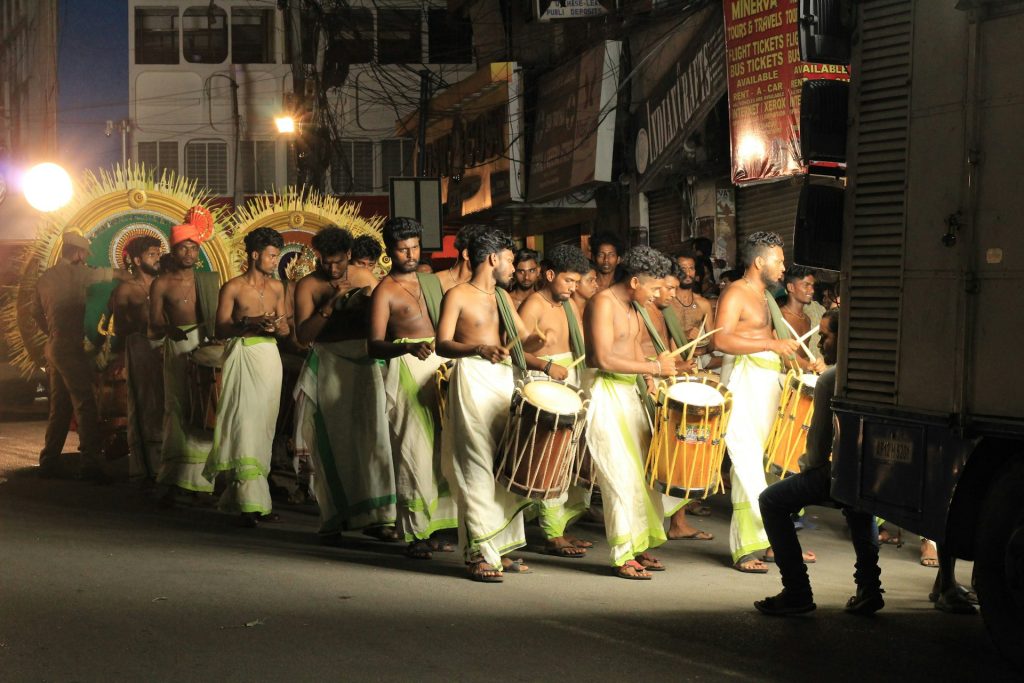
Festival weekends should feel buoyant, but repeated advisories can turn dense streets into crowd management and exit planning. Instead of leaning into parades and music, groups grip bags, avoid bottlenecks, and keep phones out for meetups, while extra security creates long lines and new choke points at entry gates and transit stops. The most electric corners are often the most packed, so choices narrow to the edges and leaving early becomes the safe move, not the fun one, leaving the sense of standing near celebration without fully joining it despite the ticket price and travel time, night after night.
Cheap Hotel In An Outlying District
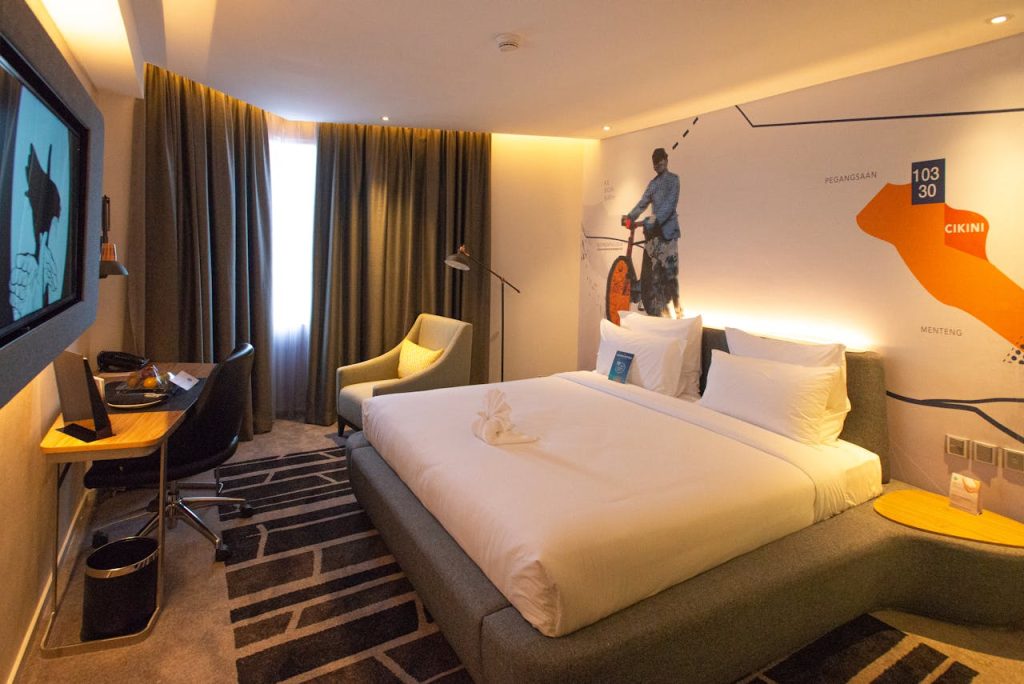
A bargain hotel in an outlying district can look like a win until advisories make the surrounding streets feel like a timetable problem. Walking to meals stops feeling wise, ride-hailing becomes mandatory, and the room turns into a place to retreat rather than recharge, with longer waits for cars, fewer late options nearby, and even an ATM run turned into a planned transfer. Sleep gets lighter, mornings start with route planning, and once an upgrade happens the savings vanish, leaving the trip feeling like paying twice without ever settling into the destination’s real rhythm for more than a few hours.
Photo Walk With Expensive Gear

A photography trip needs lingering and repeat passes, but advisories about quick theft can turn camera gear into a liability. Gear stays hidden, quiet streets get avoided, and simple moves like changing lenses, checking a map, or setting a small tripod feel loaded in public, so shots get taken quickly and then abandoned for a safer café to sort files. Costs rise through private rides and cautious routing, and the creative payoff shrinks because golden-hour patience gets replaced by fast frames and early returns, leaving fewer images, less confidence, and a sense that the city was never fully met.
Beach Day Trip With Evening Return

A beach day trip should feel simple, but advisories that emphasize certain hours compress the schedule and steal the best light. Groups arrive late morning, then watch the clock, skipping waterfront walks and casual browsing in favor of direct rides between a few comfortable zones because the return feels less predictable after dusk and public transit thins out. Sunset becomes a cue to retreat, not linger, so dinner turns quick and indoor, surge fares creep in when pickups run late, and the coastline gets remembered more for timing and careful returns than for ease, warm sand, and slow conversation.
Self-Guided Bar Crawl In A New City
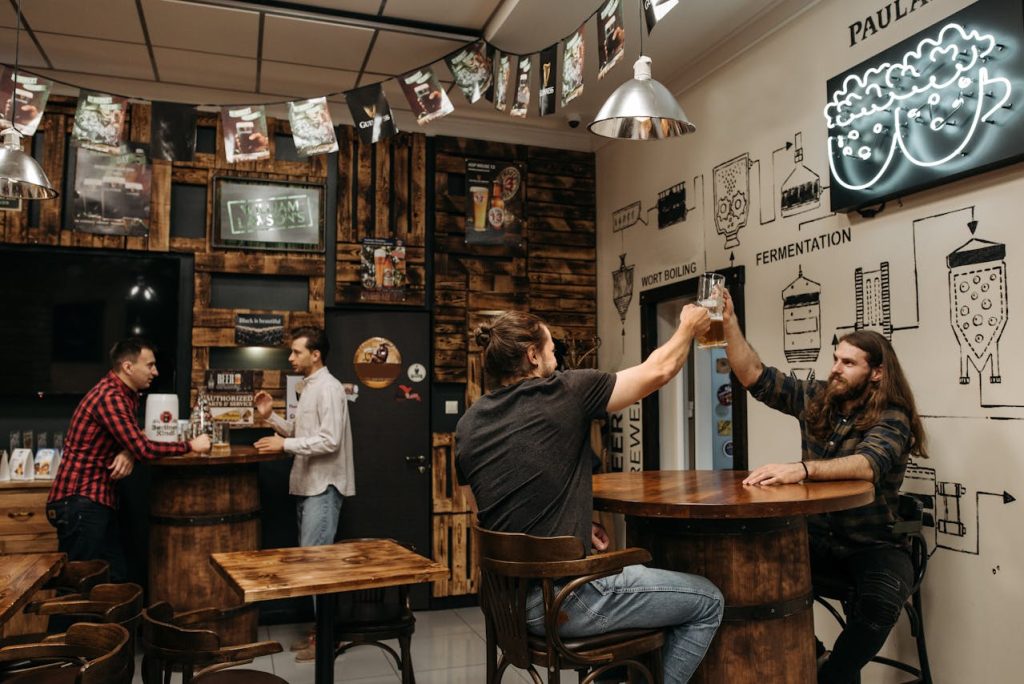
A self-guided bar crawl depends on drifting between neighborhoods and letting the route change on instinct. When advisories pile up, the crawl becomes a controlled routine: only venues with visible security, rides instead of walks, and early exits before streets quiet down, with constant headcounts and watched drinks draining the mood. Cover charges and car services push the bill higher, detours get avoided, and pickup planning takes over, so the night feels less like discovering local personality and more like managing risk windows for a single evening out, with everyone heading back relieved, not restored.