13 US City That Feel Comfortable Because Peak Crowds Are the Only Thing Gone
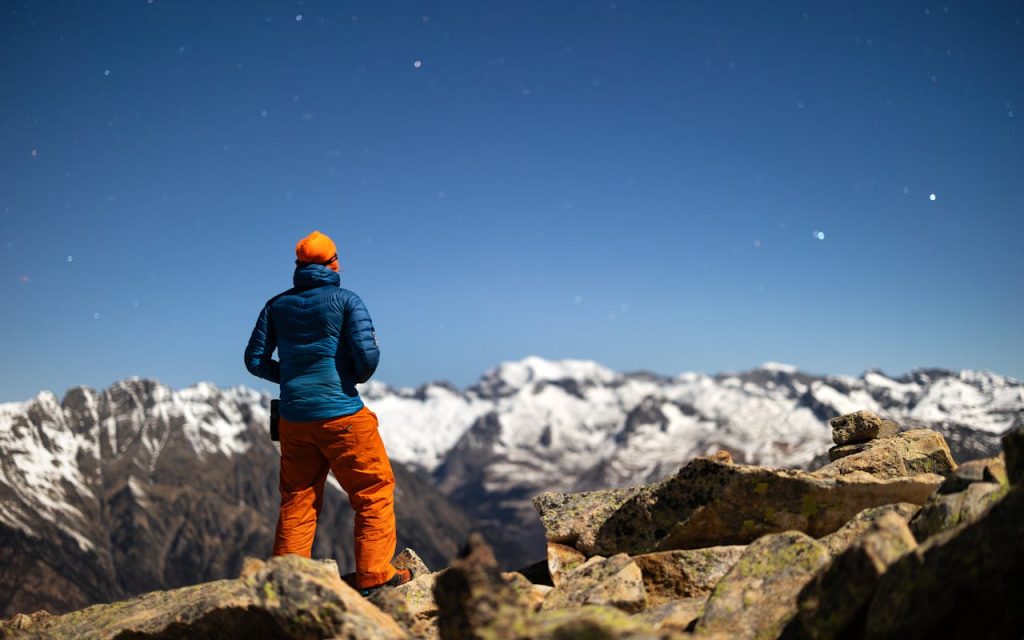
Cooler days and lighter crowds can make familiar destinations feel newly comfortable. Shorter lines, easier reservations, and quieter streets create space for museums, meals, and simple walks without constant waiting. Off-peak timing also supports a calmer daily rhythm, since transit feels less packed and popular viewpoints feel more open. Weather may turn gray, windy, or damp, yet comfort often rises when demand drops. These thirteen trip ideas focus on places that stay appealing after the busiest weeks end, when breathing room returns and small details feel easier to notice, while local staff have more time, and public spaces feel less hurried. Smaller queues also reduce decision fatigue, so days flow smoothly without constant replanning.
Venice In Winter
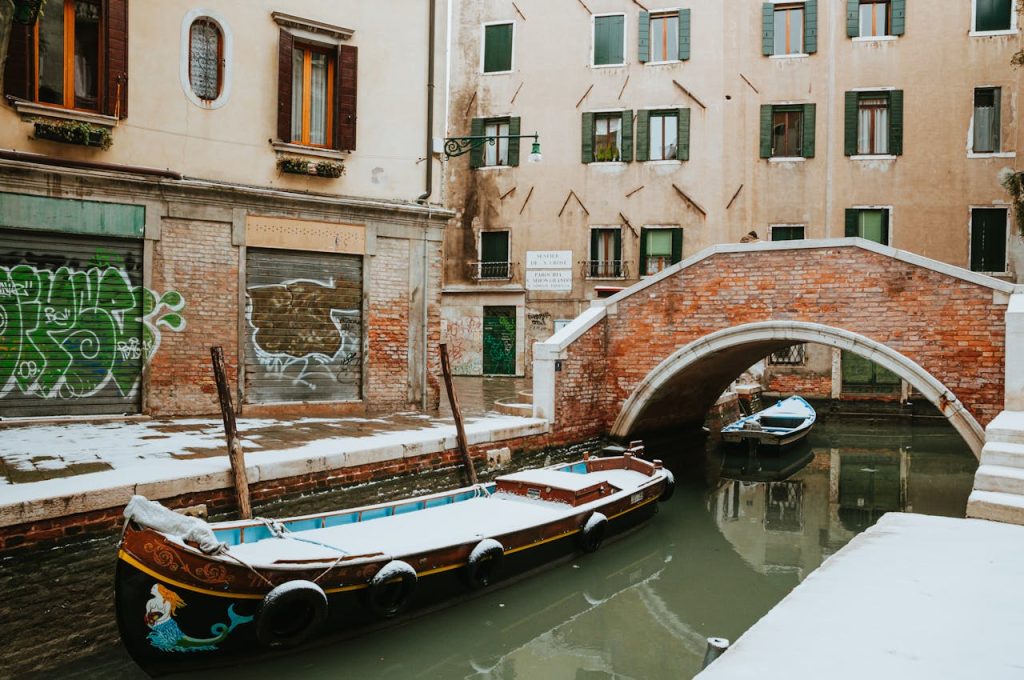
In winter, Venice feels more comfortable because narrow lanes and bridges are easier to navigate once summer tour groups disappear. Cooler air supports long walks between sestieri, and vaporetto rides feel less crowded at key stops. Museums and churches often feel calmer, which helps art and architecture stand out without rushing. Fog can drift in from the lagoon, yet the softer light can make canals and stone facades look striking. Restaurants still serve Venetian classics, and reservations become easier when peak demand fades, while quiet mornings invite slow espresso breaks and unhurried strolls past small bridges. Evening concerts and galleries feel easier to enter, and simple dinners arrive without long waits.
Paris In Late January
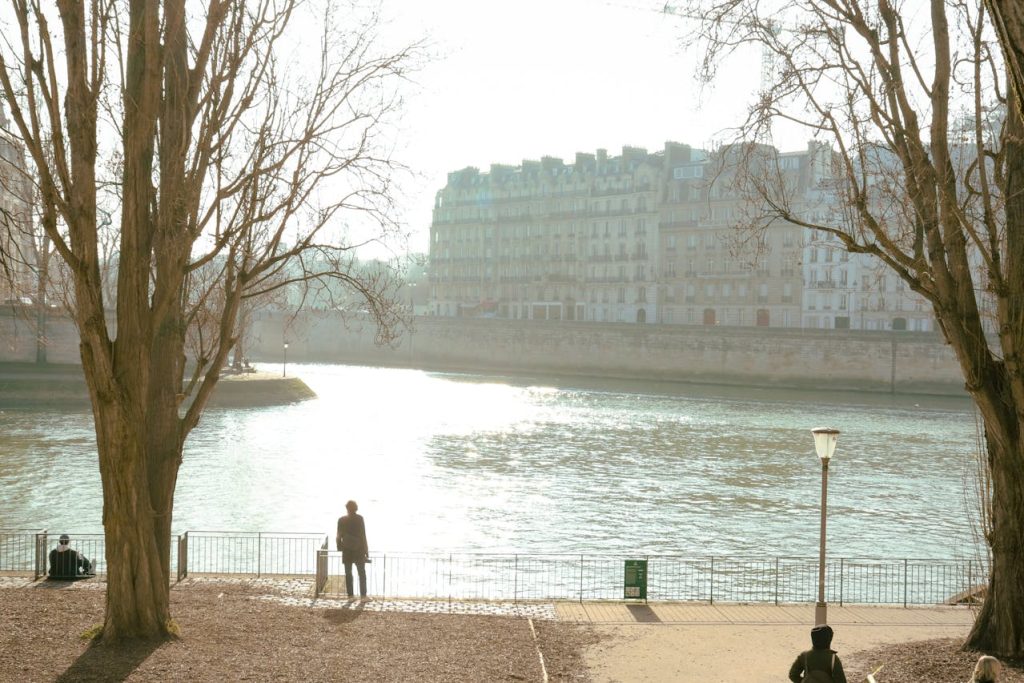
After the holidays, Paris often feels calmer in late January because visitor numbers typically dip across major sights and shopping streets. Museum entry lines tend to shrink, and café seating becomes easier to find in busy neighborhoods. Short days encourage an unhurried plan built around galleries, markets, and long meals. Cold spells happen, yet the metro and indoor cultural venues keep the city easy to manage. Walks along the Seine still work with a coat, and hotel availability often improves during this quieter stretch, while evening concerts, bookshops, and pastry stops add warmth between neighborhoods, and river views feel more personal without summer crowds, as small bistros welcome lingering dinners and soft jazz nearby.
Kyoto In Early December
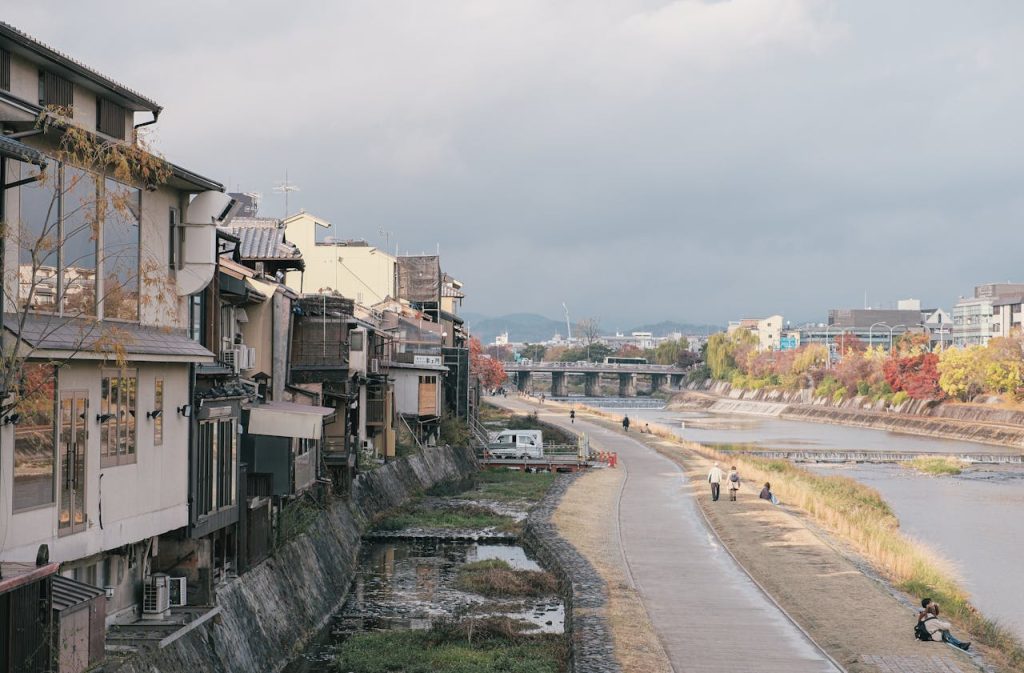
In early December, Kyoto can feel comfortable because late autumn crowds ease while many temples and gardens remain visually rich. Cool air makes walking between shrines, markets, and historic streets more pleasant than in humid months. Transit stays efficient, and popular sites feel less congested than during peak foliage weeks. Seasonal temple light-ups appear in some areas, offering an evening option that stays calm and contained. The tea houses and small museums provide warm breaks between short outings. The result is a trip that feels ordered, scenic, and relaxed without constant queuing in line, with quieter lanes, soft lantern light, and warm bowls of ramen after dusk.
Rome In November
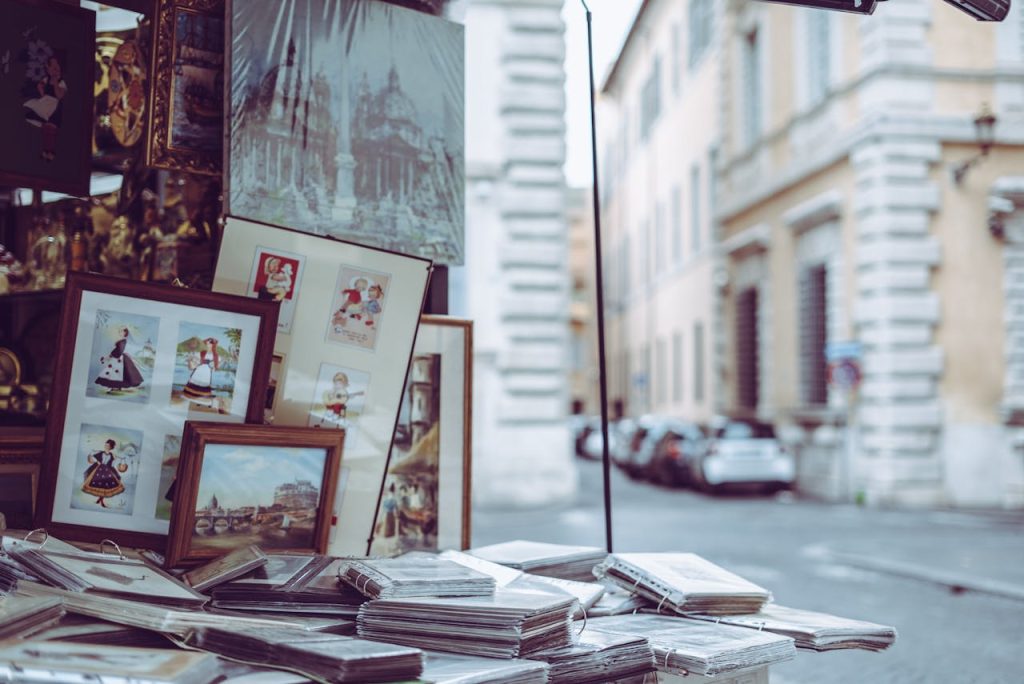
In November, Rome often feels easier because shoulder season brings more space at ruins, museums, and piazzas. Mild afternoons can still suit long walks, and cooler evenings make trattoria dinners feel especially cozy. Major attractions can remain busy, yet crowd pressure usually drops compared with midsummer peaks. Rain may pass through, but many highlights are indoors or sheltered, from churches to galleries. Transit and taxis feel less strained, and restaurant tables become simpler to book without long lead times. The city’s layers of history feel easier to absorb at a slower pace, with quieter side streets, shorter ticket lines, and more time for espresso stops between landmarks, while evening lights make piazzas inviting without the summer bustle.
Barcelona In February
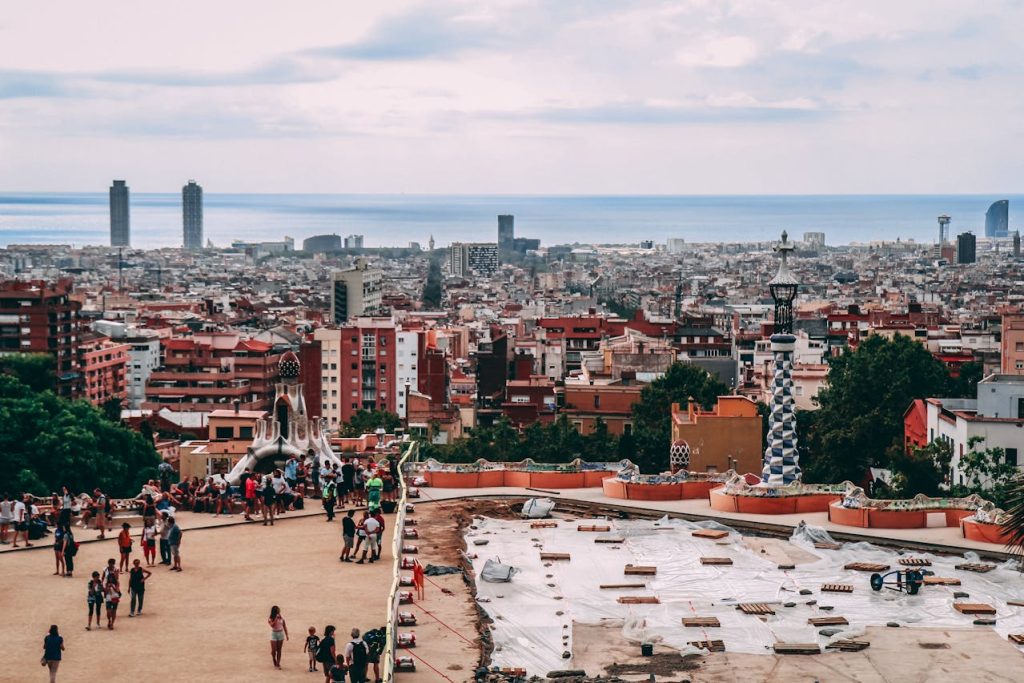
In February, Barcelona can feel comfortable because the city cools down and peak tourist surges fade. Walking through the Gothic Quarter and Eixample feels easier without summer heat, and sidewalks tend to move more smoothly. Landmark sites still draw visitors, yet the metro and plazas often feel less packed. Rain can arrive, but indoor stops like markets, museums, and galleries fit naturally into a relaxed day. Restaurant service often feels less rushed, and reservations can be easier to secure. The overall experience stays lively while daily logistics feel simpler and calmer, with more room for tapas and lingering coffee breaks across neighborhoods, plus quieter museum halls, easier taxi pickups, and relaxed afternoon strolls along broad boulevards.
Banff National Park In Early Spring
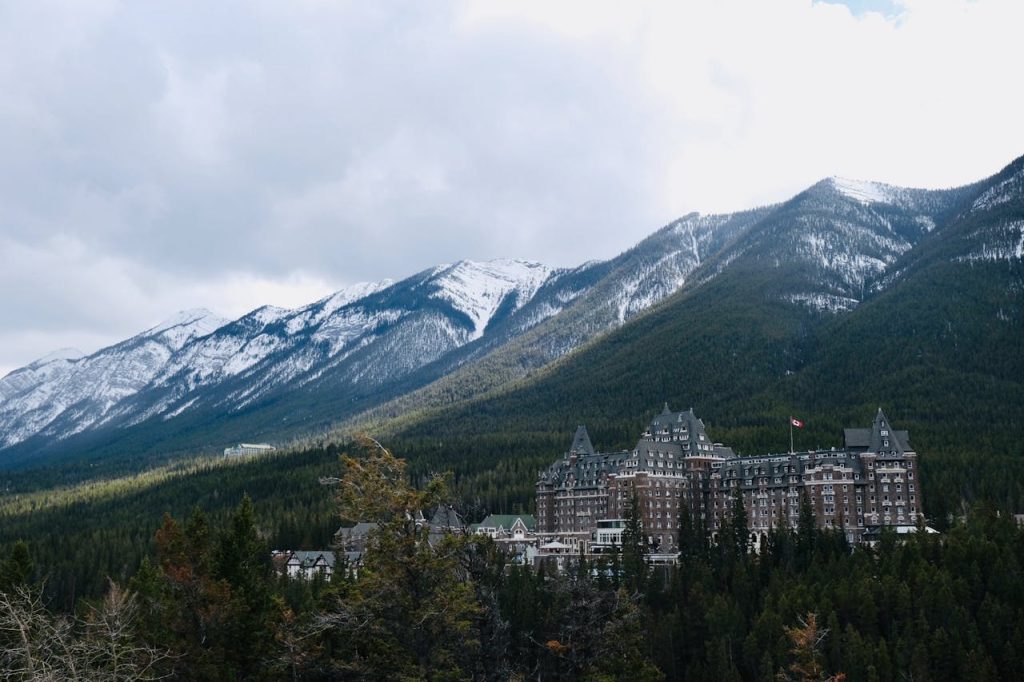
In early spring, Banff National Park can feel calmer because winter crowds begin to thin while mountain scenery remains dramatic. Snow may linger and temperatures stay cool, yet viewpoints and scenic drives often become easier once peak ski weeks end. Areas around Lake Louise and the Bow Valley can feel less congested, which reduces stress around parking and short walks. Trails may be icy, so careful route choices matter, but the town still offers warm cafés and comfortable lodging. A quieter atmosphere can also support more respectful wildlife viewing, with patience, distance, and steady observation replacing rushed photo chasing, while sunrise visits often bring clearer skies and quieter pullouts.
New Orleans In Late Summer
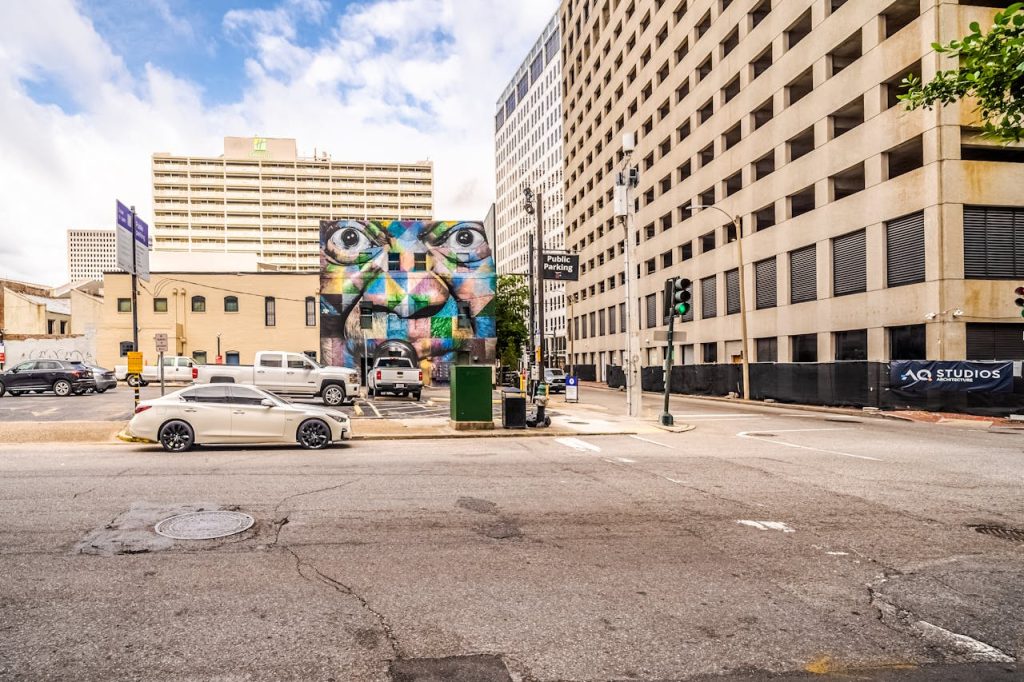
In late summer, New Orleans can feel more comfortable because the busiest festival stretch has passed, leaving more space in restaurants and historic streets. Heat and humidity remain intense, yet the city offers natural breaks through museums, shaded courtyards, and indoor music venues. Evening walks in the French Quarter can feel less congested, and hotel availability often improves. Afternoon storms may roll through, but they often pass quickly and can cool the air. A slower plan built around long lunches and early nights can keep energy steady, and streetcar rides add a breezy reset between stops in the Garden District and City Park, while early dinner reservations and shorter waits make classic dishes easier to enjoy without rushing.
Santorini In Late October
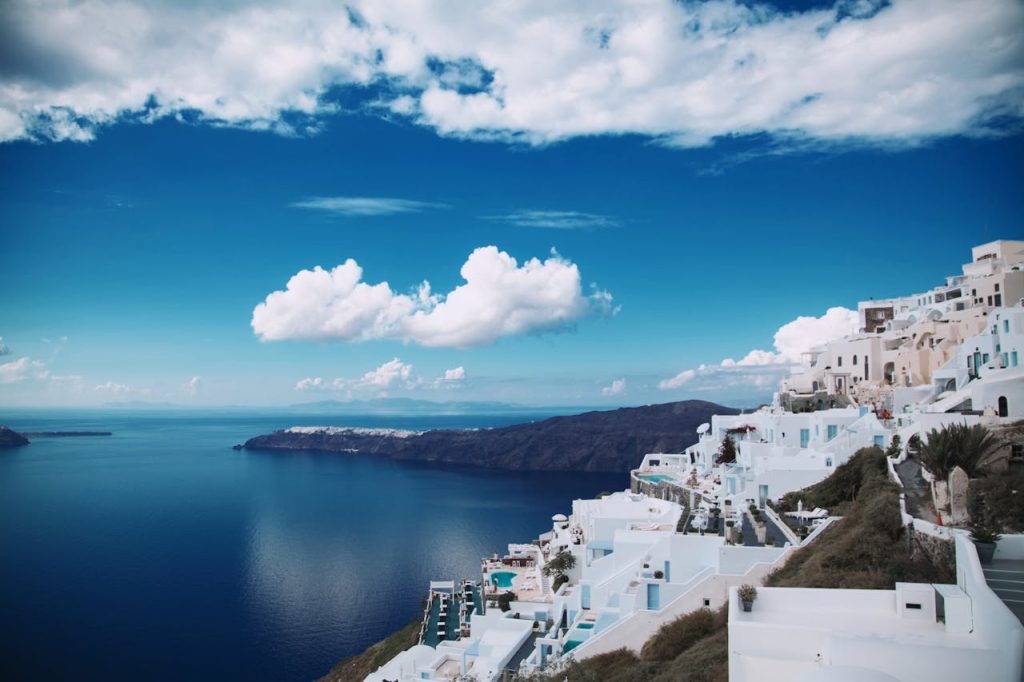
In late October, Santorini often feels easier because cruise traffic and summer crowds decline while caldera views remain compelling. Warm days may still appear, but cooler evenings make cliffside walks more comfortable. Restaurants and terraces usually have more availability, and sunset viewpoints feel less competitive. Some seasonal businesses reduce hours, yet main towns keep essential services running. Wind can pick up, but local buses and ferries still connect key areas, depending on conditions. The island’s pace becomes noticeably calmer, which helps daily plans feel simple and unhurried, and quieter lanes make Oia and Fira feel easier to explore between meals, galleries, and short lookouts.
The Amalfi Coast In March
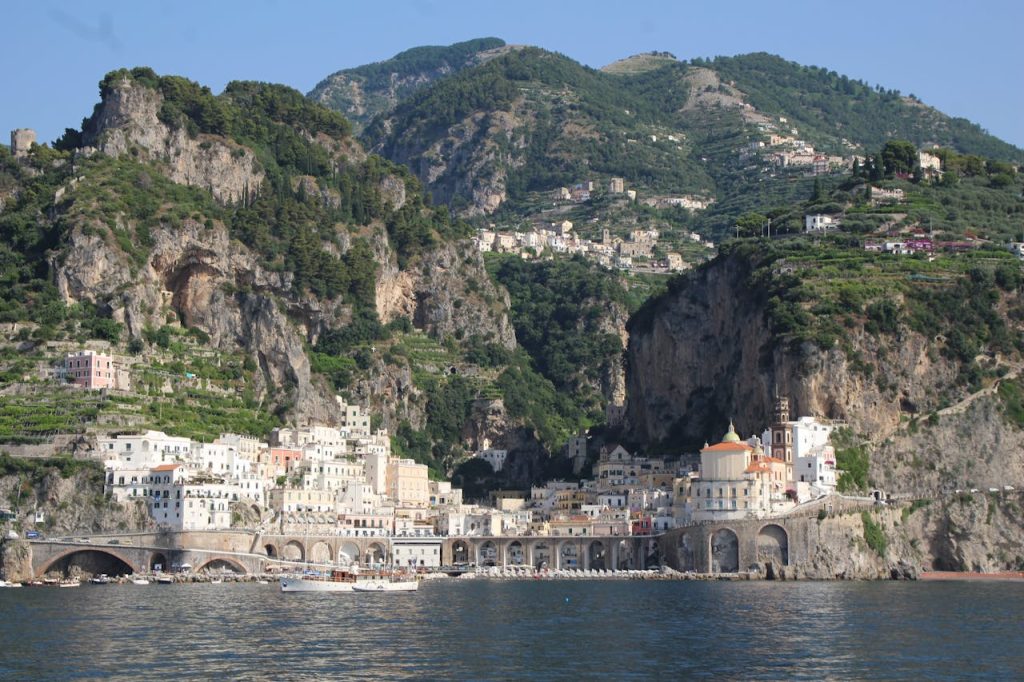
In March, the Amalfi Coast can feel comfortable because the coastline regains breathing room before summer traffic returns. Temperatures often suit scenic walks and short hikes, and daylight supports easy day trips between towns. Some hotels and beach clubs reopen gradually, yet the slower rhythm keeps restaurants and viewpoints less crowded. Rain can arrive, but villages still offer sheltered lanes, churches, and cafés that fit a gentle schedule. Bus and ferry service may run on reduced timetables, so timing matters, but the overall experience often feels smoother without peak congestion, and quieter roads make coastal overlooks easier to stop for, especially between Positano, Amalfi, and Ravello.
Iceland In September
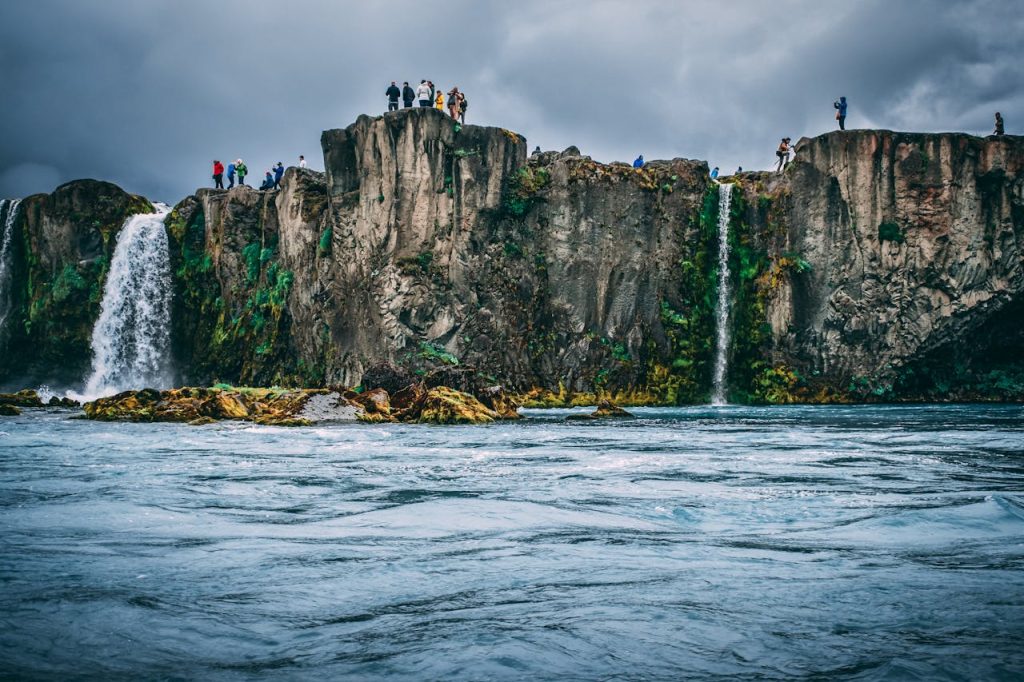
In September, Iceland can feel calmer because peak summer crowds thin while daylight remains useful for road trips. Cooler air supports hikes and geothermal stops without the high demand of midsummer travel. Popular routes like the Golden Circle still attract visitors, yet parking and lodging often become easier to manage. Weather shifts quickly, but layering and flexible timing help keep days comfortable. Waterfalls, geothermal areas, and black sand beaches remain dramatic under cloud cover. Fewer tour buses can make viewpoints feel quieter, which helps the landscape feel more spacious and less hurried, and warm pools feel even better when cool air returns at night, while northern lights chances begin to improve on clear evenings.
Patagonia In Shoulder Season
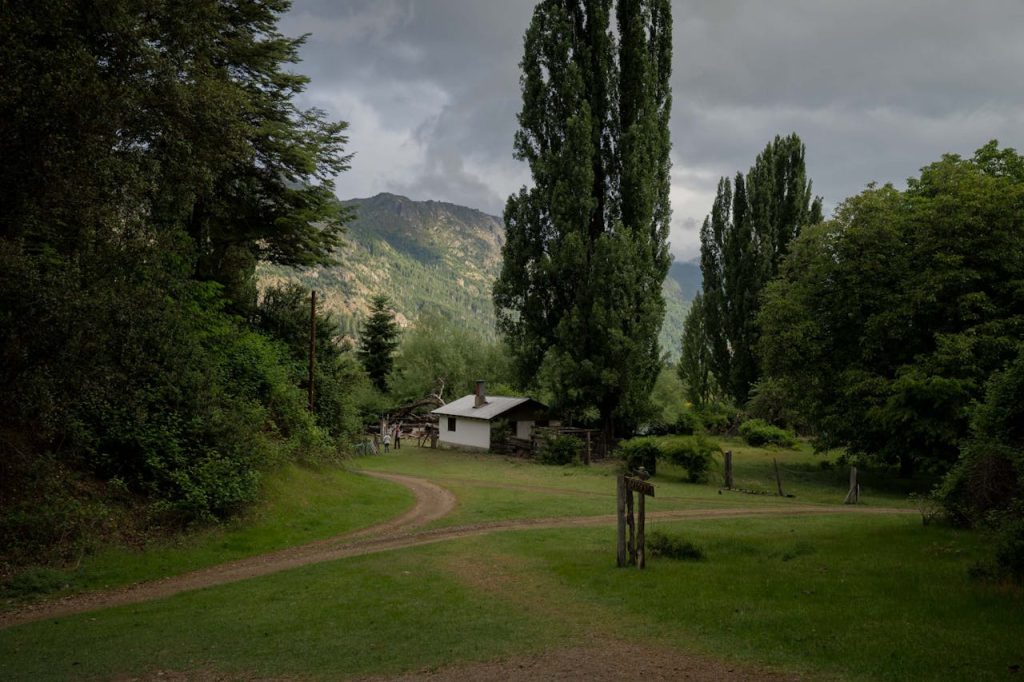
In shoulder season, Patagonia can feel more comfortable because popular trails and lodges see fewer visitors than during peak summer. Conditions vary between Argentina and Chile, yet cooler weather can suit long walks when winds stay manageable. Some services run with shorter schedules, so planning matters, but extra space on iconic routes can be worth it. Rain and sudden changes are possible, yet proper layers help keep hiking steady. Scenic viewpoints and wildlife spotting can feel less pressured when crowds thin, allowing the region’s scale to register more clearly and calmly, and quieter refugios can make evening meals and rest feel simpler after long, windswept days, while early starts often bring clearer skies and calmer trails.
Maui After The Winter Holidays
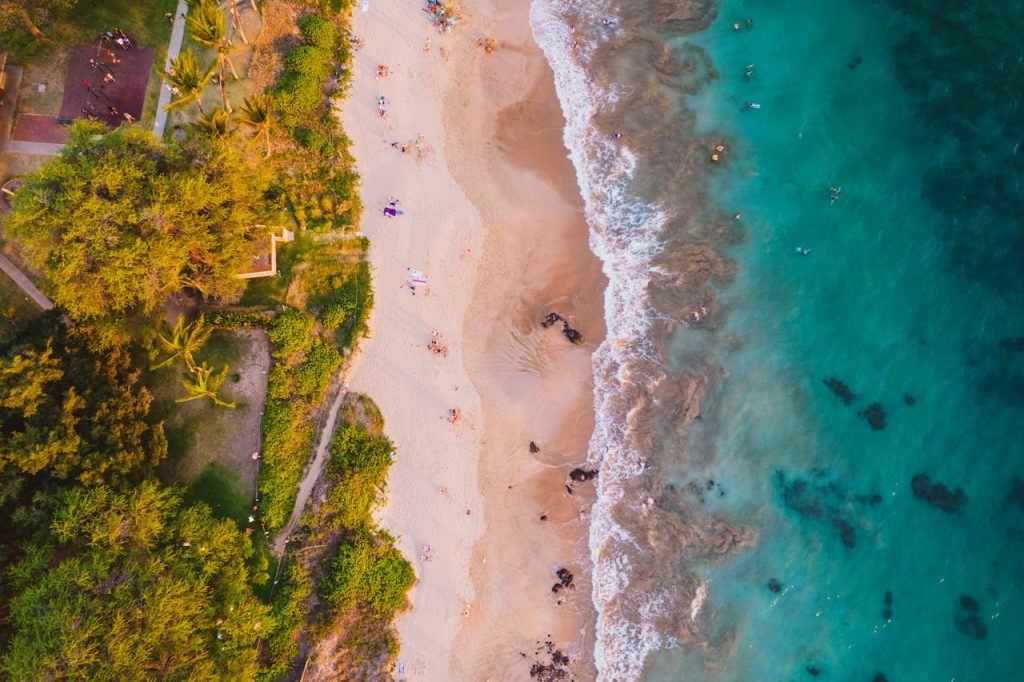
In the weeks after the winter holidays, Maui can feel easier because the busiest travel rush fades while warm weather continues. Beaches and popular snorkeling spots often feel less crowded, and restaurant reservations may be simpler to secure. The Road to Hana still requires patience, yet fewer vehicles can make pullouts and short stops less stressful. Whale watching season remains active in winter months, and responsible tours run regularly. A relaxed plan that favors early starts and midday breaks can keep the day comfortable, even when brief showers appear along the coast, and a calm afternoon at a sheltered bay can balance the day with easy swimming and shade, while sunset dinners arrive with less waiting and calmer tables across popular resort areas.
London In January
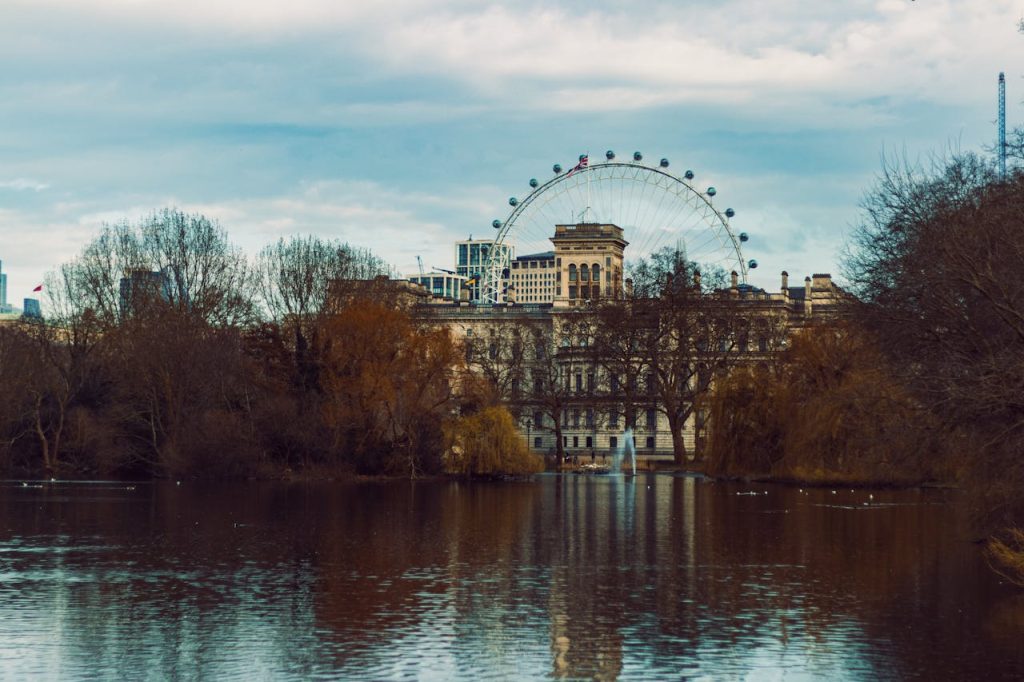
Travelling to London in January can feel comfortable because major sights often see lighter crowds after the holiday season ends. Cold rain may appear, yet the city offers abundant indoor options, from museums and markets to theaters and historic pubs. Public transit remains reliable, and walking between neighborhoods feels easier without summer congestion. Popular areas like Westminster and the South Bank can still be active, but the overall pace often slows. Short daylight encourages a schedule centered on galleries, warm meals, and early evenings indoors, which keeps logistics simple and steady, while hotel availability often improves and quiet mornings allow relaxed coffee stops before museums open.