13 U.S. Cabin Retreats in the Smokies That Feel Worth It Even If Quiet
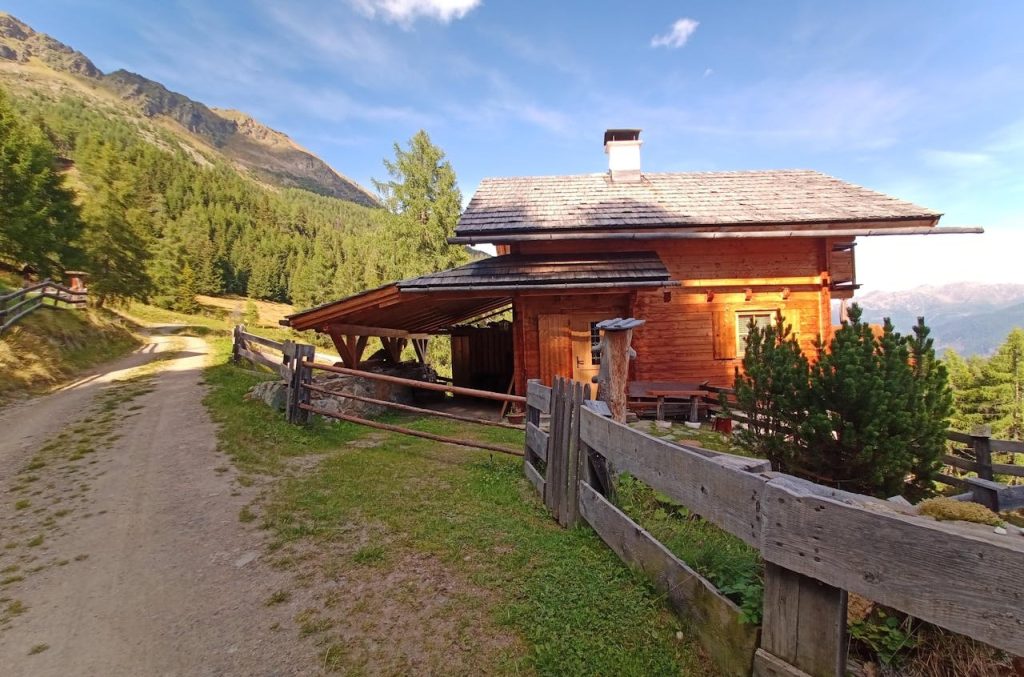
In the Smokies, quiet is not a shortage of things to do. It is a change in pace. A cabin set a little away from the main corridor can turn the same mountains into something more personal, where mornings arrive with creek sound, kettle steam, and a view line that is not blocked by traffic. Days still have structure: one good trail, a scenic pull-off, a small-town grocery stop, then back before dusk. Fog in spring, leaf color in fall, and clear winter mornings all feel sharper when the basecamp is calm. At night, the reward is steady and simple, with porch light, warm food, and cool air that makes rest feel natural.
Townsend Cabins Near Cades Cove
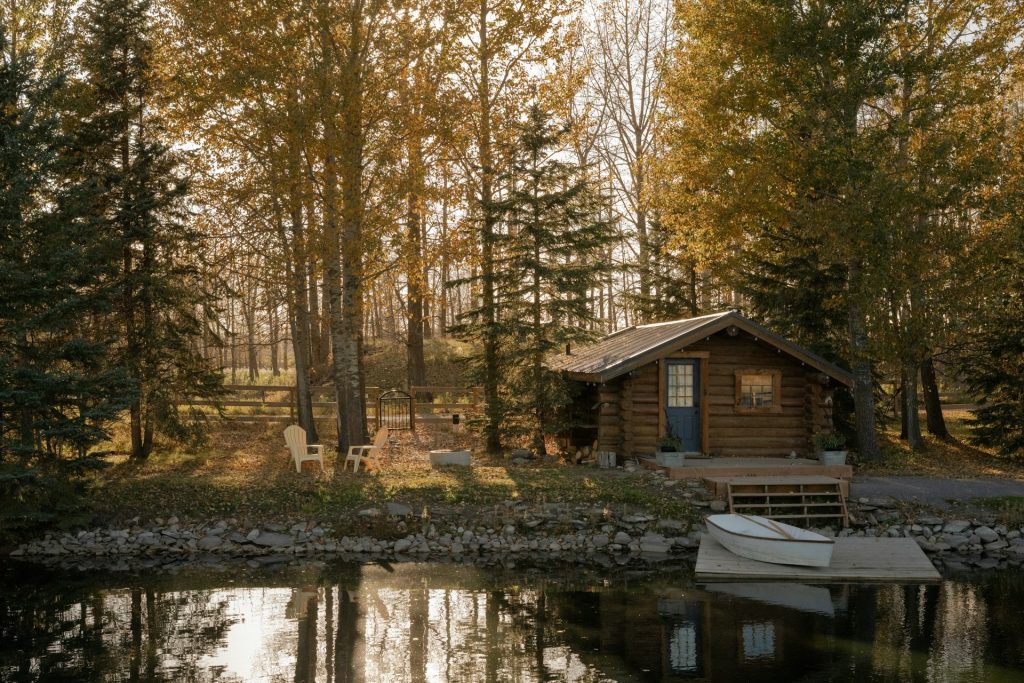
Townsend keeps the park close, while the loudest tourist energy stays outside the valley. Cades Cove is the easy centerpiece: an 11-mile, one-way loop road around a mountain-ringed meadowland with historic homesites, churches, and cemeteries, plus trail access, a visitor center, and a campground. Cabins near the Little River make it simple to arrive early, move slowly, and leave the loop before it fills. The payoff is the calm after, when wet boots sit by the door, a pot simmers on the stove, and the river air cools the house for sleep. It feels like a full park day, without carrying the noise back home.
Wears Valley Ridge Retreats
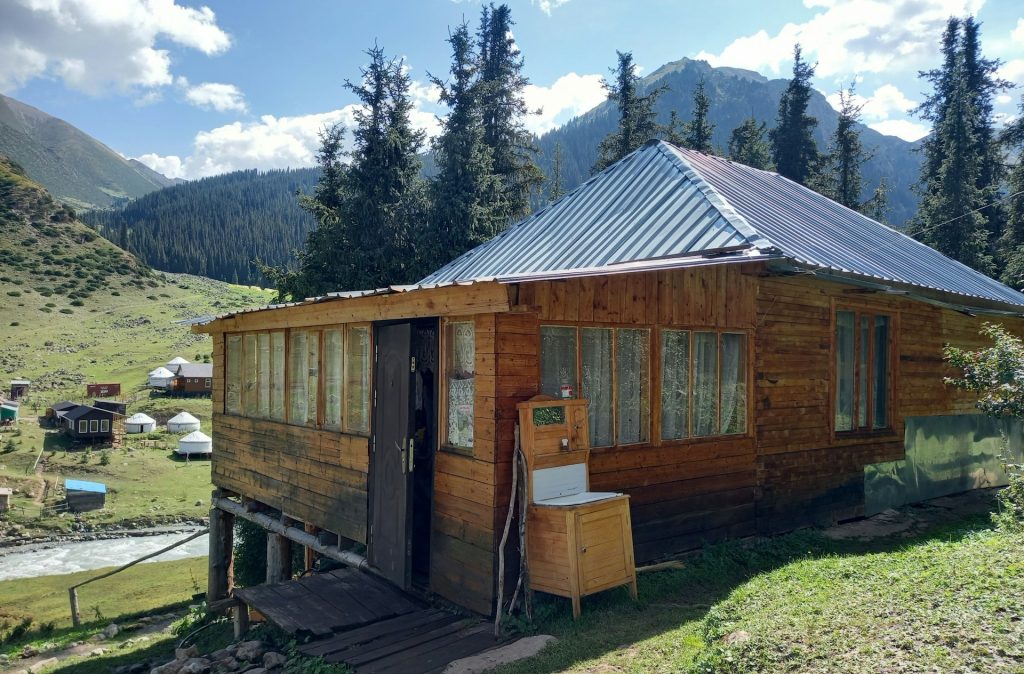
Wears Valley cabins work for travelers who want Smokies scenery without living inside the traffic loop. Pastures open the view, and ridgelines keep the light moving all day. Nearby, the Foothills Parkway’s western segment runs about 33 miles between Chilhowee and Wears Valley, with overlooks that turn sunset into an easy ritual. After a park morning, the return can be unhurried: groceries, a short nap, then a porch session with a wide sky. On cooler days, mist rolls off the fields and the mountains stack in soft layers. The quiet here feels practical, not precious, and it holds through the night.
Cosby Creek Hideaways
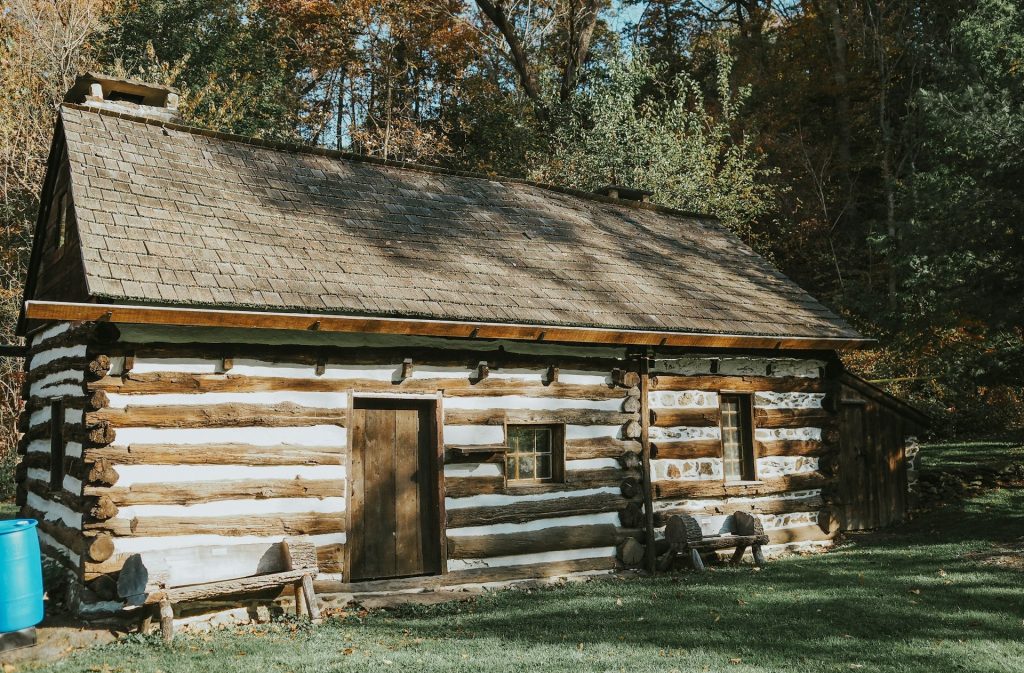
Cosby sits on the park’s less-traveled northeast edge, built around the steady flow of Cosby Creek through a shaded hardwood cove. The park highlights spring wildflowers, fall leaf color, historic cemeteries, and old-growth forest, plus a picnic area, a spacious campground, and access to multiple trails. Camping notes describe the campground as usually quieter than busier options, and nearby cabins match that tone. Days can stay simple: a waterfall hike, a packed lunch, then a return for hot food and early lights. With fewer distractions nearby, porch time becomes the main event, not the filler between plans.
Greenbrier River Cabins
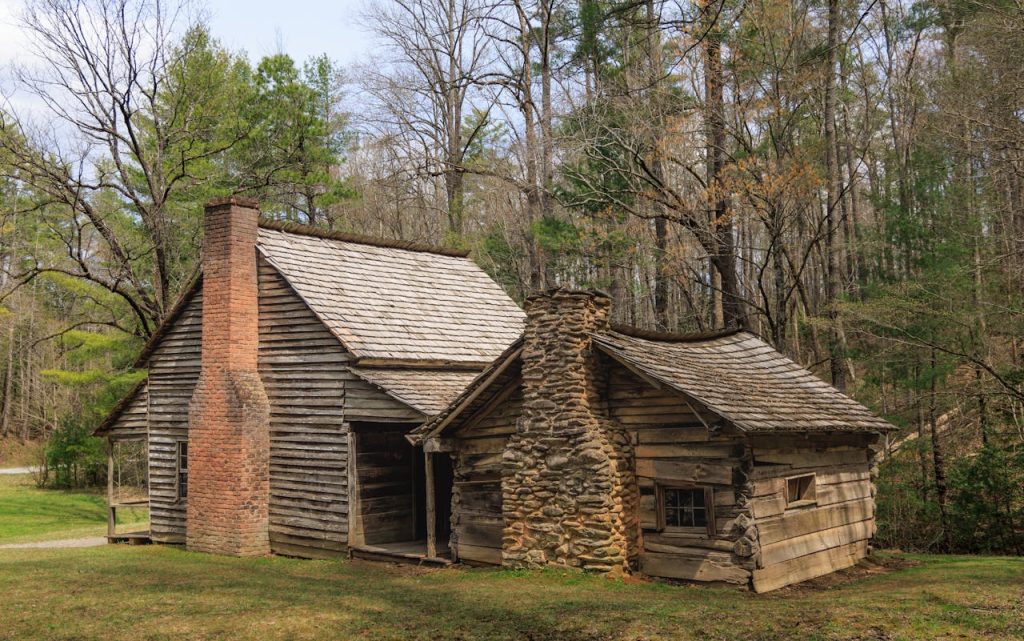
Greenbrier is a heavily forested cove about 20 minutes east of Gatlinburg, and it changes the mood fast. A partially paved entrance road follows the Middle Fork of the Little River upstream to a riverside picnic area and several trailheads that lead into the surrounding mountains. The park notes the area for wildflowers, waterfalls, fishable streams, and historic structures and cemeteries, which suits slow travel. Cabins nearby make it easy to split the day into calm pieces, then return before evening traffic builds elsewhere. By night, the river becomes the soundtrack, steady enough to make the quiet feel welcoming.
Tremont Road Cabin Seclusion
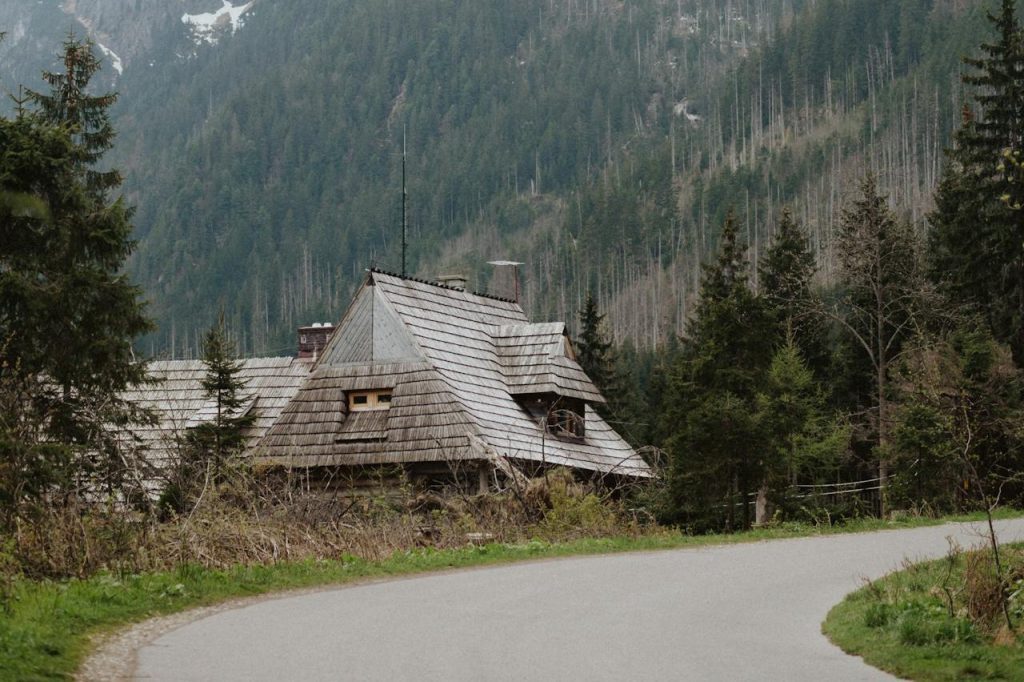
Tremont is the kind of Smokies corner that encourages fewer decisions and more time outside. The Great Smoky Mountains Institute at Tremont notes its campus is situated about four miles from the Townsend entrance, surrounded by miles of trails and a rushing river. That setting carries over to nearby cabins, which feel tucked in without being hard to reach. A day here can be built around one trail, a long pause by the water, and a short drive back for a warm meal. Evenings stay calm, because the road itself keeps the pace gentle. When the porch light clicks on, the night feels spacious, with little competing for attention.
Bryson City Cabins by Deep Creek
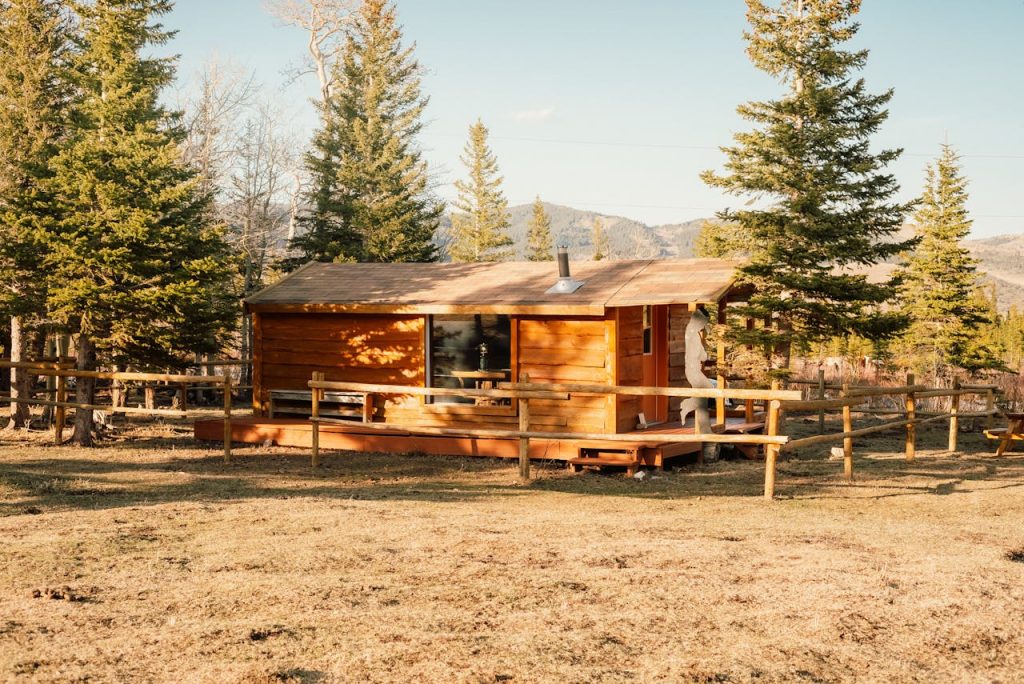
Bryson City carries a small-town calm that pairs well with a cabin that does not try to entertain anyone. A short drive leads to Deep Creek, where the park describes a 2.4-mile loop that reaches three waterfalls: Juney Whank Falls, Indian Creek Falls, and Tom Branch Falls. It is a satisfying outing that still leaves room for lunch, a nap, and an easy dinner back at the cabin. When the sun drops, the valley quiet feels earned, like the day was full but not crowded. A quick stop in town for bread or soup ingredients keeps planning minimal, and the porch can take over from there. Night arrives softly.
Cherokee Cabins Along Oconaluftee
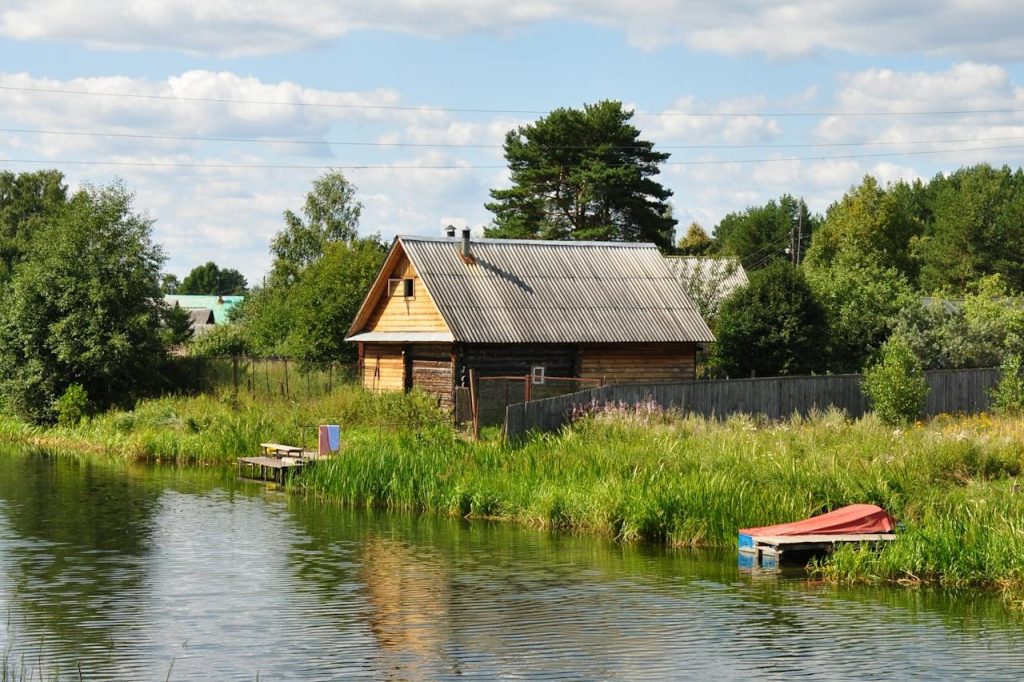
Cherokee cabins can feel grounded because the park and local culture share the same valley. The park describes Oconaluftee as the southern gateway neighboring Cherokee and the Qualla Boundary, with a visitor center, campground, picnic area, and riding stable, plus trails, historic structures, and one of the park’s two main elk herds in the broad river corridor. A nearby cabin supports early mornings and quiet evenings: meadow light at dawn, a museum stop in town by afternoon, then back to the river air. The calm here has depth, because the place has a clear story beyond scenery, and the porch makes time feel generous.
Maggie Valley Cabins for Cataloochee Days
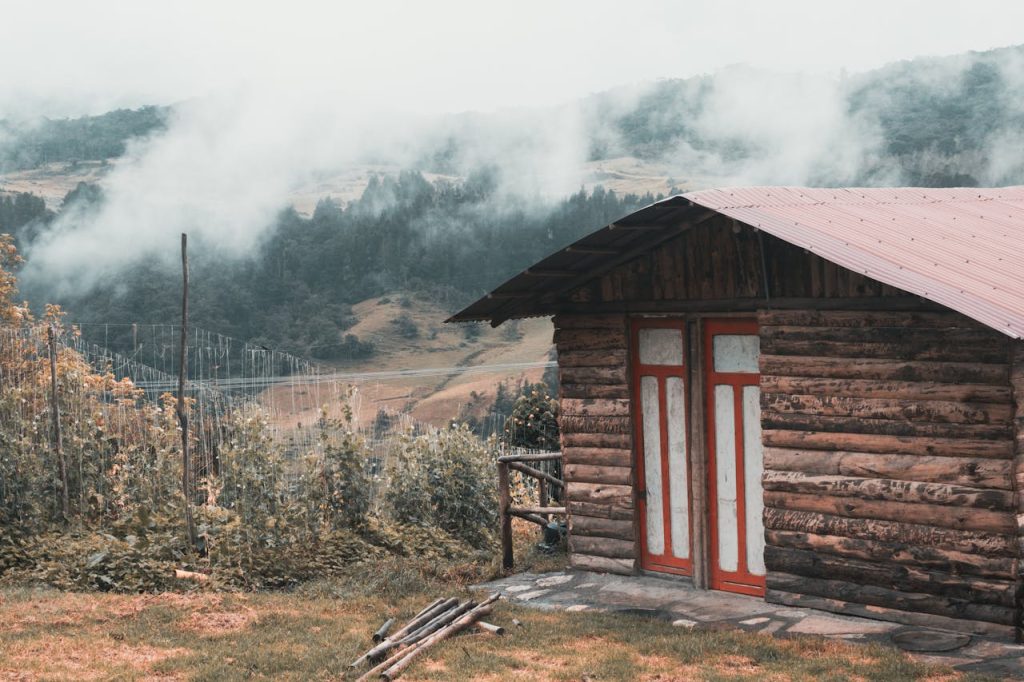
Maggie Valley makes a steady cabin base for Cataloochee days because it stays calmer than the main tourist corridor. The park notes the most direct route into Cataloochee Valley comes from I-40 at North Carolina Exit 20, then onto Cove Creek Road, following signs about 11 miles into the valley. That longer approach naturally filters the day into a slower rhythm, which suits a cabin stay built on mornings and meadows rather than late-night noise. A packed lunch and a thermos can carry the whole day without extra stops. Back in Maggie, a simple meal and an early porch sit can close the loop without feeling rushed.
Cataloochee Valley Edge Cabins
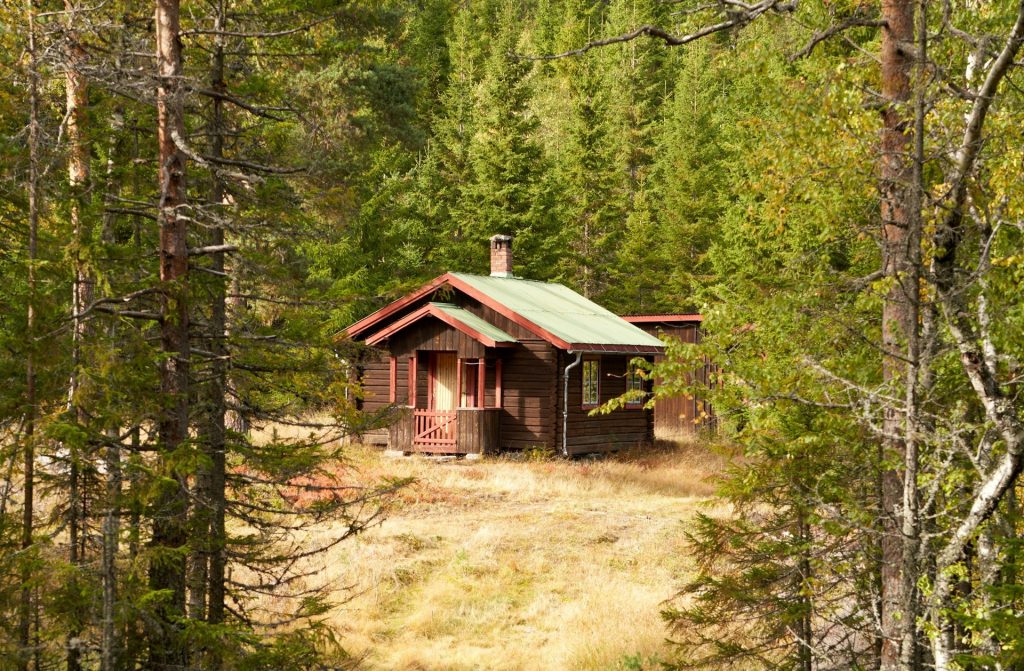
Cabins near Cataloochee feel worth the drive because the valley rewards patience instead of constant motion. Open fields, historic buildings, and trailheads sit close together, so the day can stay focused on a few strong moments rather than a long checklist. Wildlife watching here often works best early and late, which pairs well with a cabin routine that starts with coffee in the dark and ends with warm light inside. The quiet is not an add-on; it is built into the place. After dinner, even small sounds carry, like wind in dry grass or water moving under bridges, and the mind settles quickly.
Fontana Lake Cabin Getaways
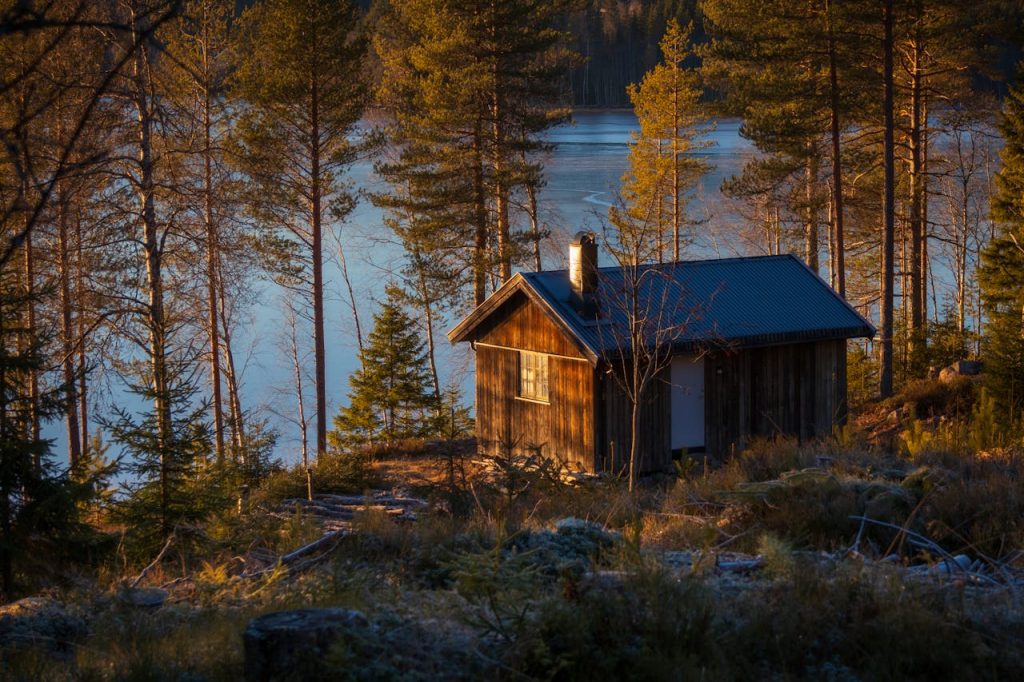
Fontana Lake brings a water-softened version of the Smokies, where evenings feel longer because the shoreline stays still. TVA history notes the Fontana site was secured and developed in the early 1940s to meet rising electricity demand tied to aluminum production. Today, Fontana Village frames the calm with comfort: the resort lists more than 100 cabins, ranging from one to four bedrooms, each with a fully equipped kitchen. That setup supports quiet travel, with simple breakfasts, lake time, and early nights that feel natural. When the light fades, the lake turns glassy and the hills hold the silence.
Robbinsville and Lake Santeetlah Cabins
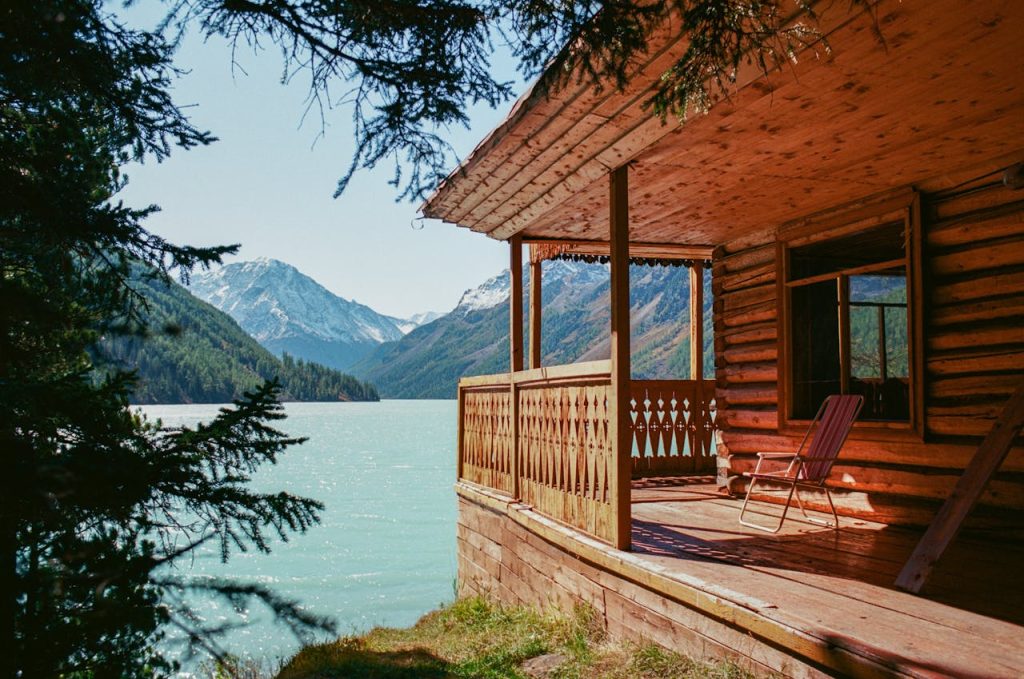
Robbinsville stays tend to feel unhurried, and cabins around Lake Santeetlah lean into that. Lake Santeetlah is about 6 miles northwest of Robbinsville, on a peninsula surrounded by the reservoir, and the area around the lake is largely surrounded by Nantahala National Forest. That geography keeps the setting green and quiet, with long stretches of shoreline and little commercial noise. A cabin day can be as simple as coffee on the deck, a walk to the water, and a slow meal back inside. A supply run feels easy, then the evening returns to water and low light. The calm is consistent, which is the real luxury here.
Nantahala Gorge Cabins Near Bryson City
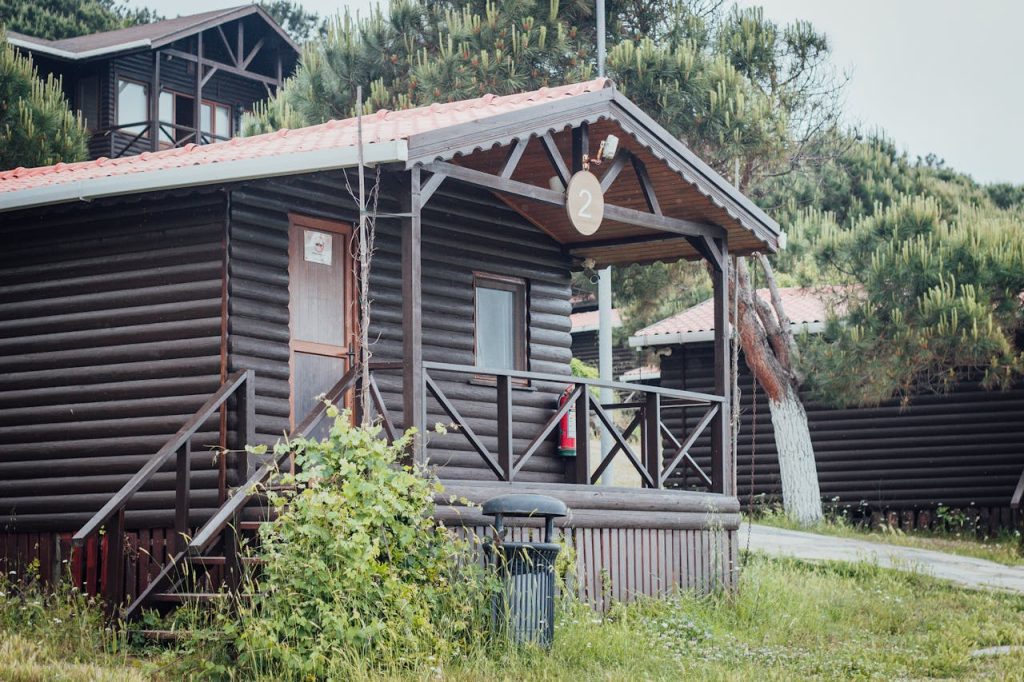
For a cabin stay with river air and minimal fuss, the Nantahala corridor near Bryson City fits well. Nantahala Outdoor Center describes its Trailside Cabins as sitting just above the Nantahala River, with four cozy cabins located steps from the Appalachian Trail and the Adventure Center. That proximity keeps days flexible: a short walk can become the main outing, and returning for lunch is effortless. The gorge runs cooler, so afternoons invite slow reading and early dinner. Cabin evenings feel clean and quiet, with damp jackets drying, a simple meal on the table, and the river’s steady sound carrying through until sleep.
Waynesville Quiet-Cabin Basecamp
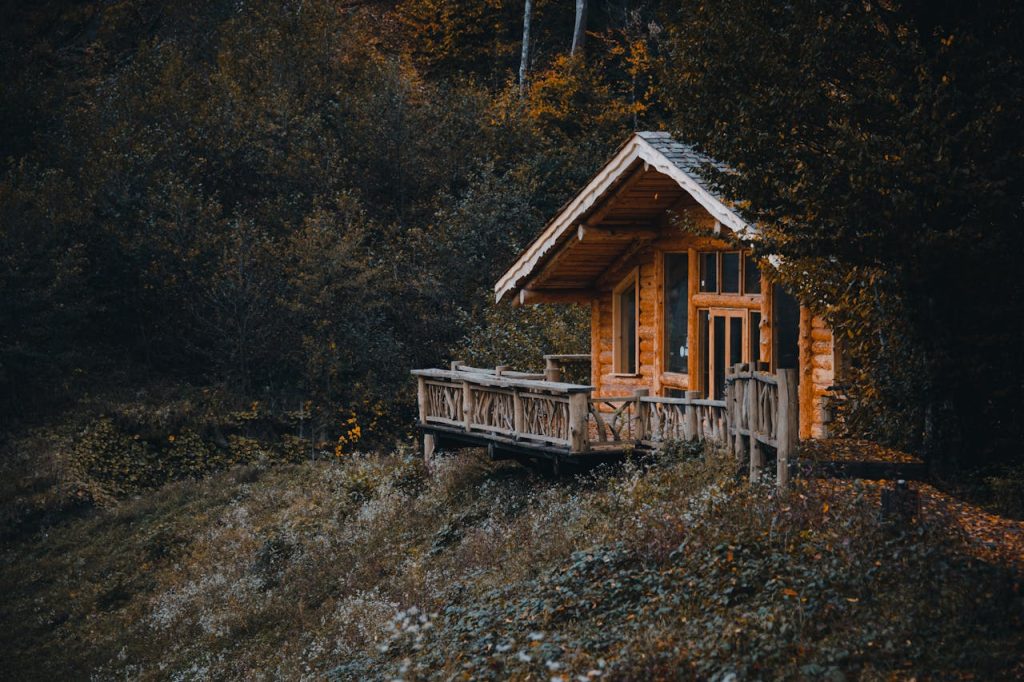
Waynesville works when a quiet cabin is the goal, but a real town is useful for meals and supplies. Travel coverage has framed it as a gateway town about 40 minutes from Great Smoky Mountains National Park, close enough for early trail starts without staying in the busiest corridor. Cabins in the surrounding hills bring the calm back at night, while Main Street keeps logistics easy. The rhythm feels balanced: park hours in daylight, a good dinner in town, then porch light and mountain air. Even in colder months, a drink and a short stroll can finish the day gently. It is a calm way to travel without feeling isolated.