13 U.S. Cities Where Public Transit is Actually Dangerous for Tourists

Public transit in the United States varies widely from city to city, and many systems work hard to balance accessibility, reliability, and safety for both residents and visitors. Even so, tourists sometimes express concerns when navigating unfamiliar networks, especially in cities with crowded stations, limited late-night service, complicated transfers, or inconsistent operational conditions. These challenges do not make transit inherently dangerous, but they do shape how visitors perceive comfort while exploring new destinations. In large urban areas, confusing layouts and fast-paced environments can feel overwhelming for travelers unfamiliar with local norms. Busy platforms, aging infrastructure, and a lack of clear signage can add to the sense of uncertainty. Understanding the types of concerns visitors commonly share helps travelers prepare more confidently and supports smoother experiences in these dynamic cities. Each location presents unique factors that visitors notice, illustrating how public transit reflects the broader character and complexity of the city it serves.
New York City
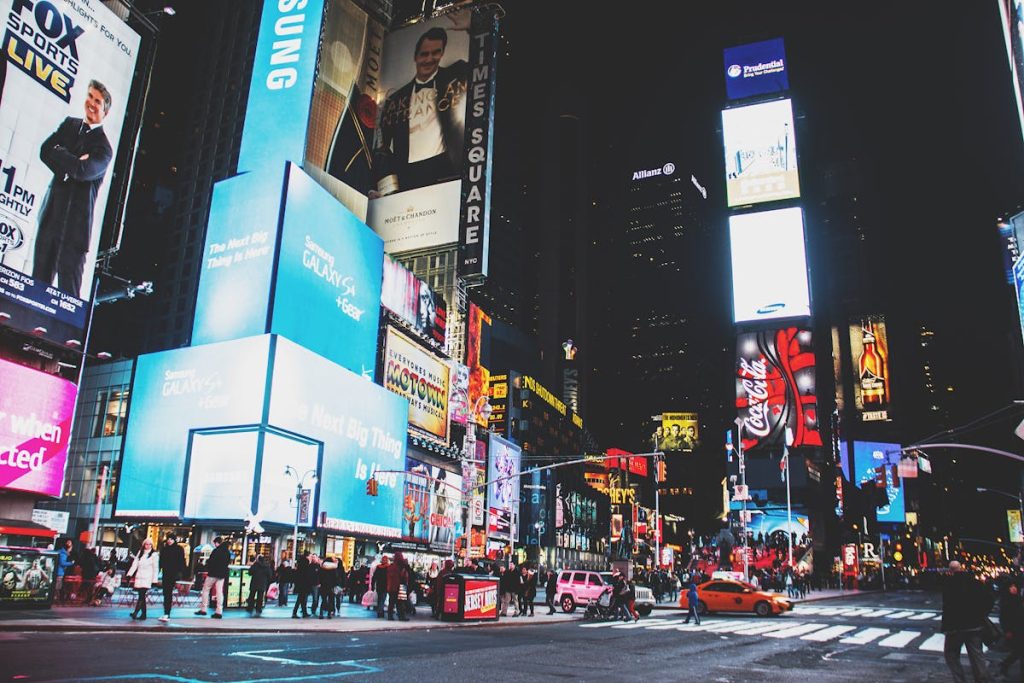
New York City receives frequent tourist comments about its complex subway system, which includes hundreds of stations, numerous express and local routes, and constant activity across all hours. Visitors often feel overwhelmed by crowded platforms, fast-moving commuters, and service changes announced with little notice, especially during maintenance periods. While millions rely on the subway daily, its scale and pace can be challenging for travelers unfamiliar with the city’s rhythms. Some tourists express concern about dimly lit areas in older stations along with occasional service interruptions that extend travel times. Noise, escalator outages, and difficulty navigating transfers further contribute to reported discomfort. These experiences reflect not inherent danger but the sheer density and size of a system built to move millions through tight spaces.
Chicago
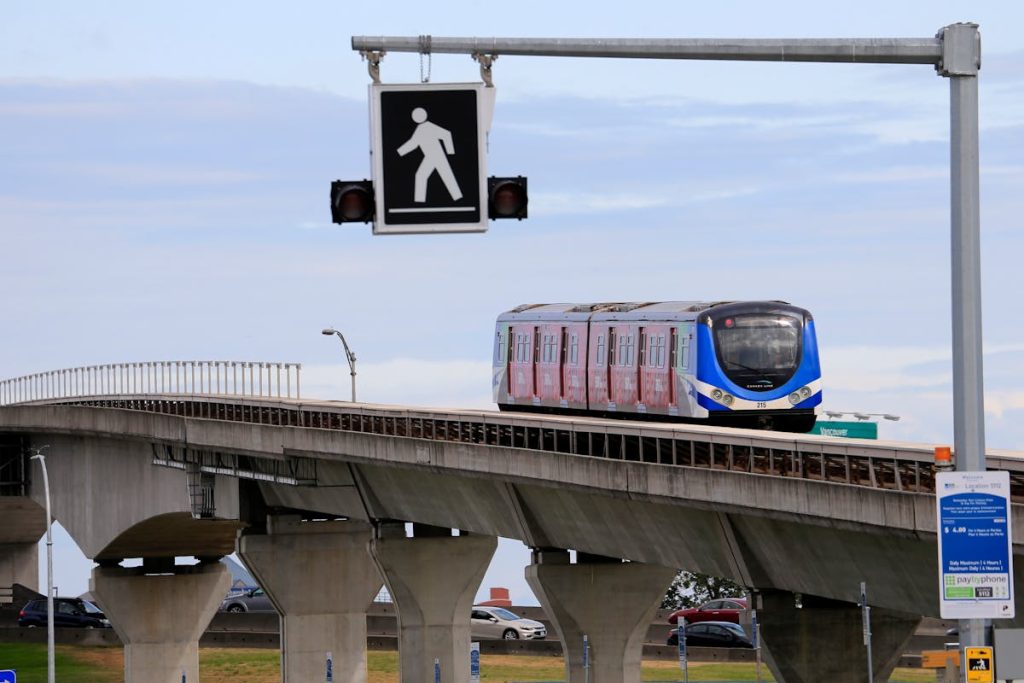
Chicago’s elevated rail network, known as the L, offers expansive coverage across the city, yet tourists sometimes report concerns stemming from late-night service, busy platforms, and weather-related delays. Winter conditions create icy stairways and reduced visibility along open-air stations, adding stress for visitors unaccustomed to Midwestern cold. Some travelers note that certain stations appear worn or confusing due to multiple line intersections that require quick decision-making. Crowding during peak commuter hours can feel disorienting, especially when unfamiliar announcements echo through older trains. While the system remains essential for residents, tourists often describe feeling uncertain about where to stand, how to transfer, or which entrances lead to the correct platforms. These concerns highlight the learning curve present in navigating Chicago’s historic transit network.
Los Angeles
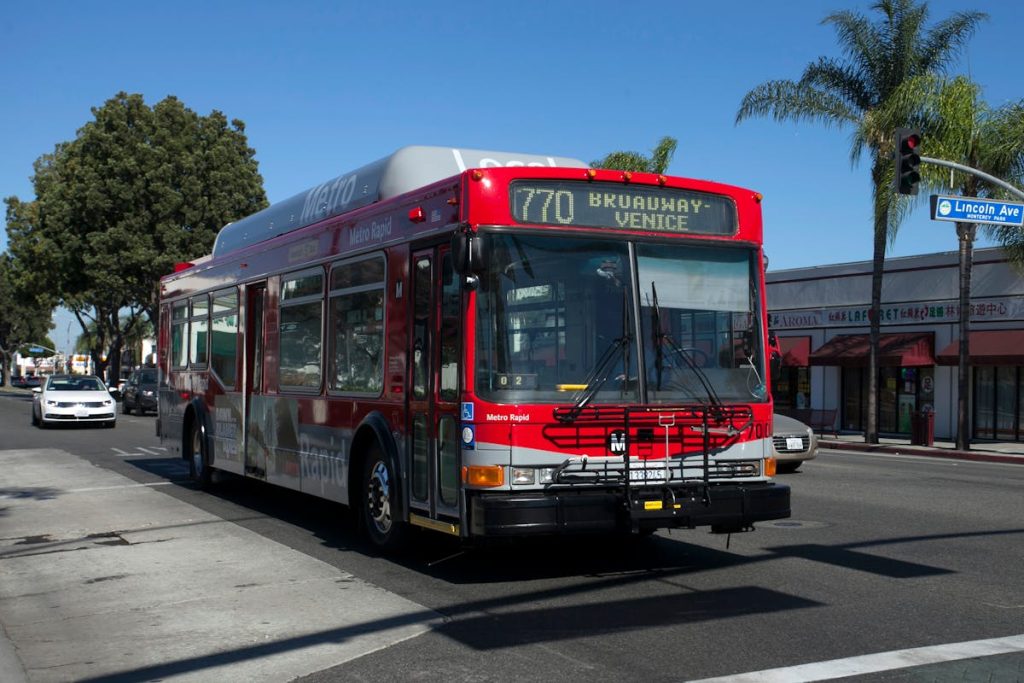
Los Angeles maintains a growing rail and bus system, yet its sheer geographic sprawl often leaves travelers feeling uncertain about navigating long routes or late-night transfers. Tourists frequently report confusion when trying to understand which lines connect major destinations, since many popular attractions remain spaced far apart. Bus stops may feel isolated compared to denser cities, and visitors unused to long waits sometimes describe discomfort when stations appear quiet. Occasional service gaps and limited rail coverage in certain neighborhoods contribute to concerns about predictability. Additionally, some travelers mention difficulty interpreting maps that cover a vast region with multiple overlapping services. While LA continues expanding transit access, tourists often find themselves adjusting to the city’s unique blend of car culture and emerging rail infrastructure.
Philadelphia
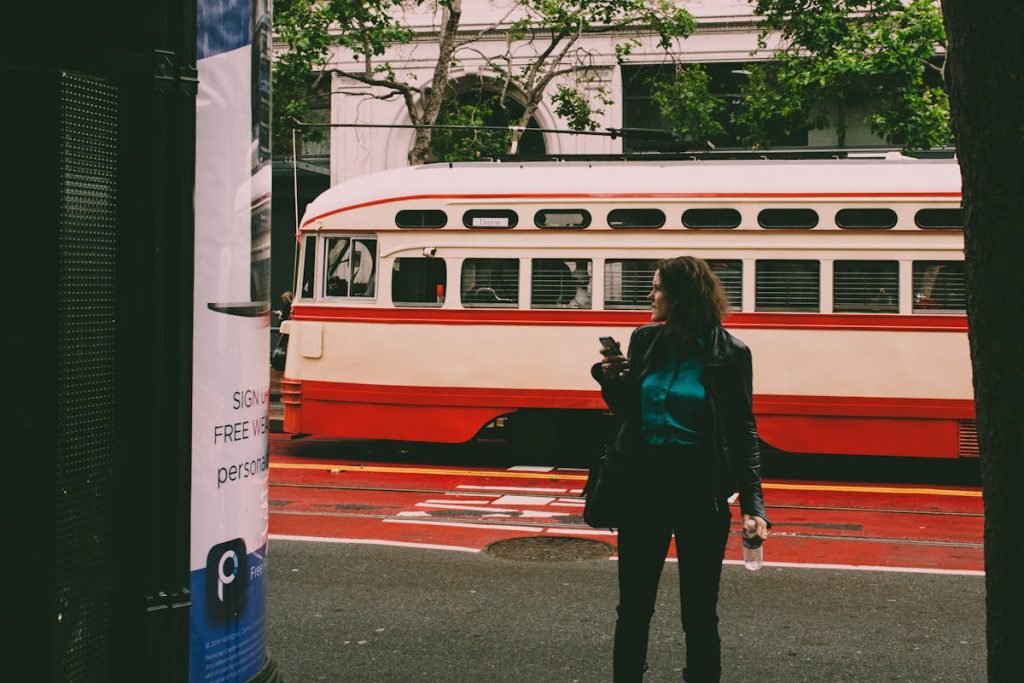
Philadelphia’s transit system includes subways, buses, and trolleys that serve a wide range of neighborhoods, yet tourists occasionally report concerns about navigating older stations or identifying correct platforms. Some visitors describe confusion due to limited signage or unfamiliar transfer points, particularly in busy hubs where multiple lines converge. Crowding during peak hours can create an intimidating environment for those new to the city. Others mention uneven lighting in certain areas or discomfort with late-night service when stations appear sparsely populated. These concerns seldom reflect actual danger but rather the complexities of an aging and heavily used network. Philadelphia’s historic infrastructure adds character but also challenges that tourists notice while learning to move around efficiently.
Baltimore
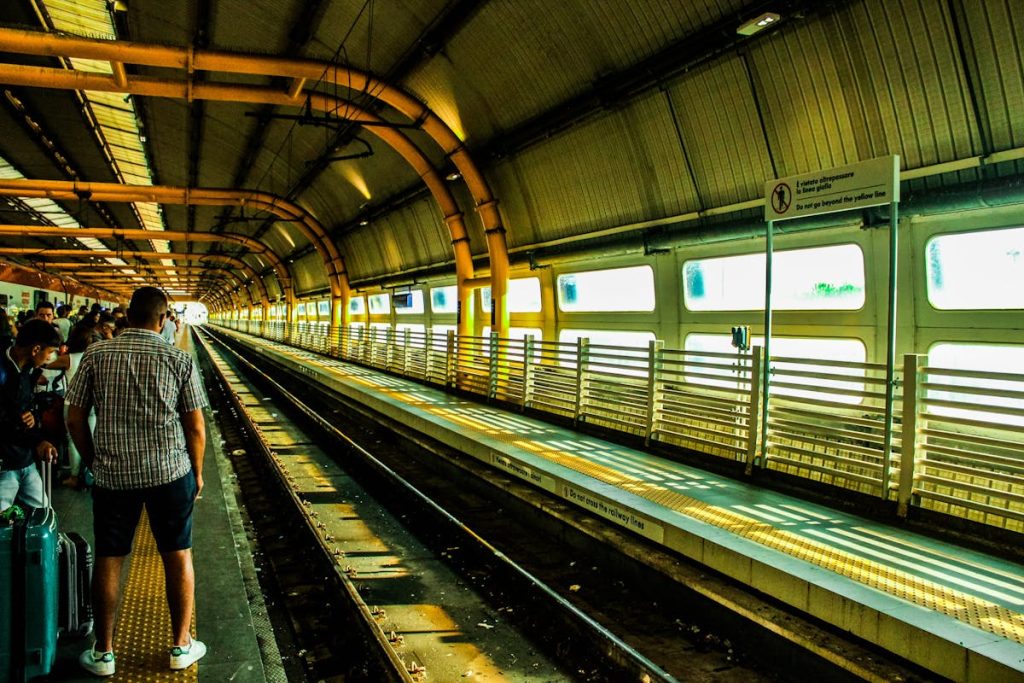
Baltimore’s transit options include light rail, buses, and a small subway line, but tourists often report concerns related to inconsistent schedules or gaps in service that create uncertainty while navigating the city. Visitors sometimes feel uneasy at quieter stations where limited foot traffic contributes to a sense of isolation. Delays or limited evening coverage may lengthen travel times and require more waiting outdoors, which increases discomfort during cold or rainy weather. Some travelers express frustration with signage that does not clearly indicate route changes or upcoming stops. These experiences reflect a system that serves local commuters well but may feel unfamiliar or unpredictable for tourists who depend on regular intervals and straightforward transfers.
Cleveland
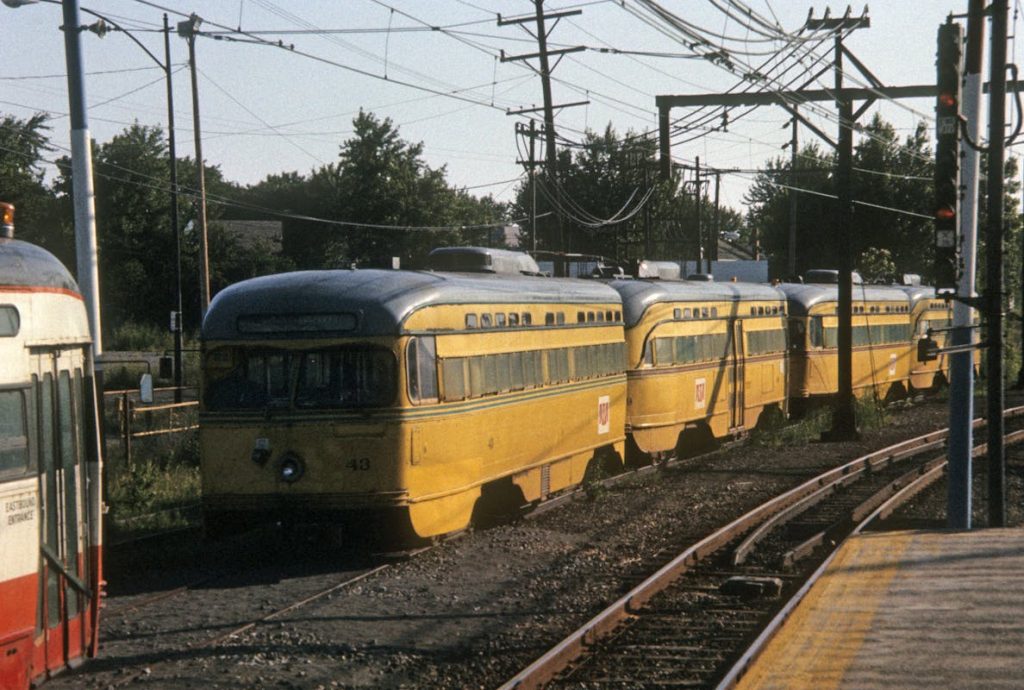
Cleveland’s transit system offers a combination of rail and bus routes, yet tourists occasionally report concerns related to low ridership during certain hours, which can make stations feel less active. Some visitors note that evening or weekend service appears infrequent, causing uncertainty when waiting for trains or buses in quieter parts of the city. Others describe difficulty understanding the layout of the system, especially when navigating between airport connections and downtown destinations. Station maintenance levels vary, leading some travelers to feel uneasy in older corridors with limited lighting. These concerns do not necessarily indicate unsafe conditions but rather highlight expectations formed in cities with denser, more visible transit activity.
Atlanta
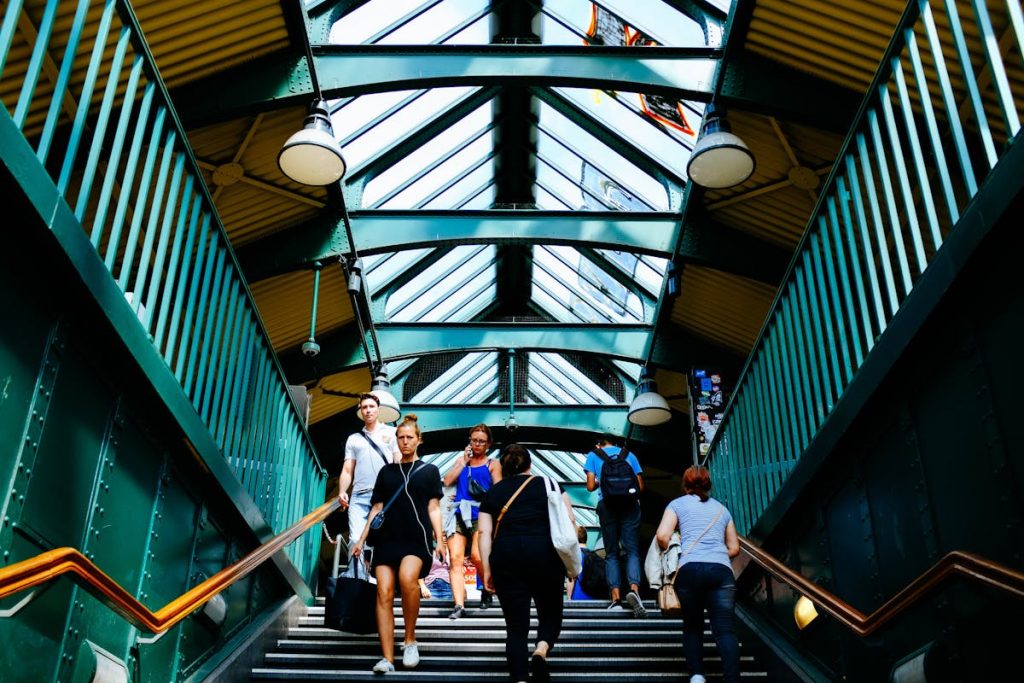
Atlanta’s MARTA network connects key destinations across the city, yet tourists often express concerns about unpredictability during off-peak hours or confusion navigating major transfer stations. Some visitors find large hubs bustling in ways that feel overwhelming, while others describe certain platforms as unexpectedly quiet depending on the time of day. Delays, limited late-night service, and infrequent trains on some routes contribute to uncertainty for travelers timing trips to events or flights. Tourists occasionally report difficulty interpreting station layouts or choosing between bus and rail options, especially when transitioning between neighborhoods with varying levels of coverage. These experiences reflect the city’s evolving transit landscape and the learning curve associated with moving through a rapidly growing metropolitan area.
San Francisco
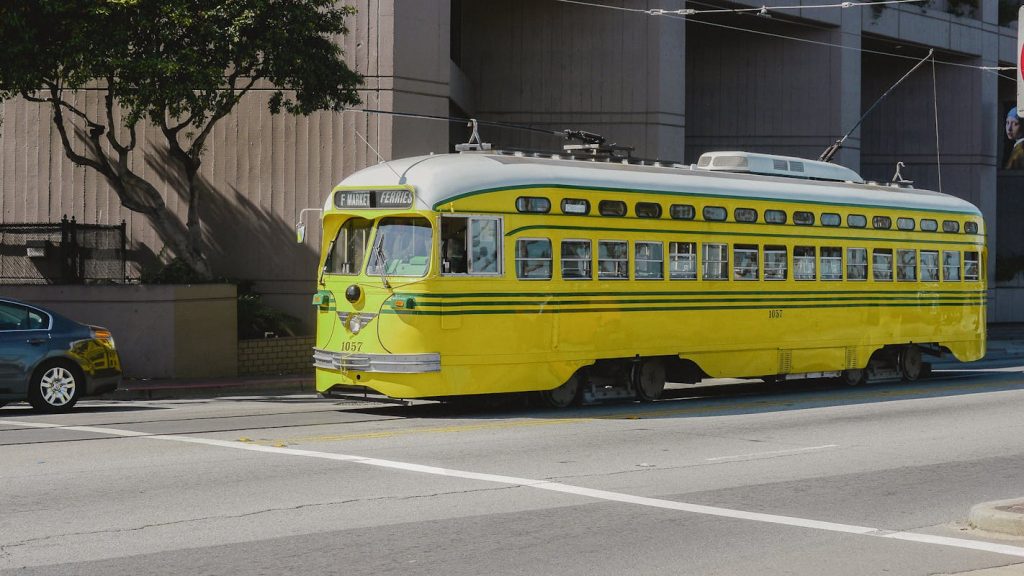
San Francisco’s mix of BART, Muni Metro, cable cars, and buses offers extensive coverage but can create confusion for tourists unfamiliar with multiple overlapping systems. Visitors frequently report challenges understanding fare structures or interpreting maps that differentiate between regional and local services. Stations can become crowded during peak periods, especially in downtown corridors, leading to discomfort for those unaccustomed to dense urban environments. Some travelers mention concerns when waiting on platforms with limited visibility or during late-night service when fewer passengers are present. Structural differences between older and newer stations contribute to varied experiences. Tourists often find the system manageable after some practice, but initial impressions include concerns related to navigation and the pace of commuter travel.
Washington, D.C.
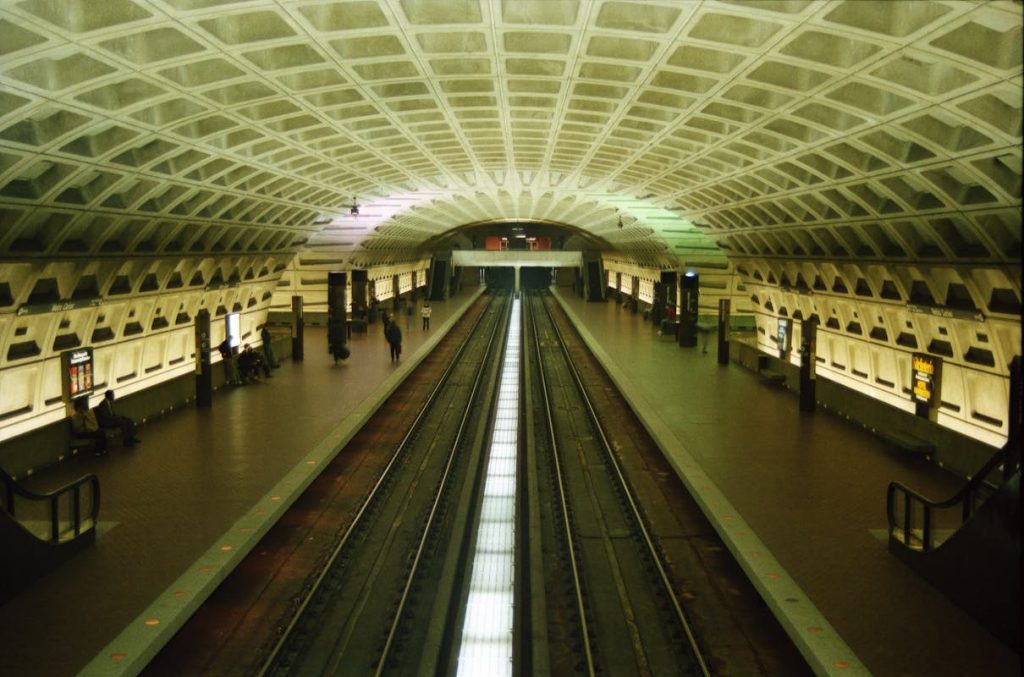
Washington, D.C.’s Metro system remains one of the busiest in the nation, yet tourists occasionally report concerns related to large crowds, multi-level stations, and sudden service changes. Visitors may feel overwhelmed when navigating deep underground platforms connected by escalators that span several stories. Rush-hour congestion can create a fast-moving environment that feels intimidating to first-time travelers. Weekend maintenance schedules often lead to modified service or platform closures that confuse those unfamiliar with alternate routes. Some tourists also mention concerns regarding station lighting or navigating platforms during off-peak hours when foot traffic declines. These reported experiences highlight the contrast between the system’s efficiency and the challenges faced by newcomers.
New Orleans
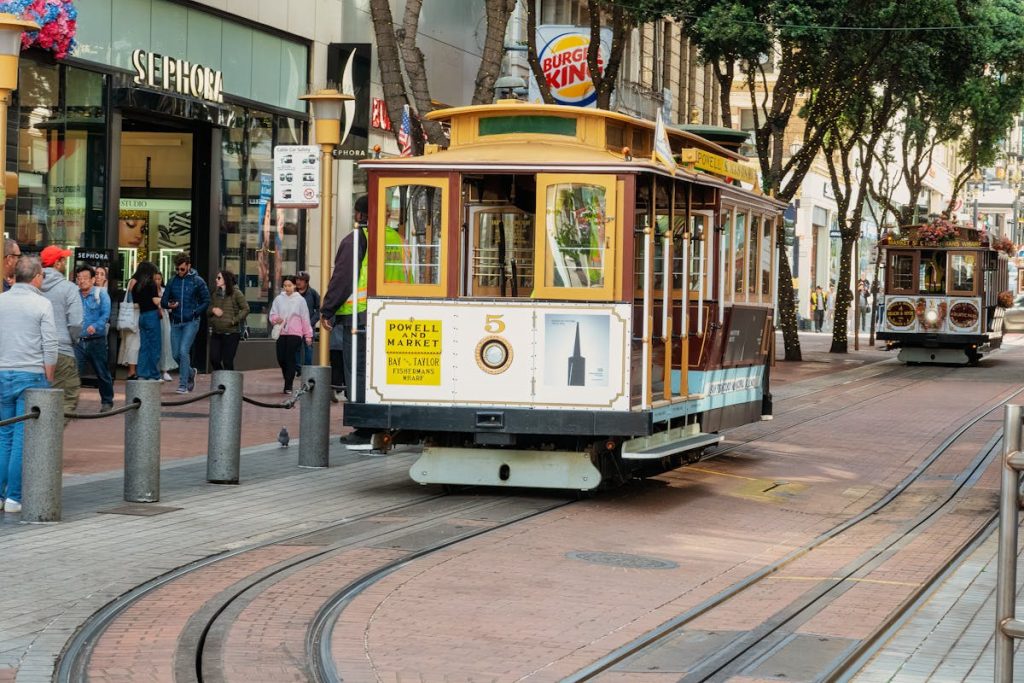
New Orleans offers a unique blend of streetcars and buses that reflect the city’s historic character, yet tourists sometimes report concerns related to limited nighttime service or irregular intervals during off-peak times. Certain streetcar routes attract large crowds during festivals or major events, creating environments that feel chaotic for visitors trying to navigate narrow boarding areas. Others mention confusion when distinguishing between lines that follow similar paths but diverge at key points. Some travelers describe discomfort at lesser-used stops that lack seating or clear lighting. While the system offers charm and convenience, tourists frequently comment on the need for clearer guidance and more consistent frequency when exploring the city.
St. Louis
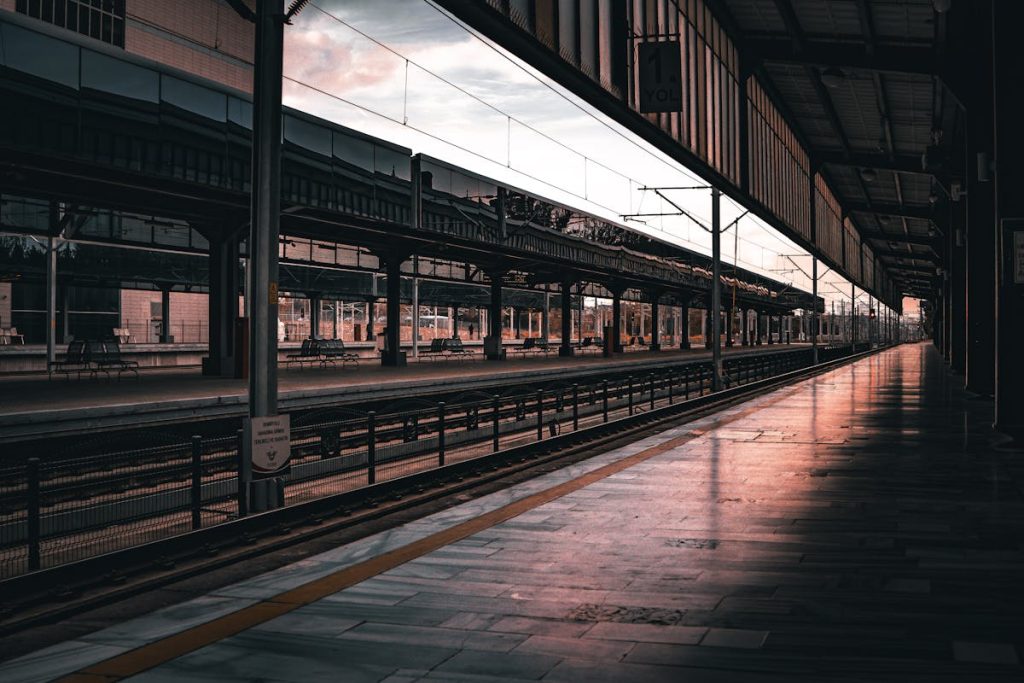
St. Louis’s MetroLink light rail and bus network serve regional destinations, yet tourists often report concerns about station conditions or uncertainty while waiting in low-traffic areas. Some visitors describe platforms that appear sparsely populated, especially during evenings or weekends, which contributes to a sense of isolation not commonly felt in denser cities. Others mention difficulties interpreting schedules during events or navigating large stations near sports venues when crowds disperse rapidly. Weather also plays a role, as open-air platforms expose travelers to cold winds or intense heat while waiting. These visitor impressions reflect differences between expectations formed in major metropolitan systems and the realities of a mid-sized transit network.
Detroit

Detroit’s transit system includes buses and a small elevated rail line downtown, yet tourists frequently report concerns related to limited coverage and long wait times, especially outside the city center. Visitors often find it challenging to rely on predictable intervals or identify efficient routes when exploring widely spaced attractions. Some describe discomfort at bus stops that appear quiet or lack clear signage, particularly in unfamiliar neighborhoods. Others mention difficulty understanding route maps that cover large geographic areas with relatively low service density. These concerns reflect the city’s ongoing efforts to expand and modernize public transportation while managing a wide footprint and varied ridership patterns.
Portland
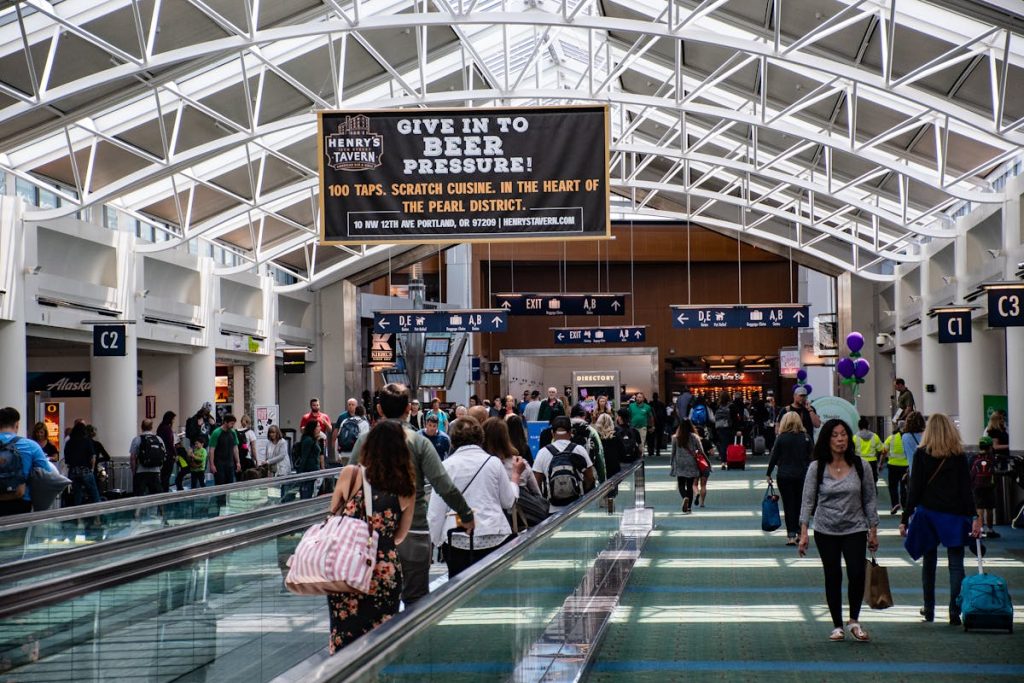
Portland’s transit system includes light rail, buses, and streetcars, yet tourists sometimes report concerns about navigating downtown stations during high-traffic periods or transferring between lines that run at different frequencies. Visitors note that certain platforms feel crowded at peak hours while others seem quiet or underused, depending on location and time of day. Confusion may arise when interpreting fare zones or understanding which lines connect efficiently to neighborhoods outside the city center. Some travelers also describe discomfort with inconsistent lighting or long waits during late-night service. These perceived challenges highlight the contrast between Portland’s reputation for accessibility and the reality of navigating a busy and evolving transit network.