13 U.S. Islands That Are Impossible to Visit Without a Boat
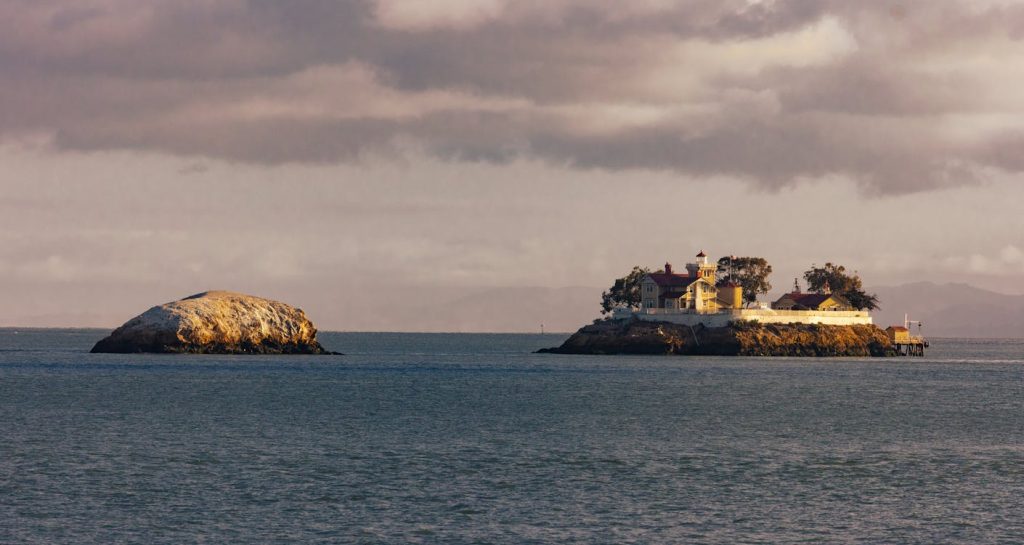
Many beautiful islands across the United States offer unforgettable scenery, wildlife, and coastal charm, yet several remain accessible only by boat, creating a sense of peaceful isolation that sets them apart from more developed destinations. These islands attract travelers who enjoy quiet landscapes, maritime history, and the experience of stepping into places shaped by tides and tradition rather than highways or commercial hubs. Reaching them often means embracing a slower pace, relying on ferries, water taxis, or personal vessels to cross calm bays or more spirited stretches of open water. This separation enhances their appeal, preserving sensitive ecosystems and historic communities that rely on maritime routes as part of daily life. Each island highlights a distinct story, revealing how geography shapes culture, transportation, and the rhythms of everyday activity in waterfront regions across the country.
Dry Tortugas, Florida
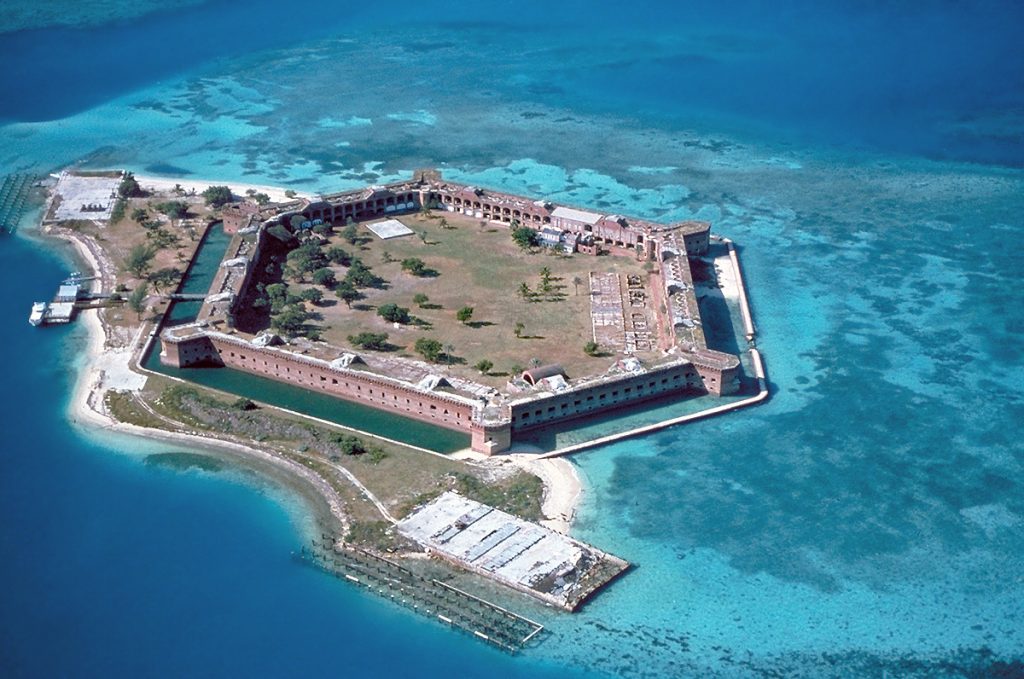
Dry Tortugas sits west of Key West and remains reachable only by boat or seaplane, giving the remote national park an isolated beauty defined by turquoise waters and historic brick structures. Fort Jefferson, the park’s centerpiece, stands as one of the largest masonry fortifications in the Western Hemisphere. Visitors traveling by ferry or private vessel experience a journey across open water that underscores the park’s distance from mainland conveniences. The surrounding coral reefs, shipwreck sites, and migratory bird habitats thrive partly because limited access protects them from overcrowding. Travelers who make the crossing find quiet beaches, striking architecture, and natural habitats shaped by the Gulf of Mexico’s rhythms rather than mainland development.
Mackinac Island, Michigan
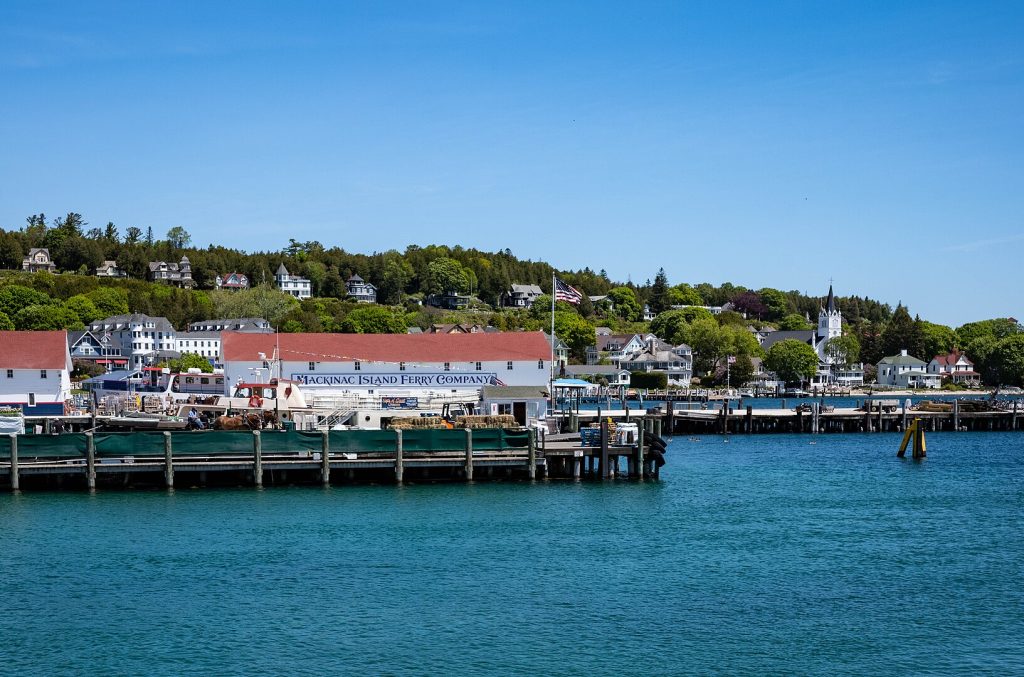
Mackinac Island sits in Lake Huron and famously bans automobiles, making boats the primary means of arrival for visitors and residents alike. Ferries travel from St. Ignace and Mackinaw City, offering scenic views of the Straits of Mackinac before docking near the island’s charming Victorian-era buildings. The absence of cars contributes to a peaceful atmosphere shaped by bicycles, horse-drawn carriages, and walking paths. While the island features historic hotels, scenic overlooks, and the well-preserved Fort Mackinac, its maritime setting remains central to its identity. The boat ride frames the experience, connecting travelers with the island’s rich history and the natural beauty of northern Michigan’s freshwater landscape.
Catalina Island’s Two Harbors, California
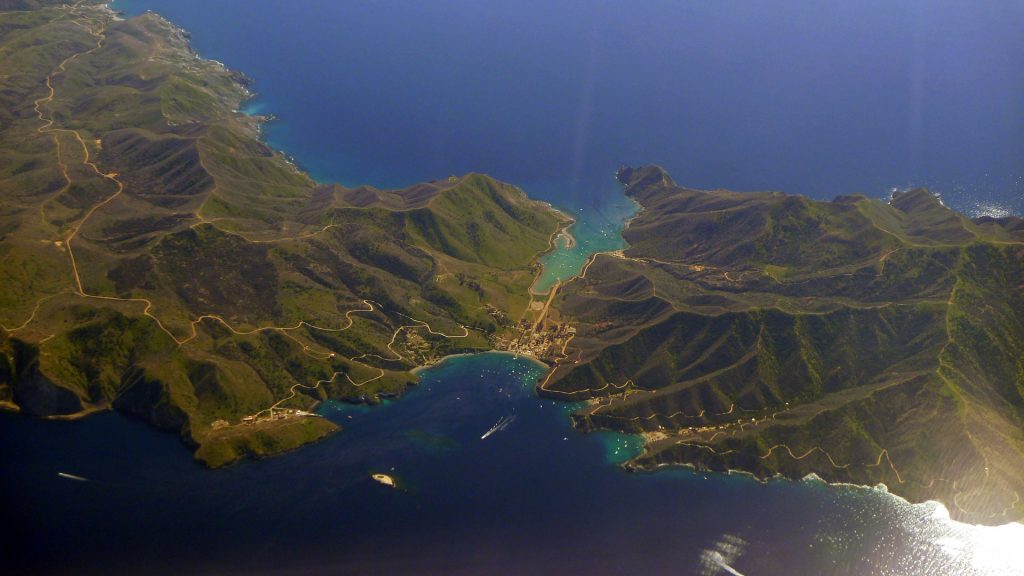
Two Harbors, located on the quieter side of Catalina Island, offers a far more secluded experience than the busy port of Avalon, and it remains accessible primarily by boat from San Pedro or other coastal departure points. This small, village-like community features scenic coves, hiking trails, and a slower pace shaped by its maritime connection. Boats line the harbor as visitors step onto shore to explore rugged landscapes, calm beaches, and wildlife-rich waters. Because no large-scale transportation hub connects to the mainland, the crossing becomes an essential part of the journey. The isolation enhances Two Harbors’ rustic charm, making it a favorite spot for boaters and outdoor enthusiasts seeking simplicity.
Cumberland Island, Georgia
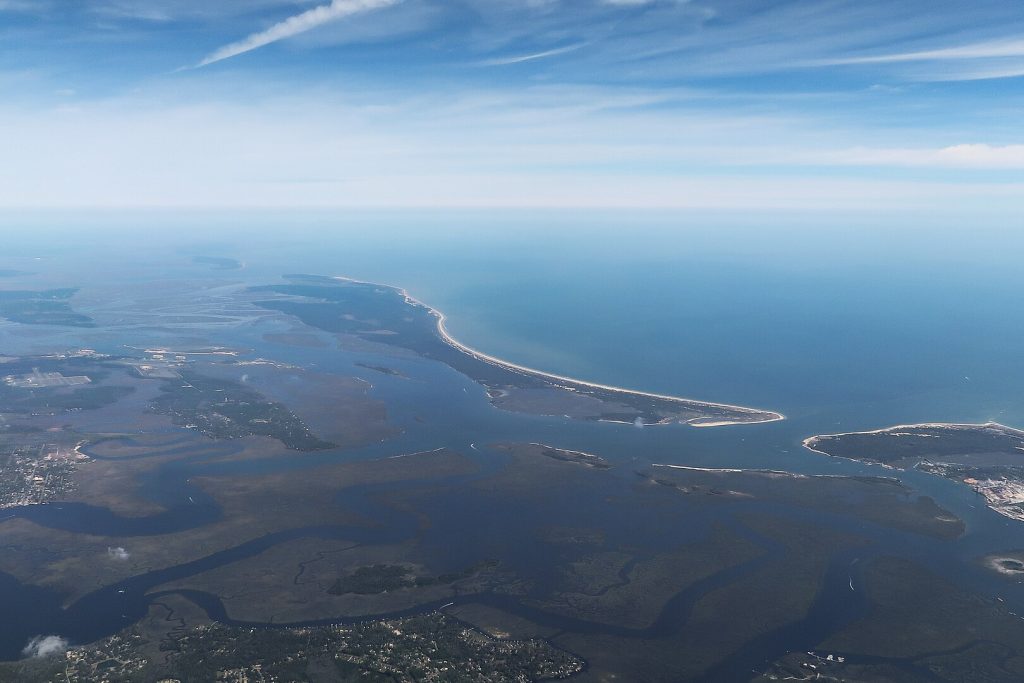
Cumberland Island, the largest barrier island in Georgia, remains reachable only by ferry from St. Marys, creating an atmosphere that protects its wilderness areas and historic structures. The island features maritime forests, wild horses, and long stretches of untouched shoreline, offering a striking contrast to more commercialized coastal destinations. With no bridges or commercial roads linking it to the mainland, visitors depend on scheduled boat service to experience its quiet trails, historic ruins, and rich biodiversity. The limited access supports conservation efforts and maintains the island’s rugged, natural character. Cumberland Island’s sense of remoteness invites travelers to step into landscapes shaped by centuries of ecological and cultural history.
Sapelo Island, Georgia
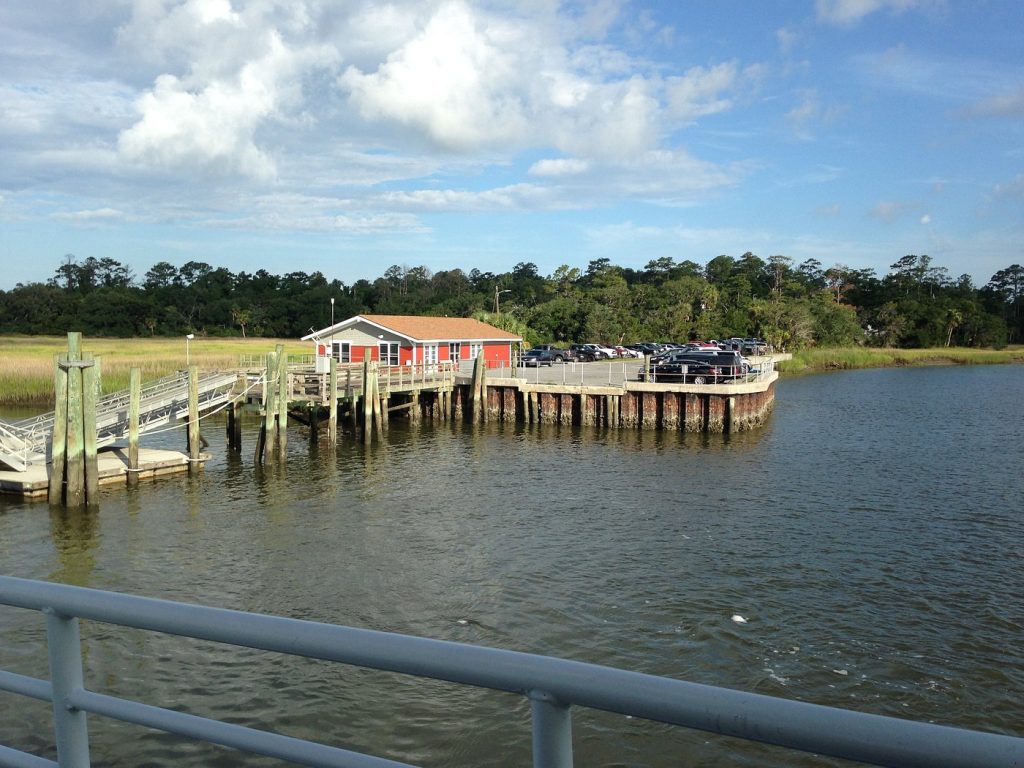
Sapelo Island, home to the historic Hog Hammock community, can be reached only by ferry or private boat from the Georgia coast. The island’s unique blend of cultural history, natural beauty, and scientific research draws visitors seeking an immersive experience far from modern tourism centers. The Georgia Department of Natural Resources helps oversee access, ensuring that the island’s ecosystems and cultural heritage remain protected. Marshlands, maritime forests, and historic sites showcase the region’s coastal traditions. Because the island lacks bridge connections, the boat ride emphasizes its separation from everyday mainland life, creating an experience shaped by community resilience and environmental stewardship.
Isle Royale, Michigan
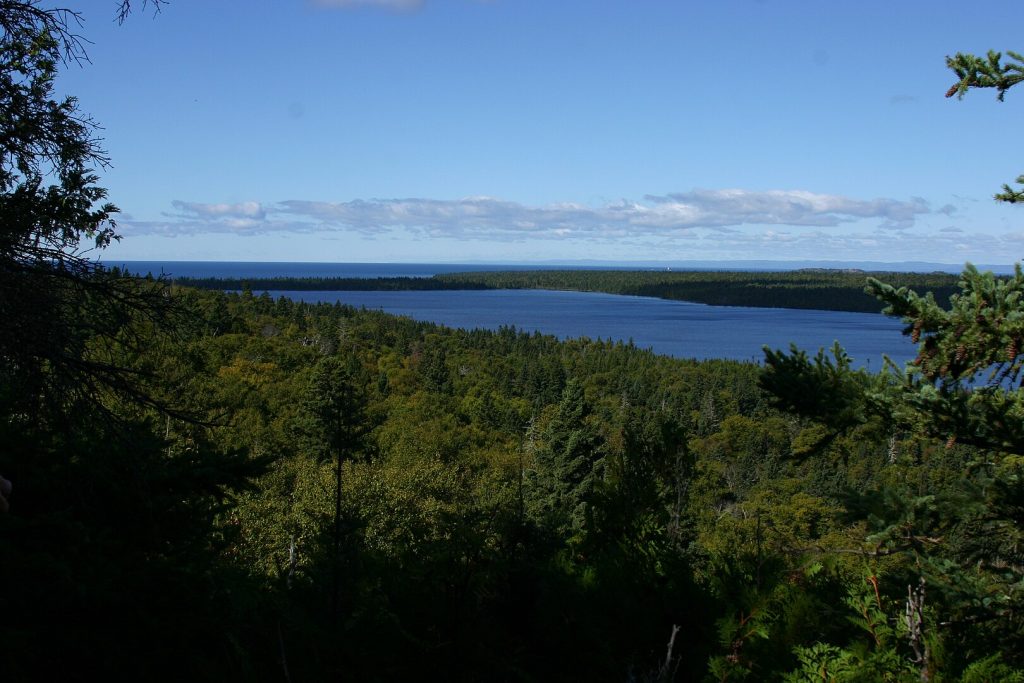
Isle Royale, located in Lake Superior, stands as one of the most remote national parks in the United States and remains accessible only by boat or seaplane. Ferries depart from Michigan and Minnesota, carrying travelers to an island known for rugged wilderness, intricate waterways, and the storied relationship between its wolf and moose populations. The island’s isolation creates an environment ideal for research, ecological preservation, and backcountry exploration. Without highways, commercial development, or dense crowds, Isle Royale offers quiet trails shaped by rocky shorelines and dense forests. The maritime crossing underscores the adventure, reminding visitors how distance and water help define the character of this northern wilderness.
Block Island, Rhode Island
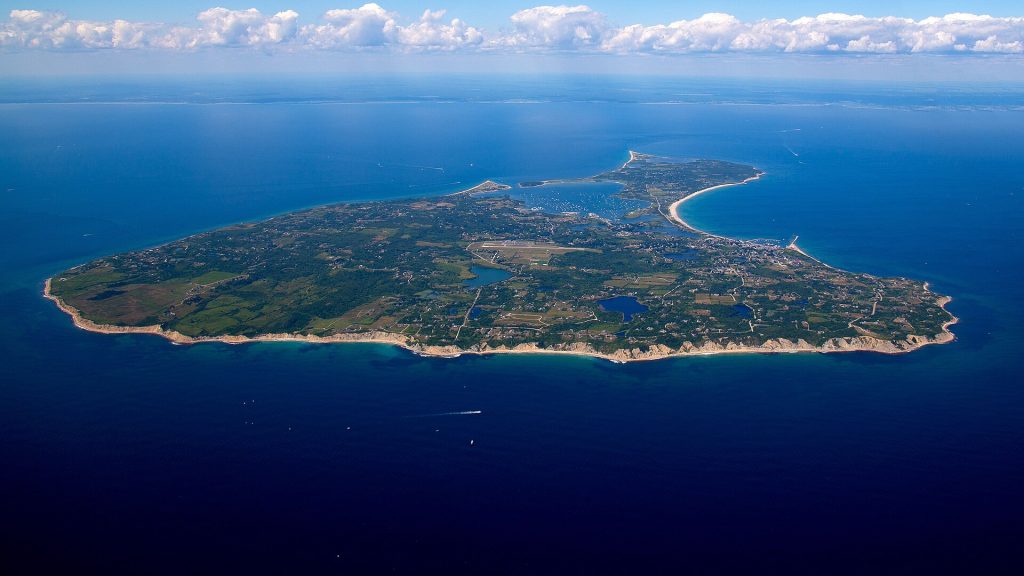
Block Island lies off the coast of Rhode Island and relies heavily on ferries to bring visitors to its beaches, bluffs, and small-town charm. The boat ride from Point Judith or Newport provides views of the Atlantic coastline before arriving at the island’s lively harbor. Despite its popularity, Block Island maintains a peaceful atmosphere shaped by scenic roads, historic lighthouses, and natural preserves. Its reliance on maritime access protects the character of its landscapes and contributes to a slower pace than many mainland destinations. The absence of direct bridge access reinforces the island’s appeal and ensures that every visit begins with a memorable journey across open water.
Ocracoke Island, North Carolina
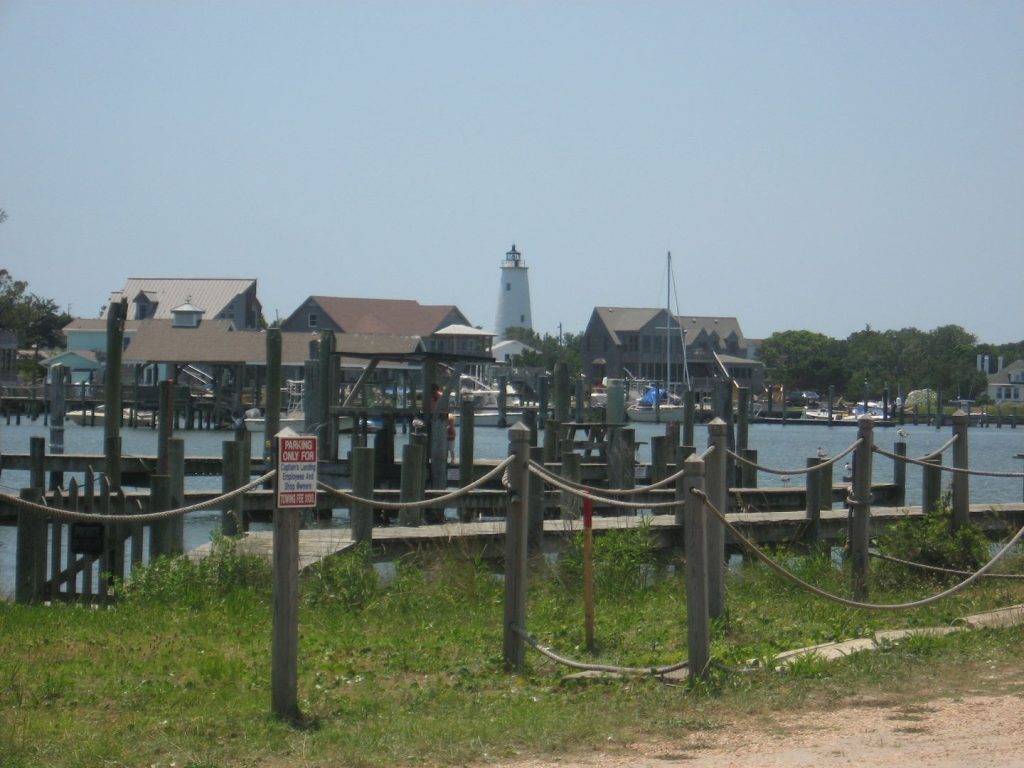
Ocracoke Island, part of the Outer Banks, stands as one of North Carolina’s most distinctive island communities and remains accessible only by ferry, private boat, or small aircraft. The ferry rides across Pamlico Sound highlight the region’s expansive coastal waters and the island’s distance from mainland development. Ocracoke features quiet villages, historic landmarks such as the Ocracoke Lighthouse, and beaches shaped by shifting tides and winds. The island’s maritime history, including its connections to Blackbeard the pirate, adds cultural depth to its scenic beauty. Without bridge access, Ocracoke preserves a tranquil atmosphere where local traditions and natural landscapes shape the experience.
Fire Island, New York

Fire Island stretches along the southern coast of Long Island and features a collection of car-free communities that rely entirely on ferries for regular access. The island’s long beaches, boardwalks, and protected dunes create a peaceful coastal retreat for residents and visitors seeking a quieter alternative to mainland resorts. Because cars are largely prohibited, the island encourages walking, cycling, and water transport as its primary modes of movement. Ferries depart from multiple Long Island terminals, transporting travelers across Great South Bay. Fire Island’s vibrant cultural history and natural preserves remain intertwined with its reliance on maritime access, shaping its unique identity.
Tangier Island, Virginia
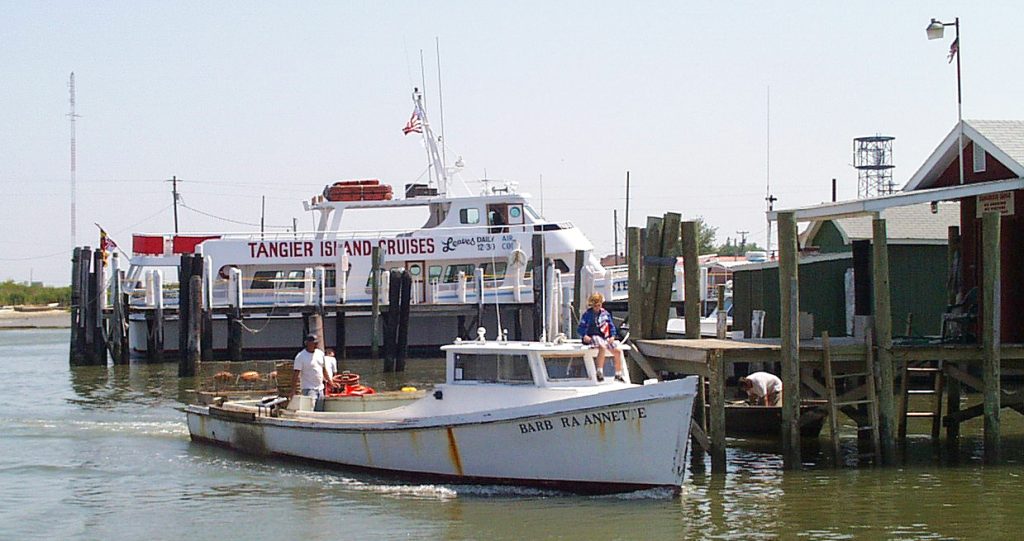
Tangier Island, located in the Chesapeake Bay, remains reachable only by ferry or private boat, contributing to its strong sense of cultural continuity and maritime identity. The island’s residents, many of whom trace their ancestry back centuries, maintain traditions shaped by fishing, crabbing, and close community ties. Rising sea levels and erosion present challenges, yet the island continues to welcome visitors interested in its history, dialect, and natural beauty. The boat trip underscores Tangier’s distance from mainland influences, supporting an environment where daily life centers on the bay and its rhythms. This maritime separation sets Tangier apart as both historically rich and geographically vulnerable.
Santa Cruz Island, California
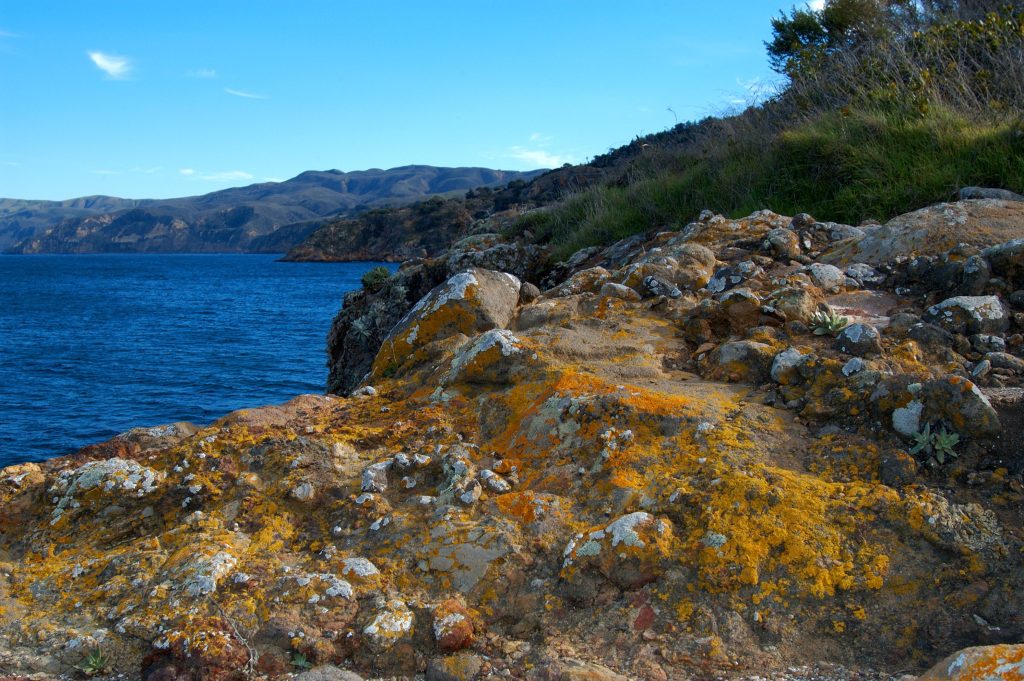
Santa Cruz Island, the largest of California’s Channel Islands, remains accessible only by boat or authorized research vessels, protecting its sensitive ecosystems and archaeological sites. The crossing from Ventura or Santa Barbara introduces travelers to waters known for dolphins, sea lions, and seasonal whale sightings. Once ashore, visitors encounter rugged coastlines, quiet canyons, and remnants of ranching history that shaped the island’s past. As part of Channel Islands National Park, Santa Cruz Island maintains strict conservation measures to preserve wildlife and cultural artifacts. The limited access highlights the island’s wilderness qualities, offering a rare experience free from commercial development.
Kelleys Island, Ohio
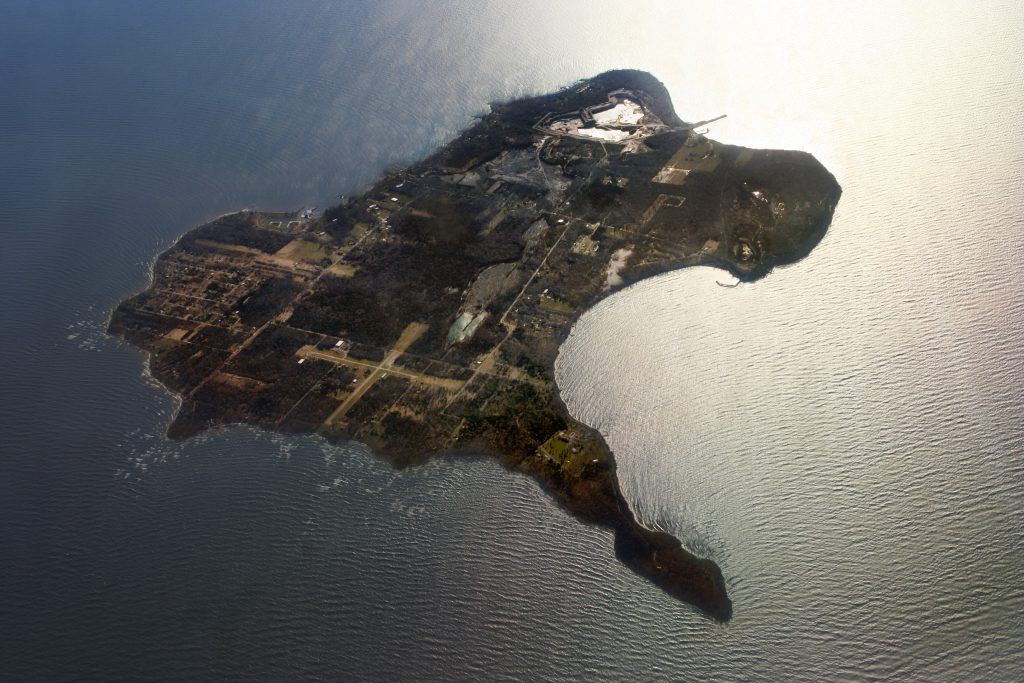
Kelleys Island, located in Lake Erie, relies on ferries for most travel to and from the mainland due to its offshore position near Sandusky Bay. The island features natural attractions such as the famous glacial grooves, scenic shoreline parks, and a tranquil community atmosphere. The boat ride offers views of the lake’s shifting colors and provides a gentle transition into a slower-paced environment shaped by nature and heritage. Without a permanent bridge connection, the island remains tied to seasonal ferry schedules and maritime culture. Its calm neighborhoods, historic sites, and outdoor activities underscore the importance of its lake-based identity while preserving its welcoming charm for returning seasonal visitors.
Monhegan Island, Maine
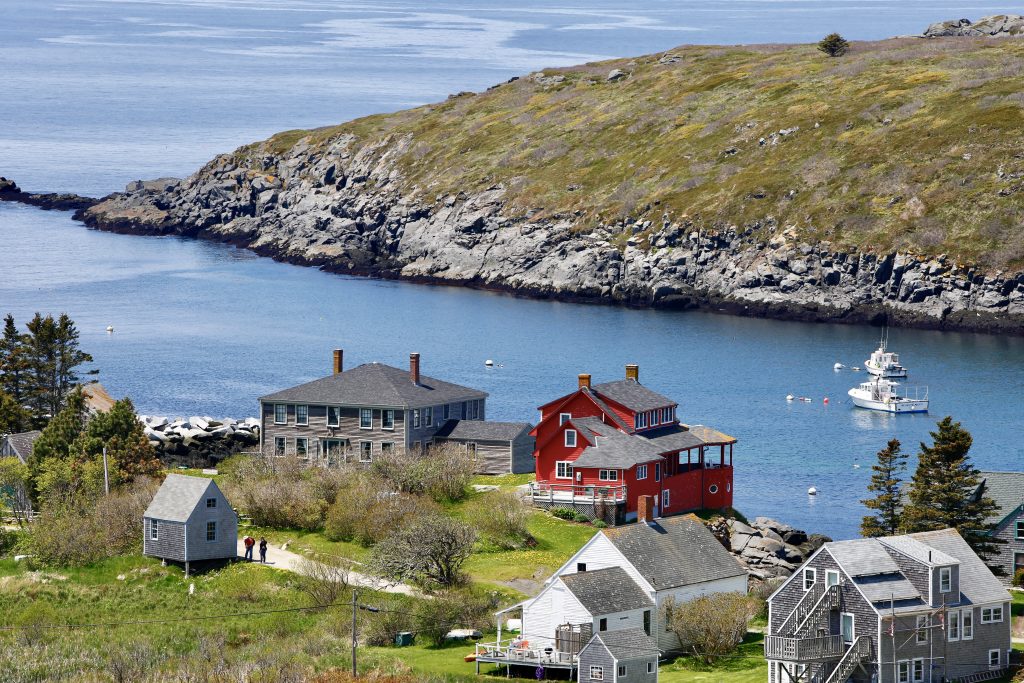
Monhegan Island stands ten miles off the coast of Maine and remains reachable only by passenger ferries departing from several coastal towns. The island’s artistic heritage, dramatic cliffs, and peaceful walking trails have attracted painters, writers, and nature lovers for generations. Without cars, the island maintains a quiet rhythm defined by footpaths, fishing traditions, and close community bonds among its small year-round population. Visitors arriving by boat experience both isolation and inspiration as they approach the rugged coast. The distance from the mainland shapes Monhegan’s identity, allowing its landscapes and creative history to remain central to the island experience while preserving its enduring sense of tranquility.