13 U.S. Lighthouses That Became Popular Tourist Stops
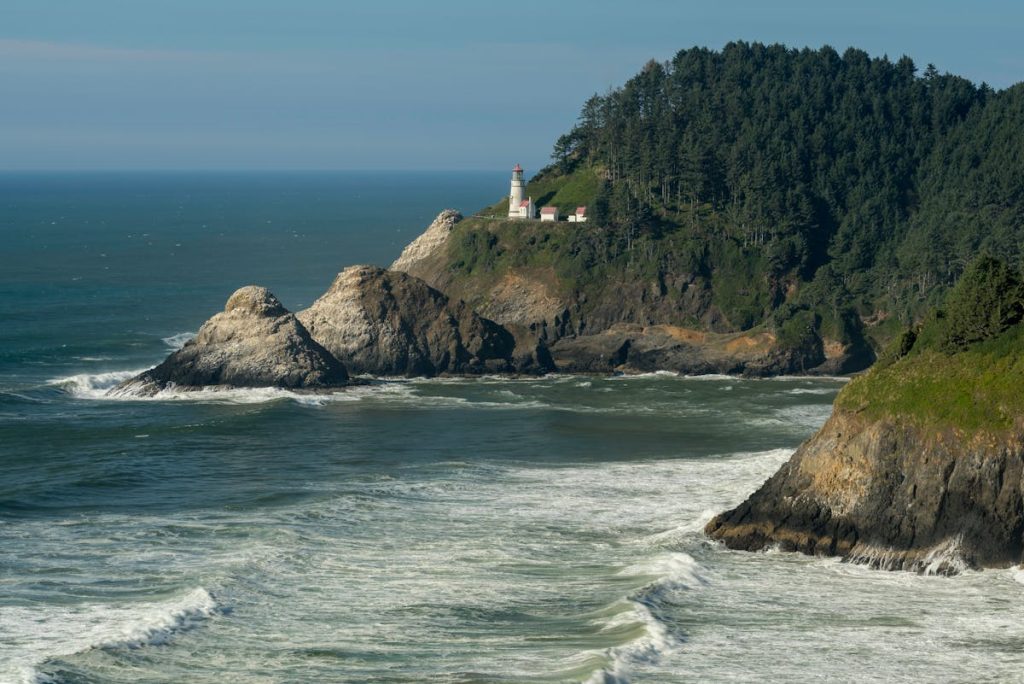
Lighthouses across the United States have gradually shifted from guiding ships toward harbor entrances to welcoming visitors who explore maritime history, coastal scenery, and distinctive architecture. Each tower holds regional character shaped by local weather patterns, construction materials, and decades of service. Travelers often appreciate how these structures connect historic navigation practices with scenic landscapes that highlight shorelines, rocky cliffs, and sweeping ocean horizons. Their blend of nostalgia and discovery makes lighthouse visits appealing for those seeking peaceful environments near the water.
Portland Head Light
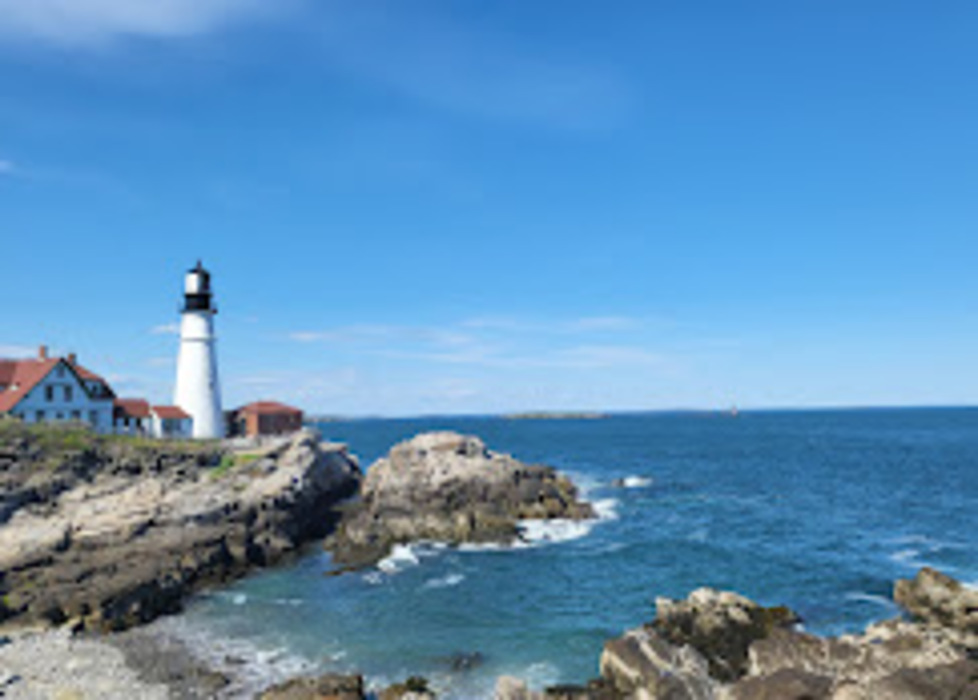
Portland Head Light in Maine stands on a rugged stretch of coastline where granite cliffs meet steady Atlantic swells, creating a dramatic visual setting that enhances the tower’s historic significance. The surrounding parkland features walking paths and open viewpoints that reveal shifting cloud patterns and expansive seascapes. Interpretive displays explain the lighthouse’s origins and long record of navigation support in New England waters. Its striking profile and preserved surroundings maintain strong appeal for travelers interested in maritime heritage.
Cape Hatteras Lighthouse
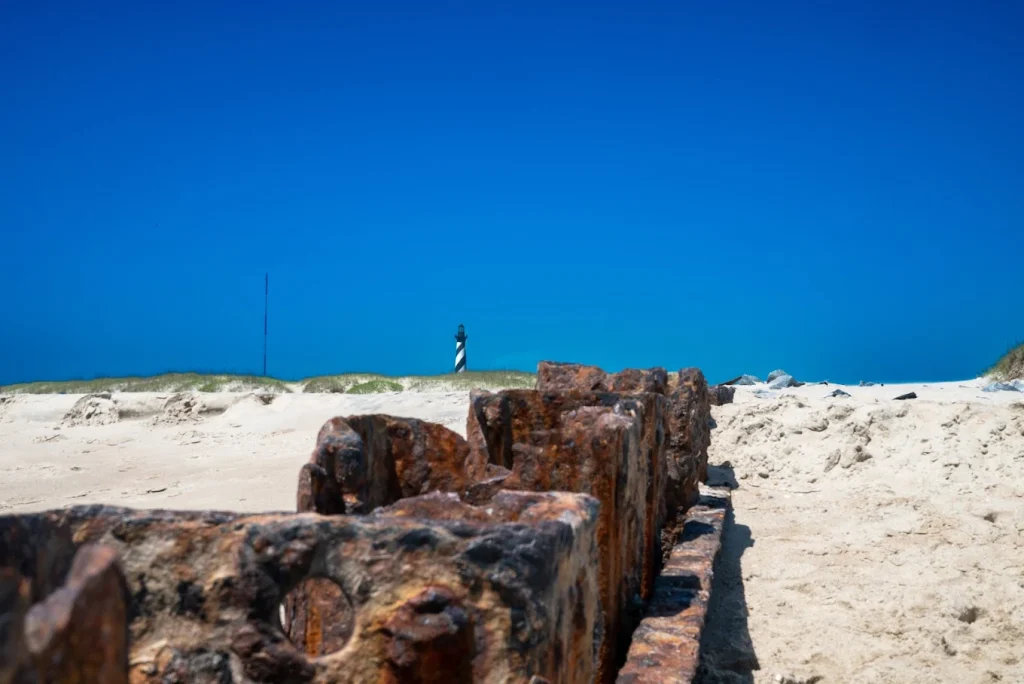
Cape Hatteras Lighthouse rises above the shifting sands of North Carolina’s Outer Banks, an area known for treacherous shoals and strong coastal winds that historically endangered passing ships. The tower’s black and white spiral design makes it one of the most recognizable lighthouses in the country. A climb to the top provides broad views of beaches, dunes, and rolling surf. The lighthouse was famously relocated inland to protect it from erosion, demonstrating long-term preservation efforts along this dynamic coastline.
St. Augustine Lighthouse
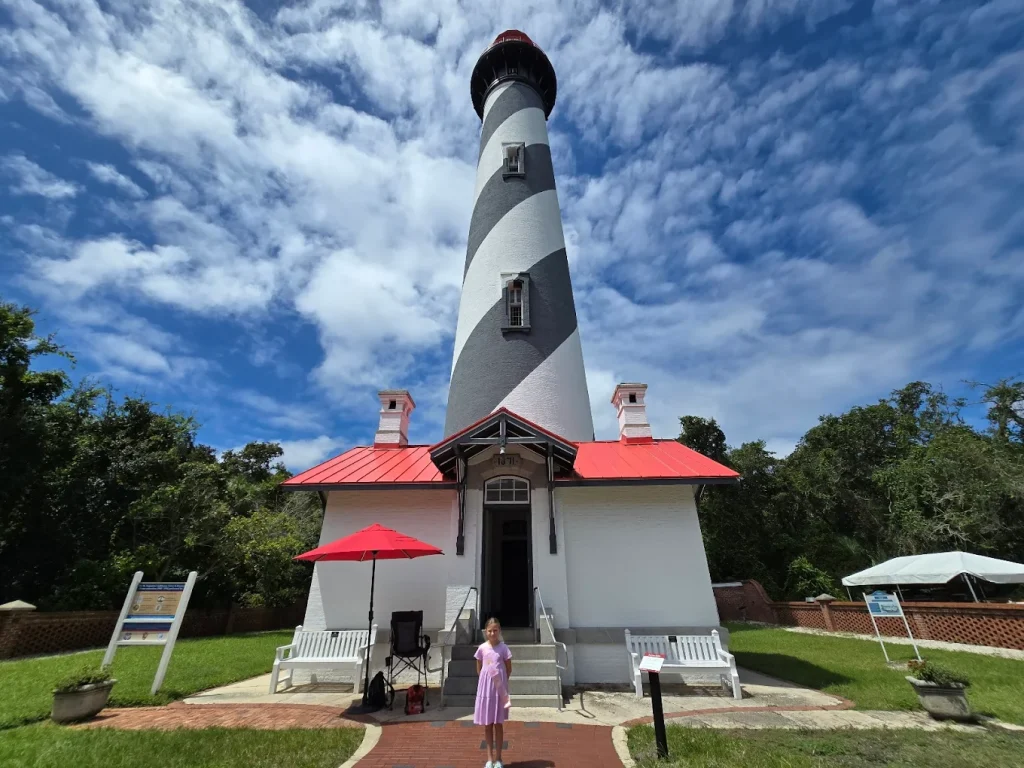
The St. Augustine Lighthouse in Florida combines a distinctive striped tower with exhibits that detail the challenges faced by keepers who worked along this historic stretch of the Atlantic coast. Views from the top reveal tidal marshes, coastal inlets, and the city’s historic district. Archaeological work on the grounds has uncovered artifacts tied to earlier maritime communities. The site’s vivid red lantern room and sweeping vantage points add to its popularity among travelers seeking insight into regional coastal history.
Pigeon Point Lighthouse
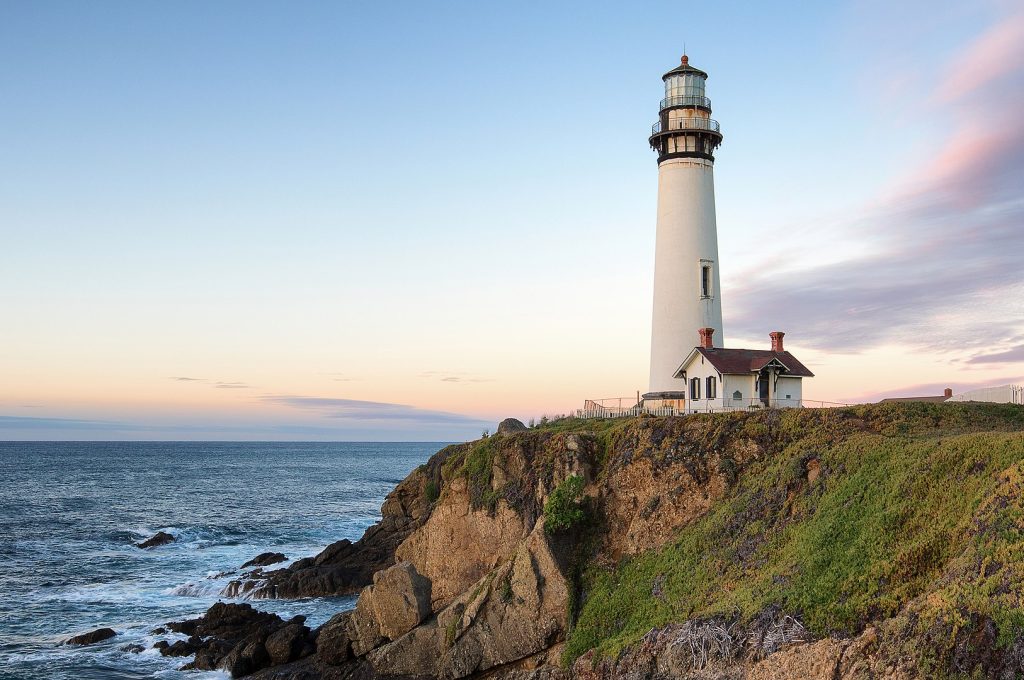
Pigeon Point Lighthouse in California stands on a high bluff overlooking the Pacific Ocean, where persistent breezes and rocky shorelines define the surrounding environment. Trails near the tower highlight tide pools, coastal vegetation, and dramatic cliff formations shaped by wind and salt spray. The lighthouse’s height and bright exterior make it a visible landmark far along the coastal highway. Its quiet setting and broad ocean views continue to attract guests seeking a peaceful stop along the scenic route.
Key West Lighthouse
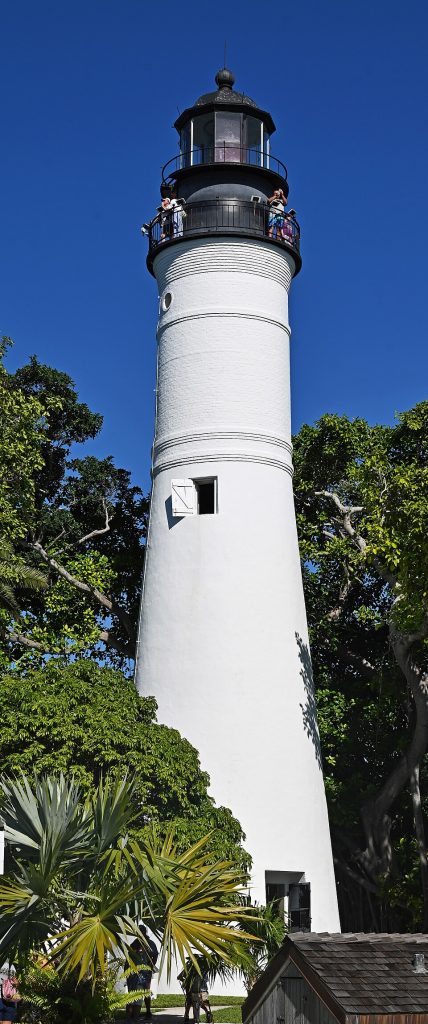
The Key West Lighthouse offers an elevated look at the island’s mix of tropical foliage, historic homes, and surrounding waters. Exhibits inside the keeper’s quarters describe storms, shipwrecks, and the routines required to maintain the beacon through changing eras. The compact structure allows for a shorter climb compared to larger towers. Its central placement within the island’s historic district makes it easily accessible for visitors exploring nearby attractions. The lighthouse remains an important reminder of Key West’s maritime past.
Yaquina Head Lighthouse
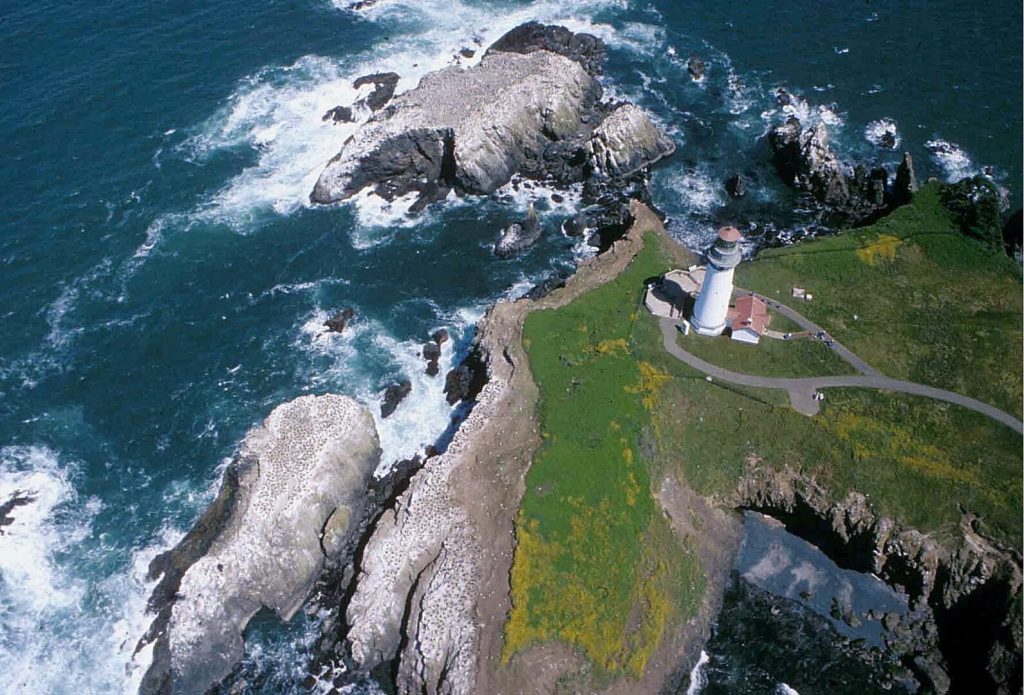
Yaquina Head Lighthouse in Oregon occupies a basalt headland where waves break against steep cliffs and seabirds circle overhead. A nearby interpretive center provides context on construction methods, regional wildlife, and the lighthouse’s historical role. Trails lead to tide pools and rocky overlooks that reveal shifting Pacific conditions. The tower’s bright profile against ocean backdrops creates a memorable scene for travelers following the Oregon coast. Its combination of geology, history, and scenery strengthens its reputation as a standout lighthouse destination.
Tybee Island Lighthouse
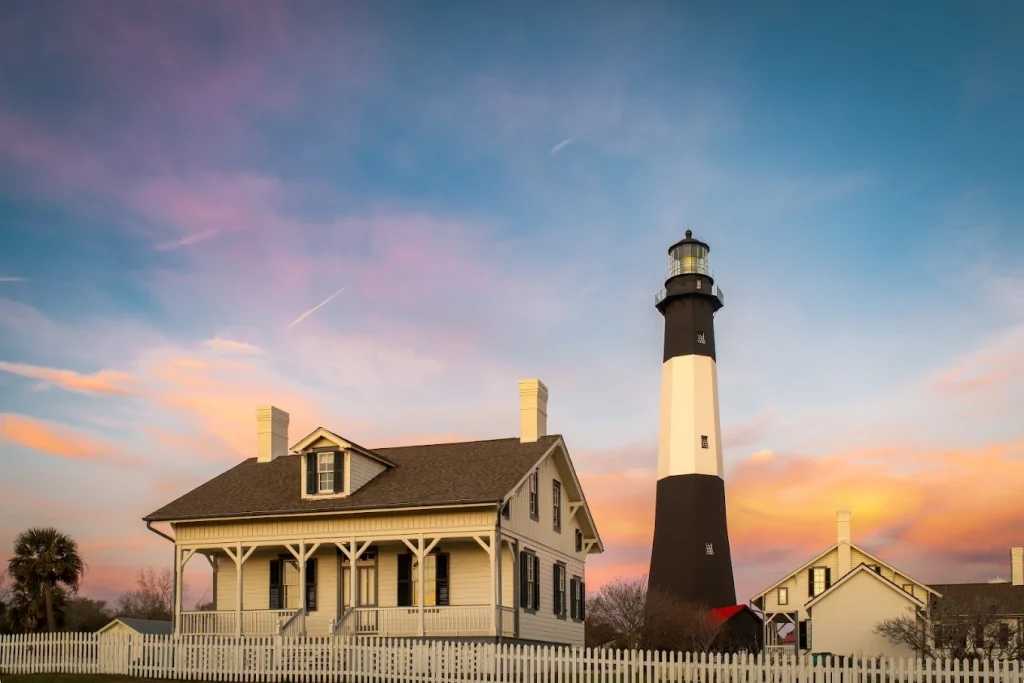
Tybee Island Lighthouse in Georgia features classic black and white markings and overlooks beaches and salt marshes shaped by coastal currents. The tower and its restored outbuildings offer insight into keeper duties and changing navigational needs along the southeastern seaboard. From the top, expansive views reveal lowcountry landscapes and nearby residential areas. The well-preserved grounds allow visitors to appreciate both maritime heritage and coastal ecology. Its accessibility and scenic surroundings contribute strongly to its lasting appeal.
Big Sable Point Lighthouse
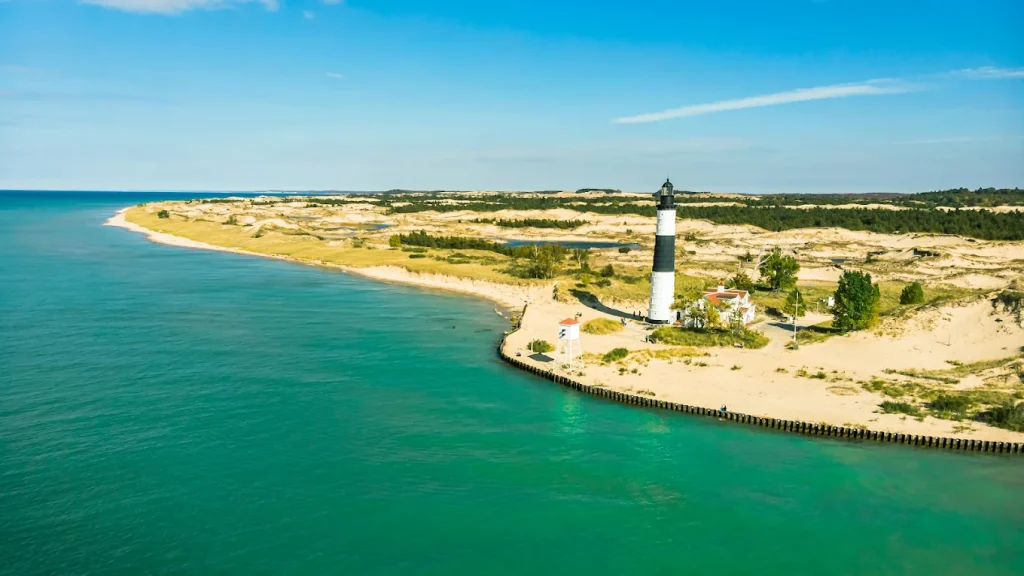
Big Sable Point Lighthouse in Michigan requires a scenic hike through sandy dunes and lakeshore paths before reaching its towering black and white structure. The lighthouse’s remote placement along Lake Michigan creates a sense of isolation that reflects challenges once faced by keepers who lived on-site. Exhibits inside describe supply deliveries, communication methods, and seasonal weather hardships. The broad lakeshore and quiet hiking approach enhance the destination’s appeal for visitors seeking natural beauty and historic context.
Sandy Hook Lighthouse
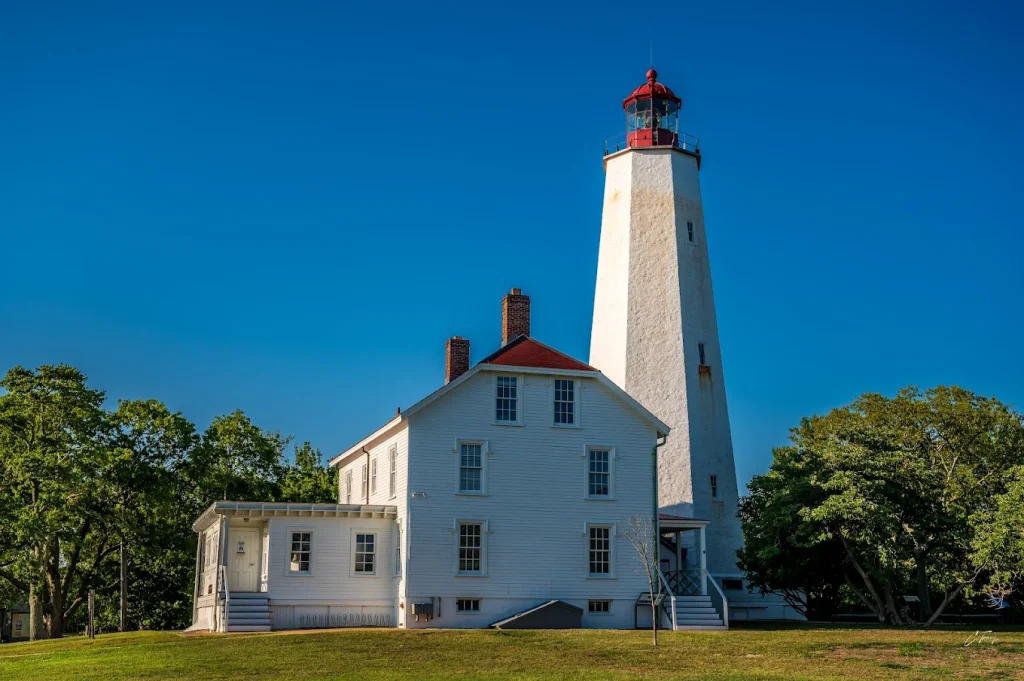
Sandy Hook Lighthouse in New Jersey stands as the oldest continuously operating lighthouse in the United States, positioned near former military installations that shaped early coastal defense strategies. Guided tours highlight its eighteenth-century construction, colonial maritime travel, and the evolution of navigational practices. The surrounding parkland includes beaches and walking paths with preserved structures offering additional context. Its long operational history and distinctive setting make it an essential stop for those interested in American coastal heritage.
Diamond Head Lighthouse
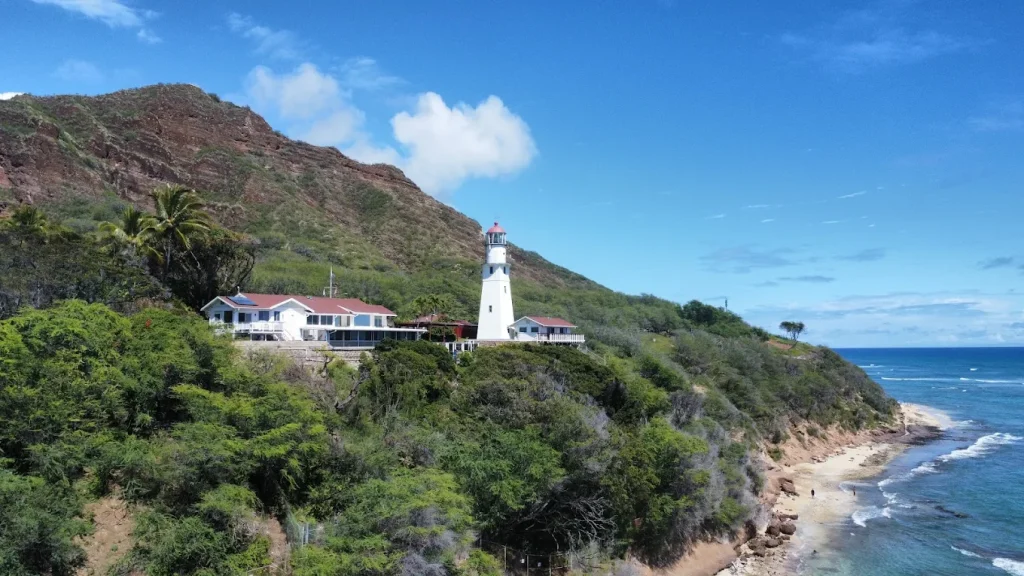
Diamond Head Lighthouse in Hawaii occupies a dramatic position along volcanic cliffs overlooking bright blue waters and rugged shoreline. The tower remains active in coastal navigation, yet it also draws interest from travelers exploring nearby trails. Surrounding viewpoints capture the contrast between the lighthouse’s white exterior and the island’s steep geological formations. Its elevated perch demonstrates the strategic importance of high vantage points in maritime safety. The location’s tropical scenery enhances its visual and cultural appeal.
Bass Harbor Head Light
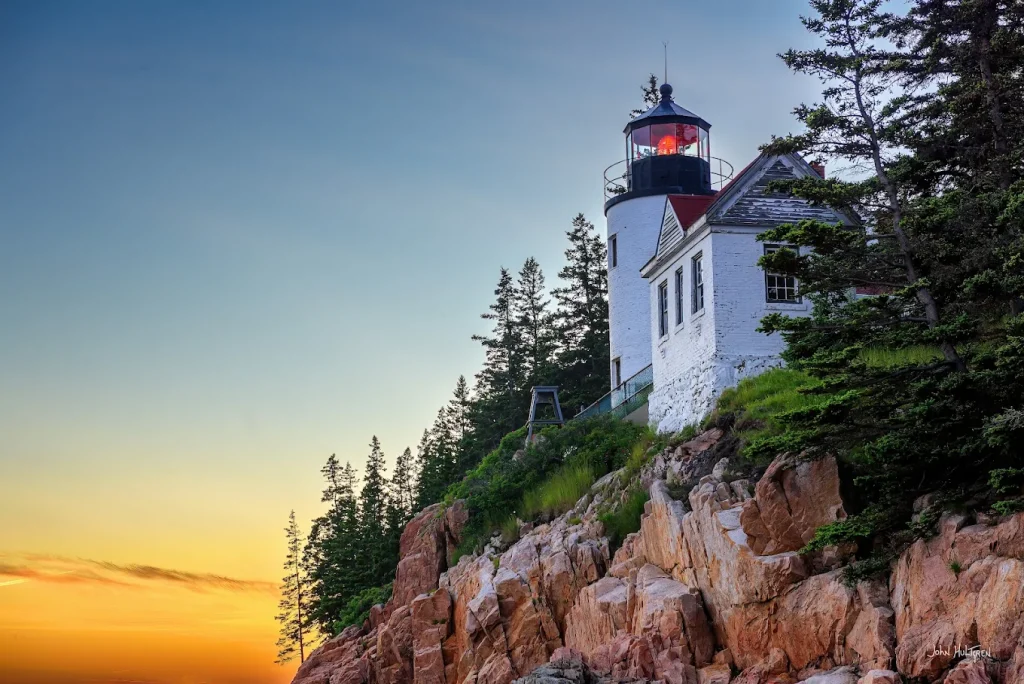
Bass Harbor Head Light in Maine stands at the edge of Acadia National Park, where evergreen forests meet rocky ledges and powerful tidal surges. A short walkway leads to viewpoints that frame the lighthouse against dramatic cliffs and open ocean. The site is especially popular at sunset when warm light enhances the contrast between granite formations and crashing waves. Its placement within a protected natural area provides both scenic beauty and historical interest for coastal visitors.
Split Rock Lighthouse
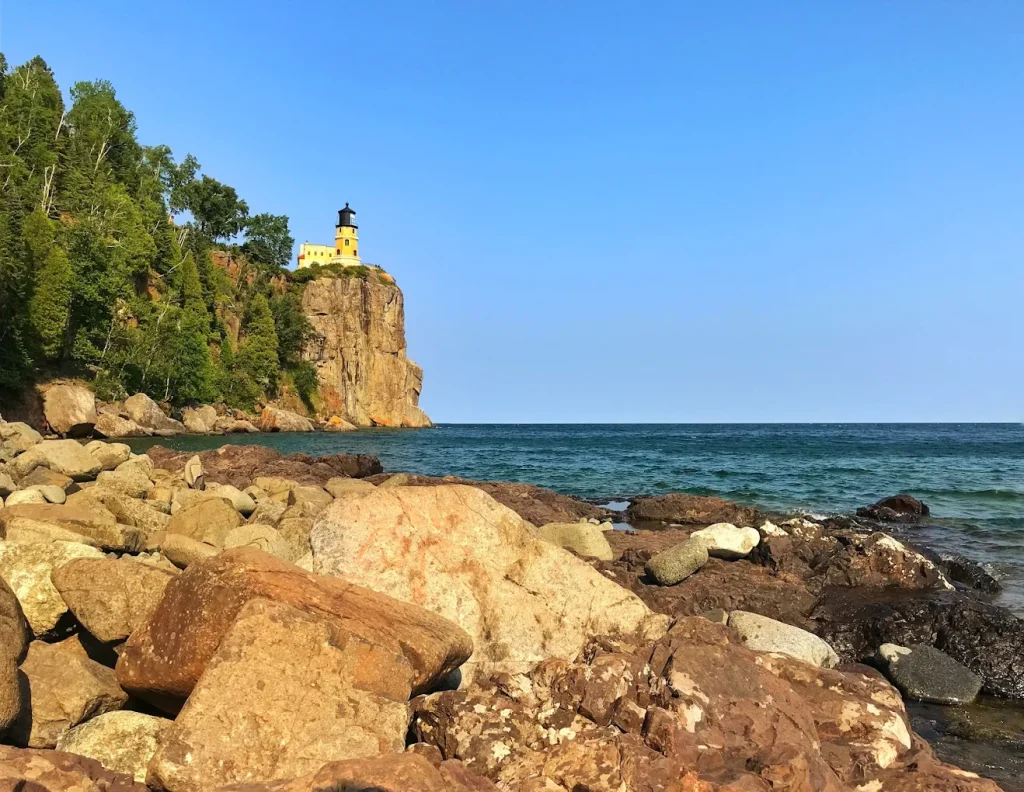
Split Rock Lighthouse in Minnesota rises above Lake Superior on a steep cliff that offers one of the most striking freshwater views in the country. Exhibits explain the shipwrecks that prompted its construction and highlight innovations in early twentieth-century lighthouse engineering. Surrounding trails connect forested overlooks and shoreline vantage points that display the lake’s powerful weather patterns. The lighthouse’s commanding position and preserved buildings create a memorable experience along Minnesota’s North Shore.
Point Reyes Lighthouse
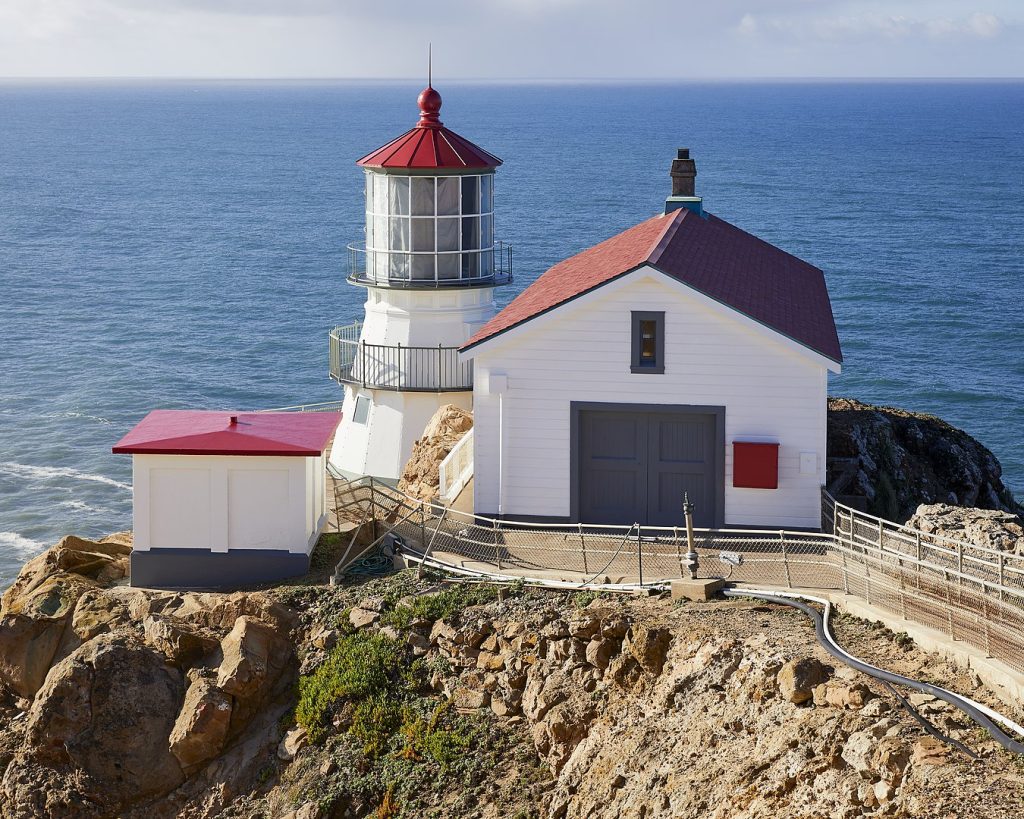
Point Reyes Lighthouse in California sits on a steep descent toward the Pacific Ocean, where strong winds and heavy surf historically created hazardous conditions for vessels approaching the coast. The tower’s isolated placement illustrates the difficulty keepers once faced in maintaining the beacon. Trails nearby provide panoramic views of distant headlands and wildlife-rich waters. Its rugged setting and distinctive architecture make it a compelling stop within Point Reyes National Seashore.