13 U.S. Trips That Only Work If You’re Fine With Short Days and Long Nights
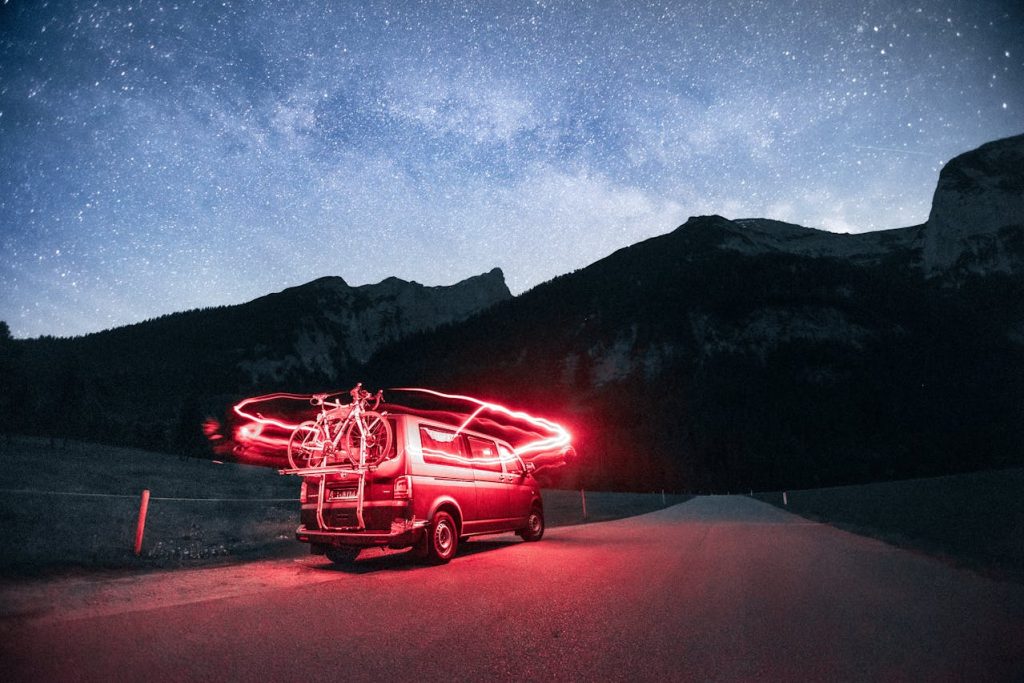
Short winter days can shape a trip in a good way, especially when early sunsets invite slower mornings and earlier dinners. In the United States, late fall and winter bring long nights across the country, with the shortest daylight in northern latitudes and quieter off-season rhythms in many destinations. Trips that work best in this season often pair daytime outings with strong evening options, like museums, hot springs, live music, or cozy dining. These thirteen ideas favor places where darkness adds atmosphere, not frustration, and where planning stays simple even when daylight feels brief.
Fairbanks, Alaska
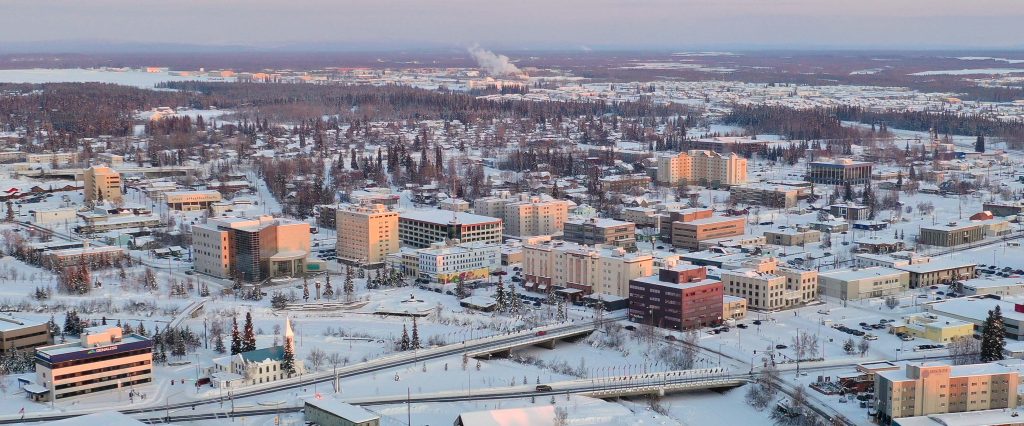
Fairbanks works for short days because winter is part of the point. Daylight can be limited, yet long nights create ideal conditions for aurora viewing when skies are clear and solar activity cooperates. Daytime plans often stay simple, focusing on museums, local food, and nearby outdoor experiences that can fit into a narrow light window. Cold can be severe, so indoor breaks matter, and many visitors build in warm-up time. Evenings feel purposeful rather than empty, since darkness drives the main spectacle. Fairbanks suits travelers who accept winter constraints and enjoy the steady, practical rhythm of a northern interior city.
Anchorage, Alaska
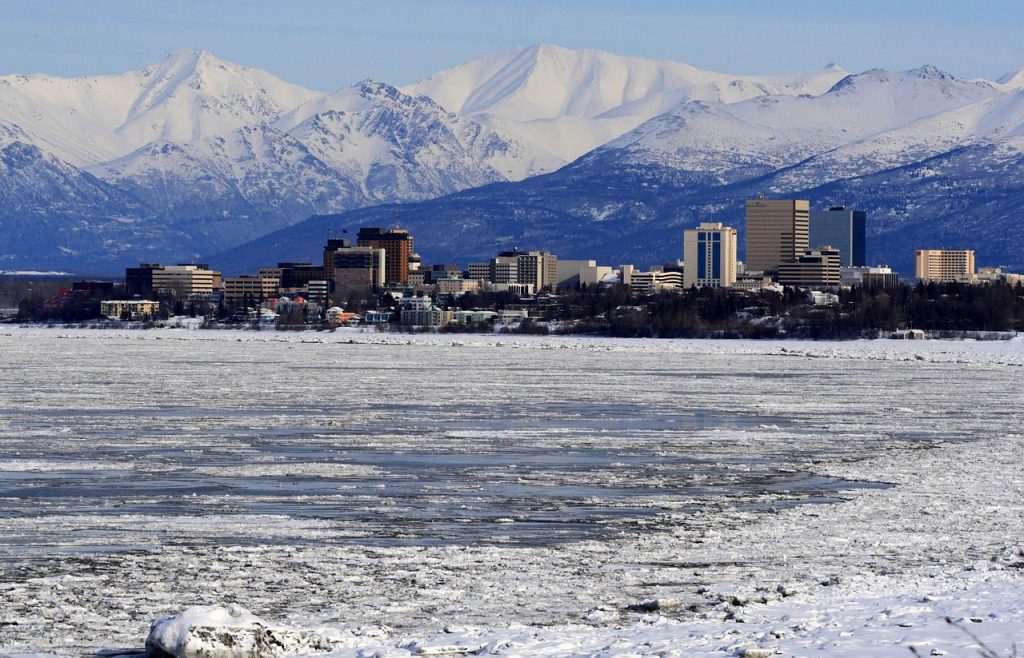
Anchorage suits long nights because it offers urban comfort alongside quick access to winter landscapes. Short daylight hours can still hold an easy loop of coastal viewpoints, museum visits, and a drive toward Chugach State Park when conditions allow. Evenings work well for relaxed meals, local breweries, and cultural venues that keep the trip from feeling confined to a hotel room. Snow and ice can affect roads and sidewalks, so flexible pacing helps. The city feels functional rather than touristy, which makes routine activities satisfying. Anchorage works when darkness feels like a backdrop to calm winter living, not a barrier to enjoyment.
Bar Harbor, Maine
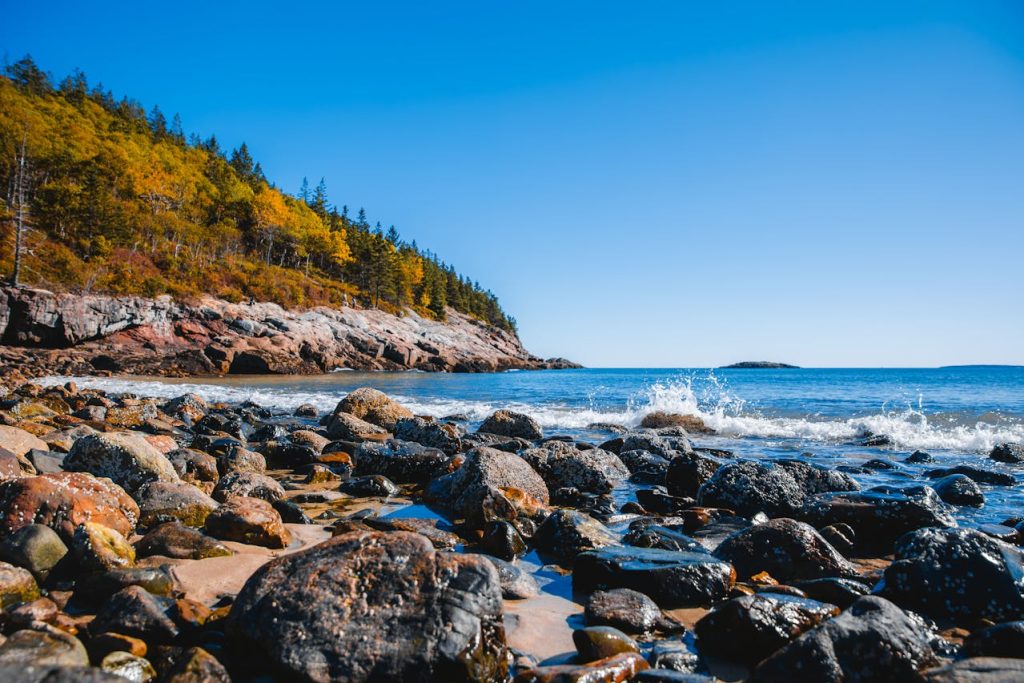
Bar Harbor can feel striking in winter, when Acadia National Park turns quiet and early sunsets shift the focus toward simple walks and coastal views. Many seasonal businesses close or reduce hours, so the trip only works for travelers who enjoy a pared-back town and do not need a packed dining calendar. Daytime can include scenic drives on open routes, short hikes when trails are safe, and ocean overlooks that feel dramatic in cold air. Nights arrive early, which encourages reading, board games, and long meals where available. Bar Harbor feels rewarding when solitude and limited options are part of the plan.
Burlington, Vermont
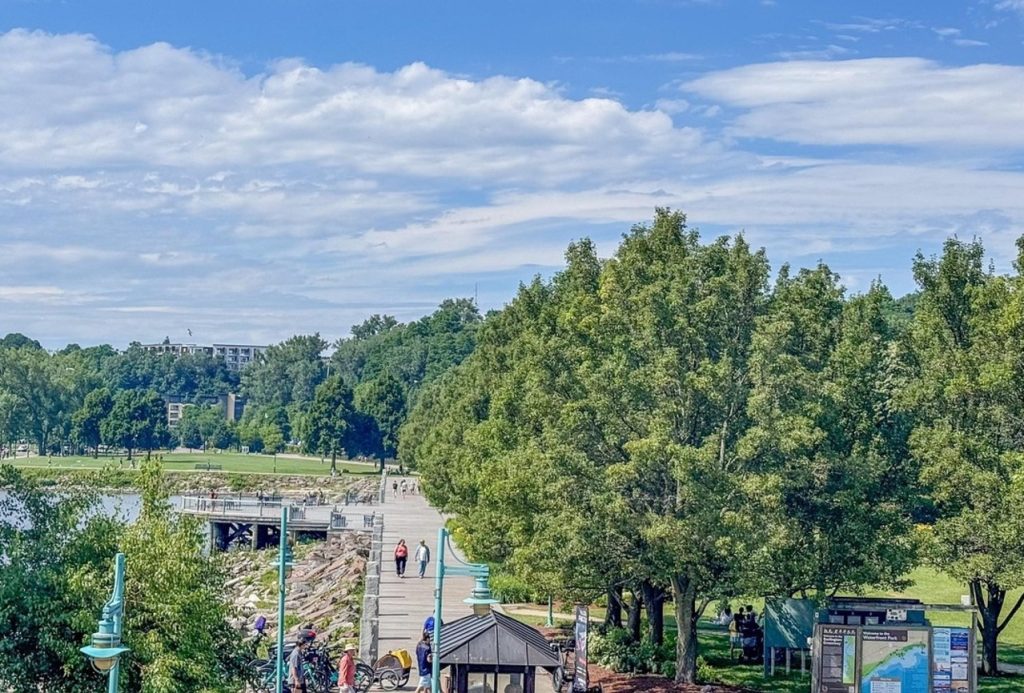
Burlington works in short-day season because the city supports an easy mix of lake views, local food, and indoor culture. Cold weather and early darkness make daytime feel precious, so many itineraries focus on a few outdoor moments, like a waterfront walk along Lake Champlain, then shift indoors for coffee, breweries, and music venues. Nearby ski areas and winter trails can fit into a compact schedule, especially with early starts. Evenings naturally slow down, which matches the town’s relaxed character. Burlington suits travelers who enjoy a smaller city vibe and appreciate that winter turns social life inward.
Marquette, Michigan
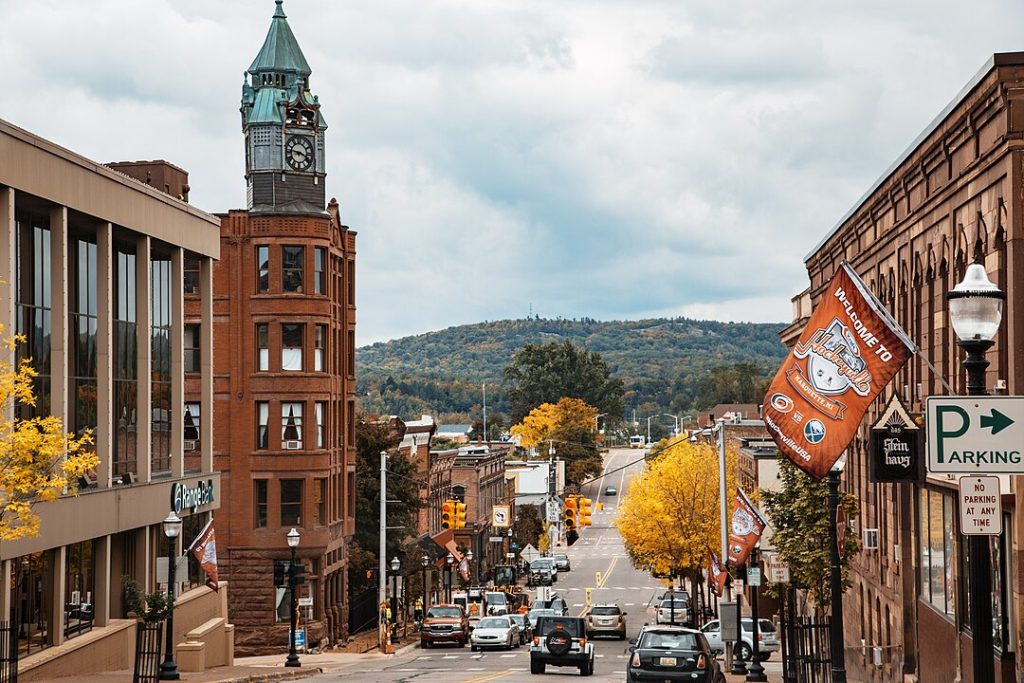
Marquette on Lake Superior feels built for long winter nights, with a rugged shoreline, heavy snow potential, and a community that embraces the season. Daylight hours can go toward lakeside walks, local trails when conditions allow, and scenic overlooks that show off ice and waves. Cold wind off the lake can shorten outdoor time, so warm indoor stops matter, including cafes, breweries, and small cultural spaces. The town’s scale keeps logistics easy, and driving distances stay modest. Marquette works for travelers who accept winter reality, enjoy quiet streets, and find comfort in a steady routine rather than nonstop attractions.
Duluth, Minnesota
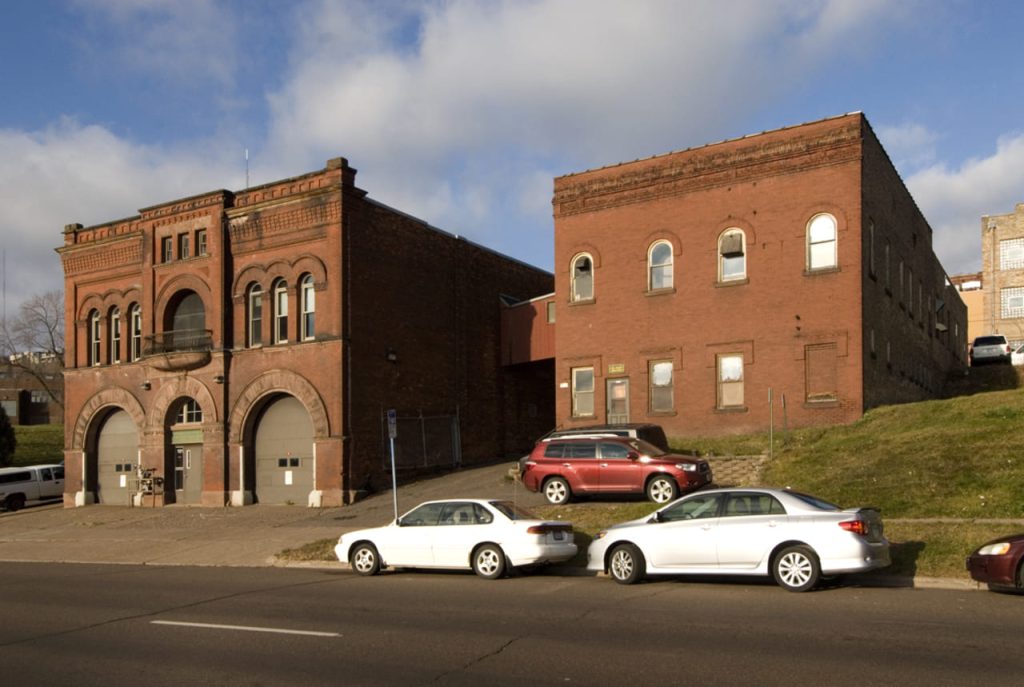
Duluth thrives in winter because the Lake Superior shoreline stays dramatic even when days are short. A compact daylight window can still cover Canal Park, waterfront views, and quick drives to scenic points along the North Shore when roads cooperate. The city also offers indoor anchors, from museums to restaurants that keep evenings busy without feeling hectic. Cold and wind can be intense, so layered clothing and flexible plans help, but the reward is a moody landscape that feels powerful at dusk. Nights arrive early, which suits slow dinners and warm places to linger. Duluth works when winter atmosphere is the main draw.
Leavenworth, Washington
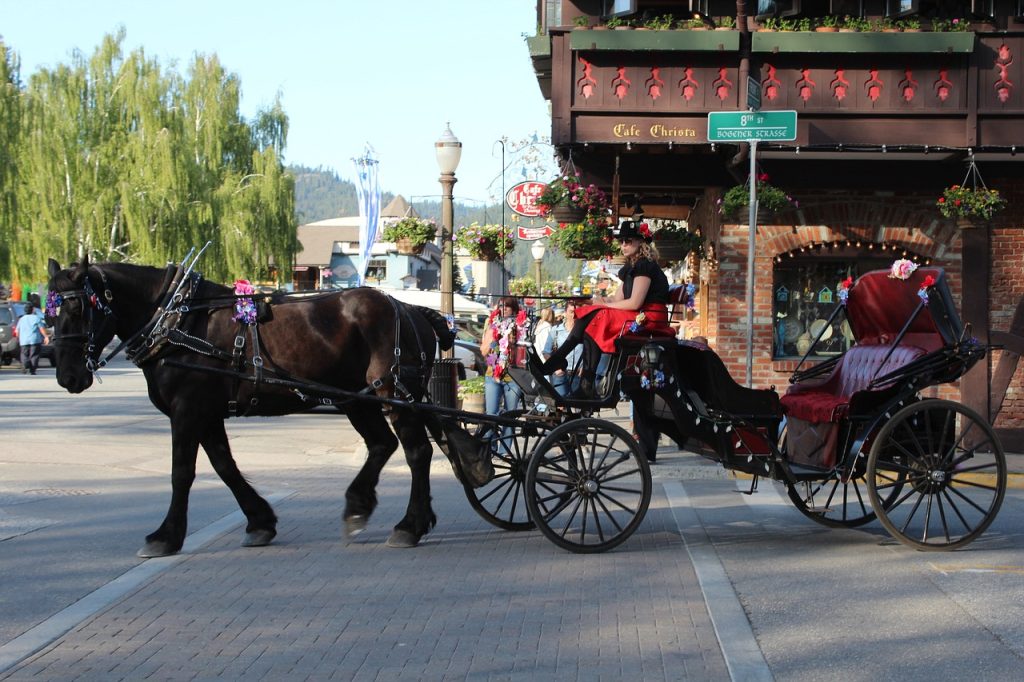
Leavenworth works for short days because the town leans into winter evenings with lights, warm meals, and a walkable center. Daytime can include snowshoeing or nearby mountain scenery when conditions are safe, but the trip does not depend on long outdoor hours. Early darkness actually enhances the village feel, since the main streets stay lively after sunset. Crowds can appear during holiday stretches, so timing matters for a calmer visit. Even with limited daylight, the town offers a clear rhythm, moving from a short daytime outing to a relaxed evening. Leavenworth suits travelers who enjoy winter ambiance and do not need nonstop sightseeing.
Bozeman, Montana
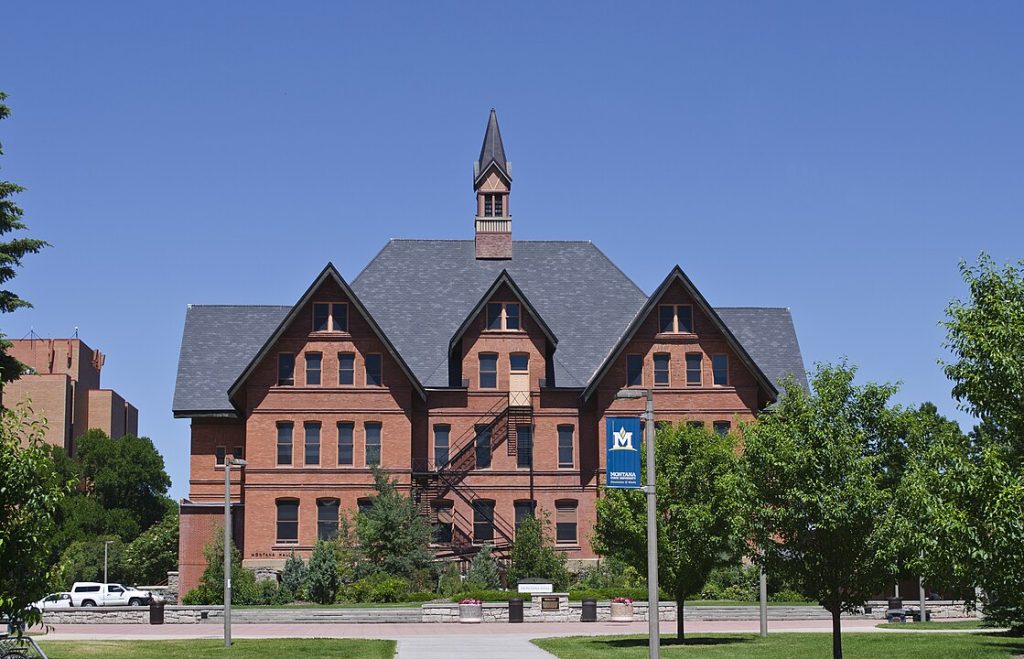
Bozeman fits the short-day traveler because it balances winter recreation with a comfortable town base. Daylight can go toward nearby trails, ski days at Bridger Bowl, or a short drive to scenic areas when roads allow. Nights feel easy, with local restaurants, breweries, and small venues that keep the mood social without requiring big-city energy. Cold snaps can happen, so indoor options matter, and the Museum of the Rockies offers a strong daytime alternative when weather turns harsh. Bozeman works when the goal is a steady rhythm of outdoor time in limited light and relaxed evenings that still feel full.
Jackson, Wyoming
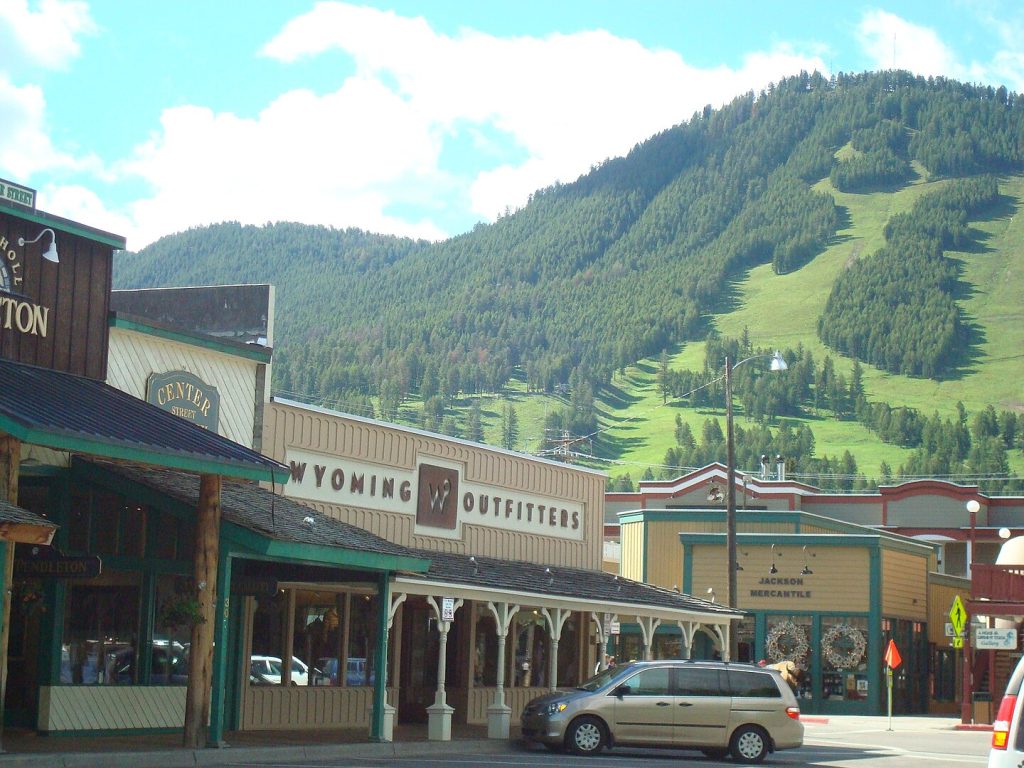
Jackson can work beautifully with short days because winter sports and dramatic scenery fit naturally into a compact schedule. Daylight often goes to skiing or snowshoeing, while evenings shift to unhurried dinners and warm lodging time. Wildlife viewing can still be possible in the region, but winter conditions require respecting closures and road limits, especially around Grand Teton and Yellowstone access. The town offers strong services for a small place, which supports comfort when temperatures drop. Jackson works for travelers who accept that daylight is for focused activities and nights are for rest, conversation, and recovery after cold hours outside.
Taos, New Mexico
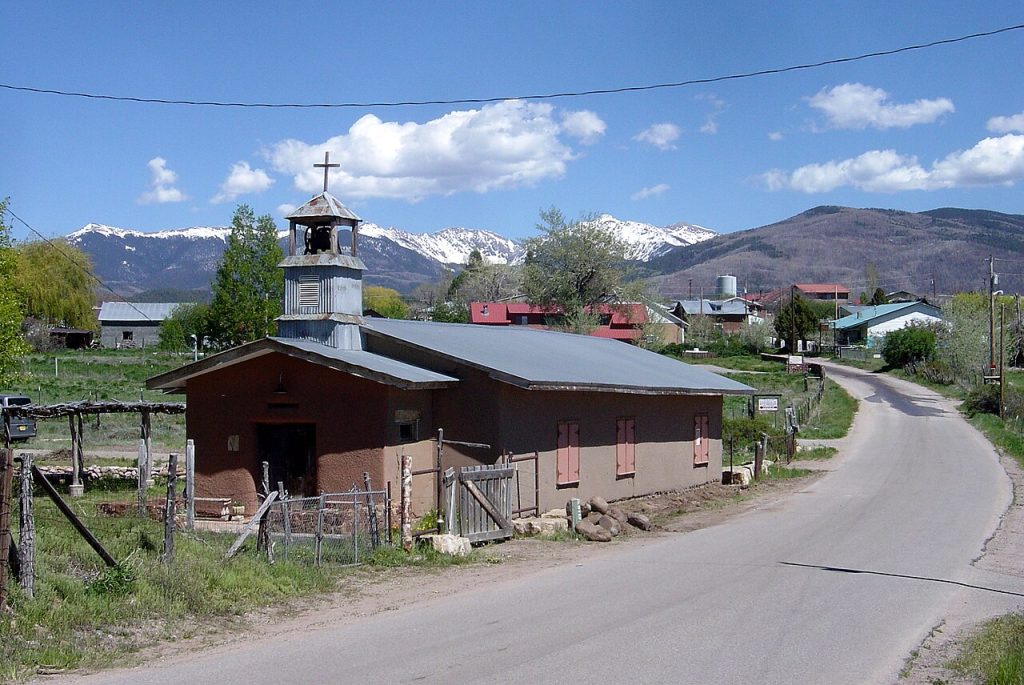
Taos works for long nights in a different way, since winter days can be crisp and bright while evenings arrive early at high elevation. Daytime plans can mix art galleries, historic sites, and outdoor time in the surrounding landscape, then shift indoors for warm meals and quiet lodging hours. Skiing at Taos Ski Valley can fit well into a short-day schedule, especially with early starts. Temperatures can drop quickly after sunset, so layering matters, but the atmosphere can feel calm and reflective. Taos suits travelers who enjoy cultural depth and do not mind that darkness encourages a slower pace and earlier nights.
Santa Fe, New Mexico
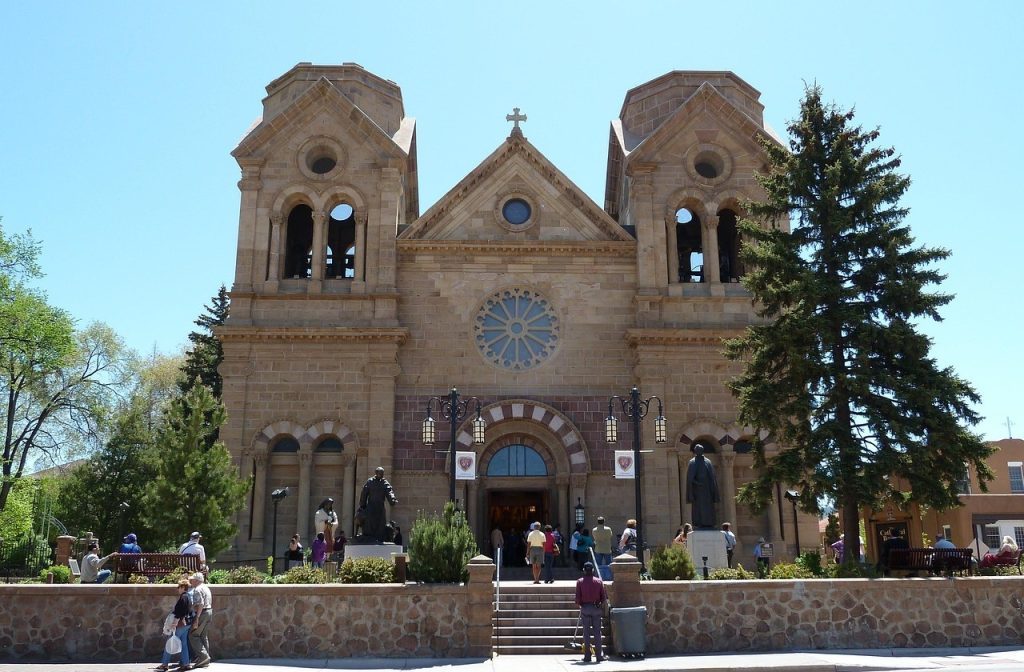
Santa Fe feels suited to short days because much of its appeal lives in galleries, museums, and dining that do not require long daylight hours. Winter air can be cold, yet sunshine often supports daytime walks around the Plaza and nearby historic streets. When darkness comes early, the city still offers concerts, performances, and restaurants that turn evenings into the main event. Nearby trails and scenic drives can work in a tighter window, especially with an early start. The city’s compact center makes logistics easy, and nights feel restful rather than limiting. Santa Fe works when the goal is a calm blend of culture, food, and manageable outdoor time.
Stowe, Vermont
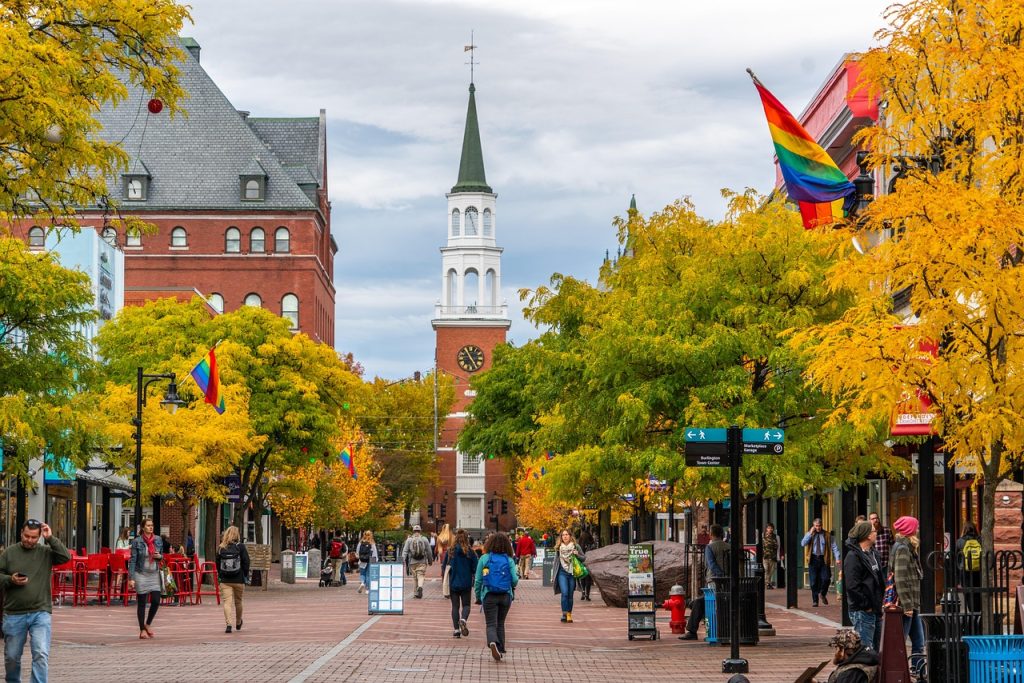
Stowe works for short-day travel because winter is its natural season, and the town’s routine adapts well to early sunsets. Daylight hours can focus on skiing, snowshoeing, or scenic drives through the Green Mountains when roads cooperate. After dark, the trip shifts to relaxed dinners, warm drinks, and quiet lodging time that feels earned after cold outdoor effort. The area’s small scale keeps transportation simple, and many visitors enjoy returning to the same spots rather than chasing variety. Stowe suits travelers who like early mornings, focused daytime activity, and long evenings that feel restorative rather than boring.
Yellowstone Gateway Towns, Montana And Wyoming
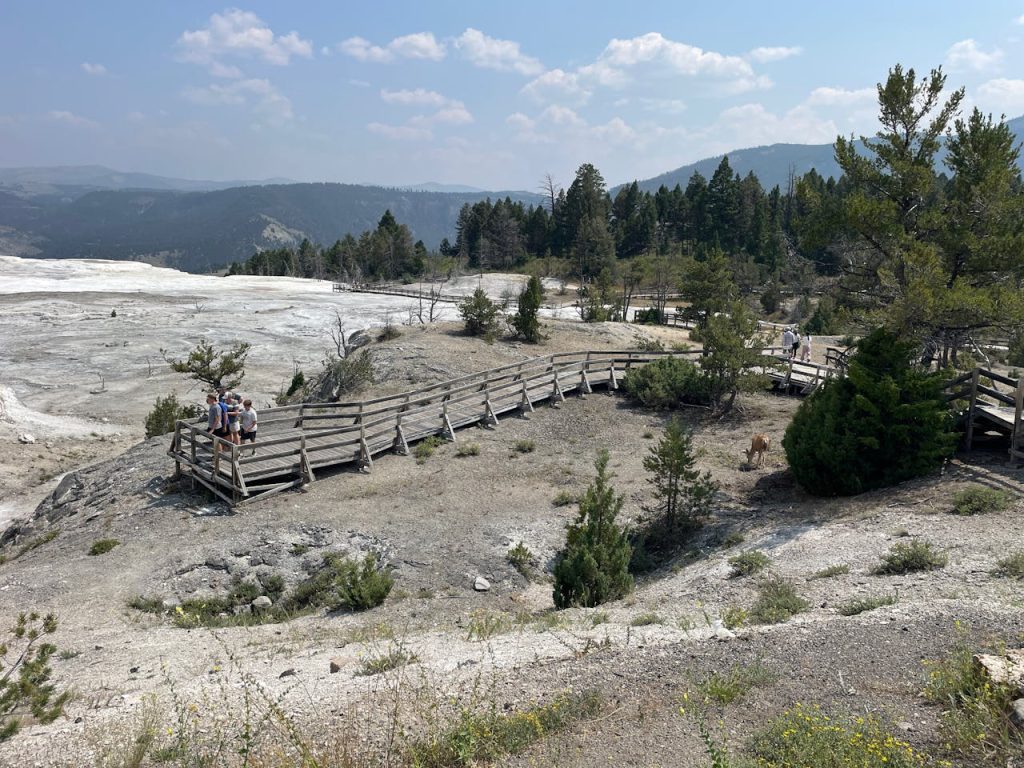
Yellowstone gateway towns like Gardiner, Montana and West Yellowstone, Montana can work in winter for travelers who accept limited daylight and limited park access. Many Yellowstone roads close to regular vehicles in winter, and cold temperatures can be intense, so plans often center on approved winter activities, local museums, and quiet evenings. Daytime becomes a short, focused window for scenery and wildlife viewing where possible, while nights invite early dinners and downtime. This trip only works with flexibility, careful attention to conditions, and realistic expectations about closures. The reward is a quieter ecosystem and a sense of scale that feels even larger when darkness falls early.