14 American Snacks Banned in Europe That Travelers Still Pack
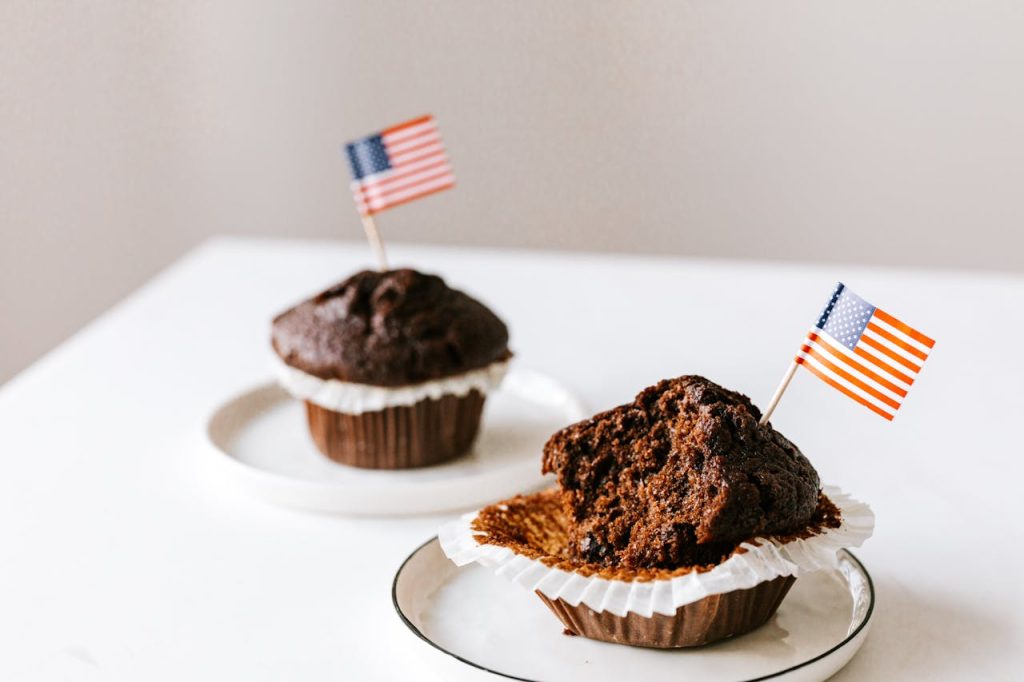
The world of travel often reveals surprising differences in food regulations, and a closer look at certain American snacks banned in Europe shows how ingredients, additives, and production standards shape what reaches store shelves. Many travelers still pack familiar treats for comfort during long trips, especially when those favorites carry childhood connections or regional pride. The contrast between American and European rules highlights how each region approaches food safety, artificial colors, preservatives, and nutritional expectations. While these bans do not diminish the cultural fondness many Americans feel for their favorite snacks, they offer interesting insight into global food policy and shifting consumer tastes. A trip that includes familiar snacks tucked into a suitcase often sparks conversations about flavor, nostalgia, and the science behind everyday indulgences.
Colorful Candied Cereals

Several brightly colored breakfast cereals remain unavailable in parts of Europe because certain artificial dyes do not meet regional regulatory standards, which creates a clear divide between how each market approaches ingredients and visual appeal. Many travelers pack small cereal containers to bring along because these snacks often serve as easy on-the-go treats during long sightseeing days. The nostalgic flavors play a strong role in their popularity, especially among travelers who grew up with these cereals as part of weekend routines. European stores may carry similar varieties with natural colorings, but the distinct versions found in American supermarkets still hold special meaning. This difference reflects how food traditions evolve across continents while maintaining loyal fans who prefer original tastes and textures.
Cheese-Flavored Corn Snacks

Cheese-flavored corn puffs and curls often face restrictions in European markets because specific additives used to enhance color or texture fall outside permitted ingredient lists. Travelers frequently pack these snacks because their light crunch and recognizable flavor offer a comforting sense of home, particularly during long flights or train rides. The unique seasoning blends make them hard to replicate with European alternatives, which contributes to their continued popularity among fans who appreciate their familiar taste. These snacks also appear in many regional variations across the United States, adding to their cultural connection. Their absence from European shelves highlights how food safety guidelines influence which snacks become global and which remain mostly domestic favorites.
Frosted Toaster Pastries
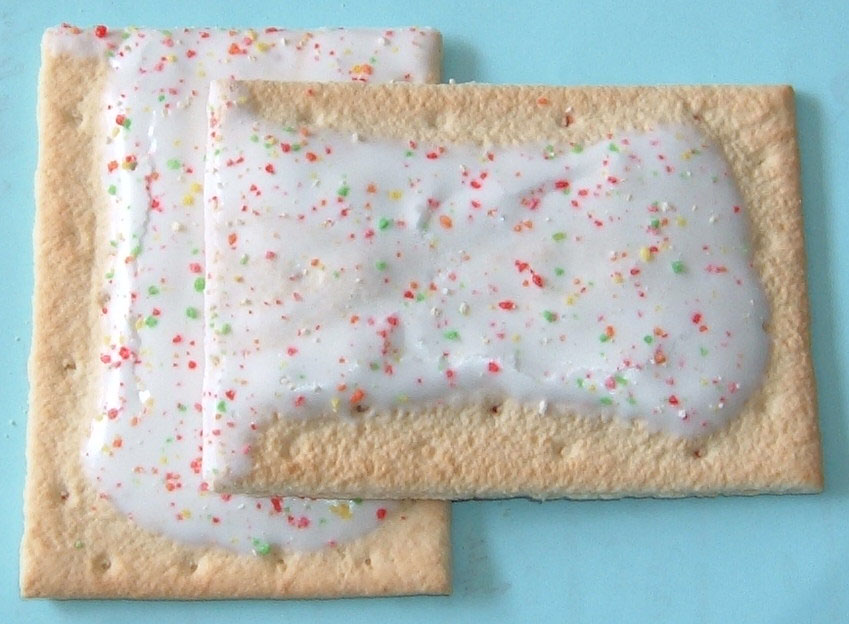
Frosted toaster pastries remain restricted in several European countries due to ingredients such as artificial colors and preservatives that do not align with local regulations. Many travelers still tuck a few into their bags because these pastries offer a quick, nostalgic treat that requires no preparation. The convenience factor plays a major role, as the small foil-wrapped packages make them easy to carry through airports or on day trips. European bakeries provide fresh alternatives, yet nothing fully matches the signature flavor and texture of the American versions. This contrast demonstrates how snack culture varies widely between regions, shaped by both culinary traditions and ingredient standards that influence every product on store shelves.
Certain Packaged Cookies

Some packaged cookies popular in American supermarkets face limits in Europe because of additives that EU regulations do not permit, which results in noticeable differences between available formulas. Travelers often bring their preferred brands along because the flavors associated with childhood or family gatherings carry sentimental value that overseas versions cannot always match. These cookies frequently appear in luggage as small comfort items meant to share with travel companions during long days on the road. European bakeries offer an impressive variety of fresh cookies, yet the mass-produced American versions hold a distinct place in snack culture. Their continued presence in travel bags highlights how nostalgia influences food choices even when regulatory landscapes differ.
Artificially Colored Fruit Snacks
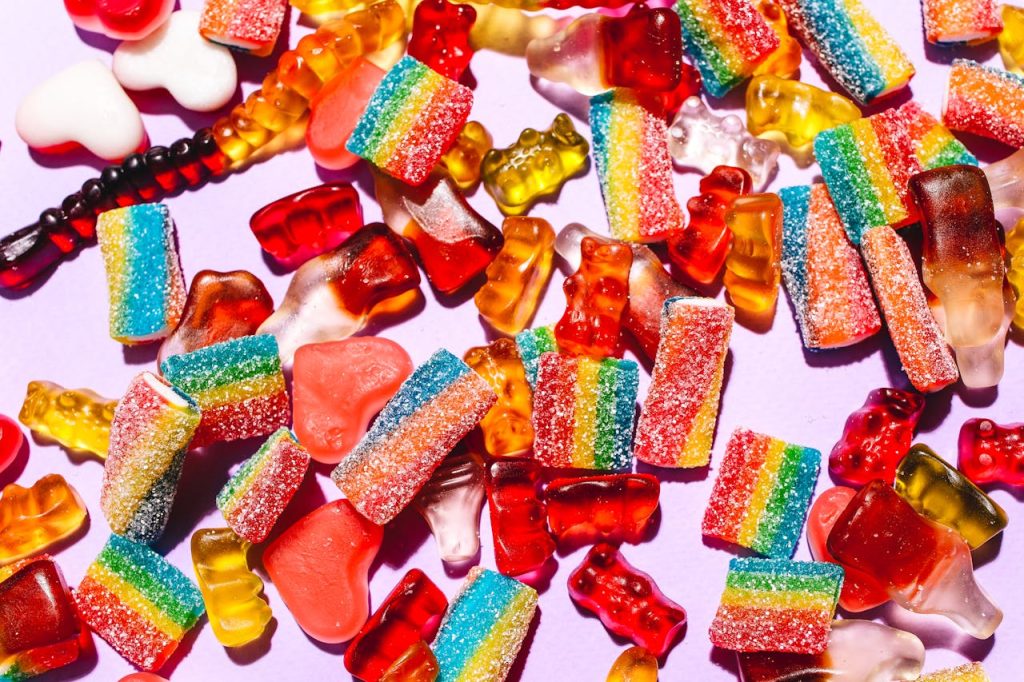
Fruit snacks shaped like animals, gems, or classic cartoon characters often contain artificial dyes that remain restricted in many European countries, which limits their availability abroad. Travelers regularly pack a few pouches because these snacks provide familiar sweetness and portion control during busy days. The bright colors and chewy textures appeal to both kids and adults seeking quick energy between activities. European markets may offer similar treats made with natural colorants, yet the signature look and flavor of American fruit snacks create strong brand loyalty. Their absence overseas illustrates how cultural preference and regulatory requirements intersect in surprising ways.
Spicy Corn Chips
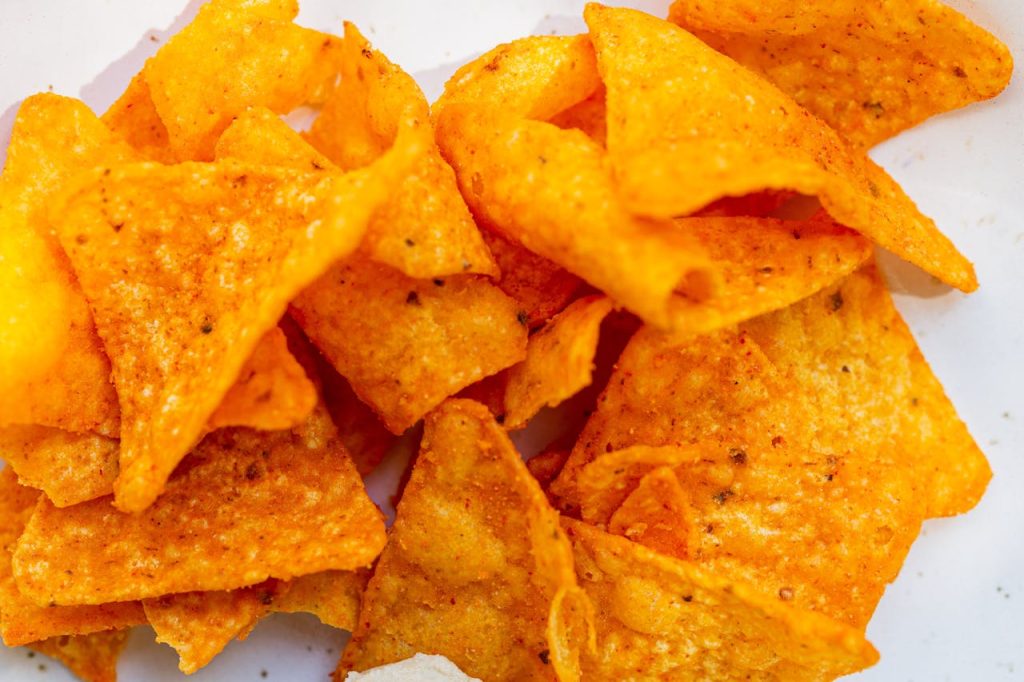
Certain spicy corn chips popular in American convenience stores encounter bans in parts of Europe due to preservatives and additives not approved under regional guidelines. Travelers who crave bold flavors often bring these chips along to satisfy cravings during international trips. The intense seasoning and crunchy texture make them stand out among a wide range of snack options, contributing to their cult-like following. European alternatives rarely replicate the exact flavor profile, which strengthens the appeal of packing a familiar bag before departure. This ongoing demand reflects how distinctive spice blends become part of personal travel rituals that link taste to memorable experiences.
Cinnamon-Flavored Candies
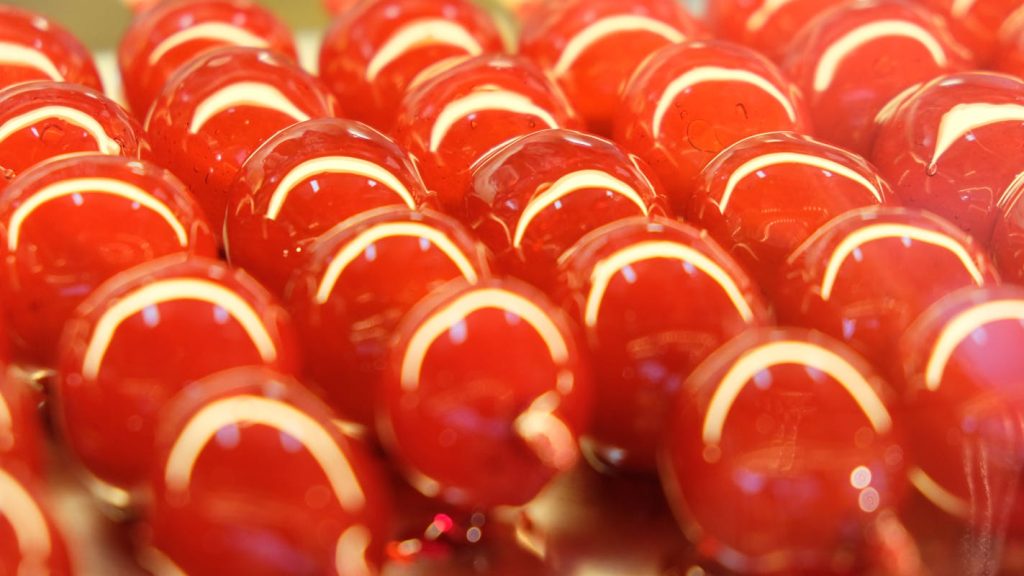
Cinnamon-flavored candies known for their strong heat often face restrictions in Europe because certain colorings and stabilizers do not align with regulatory standards. Travelers who grew up with these spicy treats enjoy carrying a small box for nostalgic snacking during long journeys. The bold cinnamon profile sets them apart from the milder candy varieties commonly found overseas, reinforcing their status as a uniquely American favorite. European confectioners create a wide range of candy styles, yet the intense kick of these American versions remains difficult to duplicate. Their limited availability abroad highlights how cultural and regulatory differences shape the candy aisle from country to country.
Certain Peanut Butter Crackers
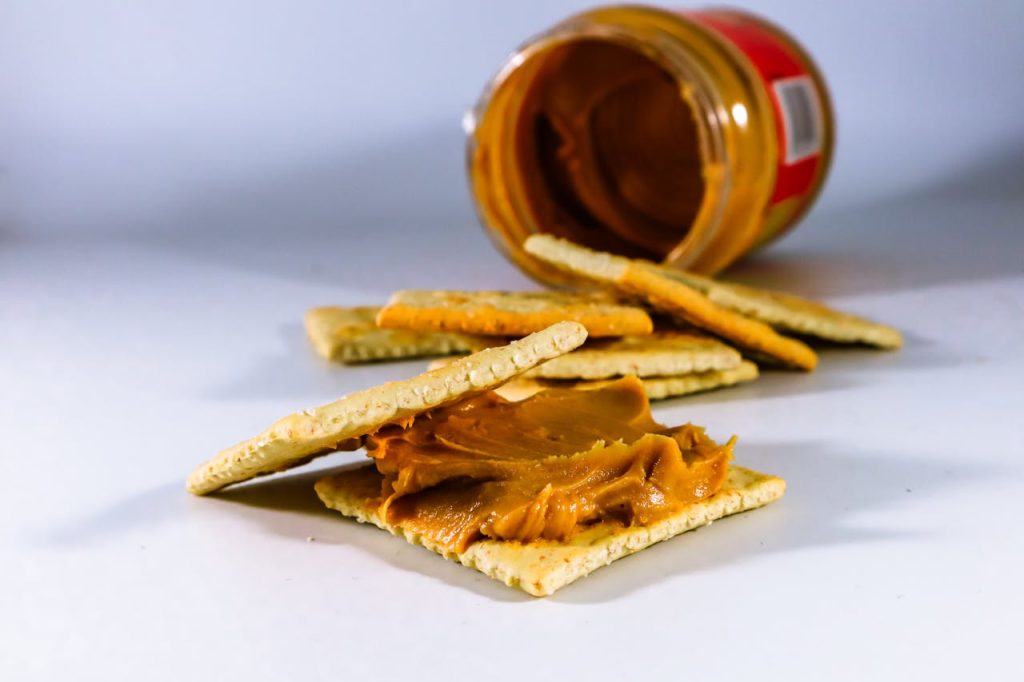
Some varieties of packaged peanut butter crackers face limitations in Europe due to additives present in the filling or cracker base, which fall outside regional ingredient rules. Travelers often pack them because they offer both flavor and convenience, especially during excursions where quick snacks prove useful. The combination of salty crackers and creamy peanut butter has become a staple in American snacking culture, making the absence of identical versions abroad noticeable to frequent travelers. European stores sell their own cracker varieties, yet the specific balance found in American brands often remains unmatched. This contrast illustrates how everyday snack preferences develop through familiarity and cultural tradition.
Gelatin-Based Marshmallow Treats

Gelatin-based marshmallow snacks shaped into seasonal or whimsical designs sometimes contain dyes or additives restricted in Europe, limiting their availability in foreign markets. Travelers who enjoy their soft texture and playful shapes often bring along small packages as sentimental treats. These marshmallows evoke memories of school lunches, holiday celebrations, and shared moments that make them feel comforting during extended travel. European confectioners produce a variety of marshmallow products, but ingredient differences often result in distinct flavors or textures. The popularity of packing these treats highlights how emotional connections influence snacking habits across borders.
Certain Potato Chips With Artificial Colors
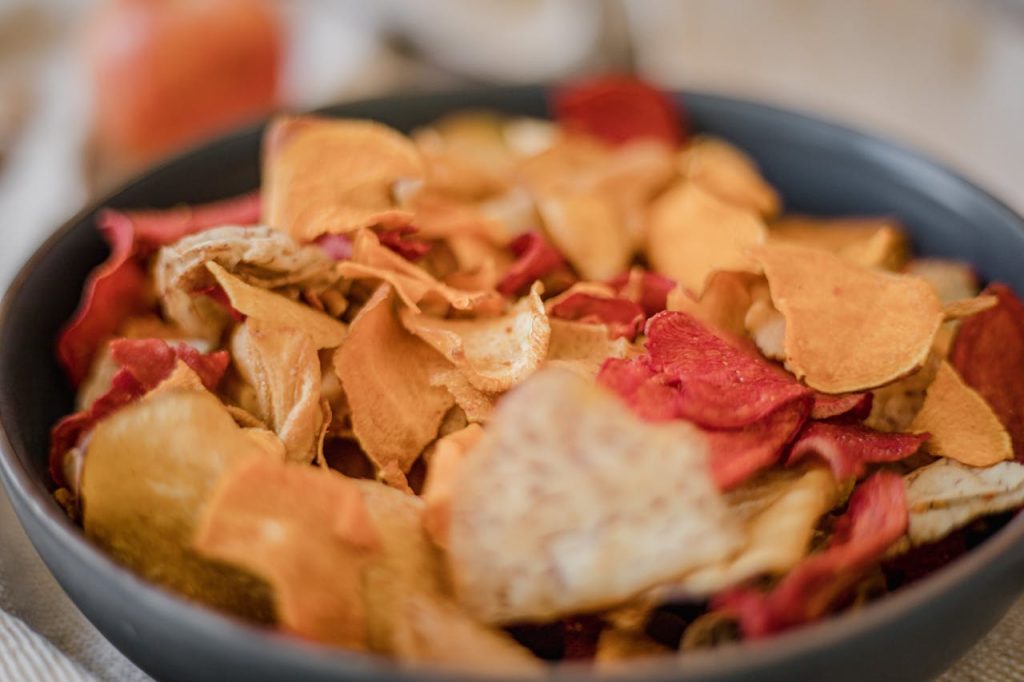
Potato chips flavored with seasoning blends that rely on artificial dyes often remain unavailable in Europe because regional regulatory bodies restrict such additives. Travelers who favor these bold flavors frequently tuck a bag into their carry-ons to enjoy during long travel days. The bright colors and distinctive seasonings contribute to their appeal, especially for snack fans who appreciate the classic American chip experience. European markets offer numerous chip varieties, yet they often emphasize natural coloring methods that produce different overall results. The contrast between American and European chip aisles provides insight into how food culture adapts to evolving standards.
High-Sugar Snack Cakes
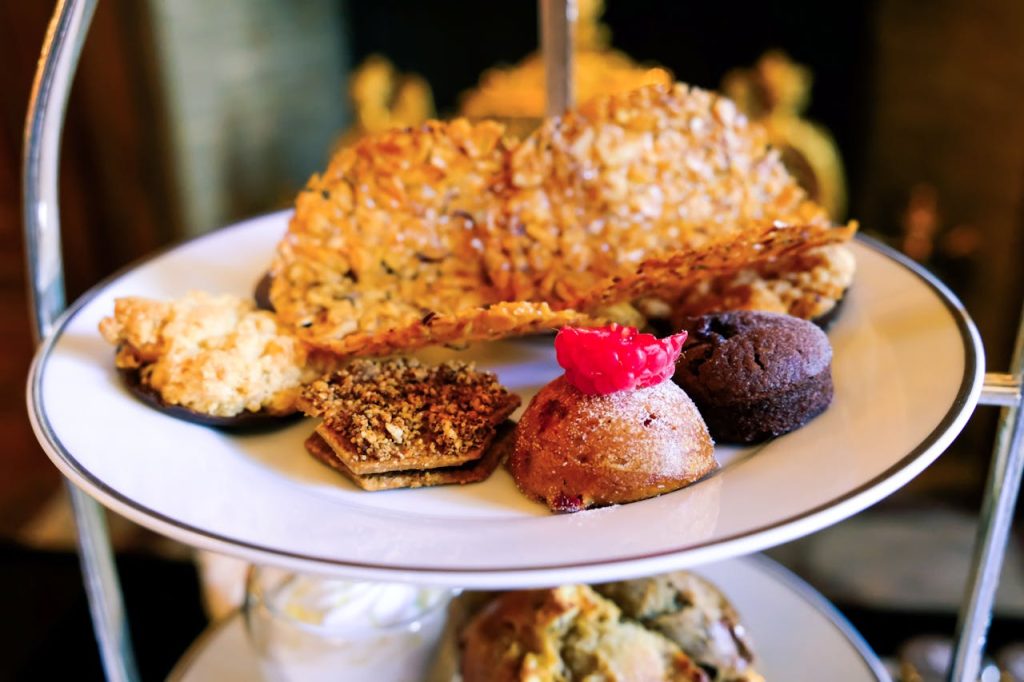
Popular American snack cakes featuring frosted layers, cream-filled centers, or colorful decorations often contain preservatives and artificial colors that do not meet European ingredient guidelines. Travelers commonly pack these treats because their familiar sweetness offers a sense of home during long stretches away. The individually wrapped portions make them easy to carry, while their nostalgic flavors connect strongly to regional traditions. European bakeries excel at producing pastries and cakes, but they rarely mirror the taste or convenience of mass-produced American versions. This difference highlights how culinary expectations shape snack choices while reinforcing the sentimental pull of childhood favorites.
Certain Prepackaged Pies

Shelf-stable prepackaged pies filled with fruit or custard often face European restrictions due to additives required for long-term preservation that fall outside regional approval. Travelers who enjoy these pies frequently pack a few for road trips or hotel stays because the compact size and distinctive flavor make them easy to enjoy on the go. European bakeries offer fresh pastries with high-quality ingredients, yet the nostalgic charm of American prepackaged pies holds strong appeal for fans accustomed to their unique texture. Their absence on European shelves demonstrates how processing methods and ingredient rules shape availability across international markets.
Brightly Colored Gelatin Cups

Gelatin dessert cups sold in American grocery stores sometimes contain artificial dyes or stabilizers not approved in certain European countries, which limits access to identical versions abroad. Travelers who appreciate the familiar wiggly texture often bring a few cups in luggage for a light treat during downtime. The bright colors and childhood associations contribute to the continued popularity of these snacks among adults and children alike. European gelatin desserts tend to use alternative colorants and formulas, which create noticeable differences in taste and appearance. This variation reflects how regulatory decisions influence even the simplest packaged treats.
Certain Candy-Coated Chocolates
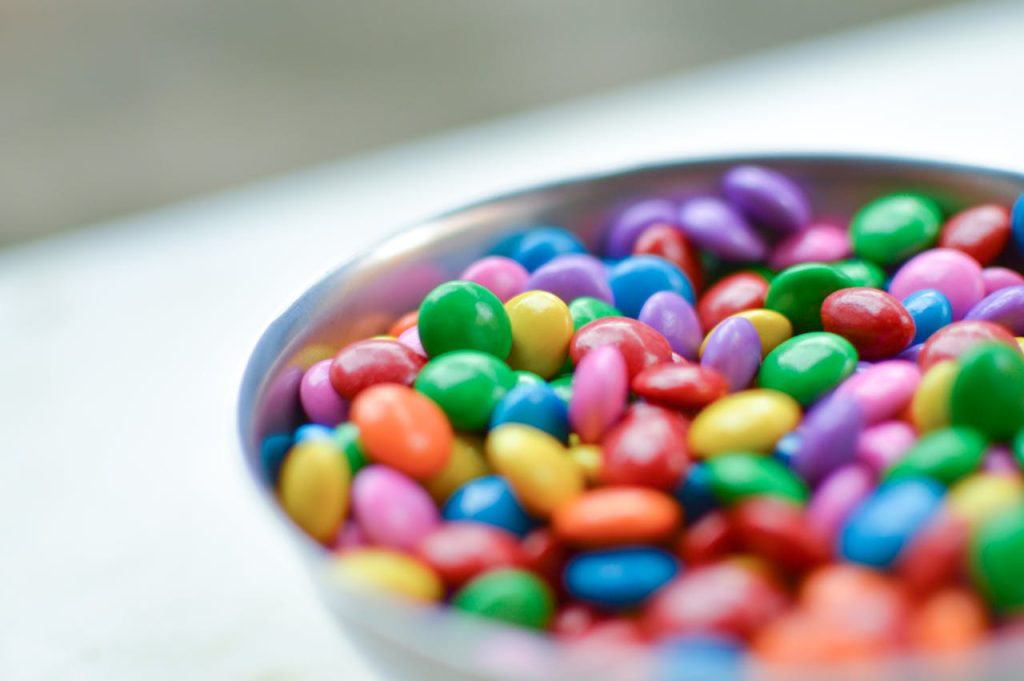
Some candy-coated chocolates face restrictions in Europe because of colorings or glazing agents not allowed under regional regulations. Travelers who prefer the American versions often pack small bags for quick snacking during long sightseeing days or travel delays. The bright shells and recognizable flavors make them one of the most frequently transported treats, especially among fans who associate them with holidays or movie nights. European confectioners offer similar chocolate candies, but differences in formulation lead to distinct colors and textures that set them apart. Their continued presence in travel bags shows how brand loyalty and taste preference influence what travelers choose to bring abroad.