14 Century Home Neighborhoods That Ban Modern Renovations
Century home neighborhoods carry more than architectural details. They hold small markers of the people who lived there, from porch rails worn smooth to windows that catch light in familiar ways. Their materials age with a kind of patience newer buildings rarely show, and many communities choose to protect that quality through rules that guide visible changes. Renovation controls can feel strict, yet they help owners shape improvements without disturbing a shared sense of place. These neighborhoods show how preservation works best when it supports the quiet continuity that gives old streets their depth.
Beacon Hill, Boston, MA
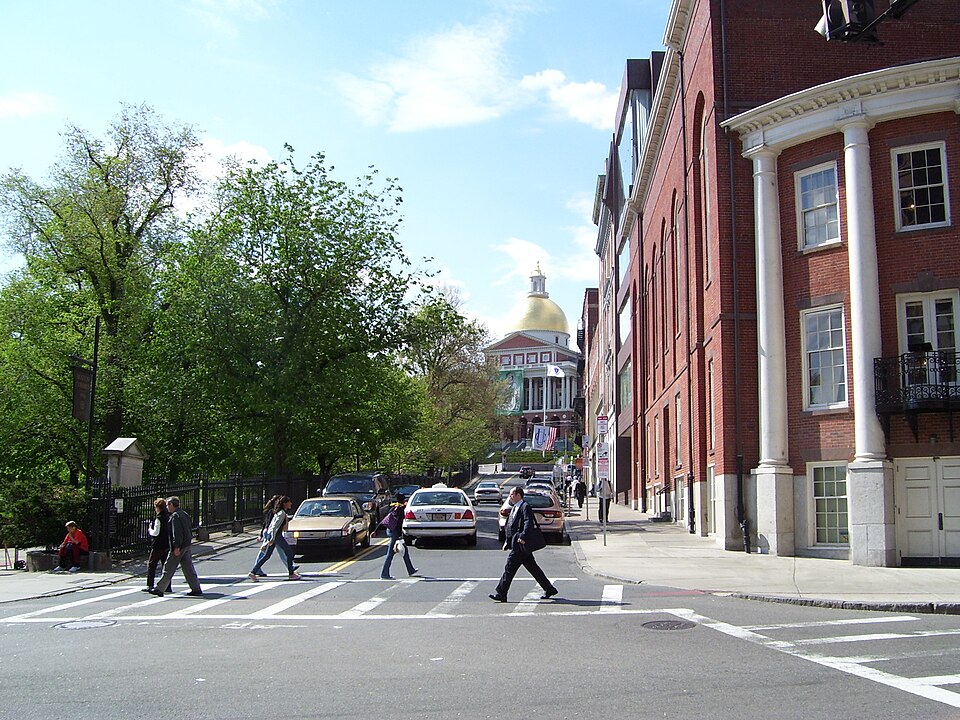
Beacon Hill’s brick sidewalks and narrow streets are guarded by a preservation commission that reviews almost every exterior change. Modern additions that alter rooflines or introduce oversized glazing rarely advance because they interrupt the neighborhood’s measured rhythm. Review boards favor repairs that honor craftsmanship, such as restoring sash windows or repointing masonry with the appropriate mix. Owners who seek contemporary amenities often place them out of sight, using hidden systems and subtle detailing that improve comfort without disrupting the character that defines the hill and keeps its charm intact.
Old Louisville, Louisville, KY
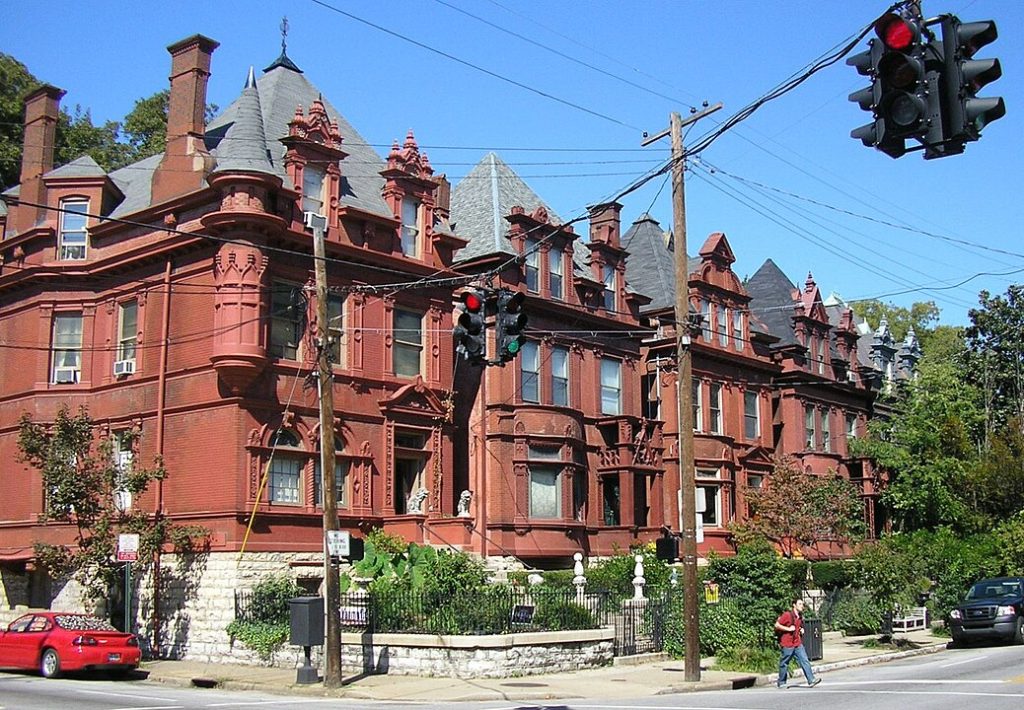
Old Louisville protects an impressive collection of Victorian homes, and its guidelines defend porches, carved brackets, stained glass, and tall proportions from abrupt contemporary edits. Renovation ideas that replace textured wood with smooth modern surfaces or strip ornament from facades often face long review cycles. The district prefers careful repair, revived trim, and additions placed behind the main building mass. This approach allows homes to evolve while keeping the sense of layered detail that has shaped its avenues for generations and continues to reveal the depth of its identity.
Georgetown, Washington, D.C.
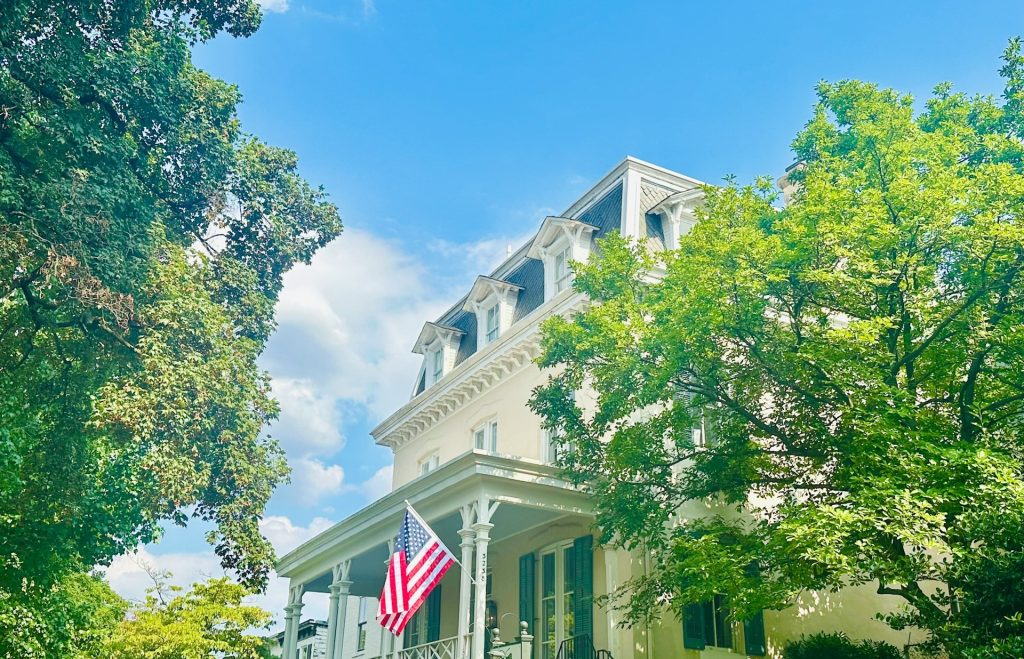
Georgetown’s conservation rules focus on roof height, brick coursing, and window rhythm, each of which shapes how a renovation appears from the street. Large contemporary facades or glass oriented expansions often face resistance because they disrupt the delicate continuity that makes the neighborhood recognizable. Designers who succeed study historic proportions, refine materials, and hide new systems behind established forms. This creates space for updated interiors, efficient energy improvements, and flexible layouts while keeping the visual story clear. In this way the district adapts without losing its sense of history.
Shadyside, Pittsburgh, PA
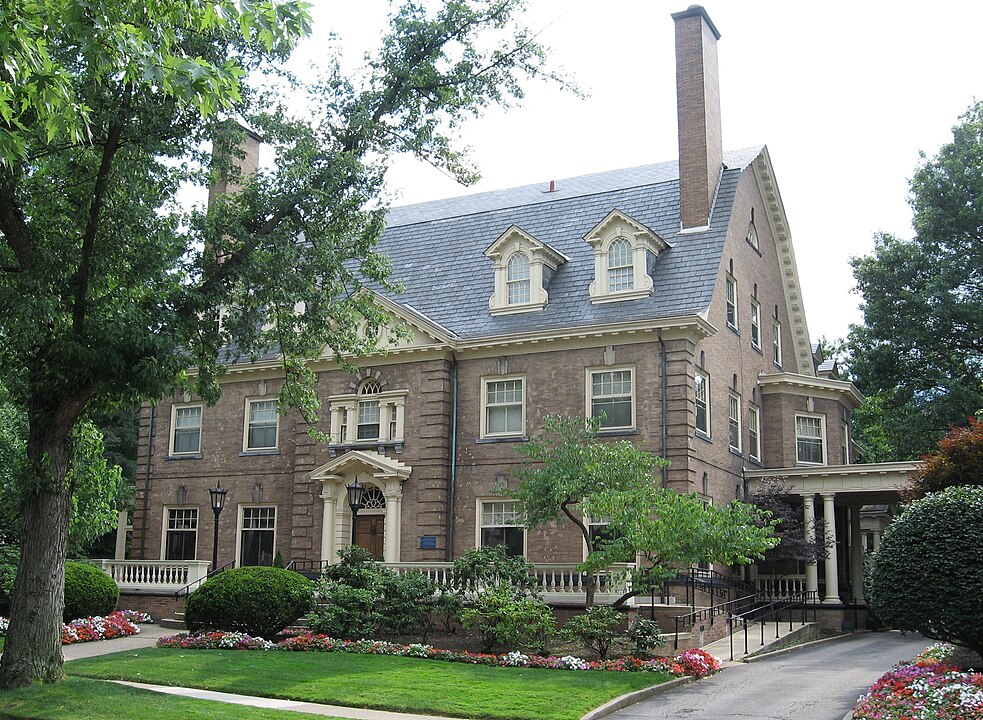
Shadyside’s early twentieth century houses sit within a neighborhood that values quiet consistency over attention seeking interventions. Oversized openings, stark cladding, or flat roofed additions that ignore existing angles are usually revised during design review. The area favors careful maintenance and subtle restoration that keeps porches open, wood trim intact, and eaves expressive. Homeowners learn that the most successful updates come from restraint, using practical improvements and respectful proportions. Shadyside shows how gentle decisions can preserve a neighborhood’s comfort while still allowing each house to grow.
French Quarter, New Orleans, LA
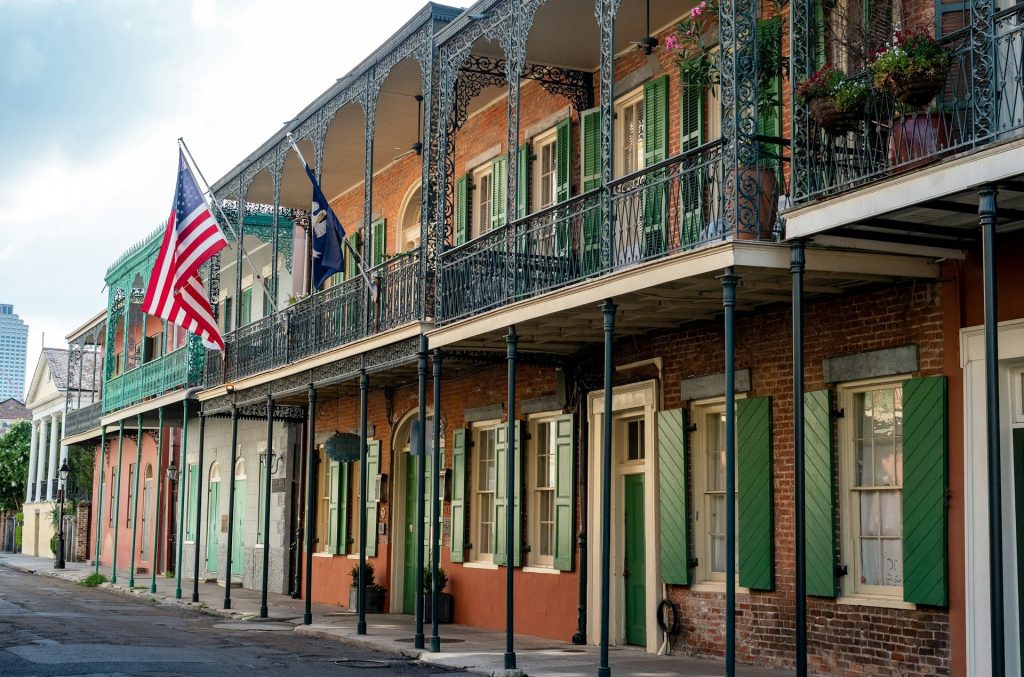
The French Quarter’s iron balconies, shutters, and courtyards are protected with a rigor shaped by centuries of lived experience. Renovations that enlarge openings, widen balconies, or replace wood with incompatible materials risk upsetting the careful balance of shade and airflow that gives the Quarter its rhythm. Preservation leaders encourage traditional mortars, working shutters, and repairs grounded in established craft. Mechanical upgrades and accessibility improvements are often tucked behind garden walls or placed in interior courtyards, where they support daily comfort without distracting from the textures that define the district.
Mount Royal, Montreal, QC

Mount Royal’s stone terraces and steep roofs sit within conservation standards that treat scale and material as essential to the neighborhood’s sense of place. Contemporary additions with abrupt contrasts in texture or height often face revision because they draw attention away from the cohesive street pattern. Successful projects borrow cues from original details, using masonry that matches local tone, rooflines that step gently, and volumes that settle calmly into view. These guidelines do not oppose innovation. They simply invite it to work with care so the area’s visual warmth stays intact.
Victorian Flatiron, San Francisco, CA
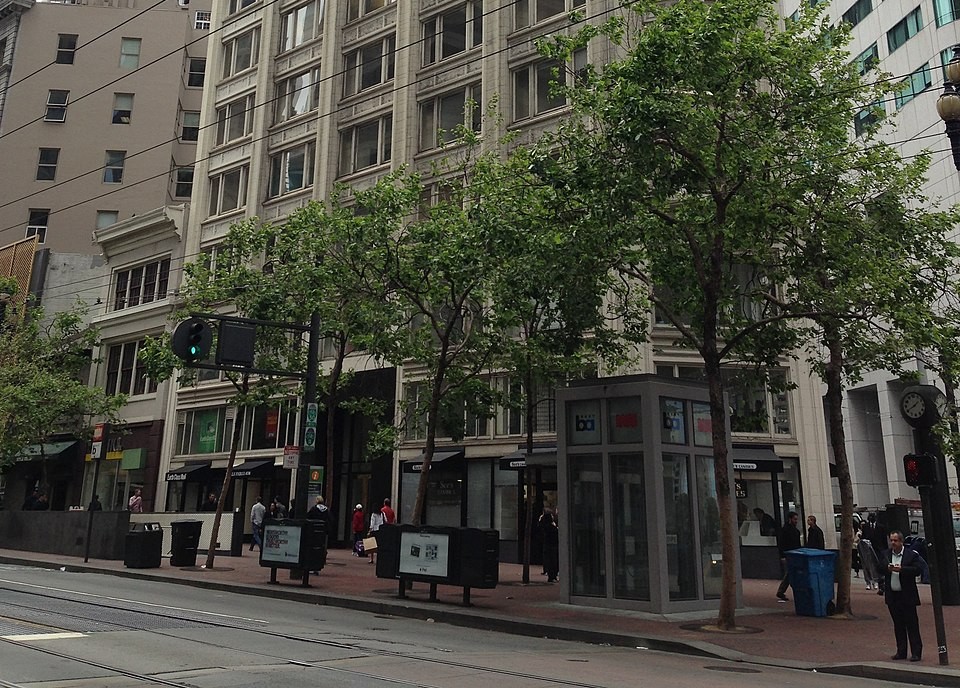
San Francisco’s Victorian districts prize their bay windows, decorative brackets, and patterned shingles, all of which create a lively vertical rhythm. Renovations that experiment with full height glazing or metal cladding often meet firm review because they flatten that rhythm. Owners who approach updates successfully tend to restore trim, protect outlines, and shift modern comforts to the interior. Setback rooftop rooms and slim windows maintain flexibility without sacrificing identity. New work thrives when it listens closely to what the existing house already communicates through proportion and craft.
Hyde Park, Chicago, IL
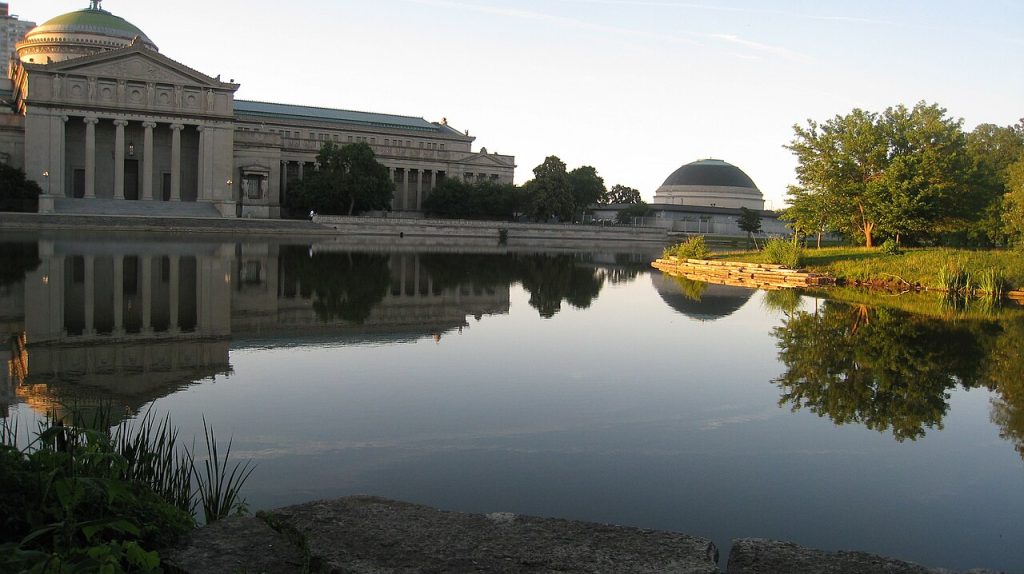
Hyde Park’s blend of prairie homes and bungalow era houses is guided by principles that protect overhangs, porches, and masonry patterns. Additions with oversized dormers or geometric masses that overshadow the original roof often receive careful scrutiny and revision. Conservation advice encourages homeowners to rebuild woodwork, maintain horizontal lines, and favor textured materials that echo the district’s history. Modern needs are often met through subtle design moves placed behind the main facade or integrated gradually. This approach preserves the welcoming atmosphere that shapes Hyde Park’s appeal.
Blackburn Hamlet, Ottawa, ON
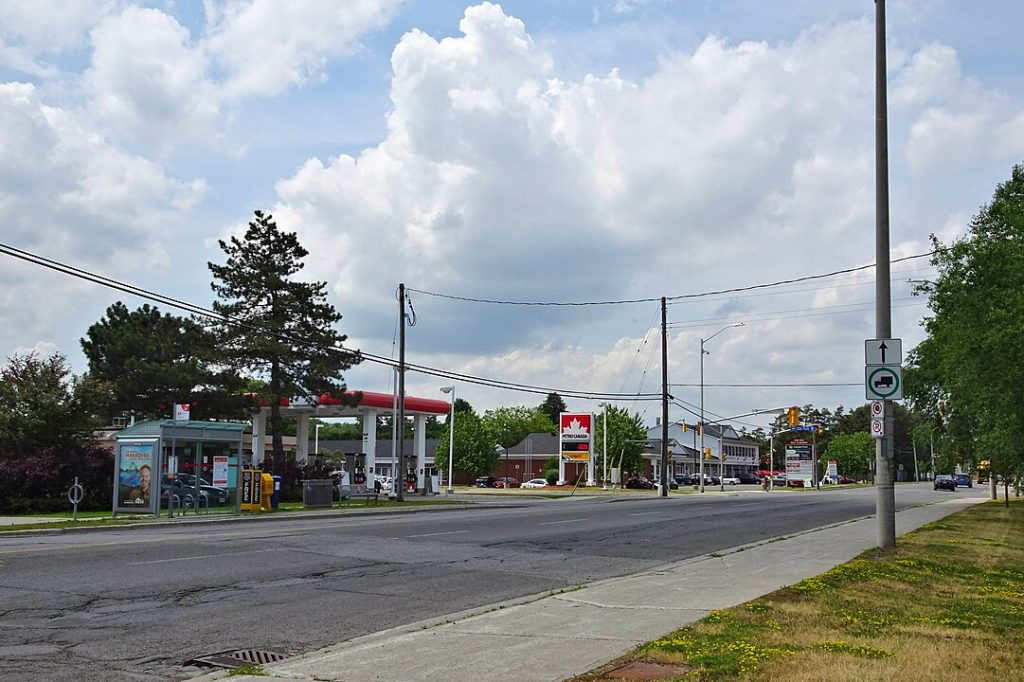
Blackburn Hamlet leans toward measured, predictable evolution grounded in shared respect for its early century forms. Bold modern facades that overwhelm traditional profiles or shift roof pitches dramatically often require reconsideration. Residents and planners frequently collaborate to protect wood textures, porch depth, and neighborhood tree canopy. Additions are usually smaller in scale, designed to preserve daylight and mature landscaping while meeting present needs. In practice this balance helps homes adapt through mindful adjustments, giving the community a sense of coherence without blocking thoughtful growth.
Mount Pleasant, Vancouver, BC
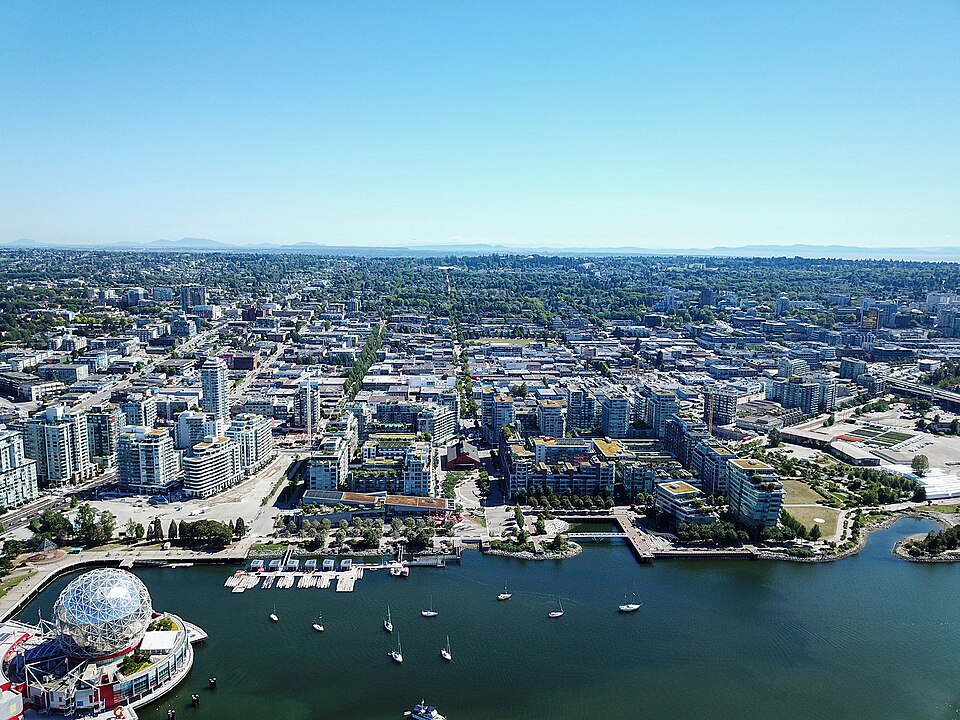
Mount Pleasant’s Edwardian roots guide a design language built on pitched roofs, warm wood details, and modest relationships between houses and their small gardens. Contemporary expansions that dominate neighboring yards or create sudden contrasts in massing are often scaled back. Teams that succeed adopt compatible materials, maintain rooflines, and protect privacy. This makes space for energy upgrades and layout improvements without overshadowing the neighborhood’s approachable spirit. Mount Pleasant remains vibrant because each change respects the character that has shaped its history.
West End, Vancouver, BC

The West End’s heritage streets rely on continuity in window shapes, textures, and cornice lines. Renovations that chase minimalist starkness or introduce large reflective surfaces often disrupt the grounded feel that makes the district walkable. Homeowners who work within the existing vocabulary, blending new ideas with established patterns, typically find smoother approval. They choose materials that hold warmth, scale additions carefully, and conceal mechanical elements from view. This practice strengthens a neighborhood known for its surprising mix of density, charm, and human scale.
Historic Third Ward, Milwaukee, WI
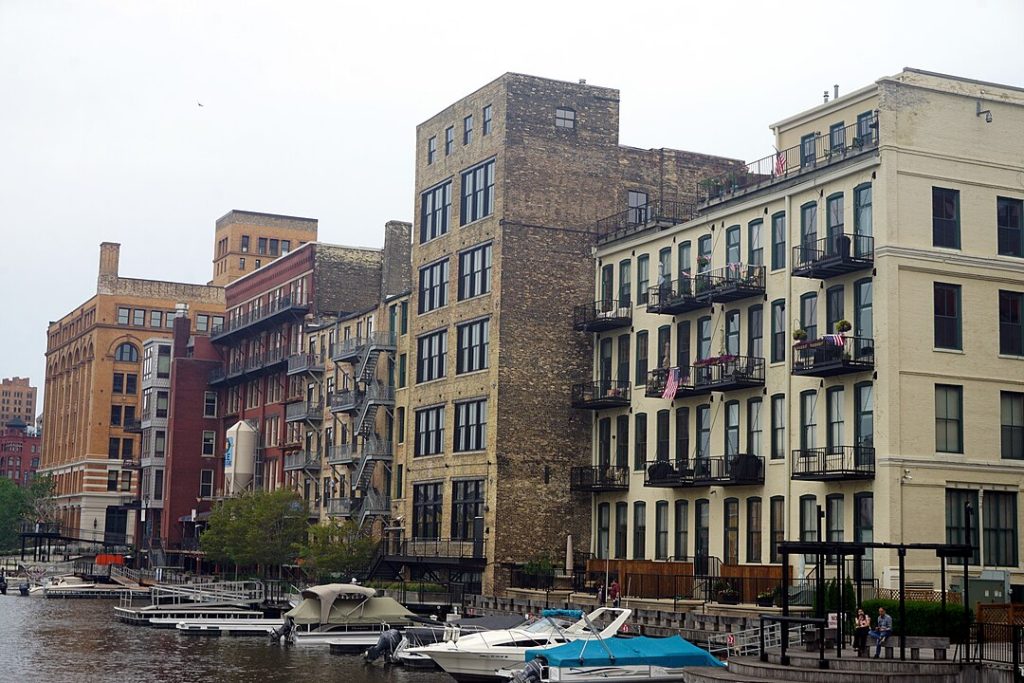
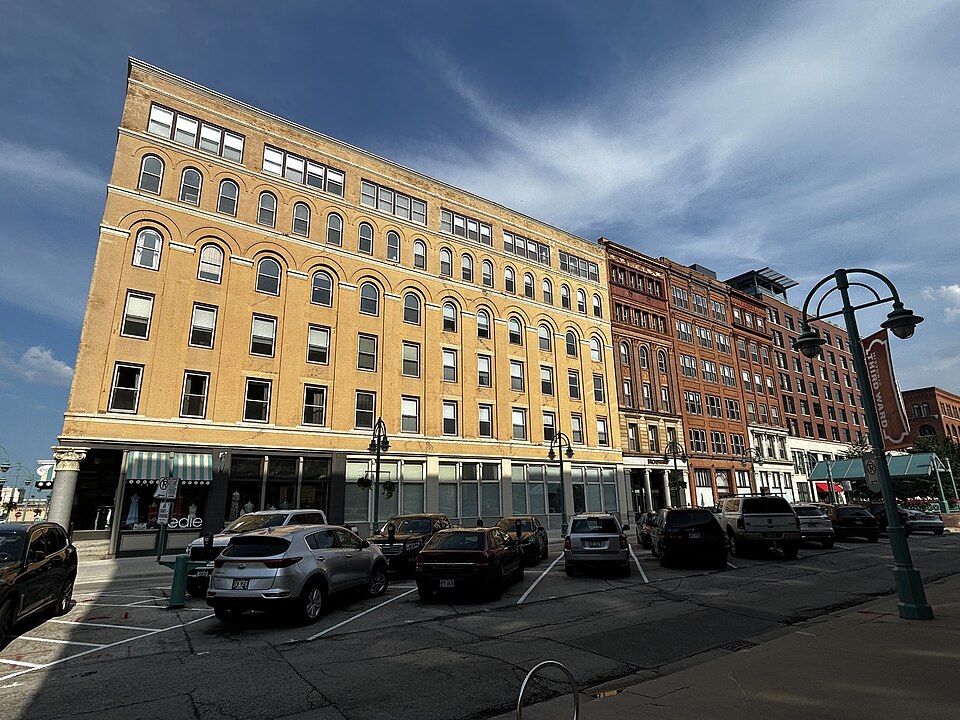
The Third Ward’s industrial roots remain visible in its brick warehouses, tall windows, and narrow lanes. Preservation rules encourage designers to protect those qualities by retaining openings, articulating new volumes, and selecting materials that honor the district’s industrial palette. Smooth panels or oversized glass can flatten the historic feel and often meet resistance. Adaptive reuse succeeds here when renovations reveal rather than erase past textures. This mindset allows the neighborhood to evolve into a lively creative center while keeping the grit and warmth that define its buildings.
Ancoats, Manchester, UK
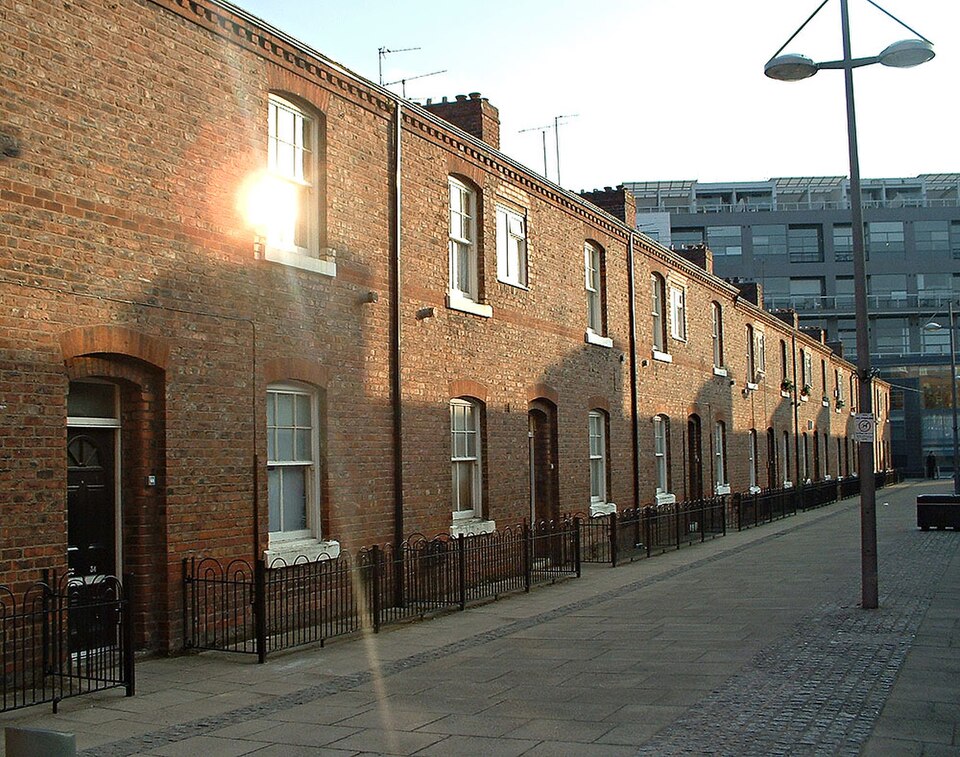
Ancoats’ red brick mills and narrow terraces carry the memory of a working district transformed with unusual care. Conservation officers discourage full height glass or cladding that hides coarse brick texture, since these moves can sever visual continuity. Renovations thrive when they adopt modest massing, reuse authentic materials, and preserve sightlines that link streets with water. The culture of renewal depends on restraint that allows new stories to unfold while keeping the industrial heritage readable. Ancoats remains compelling because change and history sit side by side without friction.
Trinity Bellwoods, Toronto, ON
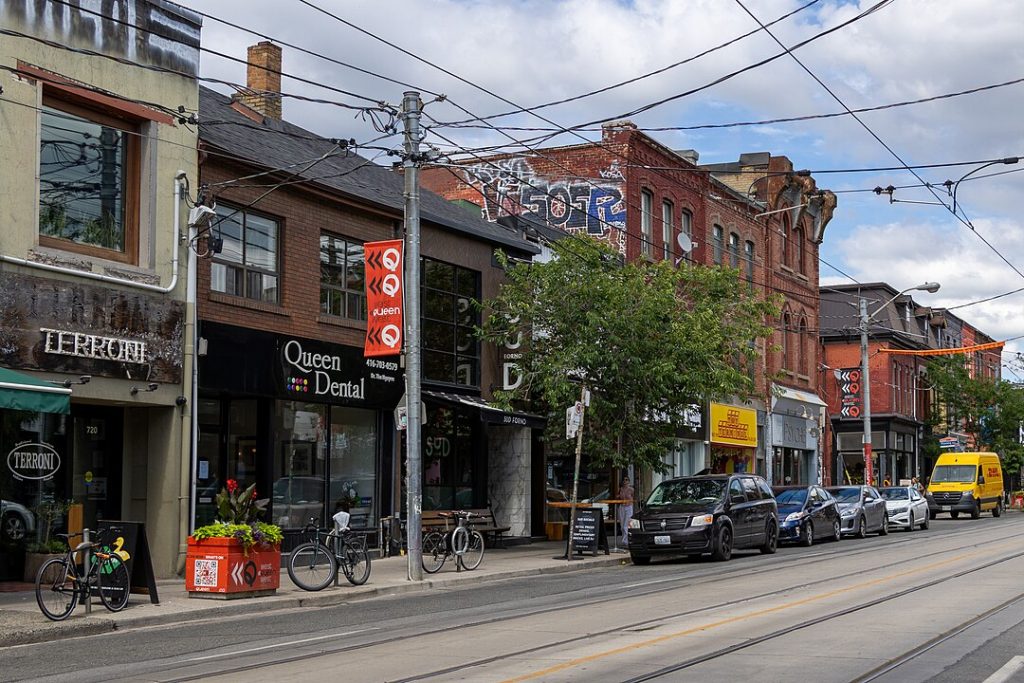
Trinity Bellwoods protects its rowhouse character and tree canopy through guidelines that champion proportion, daylight, and crafted detail. Expansions with dramatic glazing or high contrast geometry often require refinement because they risk overpowering their neighbors. Renovators who study brick tones, porch lines, and window spacing craft additions that feel confident and grounded. This approach strengthens the neighborhood’s identity and lets architectural conversations continue subtly from house to house, sustaining a sense of continuity that supports both memory and daily comfort.