14 Cities Being Marketed as Fresh Starts for 2026—That Not Everyone Is Convinced About
Fresh start cities are being sold for 2026: walkable blocks, remote-friendly work, and the idea that a new zip code resets everything. Skeptics are not being negative, they are doing weekday math. Housing shortages, insurance bills, school waitlists, and long commutes show up after the move, not during a scouting weekend. Locals and recent arrivals keep repeating the same point: the vibe is real, but so are the tradeoffs. A city can feel exciting and still be a complicated home. The smartest moves begin when the pitch is tested against fees, weather, and the real cost of time. That is when optimism turns into a plan.
Austin, Texas
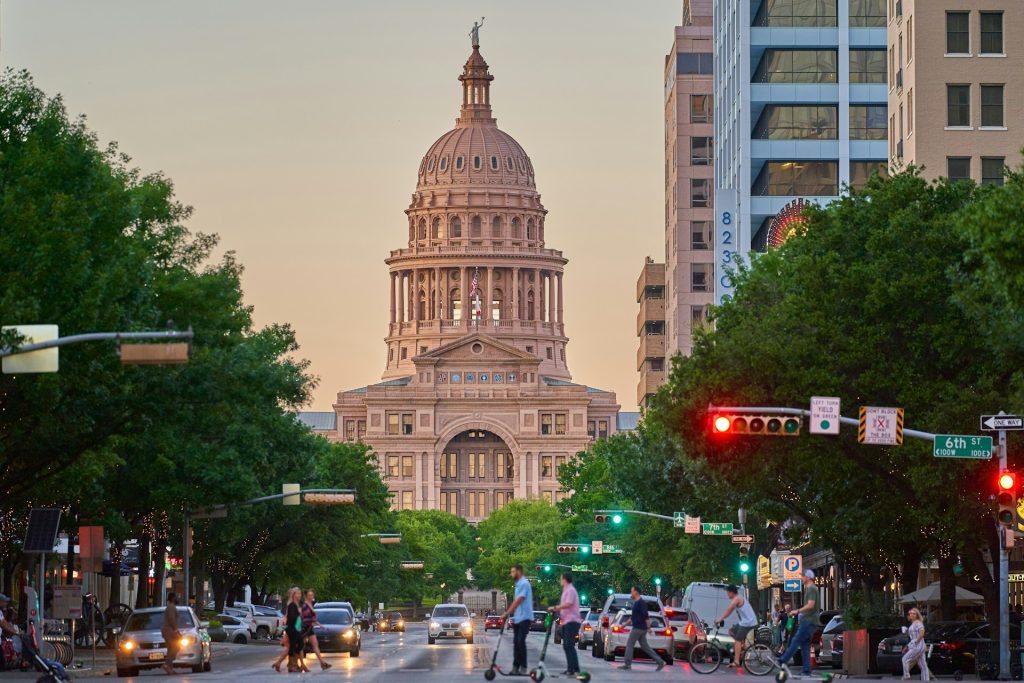
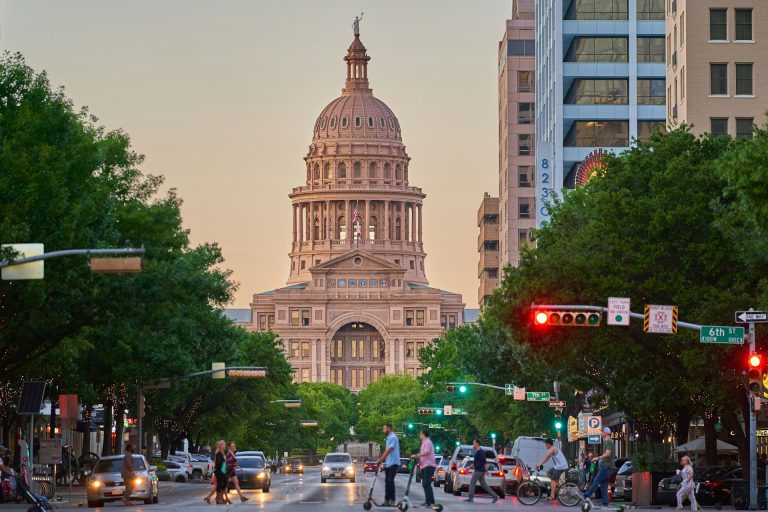
Austin keeps getting framed as a reinvention city, with culture, hiring, and neighborhoods that look lively in every relocation reel. Doubters point to housing that stays pricey, property taxes that can sting, and summer heat that turns electric bills into a monthly headline. Traffic reshapes the day, so a simple errand can take an hour, and popular districts add parking fees and higher service prices. Childcare and contractor timelines can be tight, and insurance and utilities rarely feel like footnotes. The fresh-start story holds best when the budget includes time, not only rent, week after week.
Nashville, Tennessee

Nashville is marketed as a cheerful reset, where music culture and new builds promise a fun life without coastal price tags. Skeptics note that walkable pockets climbed fast, while wages in many service roles did not keep up, so the gap shows up in rent, parking, and nights out. Event congestion can turn weeknights into traffic and surge pricing, and short-term rentals can make some blocks feel transient. Childcare, repairs, and doctor appointments may take longer to secure than newcomers expect. It can still be a good move, but the easy version takes planning. Heat and humidity also raise summer utility bills.
Raleigh, North Carolina
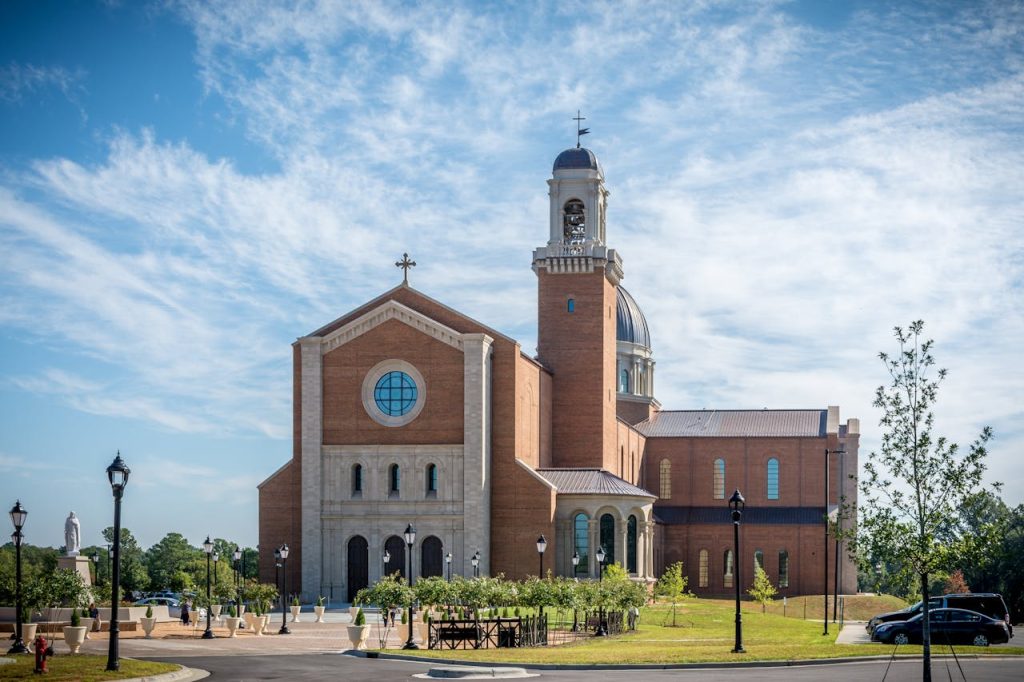
Raleigh is sold as calm and career-forward, a place where steady growth feels manageable and polite. Doubters say growth shows up in traffic, competitive rentals, and higher prices near top schools and office clusters, while hangout culture can feel spread across suburbs. That makes community slower to build unless work or family networks provide a bridge. Humidity and pollen seasons shape routines and spending, and many errands still require driving and toll planning. Raleigh can be a strong fit, but the reset is quieter and more gradual than the marketing implies. Childcare waitlists and contractor schedules add another layer.
Boise, Idaho
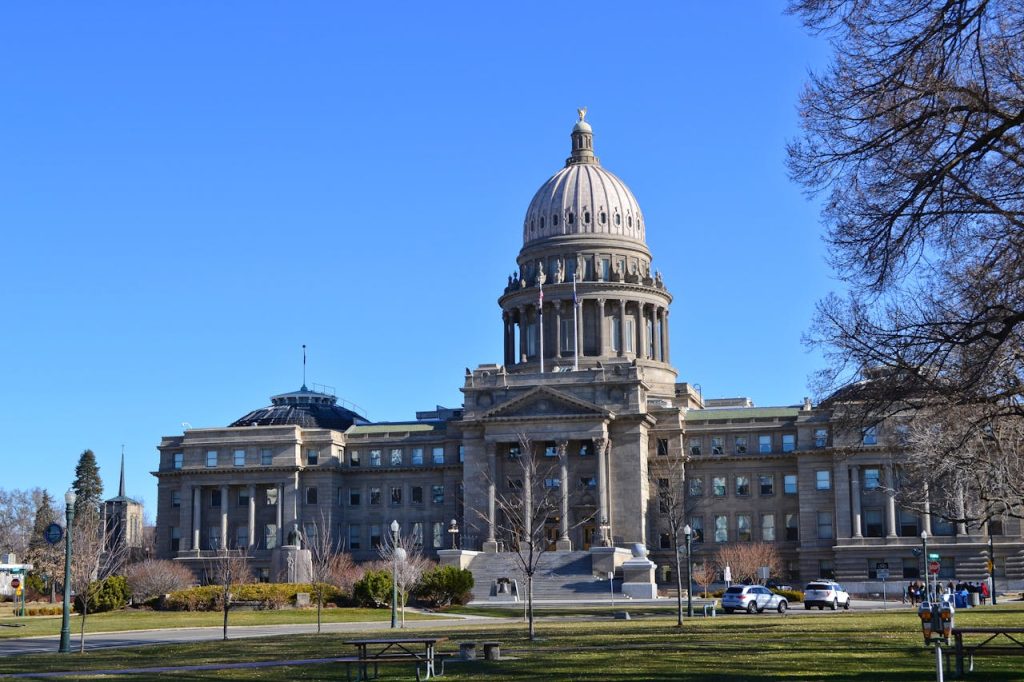
Boise is still pitched as the outdoorsy bargain city, where smaller scale means simpler days and lighter bills. Skeptics point to housing that rose faster than many salaries, with listings moving quickly and searches dragging into months. Outside a few lanes, the job market can feel narrower than the hype, and trades and childcare often book out far ahead. Late-summer smoke can disrupt plans in some years, and popular trailheads are busier than the brochures suggest. The fresh-start story works best with realistic numbers and a patient timeline. Car costs and winter heating also add steady pressure.
Phoenix, Arizona
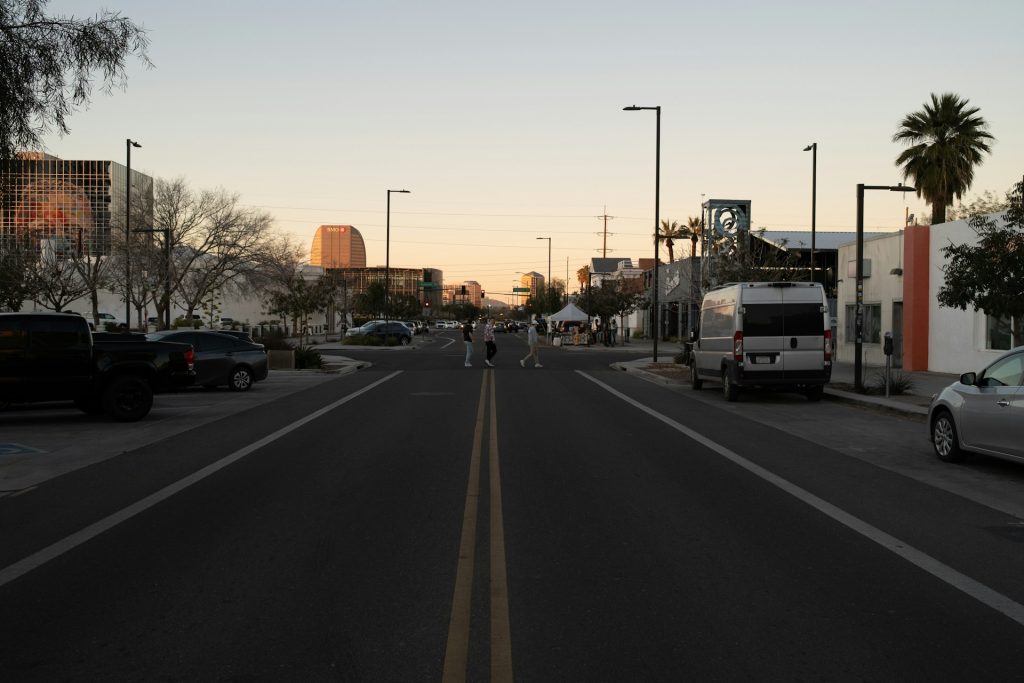
Phoenix is marketed as a bright reset with jobs, newer neighborhoods, and winter weather that feels easy. Pushback lands on the climate bill: long cooling seasons, high electric use, and a car-first routine that adds fuel, parking, and maintenance to monthly life. Distance matters, so social plans and appointments become cross-town drives that eat hours, especially at rush times. Water rules and landscaping costs surprise some newcomers, and shaded, walkable pockets cost more. The metro has energy, but the reset works best when heat planning is treated as daily reality. Not a seasonal inconvenience.
Tampa, Florida
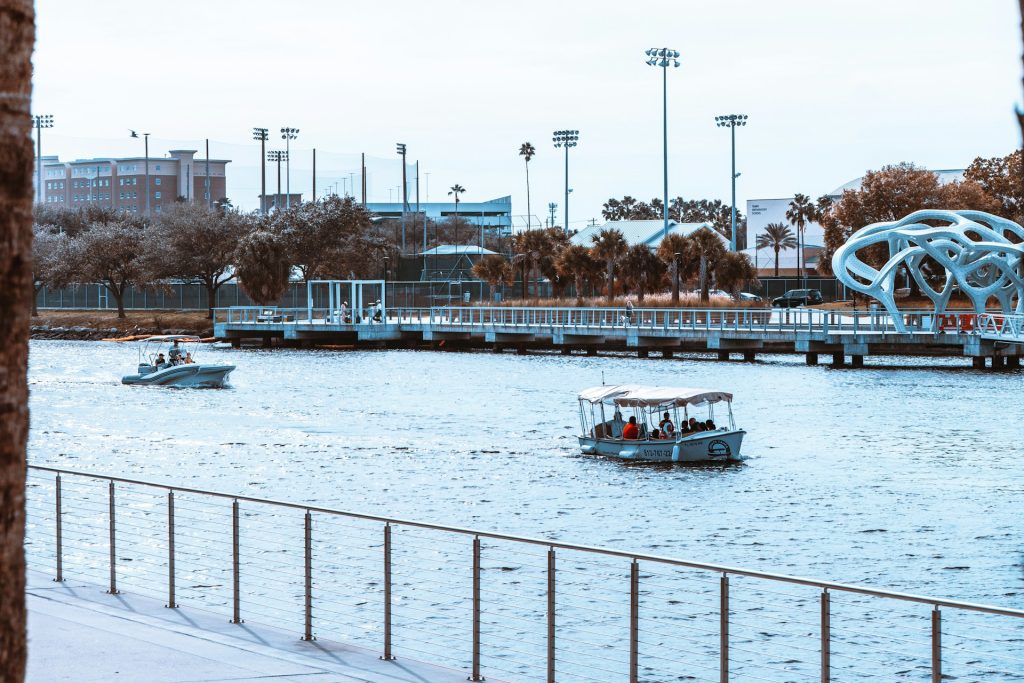
Tampa is sold as Florida’s balanced fresh start, with bay views, new development, and career options that sound stable. Skeptics point to costs that creep in quietly: higher insurance in some areas, storm prep, HOA fees, and service prices that jump when demand spikes. Traffic has grown, and living near the water or downtown often means paying for convenience through rent, parking, and dining. Farther-out neighborhoods can trade cash for longer drives and more car wear. It can be a solid move, but the budget needs room for weather risk and recurring fees that add up all year. Even in calm months.
Charlotte, North Carolina
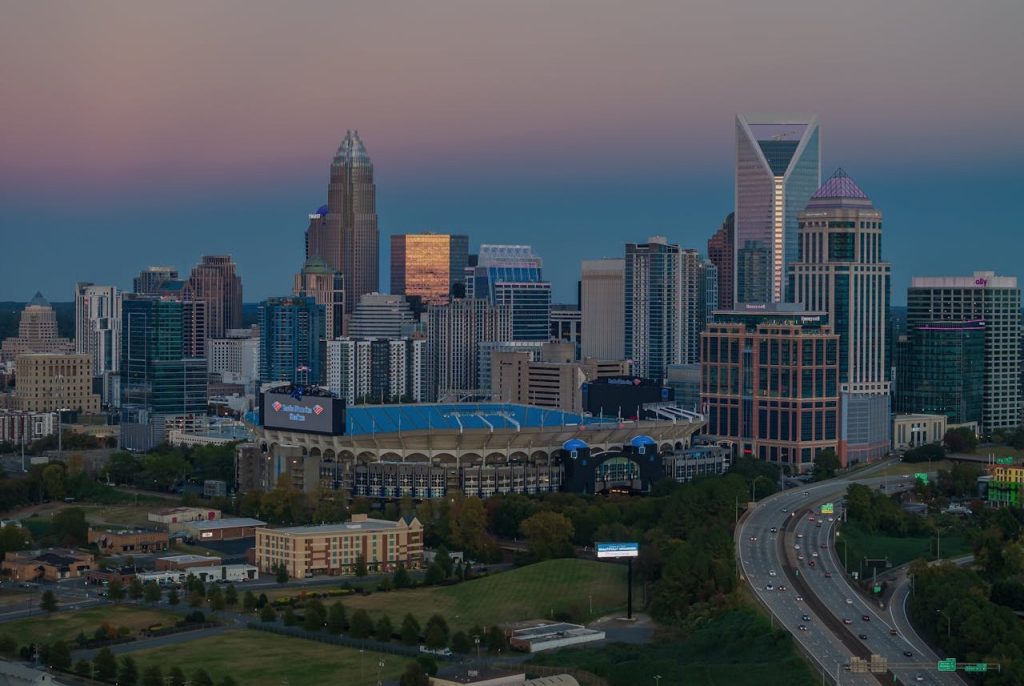
Charlotte is marketed as a clean-slate city for career builders, with shiny districts and steady in-migration. Doubters say the metro is spread out and car-first, so commute times, tolls, and parking costs can surprise, even for people living close to work. Housing near the most walkable corridors keeps getting pricier, while cheaper options often mean longer drives and fewer quick errands. Community can take time to form in a place built around neighborhoods and routines rather than street life. Charlotte can be comfortable, but the reset is slower than the ads suggest. School zoning can also narrow choices quickly.
Denver, Colorado
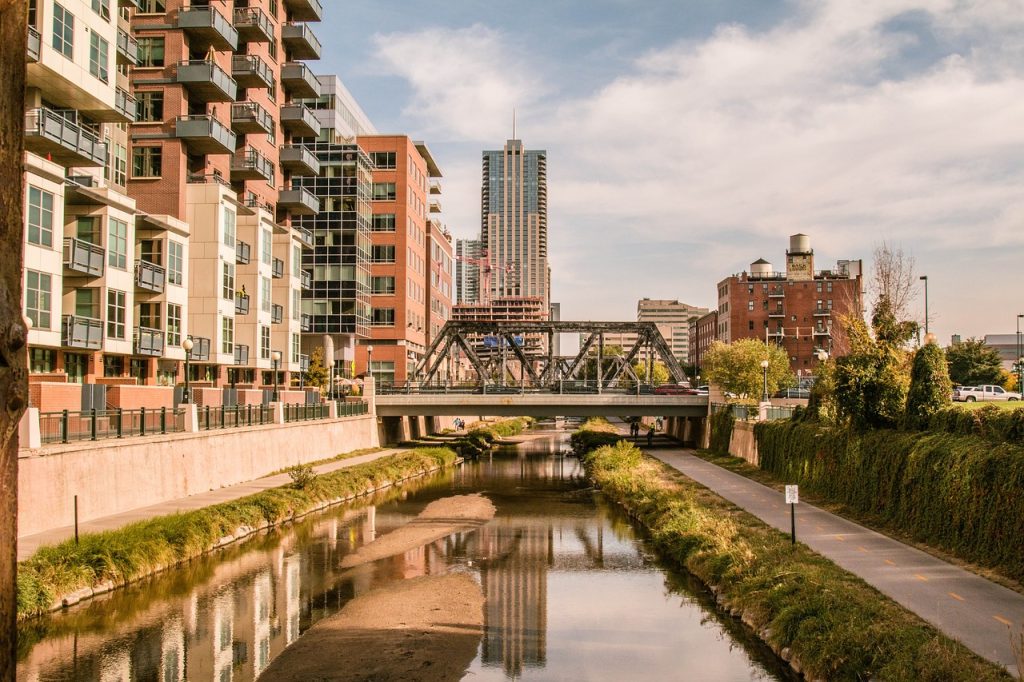
Denver is still pitched as the mountain-access reset, where outdoor life keeps stress in check year-round. Skeptics point to costs and crowding: housing stays expensive, traffic has grown, and popular trails can feel packed on weekends. Winter adds steady expenses for heating, tires, gear, and parking, and childcare can be competitive, tightening budgets fast. The bargain framing falls apart when rent, insurance, and recreation are counted honestly, including lift tickets, lessons, and day-trip fuel. Denver remains lively, but the fresh start is not cheap. Older rentals can bring repair quirks and higher utilities.
Las Vegas, Nevada

Las Vegas is pitched as a practical reinvention city, with newer housing, easy flights, and no state income tax. Doubters say savings can get offset by heat-driven power bills, HOA fees in planned communities, and a car-heavy routine that keeps fuel and maintenance steady. Tourist pricing can bleed into everyday life through parking fees, crowded weekends, and higher service charges in popular corridors. It can be friendly and convenient, but the reset holds best when spending habits stay grounded and summer costs are planned for. Otherwise, small add-ons become a pattern. Month after month, too.
Tulsa, Oklahoma
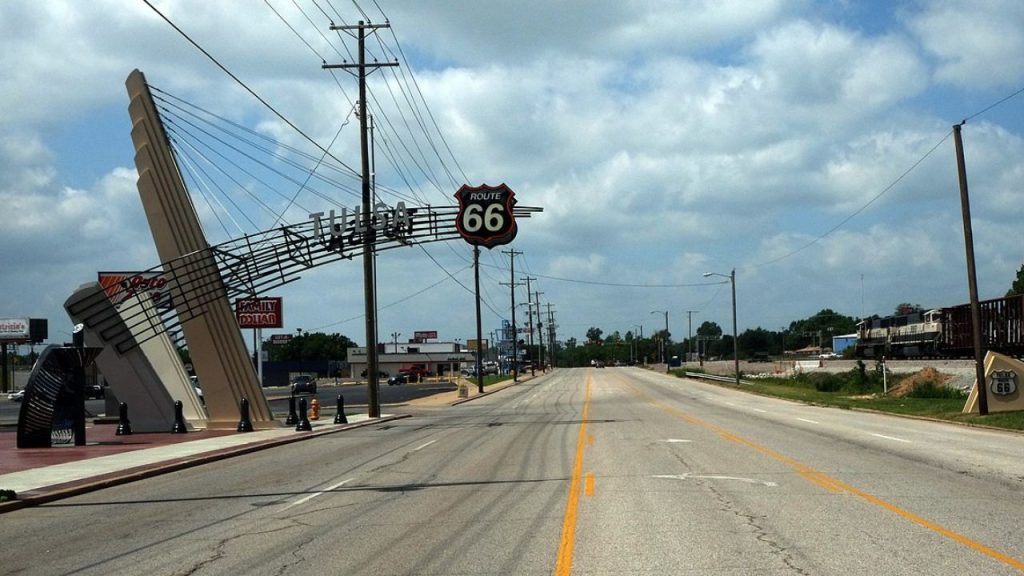
Tulsa keeps showing up as an affordable fresh start, with creative energy and commutes that sound manageable. Skeptics note that job options can be narrower than the hype suggests, pay can lag in some fields, and neighborhood feel varies more than a quick visit reveals. Walkability is uneven, so a car often becomes essential, and the best pockets can price up faster than expected. Tulsa can be rewarding, but the reset tends to work for people who arrive with patient networking plans and careful street-by-street scouting. A slow build usually beats a big leap. School choices and specialist care also deserve homework.
Pittsburgh, Pennsylvania
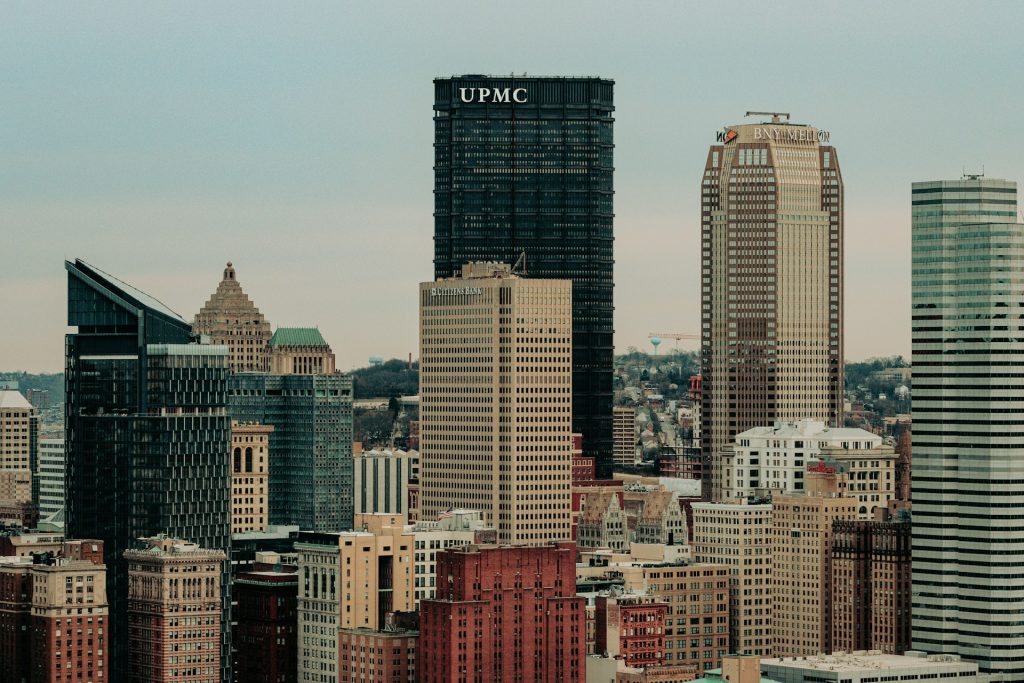
Pittsburgh is marketed as a smart reset with strong neighborhoods, universities, and culture that feels grounded. Doubters point to gray winters, tricky hills and bridges that complicate commutes, and older housing that can demand steady upkeep, from insulation to plumbing fixes. Taxes and utility costs can surprise newcomers who expected a pure bargain, and parking rules vary block by block, making neighborhood choice more consequential than it looks online. The city is welcoming, but comfort depends on weather tolerance and learning the local geography. Some also miss direct flights to certain hubs.
Chattanooga, Tennessee
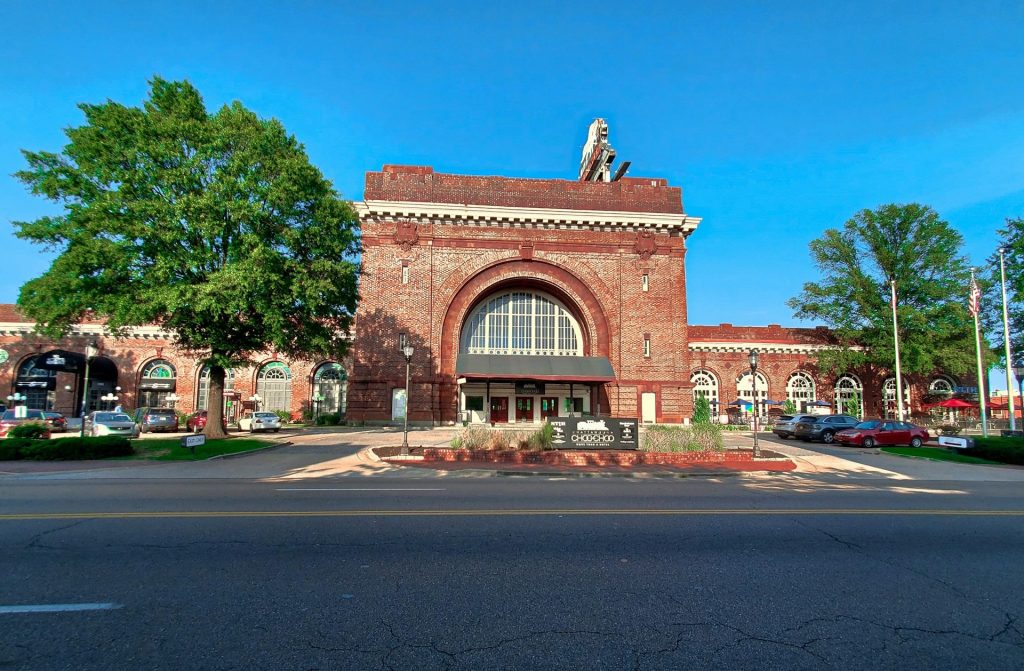
Chattanooga is sold as an outdoorsy reset with scenic views and a smaller-city rhythm that still feels modern. Skeptics say housing tightened, and wages in some sectors do not match demand, so the bargain story can fade after move-in. Many careers still rely on ties to larger markets for long-term growth, and healthcare access can require planning for certain specialties. Traffic has grown with popularity, and trailheads and riverfront weekends can feel crowded in peak months. Chattanooga can be a good fit, but it rewards careful budgeting and realistic expectations. Not just good scenery, but daily logistics.
Greenville, South Carolina
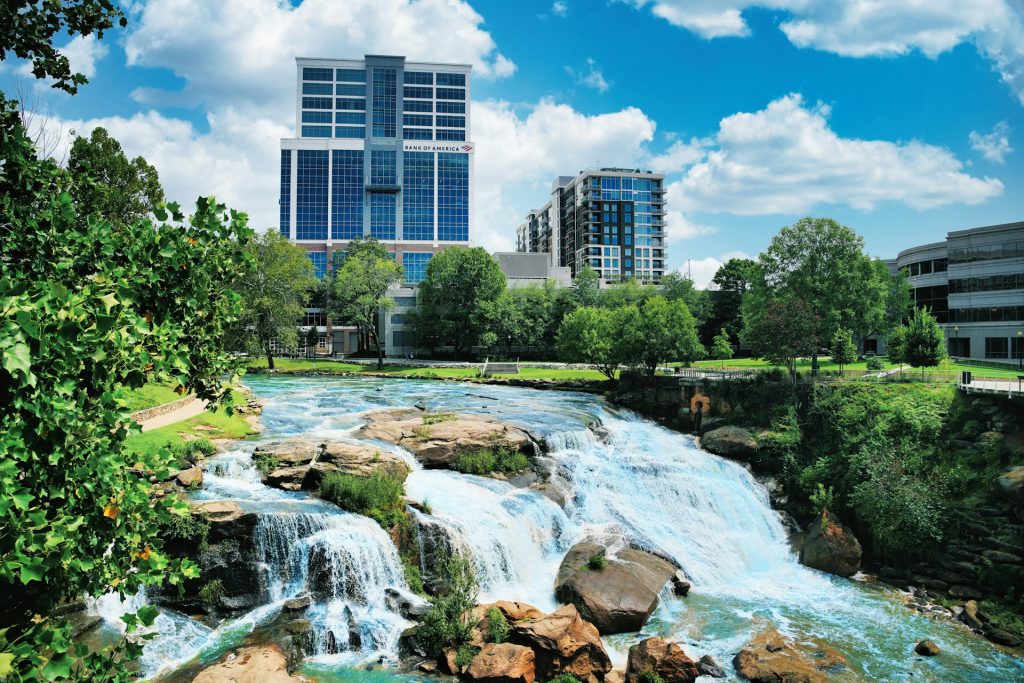
Greenville is marketed as the polished small-city reset, with a lively downtown and easy access to mountains and day trips. Skeptics point to rising home prices, heavier traffic, and a social scene that can feel family-centered outside the core. Summer heat and humidity can surprise newcomers who only visited in spring, and school zoning can shape housing choices quickly. The marketing can overstate how inexpensive the convenient neighborhoods remain once commuting, parking, and service costs are tallied. Greenville can feel welcoming, but the fit is neighborhood-specific. And patience helps, too.
Columbus, Ohio
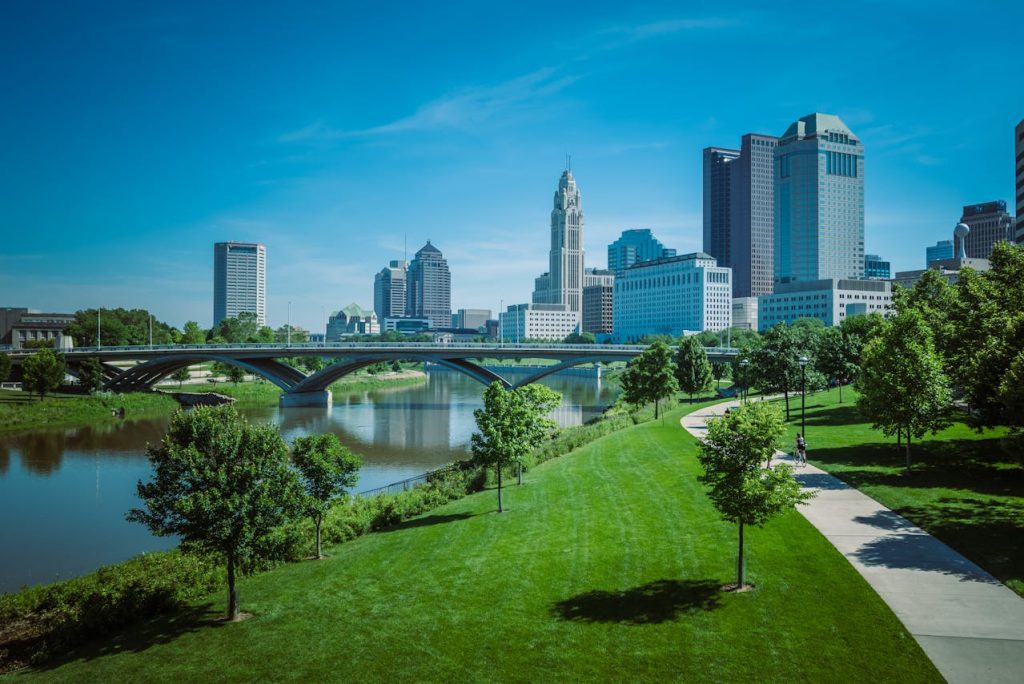
Columbus is sold as a steady fresh start, with jobs, sports, and neighborhoods that seem manageable for a reset year. Doubters say many areas remain car-dependent, winter gray can feel long, and prices have climbed in popular pockets, tightening budgets faster than expected. Local taxes, utilities, and rising service costs can surprise newcomers who planned for a simple Midwest bargain, and growth has made traffic less forgiving. Columbus can still be a strong choice, but day-to-day happiness hinges on neighborhood scouting and realistic commute plans. School districts and winter driving also shape the feel.