14 Historic Souks for Easy Cultural Shopping-Bargain or Boycott?
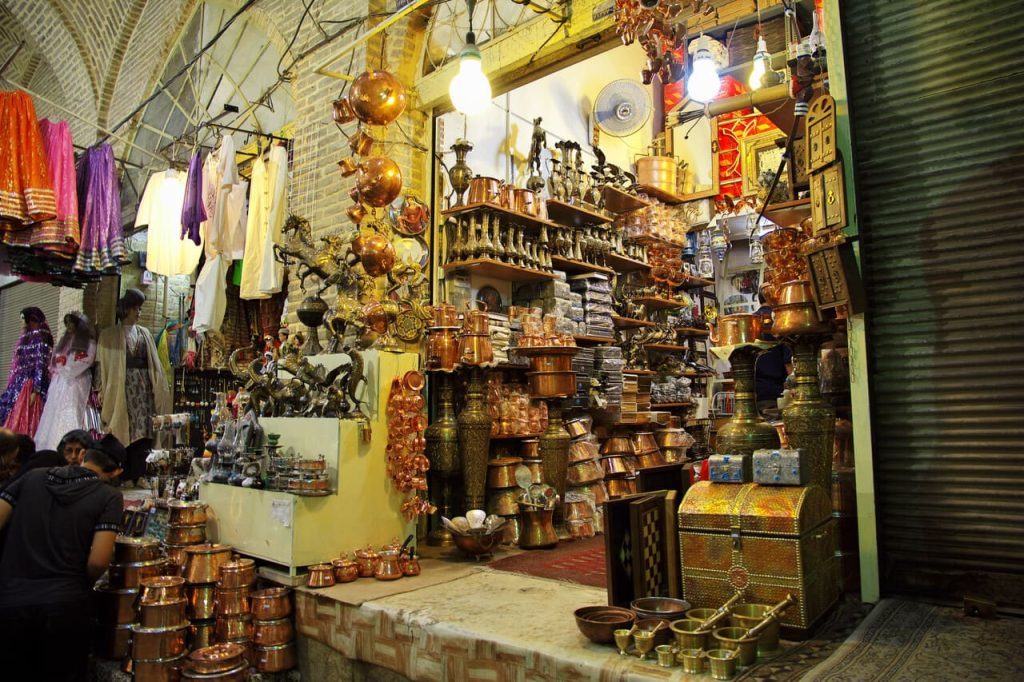
When you wander through a historic souk, you feel the rhythm of daily life in a way no modern mall can match. You hear vendors calling out prices, smell spices warming in the sun and see crafts that still follow the old methods. These markets help you understand how a place works, what people value and how traditions survive. At the same time, you face choices about where your money goes. You want fair prices, real goods and ethical practices. With the right approach, you can shop with confidence and enjoy the experience fully.
1. Marrakech Medina, Morocco
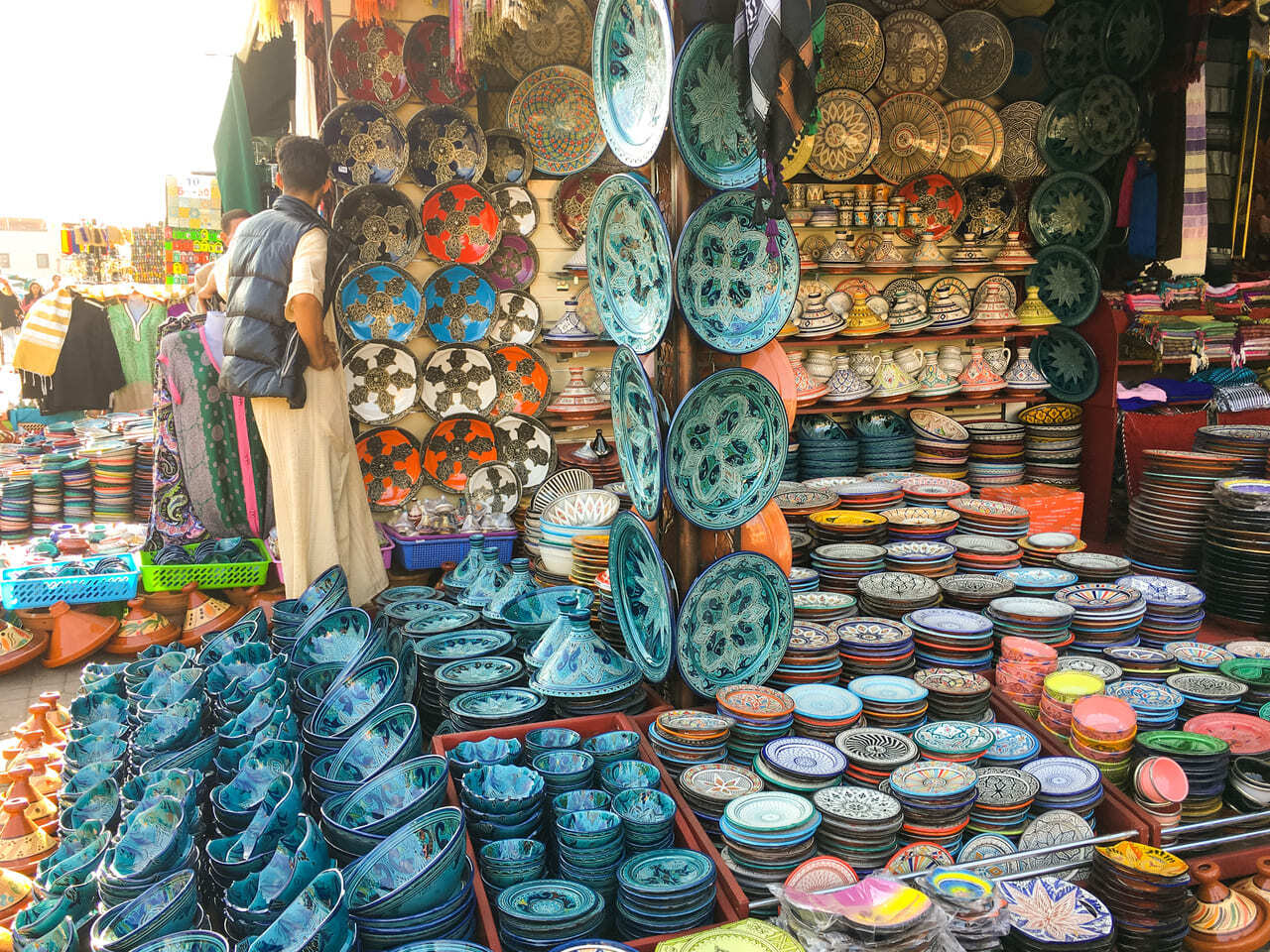
You walk into the Marrakech Medina and find lanes packed with leather stalls, metalworkers and spice sellers. You see artisans hammering brass by hand and dyers coloring wool with natural pigments that locals have used for generations. You can bargain, but you also need patience because the shopkeepers expect a back and forth. The key is to look for cooperatives that support rural makers and avoid tourist traps that sell machine made goods. Credible travel sources note that real saffron, argan oil and handmade babouche sandals come from verified vendors inside the older quarters.
2. Khan el Khalili, Cairo
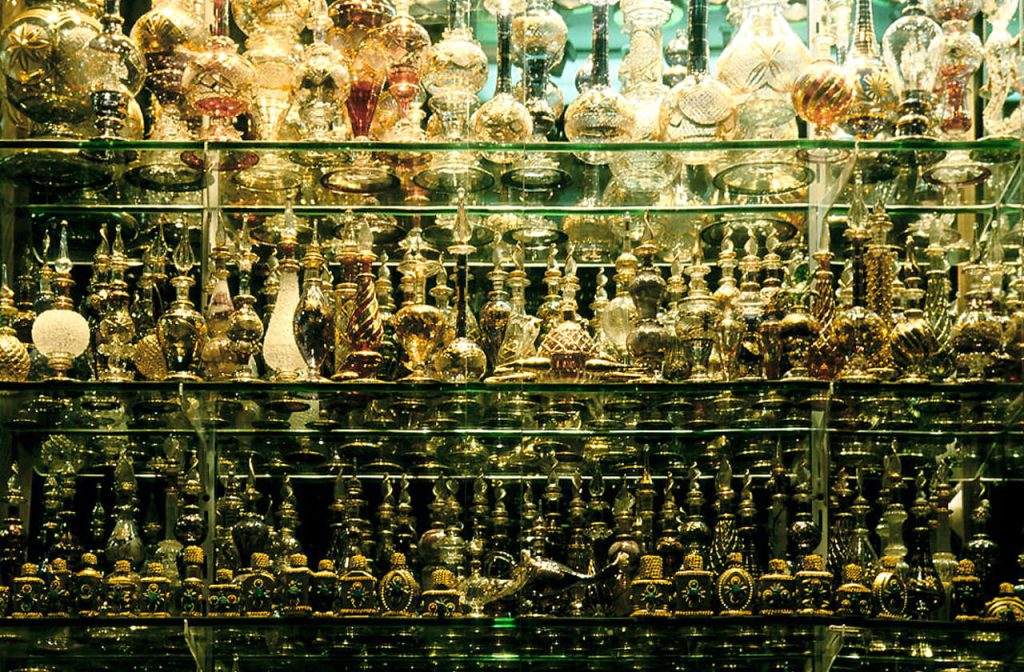
You step into Khan el Khalili and immediately feel the pull of Egypt’s craft history. Goldsmiths shape filigree jewelry, tentmakers stitch geometric textiles and spice merchants grind blends used in Cairene kitchens. The market has served locals since the Mamluk era and still supports family run stalls. You should compare prices between alleys, since some lanes cater to tourists. According to cultural guides, reputable sellers in the Goldsmiths’ Street, the spice arcade and the brass workshops maintain traditional skills and offer fair pricing without hard pressure.
3. Muttrah Souq, Muscat
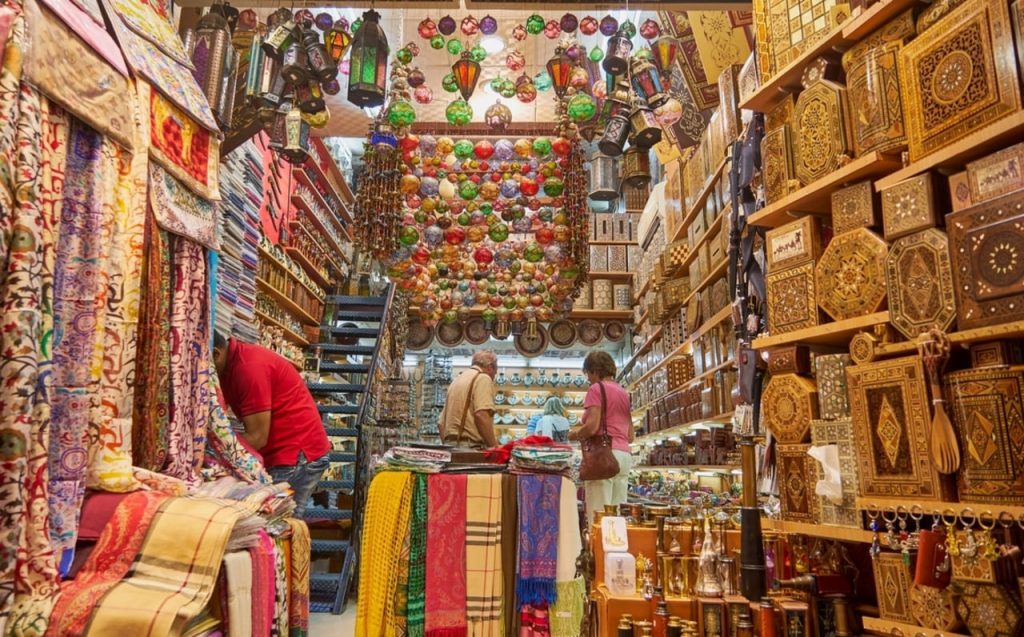
You follow narrow paths lined with frankincense, rosewater and silverwork crafted in Omani styles that date back centuries. The air carries hints of resin, and you can spot vendors who explain where their incense comes from and how harvesters collect it. Muttrah Souq remains a trusted spot for locals who buy perfumes, clothing and household items. Omani tourism reports highlight the quality of silver jewelry, khanjars and handwoven textiles sold by licensed traders inside the central lanes. You get better value when you ask about origin and craftsmanship directly.
4. Souq Waqif, Doha
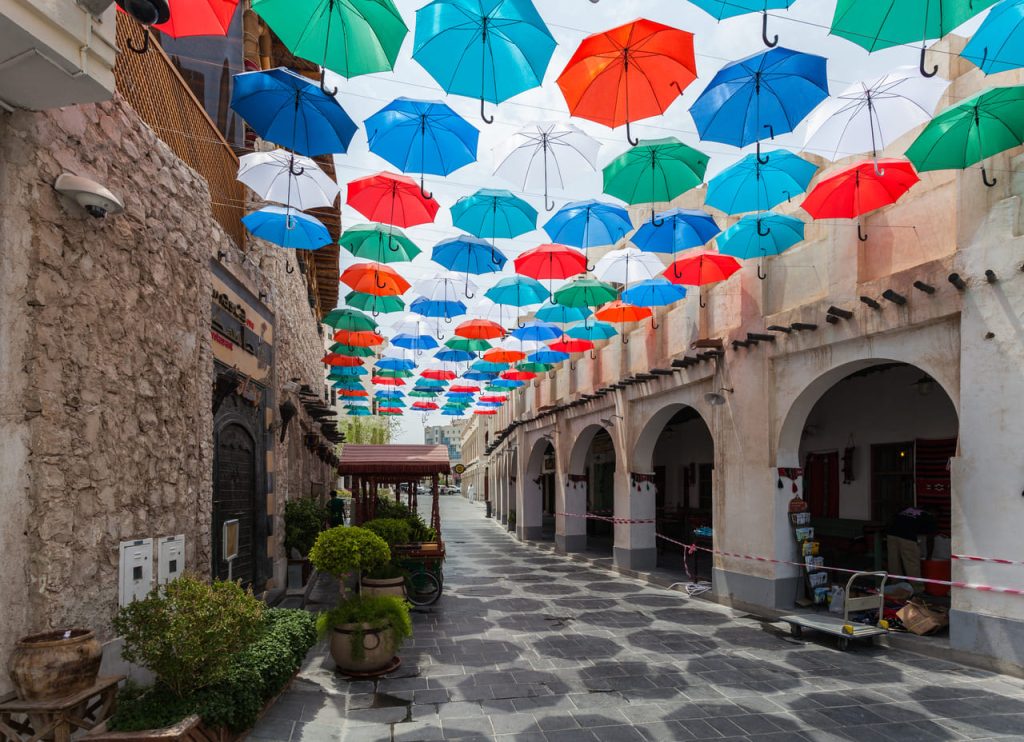
You enter Souq Waqif and notice how restored mud buildings frame shops selling spices, oud, woven mats and regional clothing. Musicians sometimes play in the open areas, and you can watch tailors sewing thobes with practiced speed. The market draws locals for everyday goods, so you can judge fair prices by listening to how people buy around you. Cultural guides point out that many stalls selling oud, dates and traditional perfumes follow long standing standards for purity. When you buy from these sellers, you support artisans who keep local craft knowledge alive.
5. Old Bazaar, Istanbul
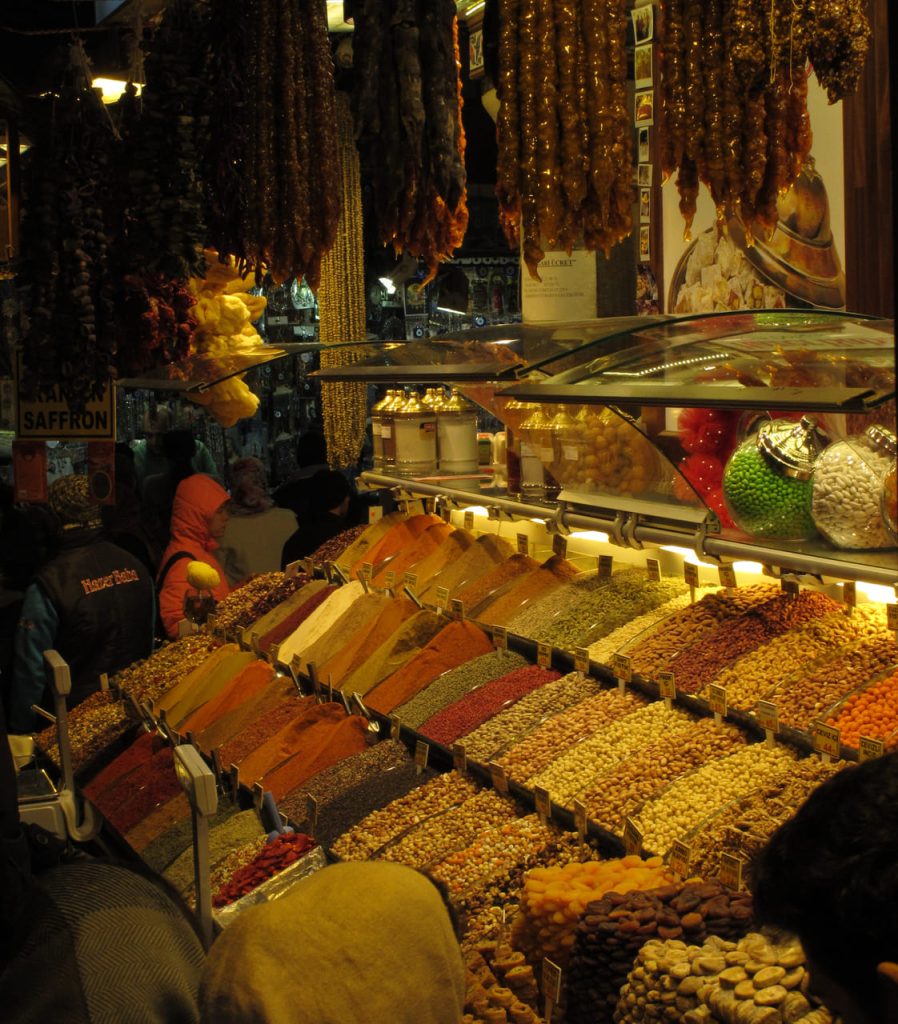
You wander through Istanbul’s Old Bazaar and hear vendors calling out for coffee sets, carpets and ceramics shaped in Anatolian styles. The site predates the larger Grand Bazaar and still carries goods tied to regional craft families. You should watch for quality stamps on copperwork, check knot counts on carpets and ask sellers about kiln methods for ceramics. Turkish cultural sources explain that genuine Kutahya tiles, copper pieces made in Gaziantep and hand knotted carpets from central Anatolia maintain high standards. You shop better when you ask for provenance.
6. Souk Al Bahar, Dubai
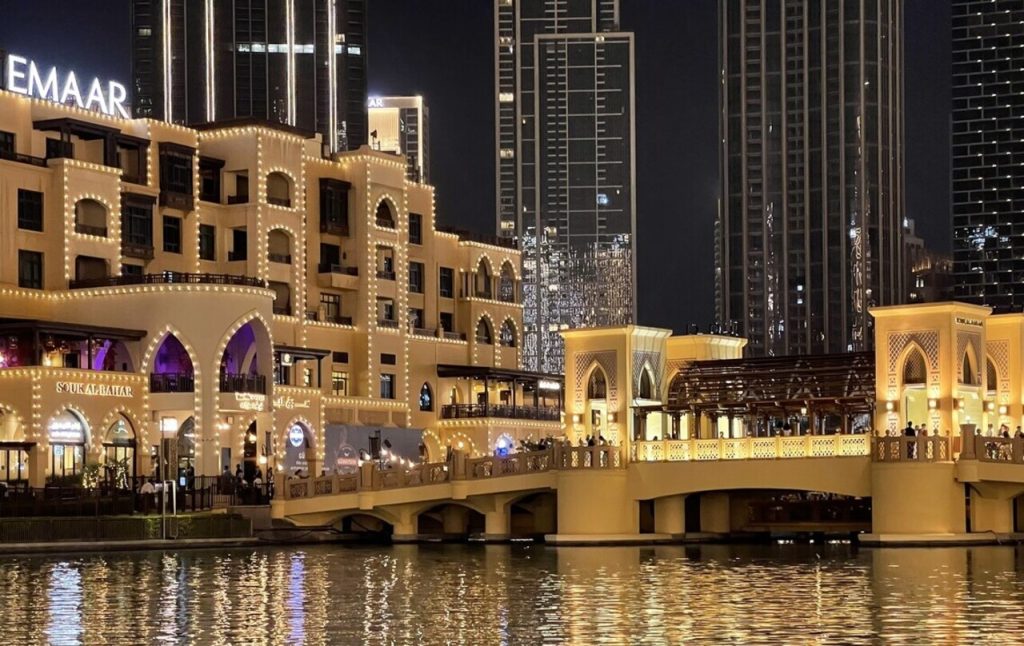
Although modern in layout, Souk Al Bahar draws on Gulf craft traditions. You find vendors selling spices, perfumes, calligraphy art and textiles inspired by Bedouin weaving. You can compare items easily because the paths are wide and well lit. Credible regional guides note that real oud chips, saffron and Arabic coffee blends sold here meet strict quality checks. You may pay more than in older markets, but you gain clarity and direct labeling. When you ask sellers about sourcing, most explain their supply chain in detail, which helps you shop responsibly.
7. Chorsu Bazaar, Tashkent
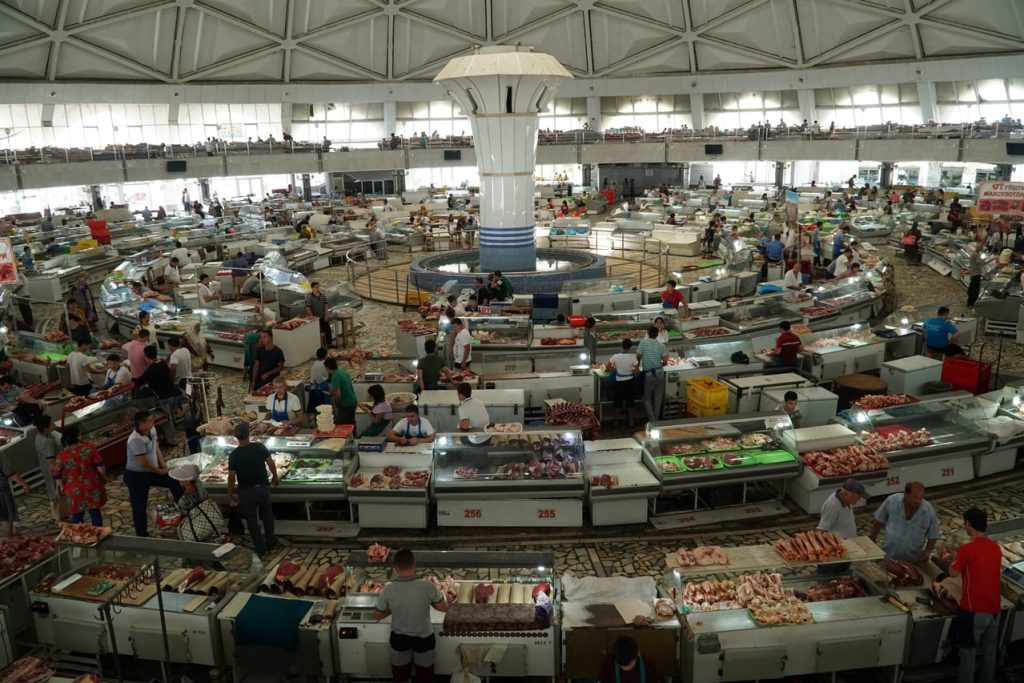
You stand under Chorsu Bazaar’s blue dome and see rows of dried fruits, nuts, spices and Uzbek bread stacked in tall piles. The food stalls follow long held practices, and many families have sold here for generations. You can taste samples freely, which helps you judge freshness. Guides on Central Asian markets confirm that Chorsu is known for its honest pricing and locally grown produce. When you buy from farmers in the outer rings, you support communities that depend on market income. You experience real regional flavors without confusion.
8. Aleppo Souk, Syria
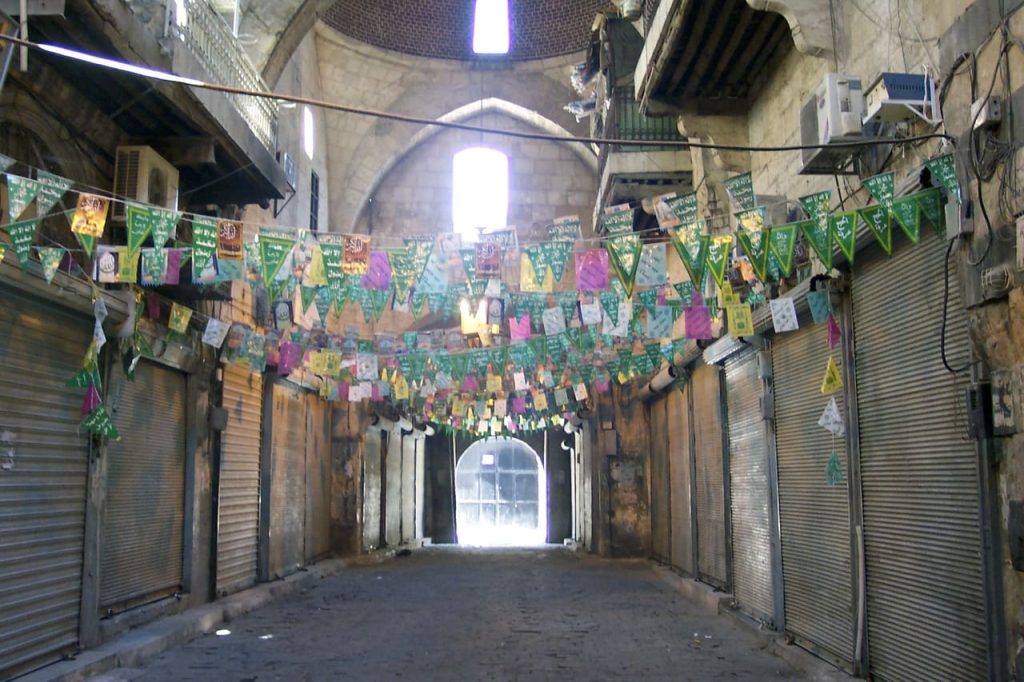
Though sections were damaged in conflict, historic reports describe Aleppo Souk as one of the oldest covered markets in the region. Traders sold textiles, soap made from olive oil and laurel and finely worked metal goods. As parts continue to reopen, cultural preservation groups document which makers still use traditional methods. You should pay attention to verified cooperatives and reconstruction supported traders because they aim to revive ethical commerce. When you choose stalls committed to fair sourcing, you help preserve a market that once stood at the center of global trade.
9. Souk El Attarine, Tunis
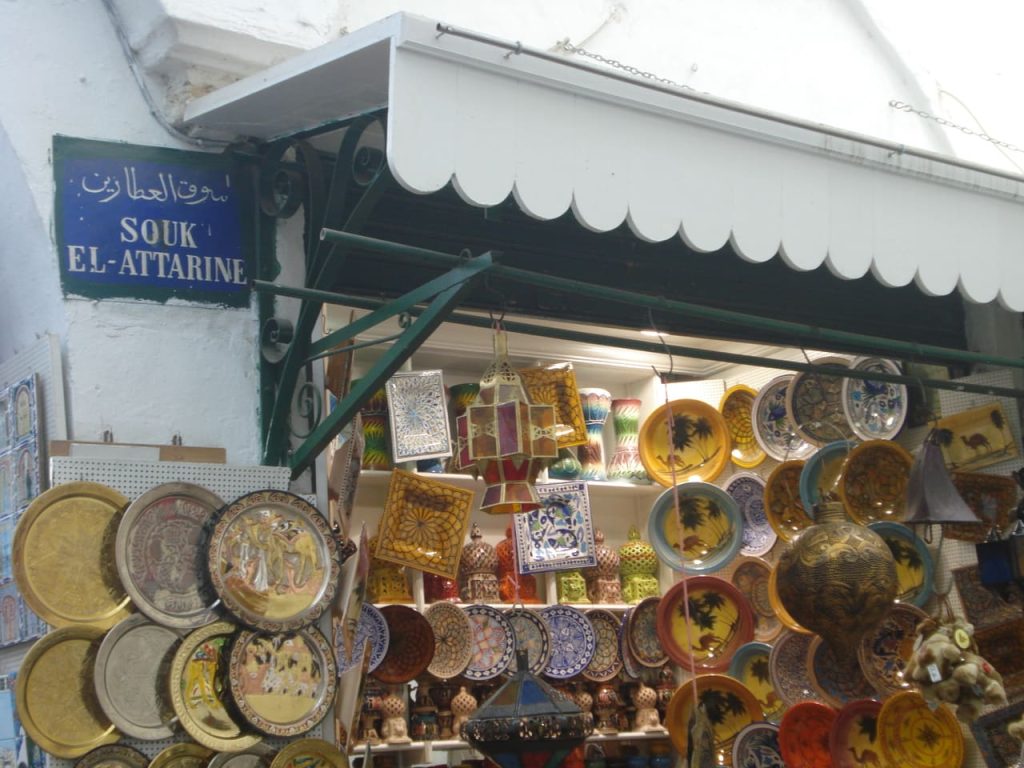
You walk into Souk El Attarine and catch the smell of perfumes, oils and flower essences that Tunisian artisans have crafted for centuries. Vendors explain how they distill jasmine, rose and neroli, and you can watch them mix blends in small glass bottles. According to North African cultural sources, many shops follow generational methods and keep ingredient lists transparent. When you ask questions, sellers often share details about harvest seasons and extraction processes. You leave with products that reflect the region’s history and a deeper sense of how scents shape its culture.
10. Al Balad, Jeddah
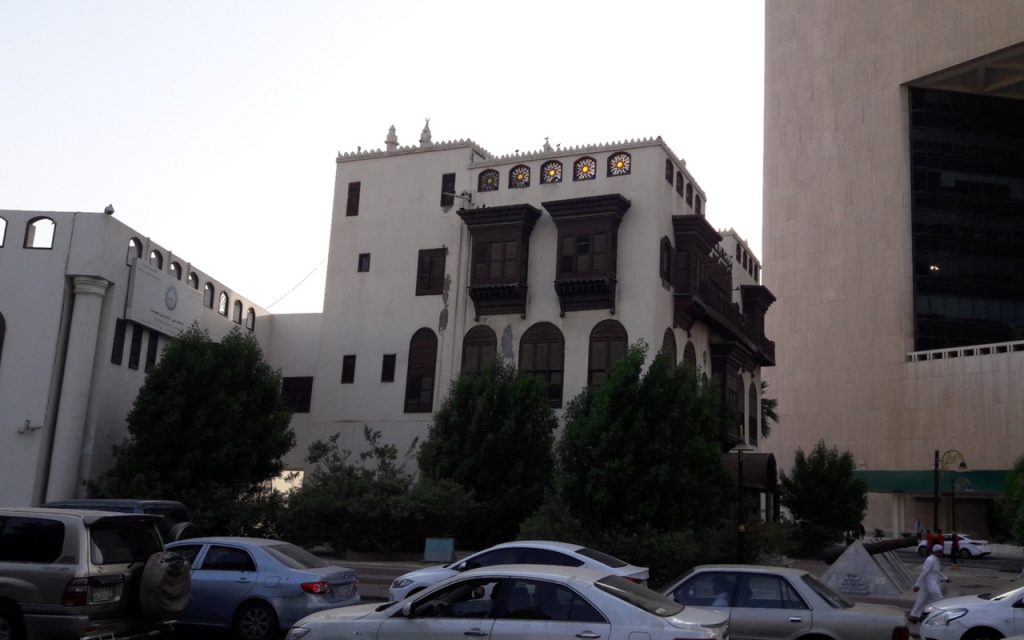
In Jeddah’s Al Balad district, you walk through coral stone buildings and find shops selling incense, textiles and traditional accessories. The market sits inside a UNESCO listed area, and local initiatives work to keep old trades alive. Saudi heritage guides explain that long running family businesses offer high quality oud blends, woven baskets and handmade clothing. You should compare goods across side streets where craftsmen still produce items on site. When you buy from these workshops, you support skills that define the region’s identity and help preserve its architecture and trade culture.
11. Souk Jara, Amman
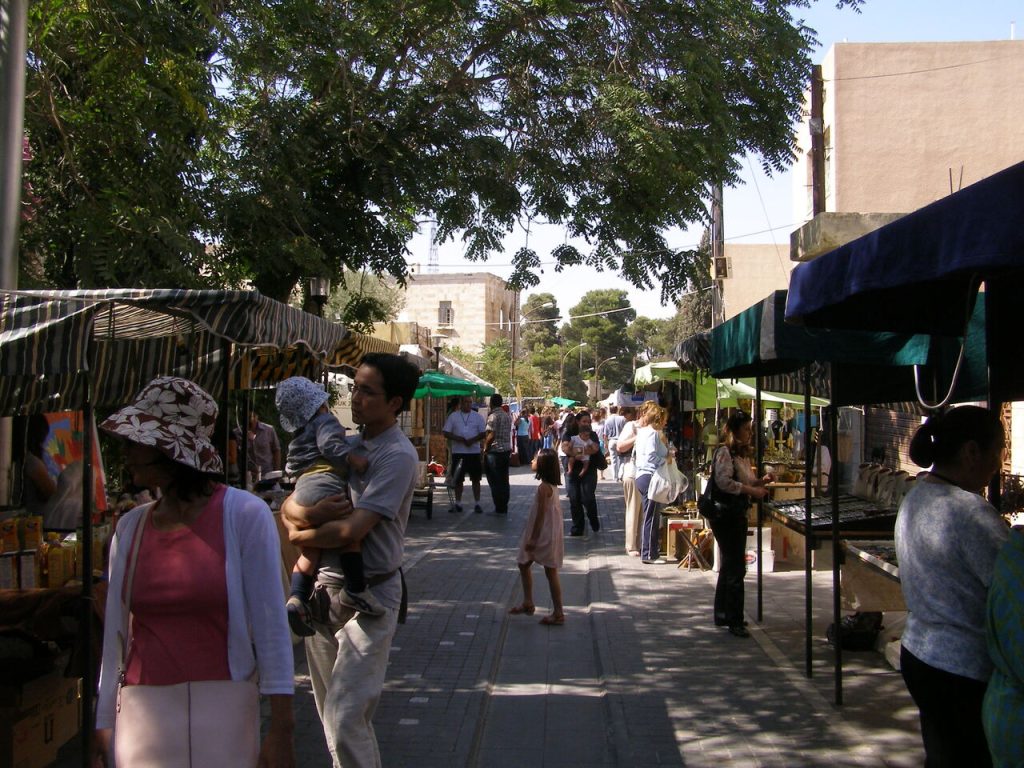
Souk Jara runs seasonally, but you still find authentic crafts rooted in Jordanian heritage. You meet makers selling embroidery, ceramics, woodwork and handmade soaps using local herbs. Cultural sources note that many vendors represent rural women’s groups and small cooperatives. You can ask directly about who made each item and how the profits support communities. This transparency helps you choose meaningful souvenirs and avoid factory produced trinkets. As you walk the shaded lane, you see how each seller ties personal stories to their work, making your purchase more intentional.
12. Aswan Souk, Egypt
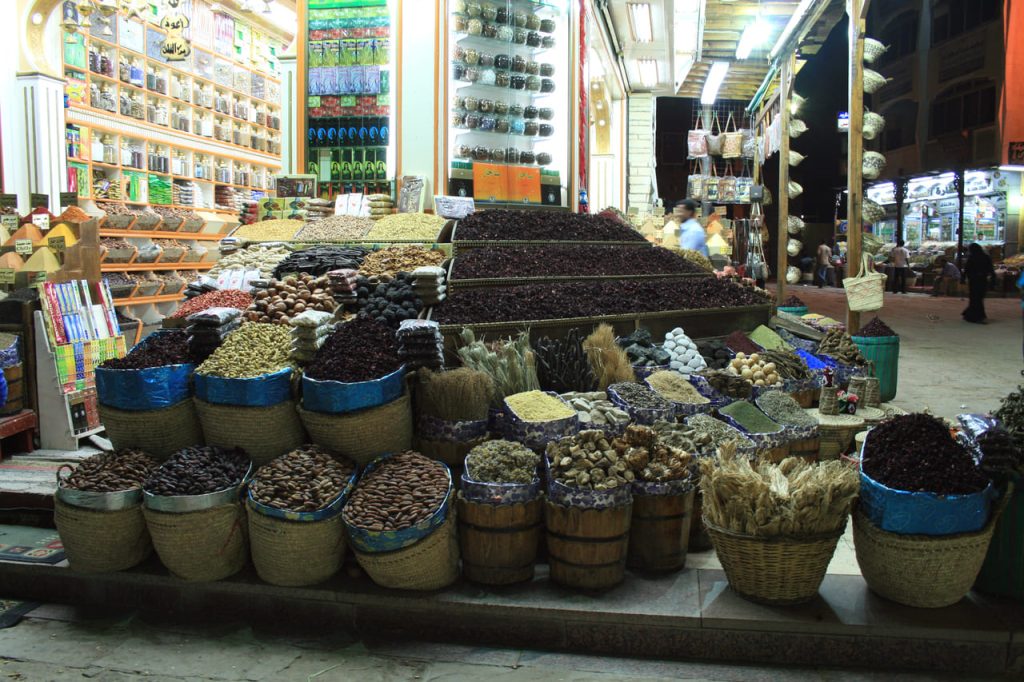
You move through colorful stalls filled with Nubian spices, handwoven baskets, palm leaf goods and traditional jewelry. Many items reflect Nubian heritage, and sellers often explain the symbolism behind patterns and colors. Credible guides highlight that real hibiscus, cumin and fenugreek sold here come from nearby farms. You should check for freshness and consistency, especially for dried herbs. When you choose handmade baskets or carved pieces, you help sustain skills threatened by mass production. The souk stays lively into the evening, giving you time to explore without rush.
13. Essaouira Souk, Morocco
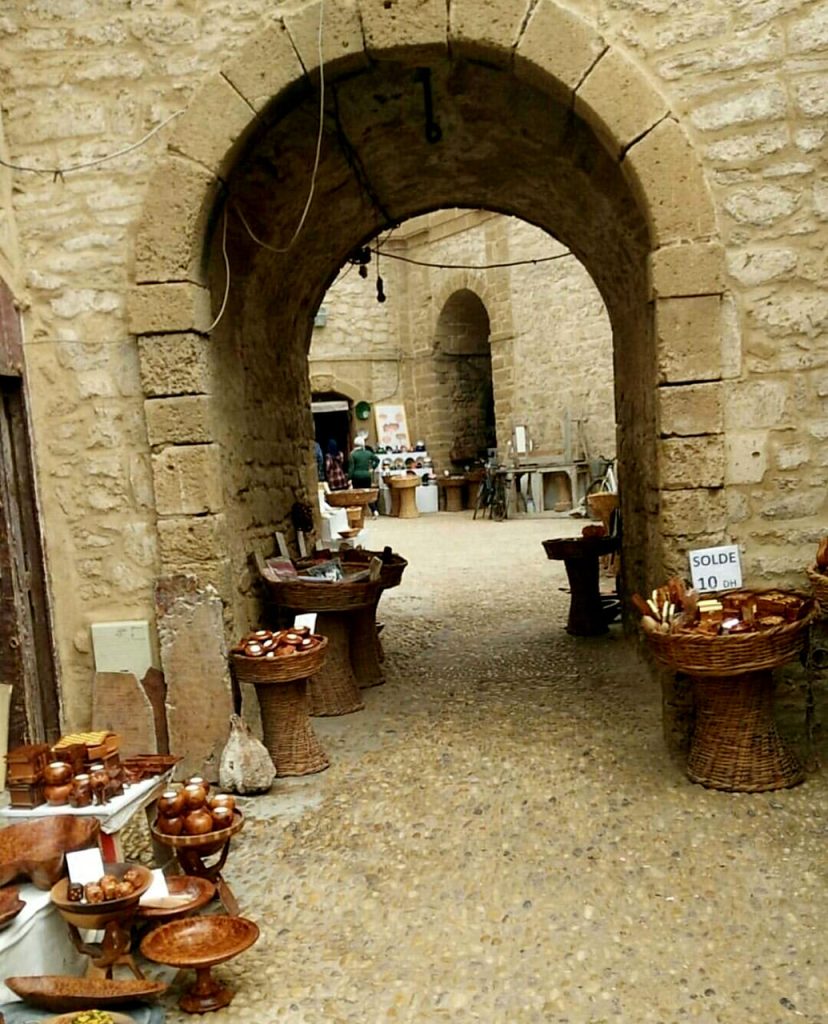
Essaouira’s souk feels calmer than larger Moroccan markets, and you can browse woodwork, spices and textiles at your own pace. The city is known for thuya wood carving, and artisans often work near their stalls, allowing you to see their technique. Travel organizations confirm that thuya pieces from certified workshops follow sustainable sourcing rules. You should ask sellers about where the wood comes from and how long each piece takes to shape. When you buy directly from makers, you support both craftsmanship and forest preservation.
14. Grand Bazaar, Shiraz
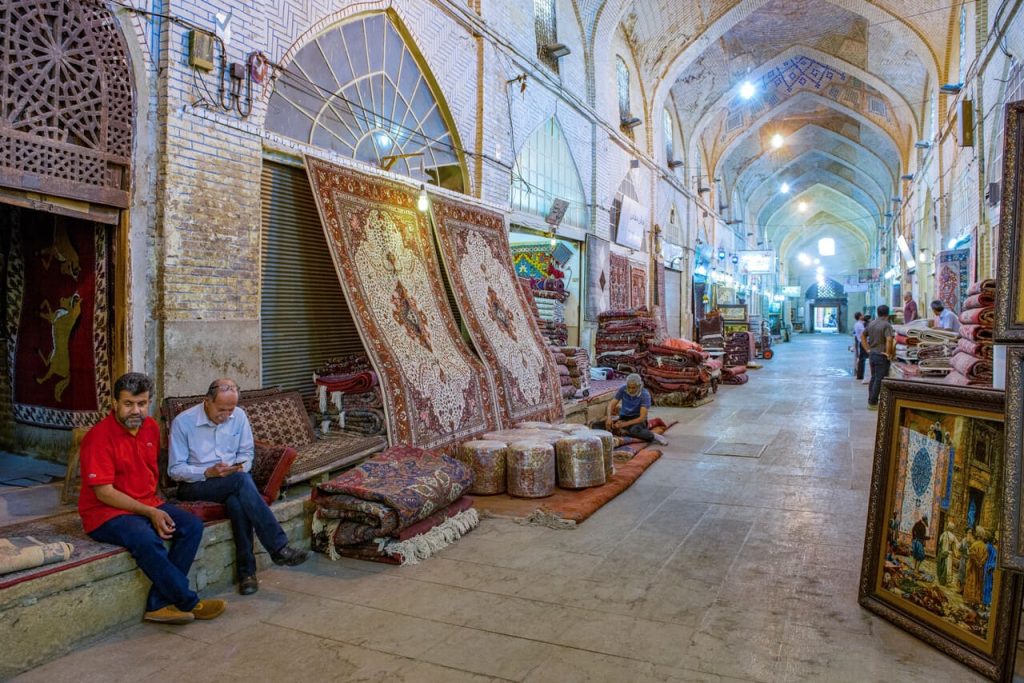
Shiraz’s historic bazaar gives you access to Persian carpets, copperware, spices and textiles woven in regional styles. You can watch carpet sellers explain knot density and dye sources, and copper workers often demonstrate hammering patterns. Iranian cultural institutes document which areas of the bazaar still house traditional workshops. You benefit when you compare carpets from different regions and ask about natural dyes. Genuine items cost more but last longer. When you buy with intention, you support an old network of artisans who continue to follow careful production methods.