14 Popular Museums That Are No Longer Worth the Admission Price
City museums have long promised education, inspiration, and access to culture, yet rising admission prices have altered expectations. As ticket costs increase, visitors measure value against crowded galleries, limited exhibits, and restricted access. Many institutions now rely on blockbuster shows, timed entries, and gift shop revenue to offset expenses. Critics argue these shifts prioritize profit over experience. Travelers and locals alike report feeling priced out or underwhelmed. The following museums remain historically significant, but many visitors question whether current admission prices still match what is offered inside galleries today, shaping ongoing debate about value, access, and cultural purpose.
Louvre Museum Paris
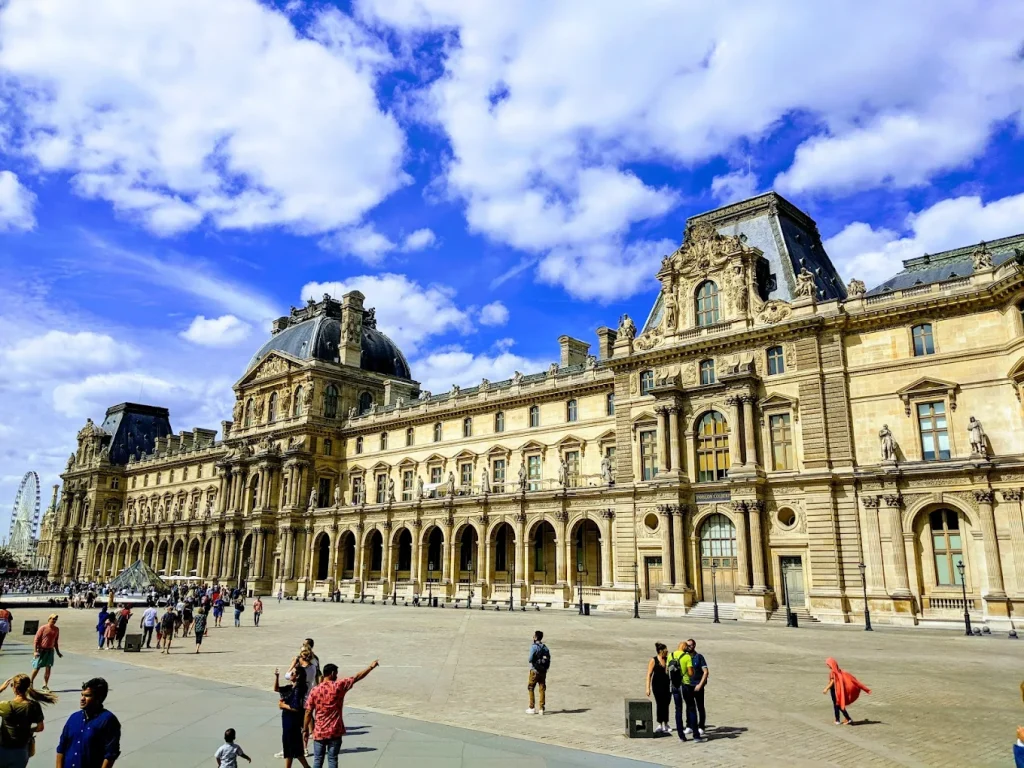
The Louvre Museum in Paris remains one of the world’s most famous cultural institutions, yet visitor satisfaction increasingly suffers. Long lines, timed entry restrictions, and heavy crowds limit meaningful engagement with artworks. Many visitors report brief encounters with highlights like the Mona Lisa before being moved along. Ticket prices have steadily increased alongside reduced accessibility. Temporary exhibitions often require extra fees. Navigating the vast space can feel overwhelming rather than enriching. While the collection remains extraordinary, many travelers feel the experience no longer justifies the admission cost amid congestion and limited personal viewing time, fueling ongoing debate about museum value.
British Museum London
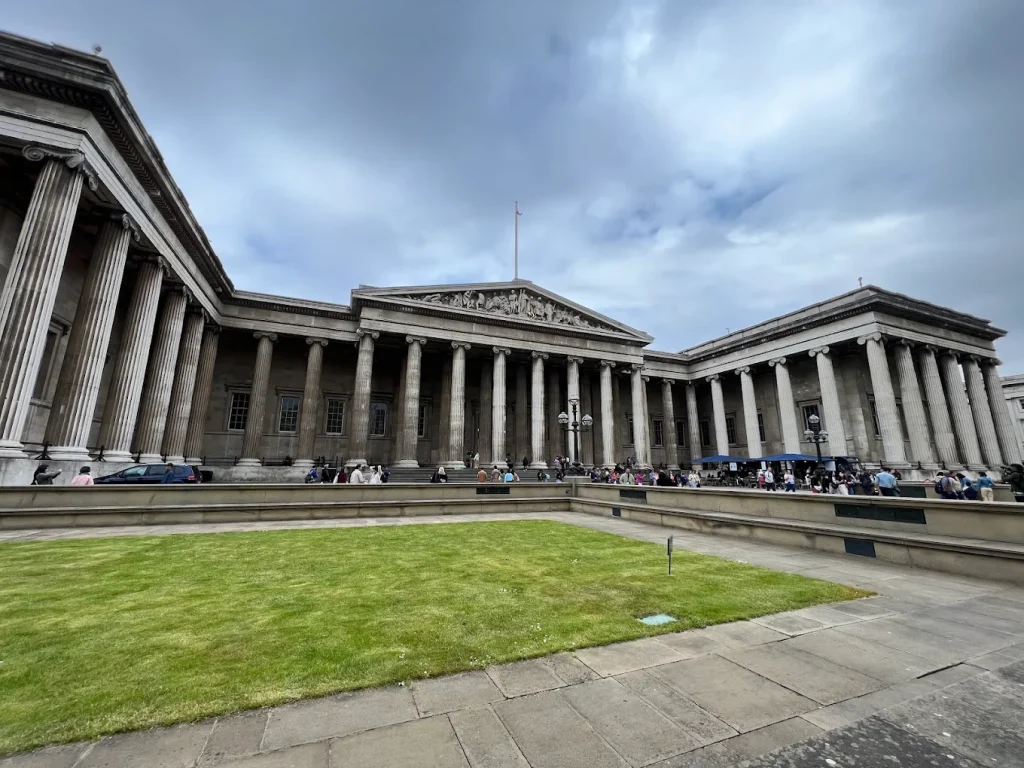
The British Museum in London technically offers free entry, but visitors face growing hidden costs. Special exhibitions often require expensive tickets, drawing attention away from permanent collections. Crowding remains intense during peak seasons, limiting access to major galleries. Facilities feel strained by volume, with limited seating and quiet spaces. Visitors report difficulty engaging deeply with displays due to congestion. While historically significant, the museum increasingly relies on paid exhibits and retail spending. Many guests feel pressured to spend money to access meaningful experiences within an already crowded environment. These concerns continue shaping public debate about museum pricing, and cultural value.
Metropolitan Museum Of Art New York
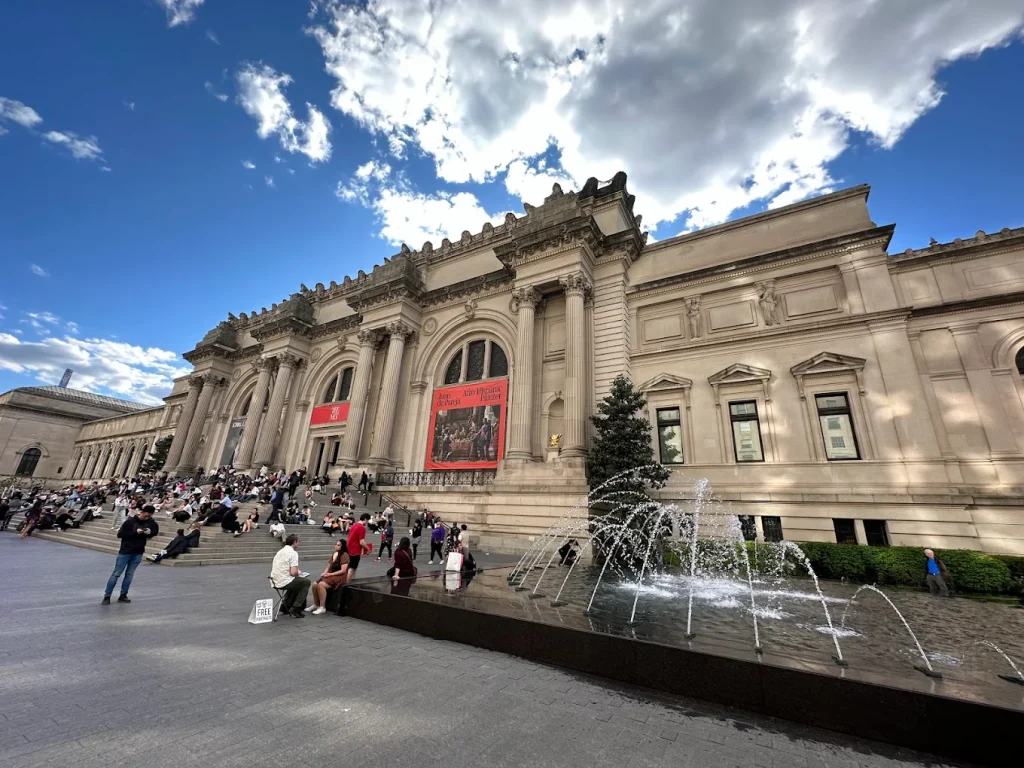
The Metropolitan Museum of Art in New York charges high admission fees. Expansive galleries remain impressive, yet crowd density reduces viewing quality. Popular wings become congested, especially during special exhibitions. Some visitors note uneven exhibit quality across departments. Amenities such as seating and rest areas feel insufficient. Additional costs appear through ticketed exhibitions and dining. While the collection remains world class, many guests feel the experience no longer aligns with its premium price, particularly during busy tourist seasons when meaningful exploration becomes difficult. These concerns continue shaping public debate about museum pricing, accessibility, crowd management, and cultural value.
Vatican Museums Vatican City
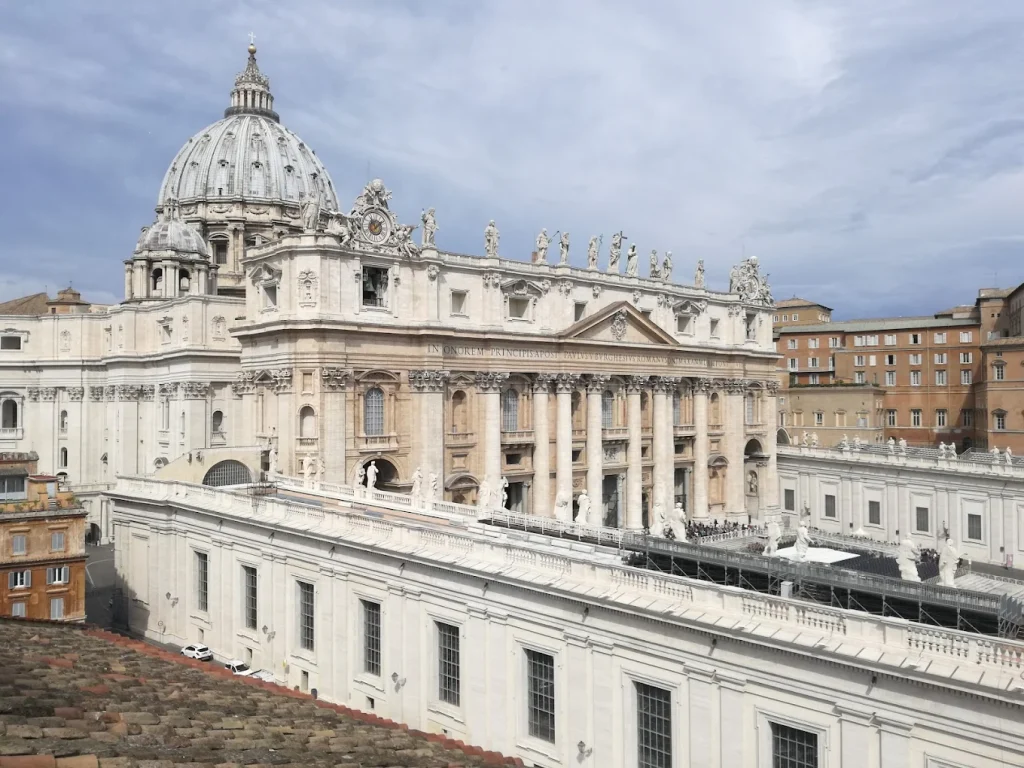
The Vatican Museums attract millions annually, yet rising ticket prices have not improved visitor flow. Crowded corridors and strict movement paths limit time with artworks. Many visitors report feeling rushed through galleries. Access to the Sistine Chapel often involves long waits and dense crowds. Guided tours add significant cost. Facilities struggle to accommodate volume comfortably. Despite historic significance, the experience can feel physically demanding and impersonal. Many travelers question whether the high admission price delivers proportional educational or aesthetic value under such crowded conditions. These concerns continue shaping public debate about museum pricing, accessibility, crowd management, and cultural value.
Museum Of Modern Art New York
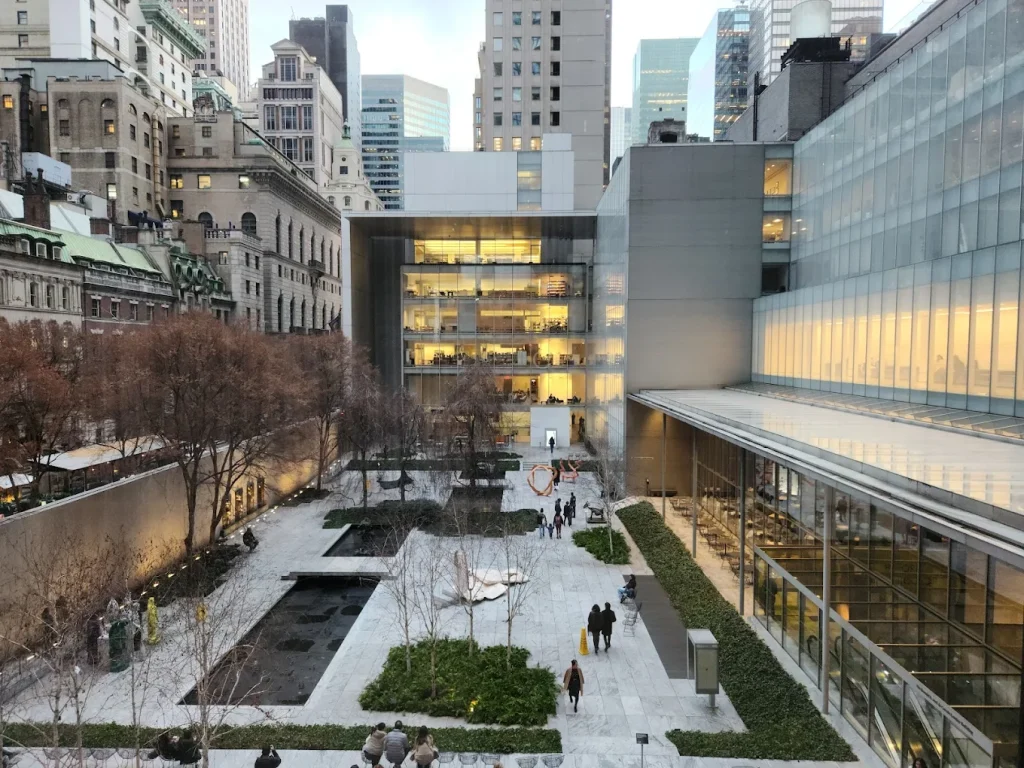
The Museum of Modern Art in New York commands premium admission, yet visitor feedback often notes overcrowding. Popular exhibitions attract dense foot traffic that limits reflection. Gallery layouts encourage constant movement rather than lingering. Some permanent collections rotate frequently, reducing predictability. Additional fees apply for special shows. Visitors also encounter crowded cafes and gift shops. While MoMA remains influential, many guests feel the admission price outweighs the experience during peak hours, when space constraints diminish enjoyment of modern and contemporary works. These concerns continue shaping public debate about museum pricing, accessibility, crowd management, and cultural value.
Uffizi Gallery Florence
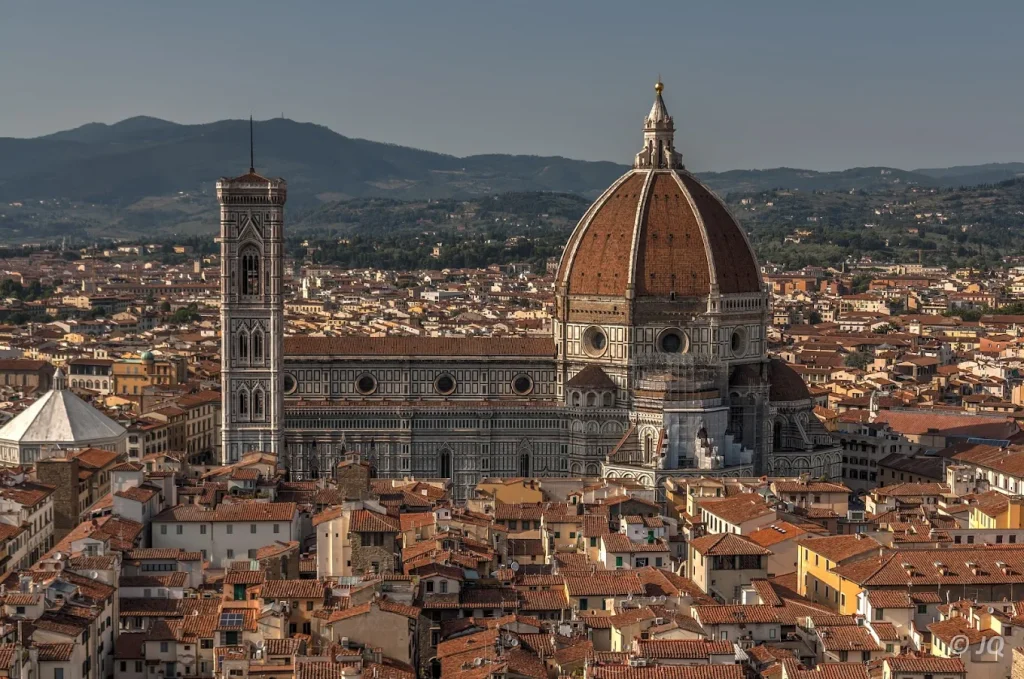
The Uffizi Gallery in Florence houses iconic Renaissance art, but rising ticket prices concern visitors. Timed entries create bottlenecks within narrow corridors. Large tour groups dominate key rooms. Many guests feel rushed despite paying premium rates. Temporary exhibitions increase costs further. Navigating crowds reduces opportunities for quiet appreciation. While historically invaluable, the gallery experience often feels exhausting rather than immersive. Travelers increasingly question whether the admission cost reflects the limited viewing comfort offered during busy seasons. These concerns continue shaping public debate about museum pricing, accessibility, crowd management, and cultural value.
Prado Museum Madrid
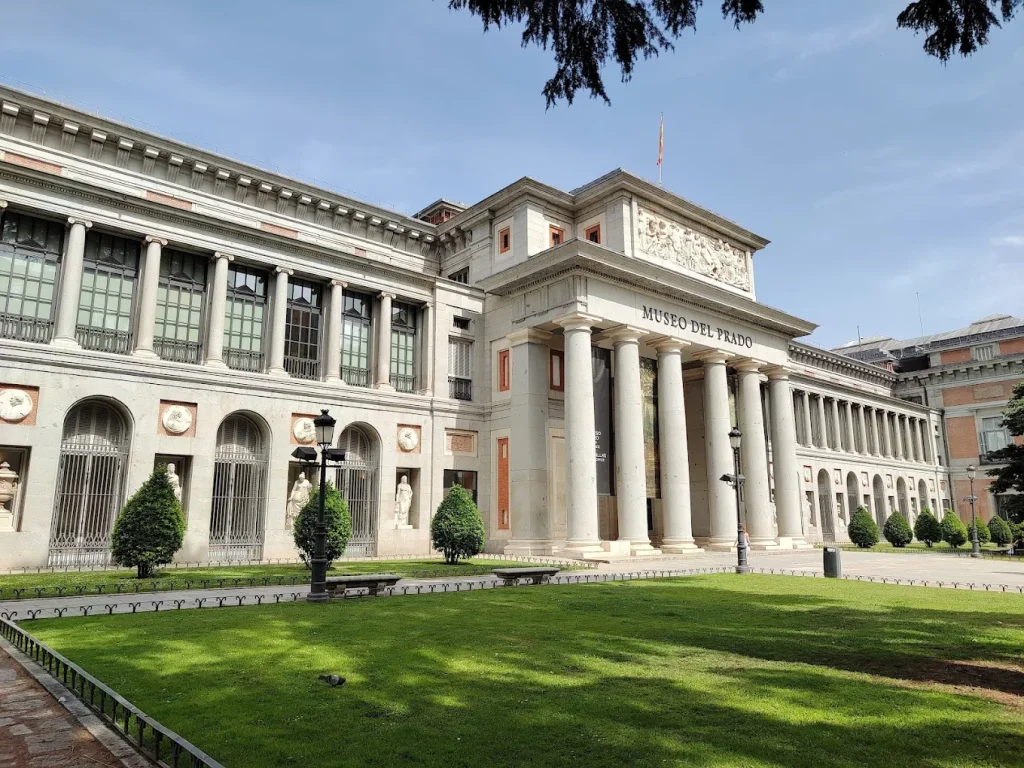
The Prado Museum in Madrid showcases exceptional Spanish art, yet visitors report diminishing value of the museum. Admission prices have increased alongside limited seating and rest areas. Crowds concentrate around famous works, leaving little space for contemplation. Some galleries feel under curated. Special exhibitions require additional tickets. Facilities show strain during peak tourism periods. Although the collection remains important, many visitors feel the overall experience no longer justifies the admission price given congestion and uneven gallery experiences. These concerns continue shaping public debate about museum pricing, accessibility, crowd management, and cultural value.
Smithsonian National Air And Space Museum Washington
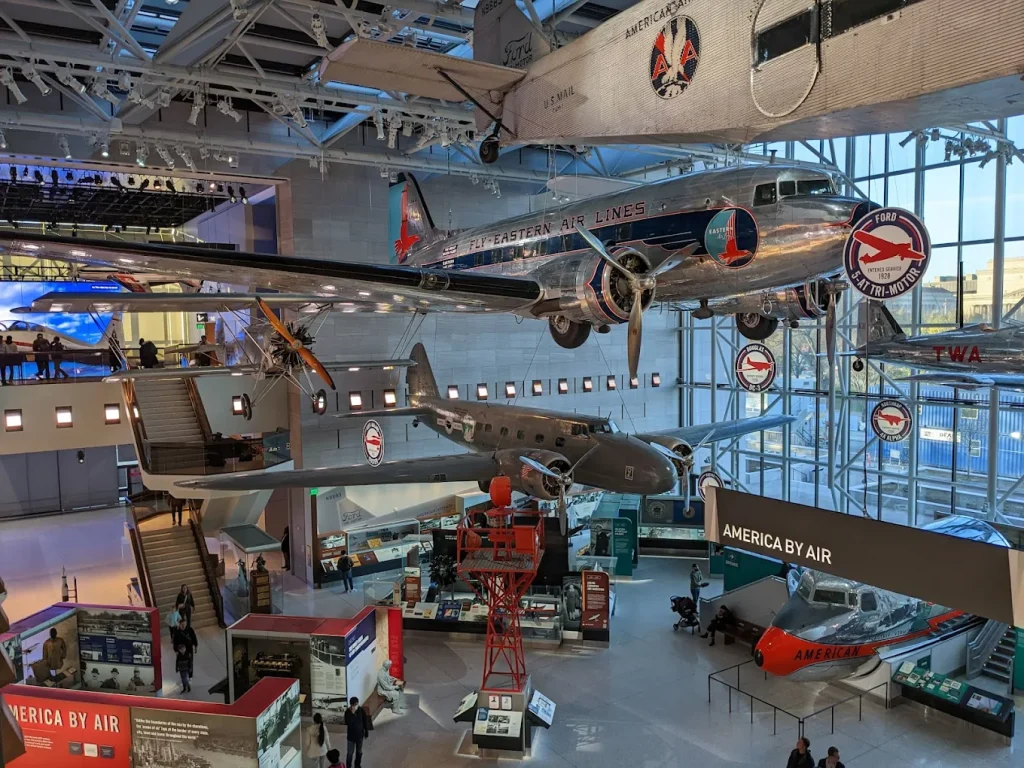
The National Air and Space Museum remains free, but access limitations frustrate visitors. Timed entry passes restrict spontaneity. Popular exhibits often close for renovations. Crowding persists despite capacity controls. Visitors encounter limited exhibit availability compared to expectations. Additional experiences require fees. While historically important, many guests feel the effort required outweighs the value offered. The museum’s reputation often exceeds what visitors experience during constrained visits. These concerns continue shaping public debate about museum pricing, and cultural value. Visitor expectations continue evolving as institutions balance preservation, access, and critical public scrutiny.
Acropolis Museum Athens
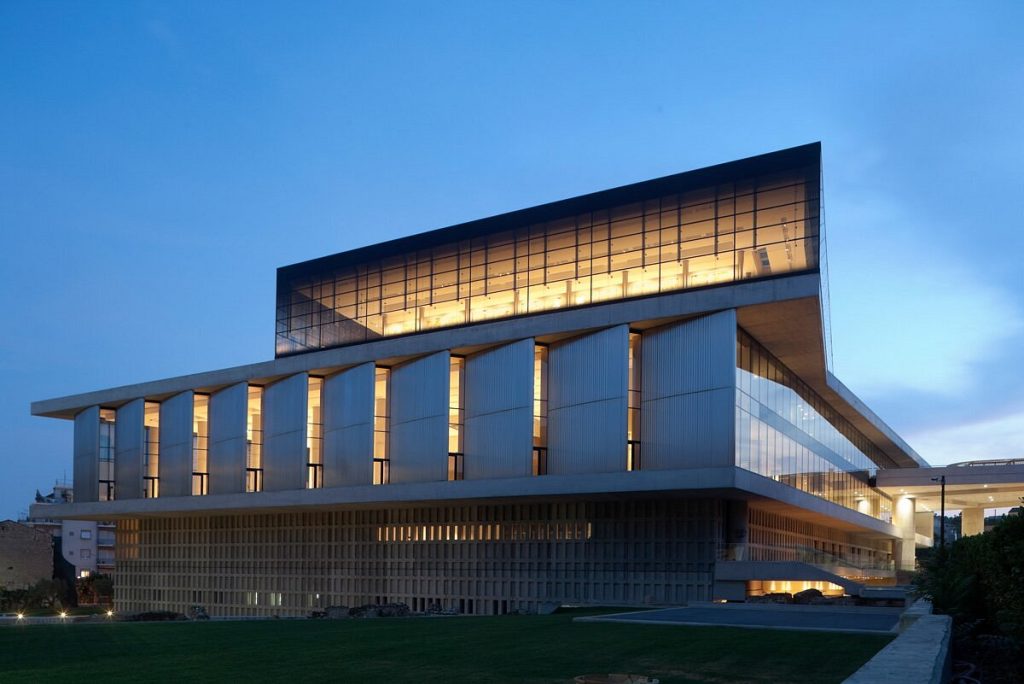
Acropolis Museum charges rising admission fees while experiencing heavy crowding. Galleries surrounding major artifacts become congested quickly. Limited seating and shade reduce comfort. Visitors often rush through highlights due to volume. Temporary exhibitions increase costs. While architecturally impressive, many guests report difficulty engaging deeply with displays. The museum’s proximity to iconic ruins raises expectations that admission prices no longer consistently meet. These concerns continue shaping public debate about museum pricing, accessibility, crowd management, and cultural value. Visitor expectations continue evolving as institutions balance preservation, access, funding pressures, and critical public scrutiny.
Guggenheim Museum New York
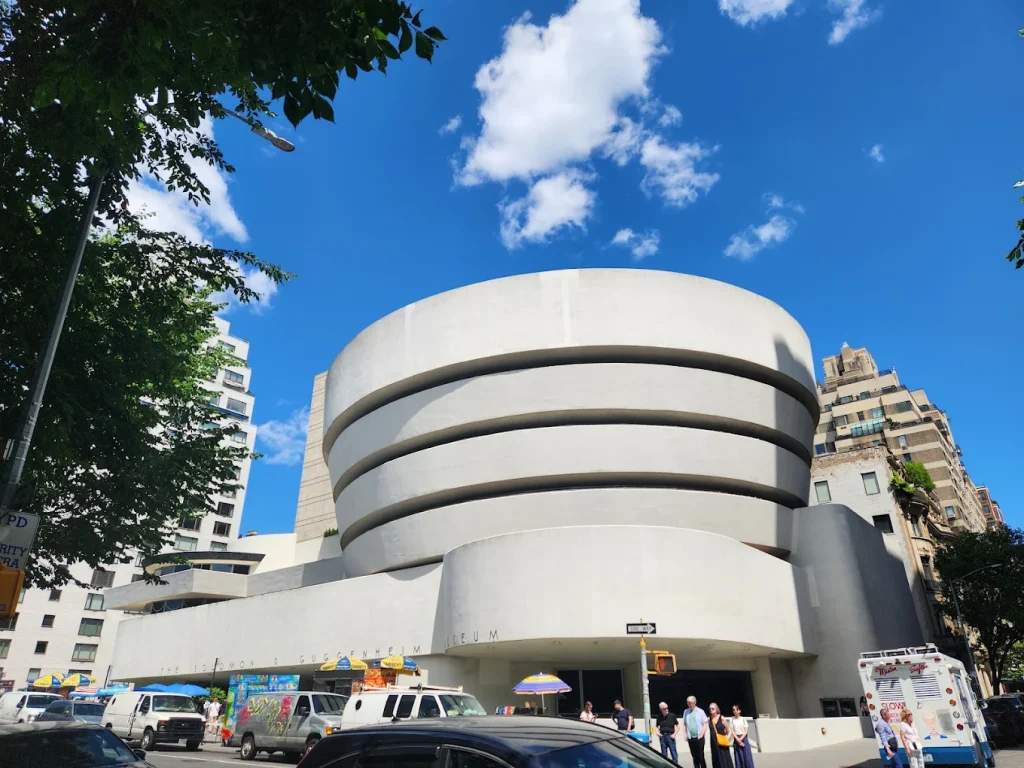
The Guggenheim Museum in New York draws visitors for its architecture, yet admission prices feel steep. Limited gallery space restricts exhibit scope. Crowding within the spiral design compounds discomfort. Some visitors feel exhibits do not justify cost. Additional fees apply for special shows. While visually striking, the museum experience often feels brief relative to price, prompting criticism from travelers seeking greater substance. These concerns continue shaping public debate about museum pricing, accessibility, crowd management, and cultural value. Visitor expectations continue evolving as institutions balance preservation, access, funding pressures, and critical public scrutiny.
Van Gogh Museum Amsterdam
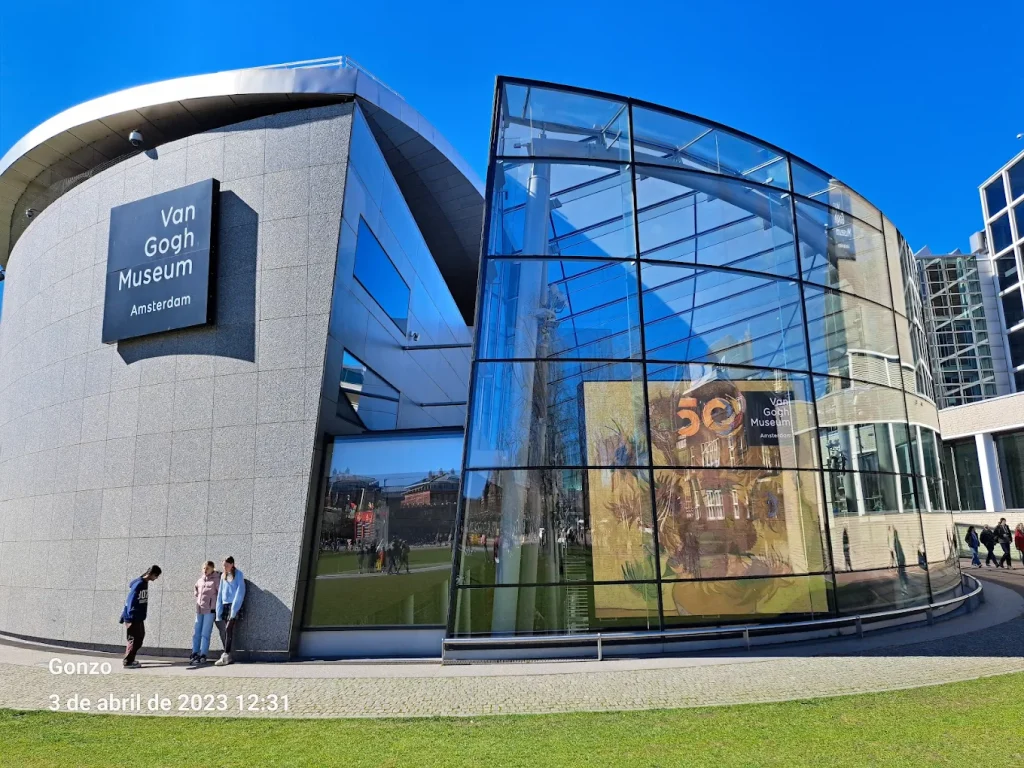
The Van Gogh Museum in Amsterdam requires advance reservations and higher ticket prices. Crowds funnel through narrow spaces, limiting viewing time. Visitors report brief encounters with major works. Additional exhibitions increase costs. Facilities feel crowded during peak hours. While the collection remains emotionally powerful, many guests question whether admission prices align with the compressed, highly managed experience offered. These concerns continue shaping public debate about museum pricing, accessibility, crowd management, and cultural value. Visitor expectations continue evolving as institutions balance preservation, access, funding pressures, and critical public scrutiny.
Louvre Abu Dhabi
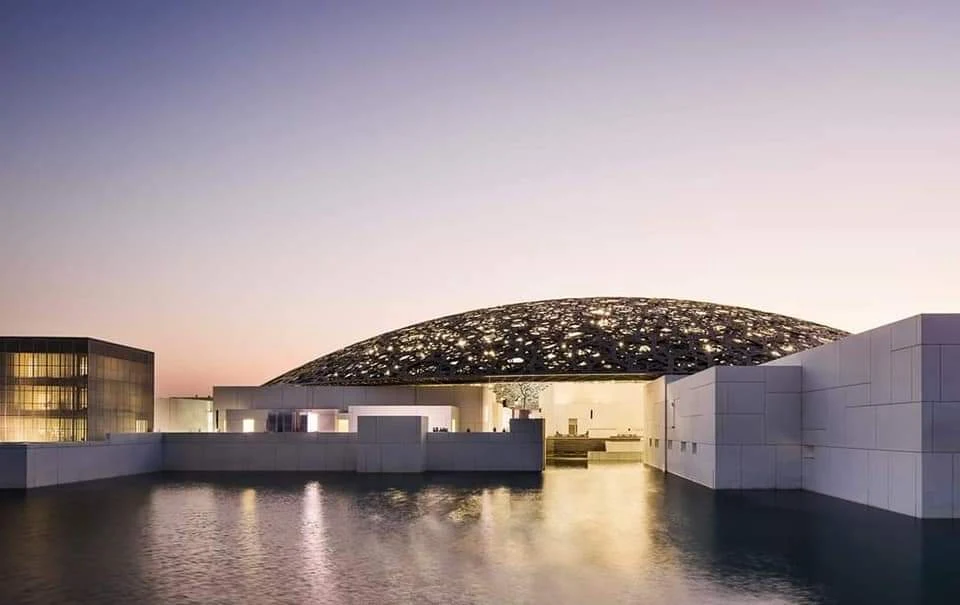
Louvre Abu Dhabi impresses architecturally, yet visitors cite high admission prices. Galleries feel sparse compared to expectations. Some exhibitions rotate slowly. Visitors often finish tours quickly. Additional experiences add cost. While visually striking, many feel the museum emphasizes branding over depth. Admission prices raise questions about long term value. These concerns continue shaping public debate about museum pricing, accessibility, crowd management, and cultural value. Visitor expectations continue evolving as institutions balance preservation, access, funding pressures, and critical public scrutiny. Ongoing comparisons with older global museums further influence visitor perceptions and satisfaction levels.
Tate Modern London
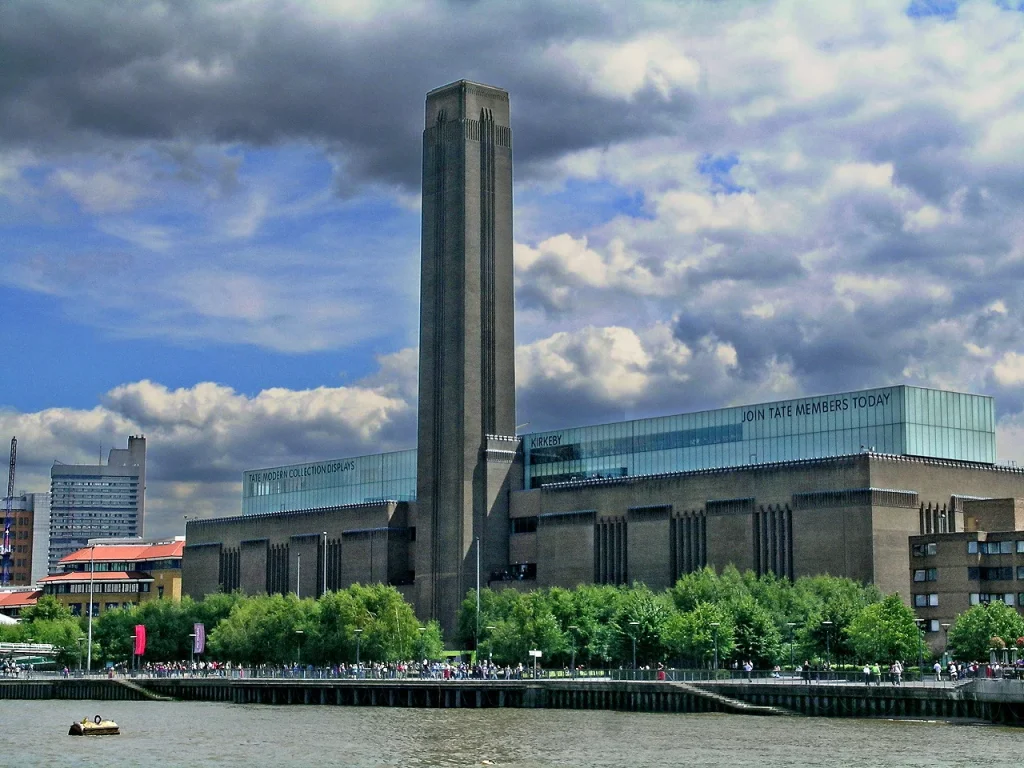
Tate Modern offers free entry, but visitors report diminishing experience. Crowding overwhelms popular installations. Special exhibitions require paid tickets. Galleries feel noisy and congested. Seating remains limited. Visitors feel pressured toward retail spaces. While influential, many guests feel the museum’s scale and crowds reduce meaningful engagement, raising concerns about value even without mandatory admission fees. These concerns continue shaping public debate about museum pricing, accessibility, crowd management, and cultural value. Visitor expectations continue evolving as institutions balance preservation, access, funding pressures, and critical public scrutiny.
Hermitage Museum Saint Petersburg
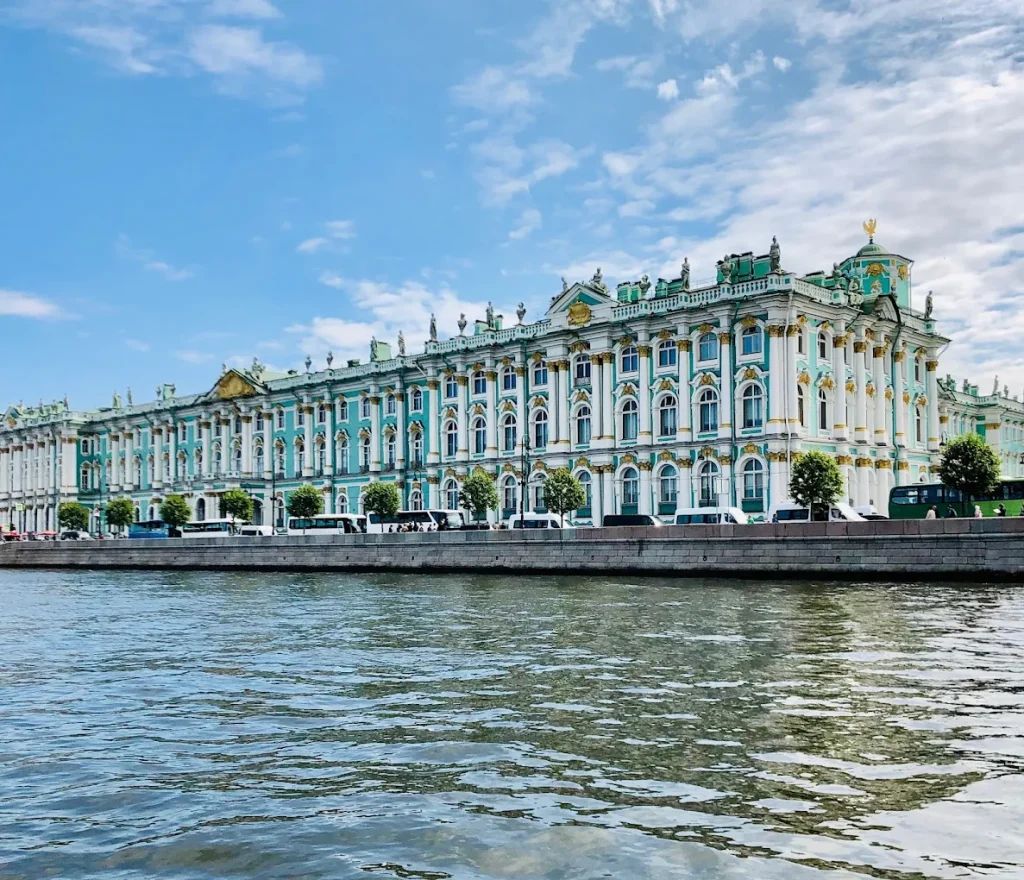
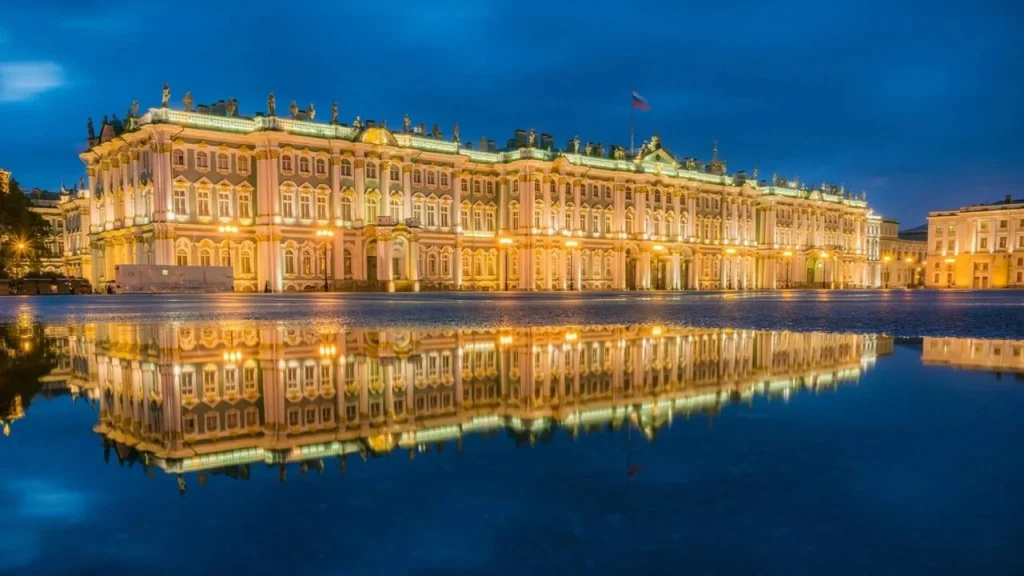
The Hermitage Museum in Saint Petersburg remains vast, yet visitors face rising ticket prices and overcrowding. Navigating endless rooms feels exhausting. Crowds cluster around famous galleries. Limited seating and signage frustrate guests. Temporary exhibits add costs. While historically extraordinary, many visitors feel the admission price no longer matches the physical and logistical challenges involved in fully appreciating the collection. These concerns continue shaping public debate about museum pricing, accessibility, crowd management, and cultural value. Visitor expectations continue evolving as institutions balance preservation, access, funding pressures, and critical public scrutiny.