14 Practical U.S. Ideas That Ditch Dreamland

American life sells polished outcomes: the perfect remodel, the perfect routine, and the weekend that looks effortless in photos. Practical living stays closer to the ground, and it works even when energy is low. It makes room for weather shifts and plan changes.
These ideas lean on U.S. basics, from libraries to state parks and community classes. They favor repeatable defaults over inspiration, so progress does not depend on mood. Each habit lowers friction without demanding reinvention.
Dreamland is optional, and steadiness is the real flex. The goal is fewer fragile plans and more capability that holds up on ordinary Tuesdays.
Pick A Shoulder-Season City Break
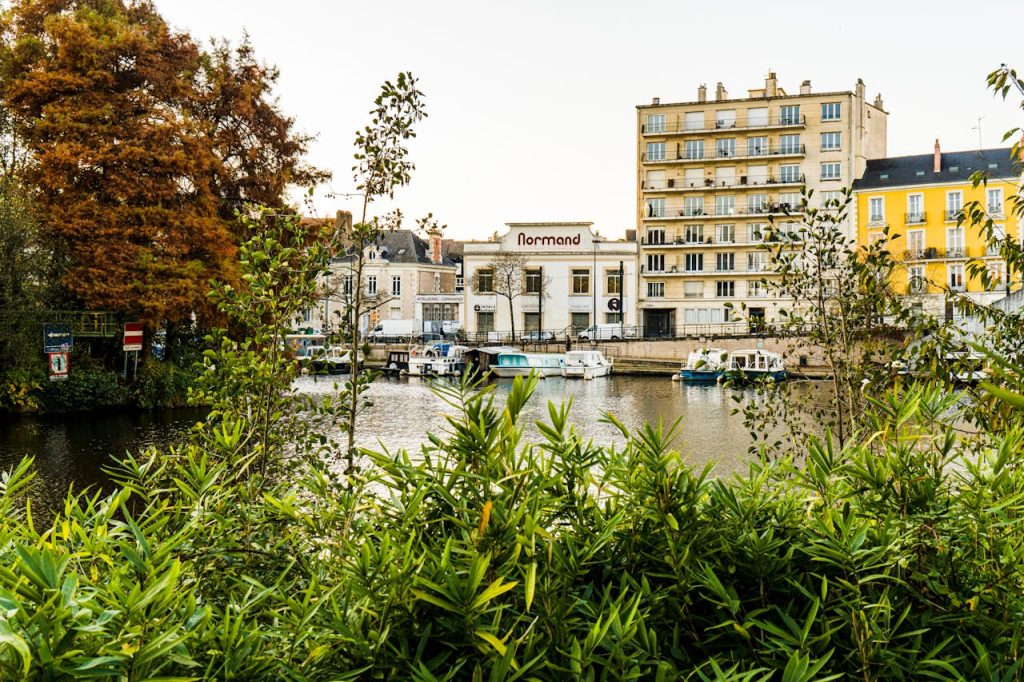
A shoulder-season city break keeps travel grounded. April, May, Sept., and early Nov. often bring cooler sidewalks, lighter lines, and hotels priced for humans, not hype. With fewer crowds, the city is easier to read.
Plans can stay simple and still feel rich. One neighborhood, one museum, and one long meal leaves room for bookstores, waterfront loops, and unplanned coffee. Transit and parking become background details instead of the main puzzle.
Crowds thin, and service softens. Local calendars deliver markets and gallery walks, but the mood stays relaxed. A weekend stops feeling like a sprint and starts feeling like a reset.
Use The Public Library Like A Membership

Public libraries are practical infrastructure hiding in plain sight. Many systems offer e-books, audiobooks, language apps, work space, and free programs that make a weeknight feel useful. The building also serves as a calm third place that does not demand spending.
A hold list creates a steady pipeline without impulse buys. Returns add a gentle deadline, and that nudge keeps reading moving. Some branches lend museum passes or hot spots, depending on local budgets.
The habit is simple and repeatable. One visit a month keeps learning active, and it replaces subscriptions with borrowed time. Curiosity stays fed without turning into clutter.
Learn One Repair Skill Per Month
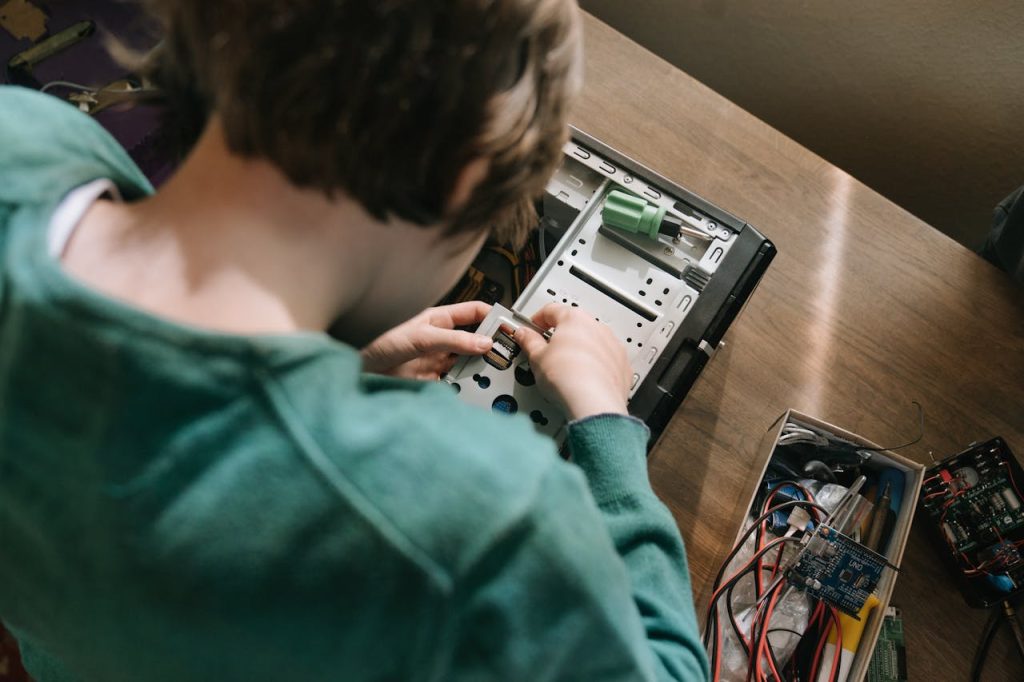
Home confidence grows through small fixes, not renovation fantasies. One skill a month, like clearing a P-trap, resetting a GFCI, or sealing a drafty door sweep, removes daily friction fast. These wins also prevent minor issues from turning into weekend-eating errands.
A photo log keeps the learning usable. Parts, model numbers, and dates prevent wrong-size purchases and repeat mistakes. Short notes also make it easier to explain a problem to a pro when help is needed.
Momentum builds quietly. The house feels cared for, and repairs stop arriving as surprises. Capability grows in small steps, and those steps hold up when schedules get busy.
Buy Used First For Everyday Gear
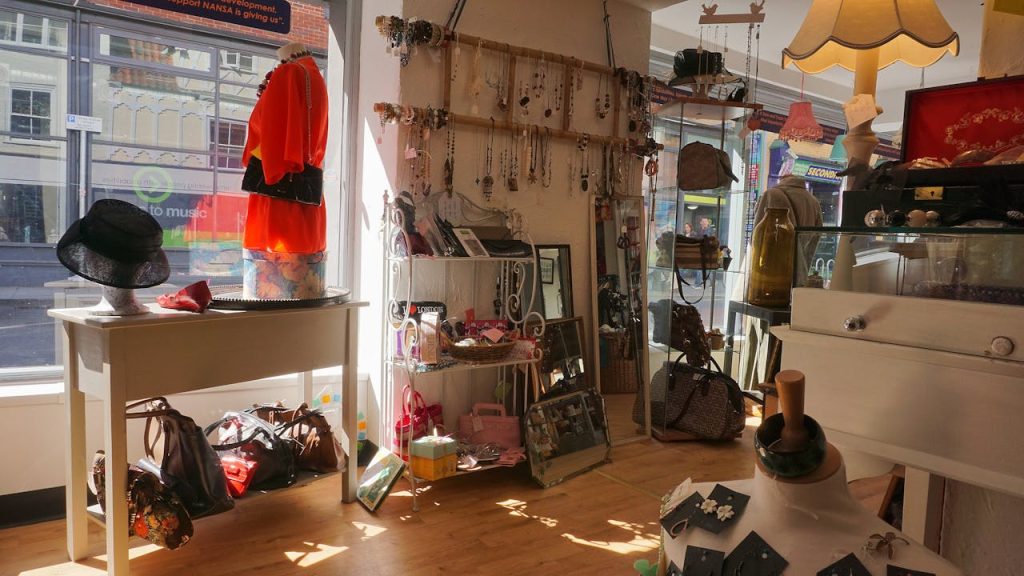
Used-first shopping is a practical default in most U.S. towns. Thrift stores, estate sales, and resale apps are full of cookware, lamps, shelves, and bikes with years left, often sturdier than fast-new options. Lower prices make experimentation safer, and impulse buying fades.
Quick checks prevent most regrets. Test wobble, confirm parts, measure twice, and sniff for stubborn odors before loading the trunk. For electronics, basic power and missing cords matter more than fancy features.
Flexibility is the hidden win. If something does not fit, resale or donation is simpler. The home fills with items chosen on purpose, not on urgency.
Build A Two-Week Meal Loop

A practical kitchen runs on repeatable meals, not reinvention. A two-week loop built around five to seven dinners and flexible lunches cuts decision fatigue and wasted groceries, especially on busy weeknights. The base stays steady, then flavor rotates through sauces and spices.
Shopping becomes predictable. Staples stay the same, and one fresh add-on keeps things interesting. Leftovers become planned lunches instead of a mystery container that lingers.
Batch-cooking one component buys time. Grains or protein done ahead makes weeknights calmer, and cleanup stays smaller. The fridge stops feeling like a puzzle and starts feeling like a plan.
Do A Weekly 15-Minute House Walk

Most home problems announce themselves early, if someone looks. A weekly 15-minute walk can catch damp spots under sinks, dusty bath fans, an overdue furnace filter, or a dryer vent flap that barely opens. Small clues show up before inconvenience, and that keeps weekends free.
It also resets comfort basics. Blocked return vents, thermostat schedules, and humidity targets can drift without notice. A quick scan puts air paths back where they belong and reduces runtimes.
A short checklist holds the habit. One fixed day each week keeps it from slipping, and notes stay simple. Calm attention beats errands, and the house feels steadier.
Keep A Car Kit And A Simple Log
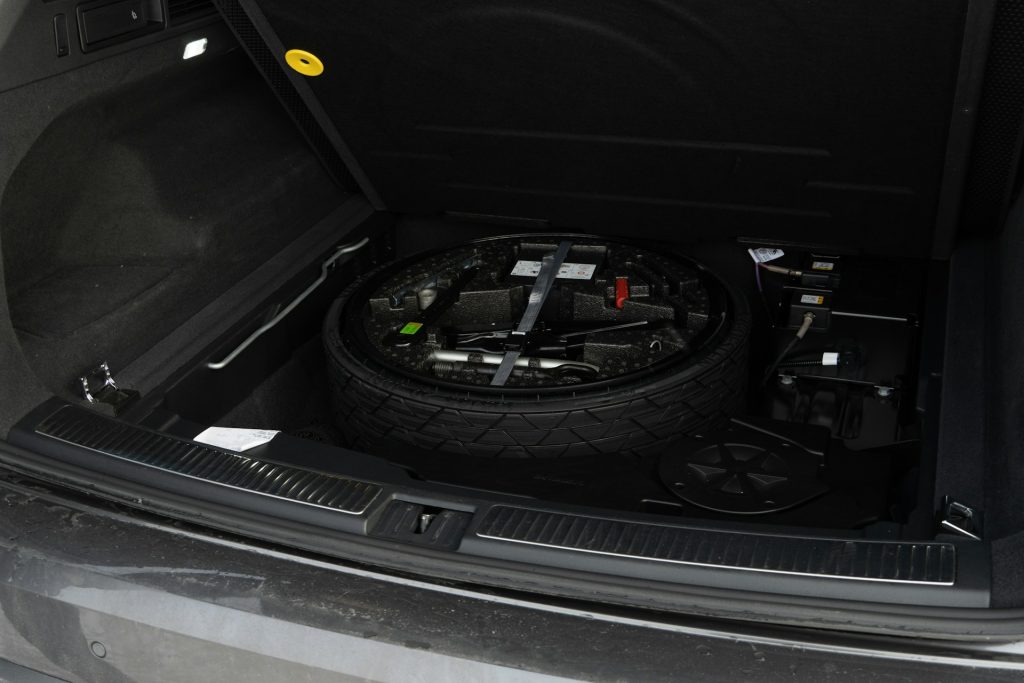
Car reliability is a practical kind of calm. A basic kit with a jumper pack, tire gauge, small inflator, headlamp, gloves, first-aid supplies, and water covers the annoyances that derail plans. Add a blanket and reflective triangle, and errands feel less fragile in bad weather.
A simple log matters just as much. Oil changes, rotations, wiper dates, and odd sounds become easier to track when notes stay consistent. Patterns show up sooner, and mechanics spend less time guessing.
The goal is fewer avoidable delays. Preparedness keeps decisions slower and smarter, even on the roadside. Small habits protect budgets, schedules, and mood.
Choose Walkable Day Trips
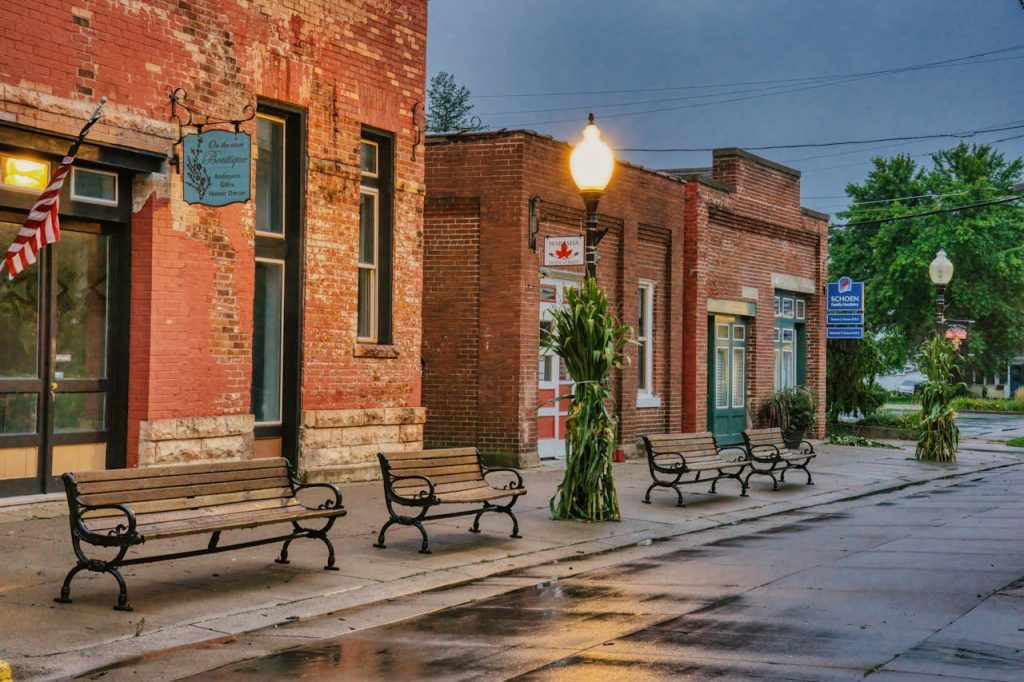
Many of the best U.S. outings are walkable, not epic. A day built around one main street, a waterfront path, and a single museum or market feels restorative because movement stays simple and attention stays present. Parking, traffic, and timed windows stop running the show.
Older neighborhoods make this easy. River towns, college towns, and districts often stitch parks, cafés, and shops into one loop. Benches and green space turn pauses into part of the plan, not wasted time.
The day ends with energy left. Photos feel like memories, not proof, and the drive home feels lighter. A simple route can deliver more than a packed itinerary.
Use State Parks As The Default

State parks are a practical weekend reset that rarely needs hype. Lakes, trails, and overlooks sit within an easy drive in most states, and entry fees stay modest. Visitors spread across many sites, so parking and crowd pressure feel lighter than in major attractions.
The structure is forgiving. One loop trail and one viewpoint can be plenty, and a picnic keeps the day simple. Repeat visits build familiarity, which makes planning easier and reduces the urge to overpack.
An annual pass removes friction. Spontaneous trips become normal, and the outdoors stops feeling like a special occasion. The reset stays available even in busy seasons.
Take One Community Class Each Term

Community colleges and adult education programs are underrated resources. Short courses in welding, bookkeeping, cooking, basic coding, first aid, or Spanish add real capability without a full degree path. Evening schedules make learning compatible with work and family routines.
Structure beats motivation. A class creates a weekly slot, a clear syllabus, and feedback that keeps progress honest. Skills show up fast at home and at work, which makes practice feel worth it.
One class per term keeps the calendar realistic. Picking a course tied to a real need steadies momentum. Learning becomes a habit, not a burst of enthusiasm that fades.
Build A One-Folder Paperwork System

Paperwork becomes stressful when it is scattered. A single digital folder with subfolders for home, car, medical, and taxes reduces frantic searching when a return, claim, or repair suddenly matters. Scanning key documents as they arrive prevents piles from growing.
Naming files with dates keeps them searchable months later. Clear labels beat clever categories, and a backup protects the system when devices get replaced. Receipts belong there, too.
A monthly 10-minute tidy holds the line. Calm replaces drawer-digging, and decisions get faster because proof is easy to find. Order stops feeling like a project and starts feeling normal.
Weatherize Before The Season Flips
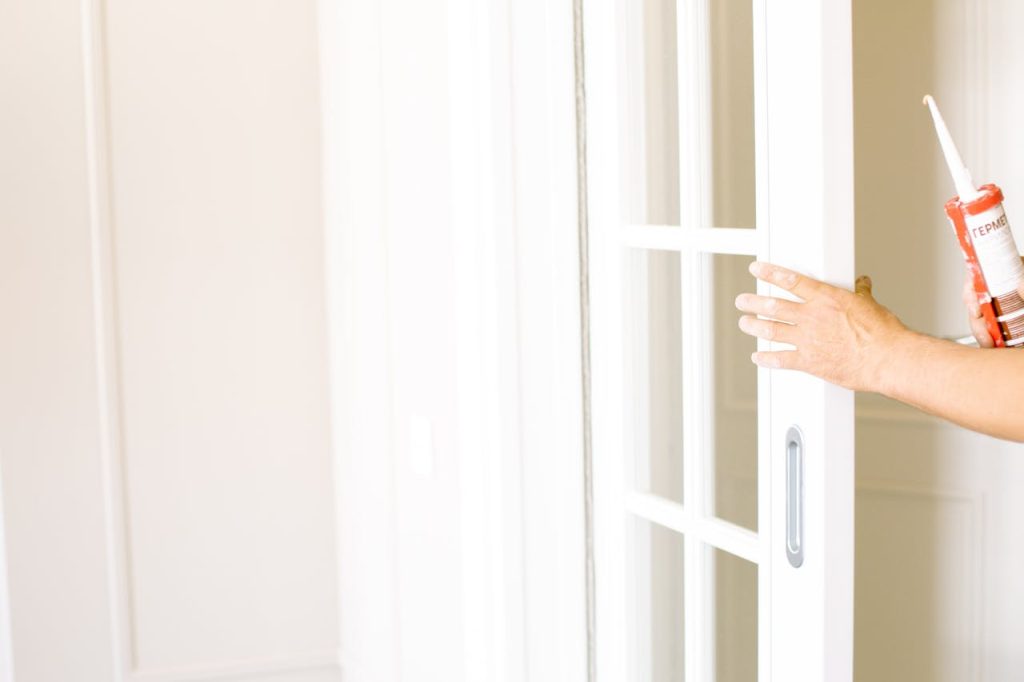
Weatherizing is a comfort upgrade that beats chasing perfect temperatures. Replacing worn door sweeps, sealing window gaps with removable caulk, and checking attic hatch seals reduces drafts and steadies rooms, especially in older homes. Fewer leaks also calm humidity swings, and the house feels quieter.
Timing matters. Early fall or early spring keeps the work small because extremes are not fighting back. Materials adhere better, and the job feels less like a battle.
Small fixes add up fast. Heating and cooling run less, and hot or cold spots soften. Comfort stops depending on constant thermostat tweaks, and the whole place feels steadier.
Keep One Analog Backup Skill
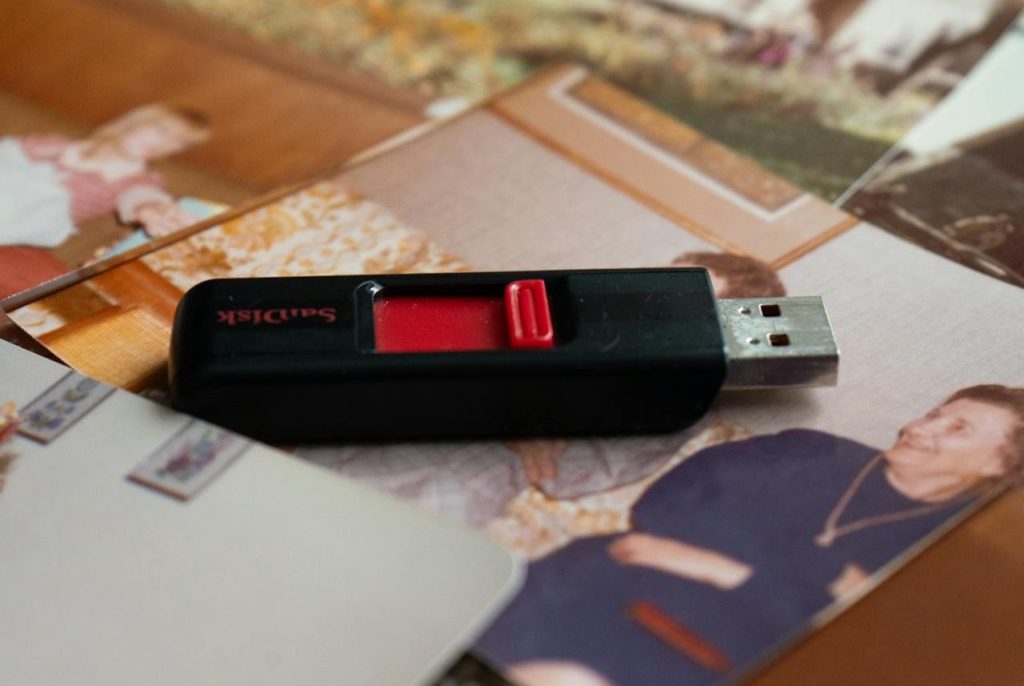
Modern life leans hard on phones, which is why one analog backup skill is practical. A paper map in the glove box, key numbers written down, or basic sewing for buttons can save a day when batteries die or service drops. It also reduces the habit of outsourcing memory to apps.
Small tools make calm easier. A notebook and pen handle directions, receipts, and emergency contacts without drama. A tiny sewing kit solves quick fixes that would otherwise become errands.
Resilience grows from boring habits. The payoff arrives when technology glitches and plans shift. A little analog skill keeps decisions clear and the day moving.
Build Community With One Consistent Habit

Pressure grows when everything is handled alone. One consistent local habit, like volunteering two hours a month, joining a neighborhood cleanup, or showing up at the same farmers market, builds ties that make a place feel friendlier. Familiar faces reduce friction, and small talk becomes useful.
Practical support often follows. These circles share contractor tips, tool loans, and low-cost events, and help appears when plans shift. The benefit is not flashy, but it is real.
Consistency matters more than intensity. A manageable rhythm keeps the habit alive through busy seasons. Over time, the city feels less like a maze and more like home.