14 Things American Drivers Do That Get Them Pulled Over in Canada
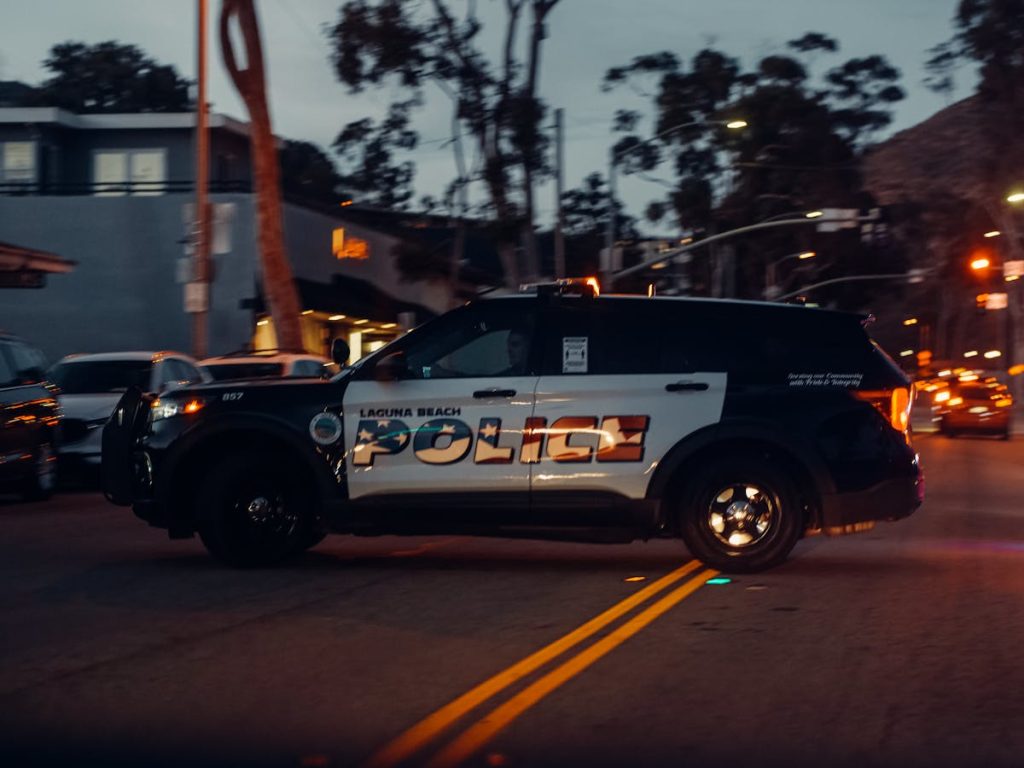
American drivers often assume traffic habits translate easily across borders, yet Canada enforces distinct rules that surprise many visitors. Small differences in signage, enforcement priorities, and legal expectations can lead to unexpected traffic stops. Actions considered minor at home may carry fines or warnings north of the border. Understanding these common mistakes helps explain why routine drives sometimes end roadside. From speed habits to paperwork oversights, these fourteen driving behaviors frequently draw police attention. Together, they highlight how closely Canada regulates road safety and why preparation matters when crossing into a neighboring country by car, especially for first time international road travelers.
Speeding Over Posted Limits
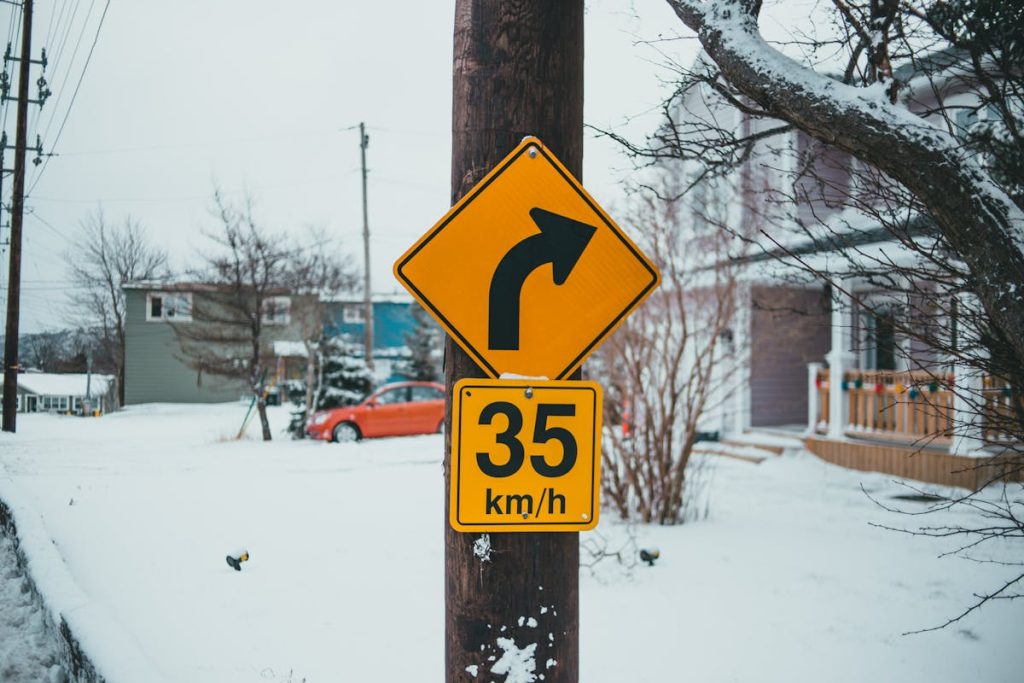
Driving even slightly over posted speed limits often results in stops for American drivers in Canada. Enforcement tends to be stricter, especially on highways and rural roads. What feels like normal flow of traffic may still exceed legal limits. Police frequently use radar and do not allow informal buffers common in some states. Speed limits also change quickly near towns and construction zones. Many visitors misjudge kilometers per hour, unintentionally driving faster than intended. This habit remains one of the most common reasons Americans encounter roadside checks while traveling through Canadian provinces during holidays frequently, especially during peak travel seasons across provinces.
Rolling Through Stop Signs
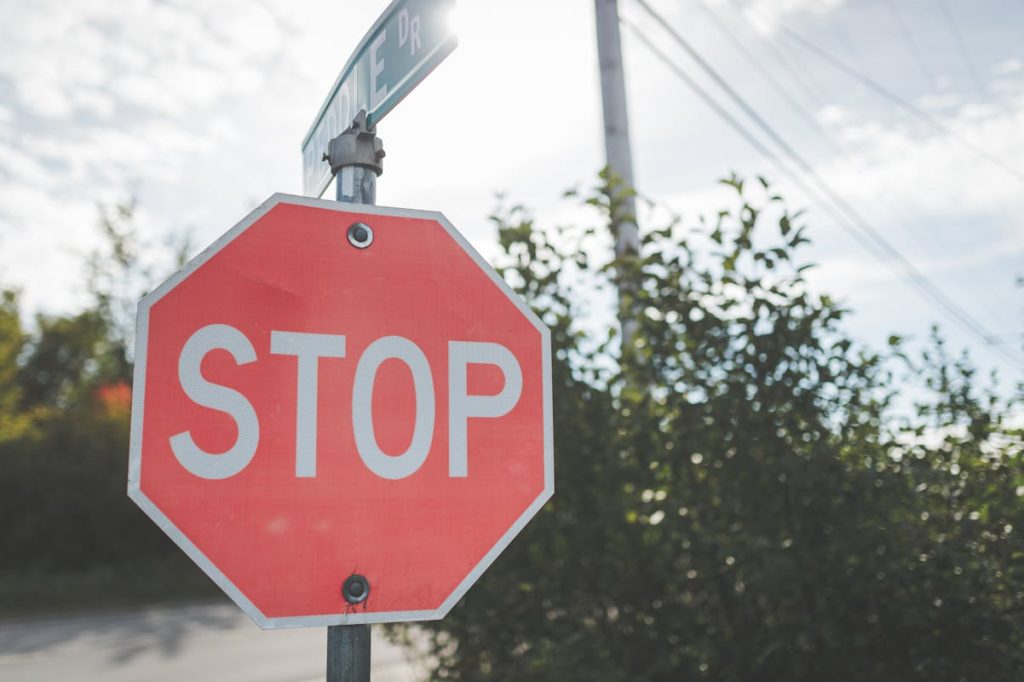
Rolling stops at stop signs frequently attract police attention in Canada. American drivers sometimes slow down without fully stopping, assuming acceptable practice. Canadian law requires complete stops with wheels fully motionless. Police officers watch closely at intersections, school zones, and residential streets. Failure to stop properly can result in fines and demerit points. This behavior stands out because enforcement prioritizes pedestrian safety and clear right of way rules. Visitors unfamiliar with strict stop expectations often learn quickly that casual rolling stops are not tolerated on Canadian roads by local police departments nationwide today consistently enforced everywhere.
Improper Headlight Use

Driving without proper headlights during poor visibility roads can quickly lead to a traffic stop in Canada. Laws require headlights to be turned on at dusk, dawn, rain, fog, and snow. Many American drivers rely on daytime running lights, assuming full headlights are active. However, taillights may remain off, violating regulations. Police regularly stop vehicles for this oversight. The rule exists to ensure visibility from all directions. Visitors unaware of differences between running lights and headlights often receive warnings or tickets for improper lighting use on Canadian highways especially during winter months when weather conditions change rapidly across provinces nationwide frequently.
Failing to Yield to Pedestrians

Failing to yield to pedestrians remains a serious offense on Canadian roads. Drivers must stop for pedestrians at marked crosswalks, even without signals. American visitors sometimes expect pedestrians to wait, especially during turns. Police force enforces yielding laws strictly in urban and suburban areas. Fines and points often follow violations. The emphasis reflects Canada’s strong pedestrian safety culture. Tourists unfamiliar with these expectations may get pulled over quickly when a pedestrian steps into a crosswalk and a vehicle fails to stop completely under traffic enforcement campaigns emphasizing safety awareness for drivers nationwide consistently applied daily everywhere.
Unsafe Lane Changes
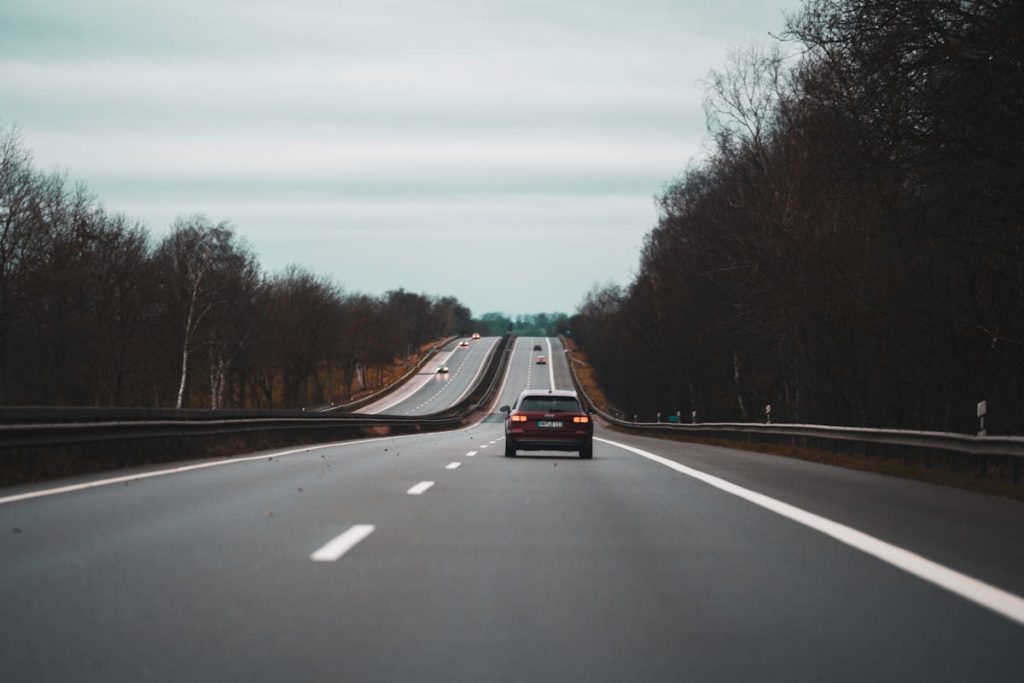
Improper lane changes frequently draw attention from Canadian police. Drivers must signal well in advance and ensure clear spacing. American drivers sometimes change lanes quickly or signal late. This behavior stands out in traffic enforcement. Officers watch for unsafe merges on highways and city streets. Lane discipline matters greatly, especially during congestion. Failure to follow proper signaling rules can lead to stops, fines, and points. Visitors often underestimate how closely lane changes are monitored across Canadian roadways including rural highways, urban corridors, and construction zones where enforcement remains consistent daily nationwide for safety compliance purposes.
Missing Required Documentation
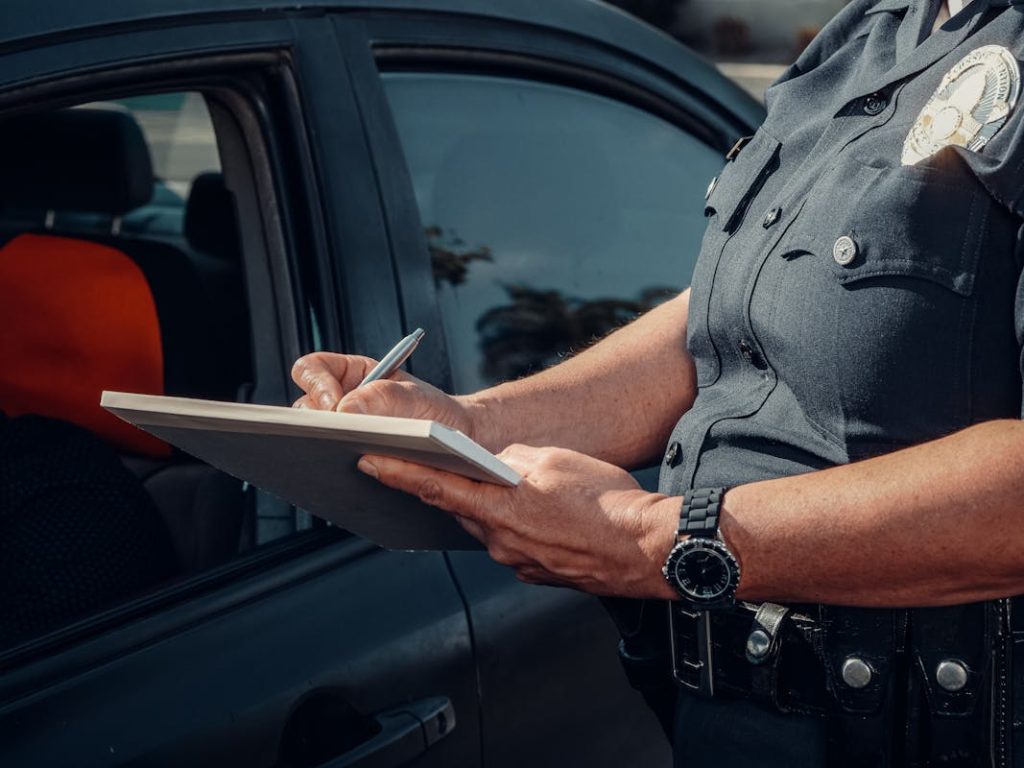
Not carrying proper driving documentation can result in immediate stops in Canada. Drivers must have a valid license, registration, and insurance proof. American visitors sometimes leave insurance cards behind. Canadian police expect documents upon request without delay. Electronic proof may not always be accepted. Failure to present paperwork can escalate a routine stop. This requirement reflects strict compliance standards. Visitors unfamiliar with documentation expectations risk fines or delays when stopped for checks or minor infractions while traveling across provincial borders during traffic enforcement operations, roadside inspections, and random compliance checks conducted regularly nationwide today consistently.
Using Radar Detectors
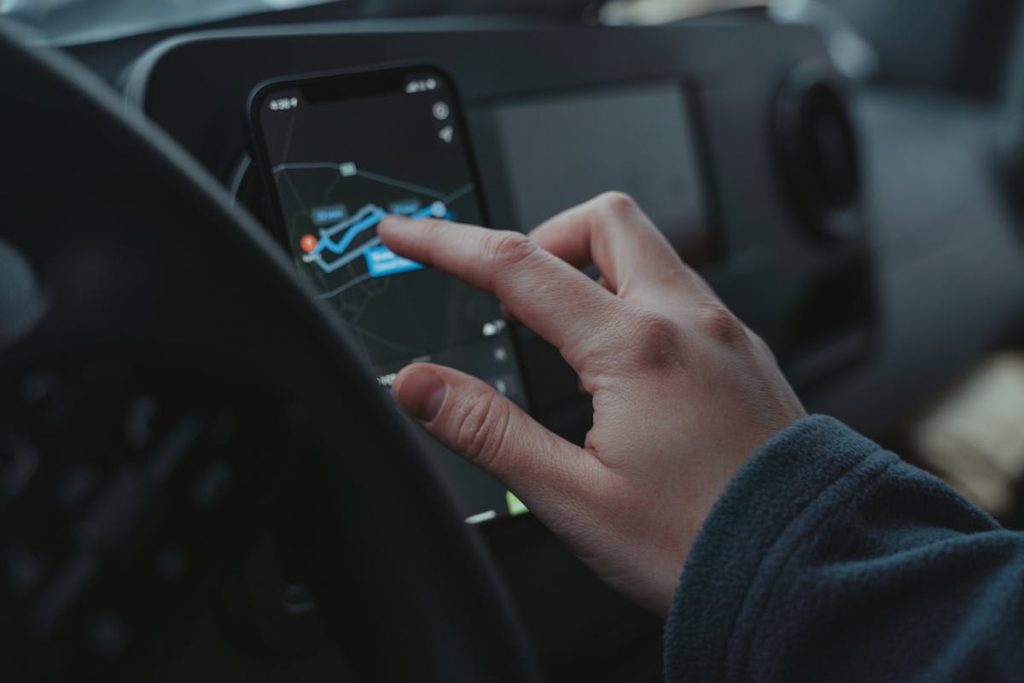
Using radar detectors is illegal throughout Canada and often surprises American drivers. Devices legal in many states are prohibited under Canadian law. Police can stop vehicles solely for detector possession. Confiscation and fines may follow. Enforcement is active, particularly in provinces like Ontario and Quebec. Officers may use detector detection technology. Visitors unaware of this difference risk penalties quickly. This rule reflects Canada’s emphasis on speed compliance and reduced reliance on electronic countermeasures while driving across highways, rural roads, and urban centers where enforcement remains consistent yearround regardless of location or driver nationality status today.
Following Emergency Vehicles
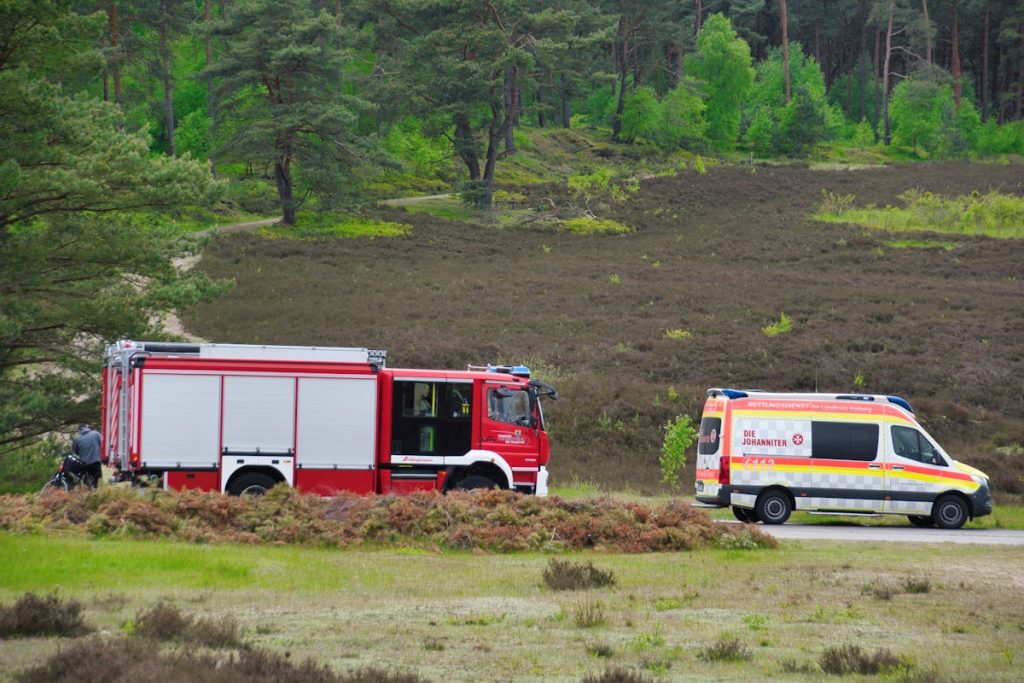
Following emergency vehicles too closely can cause traffic stops in Canada. Drivers must maintain distance and avoid using cleared paths. American drivers sometimes follow ambulances or police to bypass congestion. This practice violates traffic laws and safety protocols. Officers enforce these rules strictly. The intent is to protect responders and prevent accidents. Visitors unaware of this expectation may get pulled over quickly. Respecting emergency vehicle space remains essential on Canadian roads especially during active response situations within cities, highways, and rural areas where penalties apply consistently under provincial traffic safety regulations nationwide today uniformly enforced.
Not Moving Over for Emergency Stops
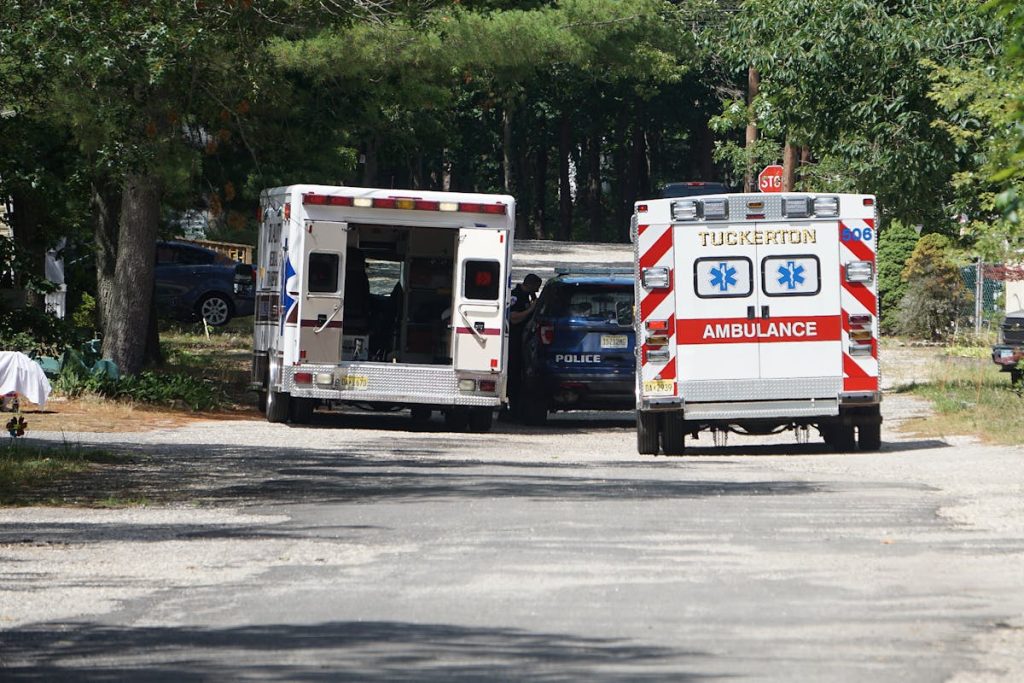
Failing to move over for stopped emergency vehicles frequently leads to enforcement action. Canadian move over laws require drivers to change lanes or slow significantly. American drivers may overlook this requirement. Police monitor compliance closely. Violations carry fines and points. The rule applies to police, fire, and tow trucks. Visitors unfamiliar with these laws risk stops on highways and city roads. Compliance demonstrates respect for roadside safety and responder protection during traffic enforcement operations conducted provincewide emphasizing driver awareness, education, and accountability for roadside incidents involving emergency personnel daily throughout Canada consistently applied nationwide today.
Ignoring Winter Tire Laws

Driving without required winter tires can prompt stops in certain Canadian provinces. Quebec mandates winter tires during specific months. American drivers often remain unaware of these seasonal laws. Police conduct checks during winter conditions. Fines may apply for noncompliance. The requirement reflects Canada’s winter safety priorities. Visitors driving rental or personal vehicles risk violations if unprepared. Understanding regional tire laws helps avoid penalties and ensures safer travel during cold weather across snowy highways, mountain routes, and urban streets where enforcement remains active throughout winter seasons annually provincewide under transportation safety statutes monitored regularly by authorities.
Misunderstanding Right Turns on Red
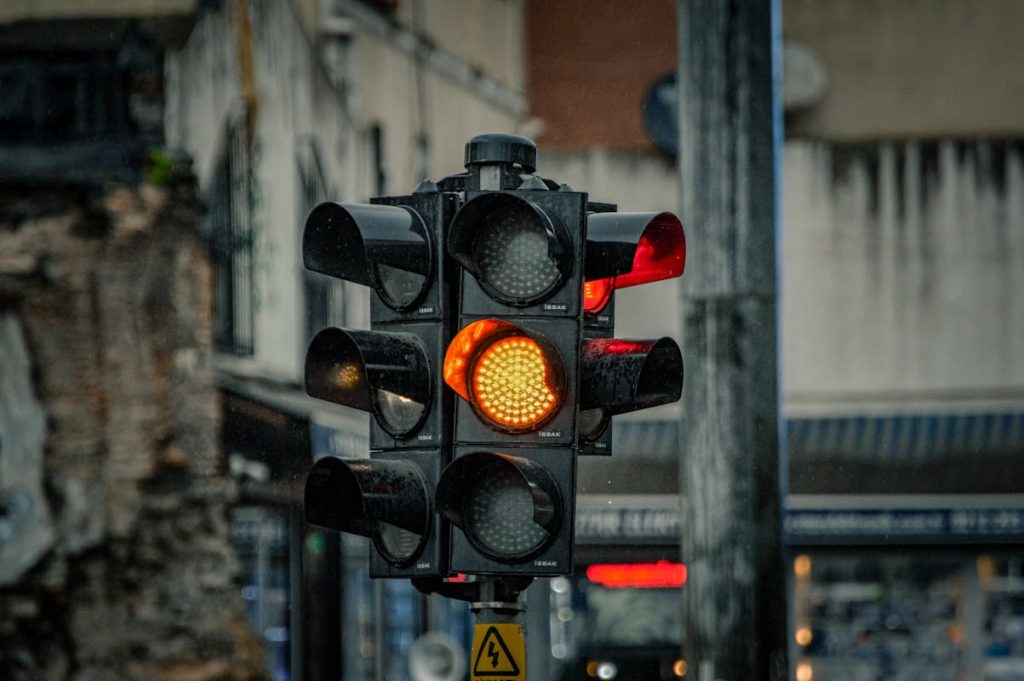
Right turns on red operate differently across Canadian jurisdictions and cause confusion. Some intersections prohibit the maneuver entirely. Signs clearly indicate restrictions, yet visitors miss them. Police enforce violations strictly. Failure to comply can result in fines. This rule prioritizes pedestrian and cyclist safety. Drivers unfamiliar with local signage risk stops when turning without authorization at controlled intersections particularly within urban centers, school zones, and dense downtown areas where enforcement emphasizes visibility, compliance, and consistent application of traffic control regulations provincewide daily affecting residents, commuters, tourists, visitors, motorists, drivers.
Distracted Driving Violations

Distracted driving laws in Canada rank among the strictest in North America. Handheld phone use is prohibited nationwide. Drivers may underestimate enforcement intensity. Police actively monitor behavior at intersections and highways. Penalties include heavy fines and license points. Even holding a device briefly can trigger a stop. The emphasis reflects safety priorities. Visitors unaware of these rules often face consequences quickly when distracted behind the wheel during routine patrols, roadside checks, and targeted enforcement campaigns conducted across provinces emphasizing public safety, awareness, education, deterrence, compliance, accountability, and injury prevention initiatives nationwide today consistently enforced.
Improper Child Seat Use

Improper child seat use often results in traffic stops across Canada. Laws require age appropriate car seats and boosters. American drivers may follow different state standards. Police enforce compliance strictly. Penalties can include fines and points. The focus remains child safety. Visitors traveling with families must understand provincial requirements. Misunderstanding child restraint laws can quickly turn a routine drive into a roadside stop especially during traffic safety checks, school zone patrols, and family travel seasons when enforcement increases awareness, education, and compliance efforts nationwide under transportation safety statutes enforced consistently across provinces today annually without exception.
Improper License Plate Display

Failure to display license plates properly can prompt stops in Canada. Plates must be visible, unobstructed, and clean. American drivers sometimes cover plates with frames or dirt. This violates Canadian regulations. Police enforce visibility standards consistently. Missing front plates on vehicles from single plate states may also attract attention. Visitors unfamiliar with plate requirements risk fines or warnings during routine traffic checks conducted by local police, provincial authorities, and highway patrols focused on identification, enforcement, and road safety compliance nationwide daily ensuring accountability for registered vehicles, drivers, owners, operators, travelers, visitors, residents, commuters, tourists.