14 Travel Choices That Feel Thoughtful

Thoughtful travel is less about being perfect and more about moving through a place with care. Small choices shape the mood: slower days, clearer communication, and money spent where it helps local life. These decisions also make trips better, because they reduce stress and leave room for surprise. A thoughtful traveler pays attention to how a destination works, then fits into that rhythm with respect. The ideas below focus on planning, behavior, and spending patterns that feel considerate in real life.
Stay In One Place Longer

Staying in one place for five to seven nights cuts the churn that creates waste, from extra transfers and printed tickets to hurried meals eaten over a suitcase. Repeat visits build a small relationship with a neighborhood, so the same bakery, park, and corner market show up twice, and staff begin to recognize faces instead of processing strangers. With fewer moves, travelers haul less luggage, keep hallways quieter at night, and have time for low-drama routines like laundry, refill stops, and learning transit timing, so help is requested politely, not in a last-minute scramble, and the stay feels kinder for everyone.
Travel In Shoulder Season
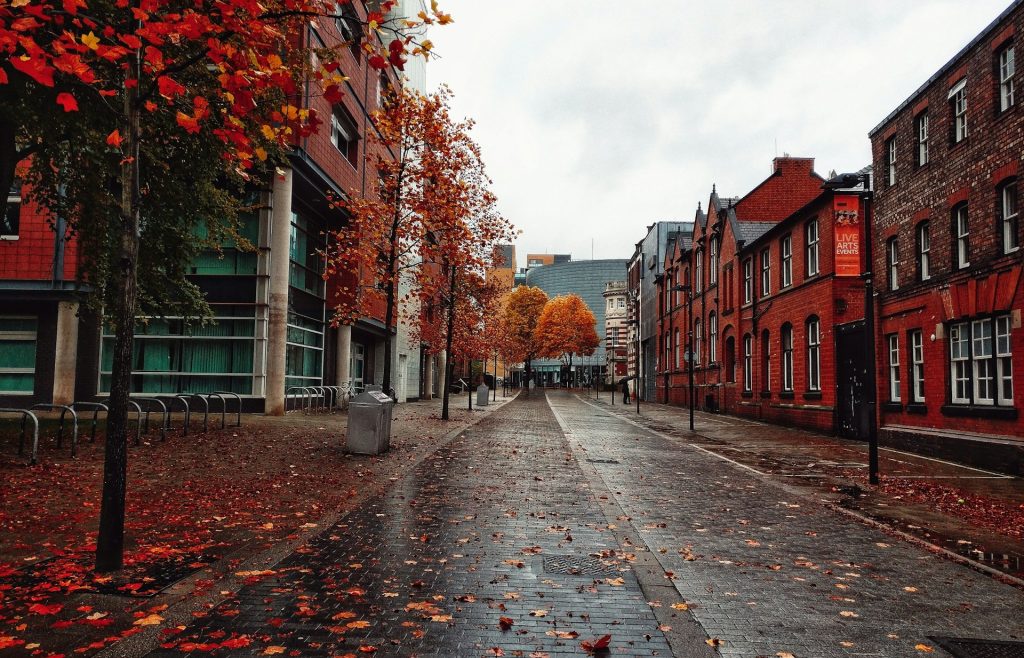
Shoulder season travel spreads demand across the calendar, easing pressure on transit, trails, museums, and workers who carry peak weeks on their backs. Rooms are easier to book for comfort and location instead of panic, and restaurants can welcome a slower meal rather than pushing timed turnovers just to survive. Residents are not bracing for daily surges, and visitors see a place closer to its real rhythm: quieter streets, easier reservations, calmer drivers, and weather that invites lingering in cafés, galleries, and parks, plus better odds of finding guides who have time to talk and listen.
Choose Ground Transport When It Makes Sense
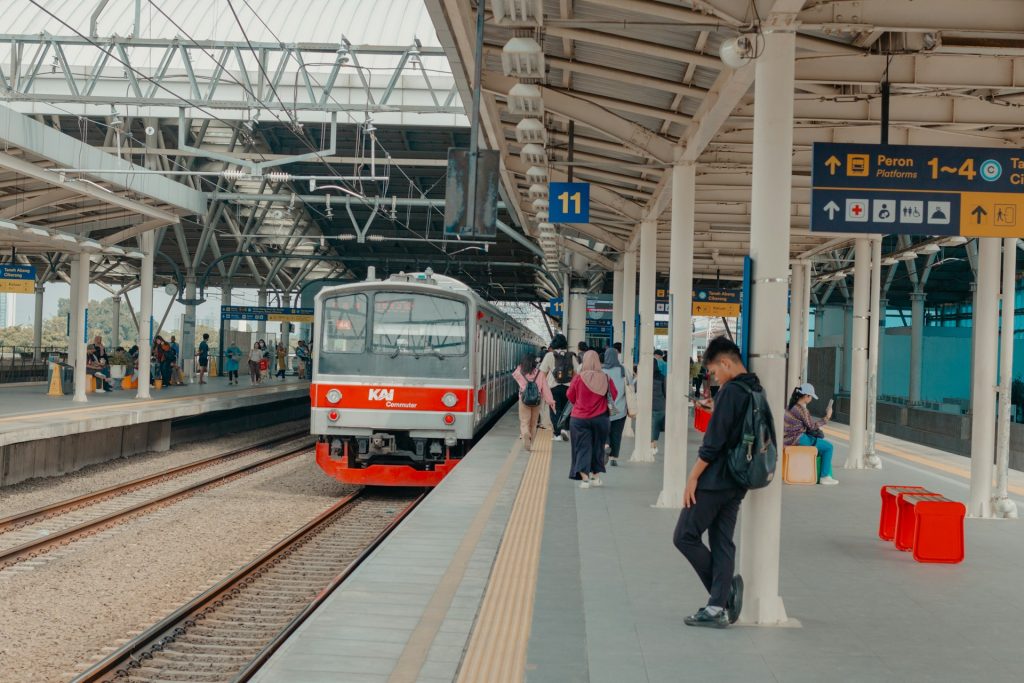
For many medium distances, trains and buses replace short flights while avoiding the extra transfers that can turn a simple route into an all-day ordeal. Stations tend to sit closer to city centers, which cuts long car rides, surprise baggage rules, and the stress of arriving hours early just to stand in security lines. The ride becomes usable time for reading, naps, and snacks, and arrivals feel gentler because they land in real neighborhoods where a short walk, a grocery stop, and dinner can happen without another ride, another fee, or a second round of waiting, even after a late departure with less hassle overall.
Book Locally Owned Lodging
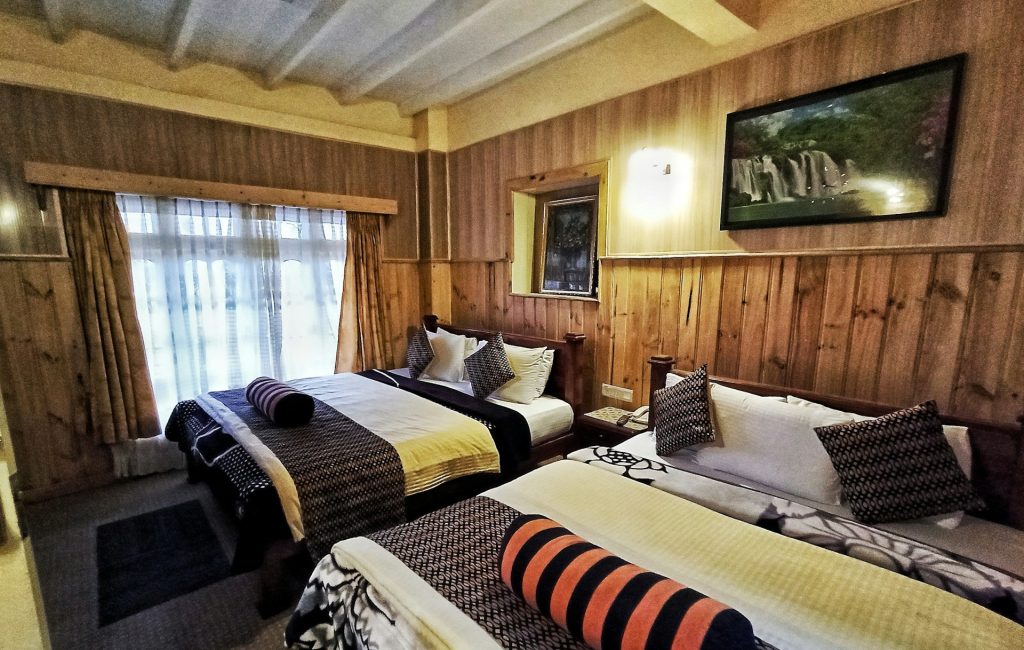
Locally owned inns and guesthouses often keep more spending in the community, and the difference shows up in practical guidance from the first day. Hosts can explain quiet hours, water limits, neighborhood etiquette, and the best transit routes because they live with the consequences, not just the reviews. Thoughtful stays also look for simple systems like refillable soap, sensible breakfast portions, and clear waste sorting, plus recommendations that send guests to nearby cafés, repair shops, and makers, so money spreads past the main strip and returns to daily life in a measurable way for a more grounded stay.
Learn A Few Practical Phrases

Knowing a few phrases like hello, please, thank you, and excuse me changes the tone of daily interactions in a way translation apps rarely match. It signals respect, lowers friction, and helps staff solve problems faster at cafés, pharmacies, and transit desks where people are busy and time is short. Adding numbers and simple requests, like water, no plastic bag, or where is the platform, keeps moments smooth, reduces confusion in noisy rooms, and often earns kinder help, better directions, and small smiles that make a day feel lighter, especially when a mistake needs fixing even when the day is hectic.
Follow Local Dress And Behavior Norms

Thoughtful travelers notice what is considered appropriate in temples, markets, beaches, and residential streets, then adjust without making it a performance. Covering shoulders where it matters, removing shoes when required, and keeping voices down at night protect local dignity in small ways that add up across a season. The same care applies to photos: asking first, stepping aside for daily life, and avoiding doorways, stairs, and shop counters as backdrops, which keeps neighborhoods livable and reduces friction for residents trying to pass with kids, groceries, or work bags during busy hours.
Tip Fairly And With Context

Tipping is not the same everywhere, which is exactly why checking local norms before arrival is a thoughtful move. In some places a service charge is included, while in others tips are part of wages, and small cash for housekeeping, guides, and drivers can matter more than coins at a busy counter. Consistency is the point: tip for labor, use local currency when possible, round up when it is customary, and add a brief thank you that treats the worker like a person, not a transaction, especially after extra effort, patience, or careful problem solving, and avoid public grandstanding so it lands as gratitude, not pressure.
Eat Seasonal And Locally Common Foods
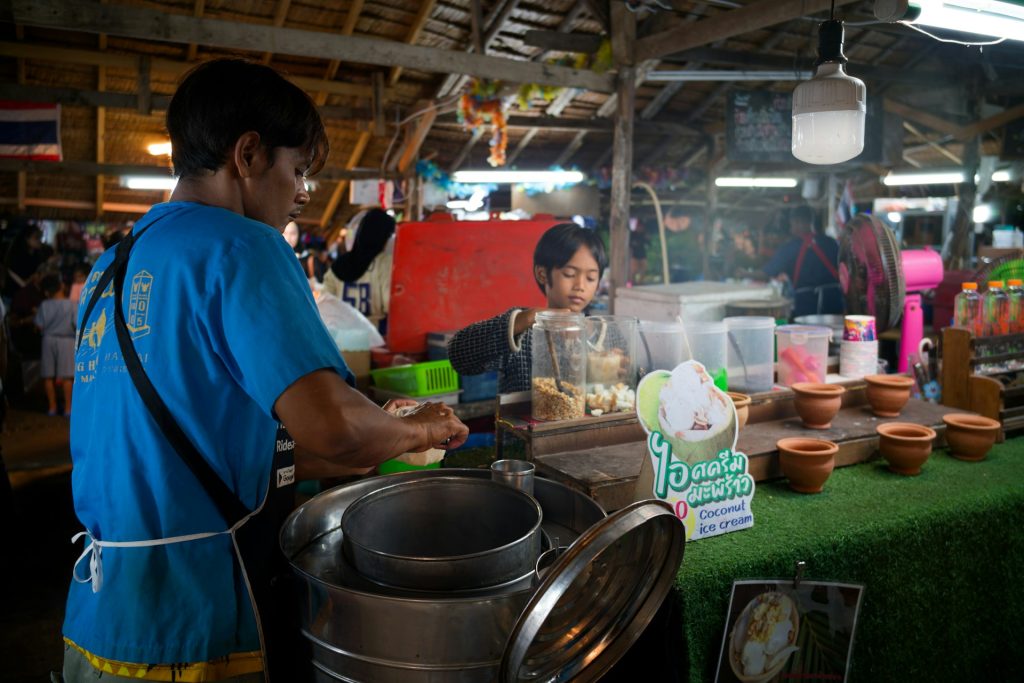
Ordering what a region actually cooks is a thoughtful choice because it supports local supply, skill, and the season on the ground. Smaller menus and busy markets are useful signals, and staff recommendations often point to what is fresh today instead of what photographs well or travels far. It also reduces waste, because portions can be chosen sensibly and shared, leftovers are less common, and money supports farms, bakeries, and family kitchens that keep a place fed year-round, while house specials and simple soups usually taste better than imported stand-ins on the same plate without overordering.
Carry Reusables Quietly
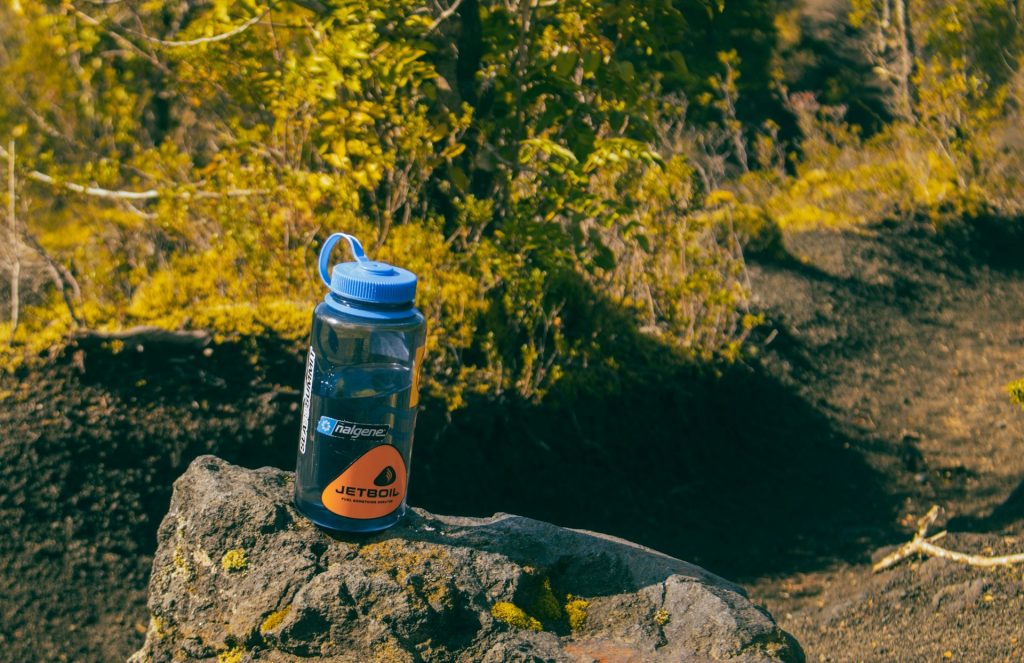
A refillable bottle, a tote, and a small utensil set prevent a steady stream of daily trash, especially on long walking days when snacks and drinks add up. The habit works best when it is quiet and automatic, with refills becoming natural pauses and a tote making markets and bakeries easier without extra bags or awkward gestures. In places where recycling is inconsistent, reducing waste at the source matters more than sorting perfectly later, and comfort improves, too, with fewer flimsy lids, sticky hands, and day bags stuffed with wrappers, receipts, and single-use cutlery by midafternoon without extra fuss.
Keep A Smaller Footprint At Busy Sites
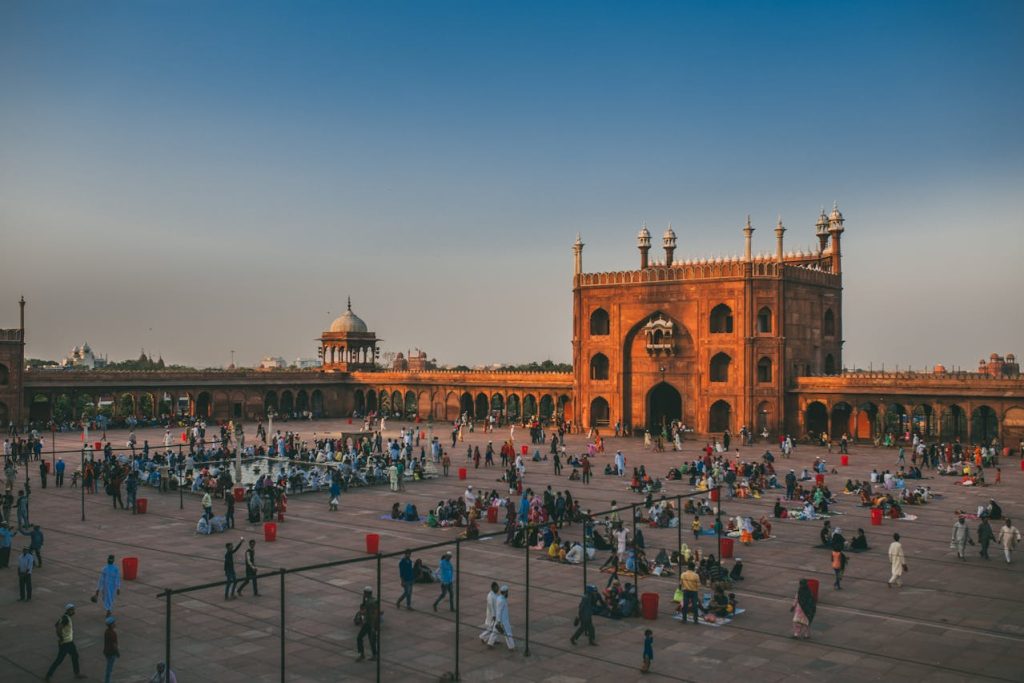
At crowded landmarks, thoughtfulness looks like choosing less congested hours and moving through space without turning every step into a photo stop. Early mornings and late afternoons reduce pressure on narrow streets, transit, and staff, and they often deliver better light and calmer sound. It also means stepping aside for residents, keeping groups compact, and making quick choices at chokepoints so doorways, bridges, and station gates stay clear, usable, and safe, which helps everyone move without irritation, including elderly visitors, parents, and workers on a schedule, and the mood stays calmer.
Support Local Guides And Small Businesses

Hiring local guides and booking small group experiences keeps money closer to the people who maintain a destination’s culture, trails, and stories. Good guides set expectations on respectful behavior and steer guests away from exploitative stops, while also explaining context that makes a visit feel deeper and less extractive. Outside tours, thoughtful spending looks like neighborhood cafés and independent makers, spreading benefits beyond the main strip, keeping traditions visible, and often producing better meals, better souvenirs, and a stronger sense of place that lasts after the flight home.
Respect Nature And Sacred Spaces

In parks and sacred sites, the thoughtful choice is often the simple one: stay on marked paths, follow closures, and keep distance from wildlife and fragile edges. These rules protect the place and reduce the need for staff to police behavior all day, especially during busy seasons when patience runs thin. Indoors, the same care applies with low voices, no intrusive filming, and patient movement, plus small habits like carrying out wrappers, using refill points, and picking up a bit of litter, so the visit leaves the space calmer than it was found and easier to manage tomorrow in both cities and wild areas.
Choose One Meaningful Souvenir
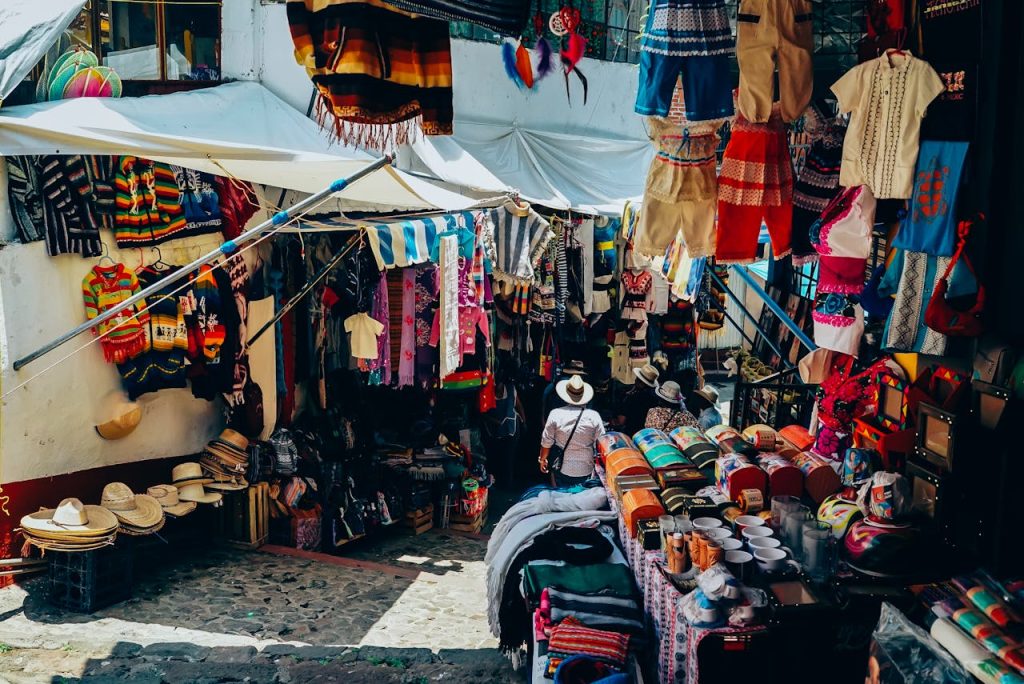
Buying fewer items is thoughtful because it reduces packaging, clutter, and the impulse to shop out of boredom between sights. One meaningful souvenir, ideally made locally, carries a clearer story and supports craft economies instead of warehouses of generic trinkets. Careful buyers ask about origin and materials, avoid restricted wildlife products, keep receipts when needed, and choose something that will be used, repaired, and kept, like a scarf, a small ceramic cup, or a print, so the memory stays alive in daily life instead of hidden in a drawer for years, and packing stays simple and clutter stays out of the suitcase.
Build In Rest And Buffer Time

Thoughtful itineraries include rest and buffer time because everyone benefits when the schedule is not tight, from drivers to hotel staff to fellow diners waiting for a table. A slower pace reduces rushed mistakes and last-minute demands, and it makes weather and closures easier to handle without frustration or blame. A midday break, an early dinner, or a quiet morning creates room for spontaneous finds, steadier energy, and better manners, which often matter more than squeezing in one extra stop before sunset, especially on busy streets or packed transit lines when patience is tested while decisions stay clear.