14 Travel Habits That Feel Sustainable
Sustainable travel can feel less like a rulebook and more like a steady set of defaults: move slower, waste less, and spend in ways that help a place stay itself. The best habits fit real trips on real budgets, without turning every choice into a moral exam. They also make travel calmer, because fewer transfers and fewer purchases mean fewer decisions. What follows focuses on repeatable routines that cut friction, support local life, and still leave room for joy. Small choices, repeated, add up. They help travelers notice neighborhoods, eat better, and return home rested, not overloaded with stuff.
Stay Longer In One Place

Longer stays reduce the churn that creates waste: fewer check-ins, fewer transit hops, and fewer last-minute purchases to replace something forgotten. Keeping one base for five or seven nights also makes the surrounding area feel legible, so mornings can repeat in a good way: the same bakery line, the same corner market, the same quiet park bench. That steadiness supports local businesses beyond the busiest streets and keeps daily movement simple, often on foot, with less luggage hauling and fewer disposable meals grabbed in a rush. It also leaves time for ordinary errands, like a refill stop or a simple grocery run.
Choose Trains And Buses For Medium Distances

For many medium distances, trains and buses remove the need for a short flight without turning the day into a slog. Stations tend to sit closer to city centers, which cuts extra car rides and reduces time spent in lines, security checks, and long transfers. The ride itself becomes useful time for reading, eating, and looking out the window, and arrivals feel gentler, because travelers step into neighborhoods instead of far-out terminals. When tickets are booked early, seating is predictable, luggage rules are clearer, and the whole route feels calmer and more efficient, with fewer surprise fees.
Pack Light, Then Pack Lighter

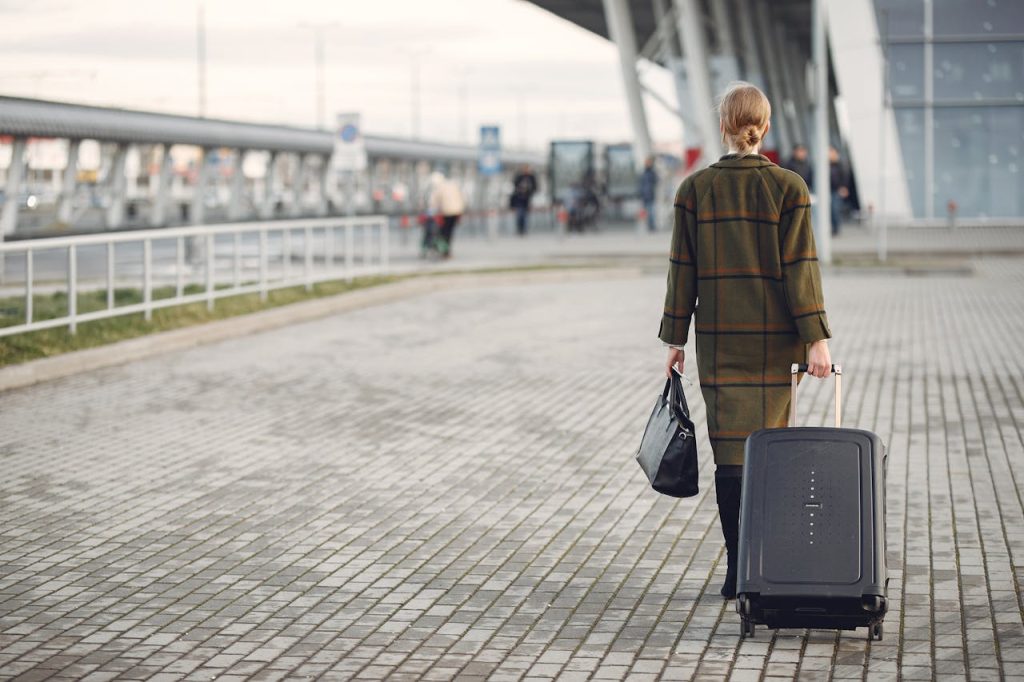
A lighter bag changes behavior in ways that add up: fewer taxis, fewer checked bags, and less temptation to buy replacements midweek. Packing around mix-and-match layers, quick-dry fabrics, and one dependable walking shoe reduces laundry loads and keeps closets from filling with impulse purchases. It also makes cities easier: stairs, cobblestones, crowded platforms, and small hotel rooms stop feeling like obstacles. When everything fits, travel becomes more flexible, because plans can shift without worrying about storage, fragile purchases, or hauling extra weight through rain or heat, all week.
Carry A Refillable Bottle And Hot Drink Cup
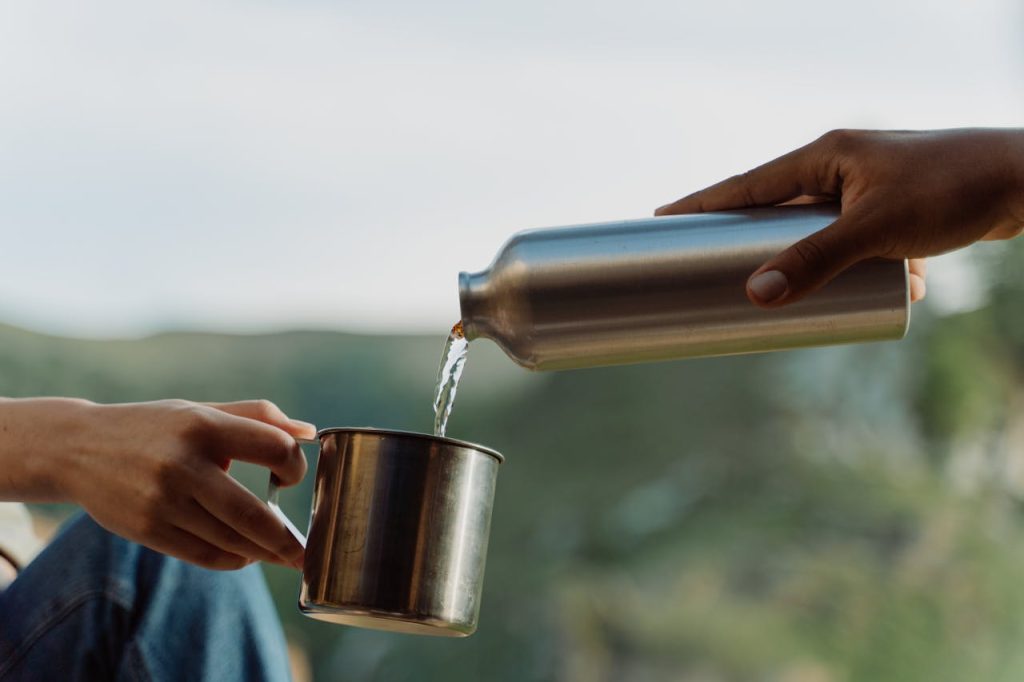
A refillable bottle and a simple cup remove a steady stream of disposable containers from daily travel, especially on long walking days. Many cities offer public fountains, refill stations, or cafés that top up water, and a cup makes sit-down coffee feel natural instead of a constant to-go habit. The comfort is practical: hydration stays steady, hands stay warm in cold weather, and fewer lids and sleeves end up as scattered trash. This small habit also nudges better pacing, because refilling creates natural pauses that fit museums, markets, and transit breaks, without added cost or extra stops.
Build Days Around Walking And Transit
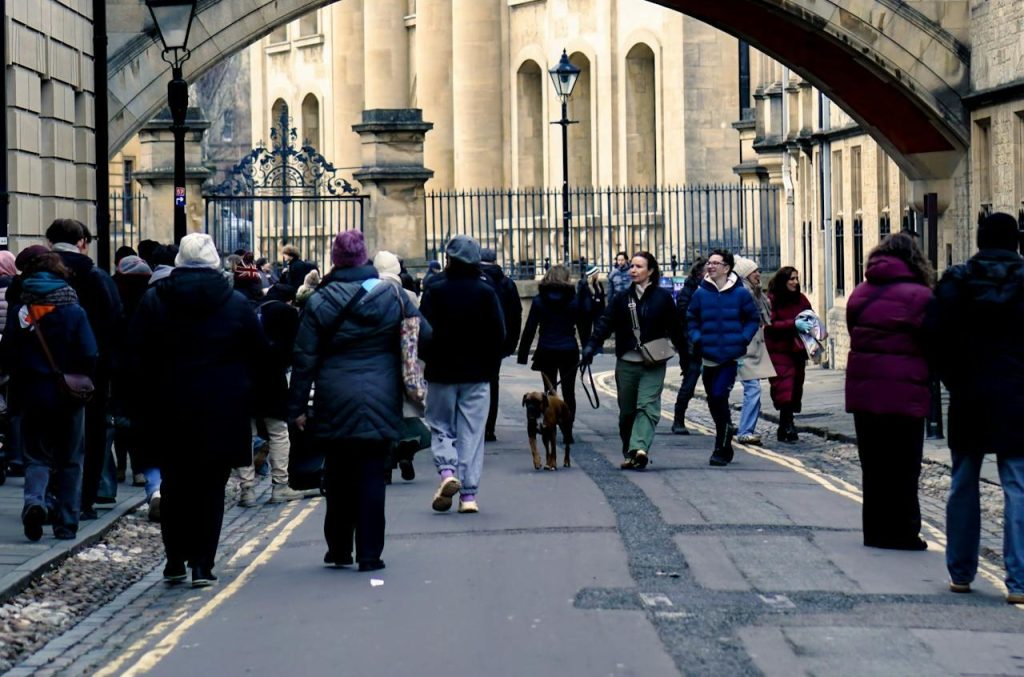
Travel feels lighter when movement is built around walking, subways, trams, and local buses rather than constant rides. Choosing lodging near a transit line or a walkable center reduces car use without requiring complicated planning, and it keeps days resilient when weather shifts or streets close. At street level, details show up: small grocers, playgrounds, murals, and side-street cafés that rarely appear from a back seat. The pace stays human, which supports better interactions, fewer rushed mistakes, and more money spent in neighborhoods instead of on pickups, parking, and short, pricey trips.
Eat More Seasonal And Local Meals
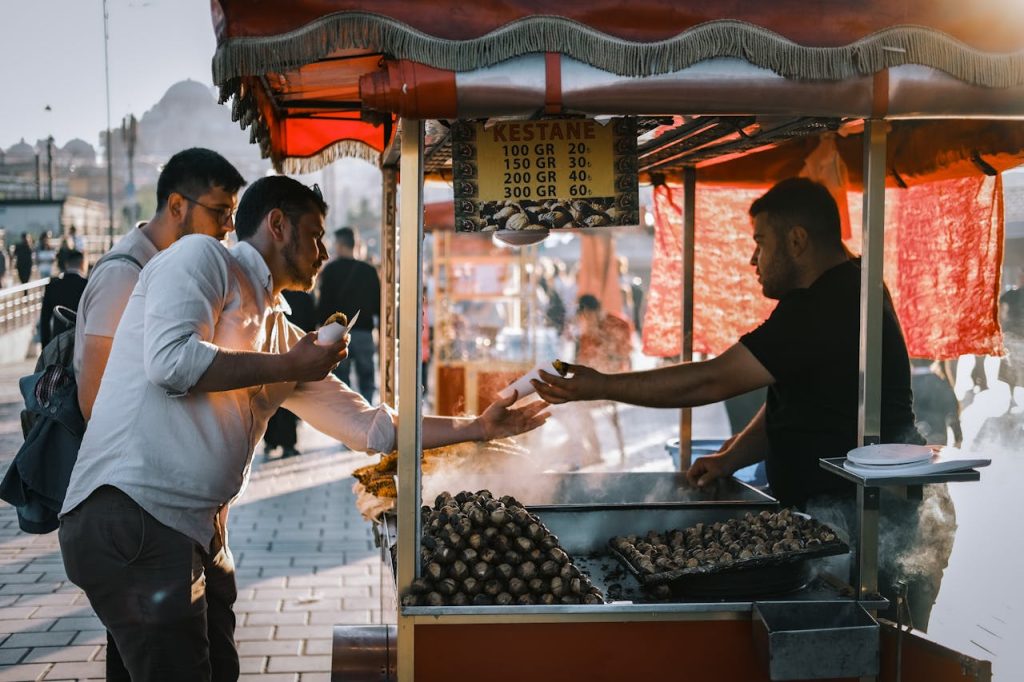
Seasonal, local meals often rely less on long shipping and feel more connected to a place’s climate and traditions. A simple approach helps: favor smaller menus, order what the region is known for, and shop at markets where residents buy everyday ingredients. This reduces food waste, because portions can be chosen thoughtfully, and it keeps spending closer to farms, bakeries, and neighborhood kitchens. Beyond impact, the payoff is taste and comfort: soups, stews, fresh produce, and local breads tend to travel well through winter days and long walks, without excess packaging or imports, too, as well.
Choose Smaller Tours Run By Local Guides

Smaller tours can reduce strain on narrow streets and fragile sites, especially in historic districts where crowds spill into doorways. Local guides also keep more income in the area and provide context that supports respectful behavior around homes, worship spaces, and shared public squares. The experience usually improves, too: fewer headsets, more conversation, and a pace that allows questions, rest stops, and local snacks. When a route is shaped by lived knowledge, it highlights small stories and everyday places, not just the headline stops, which spreads visitor attention more evenly over time.
Travel In Shoulder Season When Possible
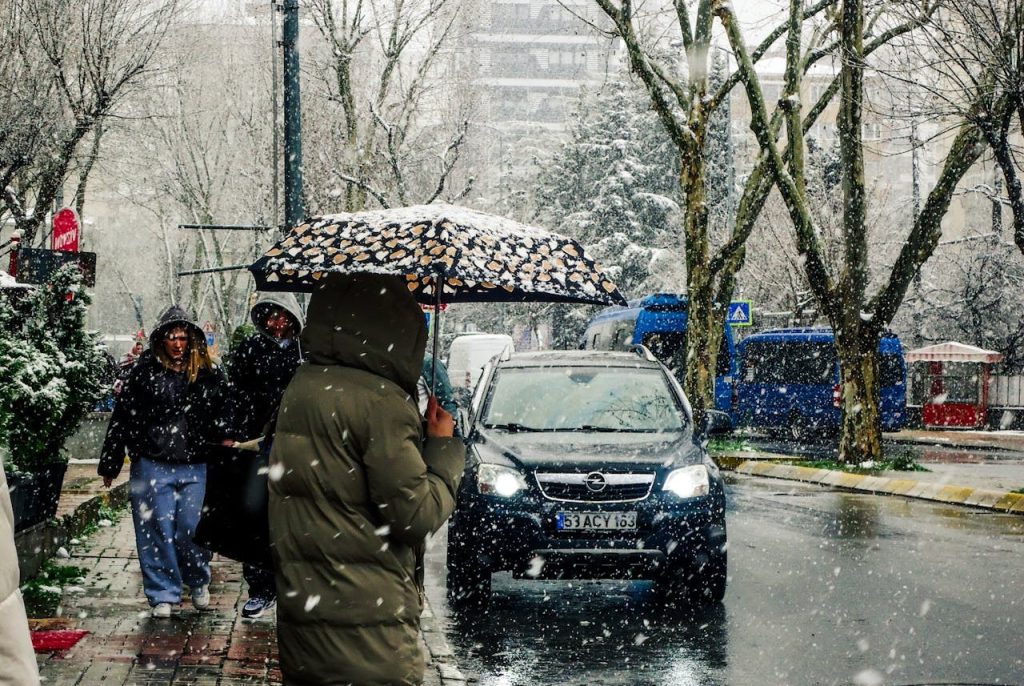
Shoulder season spreads visitor pressure across the calendar, easing the peaks that can overwhelm small towns, trail systems, and transit. It often delivers better value and a calmer mood, because businesses are active without being stretched thin, and residents have more bandwidth for normal life. Weather can be cooler or wetter, but that shifts plans toward museums, cafés, and local events, which adds texture beyond outdoor highlights. The trip also feels less frantic: shorter lines, quieter restaurants, and more availability for thoughtful lodging choices, rather than whatever happens to be left at the last minute.
Pick Lodging With Practical Policies

The most meaningful lodging habits are practical, not performative: refillable soap stations that stay stocked, efficient heating, and clear towel reuse options. Properties that sort waste, reduce single-use items, and source food and coffee locally tend to explain those choices clearly, without turning them into marketing. A small kitchen or breakfast setup can help, too, because it reduces packaging and makes it easy to eat simply when energy is low. When comfort and conservation align, guests relax, staff workload stays manageable, and the trip produces fewer bins of mini bottles, wrappers, and untouched buffet food.
Use Fewer Laundry Cycles With Smarter Clothing

Laundry is an easy place to reduce hidden resource use, because daily washing often happens out of habit rather than need. Rewearing items, airing them out, and choosing quick-dry layers lowers the number of loads without sacrificing comfort or cleanliness. When washing is necessary, one full cycle is better than several small runs, and skipping high heat helps clothing last longer. This habit also makes travel calmer: fewer trips to laundromats, fewer plastic laundry bags, and less time spent waiting on damp clothes to finish before the next move, especially in winter, when drying is slower too.
Spend More On Experiences Than Souvenirs

Buying fewer physical souvenirs reduces packaging and the clutter that often ends up stored or discarded after the trip. Redirecting that budget toward a cooking class, a craft workshop, a museum ticket, or a local performance supports people who live there and creates a memory that travels home intact. When a keepsake still feels right, one well-made item from a local maker can outlast a pile of small trinkets and carry a clearer story. The habit also keeps luggage lighter, reduces fragile purchases, and nudges travelers toward time-rich moments that feel more personal than shopping in the same generic stores.
Pack A Simple Waste Kit
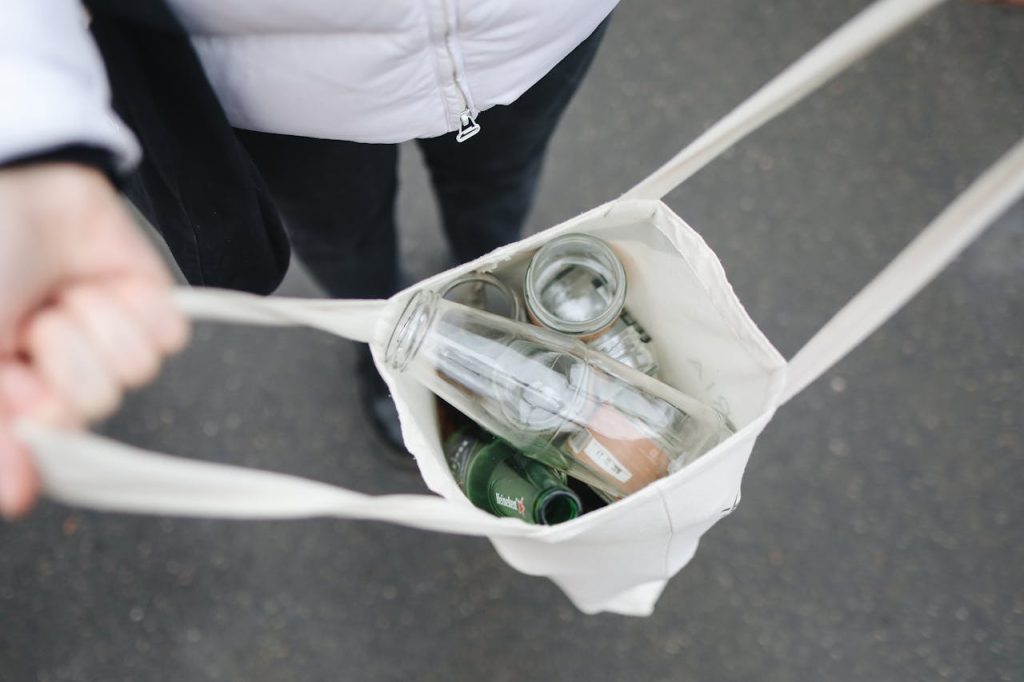
A small waste kit prevents a surprising amount of daily trash: a foldable tote, a utensil set, a cloth napkin, and a few sealable bags for snacks or leftovers. It helps with markets, street food, and train rides, and it makes refusing extra packaging feel normal even when language is a barrier. This matters most where recycling is inconsistent, because reducing waste at the source avoids the messy guesswork of local bins. The kit also keeps day bags cleaner and more organized, and it supports spontaneous picnics, bakery stops, and leftovers after dinner without reaching for disposable containers.
Respect Water And Energy Like A Local Would

Shorter showers, moderate heating or cooling, and turning off lights are small actions, but they matter most in places with tight systems and seasonal strain. Learning local norms helps, because an island’s water supply, a mountain town’s winter heating, or a rural area’s infrastructure can be limited. Comfort does not disappear with restraint; it often improves because mindful routines reduce messy habits that create extra laundry, extra trash, and extra cost. The trip feels steadier when daily needs are met without excess, and it signals respect for the community’s resources without requiring any grand gestures.
Leave Places Better Than They Were Found
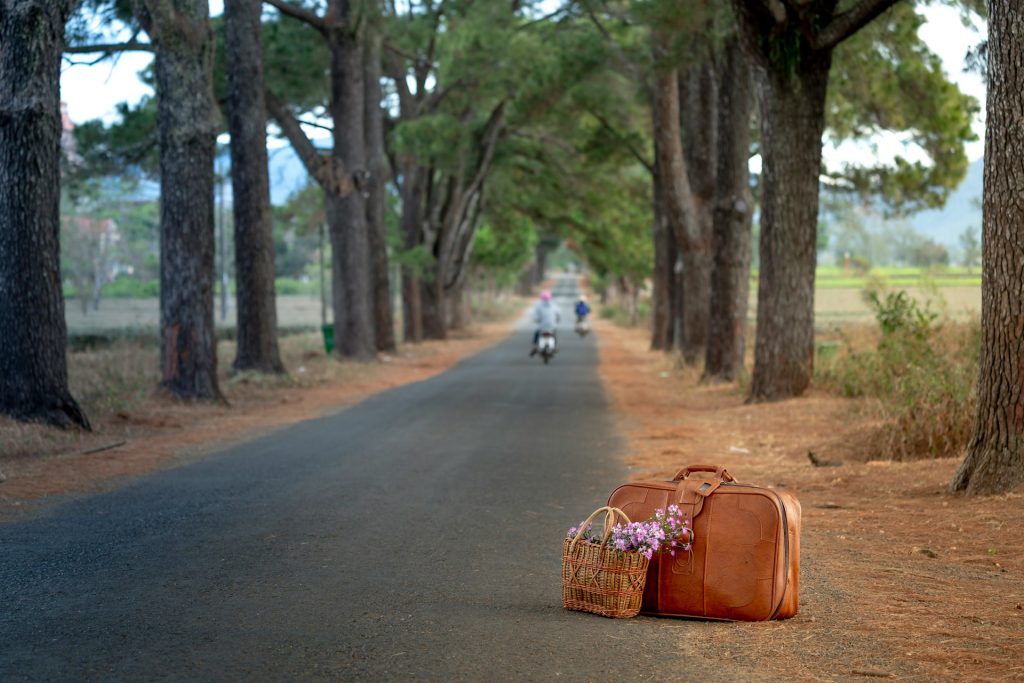
Care shows up in quiet ways: staying on marked paths, carrying out snack wrappers, and keeping voices low in residential lanes at night. In natural areas, it means giving wildlife space and respecting closures; in cities, it means not blocking doorways, transit gates, or narrow sidewalks for photos. Some travelers add one small cleanup habit, picking up a few pieces of litter on a beach walk or trail loop, which costs little and feels good. When many people follow these defaults, sites stay open, neighborhoods feel less pressured, and the memory that lasts is the satisfaction of being a genuinely good guest.