14 Travel Ideas for People Who Are Too Tired to Be Impressed

Travel does not always need to amaze, surprise, or overwhelm to feel worthwhile. Some trips work best when they remove pressure instead of adding expectations. These destinations appeal to travelers who value ease, predictability, and low effort experiences over constant novelty. They offer environments where logistics stay simple, days remain flexible, and nothing insists on being memorable. Calm transportation, familiar comforts, and manageable attractions define the appeal. The following travel ideas are suited for moments when rest matters more than inspiration, and satisfaction comes from steady routines, gentle scenery, and places that function smoothly without asking for emotional investment.
Copenhagen, Denmark
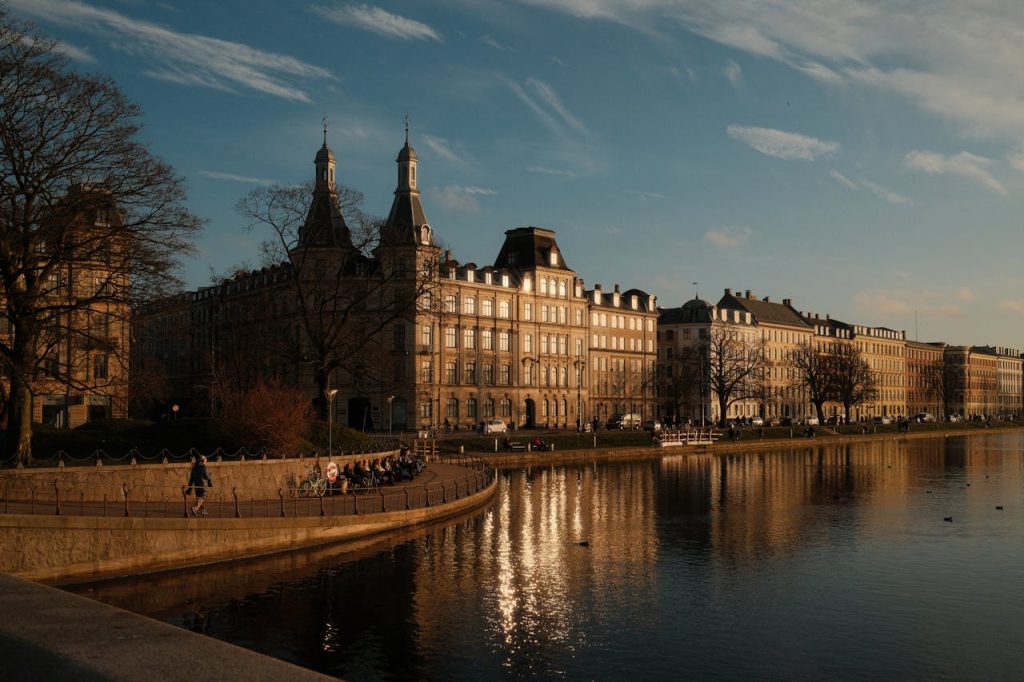
Copenhagen works well for tired travelers because it removes friction from daily movement. Streets favor walking, signage stays clear, and public transportation feels intuitive. Neighborhoods connect logically, reducing the need for constant navigation decisions. Cafes, and parks appear regularly, making breaks easy to take without planning. Attractions rarely require urgency, allowing days to unfold naturally. Even busy districts maintain order and predictability. Copenhagen does not insist on wonder or spectacle. Its appeal lies in consistent comfort, thoughtful design, and a pace that supports rest without boredom or logistical strain. This approach helps visitors conserve energy while enjoying everyday city life comfortably.
Santa Fe, New Mexico
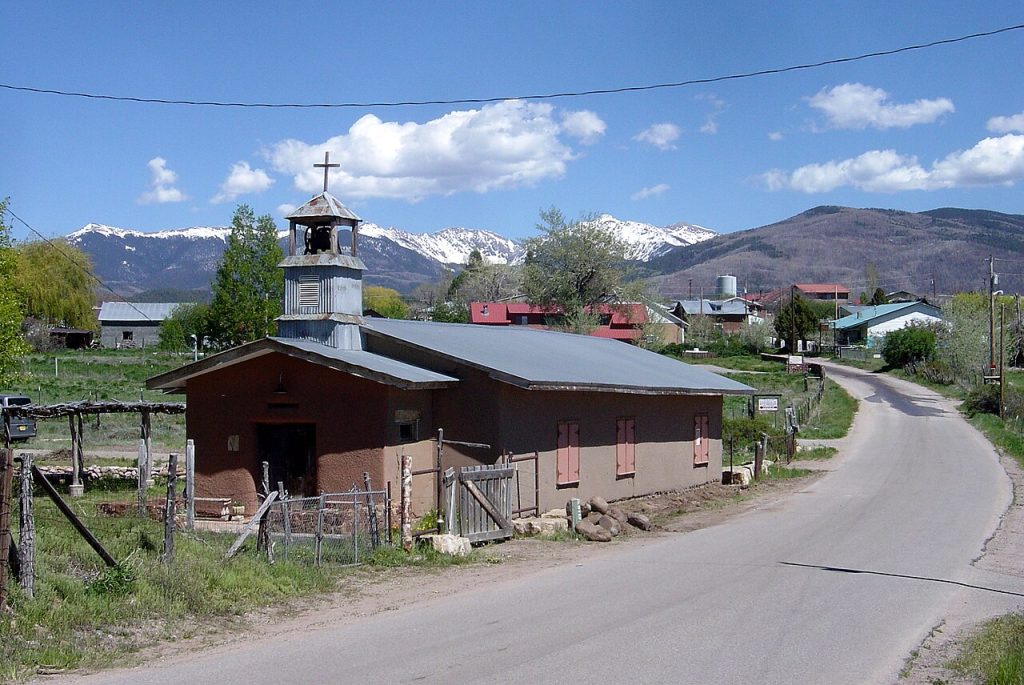
Santa Fe suits travelers seeking ease through familiarity and steady rhythm. The city center remains compact, with galleries, restaurants, and historic sites arranged closely together. Architectural consistency creates visual calm rather than stimulation. Driving and walking feel manageable, and traffic rarely overwhelms. Cultural experiences emphasize reflection over excitement, allowing visits to remain flexible. Weather and light shape days gently without forcing strict schedules. Santa Fe offers coherence rather than contrast. Its environment supports rest through predictable surroundings, limited sprawl, and an atmosphere where doing less feels natural instead of disappointing.
Annecy, France

Annecy offers comfort through balance and containment. The old town stays walkable, with canals guiding movement naturally through streets and small squares. Lake Annecy provides scenery that requires no effort to enjoy, whether viewed from paths or benches. Cafes and shops encourage slow pacing rather than constant decision making. Transportation feels straightforward, and distances remain short. Annecy does not demand a checklist approach. Its appeal comes from alignment between daily life and scenery, creating an experience that feels complete even when plans remain minimal or intentionally open. This harmony allows visitors to linger appreciating surroundings without pressure to accomplish more each day.
Hobart, Tasmania
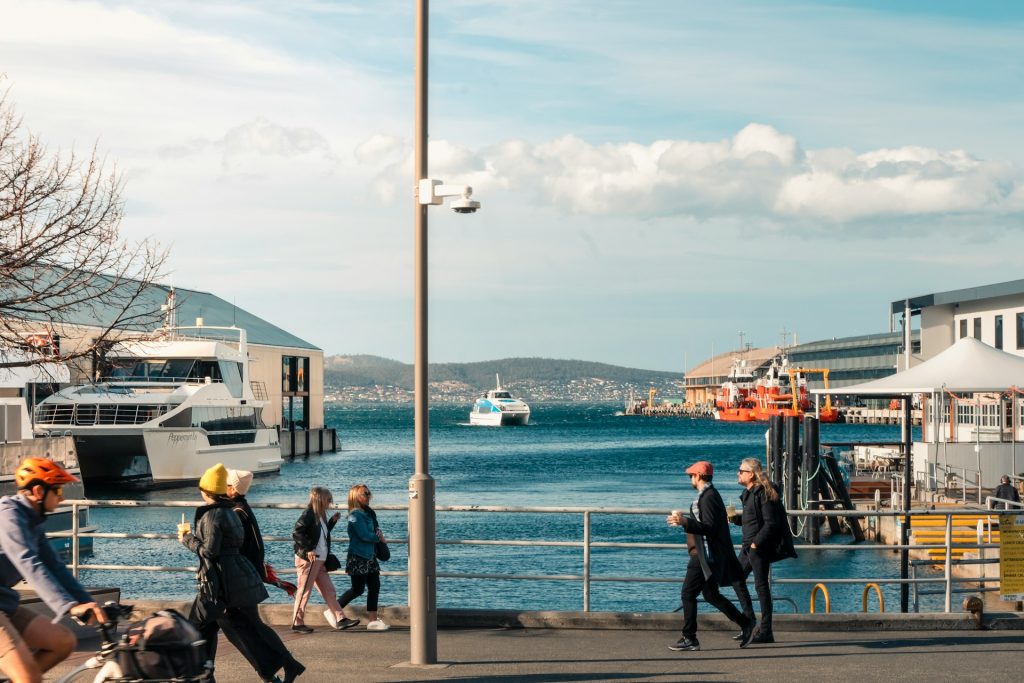
The Hobart appeals to tired travelers through scale and clarity. The city sits neatly between harbor and hills, limiting sprawl and confusion. Navigation feels intuitive, and distances stay short. Markets, museums, and walking paths operate without pressure to see everything. Daily life moves at a steady pace shaped by local routines rather than visitor demand. Options exist without excess. Hobart provides enough structure to feel grounded while leaving room for rest. The city’s calm stems from familiarity, gentle scenery, and an atmosphere that supports unplanned time without discomfort. This balance allows visitors to slow down, follow local rhythms, and enjoy days without structured agendas.
Kyoto, Japan
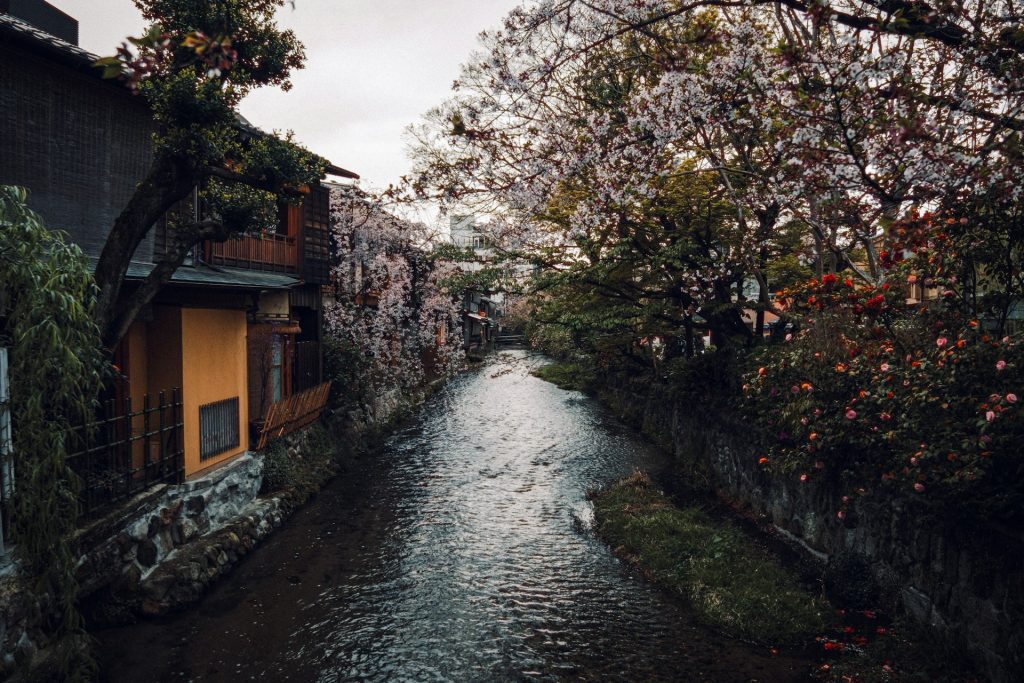
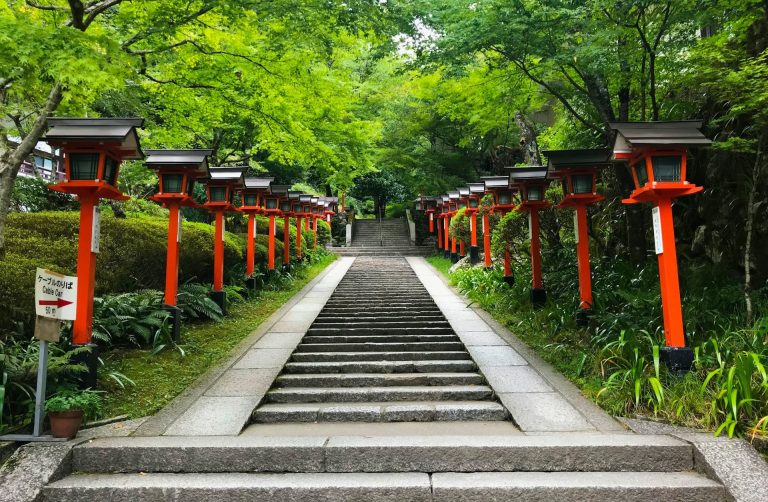
Kyoto suits low energy travel through quiet structure and predictability. Neighborhoods unfold gradually, with temples, gardens, and residential streets arranged for unhurried walking. Public transportation operates reliably, reducing uncertainty. Many experiences involve sitting, observing, or strolling rather than constant activity. Cultural norms encourage subdued behavior, reinforcing calm surroundings. Attractions exist in abundance, yet pressure to see everything remains low. Kyoto does not demand reaction or excitement. Its appeal lies in routine, order, and spaces that reward stillness, making it suitable for travelers who prefer calm over stimulation. Days feel restorative as familiar paths and rituals guide movement.
Bergen, Norway
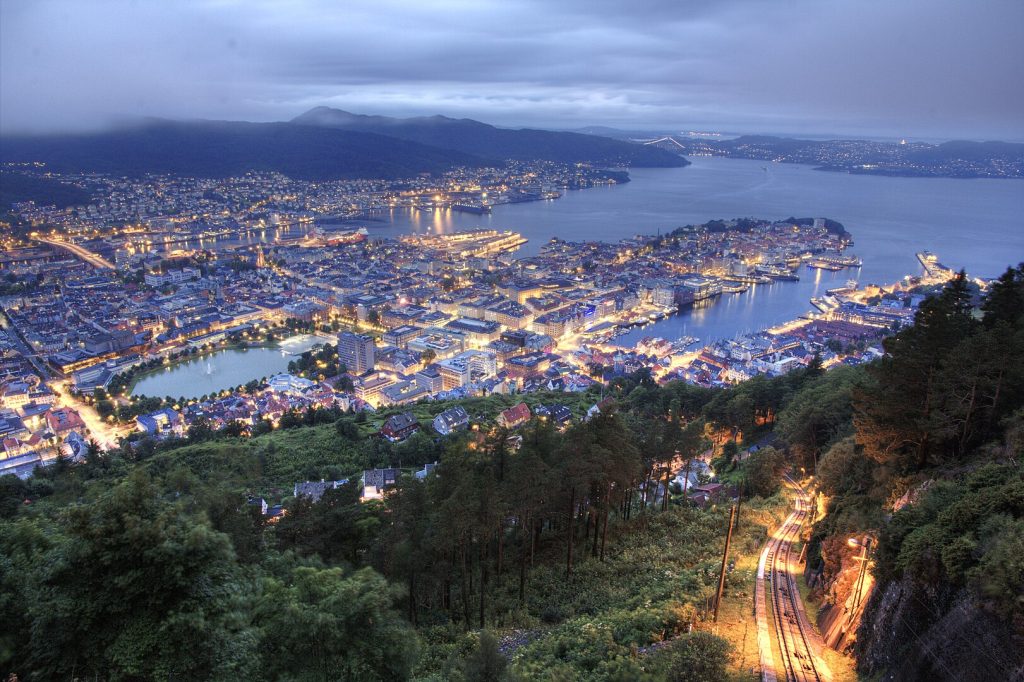
Bergen provides ease through natural boundaries and dependable systems. Mountains and water contain the city, making navigation straightforward. Public transportation functions smoothly, and the historic center remains walkable. Weather often slows movement naturally, encouraging indoor pauses without guilt. Cafes, museums, and cultural spaces offer low commitment options throughout the day. Bergen does not require ambitious planning. Its calm comes from predictability, scenery integrated into daily life, and a rhythm that allows travelers to follow conditions rather than schedules or expectations. This flexibility helps visitors relax, adapt plans easily, and enjoy quiet moments without feeling rushed.
Chiang Mai, Thailand
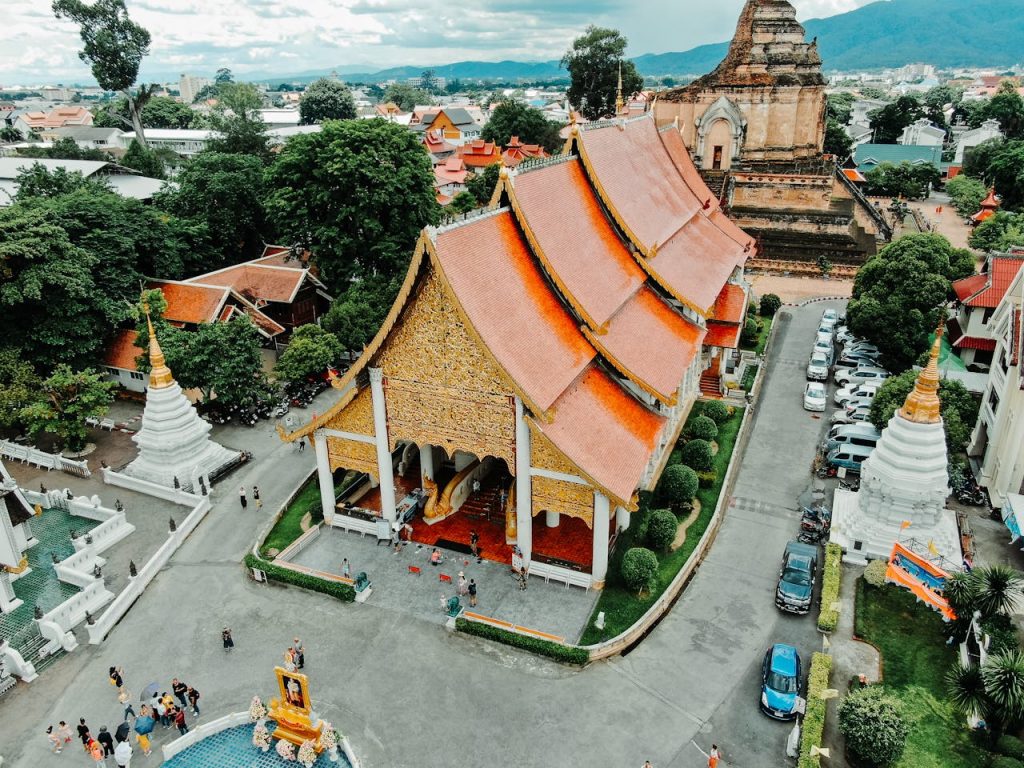
Chiang Mai feels manageable due to its compact layout and steady routines. The old city clusters temples, markets, and cafes within short distances. Transportation stays simple, and daily schedules remain flexible. Meals, markets, and evening walks shape predictable rhythms without urgency. Even popular areas maintain a relaxed tone compared to larger cities. Choices exist without overload. Chiang Mai does not ask for constant attention or fast decisions. Its appeal lies in accessibility, routine, and a social environment that supports ease rather than intensity or performance. This consistency helps travelers settle comfortably into daily life without pressure, comparison, or the need to constantly seek highlights.
Reykjavik, Iceland
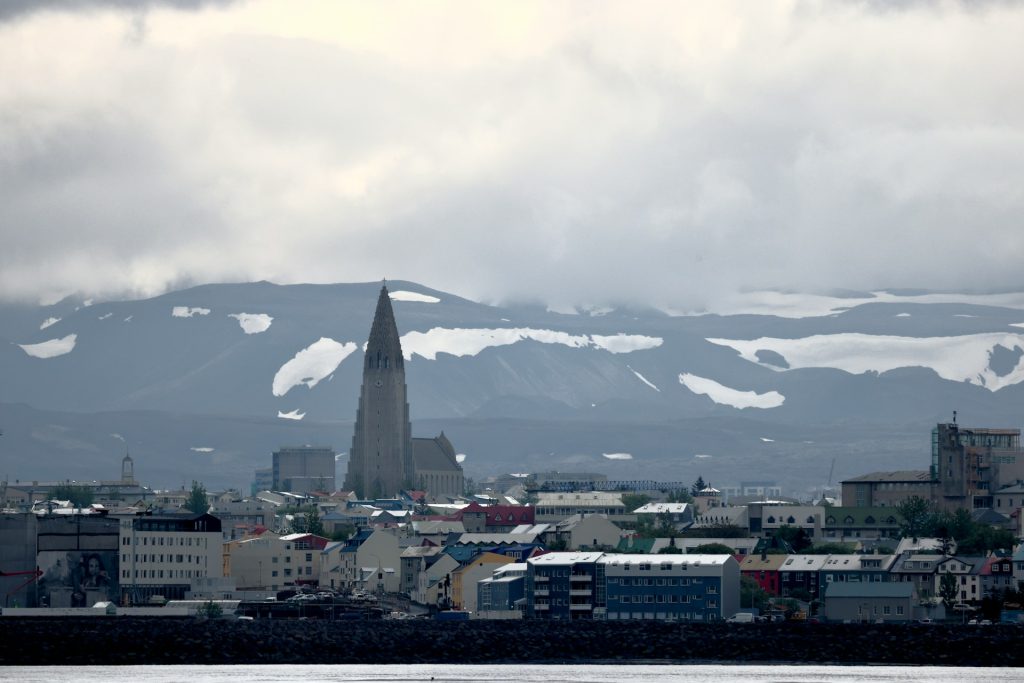
Reykjavik offers rest through concentration and clarity. The city center remains compact, allowing movement between cafes, museums, and waterfront paths without effort. Public spaces feel orderly, and crowds rarely overwhelm. Popular attractions operate predictably, reducing planning stress. Natural scenery appears close to town, offering visual interest without demanding travel. Indoor culture supports relaxed evenings regardless of weather. Reykjavik does not rely on spectacle. Its calm comes from scale, organization, and a cultural balance that values simplicity and manageable experiences over constant stimulation. This structure helps visitors maintain steady routines, adjust plans easily.
Luang Prabang, Laos
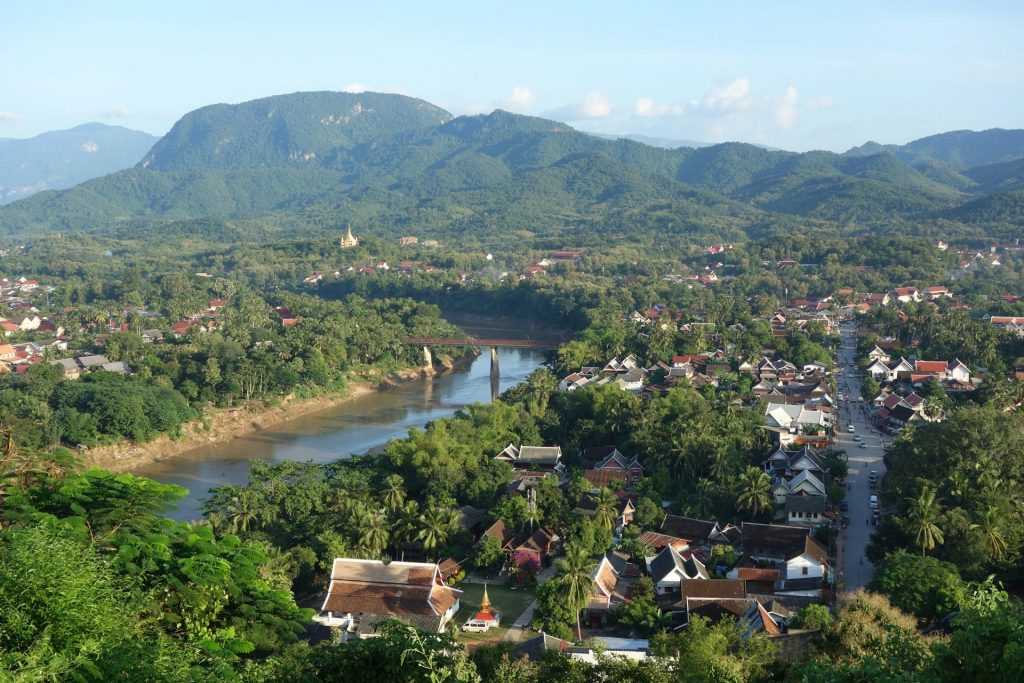
Luang Prabang suits low expectation travel through gentle routines and limited sprawl. The town sits between rivers, encouraging walkable exploration without complexity. Temples, markets, and cafes operate at an unhurried pace. Mornings remain quiet, evenings settle early, and social spaces avoid excess noise. Tourism exists but rarely dominates daily life. Transportation stays simple, and schedules feel flexible. Luang Prabang does not ask visitors to multitask. Its calm emerges from simplicity, cultural continuity, and an environment where days progress naturally without pressure. This rhythm allows travelers to rest within predictable patterns shaped by rituals, river views, and everyday interactions rather than ambition or urgency.
Ljubljana, Slovenia
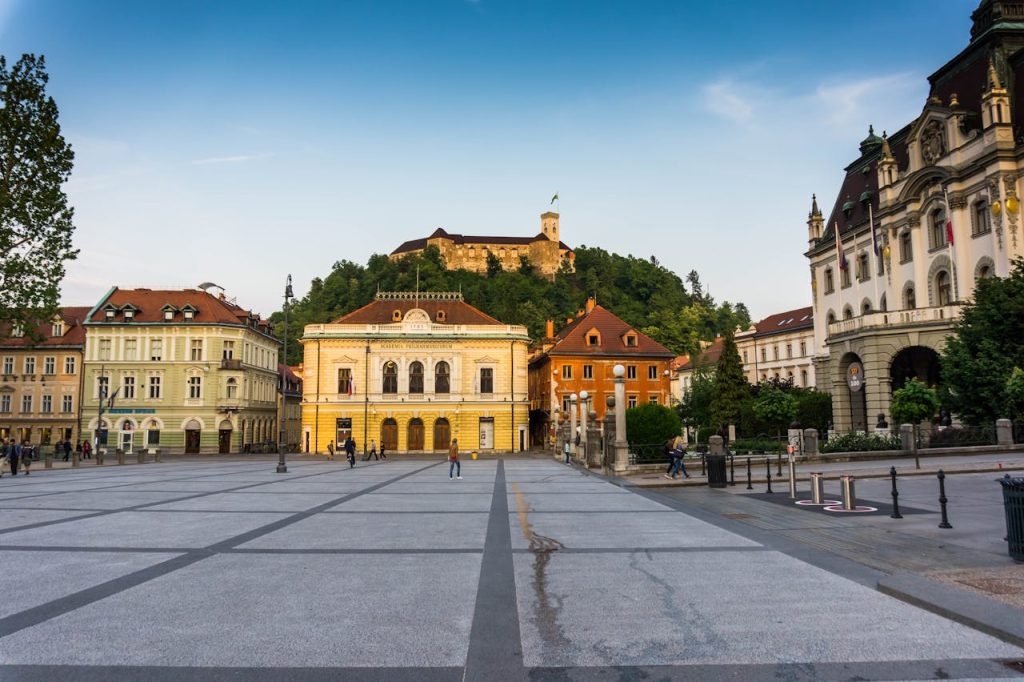
Ljubljana provides calm through human scale and thoughtful design. The car free center supports relaxed walking along the river and through historic streets. Green spaces appear frequently, offering natural pauses throughout the day. Public transportation and signage remain clear, reducing uncertainty. Cultural life exists without crowded schedules or overwhelming choices. Movement feels optional rather than required. Ljubljana does not insist on productivity or ambition. Its appeal lies in predictable flow, accessibility, and an atmosphere where enjoyment comes from simplicity instead of stimulation. This environment helps visitors settle into easy routines shaped by walks, cafes, greenery, and unstructured time rather than planned activities.
Sedona, Arizona

Sedona encourages rest by letting landscape set expectations. Red rock formations surround the town, creating visual focus without demanding activity. Roads remain easy to navigate, and distances stay manageable. Many experiences involve short walks, scenic drives, or quiet viewpoints. Commercial areas remain limited, reducing sensory overload. Decisions stay minimal. Sedona does not require constant planning or movement. Calm emerges naturally through scenery, space, and a pace shaped by environment rather than schedules, making it suitable for travelers seeking visual interest without exertion. This setting allows visitors to slow down, breathe deeply, and appreciate surroundings without pressure to accomplish anything specific.
Amsterdam, Netherlands
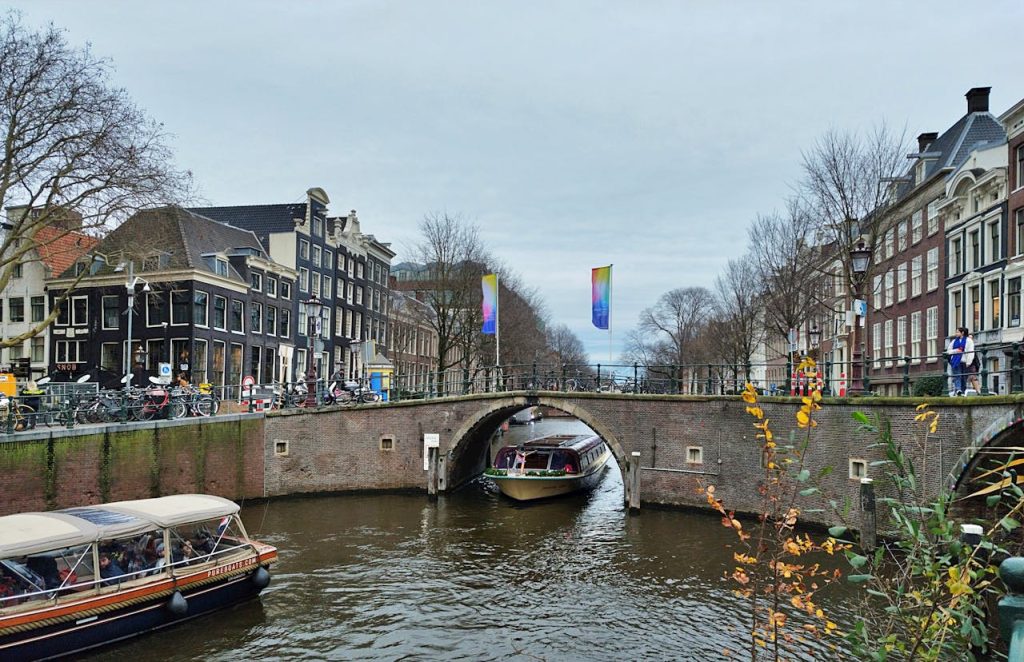
Amsterdam works for tired travelers by offering familiarity and efficient systems. Canals organize the city naturally, making orientation intuitive. Public transportation functions reliably, and walking distances remain reasonable. Museums, cafes, and neighborhoods provide consistent experiences without pressure to maximize time. Even popular areas maintain predictable rhythms. The city does not insist on novelty. Amsterdam’s appeal lies in routine comfort, manageable scale, and an environment where days can repeat pleasantly without feeling wasted or incomplete. This repetition allows visitors to relax into habits, revisit favorite streets, and enjoy dependable pleasures without constant planning or pressure.
Lisbon, Portugal

Lisbon supports low effort travel through rhythm and resilience. Neighborhoods stack vertically, yet transportation options reduce strain. Cafes, viewpoints, and historic streets allow passive enjoyment without tight schedules. Daily life moves at a measured pace shaped by meals and light. Crowds fluctuate but rarely overwhelm consistently. Choices remain approachable rather than excessive. Lisbon does not demand emotional reaction. Its calm comes from texture, routine, and a lived in atmosphere where wandering without purpose still feels sufficient. This quality allows visitors to rest within daily scenes shaped by conversation, light, and familiar neighborhood patterns rather than expectations.
Vancouver, Canada

Vancouver offers rest through balance between city and nature. Neighborhoods remain organized, transportation stays reliable, and distances feel manageable. Parks, waterfronts, and scenic views integrate into daily movement without requiring excursions. Cultural options exist without urgency, allowing flexible pacing. Crowds concentrate predictably, making avoidance simple. Vancouver does not insist on excitement. Its appeal lies in stability, accessibility, and an environment that supports quiet enjoyment alongside everyday routines rather than constant discovery. This balance helps travelers settle into comfortable patterns shaped by weather, walkable streets, and familiar neighborhood rhythms without pressure.