14 Travel Ideas That Feel Like Enough (If You’re Done Chasing More)

Travel does not always need escalation to feel meaningful, especially after long periods of pursuit and comparison. Some journeys feel complete because they meet basic needs without asking for reinvention. These trips favor balance over ambition, offering places where daily life feels supportive rather than impressive. Comfort replaces urgency, and presence matters more than highlights. Such travel ideas appeal to those seeking steadiness, manageable pacing, and emotional clarity. Instead of promising transformation, they allow space for rest, reflection, and ordinary pleasure. Each idea here reflects a way of traveling that feels sufficient, grounded, and quietly sustaining without demanding constant motion.
Returning To One Place Loved Before
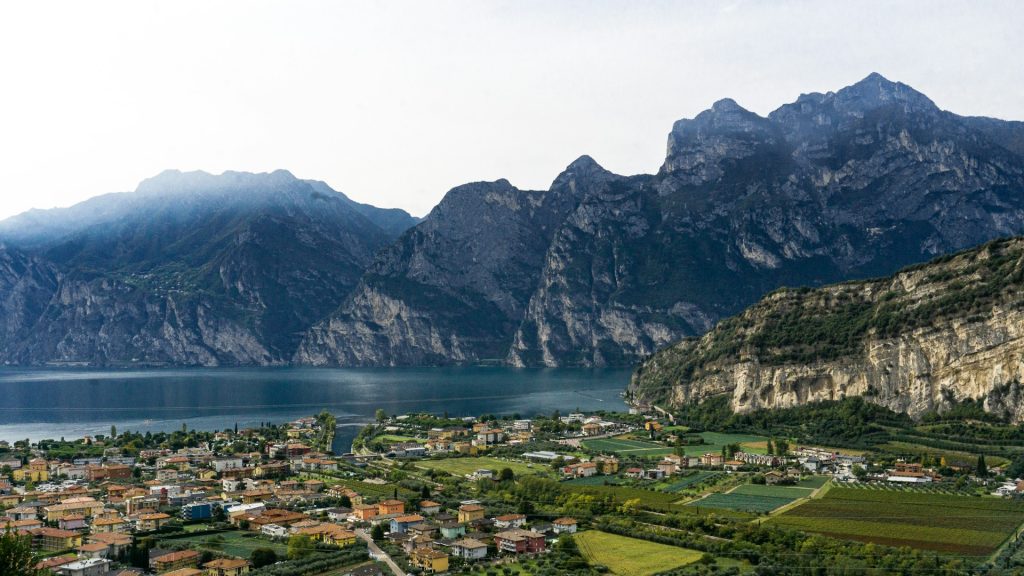
Returning to a place already loved often feels like enough because familiarity removes pressure. Known streets, favorite cafes, and remembered routines create immediate orientation. The trip becomes about continuity rather than discovery. Time can be spent noticing subtle changes instead of planning constantly. Meals feel easier, movement feels intuitive, and rest happens naturally. Because expectations remain realistic, small moments gain importance. This kind of travel supports reflection and ease rather than stimulation. Revisiting a familiar destination allows comfort to guide each day, offering reassurance through repetition and recognition while still providing a gentle shift from everyday surroundings.
Choosing A Small Inland College Town
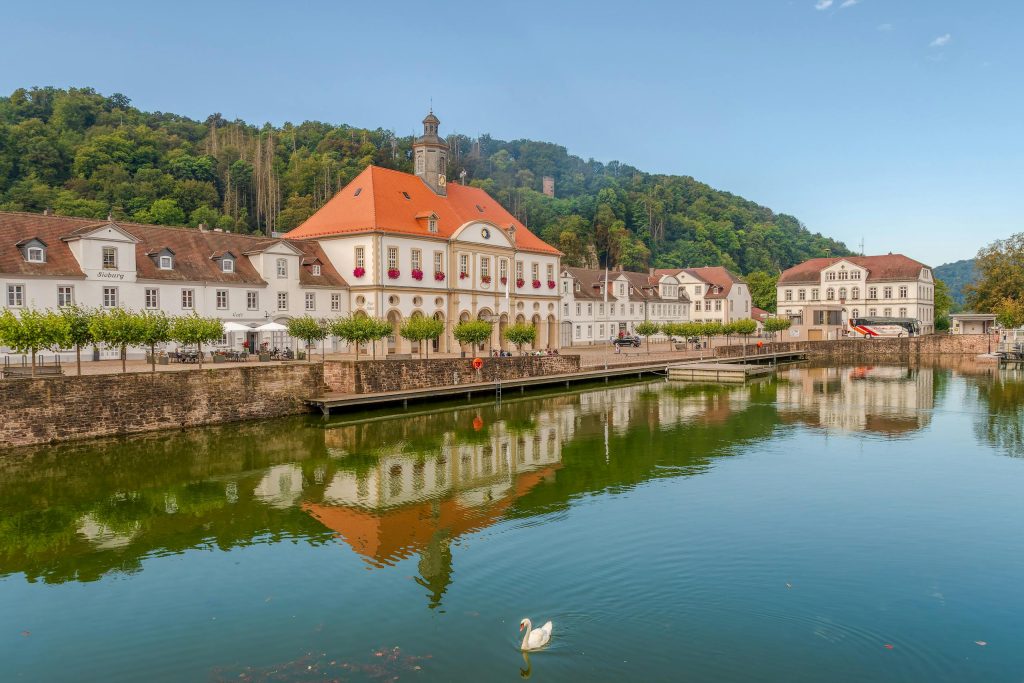
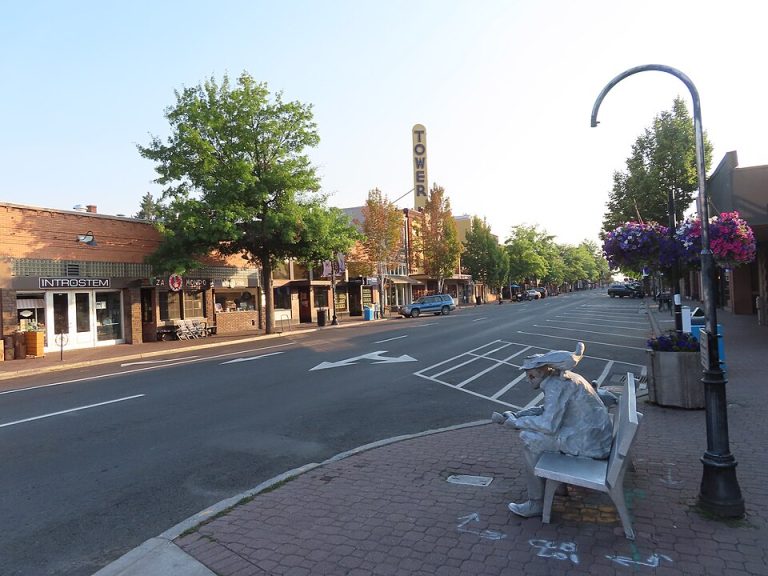
Choosing a small inland college town often feels like enough because daily life already follows a gentle structure. Academic calendars shape predictable rhythms, making days easy to read. Streets remain walkable, cafes operate consistently, and cultural spaces exist without pressure. Libraries, bookstores, and theaters encourage quiet engagement rather than urgency. Lodging stays straightforward, and distances remain manageable. Because expectations stay modest, time feels flexible. The visit supports routine habits like morning walks and unhurried meals. This kind of place offers balance through familiarity, allowing travel to feel supportive, calm, and complete without requiring constant novelty or emotional effort.
Taking A Short Train Trip Nearby

Taking a short train trip to a nearby city often feels like enough because movement remains simple. Packing stays minimal, schedules feel predictable, and travel time allows rest rather than strain. Arrival places visitors directly into walkable areas, reducing transportation stress. The destination feels different without feeling overwhelming. Days unfold naturally around streets, cafes, and familiar urban patterns. Because the trip does not promise transformation, attention stays on small comforts. This approach reduces decision making and supports flexibility. Travel becomes about transition and presence, offering change without excess, and creating a manageable experience that feels contained and satisfying.
Spending Time In A Regional Historic Town
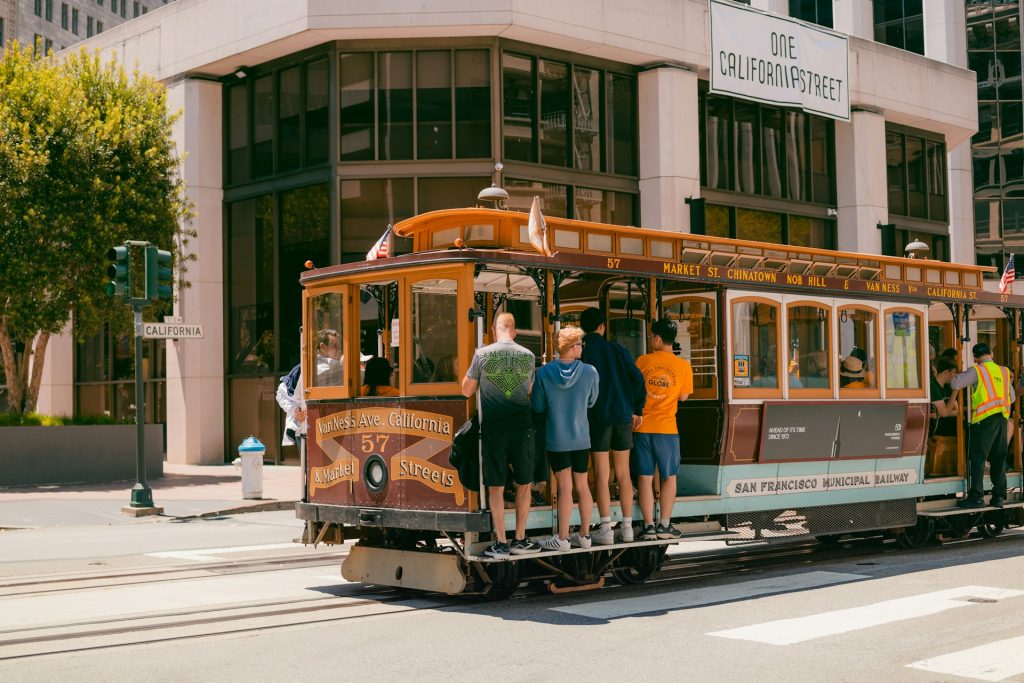
Spending time in a regional historic town often feels like enough because daily life moves steadily. Streets reflect long established routines, and landmarks integrate naturally into ordinary surroundings. Museums, cafes, and shops operate at a human pace, allowing visits without pressure. Lodging often sits close to main areas, reducing transit demands for tourist. History provides context without requiring deep study. Because expectations remain modest, attention shifts toward walking, resting, and observation. This kind of travel offers structure without urgency, supporting gentle engagement and a sense of completeness shaped by continuity, scale, and everyday rhythm rather than spectacle.
Renting A Simple Cabin In A Familiar Region
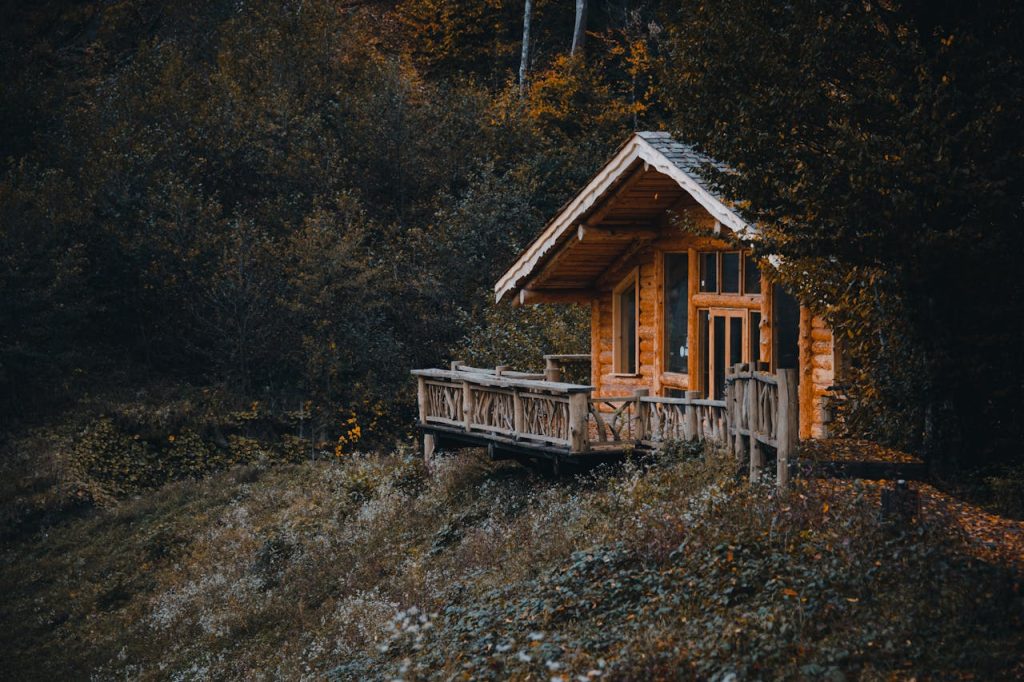
Renting a simple cabin in a familiar region often feels like enough because the setting encourages routine. Days center on basic activities like cooking, walking, and reading. Surroundings remain consistent, reducing stimulation and decision fatigue. Weather shapes the pace naturally, setting boundaries without pressure. Limited amenities simplify expectations and support rest. Because the trip does not promise change, attention stays grounded. Repetition becomes comforting rather than dull. This type of stay values steadiness and presence, allowing time to pass gently while reinforcing habits that feel restorative, realistic, and sustainable without creating distance from everyday life.
Taking A Midweek Staycation Close To Home
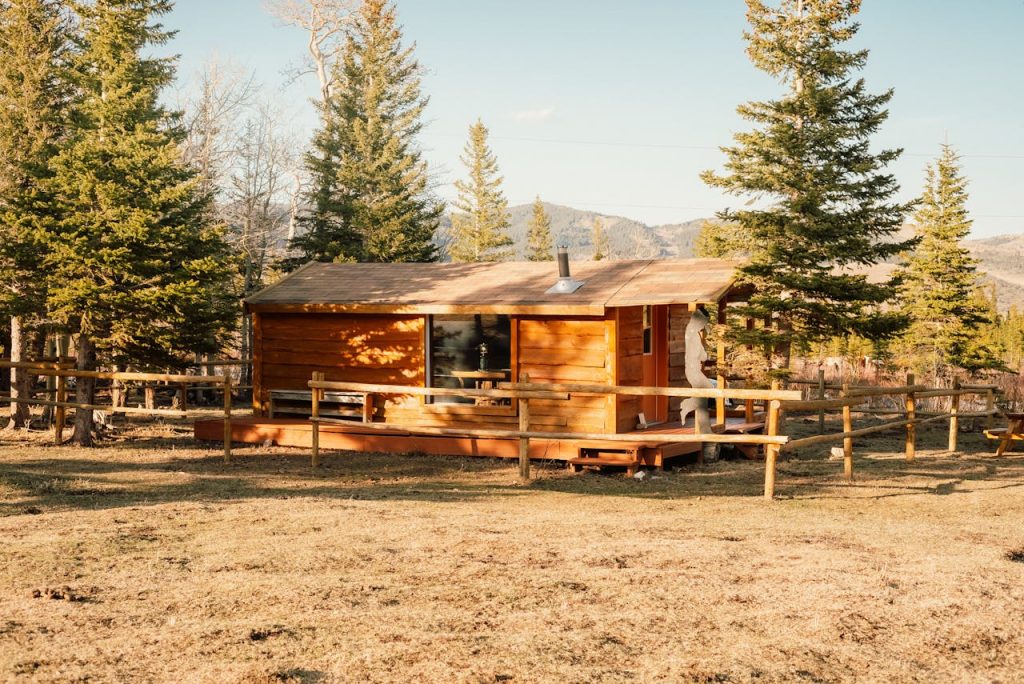
Taking a midweek staycation close to home often feels like enough because familiar structures remain intact. Grocery stores, walking routes, and routines continue without interruption. Time away from work exists without travel logistics or adjustment to your enjoyments. Days allow small variations while preserving normal patterns. This approach reduces planning stress and emotional demand. Rest comes from shifting focus rather than location. Because expectations stay low, the experience feels supportive instead of performative. A staycation like this offers pause without disruption, allowing recovery, perspective, and calm to develop naturally within ordinary surroundings during a manageable break.
Booking A Familiar Chain Hotel In A New Place

Booking a familiar chain hotel in a new place often feels like enough because expectations stay clear. Standardized rooms reduce uncertainty, while predictable amenities support routine habits like rest and quiet evenings. Arrival requires little emotional effort, and departures feel uncomplicated. Exploring nearby streets becomes optional rather than necessary. Comfort exists without effort, allowing attention to remain light. This approach offers a change of scenery while preserving stability. The experience feels manageable, calm, and complete without demanding discovery. It suits short stays where ease matters more than novelty and supports steady pacing throughout brief transitions.
Visiting Family Without An Agenda
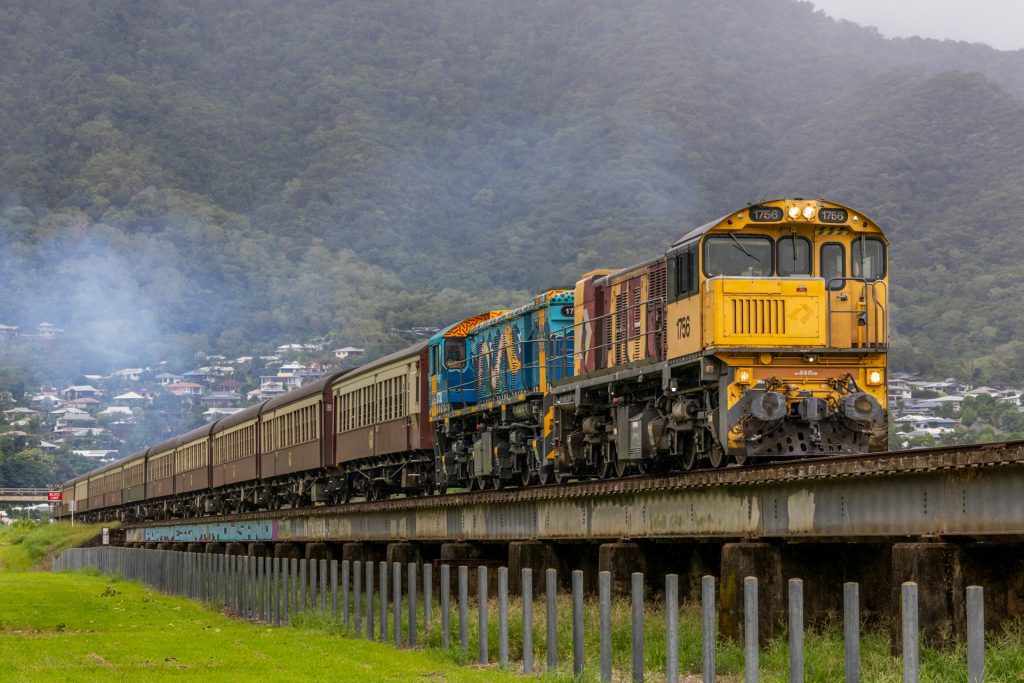
Visiting family without an agenda often feels like enough because structure already exists. Shared routines guide days naturally, removing pressure to plan or perform. Meals happen through habit, conversations unfold easily, and rest fits between familiar activities. The setting reduces decision making while reinforcing comfort and recognition. Time together focuses on presence rather than outcomes. Because nothing new must be accomplished, energy remains steady. This kind of travel feels emotionally manageable, offering connection without intensity. The experience supports balance through predictability, making movement feel grounded, restorative, and complete without asking for novelty or change.
Spending Time In A Small Rural Town

Spending time in a small rural town often feels like enough because daily life moves at a readable pace. Streets follow simple patterns, and routines repeat without complication, shaped by familiarity, predictability, and long established community habits. Local spaces serve practical needs, encouraging unhurried movement. Nature exists nearby without demanding exploration. Conversations feel direct, and time stretches comfortably. Because expectations remain modest, days feel complete without activity lists. This type of travel offers grounding through scale and repetition. The experience emphasizes sufficiency over stimulation, allowing quiet observation and rest to shape each day in a way that feels stable, and quietly fulfilling.
Choosing One Neighborhood And Staying There
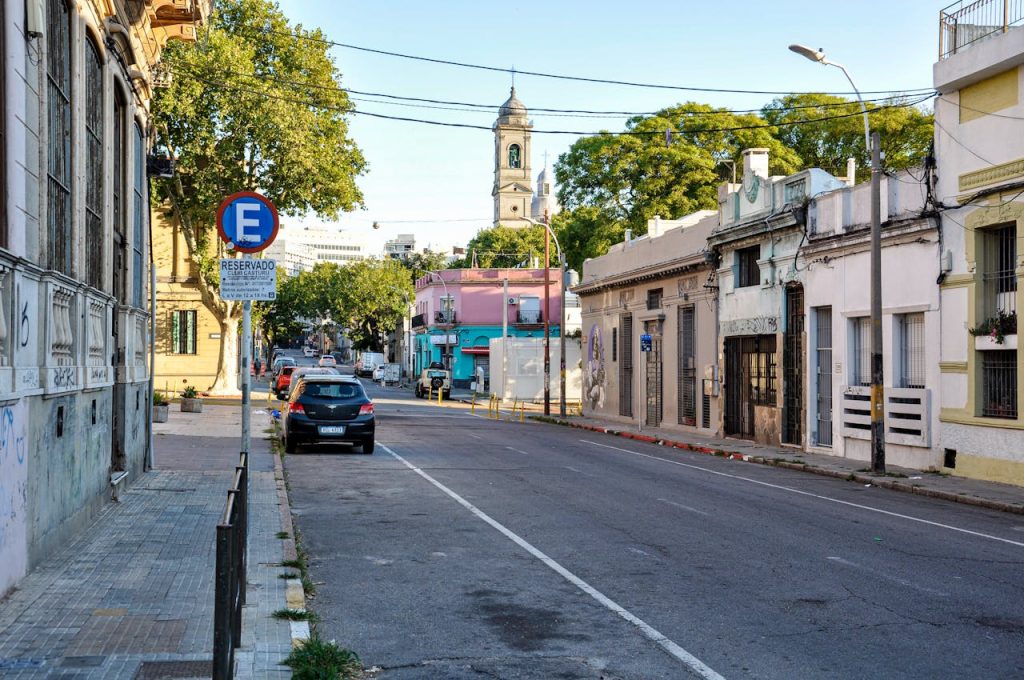
Choosing one neighborhood and staying there often feels like enough because boundaries simplify experience. Familiar routes develop quickly, reducing navigation effort. Cafes, shops, and streets become recognizable within days, supporting routine. Exploration shifts from coverage to observation. Meals repeat comfortably, and time feels less divided. Because movement stays contained, energy remains steady. This approach reduces decision fatigue and encourages presence. The trip feels manageable through consistency rather than variety. Staying local allows daily rhythms to emerge naturally, creating a sense of completeness rooted in familiarity, repetition, and the comfort of knowing where each day begins.
Visiting A Nearby National Park Without A Checklist
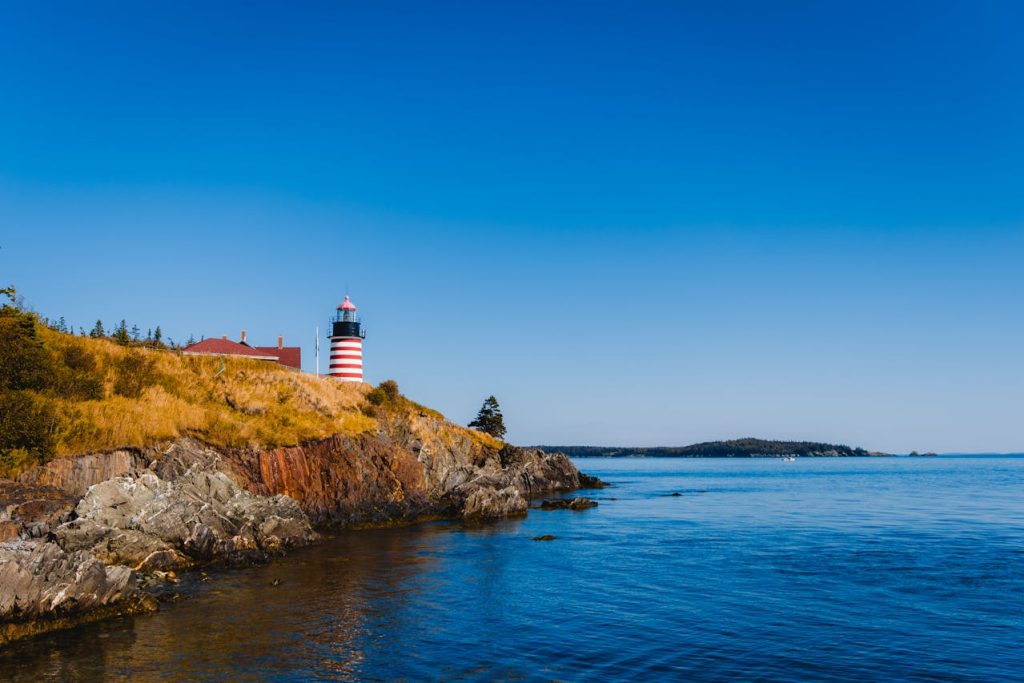
Visiting a nearby national park without a checklist often feels like enough because nature sets the pace. Familiar trails remove pressure to see everything, allowing attention to stay present, encouraging mindful awareness and unhurried sensory engagement. Short walks, overlooks, and quiet moments replace ambitious plans. Wildlife sightings happen naturally or not at all, without expectation. The landscape provides continuity rather than novelty. Because the visit does not promise achievement, time feels open. This kind of travel emphasizes rest, air, and observation. The experience remains manageable and grounding, offering renewal through simplicity and proximity instead of scale, distance, or accomplishment driven exploration.
Traveling During An Off Peak Season
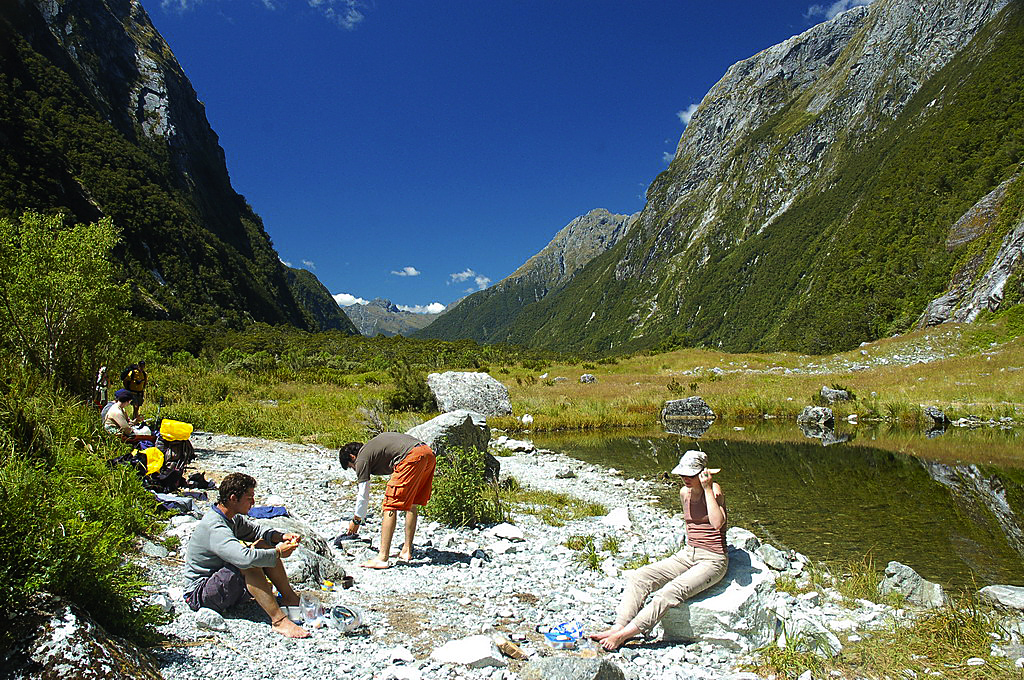
Traveling during an off peak season often feels like enough because conditions encourage ease. Fewer visitors reduce noise, lines, and scheduling pressure. Local routines become more visible, shaping days around ordinary rhythms and everyday community interactions without performative tourism. Weather may feel less ideal, yet that unpredictability supports flexibility. Accommodations and transport feel simpler, and movement requires less effort. Because expectations remain modest, small comforts stand out. This approach allows places to function as lived environments rather than destinations. The experience feels manageable and complete, shaped by calm pacing and realistic conditions rather than heightened demand or constant activity.
Choosing One Simple Reason To Go

Choosing one simple reason to go often feels like enough because purpose stays clear. The trip centers on a single focus, such as rest, walking, or seeing someone familiar, which reduces distraction and unnecessary complexity throughout each day. Planning becomes minimal, and decisions narrow naturally. Time feels less divided when expectations remain limited. Daily routines form quickly, supporting steadiness rather than momentum. Because the journey does not promise more than it can offer, satisfaction comes easily. This kind of travel values intention over accumulation. The experience feels manageable and complete, shaped by clarity, restraint, and the comfort of knowing why the trip exists.