14 Travel Ideas That Feel Like Walking Into Ongoing Problems
Some travel ideas look effortless in a booking tab, then feel sticky once wheels touch pavement. The problems are rarely dramatic. They are small frictions: lines that do not move, rules that shift, and services stretched thin by sheer volume.
When a place is already under pressure, tiny delays cost more. A late train becomes a missed entry window, and a closed tap becomes a reminder that comfort has limits. Even polite intentions can feel like extra weight.
The trips below can still be rewarding, but they work best with slack, context, and a plan that respects how a destination is coping in real time, with problems already in motion.
Day-Tripping A Fragile Old City
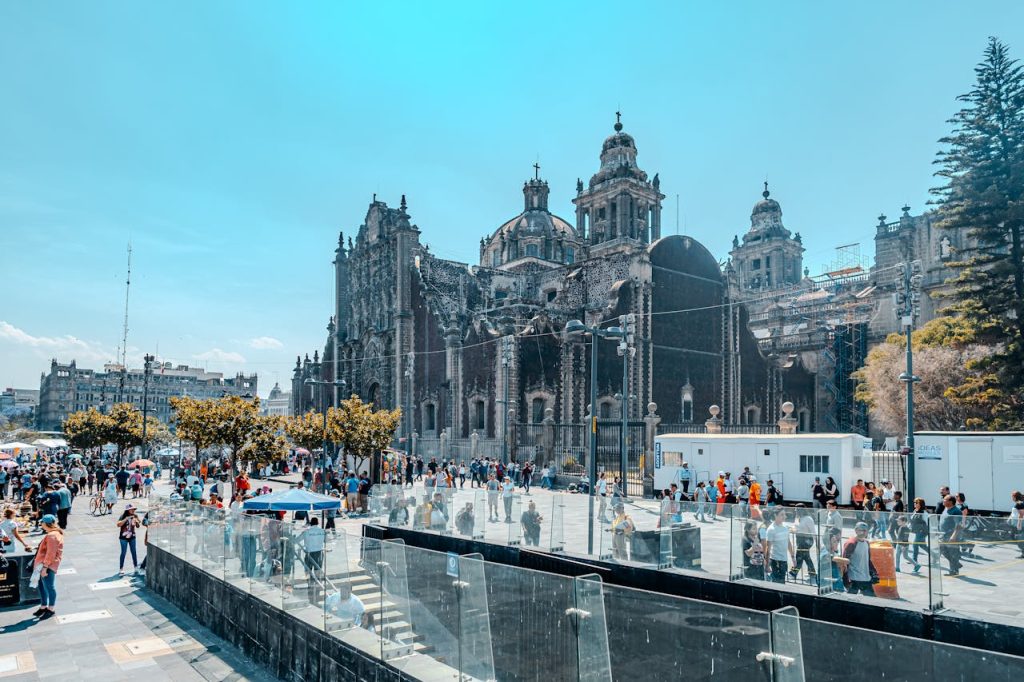
Canal cities and medieval centers look perfect for a quick day, yet they do not behave like day-trip destinations. Narrow streets funnel foot traffic into chokepoints, water buses run at capacity, and popular churches and museums often rely on timed entry.
One delay starts a chain. A late arrival pushes the visit into peak hours, cafés overflow, and bridges become slow-moving lines. Even simple errands, like finding a restroom or boarding a boat, start consuming the schedule.
The scenery stays stunning, but the day works better with an early start, reserved tickets, and an itinerary that leaves room for locals to live there.
Peak-Season Island With Water Limits
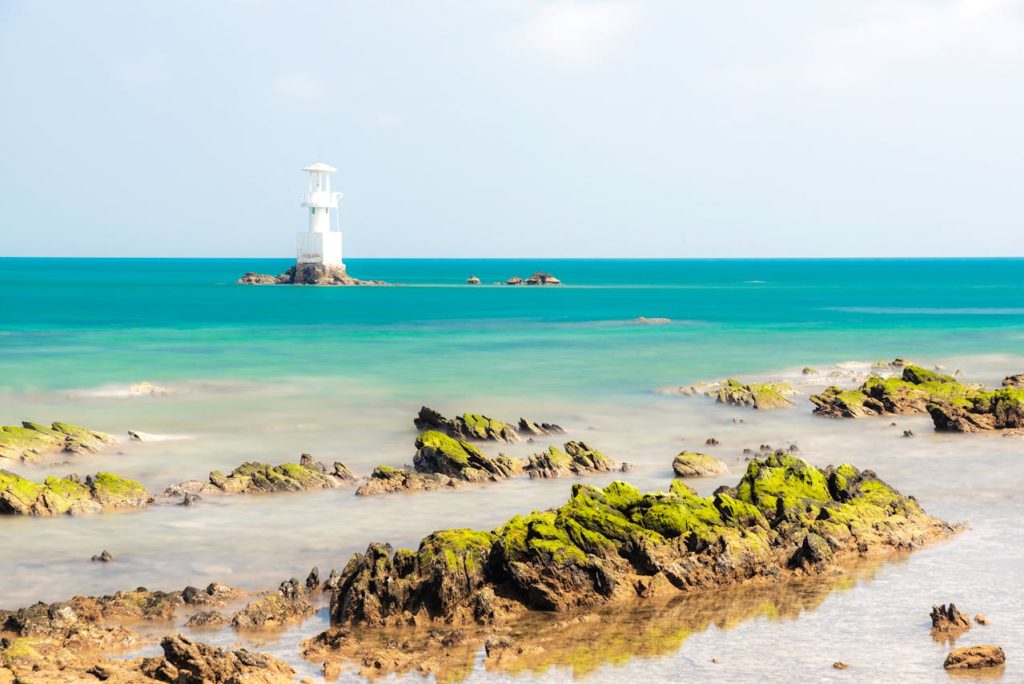
Small islands run on thin infrastructure, so high season exposes pressure points fast. Hotels, laundries, and restaurants all pull from the same finite system, especially in heat waves, and conservation notices can become part of the daily routine.
Low water pressure, restricted beach showers, and limits on refilling pools can make comfort feel conditional. The trip may still be beautiful, yet it can carry a quiet tension when visitors expect abundance while residents count every drop.
Shoulder dates, shorter stays, and lighter consumption help. More importantly, they keep the mood softer in places already balancing supply and demand.
Hotspot Cities With Resident Pushback
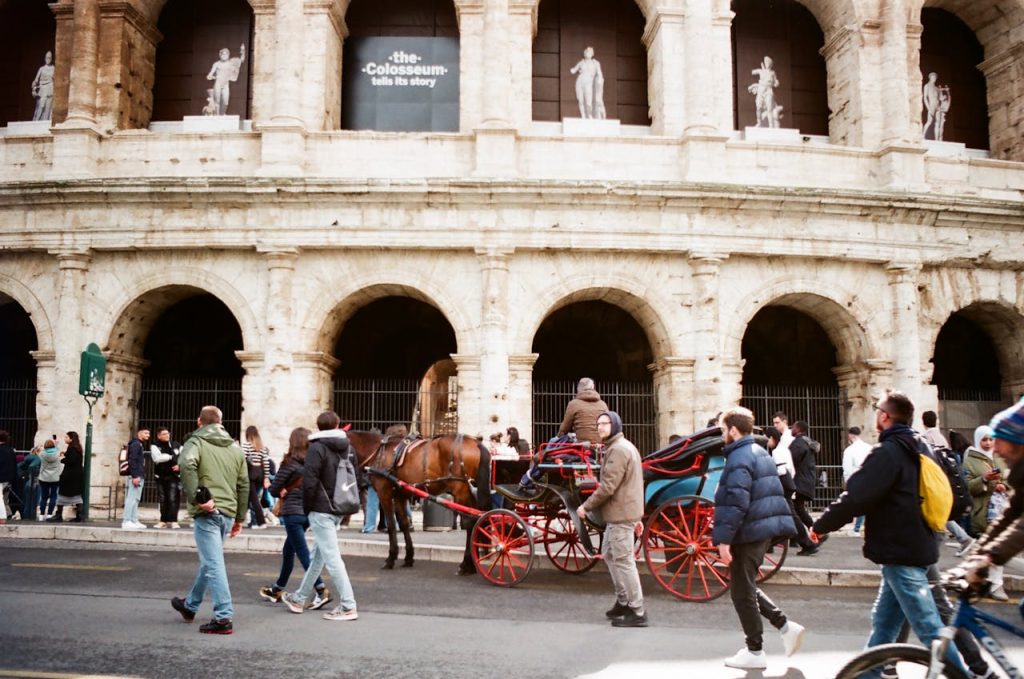
Some headline cities are carrying a live debate about tourism, housing, and daily livability. Even when protests are not visible, the pressure shows up in tighter rules, higher taxes, and neighborhoods that feel like permanent queues.
In that atmosphere, small missteps land harder. A noisy late arrival, a blocked doorway, or a slow group photo can spark irritation because patience is already thin. Prices climb, reservations disappear, and service can feel clipped even when staff are trying.
The same city often feels kinder in shoulder season or outside the most saturated districts, where visitors blend in and the pace returns.
Tight Connections Through Mega Airports
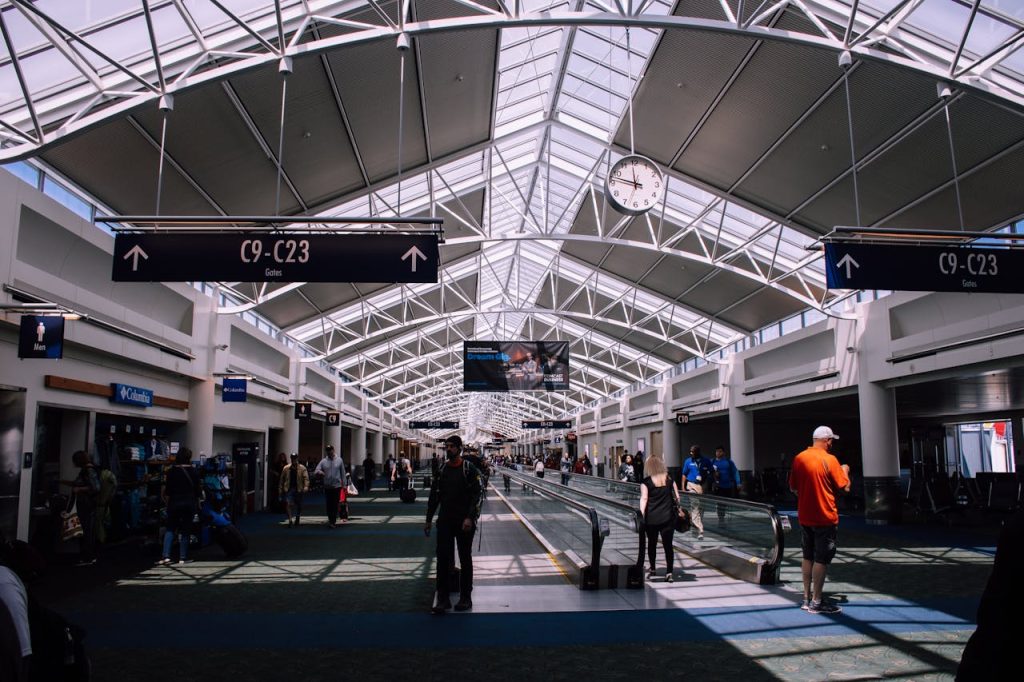
A short connection looks efficient on a booking screen and brittle in real life. Large hubs hide distance inside terminals, and transfers can include trains, long corridors, and security rechecks that eat the margin quietly.
One late pushback can trigger a chain of small losses: missed boarding, rebooking lines, standby uncertainty, and luggage that arrives on a later flight. The first day becomes logistics instead of arrival, and energy gets spent on screens and counters.
Longer layovers are not glamorous, but they buy slack for weather and gate changes at busy hubs. That slack is often the difference between calm and chaos.
Ultra-Low Fares With Fee Traps
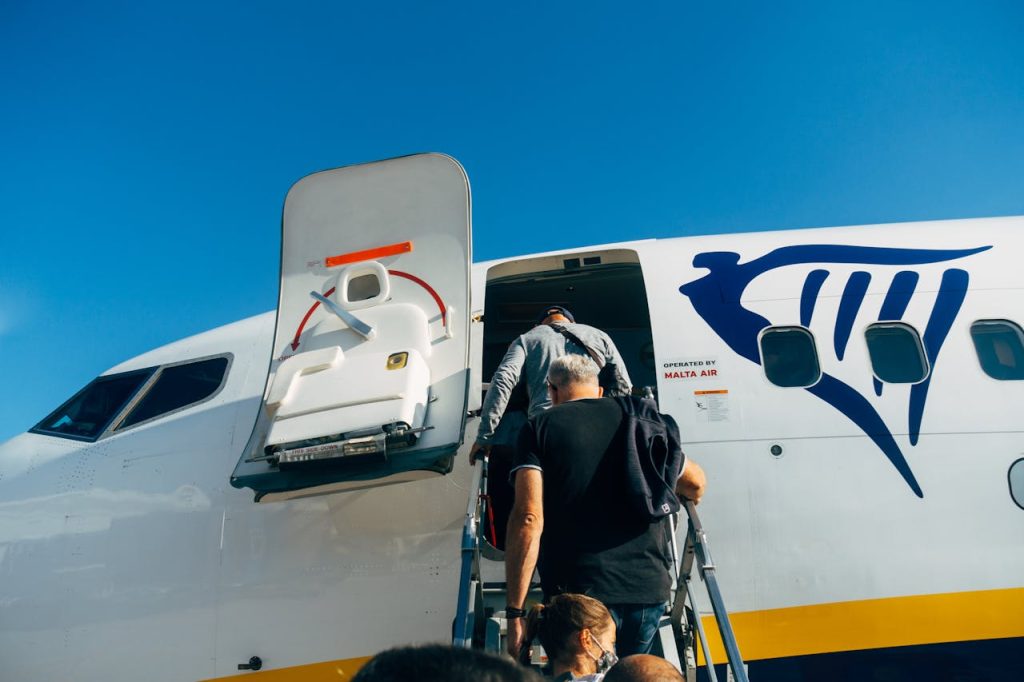
Ultra-low fares can turn travel into rule management. The headline price may be real, but the fine print runs the day: bag limits, boarding order, seat charges, and paid add-ons that surface at the gate, and every step feels audited.
A personal item that is slightly bulky can become a fee, and a late arrival can mean a lost boarding group. People measure bags, screenshot policies, and watch clocks instead of settling in. When a delay hits, rebooking options can be limited.
These tickets can still work with careful packing and a simple route. Without that discipline, the savings often leak away in small charges and stress.
Arriving During A Major Festival Week
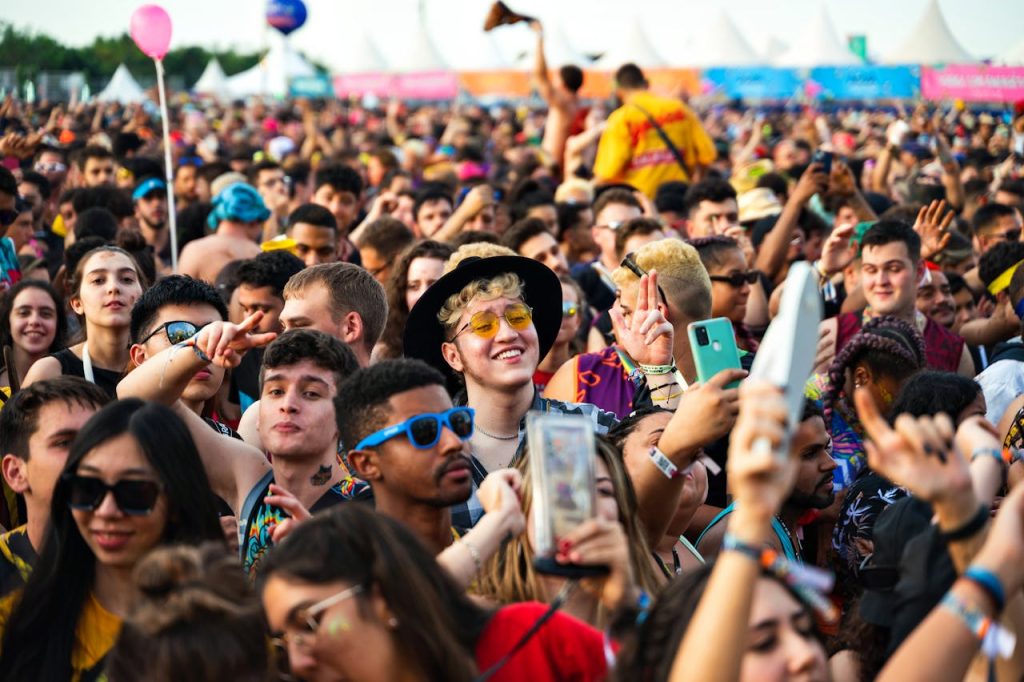
Festivals can be the heartbeat of a place, but they also rewrite how the city functions. Roads close, transit runs full, and hotel rates jump, while locals move with purpose and visitors try to catch up.
The friction is predictable. Dinner lines stretch, museum hours shift, and simple rides take longer as crowds surge at once. Street noise runs late, tickets sell out, and even finding a quiet corner can feel like work.
The celebration may still feel joyful, but it works best when treated as the main purpose of travel, with bookings made early and plans kept light, with one anchor event and plenty of walking time between it all.
Basing A Park Trip On One Critical Service
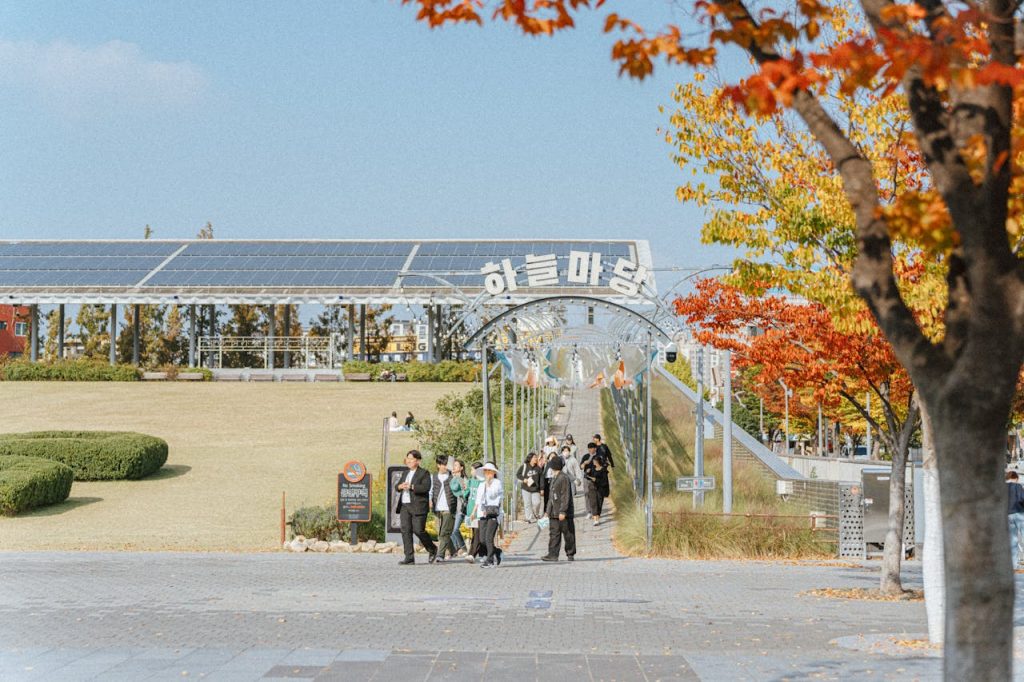
Remote parks can depend on a single lodge, road, or water system, and that dependency is easy to miss while planning. When one piece fails, the whole visit reshapes around it, because alternatives are few and far apart on short notice.
A closure changes where meals happen, how long hikes feel, and whether a trailhead is reachable at all. Rebooking is rarely simple, since nearby towns may be hours away and already full, and cell service can be spotty when weather shifts.
The landscape stays worth the effort, but a steadier itinerary includes backups: a second base, flexible routes, and supplies that do not rely on one tap.
Small Ports On Multi-Ship Cruise Days

Some charming ports are built for local life, not for several ships arriving at once. When thousands step off within an hour, streets compress, taxis vanish, and small shops become bottlenecks before noon.
The problem is timing. Tour buses hit the same viewpoints, cafés run out of tables, and tender lines turn the waterfront into a waiting room, with restrooms and shade suddenly in short supply. Prices can jump for the day, and tender lines turn the waterfront into a waiting room, with restrooms and shade suddenly in short supply. Even good intentions can feel heavy when sidewalks are already full.
A calmer visit comes from early starts, staggered excursions, and a willingness to skip the most famous stop. Quiet corners often hold the real charm.
Driving Into Cities With Restriction Zones

Driving into an old, dense city can feel like freedom until restrictions appear at street level. Low-emission zones, permit-only lanes, and camera enforcement are common, and signage can be easy to miss when traffic is tight and navigation apps lag on rules.
A wrong turn can mean an unexpected charge or a fine that arrives weeks later. Parking becomes its own project, with garages full and curb rules changing by hour. The stress is not the driving, it is the compliance puzzle layered on top.
Trains and local transit keep the day simpler, while a rental car often works better outside the core, where roads are wider and rules are clearer.
Crossing Borders With Last-Minute Paperwork
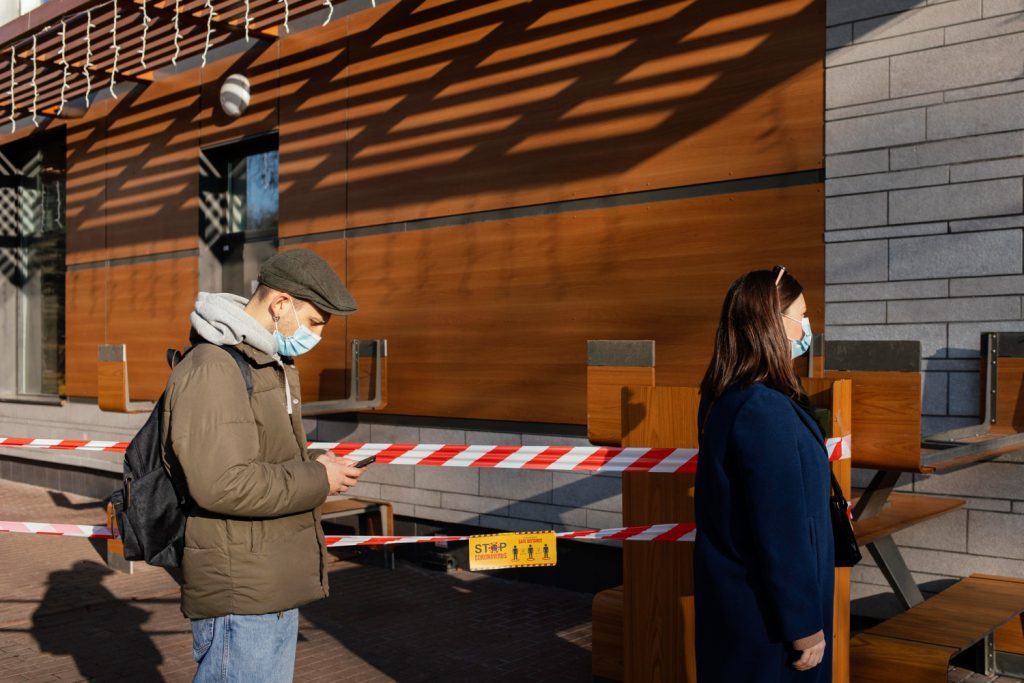
Border crossings rarely feel romantic, and the friction grows when entry requirements shift. Forms move online, fees appear, and proof of onward travel or lodging can be requested even on short trips, especially on busy routes where airline staff enforce checklists.
Trouble starts when a requirement is discovered too late. Wi-Fi fails, phones die, and check-in becomes a hunt for confirmations and backups. Even a small mismatch in names or dates can slow the line and raise questions.
Trips run smoother when documents are saved offline, printed when needed, and rechecked before departure. Calm usually comes from preparation.
Road Trips Through Active Construction Corridors
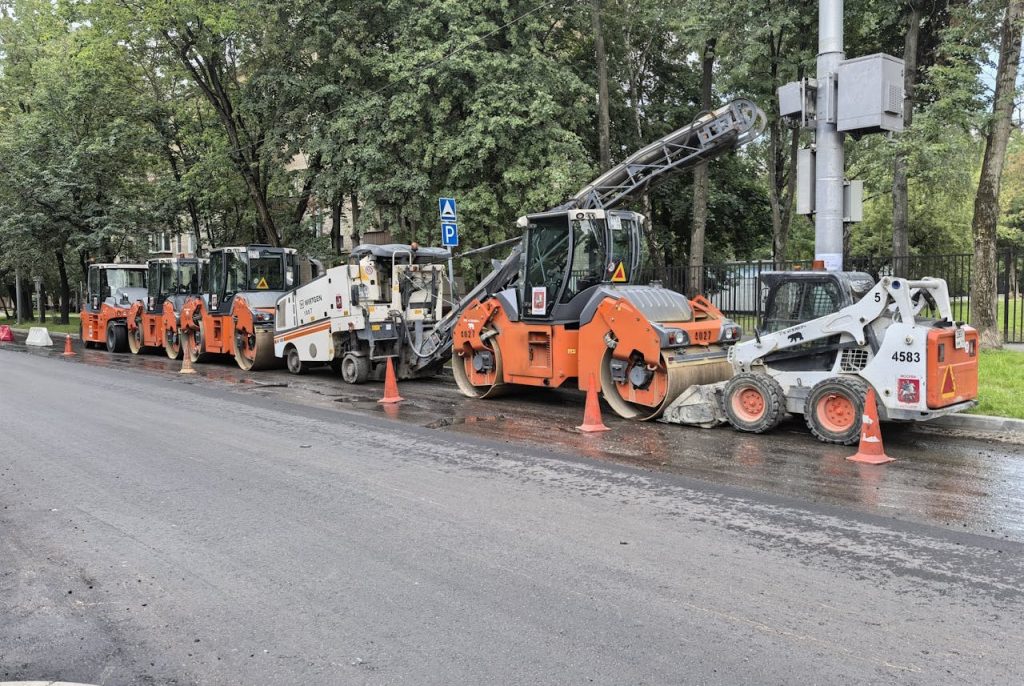
Some scenic routes are also working corridors, and roadwork can dominate the day. Repaving, bridge repairs, and tunnel closures turn a short drive into stop-and-go lines, pilot cars, and long waits under bright sun, and closures that follow weekday work windows.
The stress comes from uncertainty. Detours add miles, fuel stops feel farther apart, and arrivals slip later, taking dinner plans with them. Even viewpoints lose their magic when daylight is spent in traffic.
Plans hold better with earlier starts, fewer stops, and a backup route that does not rely on one narrow pass. Flexible lodging helps, and weather can compound delays fast.
Island Hopping That Depends On Ferries
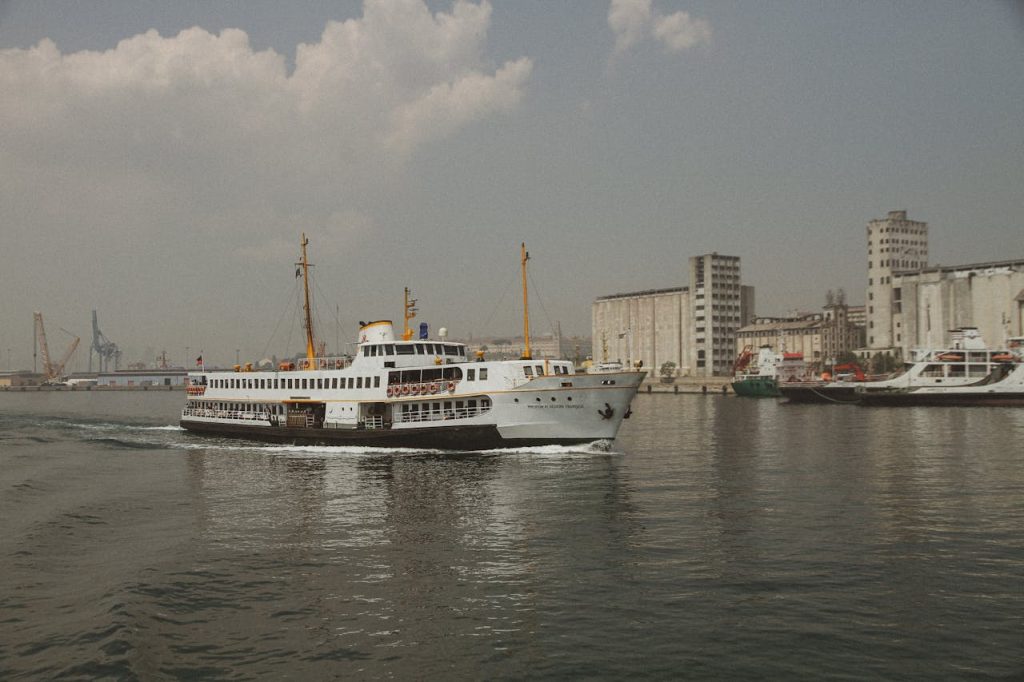
Island hopping looks elegant on a map, but ferries run on weather and capacity, not wishful timetables. Wind and swell can delay crossings, and in peak months popular sailings sell out, turning a simple hop into a puzzle at crowded ports with limited taxis and buses.
When schedules slip, luggage waits, seats disappear, and check-in times get missed. The day becomes a series of queues, and a late arrival can trigger extra fees. Even successful crossings can feel draining when seas are rough.
The fix is unromantic but effective: fewer islands, longer stays, and buffer time between major moves. Transport stops being the main event.
Visiting Right After A Major Weather Event
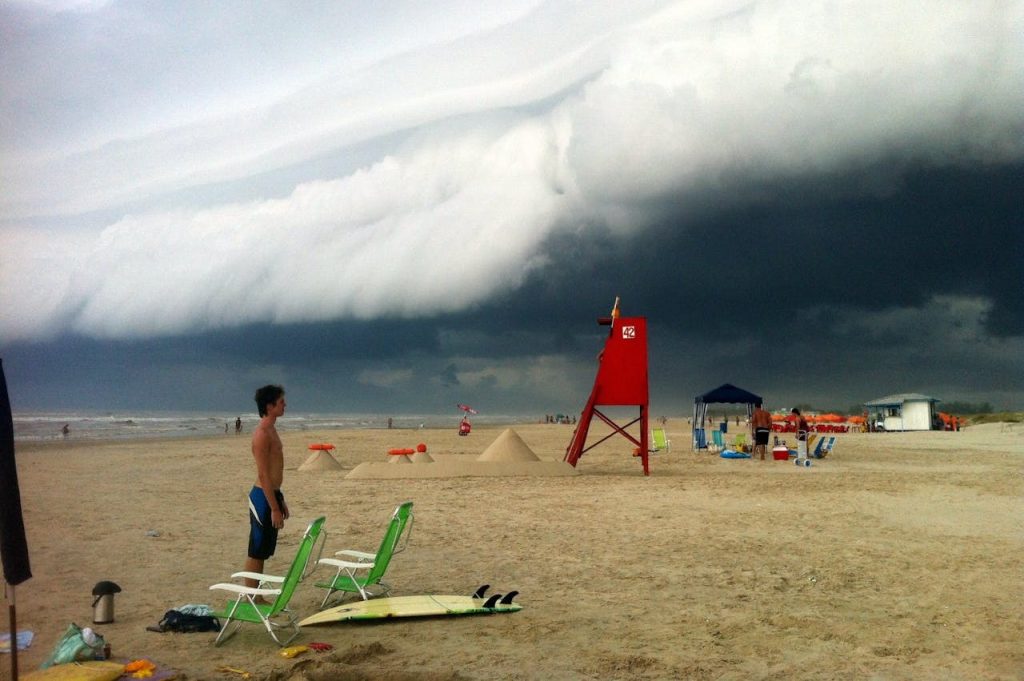
Some destinations look open again quickly after a big storm, but recovery often lasts longer than a reopening notice suggests. Roads may be patched, trails rerouted, and staff stretched thin while locals rebuild routines and supplies.
Visitors can still have a meaningful trip, yet expectations need recalibration. Power or water service may be inconsistent, beaches may have closures, and restaurant hours can change fast. Patience matters because the community is still doing the heavy lifting.
A slower itinerary and flexible bookings respect the reality on the ground. That approach supports local businesses without demanding perfect service.
Last-Minute Rentals In Regulated Neighborhoods

In many cities, short-term rentals sit inside housing politics, so rules and enforcement can tighten quickly. A listing may look stable online, yet buildings and neighbors may push back, especially in areas already saturated by visitors.
That uncertainty lands on the worst day: arrival. Check-in instructions change, access codes fail, or a cancellation arrives late, and the backup hotel is often far and expensive. Even when the stay works, the vibe can feel tense in shared hallways.
Trips feel smoother when lodging is booked earlier, vetted carefully, and placed where tourism is expected. Predictability protects the first night.