14 Travel Ideas That Feel Too Quiet — and Uncomfortably Real
Some trips feel loud even when nothing is planned. Others feel too quiet, the kind that makes every sound distinct and every thought louder. With fewer crowds, a place stops performing and starts existing, with closed storefronts, long pauses, and locals moving at their normal pace. These travel ideas are not built for thrills. They reward attention to what usually gets edited out: empty hours, plain conversations, and scenery that does not try to entertain. It can be beautiful, but it can also feel oddly exposing when silence has nowhere to hide. In that stillness, simple choices like food, routes, and timing start to feel heavier.
Off-Season Beach Boardwalks
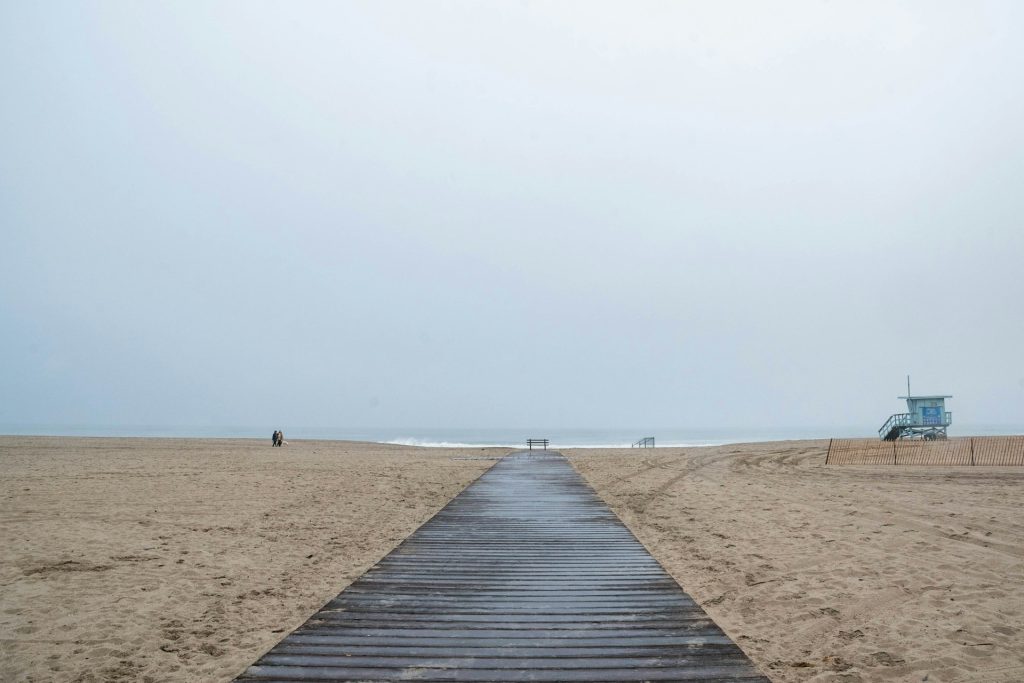
An off-season beach boardwalk can feel like a set between scenes, with arcade gates down, souvenir shutters pulled, salt air mixing with old fryer oil, and a flag snapping hard in the wind. With half the cafés closed, dinner turns into a practical search, and the emptiness makes every small group look slightly misplaced among dark hotel lobbies, locked restrooms, and long stretches of benches nobody claims. The ocean is still beautiful, but footsteps echo on the boards, a camera shutter sounds sharp, and by 5 p.m. the place can feel like it already closed for the night, even on a mild day when the sun is still up.
Midweek Mountain Resort Towns
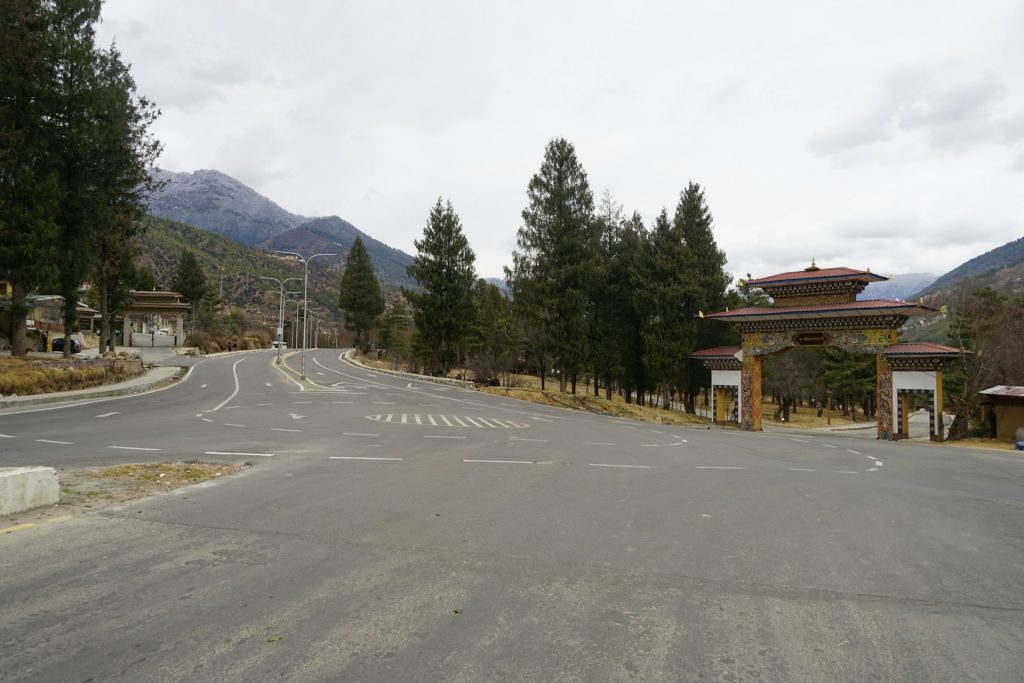
A mountain resort town midweek after peak season can feel polished and oddly hollow, with lift lines gone, bar stools empty, and restaurant hours trimmed back to a narrow window. The scenery still looks expensive, yet the social energy drops, and service turns brisk and practical as fireplaces crackle for half-empty couches, hotel lobbies echo, and the main street goes quiet right after sunset. It can feel like arriving after a big event ended, when everyone is sweeping up, counting inventory, and saving warmth for the next weekend surge, so the calm reads less like luxury and more like recovery.
Desert Highway Motels In Shoulder Season
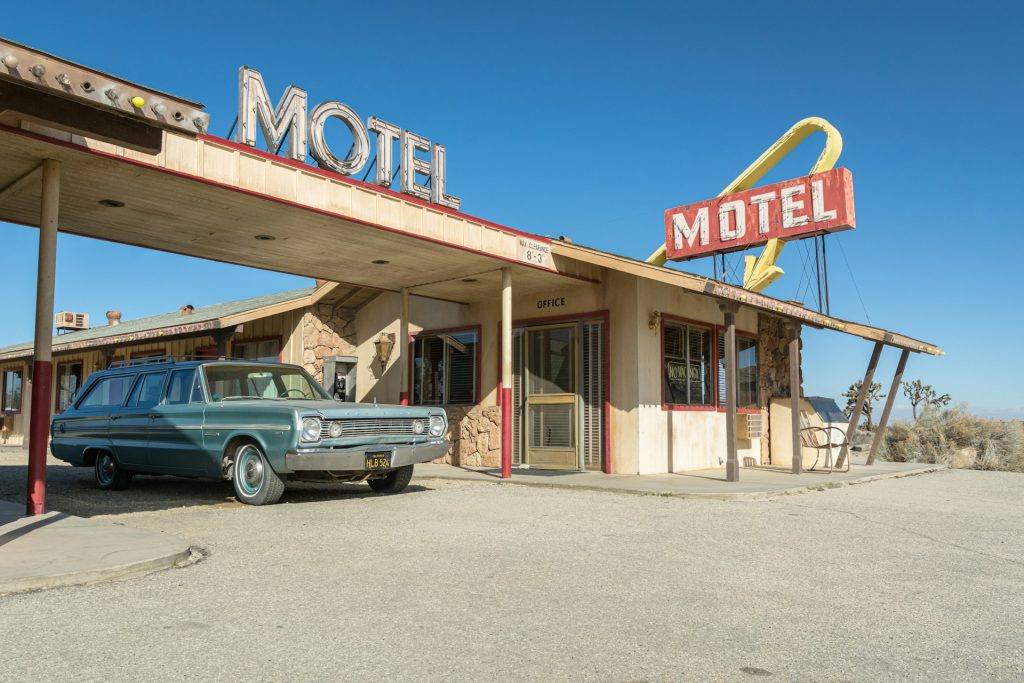
A desert highway motel in shoulder season can feel too real once the lobby goes quiet, the pool is covered, the ice machine hums, and the parking lot looks wide enough to echo under a couple streetlights. Staff are kind, but the talk stays brief, focused on keys, routes, and what is open nearby, which is often not much after 7 p.m., so the room becomes the evening plan, with snacks, TV glow, and the highway far off. The vast dark outside the window can sharpen loneliness instead of romance, and the quiet makes time feel slow and honest, like the road paused to let the mind catch up before sleep arrives.
Small Ferry Terminals After The Last Sailing
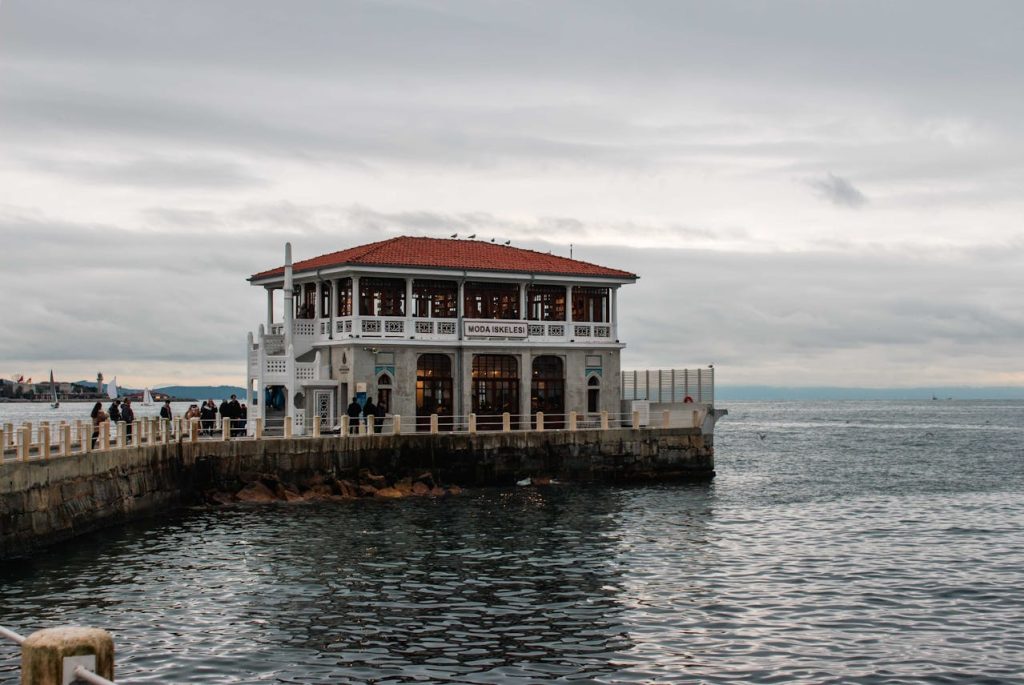
A small ferry terminal after the last sailing can feel like time got turned down, with quiet benches, fluorescent light, damp coats, and a vending machine that may not work. The posted schedule looks simple until wind and staffing create gaps, the little café shuts early, and locals sit with practiced patience while visitors reread tickets as if paper might change the outcome. Once the dock goes still, water sounds louder, and the day’s movement depends on one boat, one crew, and one clock, so the quiet feels less like peace and more like being held in place by logistics while daylight drains away.
Downtowns On A Monday Morning
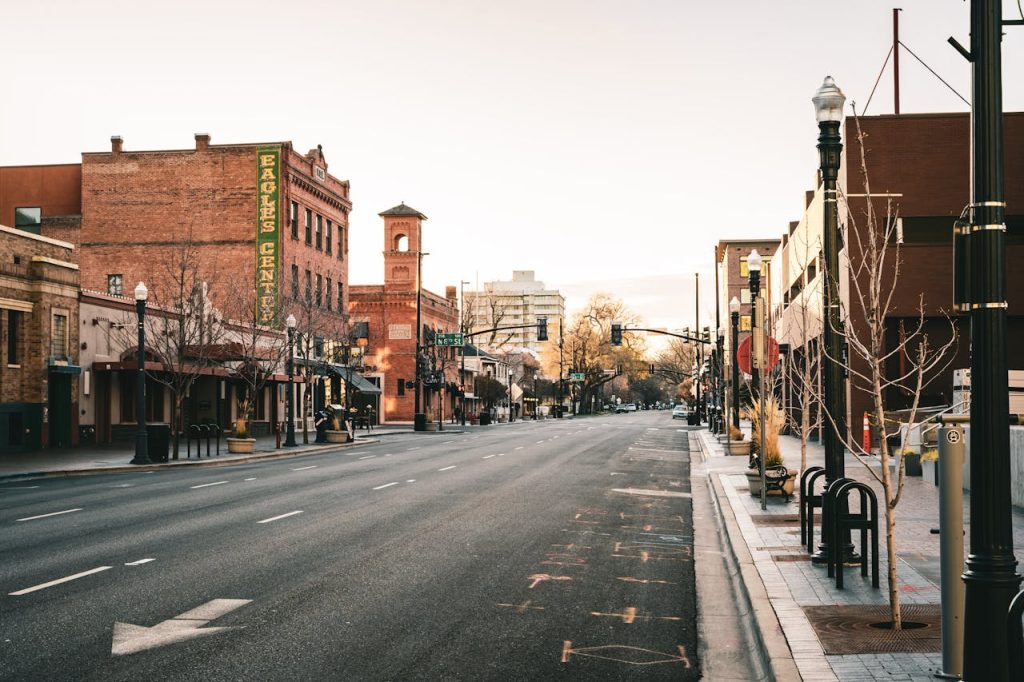
A tourist downtown on a Monday morning can feel awkwardly empty, like the city is resetting its face after a busy weekend. Shops open late, patios are stacked, and streets that were crowded on Saturday become a quiet grid of delivery trucks and sweeping crews, leaving visitors unsure what is open while locals pass through with purpose. Without crowds to blur the edges, every vacant storefront and closed sign stands out, footsteps echo, and even a simple coffee can mean a long walk between scattered open doors, so the quiet reads practical, not relaxing, and cameras feel slightly out of place. Too.
Closed-Season Amusement Piers
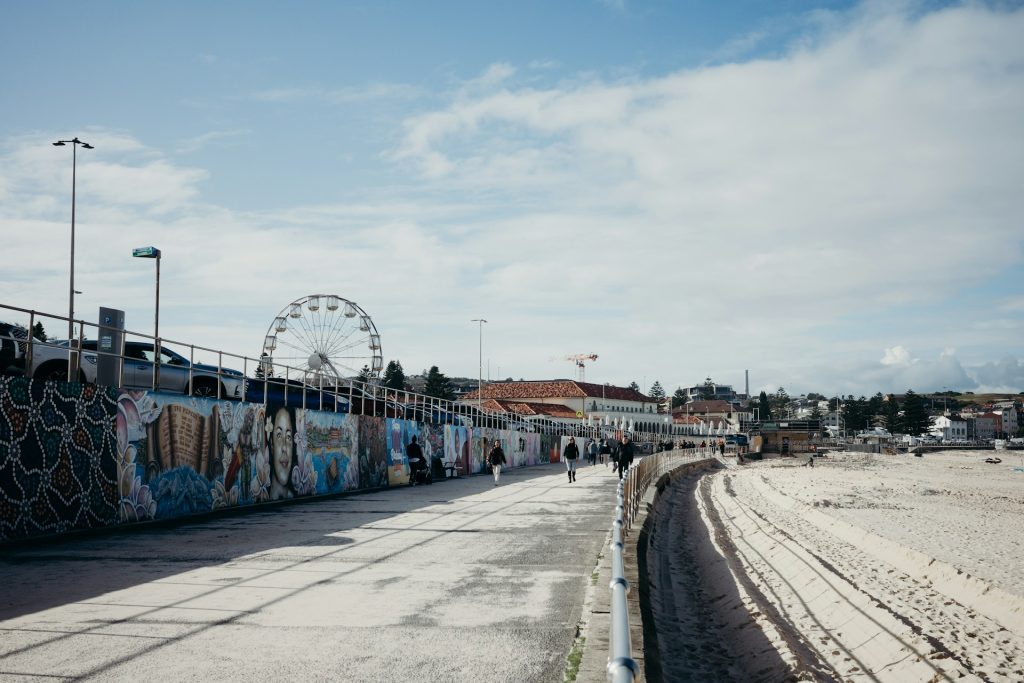
A closed-season amusement pier can feel charming and unsettling at once, with rides still, gates chained, signage fading in salt air, and boards creaking underfoot without any music. A few safety lights stay on, which makes the emptiness clearer, and nearby businesses keep limited hours, so a hot drink, a restroom, or a simple snack becomes a small hunt against the wind. The setting photographs beautifully, but the mood can feel heavy, because the fun was designed to be shared, not experienced in silence, and the long walkway keeps stretching ahead with no crowd to break the spell. For long minutes.
Nearly Empty Outlet Centers
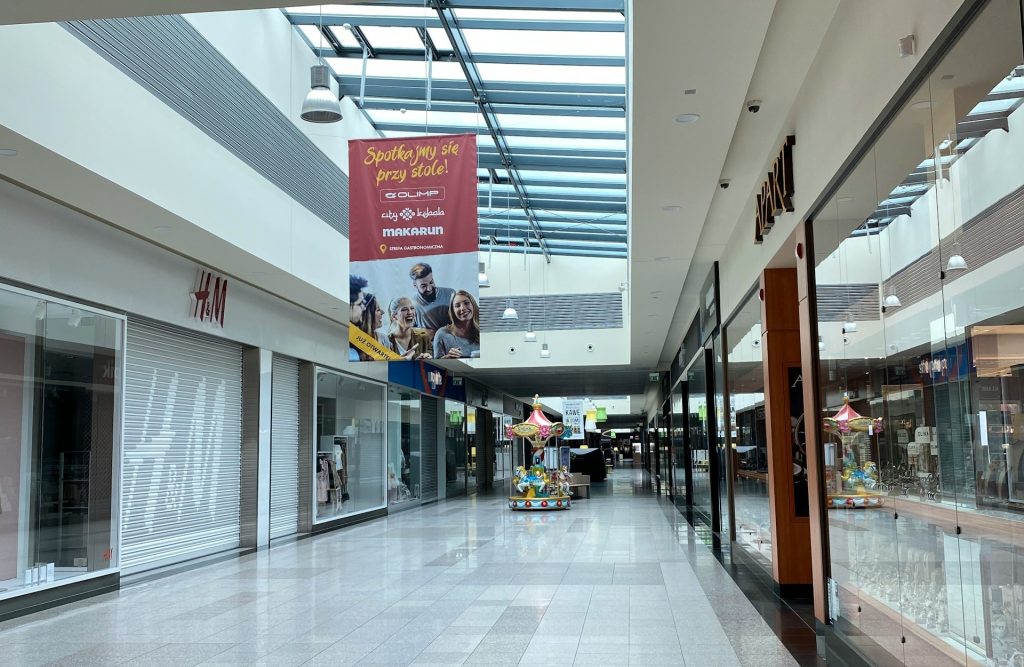
A nearly empty outlet center can feel like retail without its script: bright storefronts, echoing corridors, and a sales pitch aimed at the only person walking past on a weekday. Discount signs hang everywhere, yet the stillness makes the place feel less like a deal and more like a question, especially when the food court shrinks to one open counter and the background music fills the silence. It is not frightening, just stark, and the quiet can create pressure in glass hallways, where browsing feels like being watched, and leaving without buying starts to feel like the only clean ending to the visit.
Big City Landmarks At Dawn
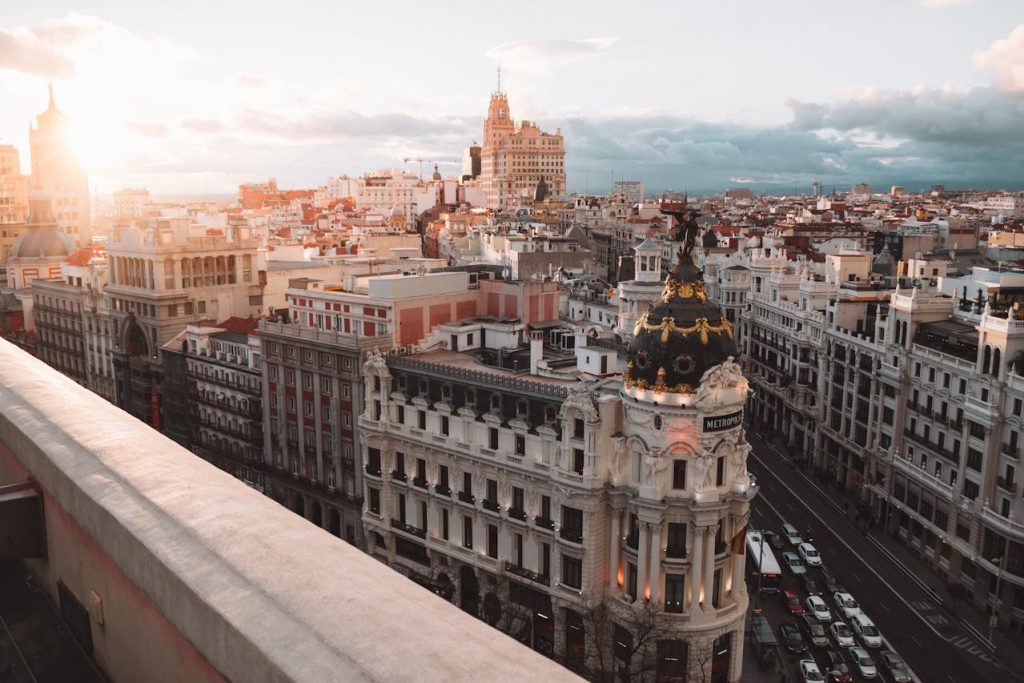
A big-city landmark at dawn can be beautiful, but also strangely bare, because the space reads as infrastructure before it reads as wonder. Without crowds, details come forward: wet stone, trash cans, metal barriers, and cleaning crews doing routine work while a jogger passes, pigeons peck, and a delivery truck idles in the empty plaza. The quiet reveals how much of the usual magic comes from shared excitement and noise, and it can feel like borrowed space, as if the landmark belongs to maintenance first and to visitors later, when the city finally turns its attention outward after the first commute wave.
Winter Lakeside Promenades
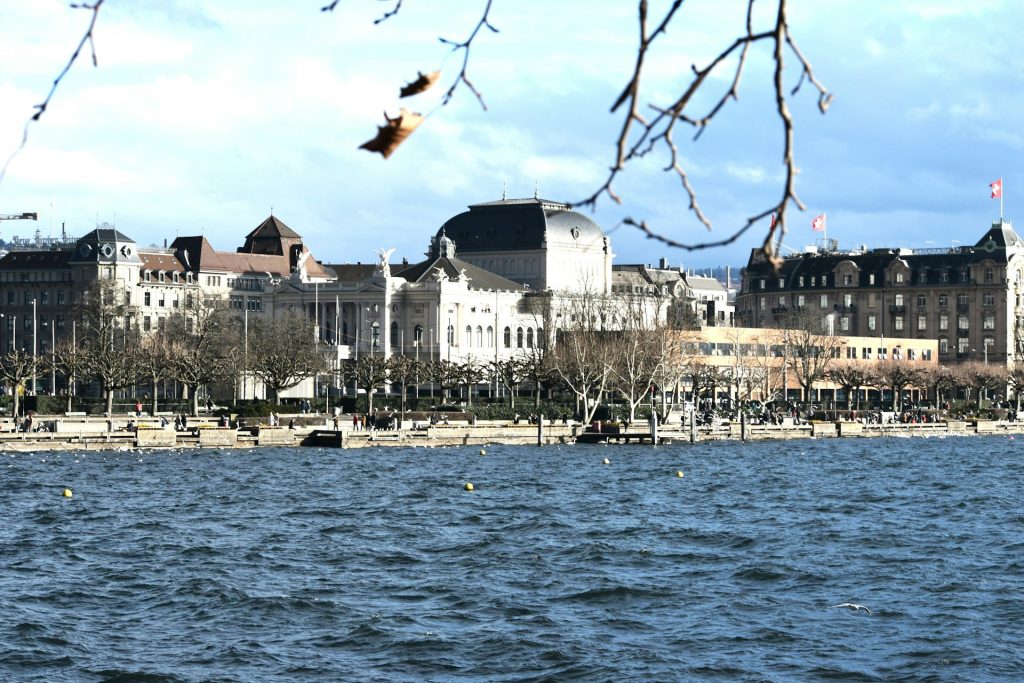
A lakeside promenade in winter can feel too still, especially when the water turns gray and the wind has nothing to block it, and the lake keeps its distance. Benches sit empty, snack stands close, railings bite with cold, and breath shows in the air, and footsteps sound crisp on cold pavement, loud enough to feel like a spotlight, even when the view is gorgeous. Locals who show up move with intention, bundled and quiet, and the calm can be clarifying but also isolating, because there is no crowd energy to soften the edges, only open air, long sightlines, and early darkness arriving before the body is ready.
Small-Town Museums On A Rainy Day
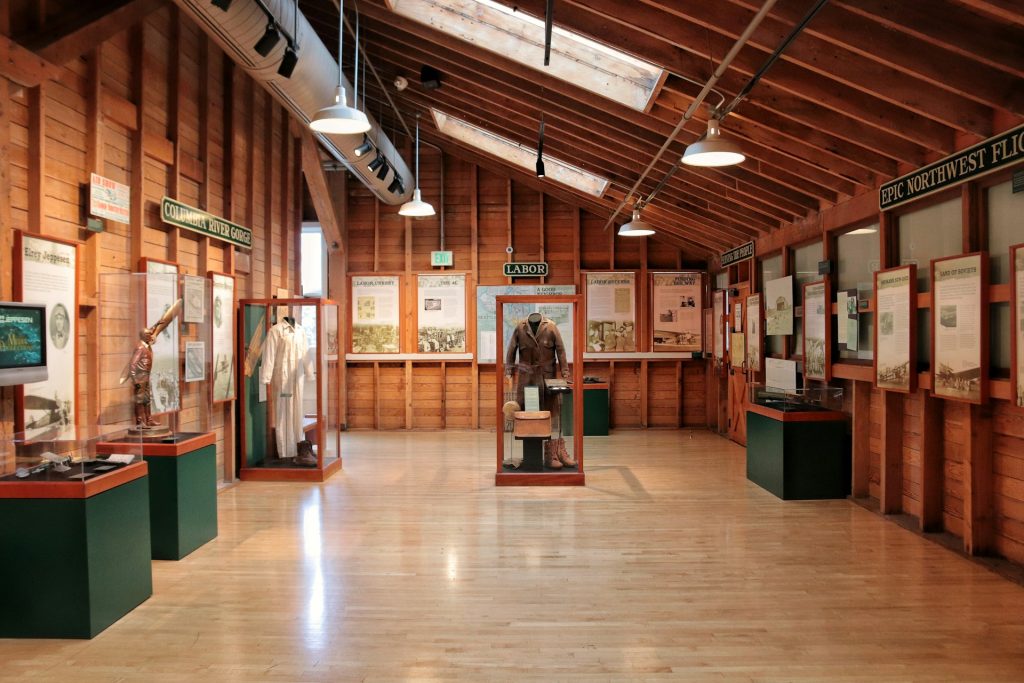
A small-town museum on a rainy weekday can feel intimate in a way that borders on uncomfortable, because there is no crowd to hide behind. A single docent may greet visitors with full attention, and every footstep echoes through the gallery as rain taps the windows and personal, sometimes handmade exhibits tell stories without distraction. The quiet makes limits easy to notice, like short hours and thin staffing, and a donation box by the door, alongside the care that keeps everything going, and that honesty can feel intense when the room is nearly empty and someone is watching for a reaction.
Regional Bus Depots Between Departures
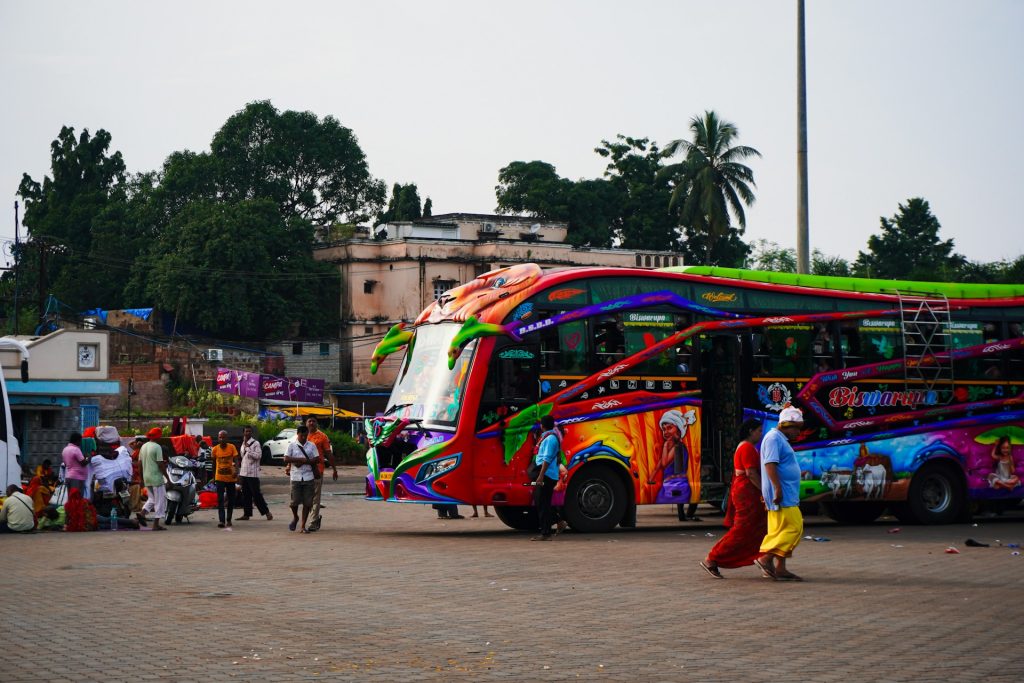
A regional bus depot between departures can feel like travel stripped down to essentials, with flat light, tired carpet, practical seating, and long stretches of waiting. Announcements sound too loud in the quiet, and people sit with the calm focus of necessity, guarding bags, charging phones, and watching the board while snack options thin out. When a bus runs late, time stretches into minutes of staring at doors, checking receipts, and counting connections, and the realness can sit awkwardly beside vacation expectations built from bright photos and upbeat plan and the day feels smaller. Fast.
Rural Diners Between Meal Rushes
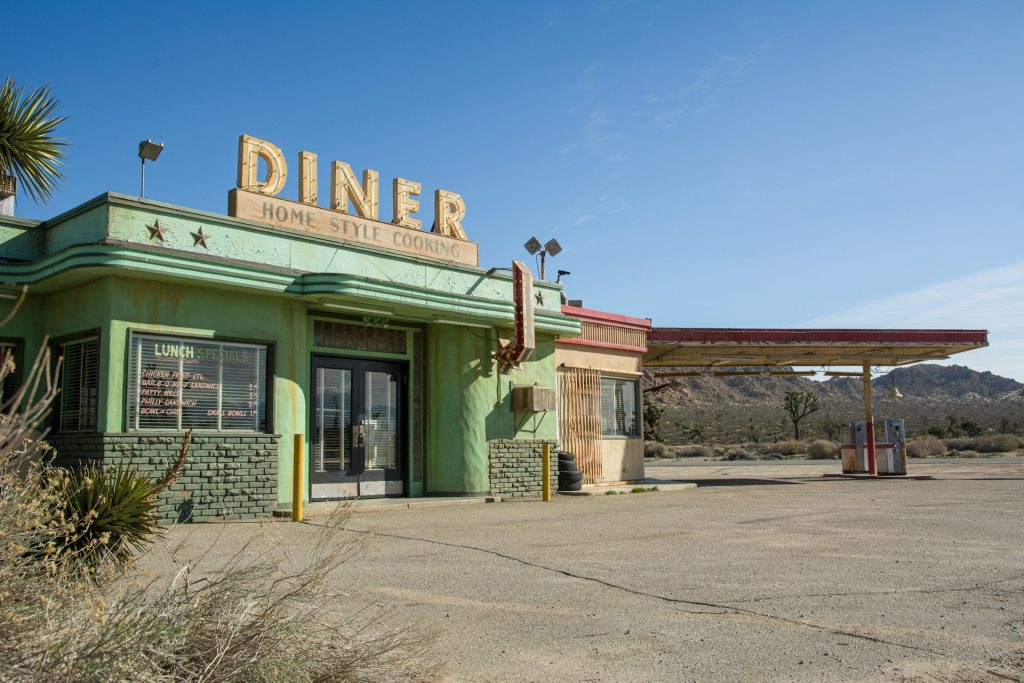
A rural diner at 2:15 p.m. can feel like a pause in the day that no one planned for visitors to witness, especially between lunch and the early dinner rush. The grill cools down, staff reset tables quietly, and the room holds a low hum from a fridge and a ceiling fan while regulars speak softly and newcomers feel instantly visible. The food is often great, but the silence slows every bite, and the place is not performing hospitality, it is simply functioning, with coffee refills and clinking cutlery as the only soundtrack, which can feel comforting and uncomfortable at once until the next truck pulls in.
Motel Pools Covered For The Season
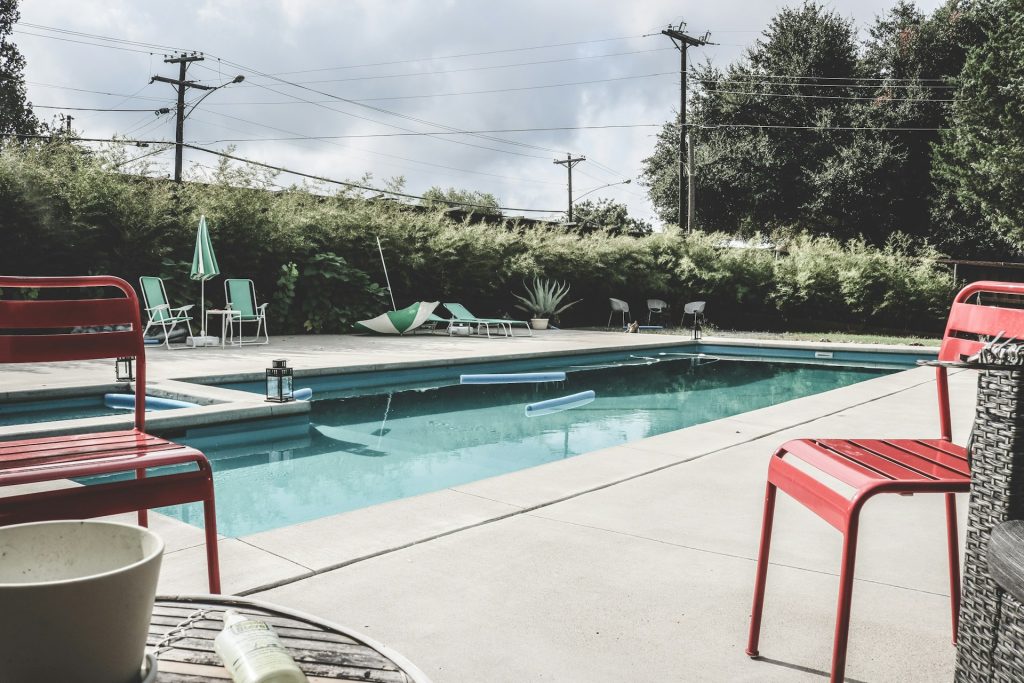
A motel pool covered for the season changes the mood of a property instantly, because the bright promise disappears under a tarp. What remains is a fenced rectangle and the sound of wind catching plastic at night, and families who expected a lively courtyard find a quiet space that feels unfinished even when rooms are clean. Common areas empty out early, so the trip becomes snacks, TV, and planning the next drive, and the stillness can be restful but also exposing, because the place was built around a shared outdoor moment that is now unavailable and every hallway sound stands out. All night long.
Farm Roads At Sunset With No Signal
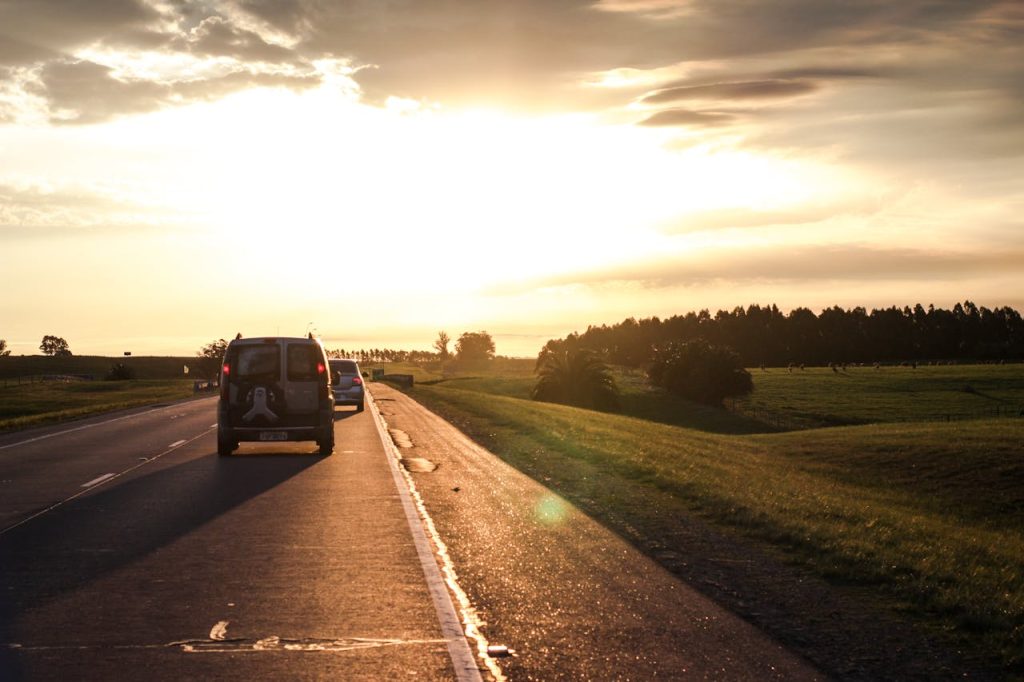
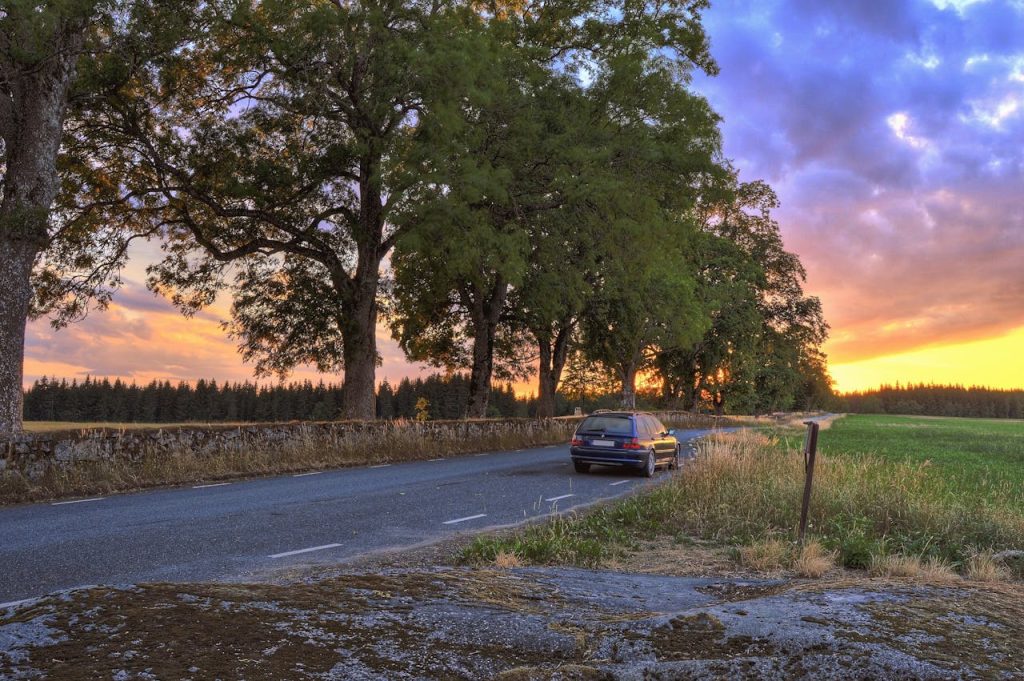
A sunset drive on farm roads can feel peaceful until the quiet becomes total, after the last house light disappears. With no signal, no traffic, and few lights, the landscape starts to feel bigger than the plan, and small sounds stand out: gravel under tires, a distant dog bark, a rattle in the trunk, and the click of a turn signal. Navigation becomes memory and guesswork, and a missed turn costs time, not money, which makes minutes stretch past dark, while the quiet can be beautiful but also exposing, because there is nothing to distract from the present moment as barns fade, stars appear, and the road keeps going.