14 Travel Styles That Avoid the Rush
Crowds do more than fill streets; they change how a place sounds and how quickly decisions get made. The calmer trips begin with a different aim: aligning each day with local rhythms instead of peak demand. Small choices, like a midweek arrival, a neighborhood stay, or a train between cities, can replace lines with breathing room. These travel styles favor timing, transit, and gentle routines, leaving space for long meals, quiet viewpoints, and conversations that do not feel hurried. The result is presence, not pressure, and memories built from texture rather than noise.
Shoulder-Season Weekender
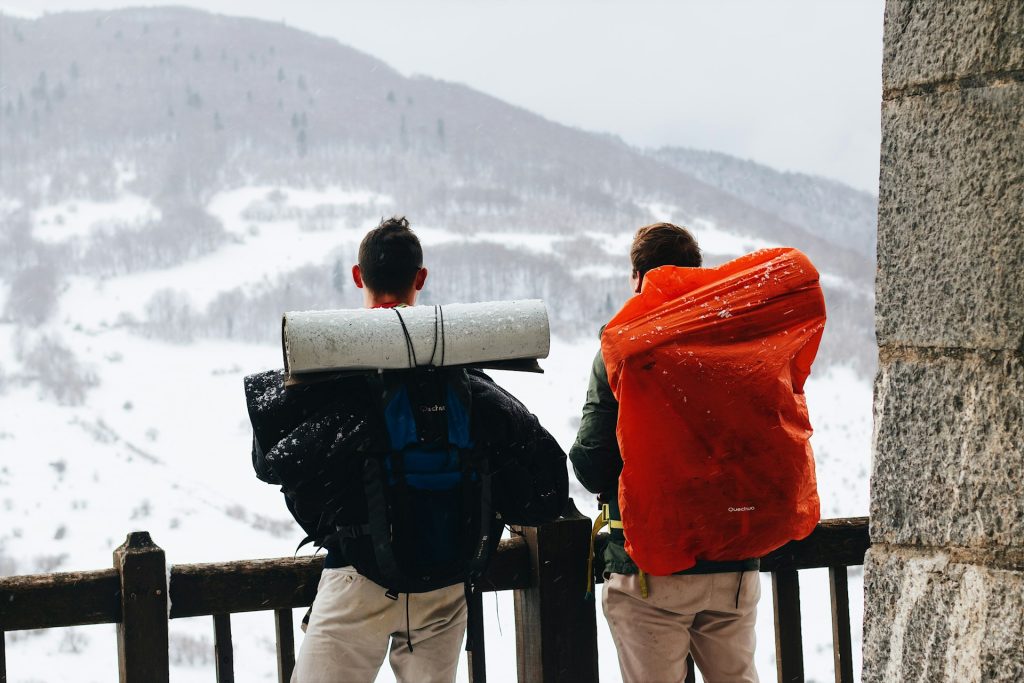
Shoulder season lets famous destinations breathe, with fewer queues at museums, easier transit seats, and hotels that feel like places to rest instead of staging areas. Late spring and early fall often bring better lodging value and more open tables for regional staples, especially once school breaks end and midweek streets belong to locals again. The calmest plan pairs one outdoor highlight with indoor anchors like covered markets, small galleries, or thermal baths, so a surprise shower becomes atmosphere, not a setback, and the day still ends with a slow dinner and an unhurried walk back. It feels shared, not staged.
Midweek Mover
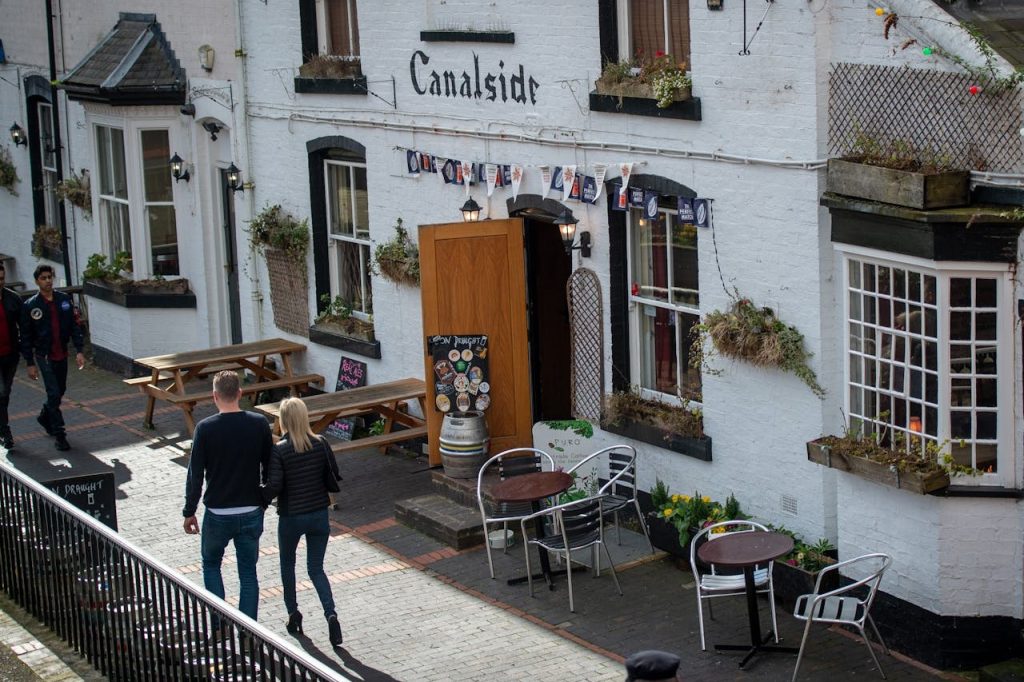
Midweek travel slips between the big arrival pulses that stack up around Fridays and Sundays, so cities feel less like a conveyor belt and more like a neighborhood. Tuesday or Wednesday check-ins tend to mean quieter lobbies, steadier restaurant availability, and smoother local transit because fewer short-stay visitors land at the same time. It works best with a compact route, one main plan per day, and errands tucked into quiet hours, like early afternoon laundry or a market run, then the weekend buzz arrives after the trip has already found its rhythm. Even popular corners keep their shape, and service tends to feel calmer.
Early-Bird Explorer
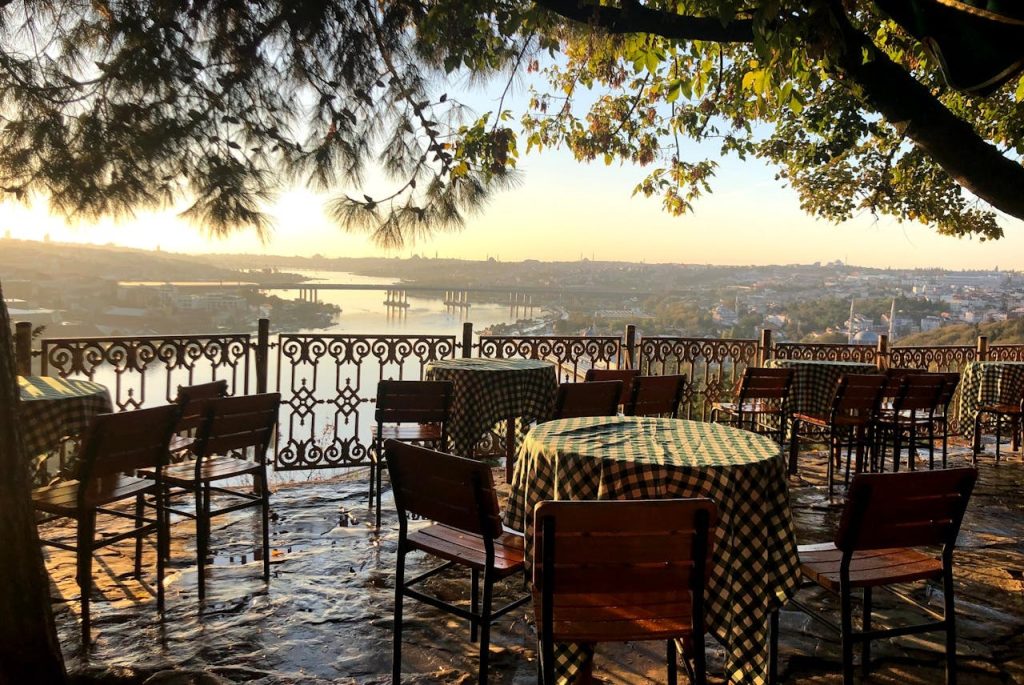
Early starts trade sleep-in comfort for something rarer: space at the places everyone claims to want, before the noise sets the tone. First-entry museum slots, dawn waterfront walks, and sunrise viewpoints deliver the same icons with softer light, clearer photos, and a mood that feels almost private. Streets still run on everyday purpose, with bakers opening shutters and commuters moving steadily, and a slow breakfast plus a midmorning reset keeps energy even when crowds swell later, without turning the day into a grind. By afternoon, the essential sights are done, leaving space for a nap or a long lunch.
Late-Night Stroller
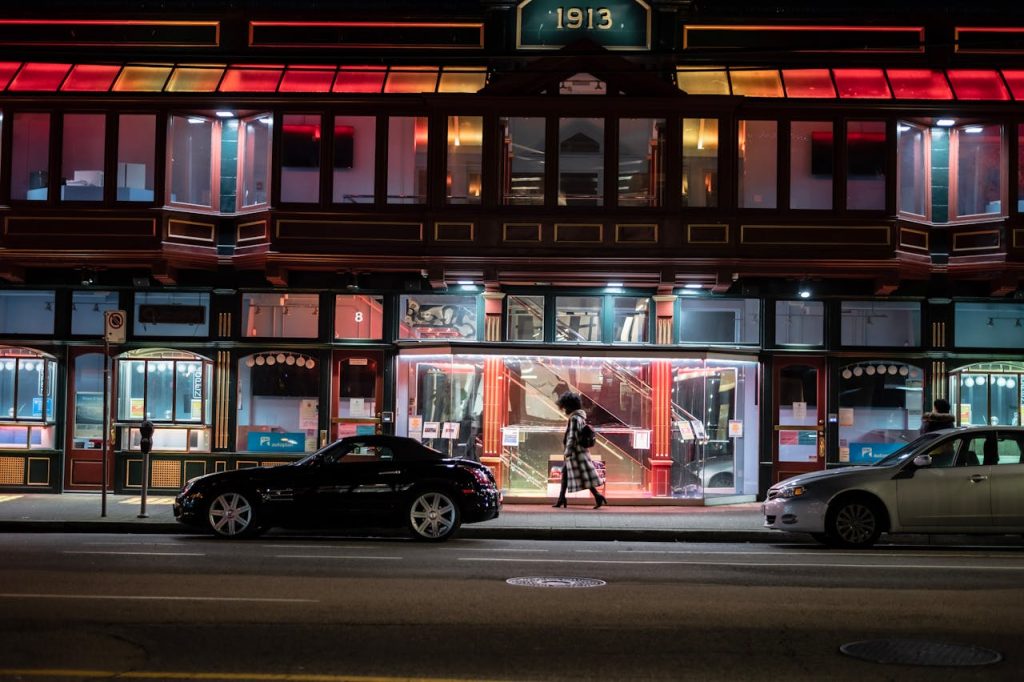
Evenings can be the quiet side door into popular places, when day tours fade and the city stops performing for a checklist. Sidewalks open up, storefront lights soften the streets, and dinner crowds spread out instead of piling into one midday bottleneck, which makes neighborhoods feel more conversational. Late walkers do well with riversides, rooftop viewpoints, night markets, and small music rooms, anchoring the night with a long meal, then looping back on calmer streets to avoid closing-time scrambles and busy transit spikes. Photos improve, too, because lights and reflections add depth without a crowd behind them.
Train-First Traveler
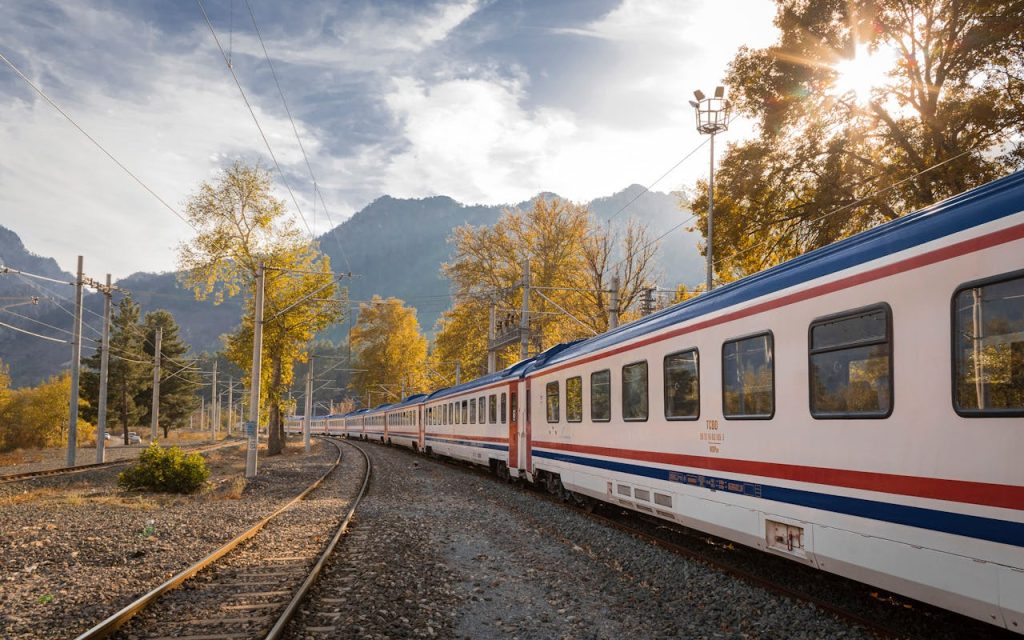
Train-first itineraries replace airport churn with steady motion and scenery that explains the landscape instead of skipping over it. Stations often sit near city centers, boarding is simpler, and the window turns villages, fields, and coastlines into context that makes each stop feel connected rather than random. The smoothest routes use shorter hops, seat reservations when available, and a planned café pause at a station known for good food, so the trip keeps its calm even when connections shift, and the journey becomes the gentle part of the day. A good book and a simple snack plan make the hours feel generous.
Small-Town Basecamp
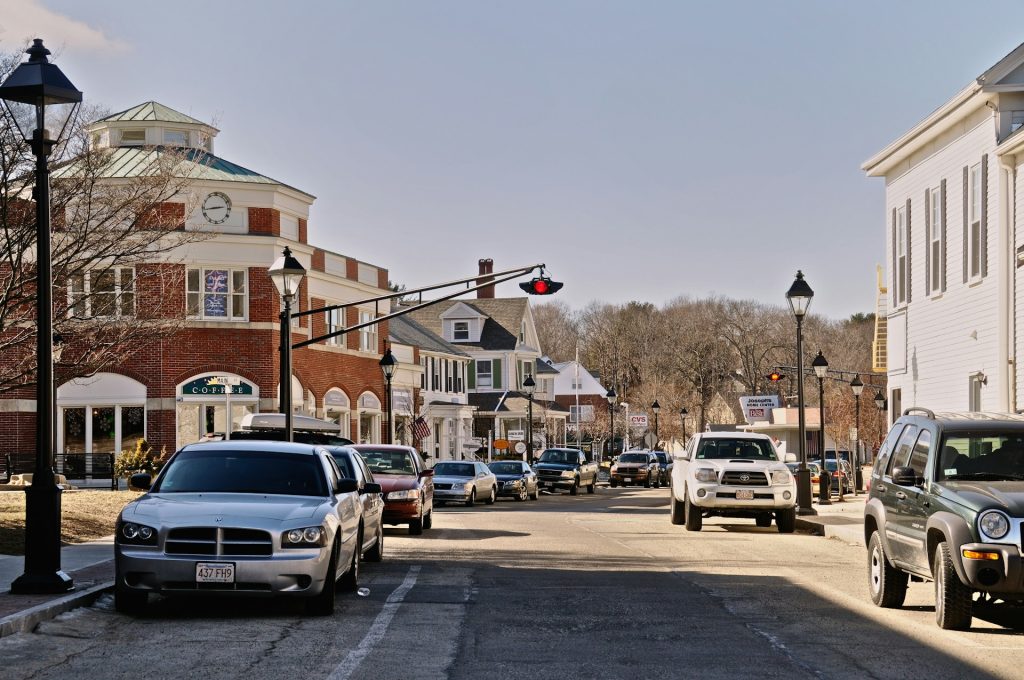
A small-town base near a headline destination keeps nights quiet and mornings simple, while still making big sights easy to reach. Evenings bring walk-in dinners, familiar streets, and a pace that does not depend on tour schedules, so the body actually recovers instead of resetting in a noisy core. By day three, routines form: the same bakery, the same short walk to transit, the same calm return after sightseeing, and timing can shift to early or late windows, so major attractions feel manageable while the base stays restful and steady. It also cuts decision fatigue, because the return path is always familiar.
Residential Neighborhood Stay
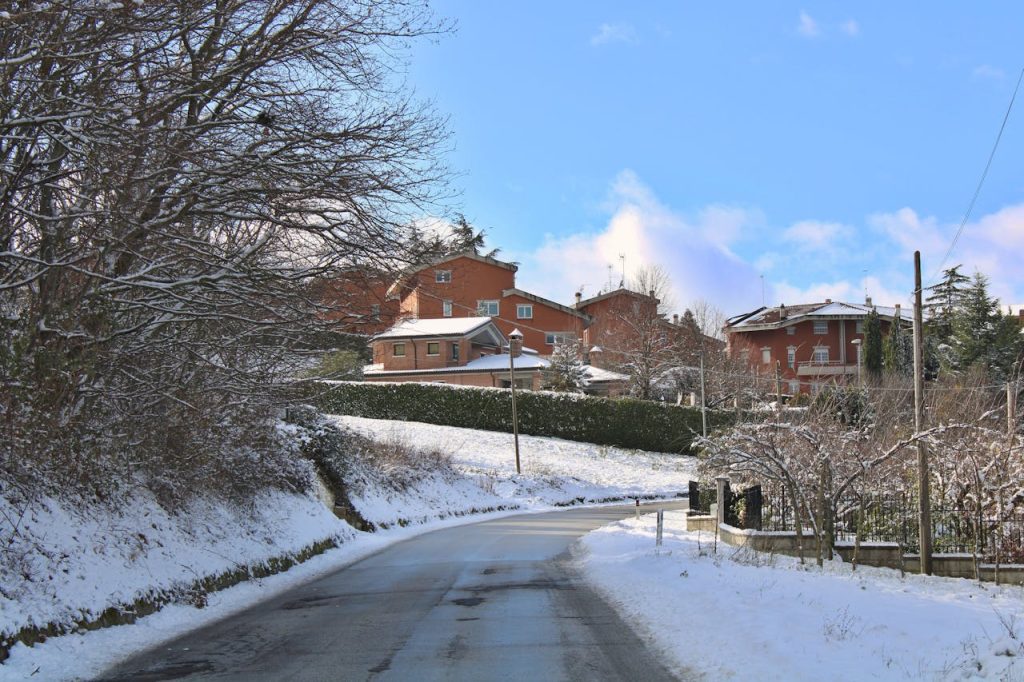
Staying in a residential neighborhood changes the trip’s soundtrack from constant motion to daily life, where parks and corner cafés run on local habits. Meals and errands feel easy rather than competitive, and transit lines often bypass the most crowded corridors while still reaching major sights, especially outside peak commuting hours. This style favors travelers who enjoy routines and small discoveries, like a family-run lunch spot, a bookstore with a quiet back shelf, or an evening stroll among apartment balconies, where the city feels lived-in and the pace stays naturally calm. Noise drops, and sleep quality rises.
Reservation-First Minimalist
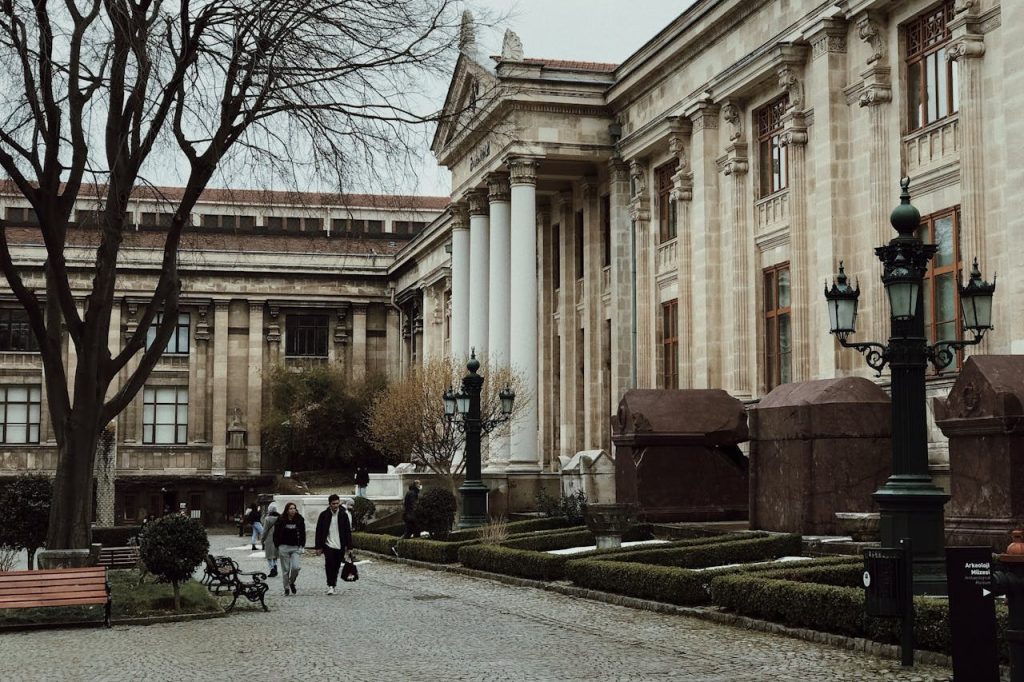
A reservation-first minimalist plans fewer stops but locks in the ones that prevent long waits, like timed museum entry, a popular ferry, or one special dinner. With those anchors set, the rest of the day stays open for wandering, weather shifts, and detours that feel natural, like a park bench lunch or a neighborhood festival found by accident. The rhythm works best with one priority per day, a short backup list, and confirmations saved in one place, so the trip moves with quiet confidence instead of chasing availability, even in cities where same-day tickets vanish. The day keeps breathing room from morning through dessert.
Off-Peak Culture Curator
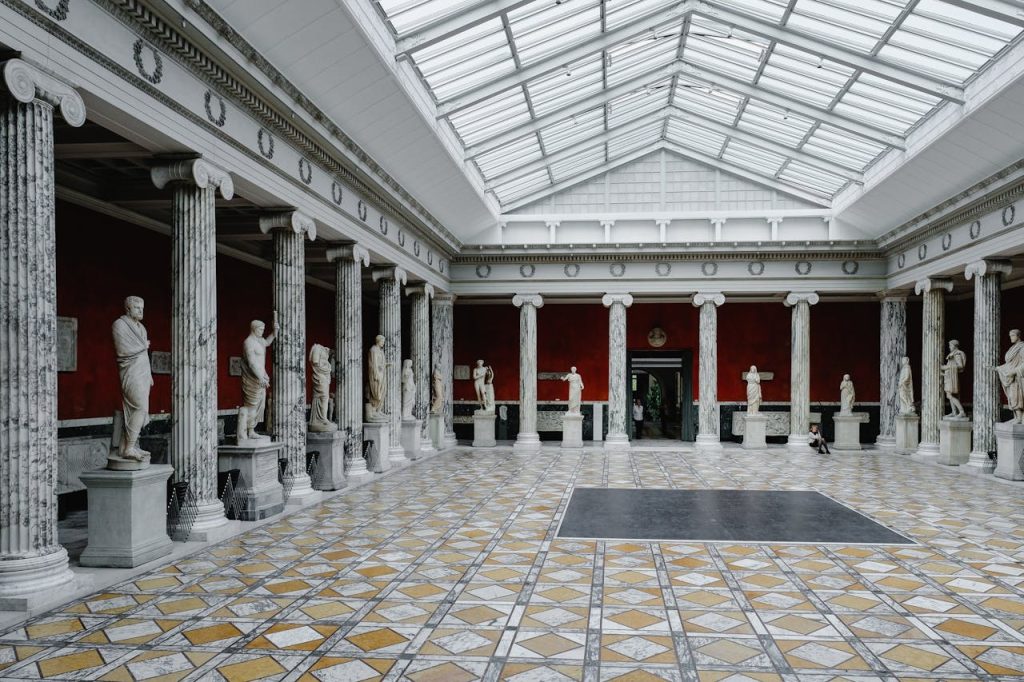
Off-peak curators treat timing as a skill, not an afterthought, and it can change the feel of the same streets completely. Museums are often calm at opening, during lunch hours, and on rainy weekdays, while historic districts soften in the late afternoon gap before dinner reservations and evening strolls. The day stays balanced with two indoor anchors, then smaller stops that rarely draw big groups, like local archives, garden courtyards, and neighborhood galleries, with one dependable café as a reset point between walks and transit hops. The same ticket suddenly feels worth more because the experience has space.
Golden-Hour Trailhead Hiker
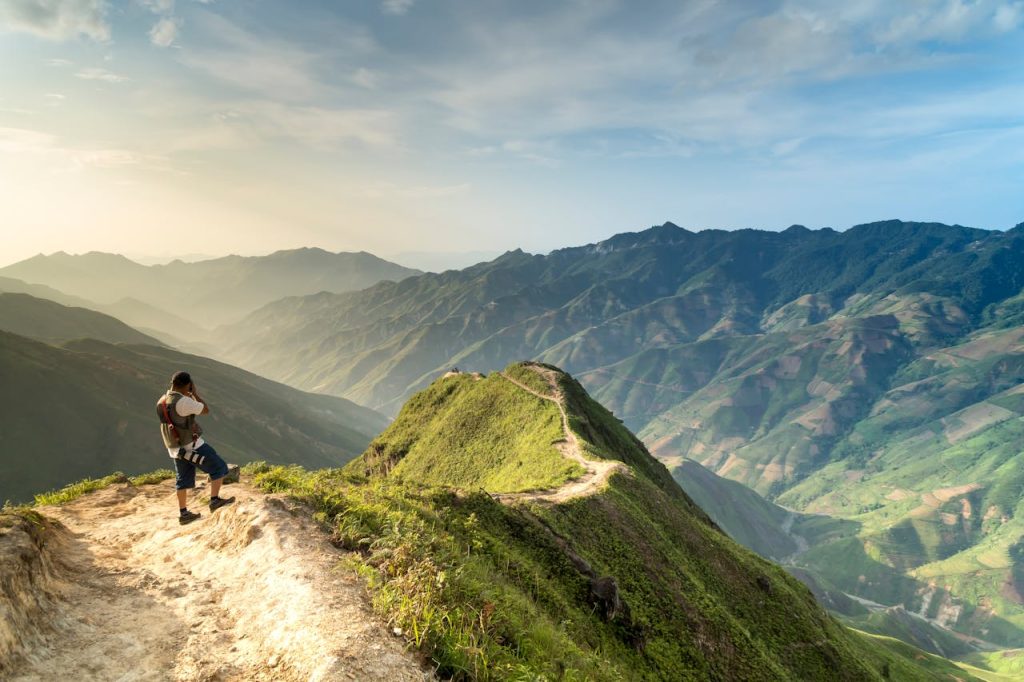
Golden-hour hiking favors the edges of the day, when light is soft, air feels cooler, and trails carry a gentle hush that changes the whole mood. Dawn or near-sunset trailheads often mean easier parking, calmer shuttle lines, and viewpoints that feel open rather than crowded, even in popular parks with limited overlooks. The comfortable version picks a shorter route with a clear payoff, packs water and a small snack, carries a headlamp and a warm layer, and plans a simple post-hike stop, so the return feels like part of the pleasure, not a race back into traffic with time to stretch and watch the sky dim.
Weather-Flip Chaser
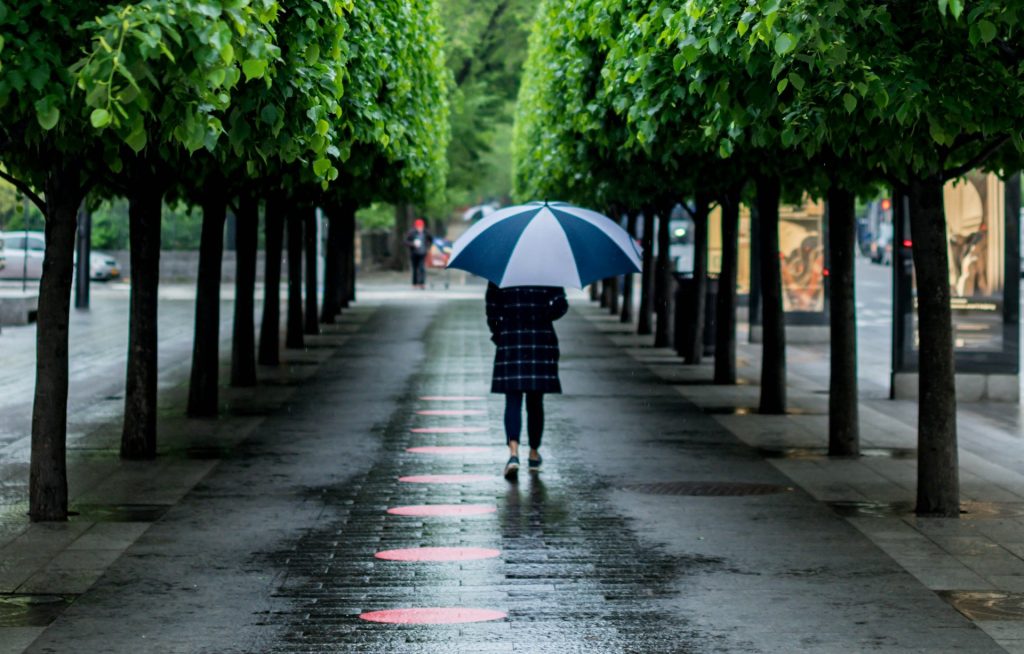
Weather-first travel keeps days comfortable by choosing places that fit the week’s conditions, instead of fighting the forecast and everyone else’s backup plan. When heat pushes visitors toward the same beaches, higher elevations, breezy coasts, or shaded inland towns can feel instantly calmer without losing cultural depth or good food. Cloudy mornings can make popular viewpoints feel almost private, and light rain can empty streets while keeping cafés lively, so this style relies on flexible layers, a short indoor list, and attention to regional patterns that shape crowds. Comfort keeps patience intact, which keeps the trip pleasant.
Market-to-Table Traveler
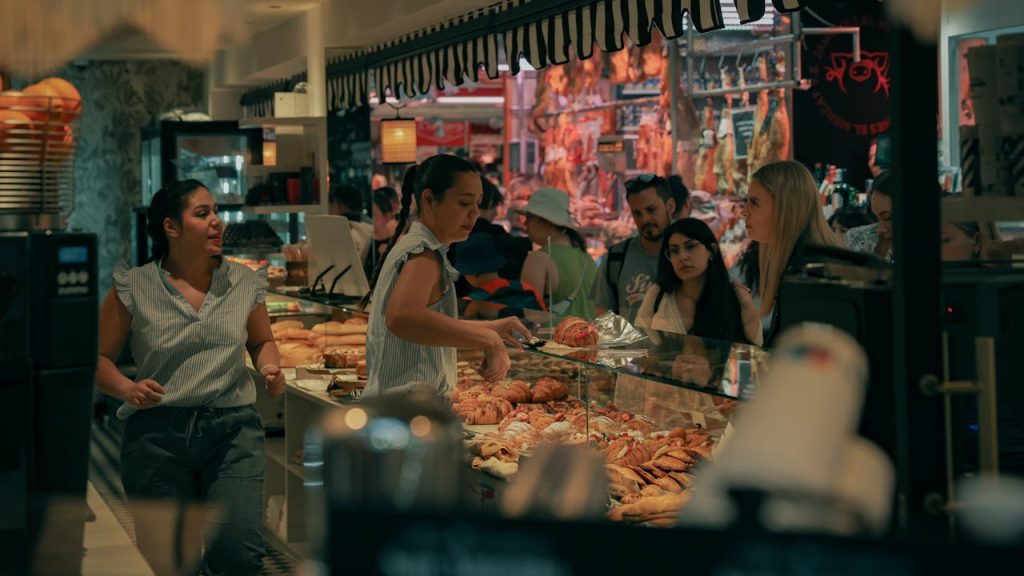
Market-to-table travel avoids the loudest dining rush by following everyday appetite instead of trending queues and fixed reservation times. Morning markets, neighborhood canteens, and small cooking classes shape the schedule, then sightseeing fills the gaps between meals, keeping routes local, walkable, and easy to adjust. Because the focus stays on seasonal staples, days drift into quieter districts where vendors recognize faces and prices feel fair, and meals become unhurried anchors with time for a slow coffee, a second pastry, and a gentle wander home. The calm comes from eating where locals already know the flow.
Bike-and-Ferry Coastal Roamer
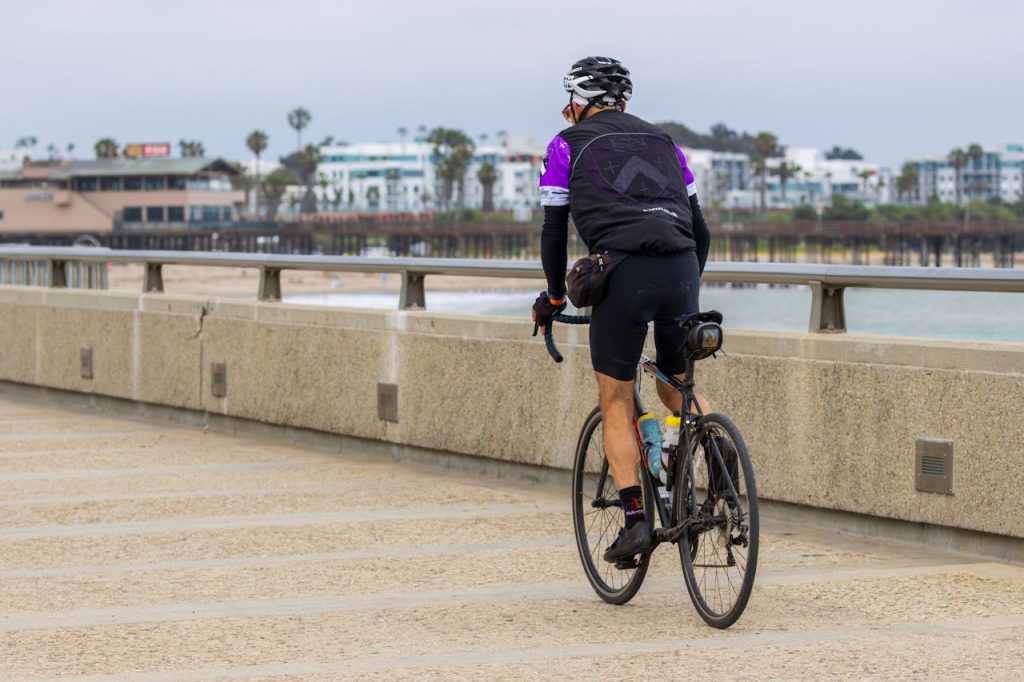
Bike-and-ferry days turn distance into a chain of small scenes, guided by tide charts and departure boards rather than crowded attractions and fixed tour slots. Ports and cycle paths often sit outside the busiest knots, and ferry rhythms discourage rushing, making room for swims, pier lunches, and overlooked coves between departures. The smooth version keeps luggage light, carries a basic repair kit, and plans short hops between villages, with an e-bike option for hills and headwinds, then finishes before dusk so missed crossings do not become the story of the day. It is slow travel that still covers real ground.
Self-Guided Story Walker

Self-guided walking turns a busy destination into a personal route, paced by curiosity instead of a group schedule and a shouted meeting point. Audio guides, plaques, and handpicked paths make it easy to start early, linger late, or walk during light rain when streets thin out and details rise to the surface. The best routes stitch together side lanes, waterfronts, and quiet green spaces, with one planned rest stop for tea or pastries, so tiled doorways, old signage, and small courtyards become the day’s highlights, not the most crowded viewpoint. The route can bend, but the narrative still holds.