14 U.S. Hideaways Preppers Are Buying Up Before 2027
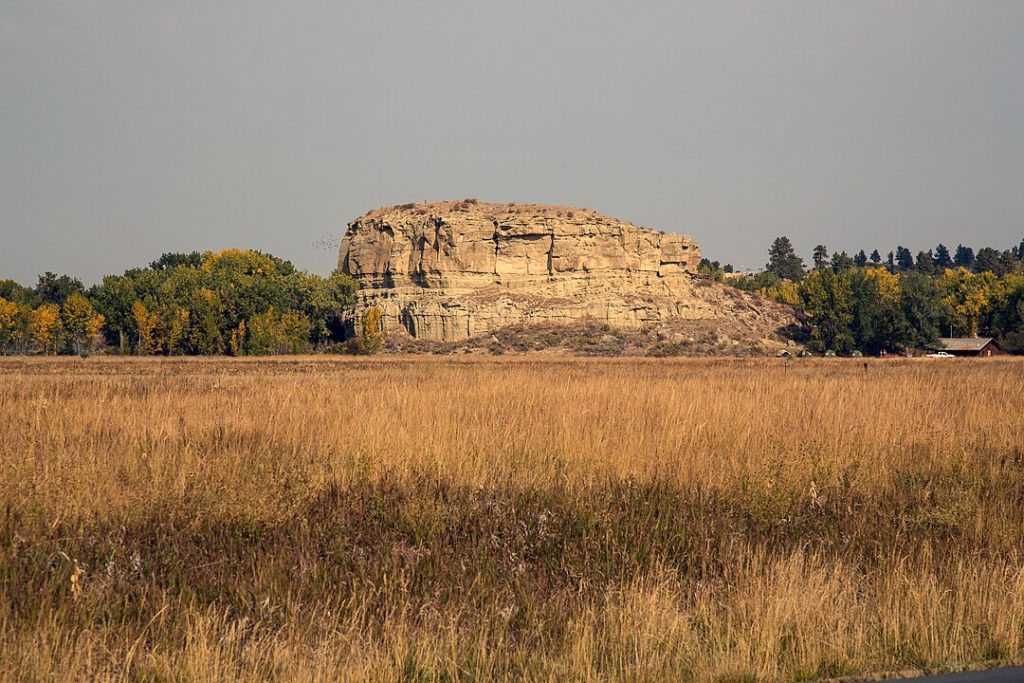
Across the United States, a quiet migration is moving along county roads and gravel driveways instead of airports and train stations. Some buyers simply want lower costs and cleaner air. Others want land that can feed a family, catch its own water, and ride out long outages without panic. Their choices tilt toward places with steady rainfall or strong sun, small town hardware stores, and neighbors who fix things instead of discarding them. These hideaways are less about hiding from the world and more about creating a margin where it feels possible to live on purpose.
Cumberland Plateau, Tennessee

The Cumberland Plateau in Tennessee has become a magnet for people who want mild winters, generous rain, and land that still comes in multi acre chunks. Preppers like that the state tends to be friendly to small livestock, gardens, and home based food storage, and that property taxes are usually manageable. The plateau itself is a patchwork of wooded hollows, bluff views, and homesteads tucked just out of sight of the road. Buyers often look for a mix of flat ground and gentle slope, enough sun for solar but still shaded by hardwoods. Many arrivals bring canning gear and seed boxes before they bring new furniture.
Missouri Ozarks Back Roads
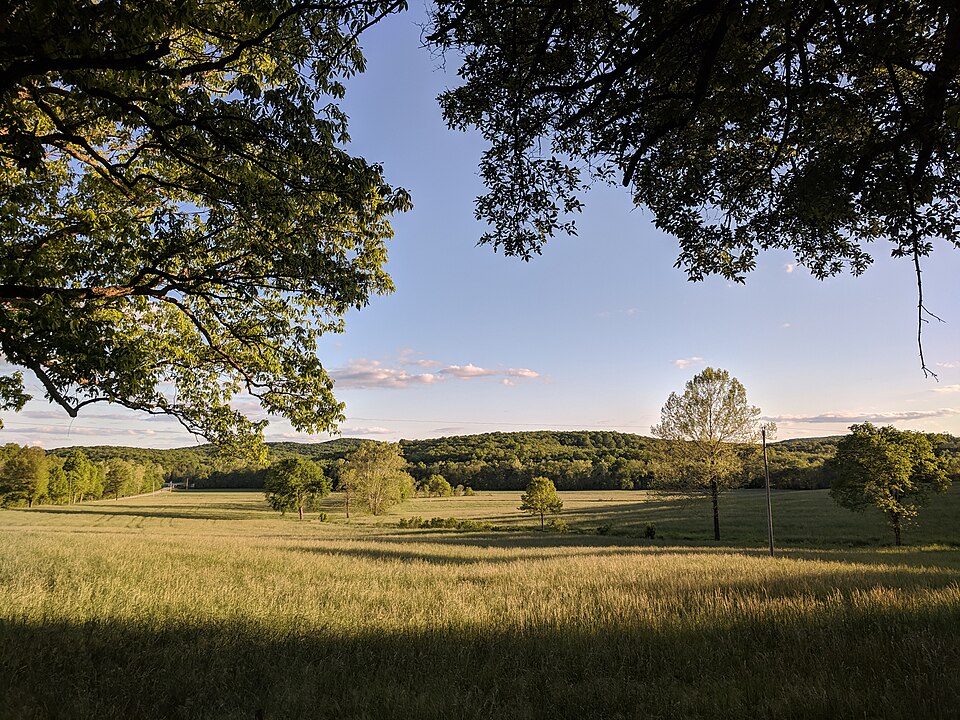
The Missouri Ozarks draw those who prefer gravel dust and creek crossings to cul de sacs. Land here can still be surprisingly affordable, especially on ridge tops and in pockets away from major lakes. The culture values minding one’s own business while still showing up when a neighbor needs a hand, which fits the prepper temperament well. Springs, ponds, and deep woods offer water, fuel, and game if managed carefully. Many properties start as basic cabins and then grow into full time homesteads with root cellars, smokehouses, and simple solar arrays. The land rewards patience and a willingness to learn local ways.
Idaho Panhandle Forests
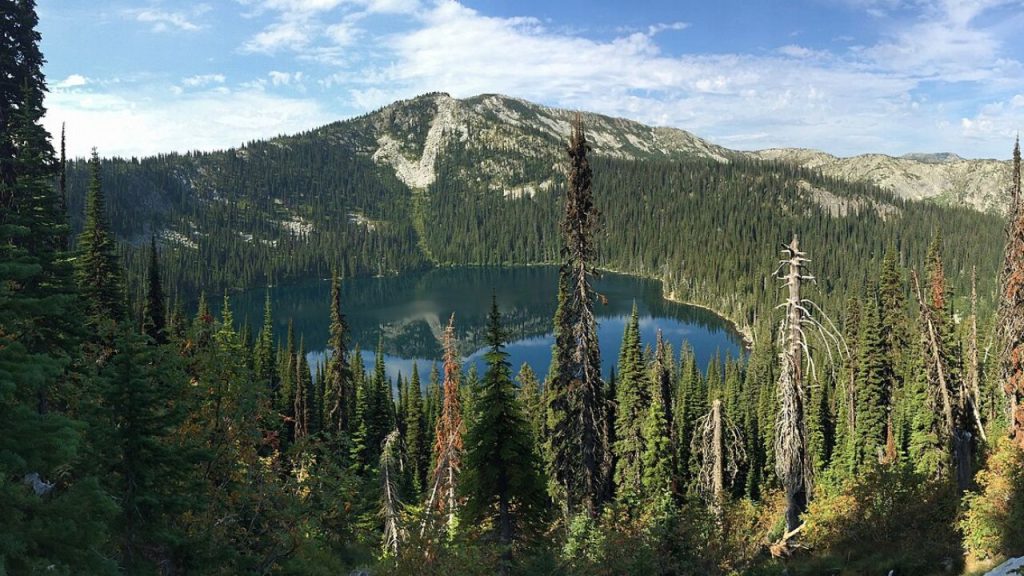
Northern Idaho’s panhandle mixes deep forest, clean lakes, and small towns that already expect people to hunt, fish, and cut their own firewood. Preppers are drawn to the combination of privacy and access, where a cabin can sit on a private road yet still reach a grocery store or clinic within an hour. The climate is serious enough that anyone who lasts more than one winter arrives with real respect for snow loads and frozen pipes. Many new owners invest early in wells, spring development, and multi fuel stoves. They want places where a downed line is an inconvenience, not a crisis.
Western Montana Valleys

Western Montana valleys, hemmed in by public land and national forest, attract buyers who want open views and cold rivers more than nightlife. Preppers see advantages in low population density, strong local food traditions, and access to timber for heat and building. Longtime residents know how to get through heavy snow and smoke season, and that knowledge often gets shared over coffee at small diners. Newcomers who succeed here usually respect ranch schedules and fire seasons, and build homes that can handle both. Greenhouses, gravity fed irrigation, and battery banks are common investments. The emphasis is on systems that can be repaired with basic tools.
New Mexico High Desert Ridges

High desert ridges in New Mexico appeal to preppers willing to trade lush lawns for clear sun and wide horizons. Counties that are friendly to rain catchment, septic systems, and alternative building make it easier to live partly or fully off grid. Many buyers seek parcels with both gentle slope for water flow and enough elevation to stay above flash flood zones. They pair solar panels with thick adobe, earthbag, or straw bale walls that keep heat where it belongs. Nights can be cold and summer afternoons harsh, so designs lean on shade, thermal mass, and simple ventilation. The result is spare but surprisingly comfortable.
Texas Hill Country Back Acreage
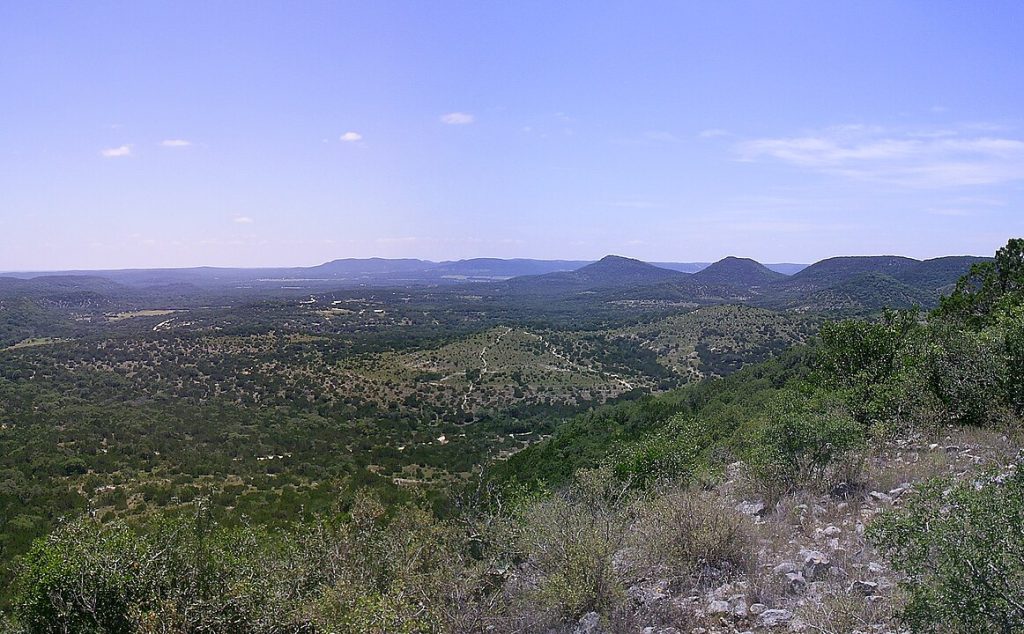
The Texas Hill Country offers rolling limestone hills, live oaks, and springs that hold on even when other places dry out. Preppers with some budget to work with like its blend of rural tradition and access to decent hospitals and supply chains in nearby cities. They look for tracts with both high ground and bottom land, sometimes bringing in consultants to site wells and rain systems. It is common to see a metal roof ready for catchment alongside a chicken coop and a fenced kitchen garden. The mood in many pockets is relaxed as long as newcomers respect gates, roads, and burn bans. A good neighbor here is worth a dozen gadgets.
Central Colorado Wide Valleys
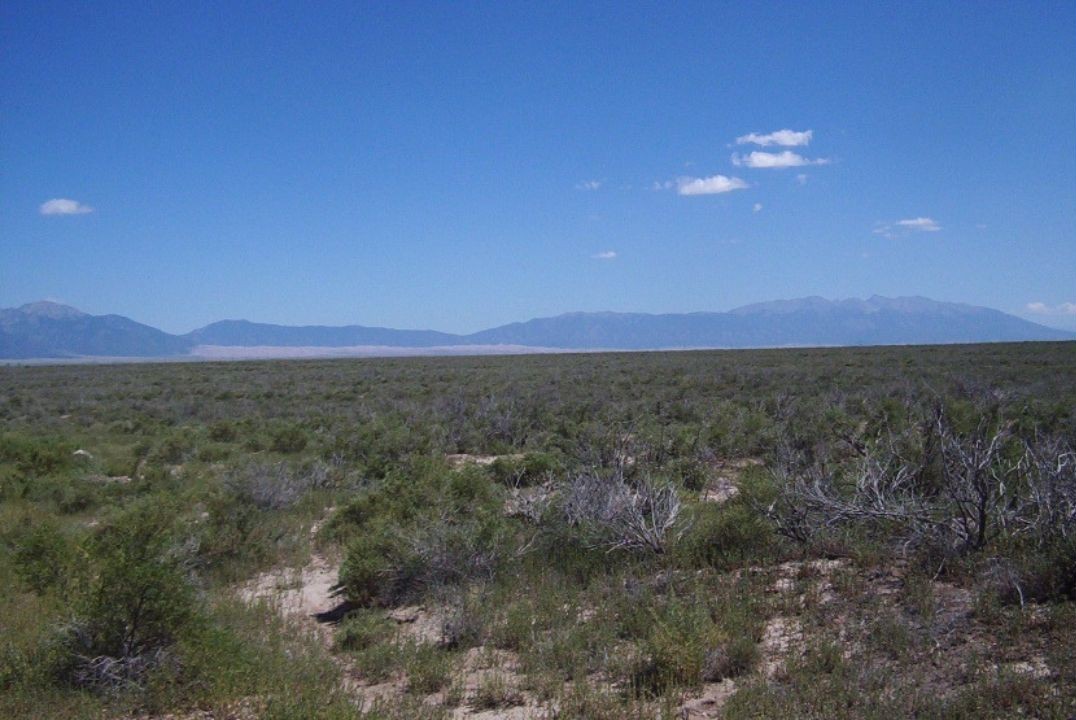
Central Colorado’s wide valleys and high plains call to those who do not mind wind and snow as long as they have strong sun and mountain views. Preppers who choose this region often care as much about water rights and soil as they do about square footage. They favor parcels with existing irrigation shares or reliable wells, then add greenhouses and windbreaks to nudge the growing season in their favor. Homes tend to rely on passive solar layouts, tile or concrete floors to bank heat, and backup stoves that burn more than one kind of fuel. The air is thin and clear, and so is the message that half measures will not hold up here.
Oregon Coast Range And Inland Hills

The inland hills and coast range of Oregon appeal to those who want trees, rain, and mild temperatures more than easy sunshine. Preppers here focus on drainage and access almost as much as they do on privacy, because wet winters test any poor road or soggy building site. A perfect hideaway might combine a south facing clearing for gardens and solar, a reliable spring upslope, and mixed timber that can be thinned for heat. Many owners quietly update older cabins with metal roofs, better insulation, and backup water storage. Local farmers markets and swap meets make it easier to trade skills and surplus than to buy everything new.
Northern Maine Woods And Lakes
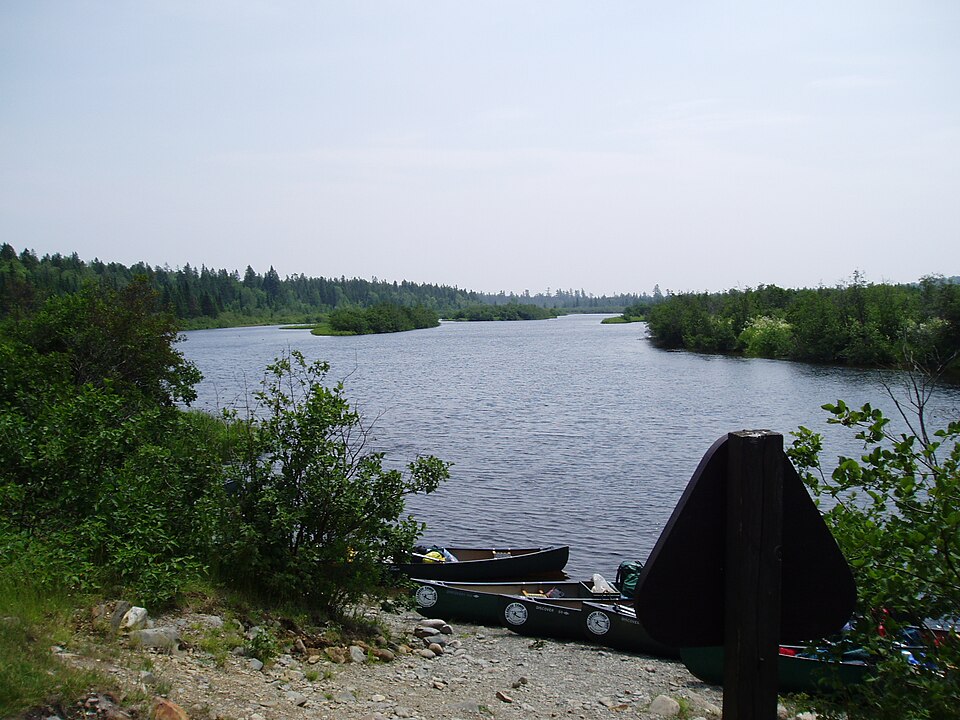
Northern Maine’s woods and lakes attract preppers who are comfortable with long winters and long drives. The region still holds cabins that sit a mile or more off the main road, reached by tracks that turn to mud in spring and packed snow in January. Buyers drawn here usually care deeply about hunting, fishing, and simple forestry. They invest in chain saws, sharpeners, and good boots before they invest in decor. Many properties run on propane, wood, and modest solar, with backup generators that come out only when needed. Quiet is easy to find, and so is dark, star filled sky.
New Hampshire North Country
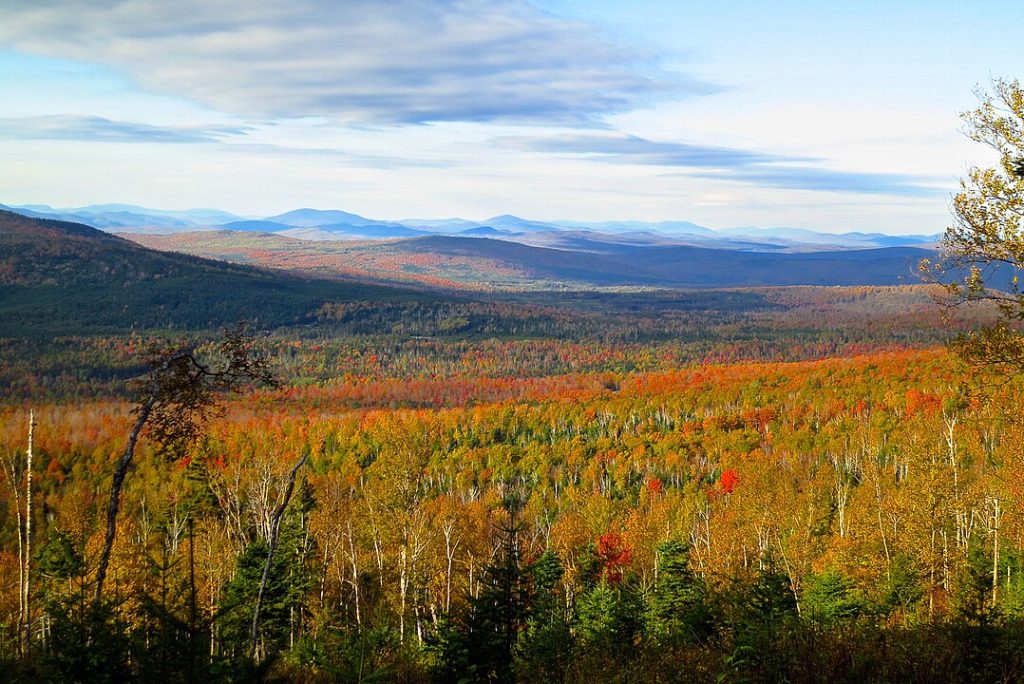
New Hampshire’s North Country offers a different flavor of northern retreat, mixing small towns with serious weather and a strong culture of independence. Preppers like that property taxes fund visible local services and that many towns are used to residents who heat with wood and drive older trucks. A typical hideaway might be a small farmhouse with a barn ready for chickens and goats, or a cabin with its own well and septic already in place. Buyers often add insulated root cellars, efficient stoves, and small solar systems sized to run lights, pumps, and communication gear. Community here may be quiet but it is rarely absent.
Michigan Upper Peninsula Cabins
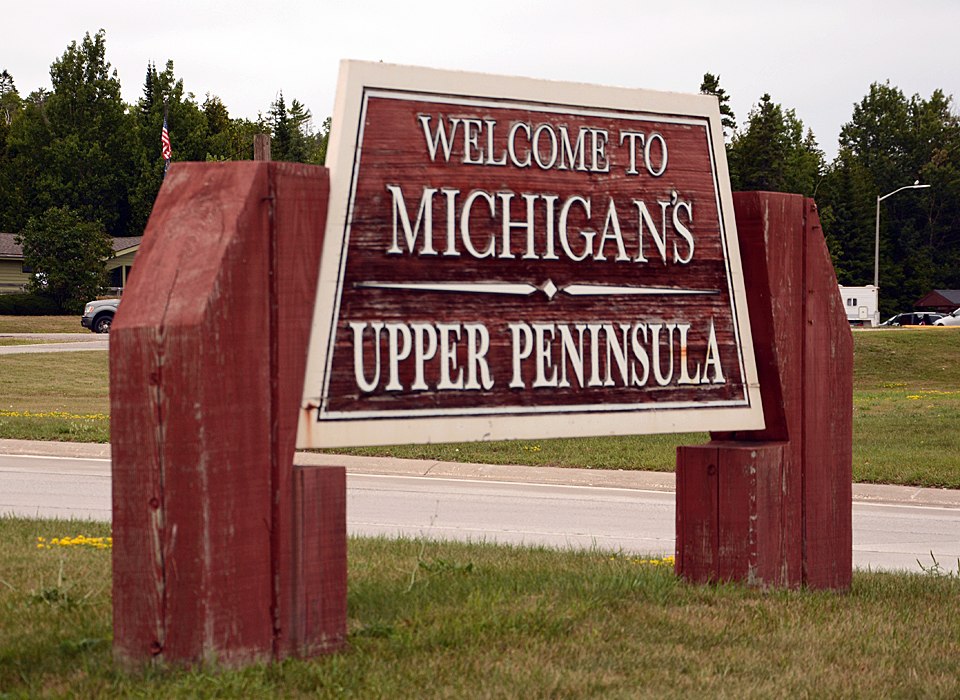
The Upper Peninsula of Michigan is a place where the map fills with green and blue and the nearest chain store might be an hour away. Preppers who buy here usually welcome that trade. They rely on lakes, wells, and snow melt for water, and on wood lots for heat. Many cabins started life as hunting camps and have been steadily upgraded with better insulation, metal roofs, and small power systems. Life here rewards those who can fix a frozen pipe at twenty below and still laugh about it later. In return, they get crisp air, bright stars, and a sense that time moves at its own pace.
Alabama River Hill Country

Alabama’s river hill country, far from the busier beaches, offers a softer climate and more water than many classic prepper hotspots. Rolling land along creeks and small rivers gives room for gardens, orchards, and quiet ponds. Preppers who move here often blend traditional Southern skills like canning and smoking meat with newer tools such as solar panels and modern wells. Churches and small civic groups can offer strong social networks for those who value mutual aid as much as self reliance. Storms still visit, but deep inland hills usually avoid the worst of coastal surges.
Minnesota North Woods And Lake Country
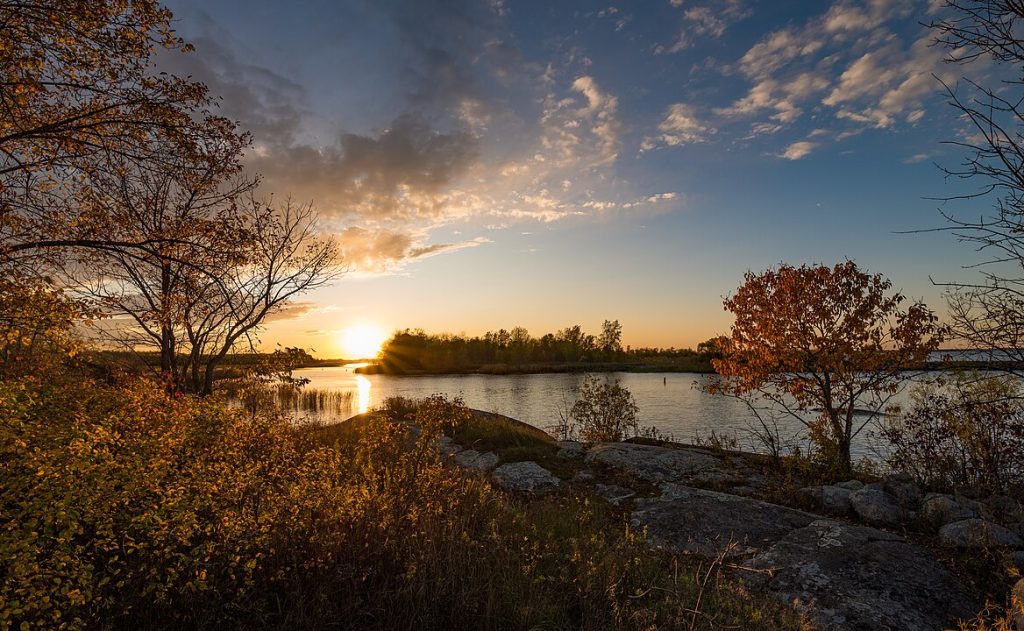
Northern Minnesota’s mix of forest and water has long appealed to cabin owners, and more of those cabins now hold full time residents who think in terms of resilience. Preppers here plan for cold first. They build with good insulation, deep eaves, and wood stoves sized for real winter, then layer in solar, batteries, and generators as budgets allow. Lakes and shallow wells offer water options, while local hardware stores still stock the parts needed to repair older equipment. The calendar revolves around planting, fishing, hunting, and splitting wood. It is a rhythm that suits those who prefer steady work to constant noise.
Alaska Kenai Peninsula And Coastal Spurs
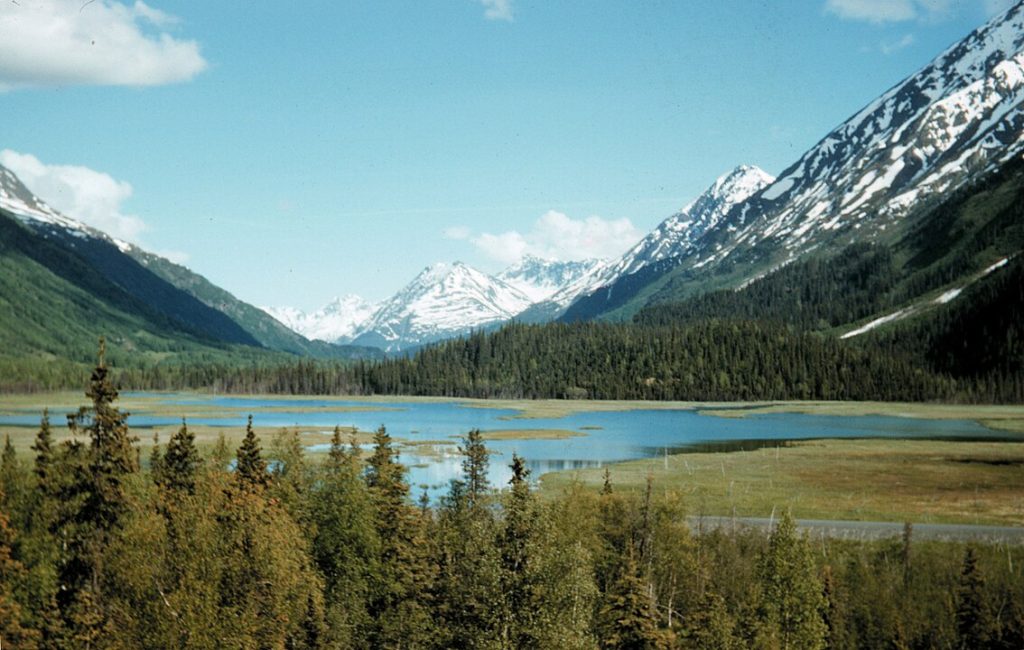
The Kenai Peninsula and nearby coastal areas in Alaska attract preppers who understand that remote does not have to mean disconnected from community. Small towns there know how to keep roads plowed and freezers full even when ferries and flights pause. Buyers usually seek land with access to fish rich waters, timber, and at least some road connection. Many homes combine grid power with generators and off grid options, recognizing that storms are part of the deal. Gardens are compact and often raised, season extenders rather than full pantries. Most who thrive here treat the landscape with humility and a clear eyed respect for how quickly conditions can change.