14 U.S. Towns We’d Never Recommend to Even Our Worst Enemy
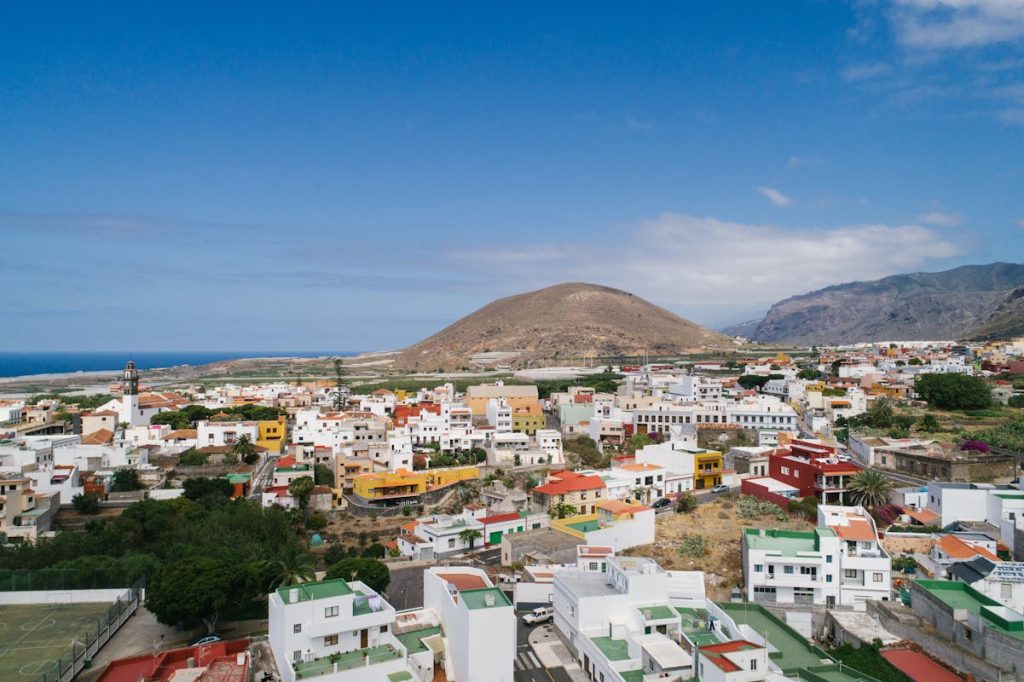
The United States offers countless welcoming towns with vibrant histories, engaging attractions, and warm community traditions, yet some destinations challenge even the most determined travelers because their remote settings, unpredictable climates, or infrastructure limitations create experiences that feel more exhausting than relaxing. These towns often sit far from major highways or transportation routes, making access difficult for visitors unfamiliar with rugged landscapes or long stretches of empty road. Weather also plays a major role in shaping local conditions, as some regions experience extreme cold, intense summer heat, or seasonal flooding that can disrupt travel plans. While each town holds value for its residents, travelers may find the journey demanding and the amenities limited, creating an adventure better suited for those who appreciate perseverance over comfort.
Barrow (Utqiagvik), Alaska
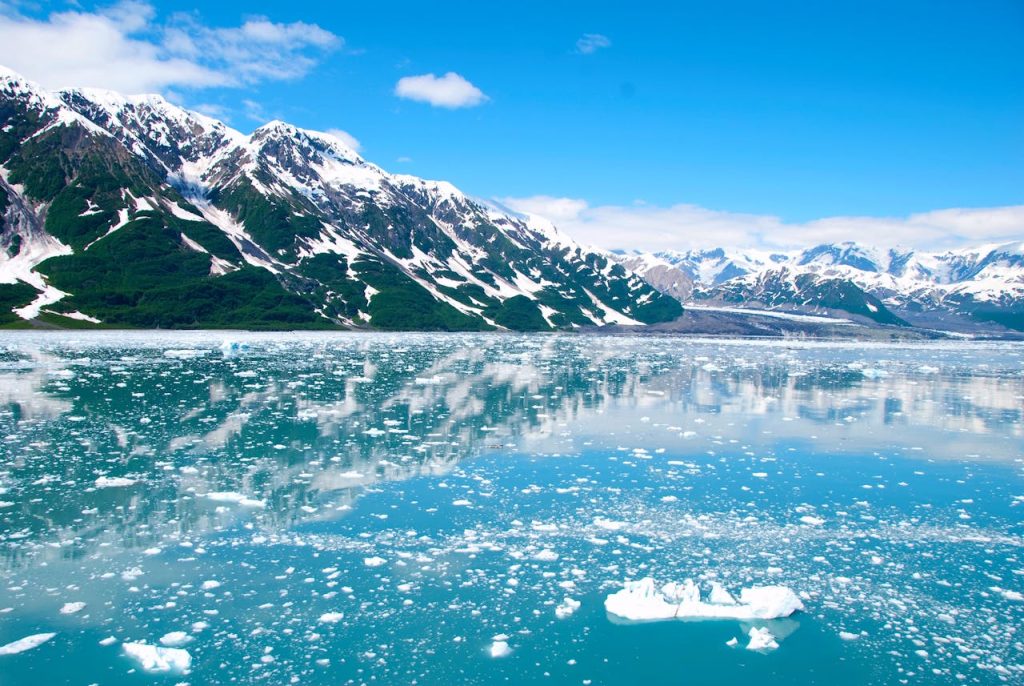
Barrow, officially known as Utqiagvik, sits above the Arctic Circle and challenges travelers with extreme cold, long periods of winter darkness, and limited transportation options. Reaching the town requires air travel, and unpredictable weather frequently delays flights. Once on the ground, visitors encounter strong winds, icy terrain, and temperatures that can drop far below zero, especially during winter months. The remoteness of the landscape means supplies arrive infrequently, making the cost of goods noticeably higher than in other regions. Despite the community’s rich Iñupiat culture and striking natural environment, the harsh climate and isolation can overwhelm travelers unprepared for Arctic conditions, turning even simple outings into demanding undertakings.
Death Valley Junction, California
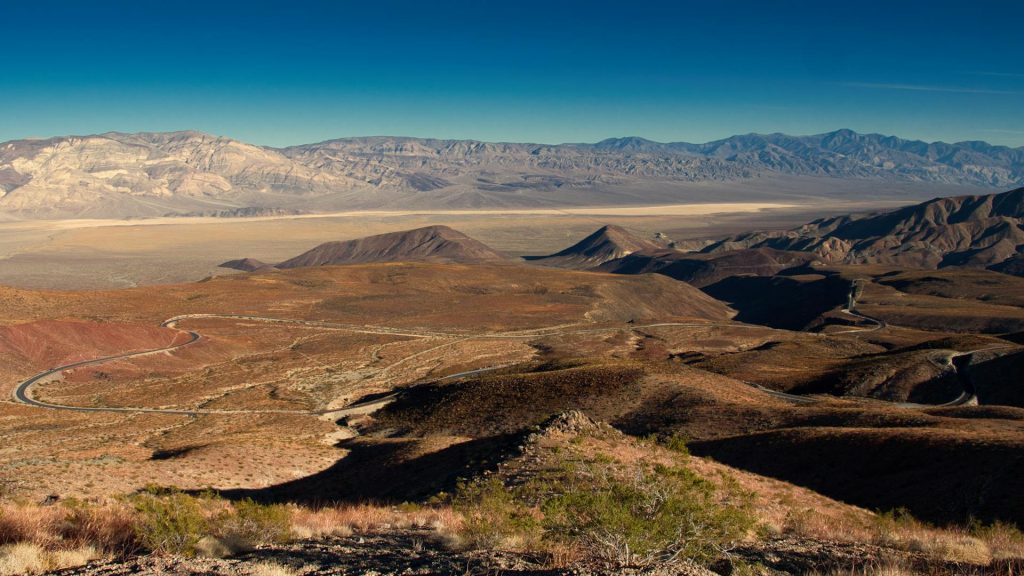
Death Valley Junction offers a unique glimpse into the Mojave Desert’s stark scenery but challenges visitors with extreme heat, especially during the summer when temperatures frequently become some of the highest recorded on Earth. The town sits in an isolated area near Death Valley National Park, and limited services create long stretches without access to fuel, water, or shade. Summer travel often feels intense as the desert landscape reflects heat across miles of open terrain. The small number of amenities, combined with the area’s climatic extremes, makes planning essential for safe exploration. Travelers may find the remote and unforgiving environment more taxing than expected, despite its dramatic beauty.
Gila Bend, Arizona
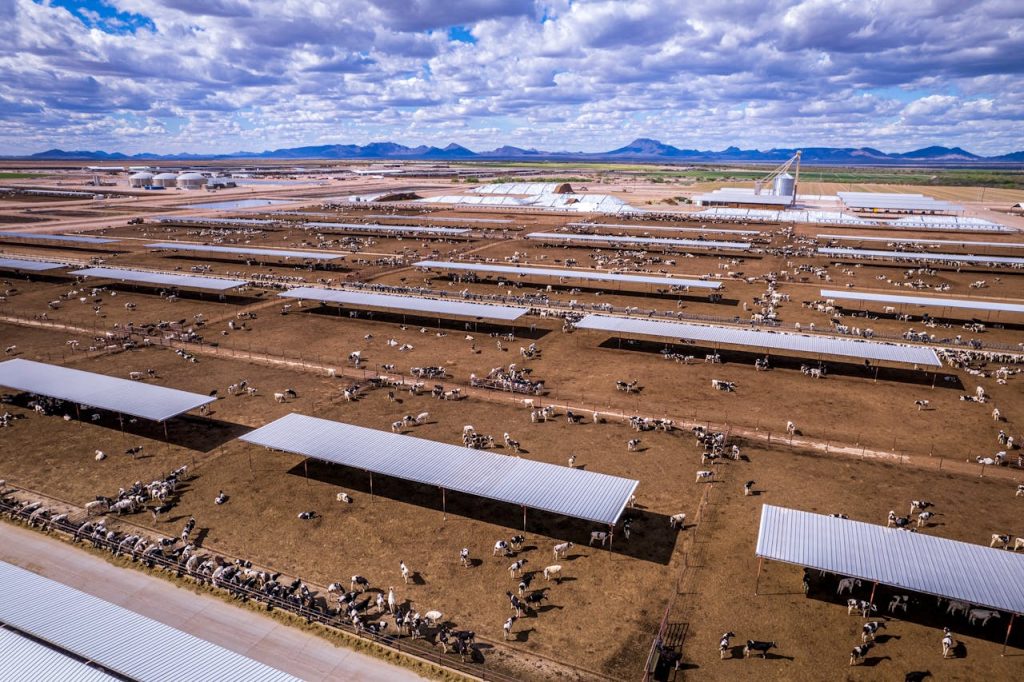
Gila Bend’s desert climate, sparse layout, and long distances between key services can create a difficult experience for travelers unfamiliar with the challenges of southern Arizona. Intense summer heat regularly surpasses triple digits, making daytime exploration uncomfortable and sometimes unsafe without careful preparation. The town sits along major travel corridors yet offers fewer amenities than many routes through the region, contributing to a sense of isolation. Although Gila Bend serves as a useful stopover for road trips, its limited shade, high temperatures, and quiet atmosphere may feel overwhelming to those seeking a more engaging or comfortable destination. Travelers often pass through quickly due to the demanding environment.
Gary, Indiana

Gary, Indiana reflects an important part of America’s industrial history, yet travelers sometimes find the town challenging due to ongoing economic transitions, limited tourism infrastructure, and significant portions of the city undergoing redevelopment. Many historic buildings sit in varying states of restoration, creating areas that feel empty or underutilized. While the region maintains cultural significance and proximity to Lake Michigan, visitors may struggle to navigate neighborhoods with few attractions geared toward travelers. Access to services varies widely, and those unfamiliar with the area may find the lack of clear tourist pathways confusing. The town’s complex past and evolving present make it a destination better suited for experienced urban explorers.
Camden, New Jersey
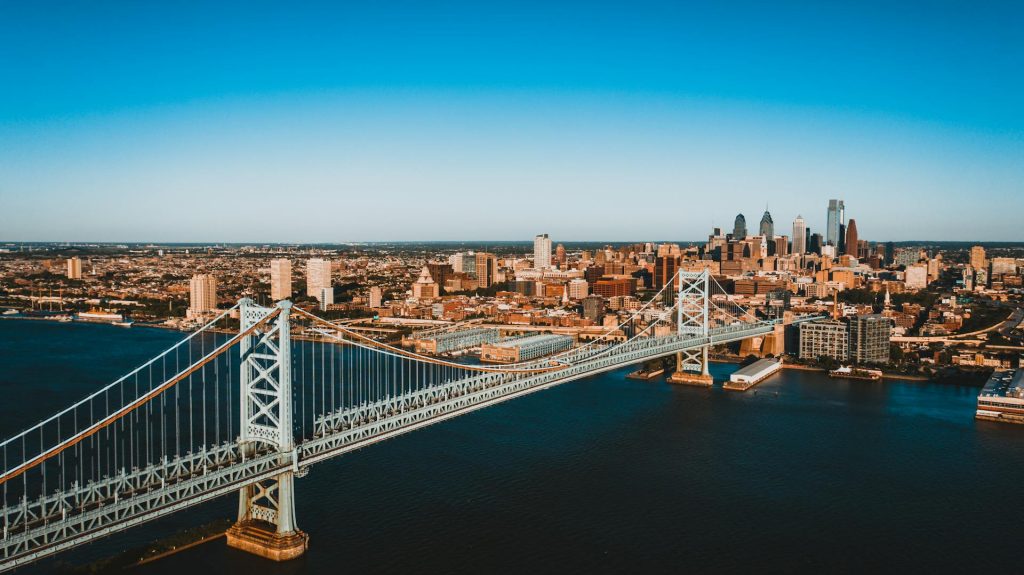
Camden holds notable cultural institutions and valuable local history, yet travelers often find the town challenging due to limited walkable tourist areas and infrastructure that caters more to residents than to visitors. The city’s industrial roots and redevelopment efforts shape the landscape, creating a mix of revitalized sections and areas awaiting investment. Travelers unfamiliar with the region may navigate streets without clear signage directing them toward established attractions. Public transportation is available, but routes can feel difficult to interpret for first-time visitors. While Camden supports a thriving community, its layout and focus on local needs may make it less appealing for those seeking a traditional sightseeing experience.
Beattyville, Kentucky
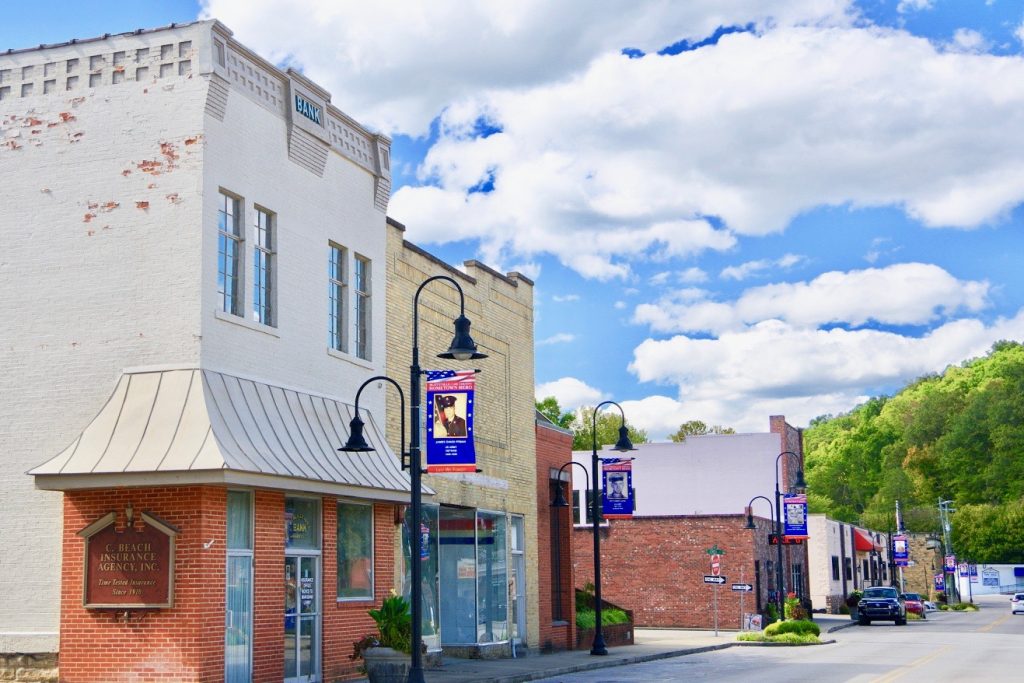
Beattyville sits in a scenic part of eastern Kentucky but challenges travelers with rugged rural roads, limited lodging, and sparse dining options that make planning essential. The surrounding mountainous terrain can feel isolating for those unfamiliar with the region’s natural character, especially during winter storms or heavy rain when travel becomes more difficult. The town’s small size means fewer structured attractions compared to larger destinations. While the area offers access to outdoor recreation, visitors may find the amenities too limited for a comfortable stay without prior preparation. The combination of remote geography and modest infrastructure often surprises travelers expecting a more developed tourist network.
Gallup, New Mexico
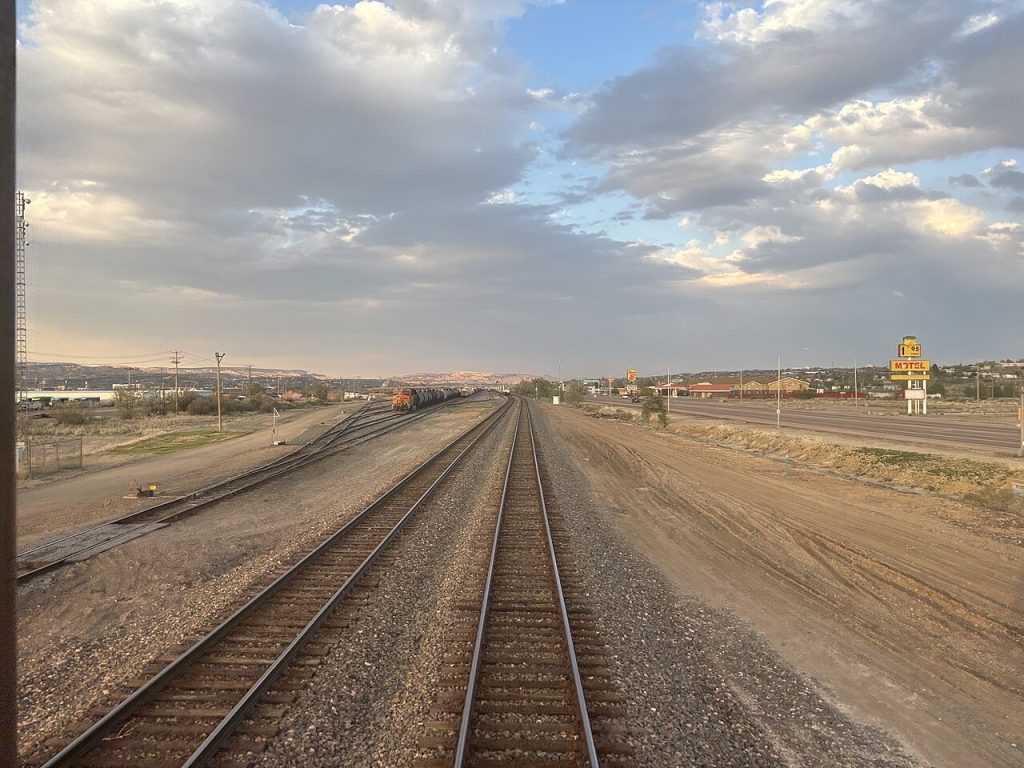
Gallup offers rich cultural heritage influenced by Navajo and Zuni communities, yet travelers sometimes encounter challenges related to the town’s spread-out layout, high desert climate, and long distances between certain amenities. The surrounding highways create significant through-traffic, which can make navigation confusing for those unfamiliar with the area. Summer heat and winter cold each introduce their own difficulties, as temperatures swing widely throughout the year. While Gallup hosts meaningful cultural events and local artistry, visitors may find the infrastructure less oriented toward casual tourism. The combination of climate, travel distances, and limited walkable areas contributes to a demanding experience.
Pahrump, Nevada
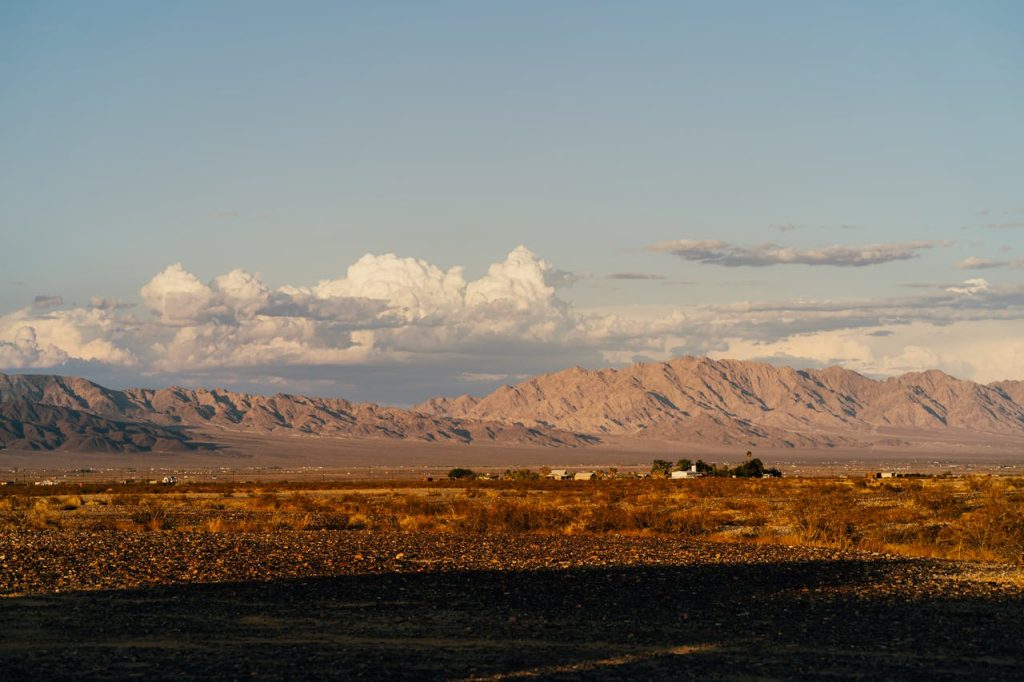
Pahrump sits between Death Valley and Las Vegas, creating a travel environment that feels both remote and heavily influenced by desert extremes. Long stretches of open road and intense summer temperatures challenge even seasoned drivers. The town’s amenities, while present, are widely dispersed, making it difficult for travelers to navigate without advance planning. Dust storms and rapid weather changes occasionally disrupt travel and visibility. Although Pahrump offers access to outdoor recreation and unique desert landscapes, its environmental conditions and sparse layout can surprise visitors seeking convenience or structured attractions. The isolation and climate combine to make the town a demanding stopover.
Williston, North Dakota
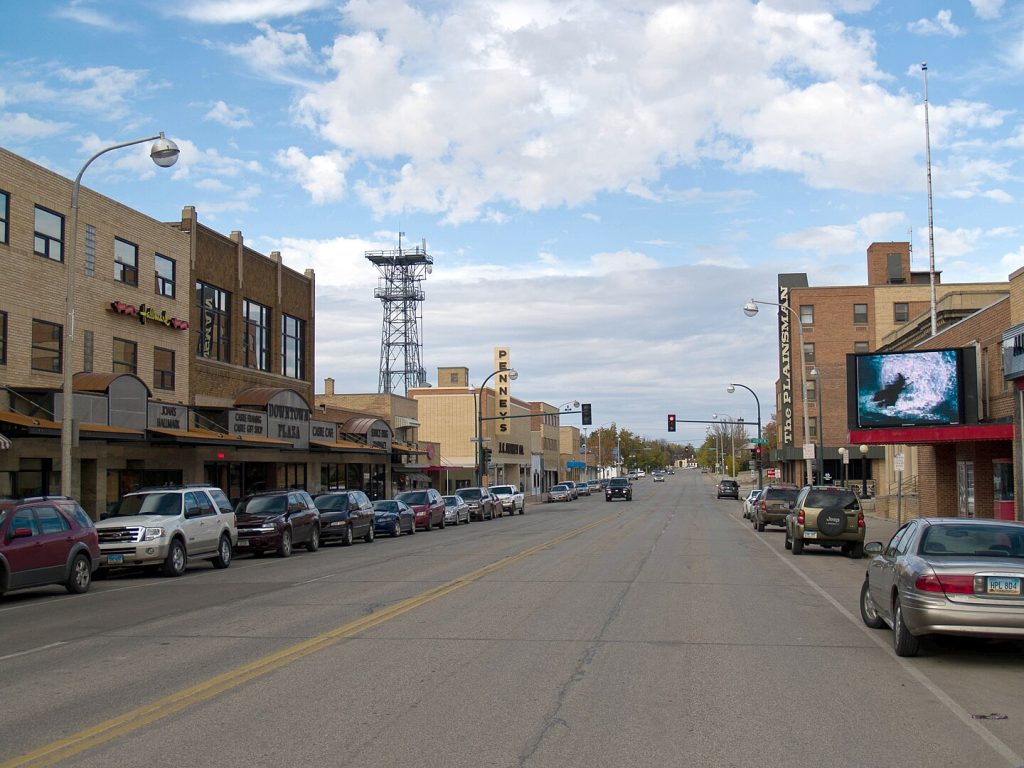
Williston, located in the heart of North Dakota’s oil-producing region, challenges travelers with severe winter temperatures, rapidly changing weather, and a landscape shaped by ongoing industrial activity. During colder months, temperatures often plunge dramatically, making travel hazardous. Road conditions can shift quickly due to snow, ice, and high winds. Lodging prices fluctuate with regional industry demands, sometimes creating difficulties for travelers seeking budget accommodations. While the community plays a significant role in the state’s economy, its climate and industrial environment may feel overwhelming for visitors unprepared for the region’s demanding conditions. The combination of weather and fluctuation in services makes the town a difficult stop for casual travel.
Baker, California
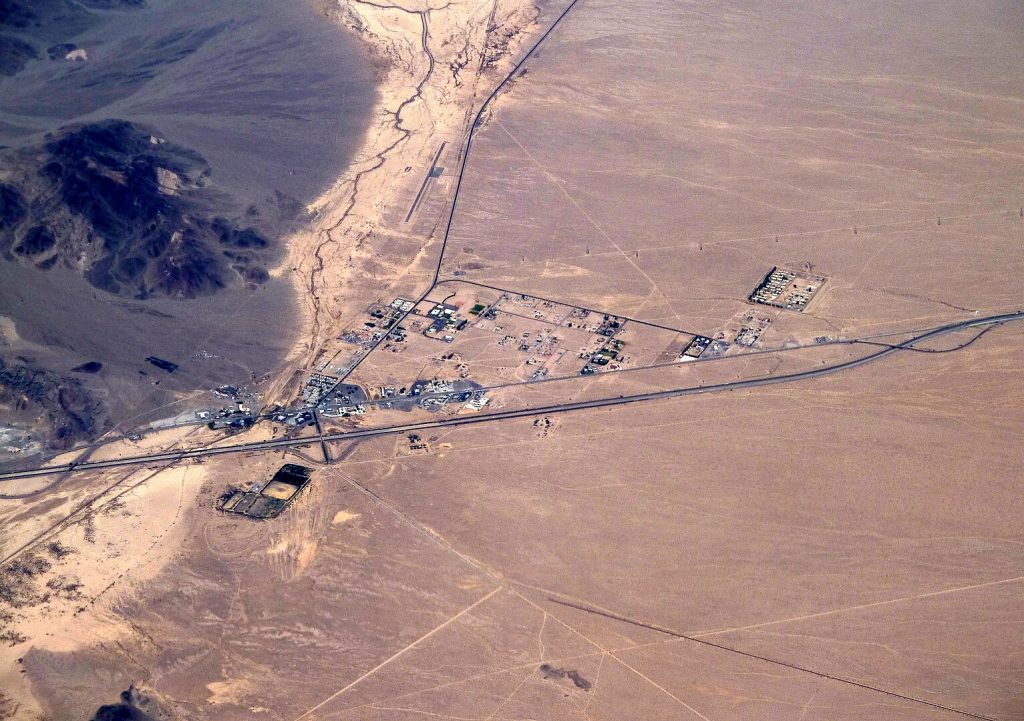
Baker sits along Interstate 15 as a desert gateway between Los Angeles and Las Vegas, yet its extreme heat, limited shade, and small cluster of amenities often challenge travelers seeking comfort during long road trips. Summer temperatures can rise well above 110 degrees, creating an environment where even brief outdoor activities feel taxing. The town relies heavily on through-traffic, meaning visitors may find few attractions designed for extended stays. Occasional dust storms and high winds reduce visibility, adding difficulty for those driving through the region. While Baker serves as a memorable roadside landmark, its intense desert climate can make its visit far from relaxing for many passing travelers each year.
Nome, Alaska
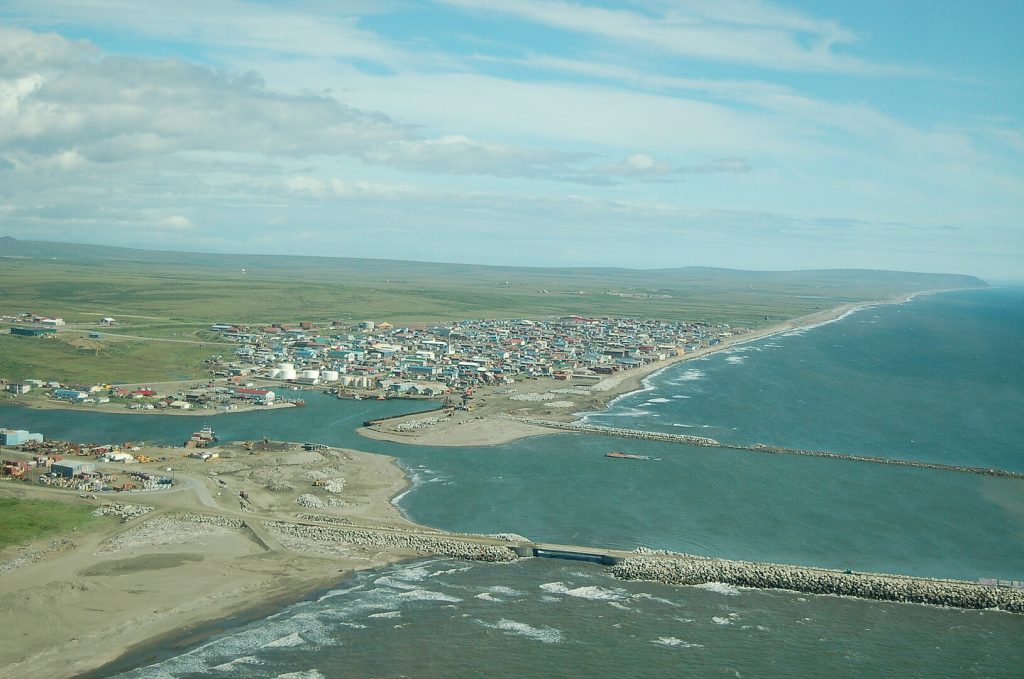
Nome offers significant cultural and historical importance, yet travelers face demanding conditions due to its remote Arctic location, lack of road access, and reliance on flights that often experience weather-related delays. The town’s coastal environment exposes visitors to strong winds and cold temperatures for much of the year. Limited lodging and dining options add to the challenge, especially during event seasons when availability becomes scarce. Although Nome holds deep connections to Alaska’s gold rush history and the famous Iditarod Trail, the isolation, frigid climate, and logistical hurdles can overwhelm those unprepared for Arctic realities. Its remoteness creates an experience suited more for seasoned adventurers.
Tonopah, Nevada
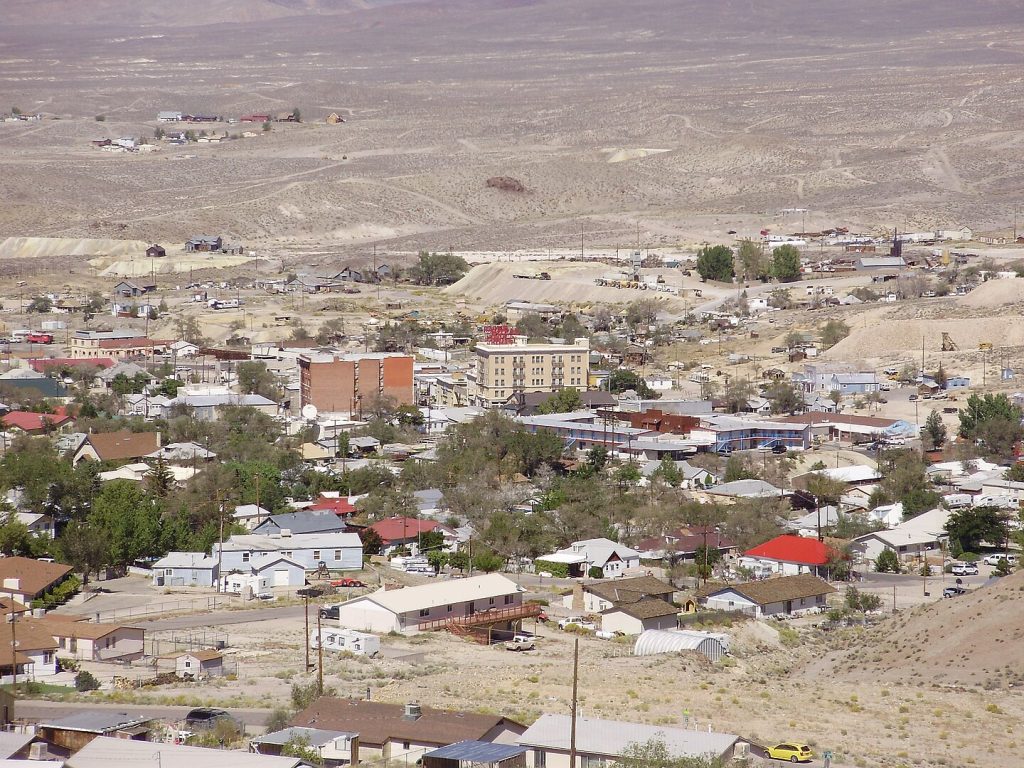
Tonopah sits deep within the Nevada desert, creating a landscape defined by long stretches of highway, limited services, and a stark mining history that shapes the town’s atmosphere. Travelers may find the distances between fuel stations and dining options surprisingly long. The high desert climate produces hot summers, cold winters, and rapid temperature changes that complicate travel plans. While Tonopah offers historical sites tied to its mining past, the remote environment and sparse amenities challenge visitors seeking a more comfortable stop. The sense of isolation, combined with the town’s small population and rugged surroundings, often makes it demanding for those unfamiliar with desert travel.
Mountain View, Arkansas
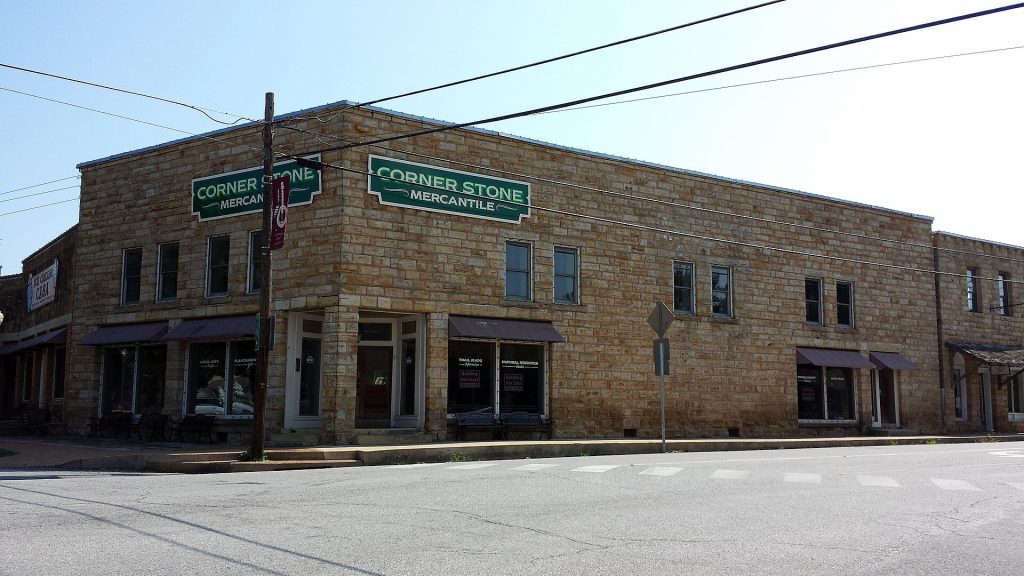
Mountain View is known for its folk music traditions and scenic Ozark surroundings, yet travelers may find the town challenging due to winding mountain roads, limited cell coverage, and seasonal weather patterns that affect accessibility. Heavy rainfall can lead to slick routes, and fog occasionally settles in the valleys, reducing visibility. The area offers rustic charm but fewer modern amenities than larger destinations. Visitors unfamiliar with rural mountain travel may find the trip demanding, especially during busy event weekends when accommodations fill quickly. While the town holds cultural appeal, its geography and infrastructure create an experience that requires patience and preparation.
West Wendover, Nevada
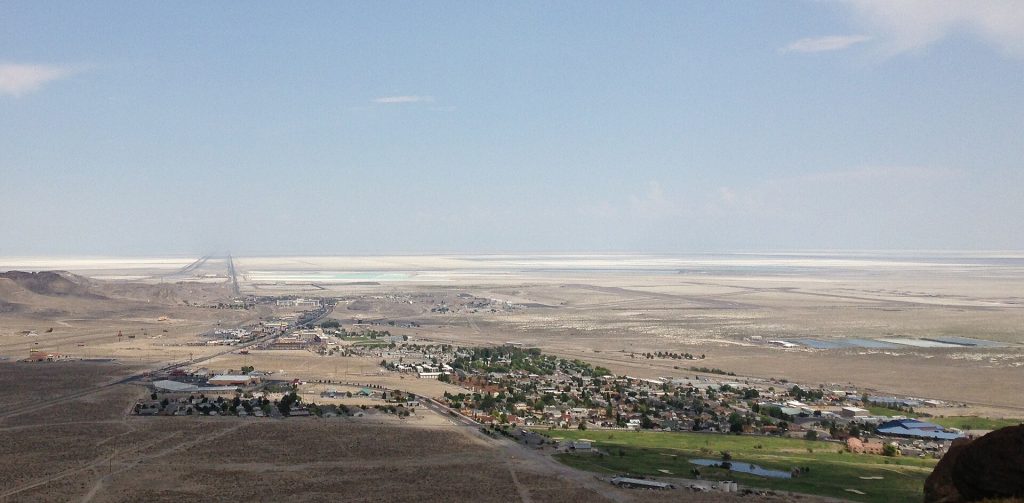
West Wendover sits on the Nevada-Utah border and often surprises travelers with its isolated setting, strong desert winds, and limited attractions beyond gaming. The long drive through open desert emphasizes the remoteness of the area, creating a journey that feels repetitive for those expecting a more dynamic landscape. Temperature swings across seasons add to the challenge, with hot summers and cold winters shaping travel conditions. While the town offers entertainment for short stays, its sparse surroundings and reliance on a single travel corridor create a demanding experience for visitors unfamiliar with high desert environments. Its isolation and limited amenities often leave travelers eager to continue moving.
Clarksdale, Mississippi
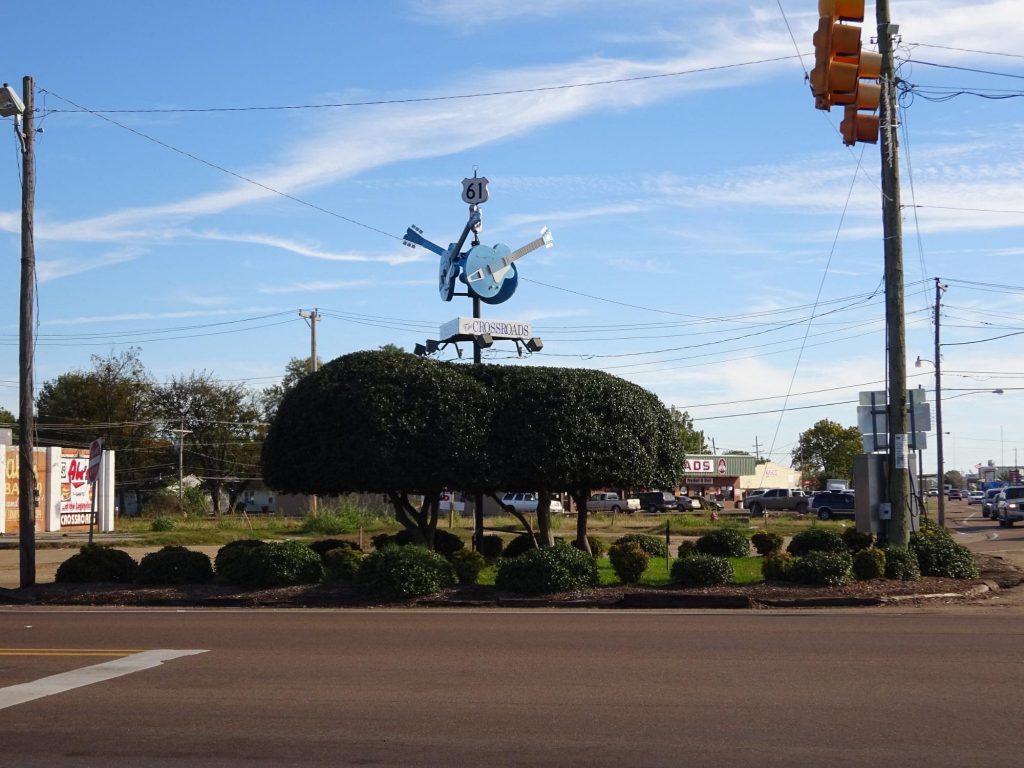
Clarksdale plays a crucial role in the history of American blues, yet travelers may find the town challenging due to limited transportation options, seasonal humidity, and a quiet downtown that sometimes feels sparse outside of festival periods. The region’s hot summers and heavy rainfall can make outdoor exploration difficult, while older infrastructure occasionally presents navigational challenges for first-time visitors. Although music enthusiasts appreciate the cultural significance of Clarksdale, casual travelers may find fewer amenities than expected. The combination of climate, slow pace, and modest tourism development makes the town a demanding stop for those seeking a more robust or activity-filled destination.