14 U.S. Travel Ideas That Break Down When You Notice the Policing

Many U.S. destinations promise relaxation, yet the mood can shift when patrol cars, checkpoints, or heavy enforcement shape the experience. Policing varies widely by place, and visibility can rise during festivals, spring break, or high tourism seasons. Sometimes the focus is traffic control and crowd safety, while other times it reflects local policies that affect public space, nightlife, or homelessness. None of this automatically signals danger, but it can change how a visit feels. These fourteen travel ideas can start as easy plans, then feel less carefree once enforcement becomes part of the scenery, especially when street closures, bag checks, and curfews appear during peak weekends, concerts, and holiday travel surges.
Bourbon Street In New Orleans Louisiana
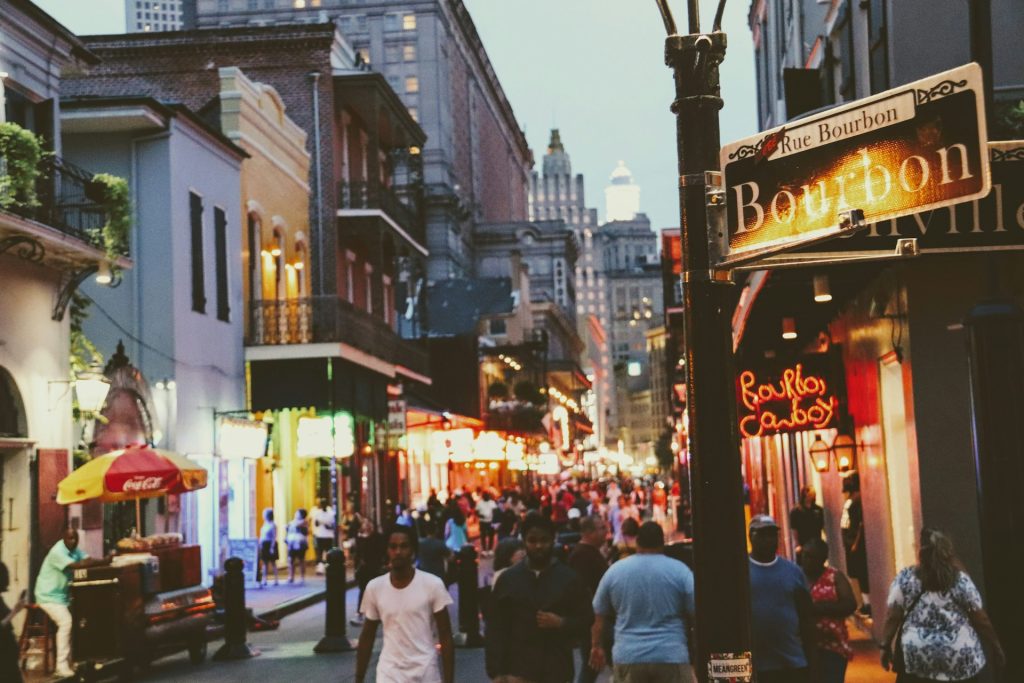
Bourbon Street can feel exciting at first, yet visible crowd management becomes obvious as soon as crowds thicken. Officers often manage intersections, respond quickly to disturbances, and enforce open container and behavior rules tied to public safety. Barricades and vehicle restrictions appear during busy periods, and the street’s constant oversight can make the scene feel less spontaneous. Even when nothing goes wrong, flashing lights and frequent patrols remind visitors that the area has a long history of rowdy nightlife. The experience can shift from carefree wandering to watching surroundings, especially late at night when staffing concentrates, and street access narrows near popular corners.
South Beach In Miami Beach Florida
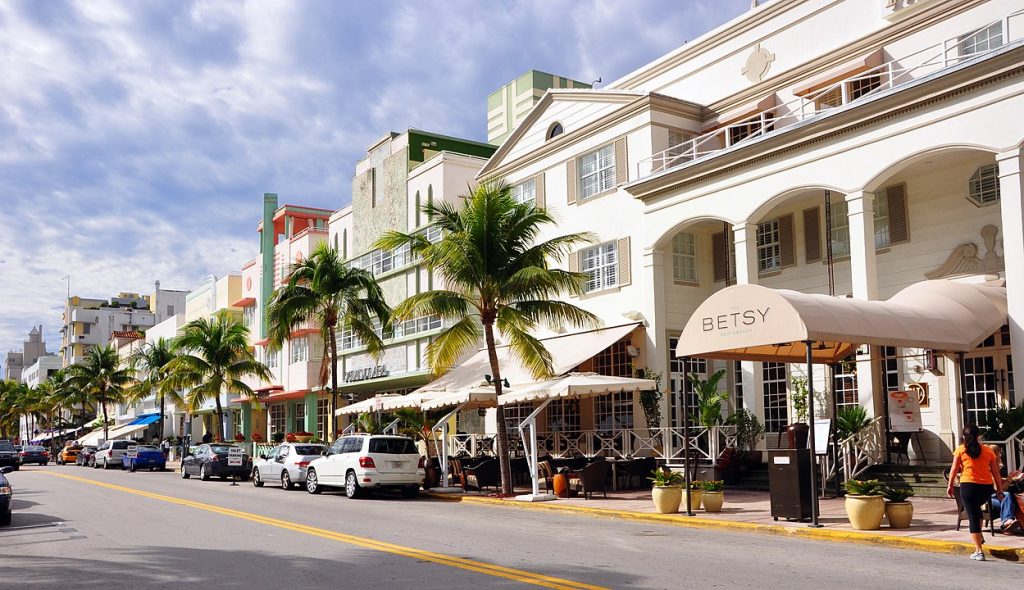
South Beach can look like a laid back beach break, but security measures become prominent during peak nightlife and spring break seasons. Increased staffing, traffic checkpoints, and crowd control practices can reshape the vibe around Ocean Drive and nearby streets. Authorities may focus on noise, disorderly conduct, and alcohol-related violations, especially when large groups gather. The beach itself can feel calm, yet the surrounding entertainment corridor often carries a visible supervision footprint. Once that presence stands out, the trip can feel less like an effortless escape and more like a carefully managed party zone, especially at night when street closures expand and entry lines form outside busy venues.
Times Square In New York City New York
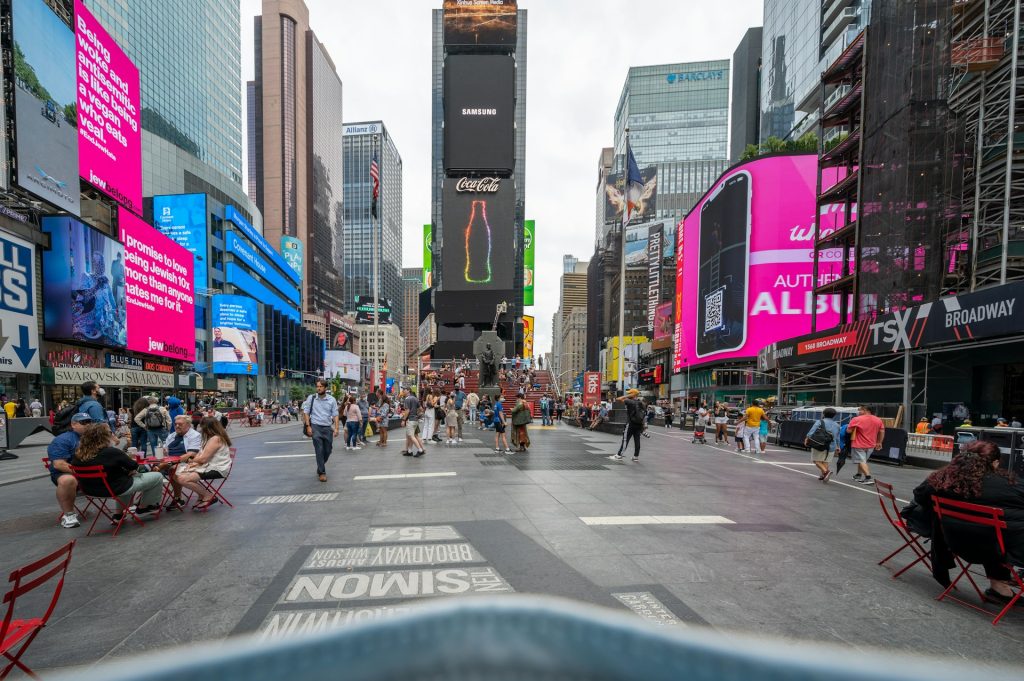
Times Square offers bright lights and nonstop energy, yet visible security can dominate the feeling of the place. Officers and security units often stand in noticeable clusters, and barriers guide foot traffic through packed plazas. The constant oversight reflects the area’s crowd volume and high-profile status, but it can make casual strolling feel more regulated. Street vendors and performers add attention, and staff may step in quickly when conflicts start. For some travelers, noticing how tightly the space is managed can shift the experience from fun spectacle into controlled movement, especially during New Year’s season and weekend nights when pedestrian zones overflow, with extra bag checks and street closures around major billboard corners.
The National Mall In Washington D.C.
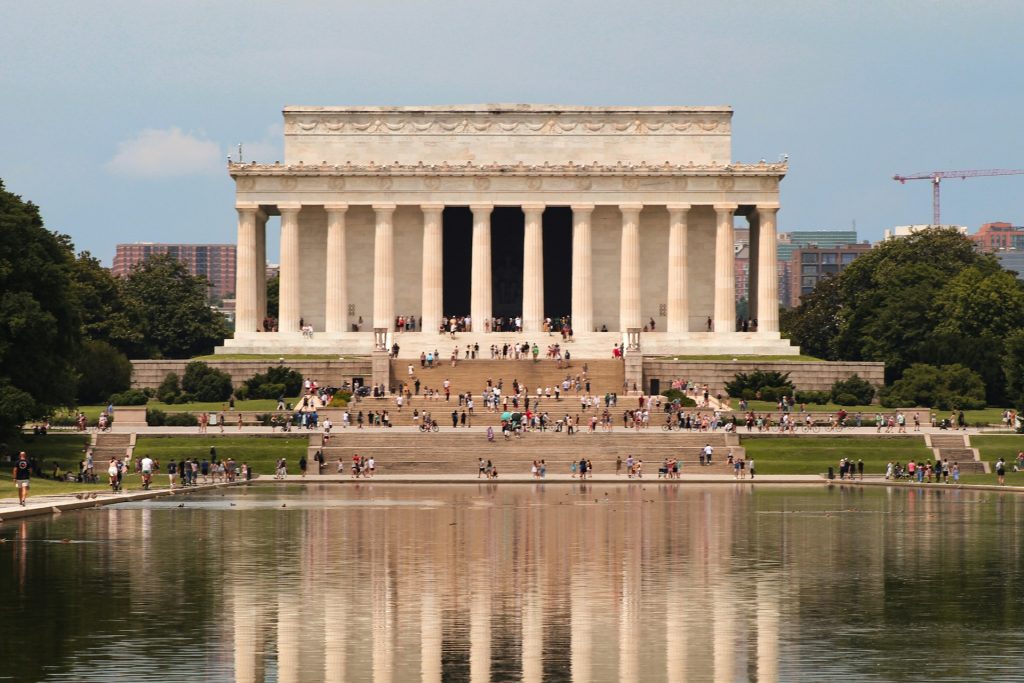
The National Mall can seem like a relaxed daytime walk, but security becomes obvious around monuments and federal buildings. Park Police and restricted zones appear near major sites, and event days can increase screening and temporarily limit access. The openness of the lawns contrasts with the presence of patrols, which can change the tone from casual sightseeing to heightened awareness. Photography is common, yet some areas may receive closer attention during high-traffic periods. The visit can still feel calm, but noticing layered security around government landmarks can make it feel more formal than expected, especially when demonstrations, motorcades, or ceremonies trigger sudden reroutes and longer walks between open entry points.
The Las Vegas Strip In Nevada
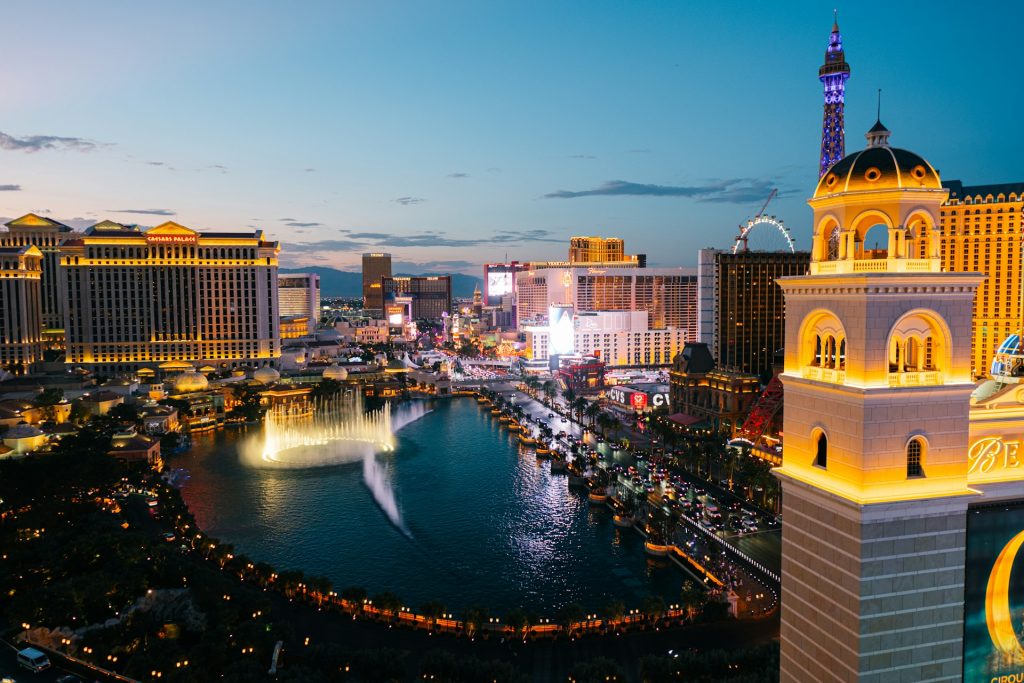
The Las Vegas Strip often sells fantasy and freedom, yet security operations are part of the core infrastructure. Resorts employ large security teams, while local police patrol heavily trafficked sidewalks and intersections. The mix of crowds, alcohol, and late hours leads to frequent interventions, and the environment includes cameras and visible monitoring. Even a simple walk can involve passing officers on bikes, in cars, or on foot near pedestrian bridges. Once that pattern becomes noticeable, the trip can feel less like carefree indulgence and more like a tightly managed entertainment corridor designed to prevent chaos, especially during holiday weekends and major conventions that pack sidewalks late.
Hollywood Boulevard In Los Angeles California
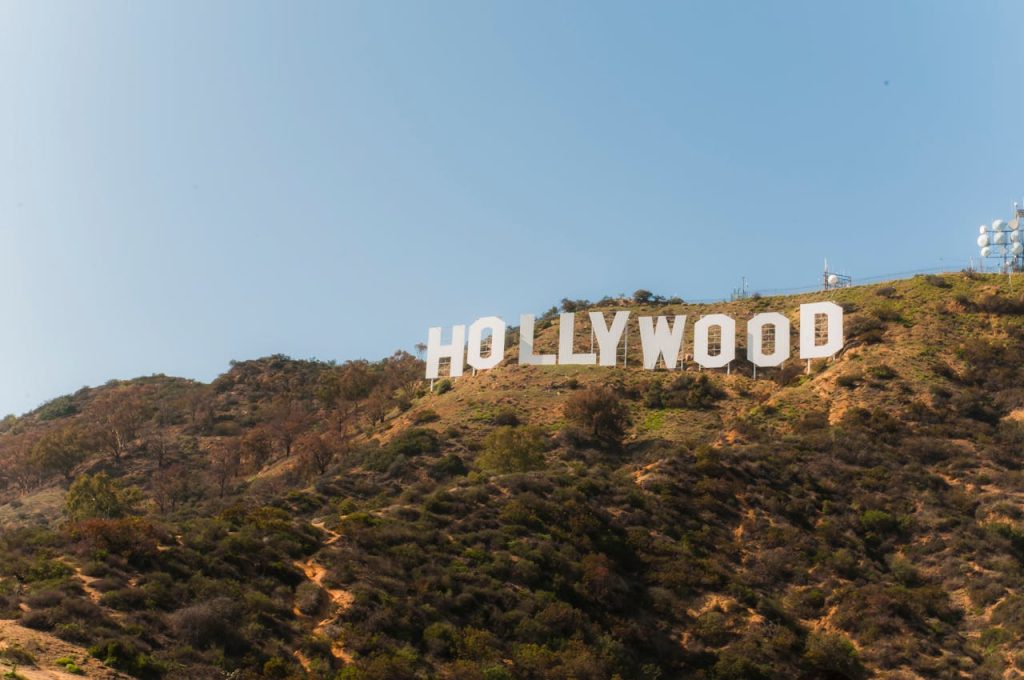
Hollywood Boulevard can start as a casual sightseeing stop, but visible security becomes part of the scene amid crowds and street activity. Patrol cars, foot officers, and private guards often appear near the Walk of Fame and tourist hubs. The area also includes visible responses to disputes, theft concerns, and street vending conflicts. For visitors expecting a glamorous stroll, the managed environment can feel jarring, especially when combined with aggressive soliciting and constant foot traffic. The trip may still deliver iconic photos, yet noticing how closely the corridor is supervised can make it feel less like an escape, particularly during premiere nights and weekend surges around major theaters.
Beale Street In Memphis Tennessee
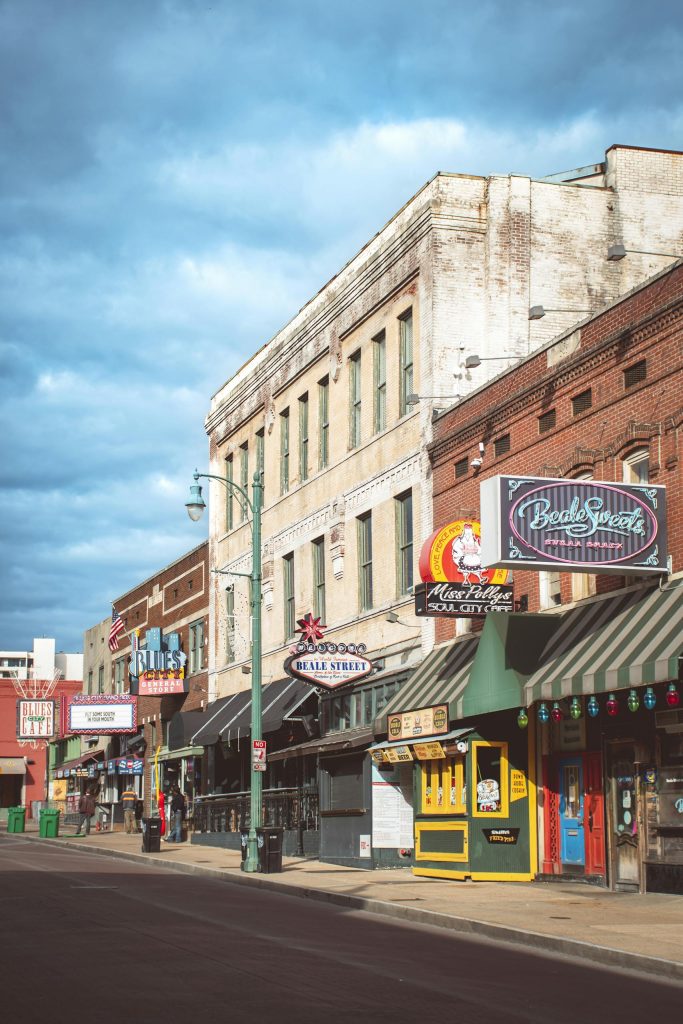
Beale Street In Memphis Tennessee can feel like a lively music pilgrimage, yet it is also a managed nightlife district with visible security. Police and security teams often monitor entrances, manage crowd flow, and respond quickly when conflicts start. Checkpoints or bag policies may appear during major events, and the street’s compact layout makes oversight easy to notice. Live music and neon signs create a festive look, but the atmosphere can shift once patrols and barriers stand out. For travelers hoping for a loose, wandering evening, the sense of supervision can make the night feel more regulated than expected, especially on busy weekends when street access narrows and venue lines stretch longer past midnight.
Sixth Street In Austin Texas

Sixth Street can seem like a simple bar hopping plan, but crowd management becomes obvious as nighttime crowds surge. Staff often close streets to vehicle traffic, monitor disturbances, and handle intoxication-related issues. The mix of bars, loud music, and dense foot traffic creates a setting where safety operations stay visible. That visibility can make the area feel less like quirky Austin and more like a managed entertainment zone. Even visitors who avoid trouble may notice frequent patrols and interventions. Once that happens, the evening can feel more like crowd control than carefree fun, especially during weekend surges, major festivals, and late-night closing hours downtown, with tighter entry lines and more frequent ID checks.
Daytona Beach During Bike Week In Florida
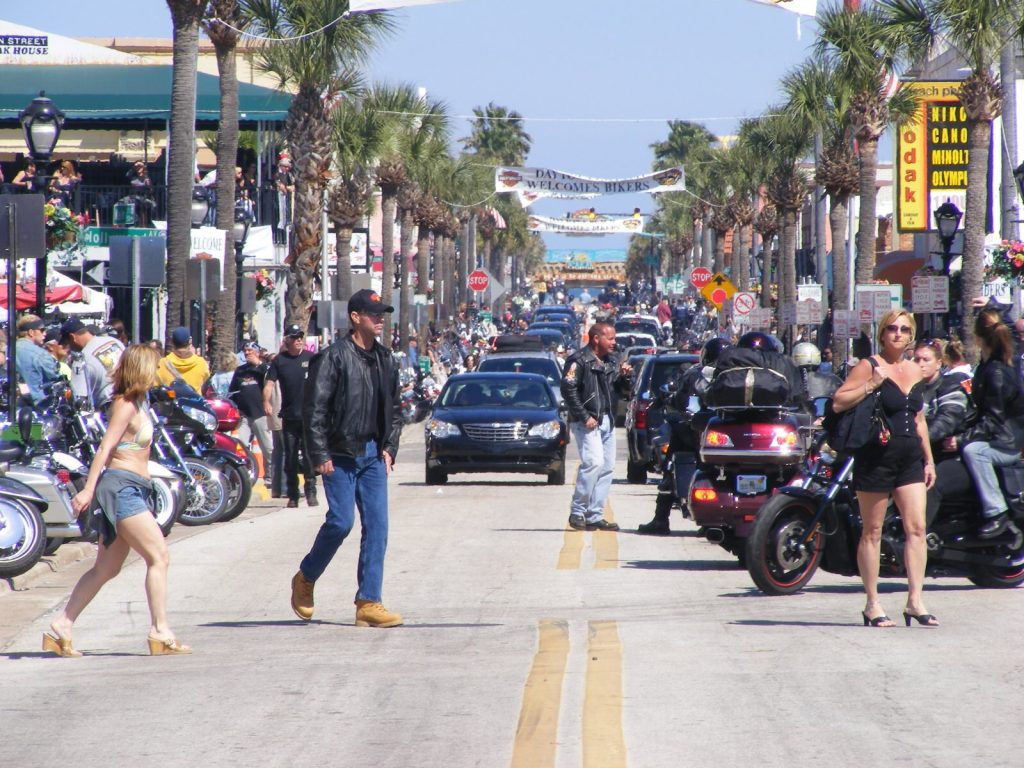
Daytona Beach can feel like a classic coastal trip, but major events such as Bike Week bring a heightened public safety presence. Police manage traffic, noise complaints, and large gatherings, and temporary checkpoints can appear as the city handles increased vehicles and visitors. The beachfront still offers open space, yet the surrounding streets can feel tightly managed during peak event hours. Once these controls become part of the backdrop, the trip can shift from beach relaxation to navigating rules and congestion. Even spectators can feel the change, especially when patrol lines and road closures shape how the area moves during headline races and concert nights each spring, with stricter parking rules and slower rideshare pickup times.
The French Quarter During Major Festivals
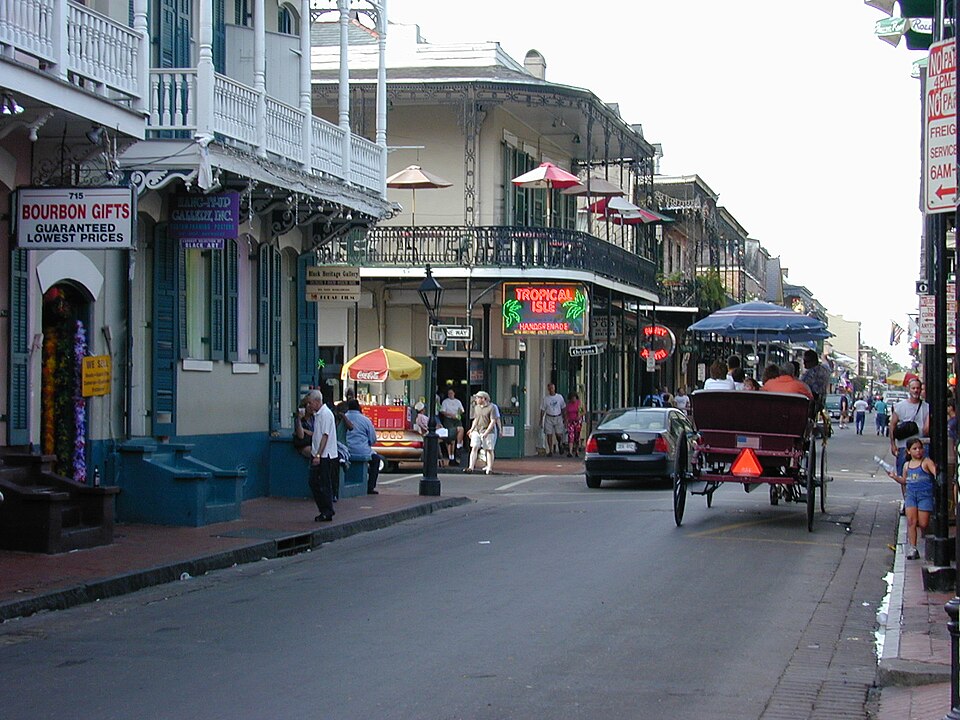
The French Quarter can feel charming on a quiet day, yet large festivals change the tone through intensified crowd management. During Mardi Gras and other major events, barricades, route controls, and concentrated staffing shape movement and access. Teams manage crowd density and public safety, but the visible oversight can make the district feel less like a neighborhood and more like a controlled venue. Entry points may narrow, and street closures can complicate simple plans. Once the added rules become apparent, some travelers notice the celebratory image carries a parallel system of procedures that never fully disappears during peak periods, especially near parade routes and late-night bar clusters downtown.
Ocean City Maryland Boardwalk In Peak Season
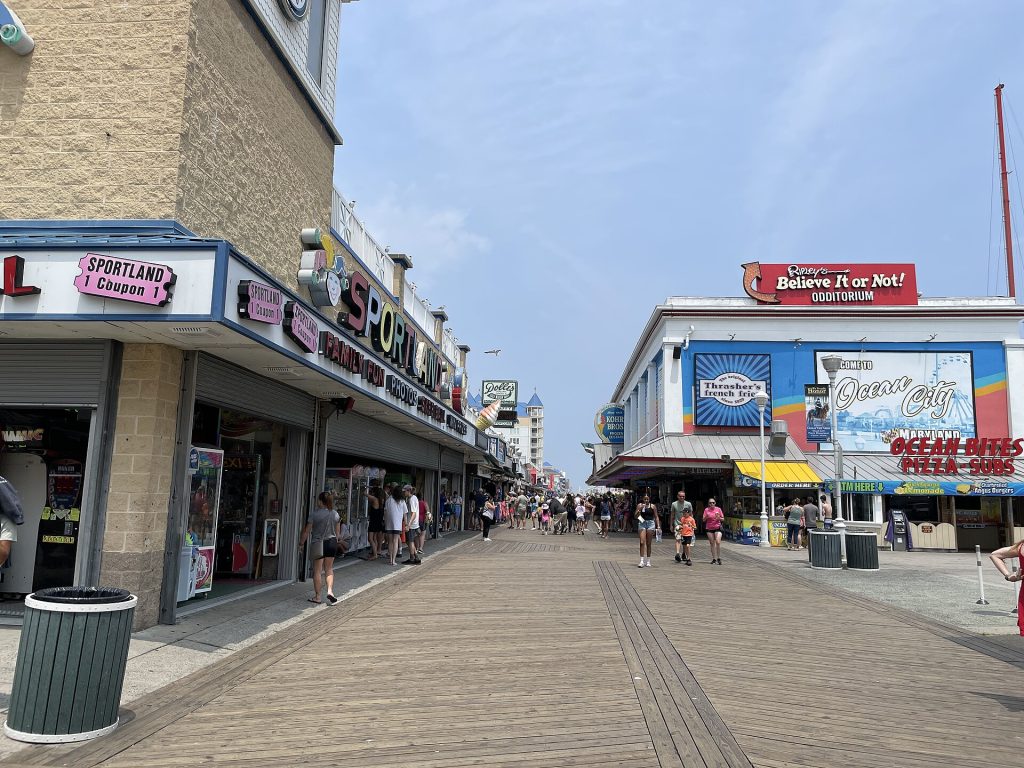
Ocean City’s boardwalk can look like an easy family trip, yet peak season brings heavier crowd management that becomes hard to miss. Police often monitor crowd behavior, control traffic near beach access points, and respond to disorderly conduct tied to nightlife. Curfews or youth-related rules sometimes become part of local conversation, and staffing presence increases during busy weekends. The setting remains classic with arcades and beach views, but the tone changes when sirens and patrols appear regularly. For some visitors, noticing how tightly the area is supervised can make a simple beach weekend feel more structured, especially during holiday weekends and major events along the shoreline.
Nashville Broadway Entertainment District In Tennessee
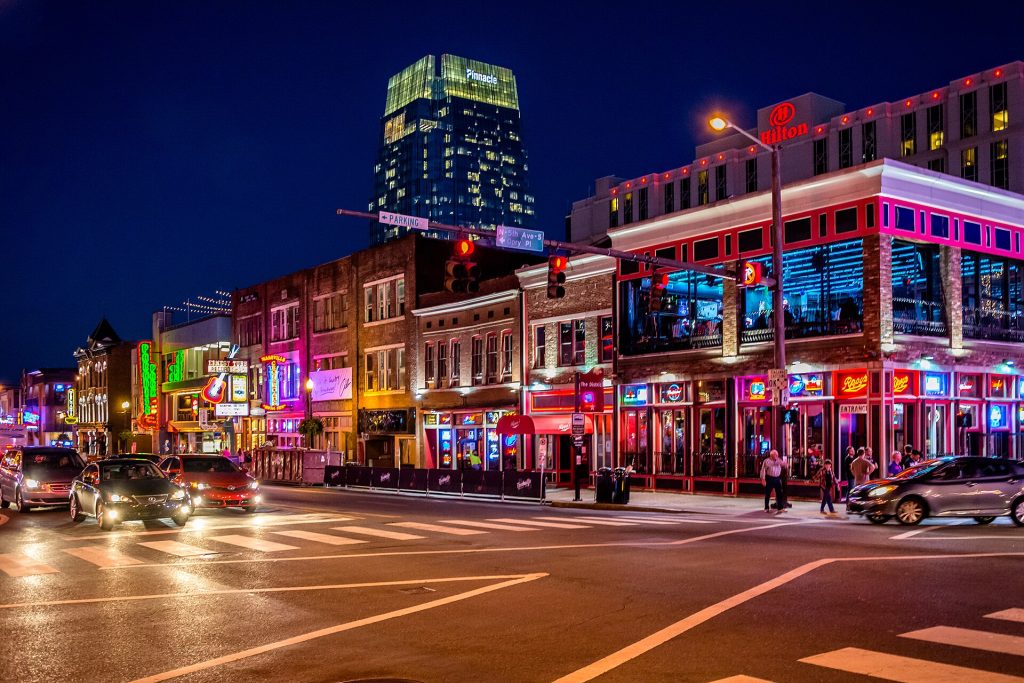
Lower Broadway in Nashville can feel like a carefree music crawl, but security practices stand out amid constant crowds. Staff often monitor intersections, manage pedestrian overflow, and respond to incidents linked to heavy drinking. Private security teams also patrol entrances and sidewalks, adding another layer of oversight. The district’s popularity makes crowd management visible even on ordinary nights, and street closures can funnel movement into narrow paths. Live music still fills the air, yet noticing the steady structure can shift the mood from spontaneous fun to navigating a carefully managed nightlife ecosystem, especially during big concerts, playoff games, and holiday weekends downtown.
San Francisco Union Square And Nearby Blocks
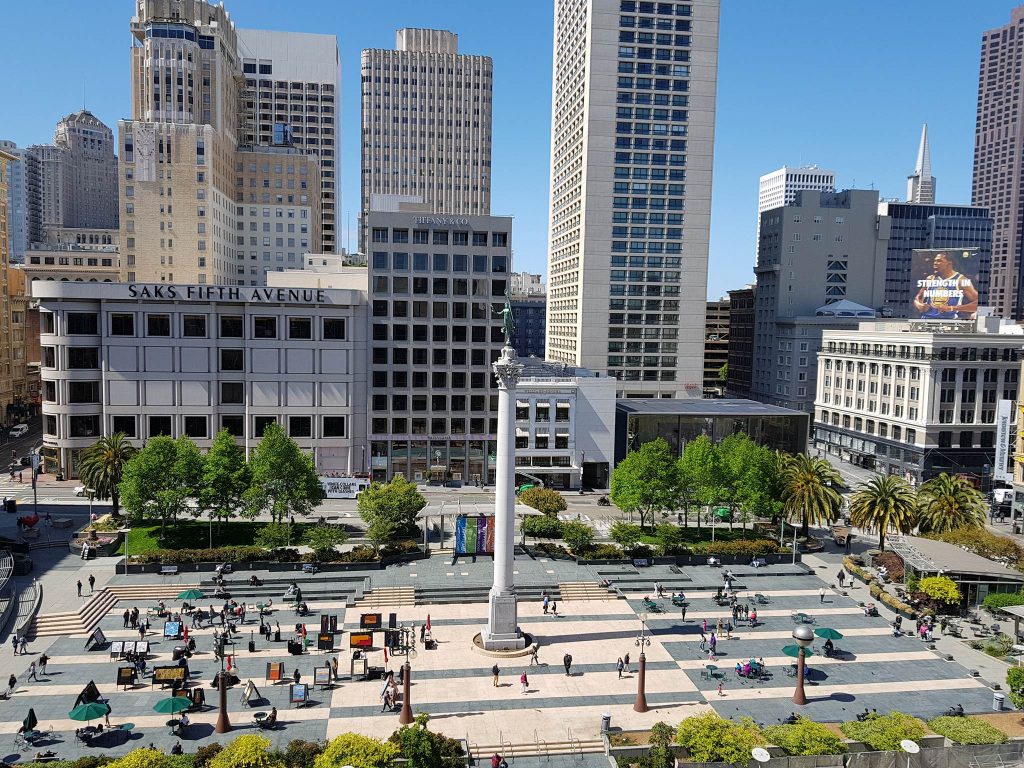
Union Square can feel like a convenient base for shopping and transit, yet security measures can reshape the mood in nearby blocks. Staff may concentrate around retail corridors, transit stations, and areas managing crowding, theft concerns, or street-level disruptions. Changes in staffing patterns can be noticeable, especially during major events or high-traffic weekends. Visitors may also see private security at storefronts, which can make the environment feel more managed. The destination still offers strong city access, but once extra safeguards become part of the daily street scene, the trip can feel less relaxed and more alert during holidays and big conferences throughout the year.
Border Town Visits In The Rio Grande Valley Texas
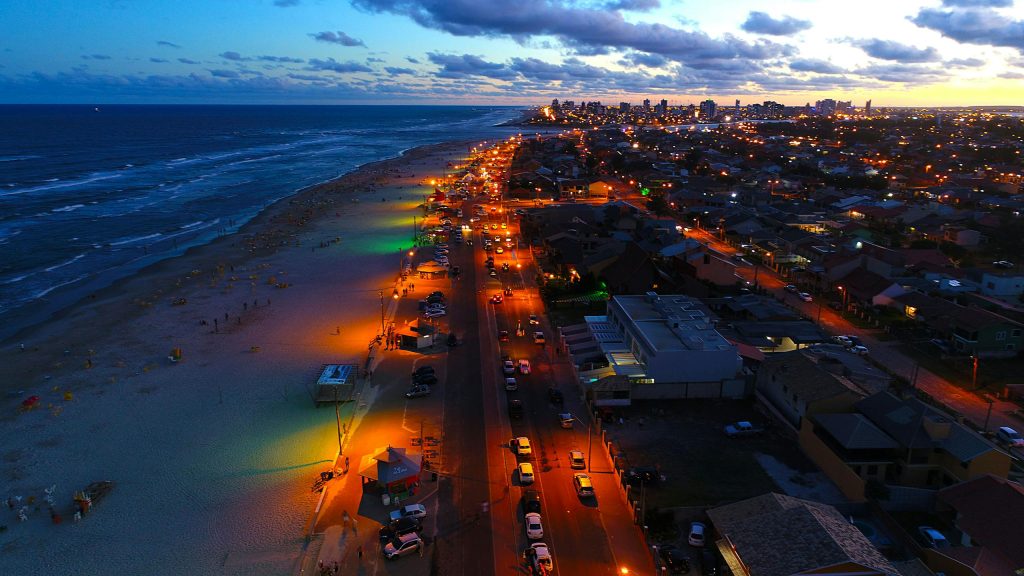
A Rio Grande Valley border town visit can begin as cultural sightseeing, yet logistics become central because border operations are part of daily infrastructure. Travelers may encounter Border Patrol vehicles, interior checkpoints on some highways, and a visible security presence near the river corridor. Even when travel remains routine, the landscape includes fencing, surveillance towers in some areas, and frequent patrol activity. This visibility can shift the mood from casual exploration to heightened self awareness. The region has rich food and community life, but noticing the enforcement layer can make the trip feel less like a getaway and more like navigating a security zone during peak traffic hours and seasonal holiday travel periods.